Advanced Technologies Used in Pipe Inspection: Enhancing Accuracy and Efficiency

daniel • November 23, 2024

Share this article

Overview of Pipeline Inspection

Pipeline inspection is vital in ensuring the safety and efficiency of our infrastructure. By using non-destructive testing (NDT) techniques, we can assess the condition and integrity of pipelines without causing damage.

Importance of Inspection in Pipeline Integrity

Inspecting pipelines is crucial to keep them safe and efficient. Over time, pipelines can be damaged by corrosion, pressure, and other factors. In-depth inspections allow us to find issues early, preventing dangerous failures.

The structural integrity of a pipeline determines its ability to carry materials safely. When a pipeline fails, it can lead to environmental harm and costly repairs. By performing regular inspections, we can maintain pipeline integrity and avoid potential hazards.

Pipeline inspection also supports the longevity of infrastructure. Early detection of issues helps us fix them before they worsen. This proactive approach not only ensures safety but also saves money over the pipeline’s lifespan. Consistent inspections play a pivotal role in managing risks and maintaining our infrastructure.

Basic Principles of Non-Destructive Testing (NDT)

Non-destructive testing (NDT) is an essential part of pipeline inspections. NDT methods allow us to examine the pipeline’s condition without causing any harm. These methods include ultrasonic testing, magnetic particle inspection, and radiographic testing. Each technique helps identify different types of damage or wear.

Ultrasonic testing, for instance, uses sound waves to detect flaws within the pipeline material. This method is useful for finding small cracks and corrosion. Magnetic particle inspection involves applying a magnetic field to detect surface and near-surface defects.

Radiographic testing uses X-rays or gamma rays to see inside the pipeline, revealing any internal issues. By using NDT methods, we can evaluate the condition of pipelines accurately while preserving their integrity.

Advanced Inspection Technologies

We explore cutting-edge methods in pipe inspection that improve flaw detection and accuracy. Technologies like Magnetic Flux Leakage, Ultrasonic Testing, and Eddyfi Technologies stand out.

Magnetic Flux Leakage (MFL) Technology

Magnetic Flux Leakage (MFL) technology is a powerful tool for detecting corrosion and pitting in steel structures. When inspecting pipelines, MFL involves magnetizing the steel and looking for disturbances caused by flaws.

The method is highly sensitive to metal loss. It allows us to create visual maps of the inner surfaces of pipes, providing detailed information about anomalies. MFL is rapid and can cover large areas quickly, making it efficient for industrial use.

While it provides impressive data, MFL is most effective when combined with other inspection methods to ensure thorough analysis.

Ultrasonic Testing Methods

Ultrasonic testing uses sound waves to detect internal flaws in materials. This non-destructive method allows us to evaluate the thickness of pipes and locate defects.

One popular approach is Phased Array Ultrasonic Testing (PAUT). This variant uses multiple sound beams delivered simultaneously, offering a detailed cross-sectional view. It’s ideal for complex geometries because it provides precise measurements.

Another method is corrosion mapping, which helps us identify and evaluate corrosion degradation. These techniques enable us to accurately assess pipe condition, ensuring reliability and safety in various applications.

Eddyfi Technologies for Flaw Detection

Eddyfi Technologies employs advanced electronics and sensors to enhance flaw detection in pipelines. This approach uses electromagnetic fields to identify defects, even in challenging environments.

Eddyfi systems are designed for precision, offering a high-definition view of pipe surfaces. These technologies can detect subtle differences in material properties, allowing us to pinpoint issues before they become critical.

Their versatility makes them suitable for a wide range of industrial applications, providing reliable results even in complex inspection conditions.

Inspection Data Collection and Analysis

In the field of pipeline integrity management, collecting and analyzing inspection data is crucial. We use cutting-edge technologies to gather detailed information and detect anomalies that could indicate potential issues.

Data Collection Techniques in ILI

In-line inspection (ILI) tools are essential for gathering data in pipelines. Our use of smart sensor technologies allows us to capture detailed measurements while the pipeline remains operational. Magnetic Flux Leakage (MFL) and Ultrasonic Testing (UT) are common techniques.

MFL detects changes in magnetic fields which point to metal loss or corrosion. UT, in turn, evaluates wall thickness, providing precision data. By using these techniques, it’s possible to assess the condition of the pipeline accurately, ensuring continuous productivity and safety. We prioritize technology that maximizes both data accuracy and operational efficiency.

Interpreting Inspection Data for Anomaly Detection

Once we’ve collected the data, the next step is to identify anomalies. These irregularities might include corrosion, dents, or cracks that could threaten pipeline integrity. We use advanced software to analyze the data, looking for patterns that indicate problems.

Automated algorithms assess every inch of the pipeline, ensuring nothing is missed. This process not only highlights existing issues but also predicts potential future problems. Effective anomaly detection helps us take preemptive measures, reducing risks and maintaining pipeline performance.

Our high-tech approach to interpreting data ensures we manage pipeline integrity proactively, keeping pipelines safe and reliable.

Challenges in Pipe Inspection

When inspecting pipes, we often face complex conditions and must deal with the limitations of current technologies. These challenges can impact the accuracy and efficiency of identifying and addressing issues like wall loss, pitting, and other forms of deterioration.

Dealing with Complex Pipe Conditions

Pipes can suffer from various complexities, including ovality , pitting , and wall thickness changes. These factors make inspection difficult because they create irregular surfaces and obstructions. Ovality occurs when pipes deviate from their round shape, which can lead to stress in certain areas and affect the flow of materials.

Pitting presents another challenge, creating small, localized areas of wall loss that can go undetected if not thoroughly inspected. Hydrogen blistering is an added problem in some environments, where gas buildup between the pipe layers can weaken the material. Addressing these issues demands a detailed approach to ensure structural integrity.

Limitations of Current Inspection Technologies

Our current tools for pipe inspection have limitations, especially in detecting minute changes like minor wall loss or small imperfections. Technologies like ultrasonic testing and magnetic flux leakage are widely used; however, they may not always effectively identify every defect, such as tiny pits.

Condition assessment methods also need improvement to better detect and analyze flaws. Increased accuracy is vital for making precise evaluations and recommendations. While digital advancements have begun to aid inspections, some of the more intricate problems remain challenging to identify with existing techniques.

Pipeline Inspection in Different Industries

Pipeline inspection is crucial in ensuring the safety and efficiency of infrastructure. Each industry uses unique methods and technologies to assess their systems, focusing on safety and performance.

Inspection Practices in Oil and Gas Pipelines

In the oil and gas industry, inspection is vital for preventing leaks and incidents. We use intelligent pigging tools to detect signs of corrosion, cracks, and other defects in pipelines. These tools travel through the pipeline, gathering data on its condition.

Additionally, various fitness-for-service assessments ensure the infrastructure meets safety standards. Consistent checking also includes distress indicators to help identify areas of concern early. These practices are crucial for maintaining pipeline integrity and preventing major hazards.

Water and Wastewater Collection System Assessment

Water and wastewater systems employ several inspection methods. We commonly use CCTV inspection to examine water mains and waste lines. These cameras help identify blockages, cracks, and leaks.

M2M Gekko systems allow real-time monitoring of these networks, enhancing our ability to detect problems. Evaluating distress indicators helps in planning maintenance and rehabilitation activities. Through thorough assessments, we ensure water distribution remains reliable and safe.

Robotics in Sewer Inspection

In sewer inspection, robotics play a significant role. Our use of robotic tools allows for a more detailed examination of pipes, particularly in hard-to-reach areas.

These robots are equipped with cameras and sensors, similar to those used in CCTV inspection. They offer high-resolution images and data, which are crucial for assessing the condition of sewers. By employing advanced robotics, we can improve inspection accuracy and speed.

Ensuring our sewer system’s health is critical for public safety and environmental protection. These technologies enable efficient maintenance and timely interventions.

Recent Posts

Fast Response Plumbing technician servicing a water shut off valve in San Francisco
By Joe Tinsley July 17, 2026
Learn how gate valves, ball valves, and angle stops work, where to find them in your San Francisco home, and when to replace them. FAQs inside.
Budgeting for Unforeseen Sewer Line Maintenance Expenses
By Stefani January 31, 2026
Sewer line problems can hit your wallet fast, and we know the stress of a surprise repair. We show you how to plan a practical budget that covers emergency fixes, regular upkeep, and the big costs that sneak up on you. This saves you money and keeps small issues from turning into major failures. We […]
Seasonal Effects on Sewer Line Maintenance Costs
By Stefani January 30, 2026
You’ll want to know how seasons change what you pay for sewer line maintenance so you can plan ahead and avoid surprise bills. Seasonal weather, ground movement, and plant growth directly affect repair needs and costs, so budgeting by season cuts unexpected expenses. We outline what shifts costs, when repairs most often happen, and which […]
The Role of Location in Sewer Line Maintenance Pricing
By Stefani January 29, 2026
You’ll pay different amounts for sewer line maintenance depending on where your property sits and what’s under it. Location drives cost through factors like soil type, access difficulty, local labor rates, and permit rules, so knowing these lets you predict and plan for expenses. We’ll show how those local details shape quotes and outcomes. We’ll […]
Analyzing Material Expenses for Effective Sewer Line Care
By Stefani January 28, 2026
We’ll break down the real costs that matter for keeping a sewer line working well so you can plan and avoid surprises. You’ll learn which materials and fees drive most of the expense and how small choices can lower long-term costs. We’ll look at costs for parts, tools, permits, and regular cleaning, plus where labor […]
Understanding the Impact of Labor Costs on Sewer Line Maintenance
By Stefani January 25, 2026
You want to know how labor costs shape sewer line care and what that means for your wallet. We will show how wages, crew size, and the repair method you choose change the final bill so you can plan smarter and avoid surprises. Knowing which labor factors most drive costs lets you pick repair options […]
How to Interpret Sewer Line Inspection Reports
By Stefani January 24, 2026
You’ll get clear steps to decode the most important parts of a sewer line inspection report so you can act with confidence. We show you how to spot real problems, what each defect means, and which issues need immediate repair versus routine maintenance. We break the report into simple pieces what the camera images show, […]
By Stefani January 23, 2026
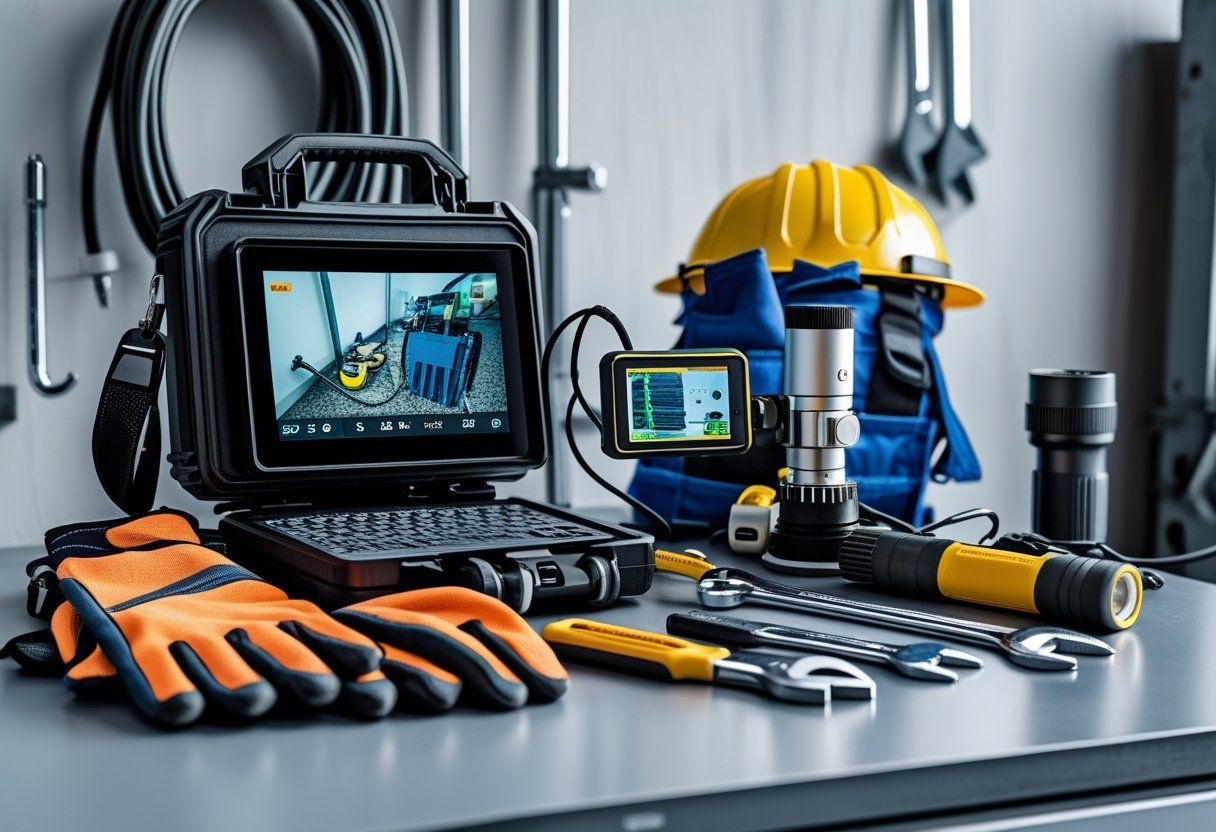
You want tools that give clear answers fast so you can find problems and fix them right. We rely on high-quality sewer cameras, locating gear, and cleaning tools to spot cracks, blockages, and defects in sewer lines accurately. Knowing which tools to use helps a plumber save time and avoid costly mistakes. We will walk […]
By Stefani January 22, 2026
You want sewer line inspections timed so they catch problems before they get costly or urgent. We recommend scheduling inspections based on seasonal risks winter freeze, spring thaw, and heavy fall rains because timing cuts repair costs and prevents service interruptions. We will explain how weather, soil movement, and tree roots change the risk level […]
Common Mistakes to Avoid During Sewer Line Inspections
By Stefani January 18, 2026
We know sewer line inspections feel technical and tense, but avoiding a few common mistakes protects your home and wallet. Start by planning the inspection, knowing what to look for, and involving a qualified professional when signs point to trouble. That simple approach cuts down on missed problems and costly surprises. We will walk through […]
Show More