
Understanding the Pipe Inspection Process in Residential Plumbing: A Comprehensive Guide

daniel • November 22, 2024

Share this article

Principles of Residential Plumbing Inspection

We’re looking at the key parts of plumbing inspection in homes. It’s crucial for keeping plumbing systems working well and addressing any problems before they become big issues.

Understanding Plumbing Systems

To inspect a plumbing system, we start by knowing its layout. Pipes and fixtures have specific roles. Supply pipes bring water to the home, while drain pipes remove waste. Other parts are important too, like vent pipes that help to air flow, preventing clogs.

Every home has a slightly different setup. Older homes might have materials like lead or galvanized steel, which can cause problems. Newer systems use PVC or copper, which are more reliable and require less upkeep. Spotting the differences helps us know what to check more closely.

The Role of Plumbing Inspections

Inspections are important for finding hidden issues. We look for leaks, blockages, and wear in the system. When we inspect, we check water pressure, inspect visible pipes, and test drain speed. These help us find out how healthy the system is.

Regular plumbing inspections are a key part of home maintenance. They save money by catching problems early. Repairs done at the right time extend the life of the plumbing system. This means fewer expensive emergency repairs later. Keeping up with inspections is a smart move for any homeowner.

Pre-Inspection Preparation

Before starting a plumbing inspection, it’s important to ensure we are ready with the right tools and a detailed checklist. This preparation helps us identify problems effectively and keeps the process smooth and efficient.

Tools and Techniques for Inspection

For a thorough inspection, we need various tools and techniques. A common tool is a camera for inspection. It allows us to see inside pipes without taking them apart. We can spot blockages, cracks, or other damage with this tool.

Another key technique is a visual inspection. It involves looking at visible parts of the plumbing system. Checking under sinks, around toilets, and areas prone to leaks helps us find external signs of wear or damage.

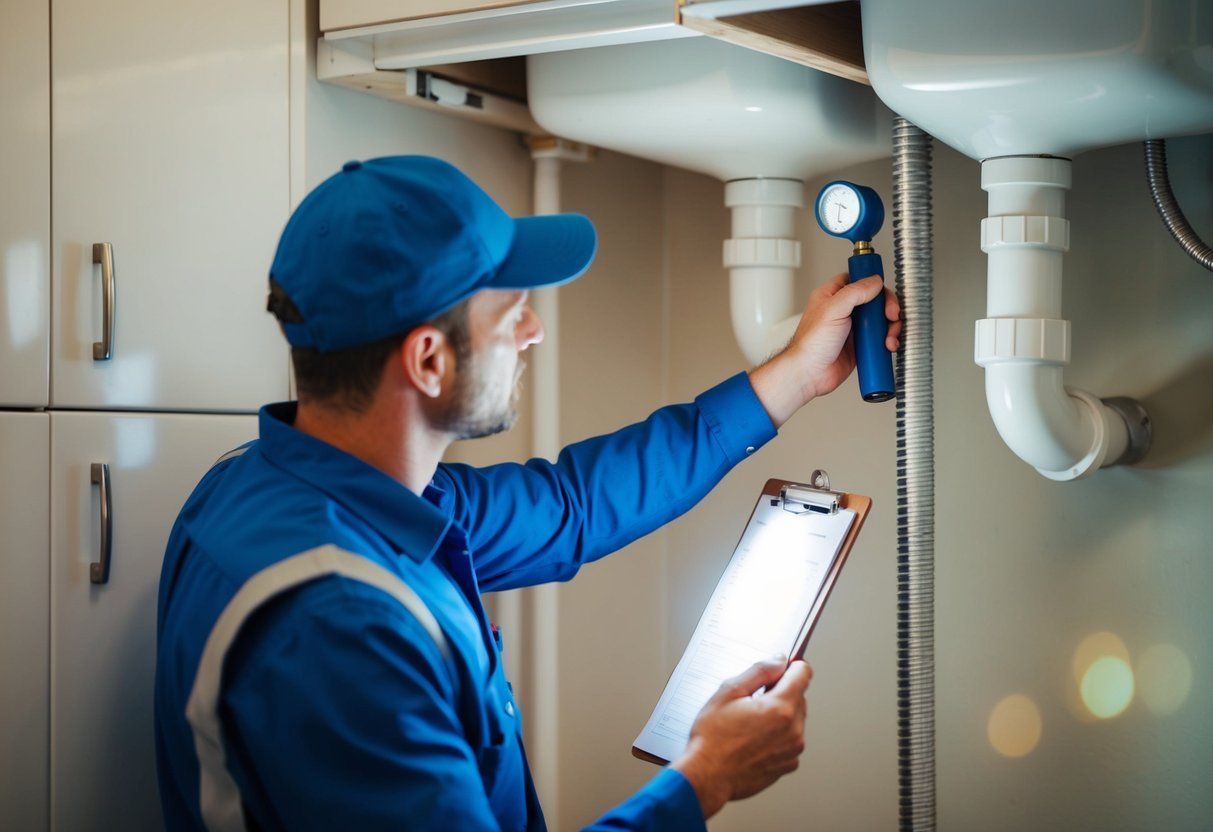
Water pressure assessment is also crucial. We use a pressure gauge to ensure that water pressure levels are normal. Too high or too low can indicate issues with the plumbing system. Together, these tools and techniques give us a clear picture of the plumbing health.

Creating a Plumbing Inspection Checklist

A comprehensive plumbing inspection checklist helps us cover all bases. Start with simple tasks like checking all faucets for leaks and ensuring drains are not clogged. Include visual checks for pipe leaks or corrosion.

The checklist should also have steps for water pressure assessment. This ensures that any pressure irregularities are noted early. Additionally, a section for camera inspection jobs should be included for non-visible areas.

By following a structured checklist, nothing important is missed. Each step is vital for a smooth and complete inspection. This preparation makes sure everything gets the attention it deserves.

Executing the Inspection Process

When we carry out a plumbing inspection, our main goal is to spot any issues early. We look for leaks, water damage, and any weaknesses in pipes and fixtures to prevent costly repairs in the future.

Detecting Leaks and Water Damage

The first step in our inspection is to identify any leaks. We use advanced leak detection equipment that helps us find leaks without tearing through walls or floors. Moisture meters help check for hidden water damage beneath the surface.

When inspecting, we pay close attention to areas prone to moisture build-up, such as under sinks and around toilets. These areas often show signs of leakage, like discoloration or warping.

By catching these early, we prevent further damage and costly repairs. Regular inspections ensure these problems are addressed quickly.

Assessing Pipes and Drains

Next, we evaluate the pipes and drainage system to ensure they are functioning well. We look for rust, corrosion, or any signs of wear that could indicate a future blockage or clog.

Using camera inspections, we can see detailed images inside the pipes. This helps us identify any debris or buildup that might obstruct water flow.

We also ensure that all drains work effectively, checking for slow drainage or gurgling sounds that often indicate a problem.

Examining Faucets and Fixtures

In this step, we check all faucets and fixtures in the house. Ensuring these are in top condition prevents leaks and helps in saving water. We look at the condition of washers and seals, as worn-out parts can lead to drips.

Outdated fixtures might not be efficient. In such cases, we recommend upgrading to modern fixtures. This helps improve water conservation and often adds aesthetic value to the home.

We also check shut-off valves for smooth and easy operation. These are crucial during emergencies to stop water flow quickly.

Water Heater and Sewer Line Evaluation

Finally, the water heater and sewer line are crucial parts of our inspection. For the water heater, we examine for leaks, proper temperature settings, and sediment buildup. Regular maintenance extends its lifespan and improves energy efficiency.

Sewer lines are inspected using cameras to detect cracks, leaks, or tree root intrusions, which can cause blockages. Regular checks help us avoid sanitation issues and expensive repairs.

Overall, these evaluations ensure both the water heater and sewer system run smoothly and safely. Keeping these components in top shape ensures a reliable water supply and efficient drainage.

Post-Inspection Considerations

After completing a pipe inspection, we should focus on urgent repairs that could affect our health and safety, as well as planning for regular maintenance. These steps help in managing costs and preventing future plumbing issues.

Identifying Urgent Repairs

Following an inspection, we must prioritize any urgent plumbing repairs. Issues such as leaks, clogs, or corroded pipes might need immediate attention. These are critical because they can lead to water damage or more serious problems if left unresolved. It’s essential to address any health and safety concerns that could arise from these issues.

We should note which repairs need our attention first and understand the potential consequences of delaying these repairs. Quick action might save us from more expensive plumbing costs in the future. By focusing on the most pressing issues, we can maintain the safety and functionality of our plumbing system.

Long-Term Maintenance Strategies

In addition to immediate repairs, our focus should also be on long-term maintenance. Planning regular plumbing maintenance can prevent issues from escalating into urgent repairs. For example, scheduling periodic checks helps keep our pipes and systems in good condition.

A maintenance plan might include routine inspections, cleaning drain lines, or replacing aging fixtures. Regular checks can help spot minor problems before they become significant, reducing future plumbing costs.

By committing to these strategies, we can enhance the longevity of our plumbing system and ensure a safe and efficient home environment.

Impact and Implications of Inspection Findings

Pipe inspection findings can reveal important information about a home’s plumbing system. These insights can help us handle plumbing issues and make informed decisions about upgrades or replacements.

Dealing with Potential Plumbing Issues

Discovering plumbing issues during an inspection allows us to address problems early. For instance, identifying water stains might indicate leaks that, if left unattended, could lead to mold growth or even structural damage.

Fixing these now can prevent bigger, more costly repairs later. Consistent issues, like high water bills, might suggest the need for regular plumbing services. We can also hire professional plumbers to assess recurring issues.

When selling a home, resolving issues can increase property value. For those buying a home, learning about potential problems helps us negotiate repairs or adjust the offer based on the system’s condition.

Planning for Upgrades and Replacements

Inspecting an aging plumbing system can reveal when upgrades or replacements are necessary. Older systems may not meet current efficiency standards, leading us to consider replacing pipes or appliances to reduce water usage.

We may plan for replacements over time, prioritizing areas with potential risks. Major upgrades might be costly, but they can enhance our home’s value and safety.

Careful planning can spread the expense and prevent unexpected failures, providing peace of mind. For those aiming to sell or buy, knowing when upgrades are needed can influence our decisions and budgeting strategies.

Recent Posts

Fast Response Plumbing technician servicing a water shut off valve in San Francisco
By Joe Tinsley July 17, 2026
Learn how gate valves, ball valves, and angle stops work, where to find them in your San Francisco home, and when to replace them. FAQs inside.
Budgeting for Unforeseen Sewer Line Maintenance Expenses
By Stefani January 31, 2026
Sewer line problems can hit your wallet fast, and we know the stress of a surprise repair. We show you how to plan a practical budget that covers emergency fixes, regular upkeep, and the big costs that sneak up on you. This saves you money and keeps small issues from turning into major failures. We […]
Seasonal Effects on Sewer Line Maintenance Costs
By Stefani January 30, 2026
You’ll want to know how seasons change what you pay for sewer line maintenance so you can plan ahead and avoid surprise bills. Seasonal weather, ground movement, and plant growth directly affect repair needs and costs, so budgeting by season cuts unexpected expenses. We outline what shifts costs, when repairs most often happen, and which […]
The Role of Location in Sewer Line Maintenance Pricing
By Stefani January 29, 2026
You’ll pay different amounts for sewer line maintenance depending on where your property sits and what’s under it. Location drives cost through factors like soil type, access difficulty, local labor rates, and permit rules, so knowing these lets you predict and plan for expenses. We’ll show how those local details shape quotes and outcomes. We’ll […]
Analyzing Material Expenses for Effective Sewer Line Care
By Stefani January 28, 2026
We’ll break down the real costs that matter for keeping a sewer line working well so you can plan and avoid surprises. You’ll learn which materials and fees drive most of the expense and how small choices can lower long-term costs. We’ll look at costs for parts, tools, permits, and regular cleaning, plus where labor […]
Understanding the Impact of Labor Costs on Sewer Line Maintenance
By Stefani January 25, 2026
You want to know how labor costs shape sewer line care and what that means for your wallet. We will show how wages, crew size, and the repair method you choose change the final bill so you can plan smarter and avoid surprises. Knowing which labor factors most drive costs lets you pick repair options […]
How to Interpret Sewer Line Inspection Reports
By Stefani January 24, 2026
You’ll get clear steps to decode the most important parts of a sewer line inspection report so you can act with confidence. We show you how to spot real problems, what each defect means, and which issues need immediate repair versus routine maintenance. We break the report into simple pieces what the camera images show, […]
By Stefani January 23, 2026
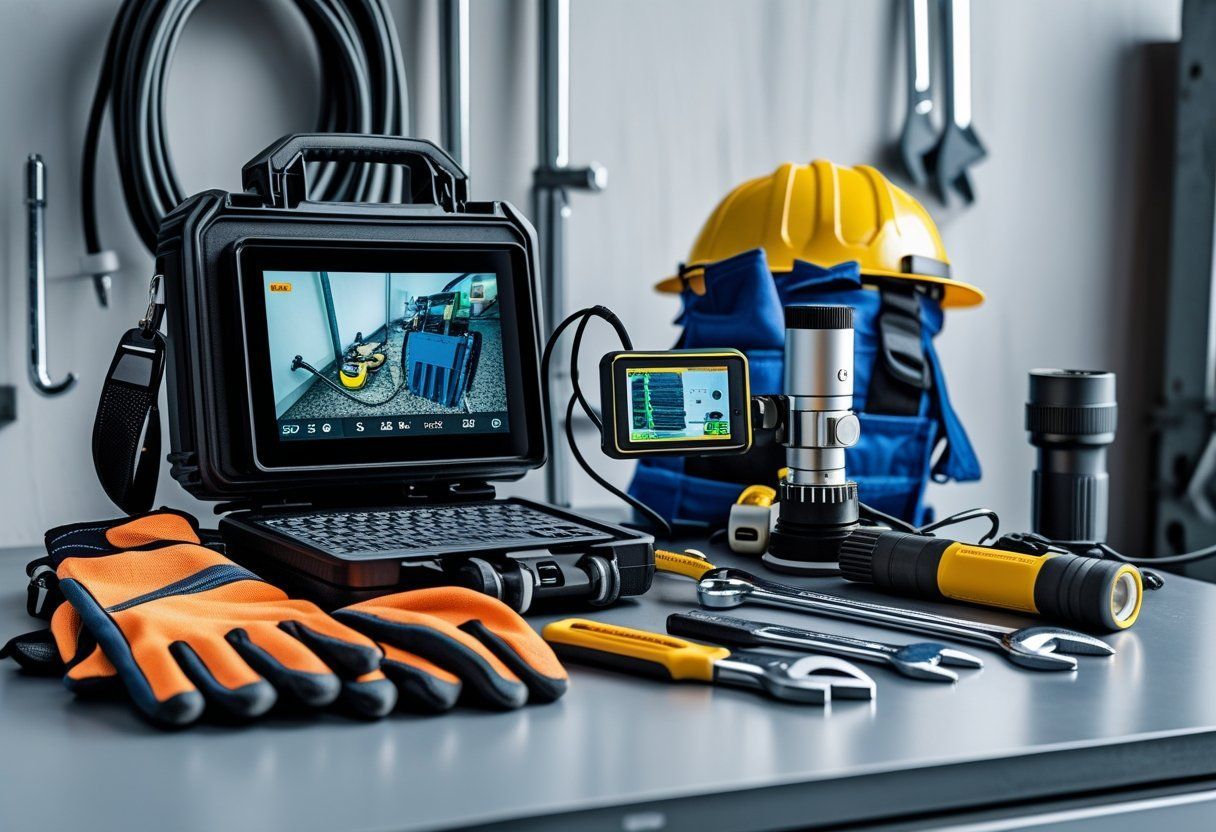
You want tools that give clear answers fast so you can find problems and fix them right. We rely on high-quality sewer cameras, locating gear, and cleaning tools to spot cracks, blockages, and defects in sewer lines accurately. Knowing which tools to use helps a plumber save time and avoid costly mistakes. We will walk […]
By Stefani January 22, 2026
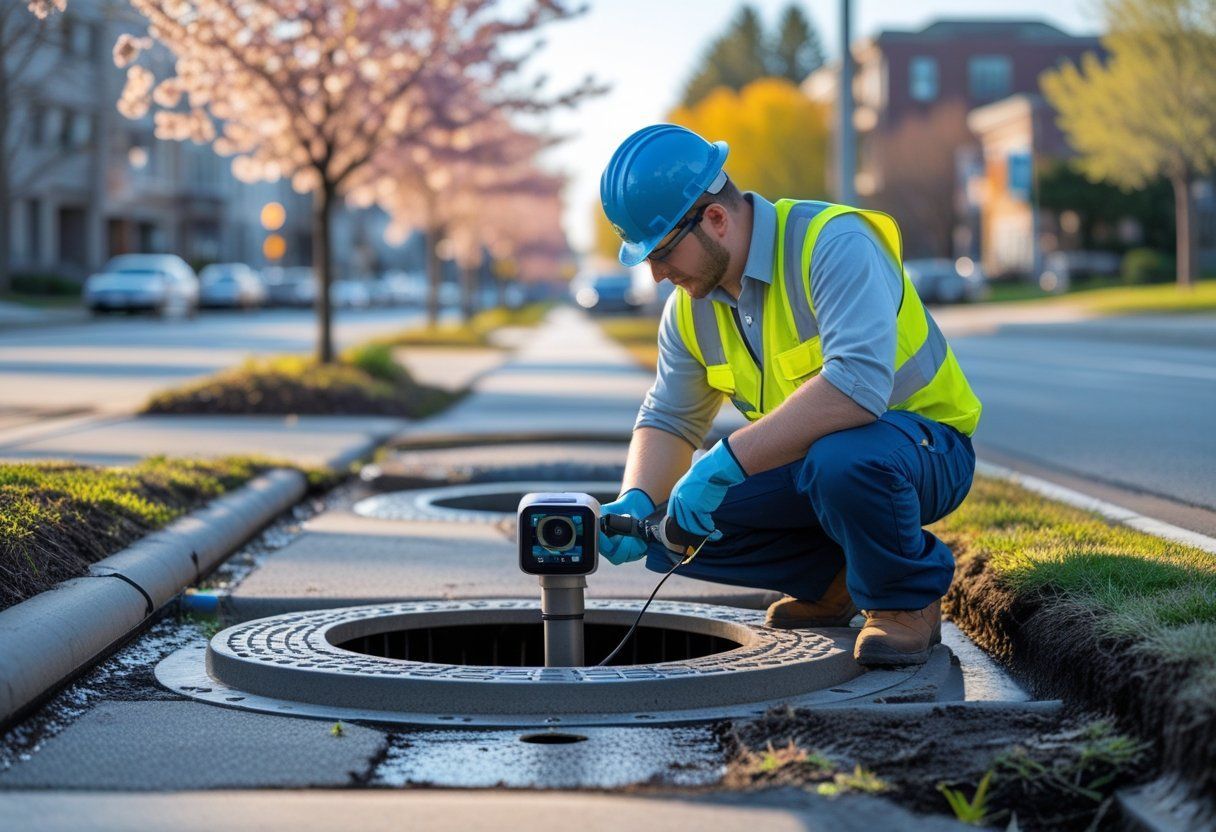
You want sewer line inspections timed so they catch problems before they get costly or urgent. We recommend scheduling inspections based on seasonal risks winter freeze, spring thaw, and heavy fall rains because timing cuts repair costs and prevents service interruptions. We will explain how weather, soil movement, and tree roots change the risk level […]
Common Mistakes to Avoid During Sewer Line Inspections
By Stefani January 18, 2026
We know sewer line inspections feel technical and tense, but avoiding a few common mistakes protects your home and wallet. Start by planning the inspection, knowing what to look for, and involving a qualified professional when signs point to trouble. That simple approach cuts down on missed problems and costly surprises. We will walk through […]
Show More