
DIY Pipe Inspection Tips for Homeowners: Essential Skills and Tools

daniel • November 27, 2024

Share this article

Understanding Plumbing Systems in Your Home

Plumbing systems in our homes are complex networks that provide us with water and waste disposal. Knowing the key parts and problems can help prevent water damage and structural issues.

Components of Household Plumbing

Our home plumbing systems include several crucial elements. First, there are pipes and fittings that carry water in and out. These are made from various materials like copper, PVC, and PEX. Valves control water flow and prevent leaks, while fixtures are the taps and toilets we use daily.

Water heaters, another key component, provide hot water. They can be gas or electric. Drainage systems remove waste water, using traps to prevent gas from entering our home. Vents maintain air pressure and help drains work efficiently. Ensuring these components function properly is essential to avoid plumbing issues like blockages and corrosion.

Common Plumbing Problems and Their Impacts

It’s common for plumbing problems to arise, often leading to water-related issues. Leaks are among the top concerns and can cause water damage, leading to mold growth or mildew, especially in hidden areas. Clogs are also frequent, potentially causing backups and unpleasant odors.

Corrosion in pipes leads to rust and leaks over time, which necessitates costly repairs and can disrupt our water supply. Freezing pipes in colder climates can burst, causing severe damage. Regular checks can help us prevent structural damage and maintain a good plumbing system, ensuring our home’s safety and comfort.

Proactive Measures for Plumbing Maintenance

Taking care of our plumbing can save us time and money. Routine inspections and preventive steps keep our pipes in great shape, reducing the risk of clogs and corrosion.

Routine Inspection and Maintenance Tips

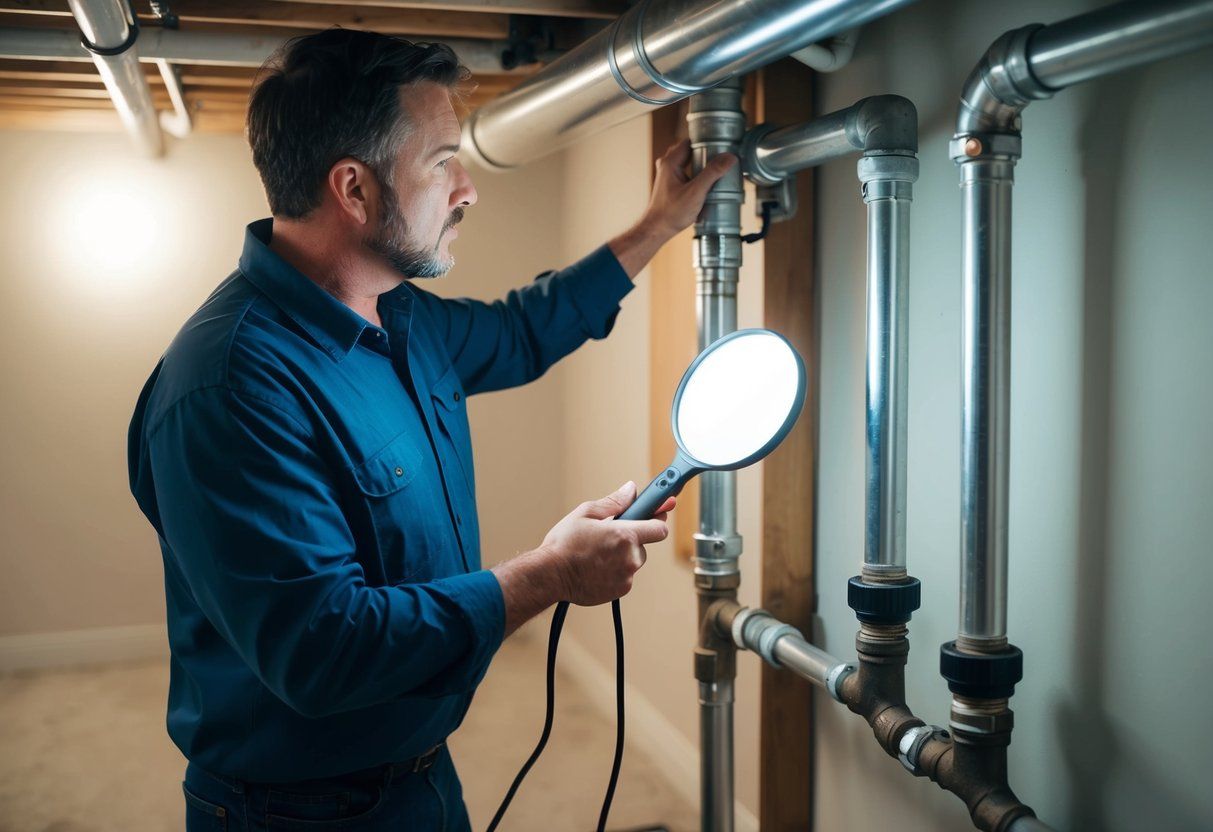
We should regularly check our plumbing system for any visible signs of wear. Start by examining supply lines for leaks, especially around connectors. A small drip can lead to bigger problems.

Testing water pressure helps avoid pipe stress. A pressure gauge can be attached to a faucet to ensure it’s within a safe range, typically between 40 and 60 psi. If it’s too high, a pressure-reducing valve might be necessary.

Let’s keep an eye on our water heater. Flushing it annually removes sediment that can damage the tank or affect heating efficiency. It’s important to follow the manufacturer’s instructions to safely complete this task.

Inspecting sink strainers and traps for debris will help prevent buildup. Clean them regularly to maintain good drainage and reduce the chances of clogs.

Preventing Clogs and Corrosion

Using a sink strainer in our kitchen prevents food particles from entering the drain. This simple tool stops clogs before they start. Avoid pouring grease down the drain, as it can solidify and cause blockages.

Corroded pipes are a concern. Checking for green or bluish stains around copper pipes can help us spot corrosion early. These stains indicate water might be reacting with the metal.

We should use baking soda and vinegar to clean drains monthly. This natural method breaks down buildup without harsh chemicals that might harm pipes.

Regular maintenance and being proactive about plumbing issues can protect our home’s system. By keeping an eye on our pipes and practicing good habits, we can prevent many common plumbing problems.

DIY Inspection Techniques for Identifying Common Issues

We can save time and money by inspecting our home’s pipes ourselves. Finding hidden leaks, checking toilets and faucets, and analyzing water pressure and quality are crucial steps we can take.

Detecting Hidden Leaks and Drips

Let’s begin by identifying hidden leaks and dripping faucets. First, we can examine our water meter. We’ll note the reading, avoid using water for a few hours, and then recheck it. Any change suggests a leak.

Next, we inspect under sinks for any dampness, which could indicate a hidden leak. We should also check ceilings and walls for water stains or bubbling paint. Using a flashlight may help us spot moisture in dark areas.

Finally, it’s a good idea to listen for dripping sounds when the house is quiet. These steps help us locate potential issues before they become serious problems.

Assessing Toilets and Faucets for Malfunctions

Running toilets can waste a lot of water. We can test for leaks by adding a few drops of food coloring into the tank. After 15 minutes, if the color appears in the bowl, there’s a leak.

Inspect the flapper valve, as it might need replacement. For faucets, check for drips by ensuring handles are fully off.

Feel for moisture around the fixture base and check for loose parts, as they might need tightening. These steps can help us address malfunctions that cause inefficiencies and increase our water bills.

Evaluating Water Pressure and Water Quality

For water pressure, we start by attaching a pressure gauge to an outside faucet. Standard water pressure ranges from 40 to 60 psi. If it’s below this, it might indicate a problem with the pressure regulator or blockages in pipes.

To evaluate water quality, we can use a home test kit. This will help us identify contaminants like chlorine, lead, or bacteria. Checking for any unusual tastes or odors in our water can also reveal quality concerns.

Addressing these issues ensures our water systems function properly, promoting a safe and efficient home environment.

Strategies for Monitoring Plumbing System Efficiency

Keeping a close eye on our plumbing can save water and prevent costly issues. We need to focus on reading water meters and closely examining our utility bills.

Reading Your Water Meter to Identify Issues

A water meter can be helpful for spotting plumbing issues. We should check the meter when no water is being used. If it continues to move, it suggests a possible leak. For instance, a leaky pipe may cause the meter to show usage even when everything is turned off.

To test, we can record the meter reading, then wait a couple of hours without using water. Checking the reading again after this time can reveal any irregularities. Small, unnoticed leaks can add up to significant water wastage over time. This method gives us a practical way to monitor our plumbing system’s efficiency.

Analyzing Water and Utility Bills for Irregularities

Sudden changes in our utility bills can point to plumbing issues, particularly hidden leaks or inefficient appliances. If we notice a spike in our water bill, it might indicate a problem. Comparing bills from previous months can help us understand normal usage patterns and identify unusual increases.

We should also look at water usage during a particular billing cycle. Keeping track of increases in usage, not related to other factors like seasonal changes, can reveal inefficiencies. We should consider contacting a professional if our bills are consistently high without explanation. Identifying and fixing these issues early on can save us money and conserve water.

Handling Emergencies and When to Call a Professional

When dealing with plumbing issues like clogged drains or potential flooding, we need to know when it’s possible to handle the situation ourselves and when it’s time to call a professional. Whether it’s using basic tools or recognizing warning signs, having this knowledge is crucial for swift action.

Using a Drain Snake and Sump Pump

Using a drain snake is a practical technique for clearing clogged drains. This tool is excellent for breaking apart blockages that slow or stop water flow. We should insert the snake into the drain and turn the handle to push through the debris, repeating as necessary until the water flows smoothly.

For situations where excess water causes a flood risk, a sump pump is valuable. It can remove water from basements or other areas where water might collect. Regular checks and maintenance of sump pumps can prevent bigger problems during heavy rainfalls.

Understanding Shutoff Valves and Emergency Procedures

Shutoff valves are important in emergencies, allowing us to stop the water running into our homes. We should know where they are located. We can often find them near the water meter and at other key points, like beneath sinks.

In the case of a burst pipe or other urgent plumbing issue, our first step should be to shut off the main valve to minimize potential damage. This control can also help when filing insurance claims for water damages, as it may reduce the severity of the issue. Establishing an emergency routine ensures that everyone in the household knows what to do when a problem arises.

Recent Posts

Fast Response Plumbing technician servicing a water shut off valve in San Francisco
By Joe Tinsley July 17, 2026
Learn how gate valves, ball valves, and angle stops work, where to find them in your San Francisco home, and when to replace them. FAQs inside.
Budgeting for Unforeseen Sewer Line Maintenance Expenses
By Stefani January 31, 2026
Sewer line problems can hit your wallet fast, and we know the stress of a surprise repair. We show you how to plan a practical budget that covers emergency fixes, regular upkeep, and the big costs that sneak up on you. This saves you money and keeps small issues from turning into major failures. We […]
Seasonal Effects on Sewer Line Maintenance Costs
By Stefani January 30, 2026
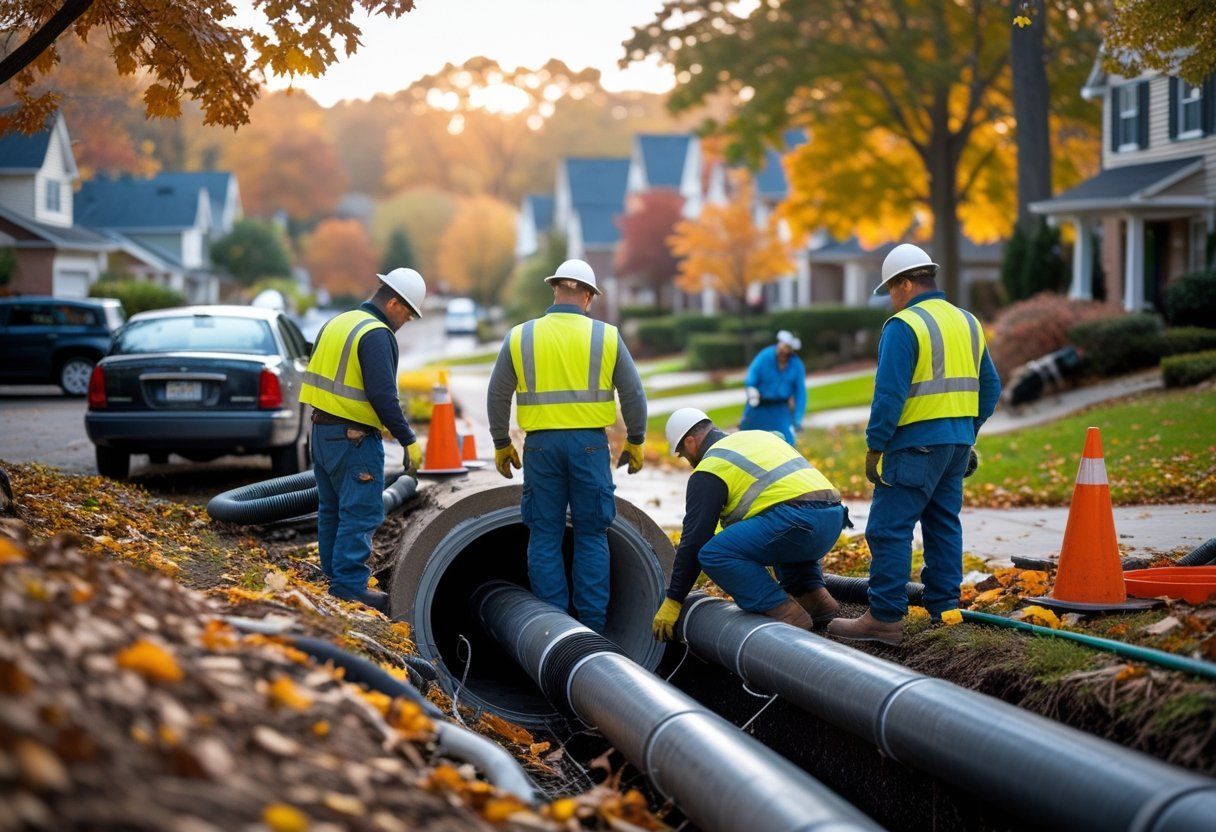
You’ll want to know how seasons change what you pay for sewer line maintenance so you can plan ahead and avoid surprise bills. Seasonal weather, ground movement, and plant growth directly affect repair needs and costs, so budgeting by season cuts unexpected expenses. We outline what shifts costs, when repairs most often happen, and which […]
The Role of Location in Sewer Line Maintenance Pricing
By Stefani January 29, 2026
You’ll pay different amounts for sewer line maintenance depending on where your property sits and what’s under it. Location drives cost through factors like soil type, access difficulty, local labor rates, and permit rules, so knowing these lets you predict and plan for expenses. We’ll show how those local details shape quotes and outcomes. We’ll […]
Analyzing Material Expenses for Effective Sewer Line Care
By Stefani January 28, 2026
We’ll break down the real costs that matter for keeping a sewer line working well so you can plan and avoid surprises. You’ll learn which materials and fees drive most of the expense and how small choices can lower long-term costs. We’ll look at costs for parts, tools, permits, and regular cleaning, plus where labor […]
Understanding the Impact of Labor Costs on Sewer Line Maintenance
By Stefani January 25, 2026
You want to know how labor costs shape sewer line care and what that means for your wallet. We will show how wages, crew size, and the repair method you choose change the final bill so you can plan smarter and avoid surprises. Knowing which labor factors most drive costs lets you pick repair options […]
How to Interpret Sewer Line Inspection Reports
By Stefani January 24, 2026
You’ll get clear steps to decode the most important parts of a sewer line inspection report so you can act with confidence. We show you how to spot real problems, what each defect means, and which issues need immediate repair versus routine maintenance. We break the report into simple pieces what the camera images show, […]
By Stefani January 23, 2026
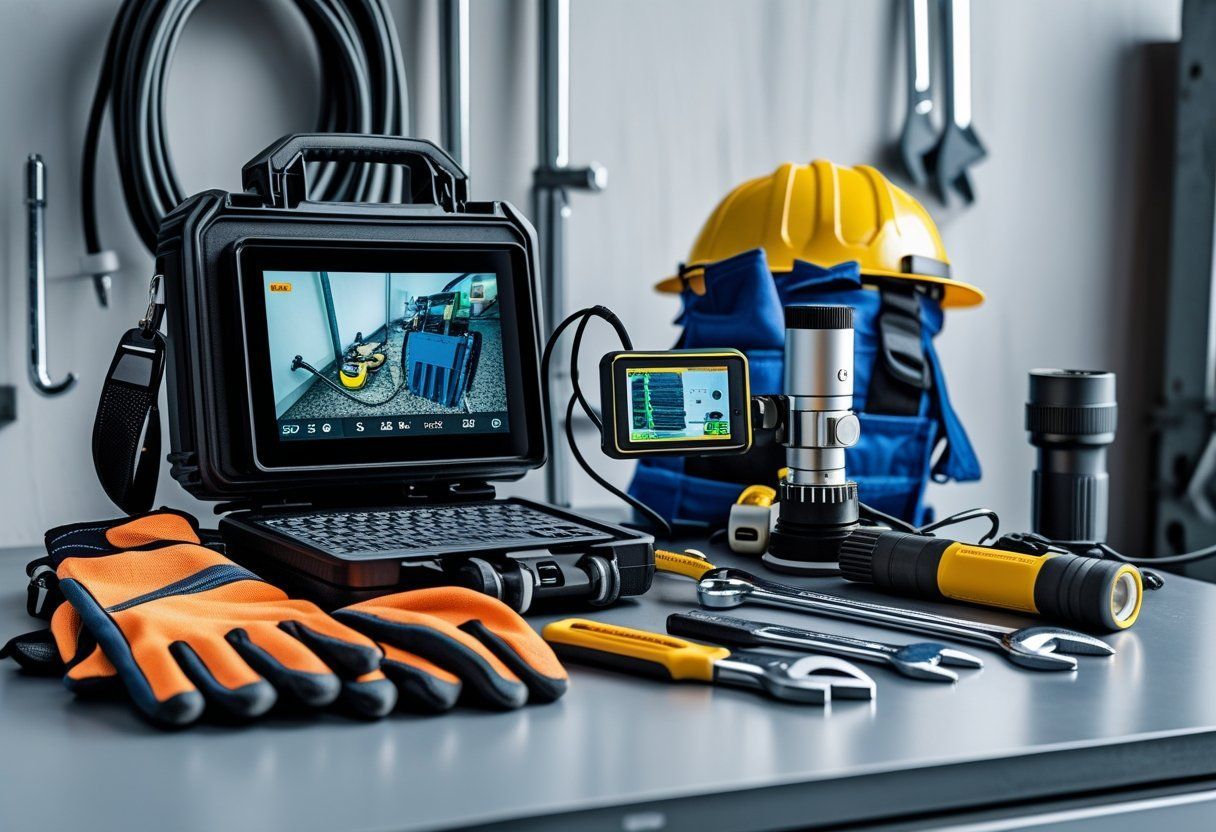
You want tools that give clear answers fast so you can find problems and fix them right. We rely on high-quality sewer cameras, locating gear, and cleaning tools to spot cracks, blockages, and defects in sewer lines accurately. Knowing which tools to use helps a plumber save time and avoid costly mistakes. We will walk […]
By Stefani January 22, 2026
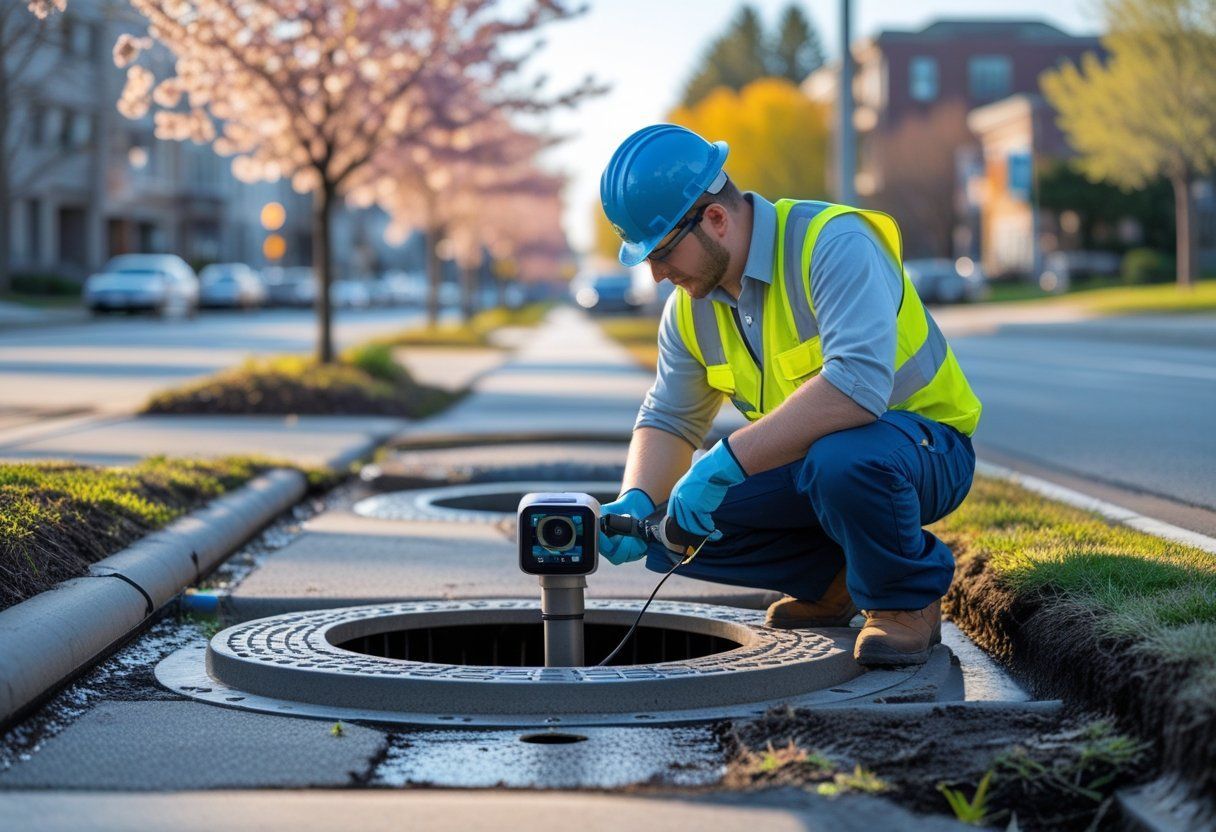
You want sewer line inspections timed so they catch problems before they get costly or urgent. We recommend scheduling inspections based on seasonal risks winter freeze, spring thaw, and heavy fall rains because timing cuts repair costs and prevents service interruptions. We will explain how weather, soil movement, and tree roots change the risk level […]
Common Mistakes to Avoid During Sewer Line Inspections
By Stefani January 18, 2026
We know sewer line inspections feel technical and tense, but avoiding a few common mistakes protects your home and wallet. Start by planning the inspection, knowing what to look for, and involving a qualified professional when signs point to trouble. That simple approach cuts down on missed problems and costly surprises. We will walk through […]
Show More