
The Importance of Professional Burst Pipe Repair Services: Ensuring Efficient and Reliable Solutions

Stefani • March 10, 2025

Share this article

Understanding Burst Pipes

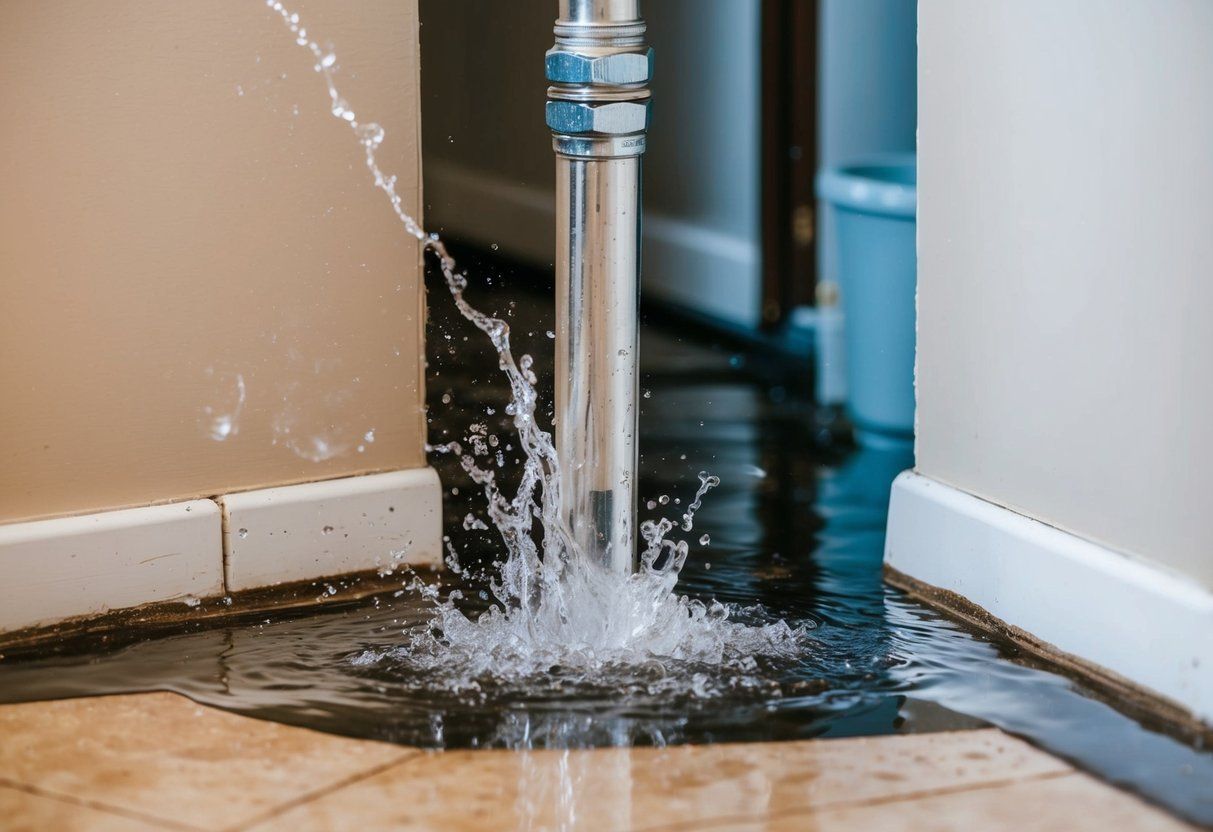
Burst pipes are a serious plumbing problem that can lead to extensive damage. They are often caused by freezing temperatures, high water pressure, and aging materials. Knowing the materials involved helps us anticipate vulnerabilities in our plumbing system.

Common Causes of Burst Pipes

Freezing Temperatures

When water in a pipe freezes, it expands and creates pressure, leading to cracks or bursts. This often happens in uninsulated areas.

High Water Pressure

Excessive water pressure can strain pipes, particularly in older homes. It is important to maintain normal pressure levels to avoid damage.

Natural Disasters

Events like earthquakes can surprise us with unexpected movement, causing pipes to crack or burst. These are difficult to prevent but can be addressed with proper safeguards.

Regular checks on plumbing fixtures, like washing machines and water heaters, also help us spot issues early.

Types of Pipe Materials and Their Vulnerabilities

  • Copper Pipes : Common in many homes, they are durable but can corrode over time. Proper installation can prevent some issues.
  • PVC Pipes : These are popular due to their low cost and ease of use. Yet, they can become brittle in cold weather, leading to cracks.
  • Galvanized Steel Pipes : Once widely used, they are prone to rust and require replacement over time. Regular inspection is crucial.
  • PEX Pipes : Known for flexibility, these resist freezing better than other types. Though newer, we must still assess their condition regularly.

Understanding these materials helps us identify potential problems before they occur.

Immediate Response and Mitigation

When a pipe bursts, addressing the issue quickly is crucial. An immediate response can significantly reduce the extent of water damage and the need for extensive repairs. We should focus on stopping the water flow and minimizing damage to the property.

Steps to Take Following a Burst Pipe

First, locate the main water shut-off valve. This step stops water from flooding the area. Turning off electricity is also important to prevent any electrical hazards. Once these are secure, assess the damage. If standing water has accumulated, using a pump can help remove it efficiently. This step initiates the drying process, making it easier for a professional team to manage the situation.

Document the damage with photos or videos. This helps in making insurance claims. Contact professional repair services promptly. Their expertise is crucial for a thorough inspection and repair.

Preventing Water Damage

To minimize water damage, after stopping the initial flow, immediate drying is vital. Use towels and mops for smaller areas. For larger spaces, dehumidifiers assist in reducing moisture levels more effectively. We might also need air movers to circulate air and speed up the drying process.

Keeping humidity levels low is essential to prevent mold growth. Professionals often utilize industrial drying equipment to ensure everything is properly dried. We need to focus on the small details, such as wet carpets or walls, as these can harbor moisture long after the water is removed.

Professional Repair and Restoration Services

When pipes burst, professional repair and restoration services are crucial. They help fix damage quickly and prevent further issues like mold and flooding.

Benefits of Hiring Professionals

Hiring experts in burst pipe repair offers many advantages. Professionals have the right tools and knowledge to assess and fix problems quickly. Their quick response can save us time and money. They are trained to provide high-quality service, reducing the chance of future repairs.

Experts also help us navigate insurance claims. They know the ins and outs of documentation, making it easier for us to get compensation. This guidance can be invaluable during stressful times.

Water Damage Restoration Process

The process of water damage restoration is essential to fixing and preventing further issues. First, professionals remove all excess water using high-powered equipment. Quick removal is key to prevent mold and other serious problems. Next, they dry and dehumidify the area, ensuring no moisture remains.

Removing damaged materials like drywall or flooring might be necessary. Then, cleaners disinfect and sanitize the area. This ensures our homes are safe and free of contaminants. It’s a step-by-step process, and each part is vital for a successful restoration.

Mold Remediation and Prevention

Mold can form quickly after water damage if we’re not careful. Professionals help by treating affected areas with mold-killing products. They use special techniques to clean and remove mold from surfaces, making homes safe again.

Preventing mold is also part of their job. Experts advise us on ways to keep moisture levels low, which helps avoid mold in the future. With their help, we can feel confident our homes are protected against mold risks.

Costs and Insurance Considerations

When dealing with burst pipes, understanding the costs involved and knowing how to handle insurance claims can make the process smoother. We’ll explore repair expenses and guide you through insurance.

Understanding Repair and Restoration Costs

Repairing a burst pipe can vary in cost. Factors like pipe location, extent of damage, and need for professional labor impact prices.

For example, fixing a pipe behind a wall may require more work than a visible one. Basement flooding and significant water damage add to expenses. On average, costs range from a few hundred to several thousand dollars. It’s crucial to discuss with professionals for clear estimates. Restoration may involve drying, replacing materials, or applying anti-mold treatments. Let’s ensure our homes are safe and avoid bigger problems later on.

Navigating Insurance Claims

Filing insurance claims can be complex, especially when floods and water damage occur. We must first review our insurance policy to determine coverage for burst pipes. Some policies include flood damage while others do not.

Documenting the damage is important. Take photos and keep receipts of repairs. When working with insurance adjusters, clear communication is key. Providing detailed information helps speed up the claim process. Some companies might cover part of the expenses, reducing out-of-pocket costs for us. Seeking professional advice can clarify the claims process and increase the chance of coverage approval.

Recent Posts

Fast Response Plumbing technician servicing a water shut off valve in San Francisco
By Joe Tinsley July 17, 2026
Learn how gate valves, ball valves, and angle stops work, where to find them in your San Francisco home, and when to replace them. FAQs inside.
Budgeting for Unforeseen Sewer Line Maintenance Expenses
By Stefani January 31, 2026
Sewer line problems can hit your wallet fast, and we know the stress of a surprise repair. We show you how to plan a practical budget that covers emergency fixes, regular upkeep, and the big costs that sneak up on you. This saves you money and keeps small issues from turning into major failures. We […]
Seasonal Effects on Sewer Line Maintenance Costs
By Stefani January 30, 2026
You’ll want to know how seasons change what you pay for sewer line maintenance so you can plan ahead and avoid surprise bills. Seasonal weather, ground movement, and plant growth directly affect repair needs and costs, so budgeting by season cuts unexpected expenses. We outline what shifts costs, when repairs most often happen, and which […]
The Role of Location in Sewer Line Maintenance Pricing
By Stefani January 29, 2026
You’ll pay different amounts for sewer line maintenance depending on where your property sits and what’s under it. Location drives cost through factors like soil type, access difficulty, local labor rates, and permit rules, so knowing these lets you predict and plan for expenses. We’ll show how those local details shape quotes and outcomes. We’ll […]
Analyzing Material Expenses for Effective Sewer Line Care
By Stefani January 28, 2026
We’ll break down the real costs that matter for keeping a sewer line working well so you can plan and avoid surprises. You’ll learn which materials and fees drive most of the expense and how small choices can lower long-term costs. We’ll look at costs for parts, tools, permits, and regular cleaning, plus where labor […]
Understanding the Impact of Labor Costs on Sewer Line Maintenance
By Stefani January 25, 2026
You want to know how labor costs shape sewer line care and what that means for your wallet. We will show how wages, crew size, and the repair method you choose change the final bill so you can plan smarter and avoid surprises. Knowing which labor factors most drive costs lets you pick repair options […]
How to Interpret Sewer Line Inspection Reports
By Stefani January 24, 2026
You’ll get clear steps to decode the most important parts of a sewer line inspection report so you can act with confidence. We show you how to spot real problems, what each defect means, and which issues need immediate repair versus routine maintenance. We break the report into simple pieces what the camera images show, […]
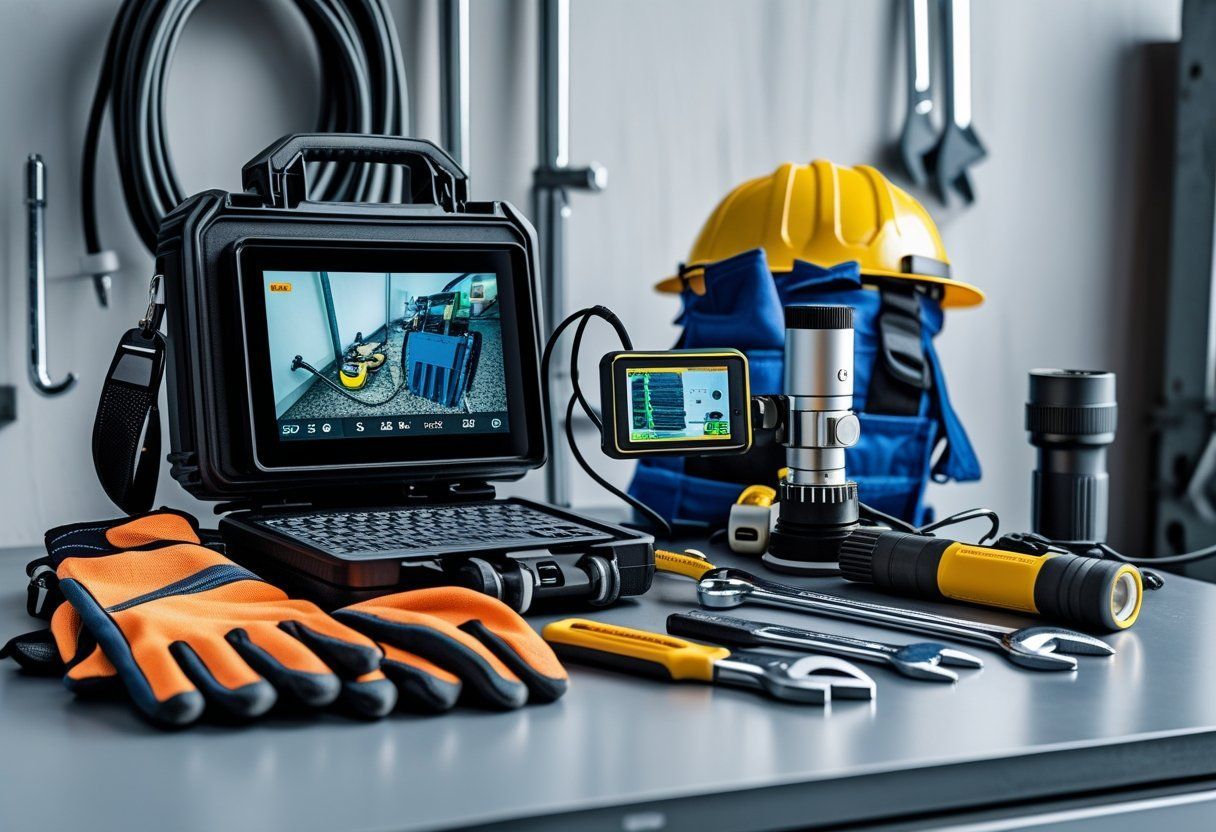
Tool kit with hard hat, gloves, laptop, and handheld device on a workbench in a workshop
By Stefani January 23, 2026
You want tools that give clear answers fast so you can find problems and fix them right. We rely on high-quality sewer cameras, locating gear, and cleaning tools to spot cracks, blockages, and defects in sewer lines accurately. Knowing which tools to use helps a plumber save time and avoid costly mistakes. We will walk […]
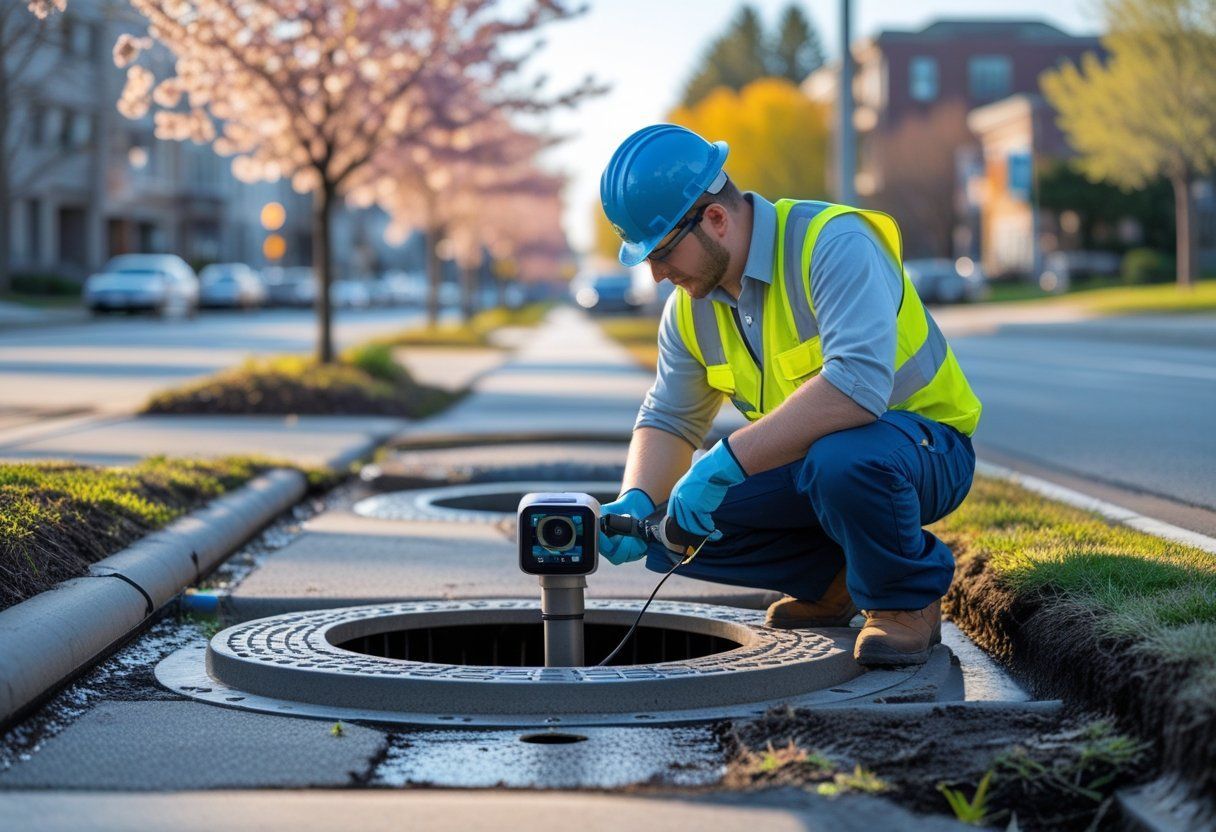
Worker in blue hard hat inspecting a manhole on a street with a camera device
By Stefani January 22, 2026
You want sewer line inspections timed so they catch problems before they get costly or urgent. We recommend scheduling inspections based on seasonal risks winter freeze, spring thaw, and heavy fall rains because timing cuts repair costs and prevents service interruptions. We will explain how weather, soil movement, and tree roots change the risk level […]
Common Mistakes to Avoid During Sewer Line Inspections
By Stefani January 18, 2026
We know sewer line inspections feel technical and tense, but avoiding a few common mistakes protects your home and wallet. Start by planning the inspection, knowing what to look for, and involving a qualified professional when signs point to trouble. That simple approach cuts down on missed problems and costly surprises. We will walk through […]
Show More