
The Role of Pipe Inspection in Home Maintenance and Safety: Ensuring Longevity and Security

daniel • November 30, 2024

Share this article

Understanding Pipe Inspection in Home Maintenance

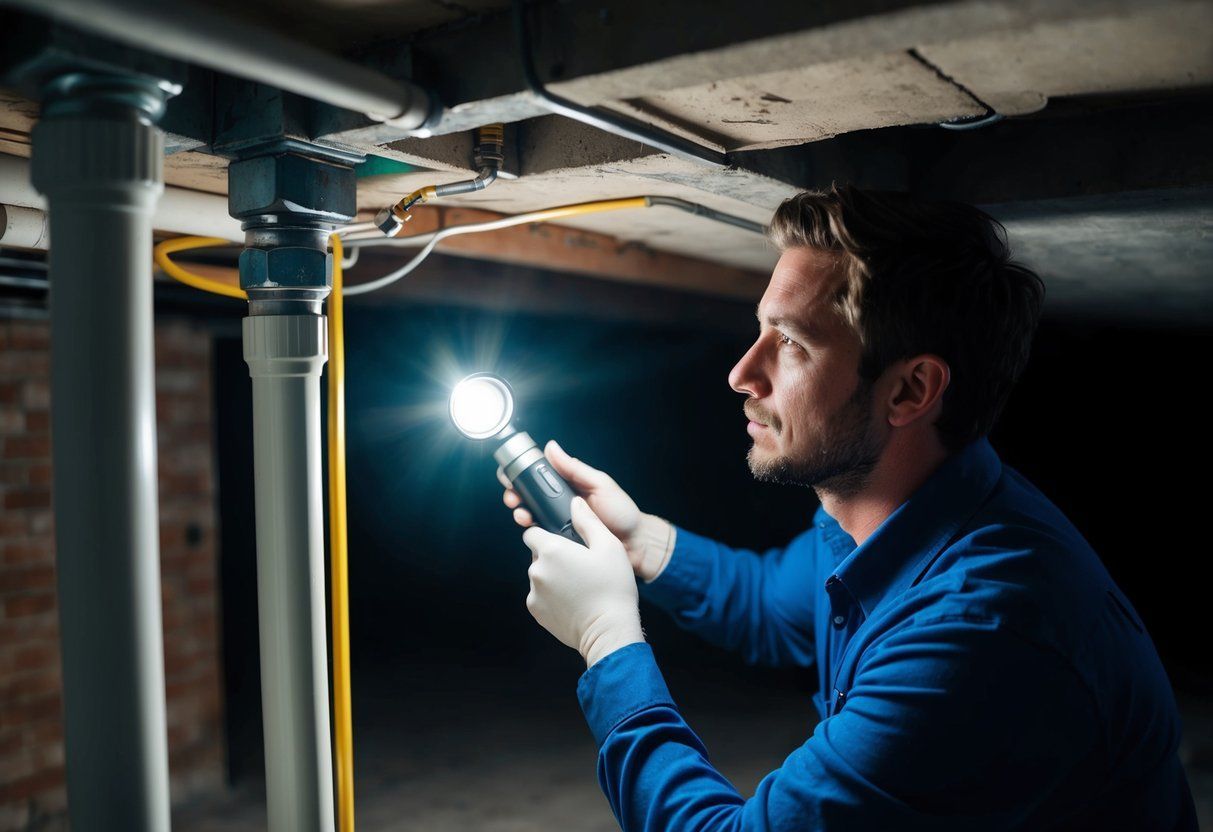
Pipe inspection is important to keep our homes safe and in good condition. In our plumbing system, inspections help us spot potential issues early. By doing regular checks, we help avoid problems like leaks or blockages.

Fundamentals of Piping Systems

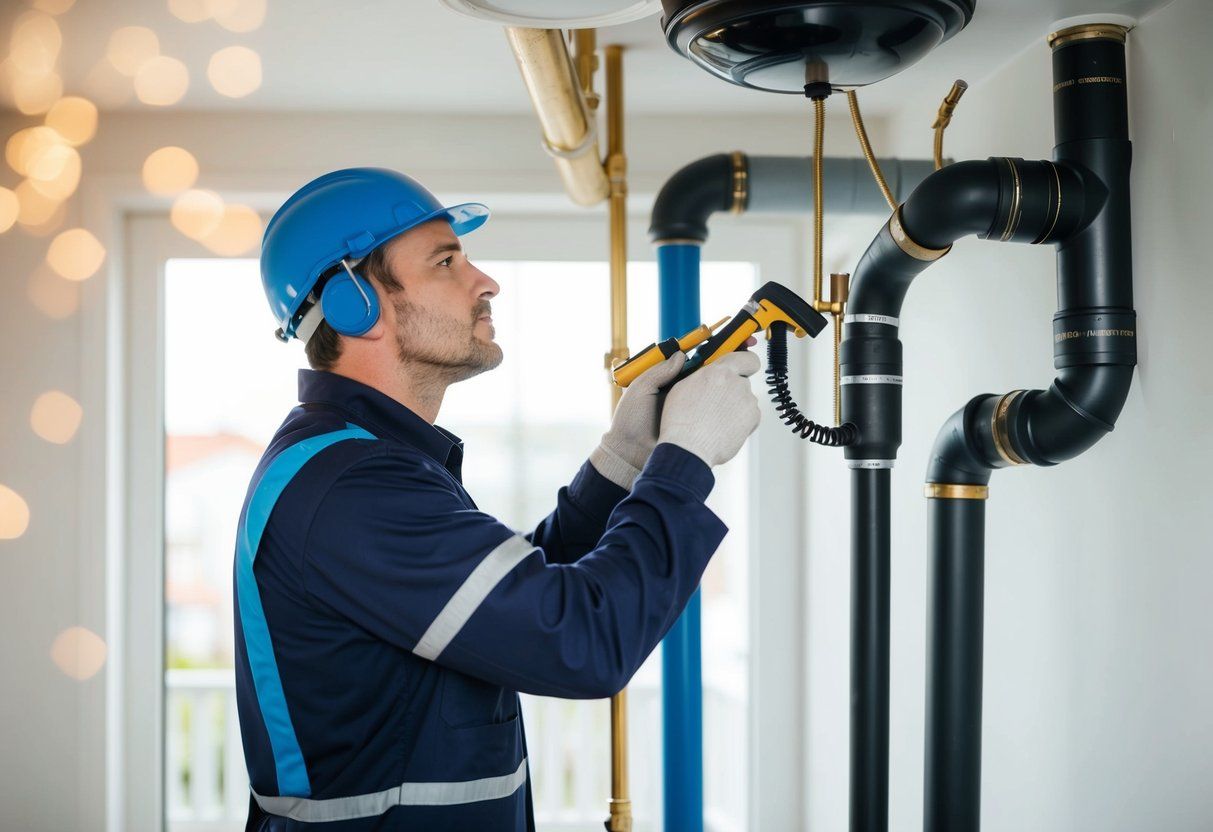
Piping systems are the backbone of our home’s plumbing. They carry water, waste, and gas throughout the house. Design conditions like operating temperatures, pressures, and flow rates determine how these pipes work.

It’s crucial that our pipes handle everyday stresses. Proper materials are chosen to meet these demands. If the pipes or materials fail, it can lead to leaks, bursts, and costly repairs.

Importance of Periodic Inspection

Inspections help us catch small issues before they become big problems. Regular checks look for rust, wear, and weak spots.

Here’s a simple list of what a periodic inspection may include:

  • Visual checks : Look for signs of rust or corrosion.
  • Pressure testing : Ensures pipes can handle expected use.
  • Flow rate evaluation : Confirms water is moving correctly.

These steps keep our system efficient and extend its lifespan.

Safety Considerations in Pipe Inspection

Safety is important when inspecting pipes. We need to be cautious with high-pressure systems and extreme temperatures.

Inspections mean working with water, gas, and sometimes even chemicals. Proper gear and training are essential in these situations.

Common safety practices include:

  • Using personal protective equipment (PPE)
  • Following strict guidelines to avoid injuries.

By focusing on safety, we can prevent accidents and maintain a healthy home environment.

Different Approaches to Pipe Inspection and Analysis

Pipe inspection is key to catching hidden leaks and ensuring safe, efficient systems. Regularly checking and recalibrating our tools can prevent many issues. Piping designers and construction professionals play a vital role.

Techniques for Detecting Hidden Leaks

Hidden leaks can cause damage if not found early. We can use several techniques to find these leaks without tearing everything apart. Acoustic detectors listen for the sound of water escaping. Thermal imaging can spot temperature changes that suggest moisture. Camera inspections allow us to see inside the pipes.

Each method has its best use. For example, sound detectors are great for pressurized systems, while cameras help check pipes’ structural integrity. Knowing how to use these tools can save time and money.

Inspection Frequency and Recalibration

We need to inspect pipes regularly to keep them in good shape. Periodic inspection schedules should be set based on the material of the pipes and their use. For example, high-use areas might need checks more often.

After each inspection, our equipment needs recalibration. This keeps our tools accurate. Calibration involves comparing equipment readings against known standards. Skipping recalibration increases the risk of missing problems. Accurate data is crucial for maintaining safety and performance.

The Role of Piping Designers and Construction

Piping designers and construction teams set the stage for thorough inspections. They provide data sheets, drawings, and specifications that guide our processes. This information helps us understand the system’s layout and anticipate potential trouble spots.

By collaborating with them, we ensure inspections cover all necessary areas. Solid designs and skilled construction make it easier to maintain and inspect pipes. Their contributions help maintain system integrity and safety in the long term.

Components and Attachments in Piping Systems

In piping systems, components and attachments are crucial for maintaining structure and safety. We will explore different types of pipe supports and various attachments that ensure safe operation.

Understanding Pipe Supports and Their Function

Pipe supports are vital for maintaining the position and stability of piping systems. They prevent undue stress on the pipes and reduce the risk of leaks or breaks. Our systems often use several types of supports, such as spring coils and variable spring supports.

Spring hangers are key components that hold pipes in position while allowing them to move slightly with temperature changes. Beam attachments are used to fasten pipes securely, providing much-needed stability. Ensuring the hanger assembly is properly installed helps accommodate movement without causing damage to the pipes.

Let’s not overlook travel stops, which limit the movement of supports. Together, these components work to fulfill the original design intentions safely. The more we understand this, the better we can maintain robust piping installations.

Attachments: Safe Operation and Maintenance

Attachments connect various pieces of the system securely. A pipe clamp attachment can hold pipes tightly, ensuring they don’t move unexpectedly. Secure weldless eyes are often used with other supports to resist tension, while threaded rods connect different components smoothly.

Turnbuckles and locknuts are essential for assuring that these attachments remain tight over time. Turnbuckles adjust the tension in the system, and locknuts prevent any unwinding. If possible, we should inspect each base spring support to ensure durability.

Regular checks and maintenance help us keep these systems running safely. It’s crucial for us to know these details to maintain the safety and functionality of our piping systems.

Preventative Measures and Proactive Maintenance

Maintaining a home’s plumbing system is important for preventing larger issues. By focusing on regular upkeep, we can extend the lifespan of pipes and avoid costly repairs.

Strategies for Maintaining Physical Integrity

It’s crucial that we ensure the physical integrity of our plumbing system. This can prevent problems like leaky faucets or clogged drains. Establishing a routine check on water pressure helps us notice issues early. We should also pay attention to load and travel, ensuring pipes are free from excess pressure and movement during start-up and shutdown cycles.

To protect pipes from issues such as mold growth or frozen pipes, we can insulate them in colder months. Addressing bottom out spring concerns means we’re focusing on the system’s strength and longevity. These steps help us keep problems at bay, preventing major repairs.

The Necessity of Regular Inspections

Regular inspections are a key part of keeping our house safe. Routine inspections spot small problems before they become big, like identifying clogged drains before they lead to larger backups. Inspections can also detect leaky faucets, helping us save water and money.

By checking for rusting or corroded pipes, we can boost our home’s value. We should focus on looking for signs of frozen pipes in the winter since they can result in bursts. With inspections, we keep our plumbing in top condition, ensuring everything runs smoothly and efficiently.

Professional Services and Self-Maintenance Tips

Keeping our home’s pipes in good condition is crucial for safety and home value. Knowing when to hire experts and learning DIY options both help. Let’s explore when to call professional inspectors and what educational resources we can use for effective self-maintenance.

When to Consult a Professional Inspector

Understanding when to call in a professional can save us from costly repairs. Consulting companies offer services like inspection and analysis, crucial for spotting hidden problems.

Leak detection is one of the key services we should look for. Undetected leaks can lead to water damage and even health risks from mold growth. Professional inspectors also check for spring hanger replacements and make any needed final adjustments to ensure our pipes are in top shape.

Hiring experts provides peace of mind as they have the tools and experience to fix issues swiftly. Some services offer temporary support while performing major repairs, keeping our home functional. Using professionals boosts our home’s safety and maintains its value.

Educational Resources and Training for Homeowners

Taking the initiative to learn about pipe maintenance empowers us. There are numerous training programs and safety programs available for homeowners. These resources teach us to handle minor fixes ourselves.

Online platforms present courses and videos about pipe care and leak detection. Books and workshops are also helpful, teaching us how to recognize early signs of damage.

Using self-education, we can manage minor repairs and understand when professional help is needed. This proactive approach benefits both our safety and our home’s long-term value. Engaging with these resources can save us time and money, turning potential problems into manageable tasks.

Recent Posts

Fast Response Plumbing technician servicing a water shut off valve in San Francisco
By Joe Tinsley July 17, 2026
Learn how gate valves, ball valves, and angle stops work, where to find them in your San Francisco home, and when to replace them. FAQs inside.
Budgeting for Unforeseen Sewer Line Maintenance Expenses
By Stefani January 31, 2026
Sewer line problems can hit your wallet fast, and we know the stress of a surprise repair. We show you how to plan a practical budget that covers emergency fixes, regular upkeep, and the big costs that sneak up on you. This saves you money and keeps small issues from turning into major failures. We […]
Seasonal Effects on Sewer Line Maintenance Costs
By Stefani January 30, 2026
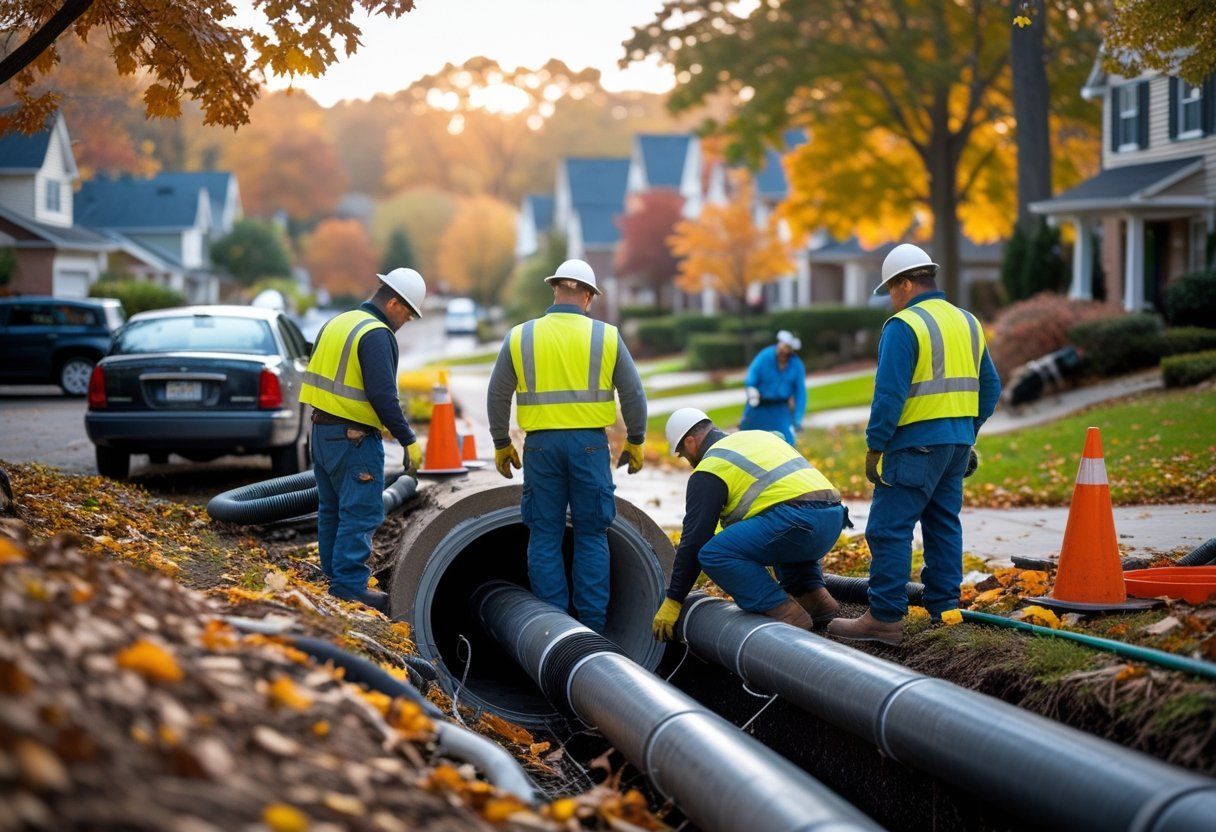
You’ll want to know how seasons change what you pay for sewer line maintenance so you can plan ahead and avoid surprise bills. Seasonal weather, ground movement, and plant growth directly affect repair needs and costs, so budgeting by season cuts unexpected expenses. We outline what shifts costs, when repairs most often happen, and which […]
The Role of Location in Sewer Line Maintenance Pricing
By Stefani January 29, 2026
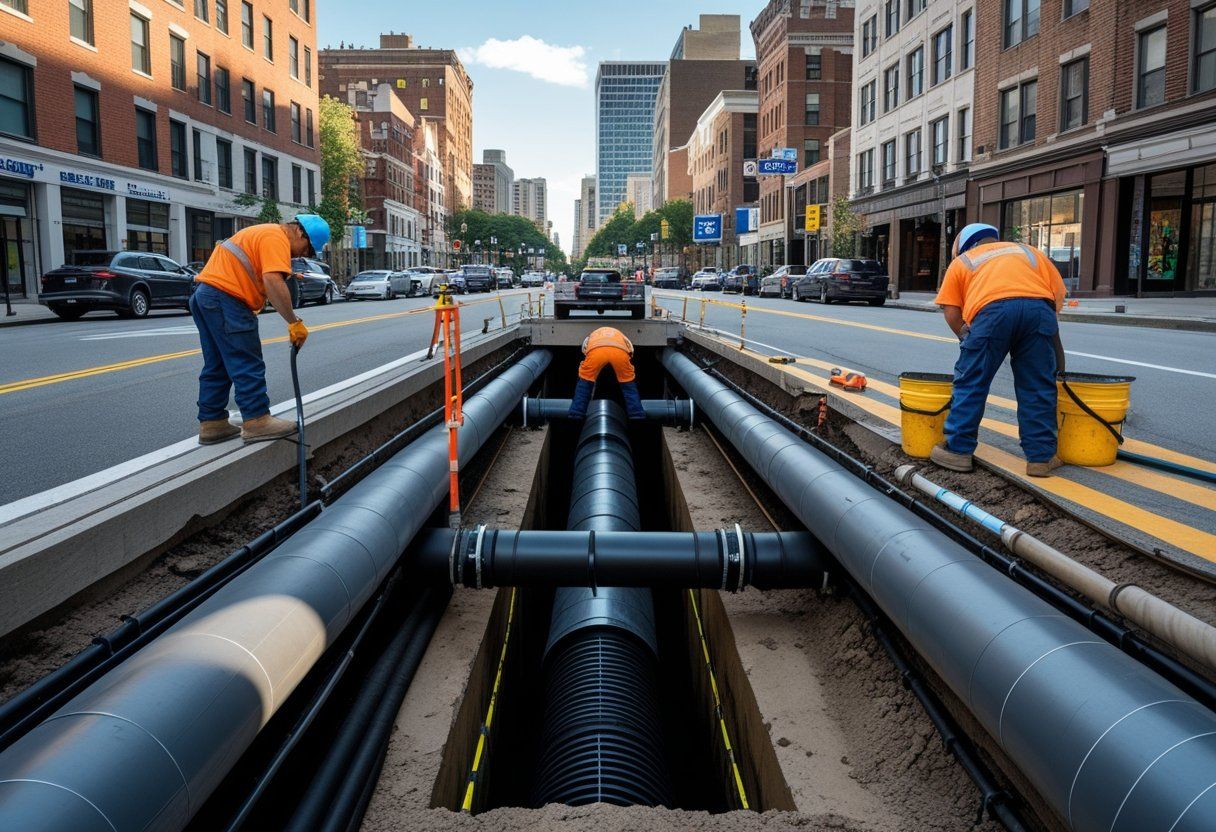
You’ll pay different amounts for sewer line maintenance depending on where your property sits and what’s under it. Location drives cost through factors like soil type, access difficulty, local labor rates, and permit rules, so knowing these lets you predict and plan for expenses. We’ll show how those local details shape quotes and outcomes. We’ll […]
Analyzing Material Expenses for Effective Sewer Line Care
By Stefani January 28, 2026
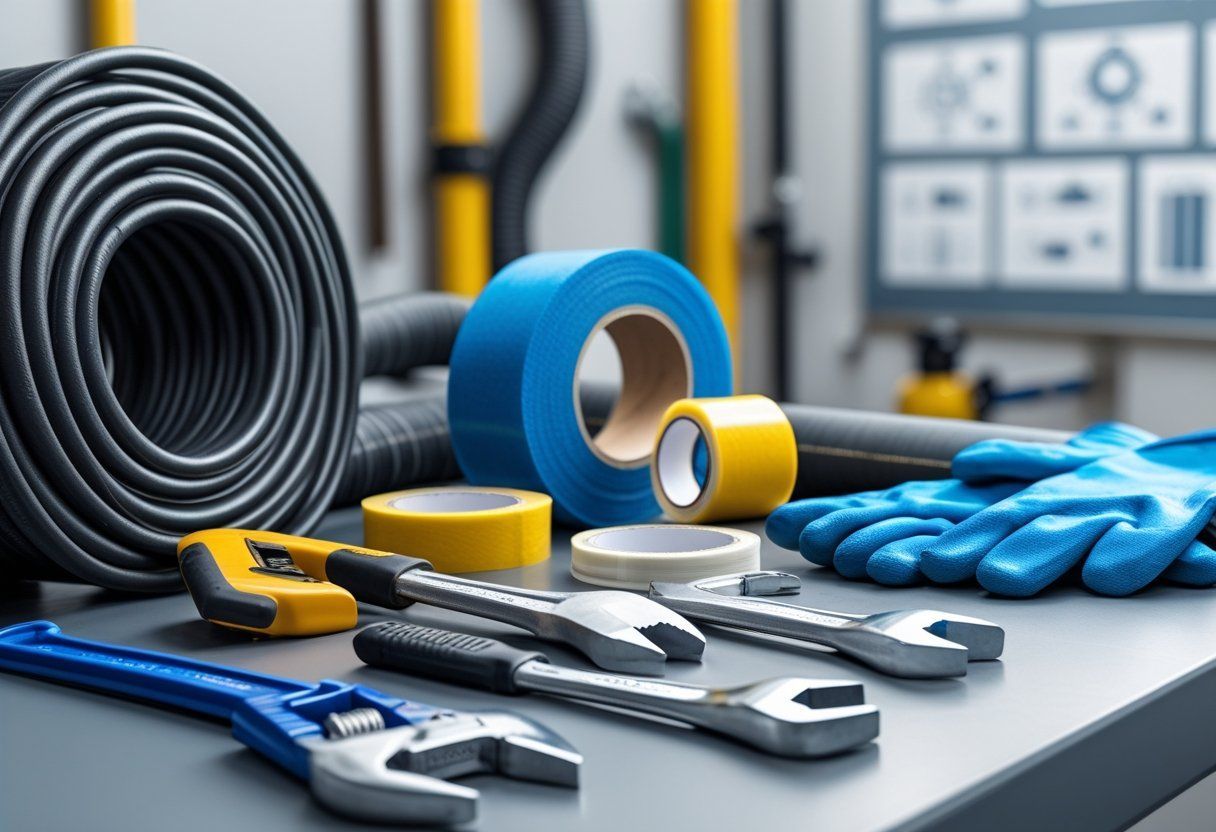
We’ll break down the real costs that matter for keeping a sewer line working well so you can plan and avoid surprises. You’ll learn which materials and fees drive most of the expense and how small choices can lower long-term costs. We’ll look at costs for parts, tools, permits, and regular cleaning, plus where labor […]
Understanding the Impact of Labor Costs on Sewer Line Maintenance
By Stefani January 25, 2026
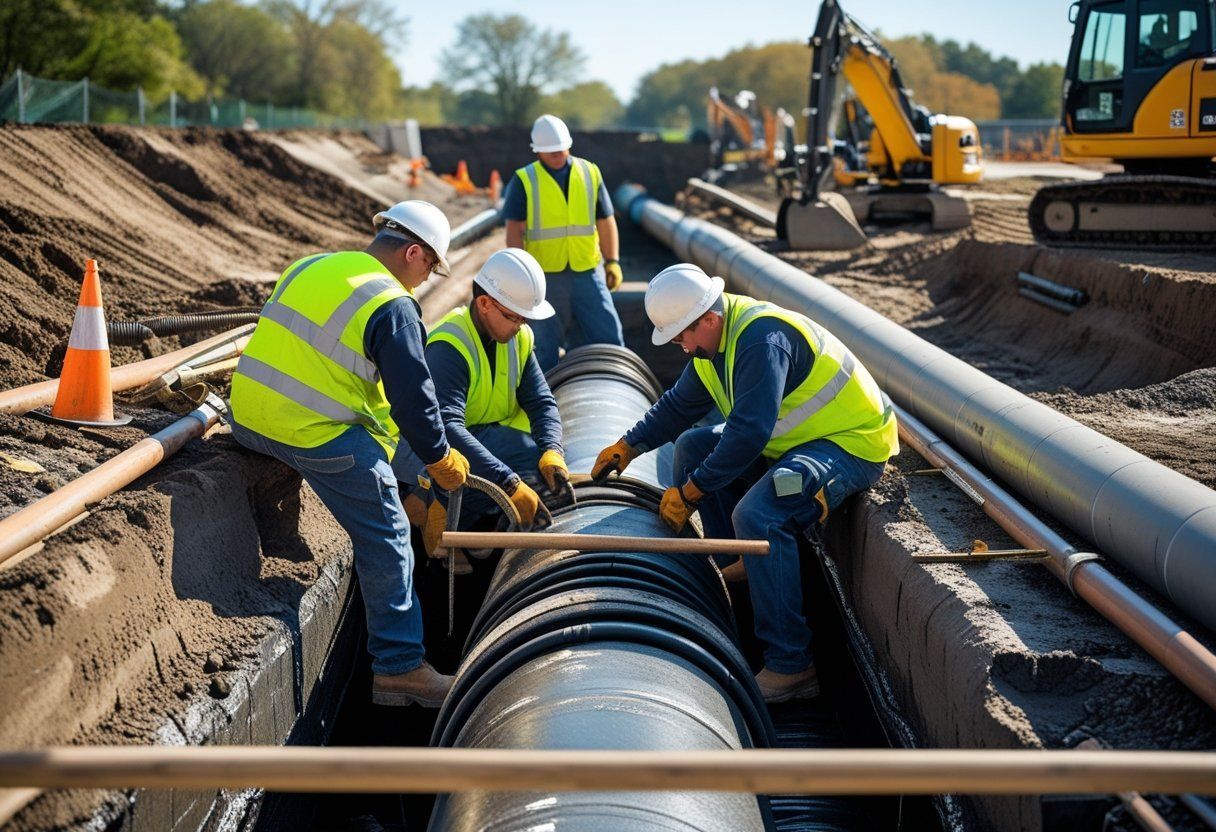
You want to know how labor costs shape sewer line care and what that means for your wallet. We will show how wages, crew size, and the repair method you choose change the final bill so you can plan smarter and avoid surprises. Knowing which labor factors most drive costs lets you pick repair options […]
How to Interpret Sewer Line Inspection Reports
By Stefani January 24, 2026
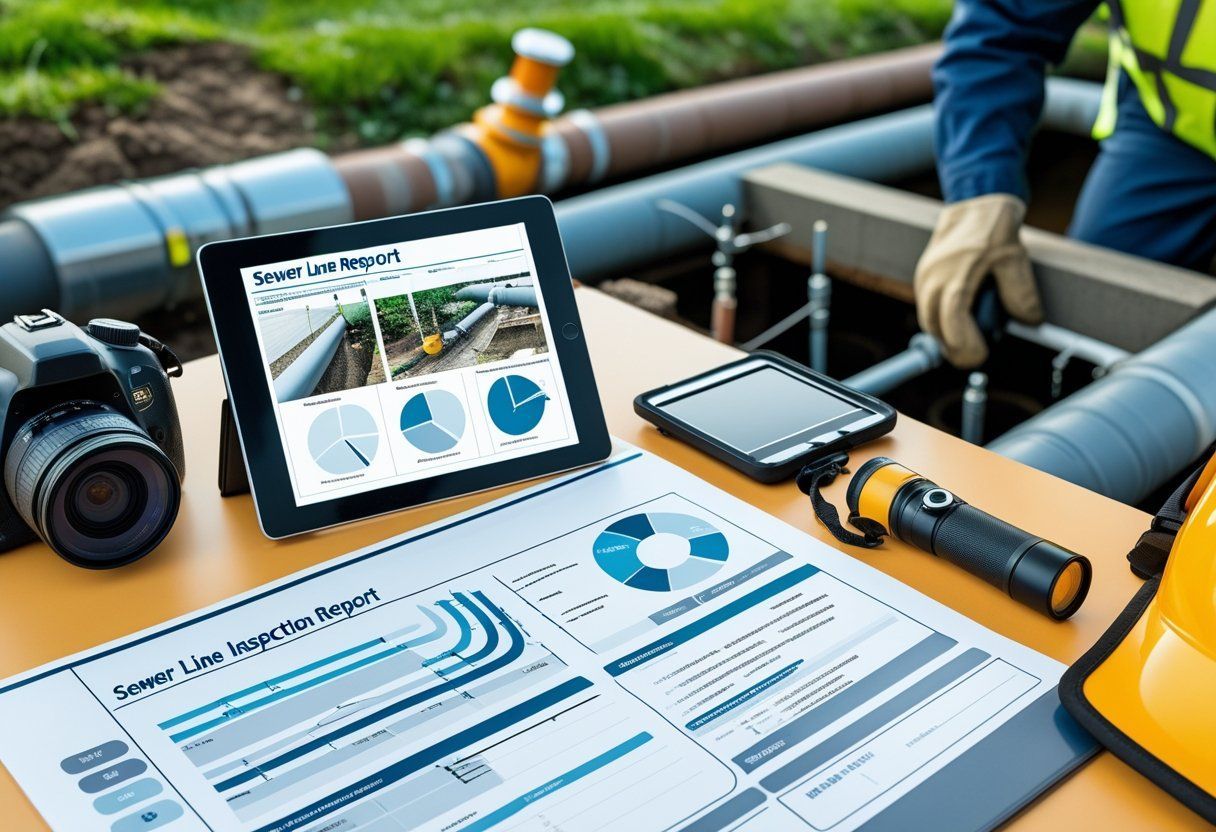
You’ll get clear steps to decode the most important parts of a sewer line inspection report so you can act with confidence. We show you how to spot real problems, what each defect means, and which issues need immediate repair versus routine maintenance. We break the report into simple pieces what the camera images show, […]
By Stefani January 23, 2026
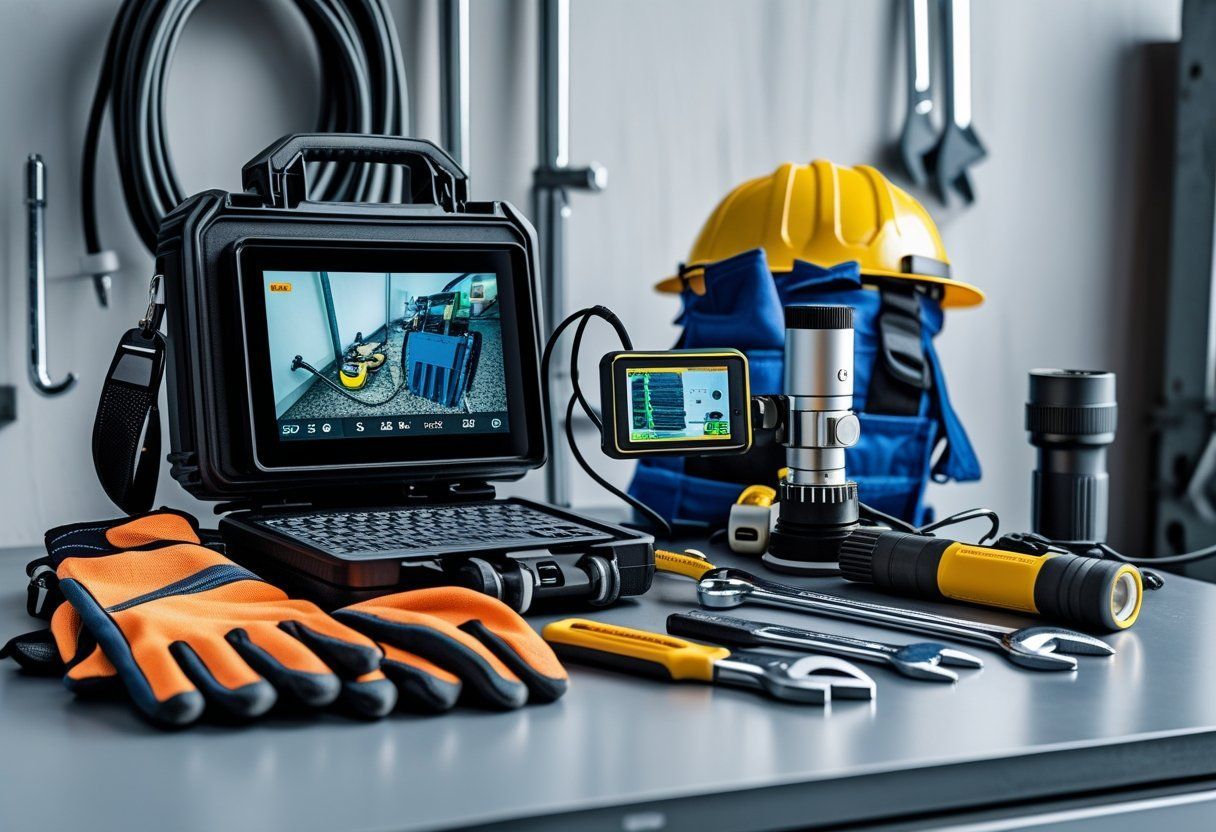
You want tools that give clear answers fast so you can find problems and fix them right. We rely on high-quality sewer cameras, locating gear, and cleaning tools to spot cracks, blockages, and defects in sewer lines accurately. Knowing which tools to use helps a plumber save time and avoid costly mistakes. We will walk […]
By Stefani January 22, 2026
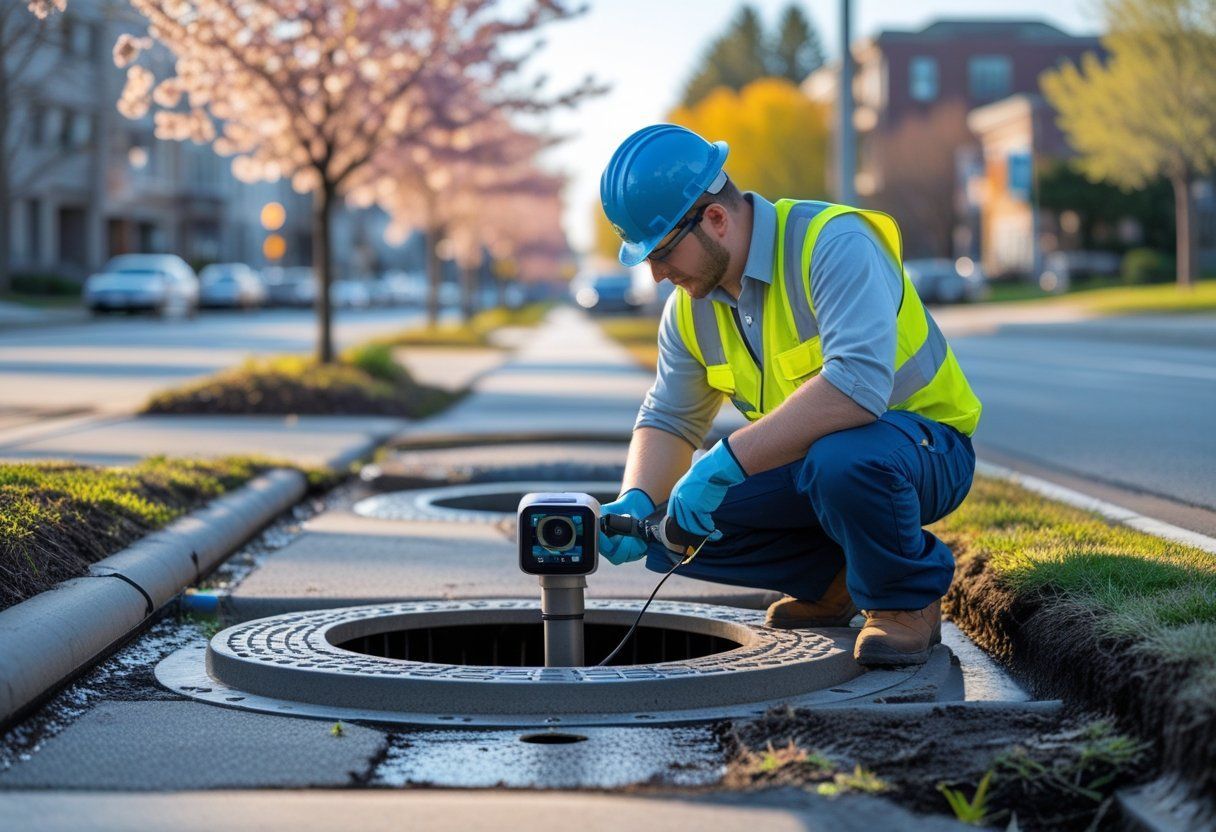
You want sewer line inspections timed so they catch problems before they get costly or urgent. We recommend scheduling inspections based on seasonal risks winter freeze, spring thaw, and heavy fall rains because timing cuts repair costs and prevents service interruptions. We will explain how weather, soil movement, and tree roots change the risk level […]
Common Mistakes to Avoid During Sewer Line Inspections
By Stefani January 18, 2026
We know sewer line inspections feel technical and tense, but avoiding a few common mistakes protects your home and wallet. Start by planning the inspection, knowing what to look for, and involving a qualified professional when signs point to trouble. That simple approach cuts down on missed problems and costly surprises. We will walk through […]
Show More