
Cost Factors Involved in Pipe Inspection and Repair Services: Key Considerations

daniel • November 29, 2024

Share this article

Understanding Pipe Inspection

We explore different types of plumbing inspections and the various factors that affect costs. Our goal is to provide clear and detailed information on both topics to assist anyone considering these essential services.

Types of Plumbing Inspections

There are several types of plumbing inspections, each serving a specific purpose. Visual inspections involve checking visible plumbing components, like pipes under sinks and outside faucets. They are straightforward and cost-effective.

Sewer camera inspections use a small camera to look inside pipes. This helps find blockages or damage in hard-to-reach areas, usually at a higher inspection cost.

Another option is the combination inspection, which mixes visual checks with sewer camera technology. This type is comprehensive, making it useful for older homes or before major repairs.

Factors Influencing Inspection Costs

Several factors influence plumbing inspection costs. The type of inspection is crucial; sewer camera inspections often cost more due to the equipment and expertise involved compared to simple visual inspections.

Location also matters since costs can vary depending on the area’s general pricing trends. Some regions might have higher labor costs, affecting the overall price.

The condition and age of your plumbing system can also impact costs. Older systems may require more thorough inspections, raising the price due to the time and effort required to ensure everything is checked correctly.

Cost Analysis of Pipe Repair Services

Pipe repair services involve various costs that vary based on the type of repair and the urgency of the situation. We need to understand typical repair expenses, consider emergency situations, and evaluate long-term solutions like repiping.

Typical Plumbing Repair Costs

When we look at standard plumbing repairs, several factors affect the cost, such as the type of repair needed and labor charges. Toilet repairs often range from $100 to $200, depending on the issues.

For fixture repairs like sinks or faucets, we might expect to pay between $150 and $300. Water heater repair costs can be quite high, usually $500 to $1,000. These expenses give us a perspective on average plumbing repair costs, which can vary widely.

Sewer line repair is typically more expensive due to its complexity, ranging from $1,000 to $4,000. These figures highlight how diverse plumbing repair costs can be based on specific needs and conditions.

Emergency Repair Considerations

Emergency repairs can significantly increase costs compared to planned repairs. The emergency trip fee itself may add $50 to $150 to the bill.

Plumbing repairs required outside normal business hours often incur additional charges, which could be 1.5 to 2 times the regular rate. Quick fixes like unclogging a drain might cost an extra $100 to $200 due to urgency.

We must keep in mind that emergency repair costs can quickly add up, making an already stressful situation more challenging.

Long-term Solutions: Repiping and Major Repairs

Long-term solutions usually involve more extensive work and higher initial costs, but they can save money in the future. Repiping a house is a significant investment, often costing $4,000 to $15,000 based on the size and materials used.

Major plumbing repairs, such as replacing large sections of pipes, can range from $1,000 to $8,000. Sewer line repair costs also vary, typically between $3,000 and $10,000, based on the extent of damage and methods used.

Investing in long-term solutions is essential for preventing repeated issues and managing repair costs over time.

Service Cost Variables for Plumbers

Our goal is to break down the main factors that influence the costs associated with hiring plumbers. This includes understanding the basics of pricing structures and potential extra charges you might face.

Pricing Structures and Hourly Rates

Plumbers often have different ways of pricing their services. Hourly rates are common, ranging from $45 to $200 per hour depending on expertise, location, and complexity of the job. Besides hourly rates, some plumbers offer flat rates for specific tasks like unclogging drains or installing faucets.

These flat rates can give clarity and help avoid surprises. It’s essential for us to verify what pricing method the plumber uses before hiring them, so we can budget accordingly.

Additional Fees and Charges

Besides the basic rate, be aware of potential additional fees. For example, an emergency trip fee might apply for urgent or after-hours calls, increasing costs by $50 to $100.

Travel fees could be added if the plumber has to drive a long distance. Material costs can also vary and might not be included in the initial quote. To prevent unexpected expenses, we should ask upfront about these possible charges.

Periodic Maintenance and Its Impact on Costs

Regular maintenance is vital in managing the expenses associated with pipe inspection and repair. By keeping equipment in good operation, we can save on costly emergency repairs and extend the lifespan of plumbing systems.

Maintenance Services and Cost Prevention

Periodic maintenance includes services like sewer line cleaning, which helps to prevent blockages that could lead to expensive repairs. Regular cleaning costs less than dealing with a major blockage or pipe replacement.

In addition, performing routine plumbing inspections can catch potential issues early. While plumbing inspection costs can vary, they are typically much lower than emergency repair expenses. Using these preventative services, we can control and potentially reduce overall maintenance costs.

Also, checking and maintaining equipment like sump pumps can be cost-effective. The sump pump repair cost remains manageable with early attention, avoiding more extensive and costly damage. This proactive approach to maintenance keeps systems running efficiently and can lead to substantial savings over time.

Recent Posts

Fast Response Plumbing technician servicing a water shut off valve in San Francisco
By Joe Tinsley July 17, 2026
Learn how gate valves, ball valves, and angle stops work, where to find them in your San Francisco home, and when to replace them. FAQs inside.
Budgeting for Unforeseen Sewer Line Maintenance Expenses
By Stefani January 31, 2026
Sewer line problems can hit your wallet fast, and we know the stress of a surprise repair. We show you how to plan a practical budget that covers emergency fixes, regular upkeep, and the big costs that sneak up on you. This saves you money and keeps small issues from turning into major failures. We […]
Seasonal Effects on Sewer Line Maintenance Costs
By Stefani January 30, 2026
You’ll want to know how seasons change what you pay for sewer line maintenance so you can plan ahead and avoid surprise bills. Seasonal weather, ground movement, and plant growth directly affect repair needs and costs, so budgeting by season cuts unexpected expenses. We outline what shifts costs, when repairs most often happen, and which […]
The Role of Location in Sewer Line Maintenance Pricing
By Stefani January 29, 2026
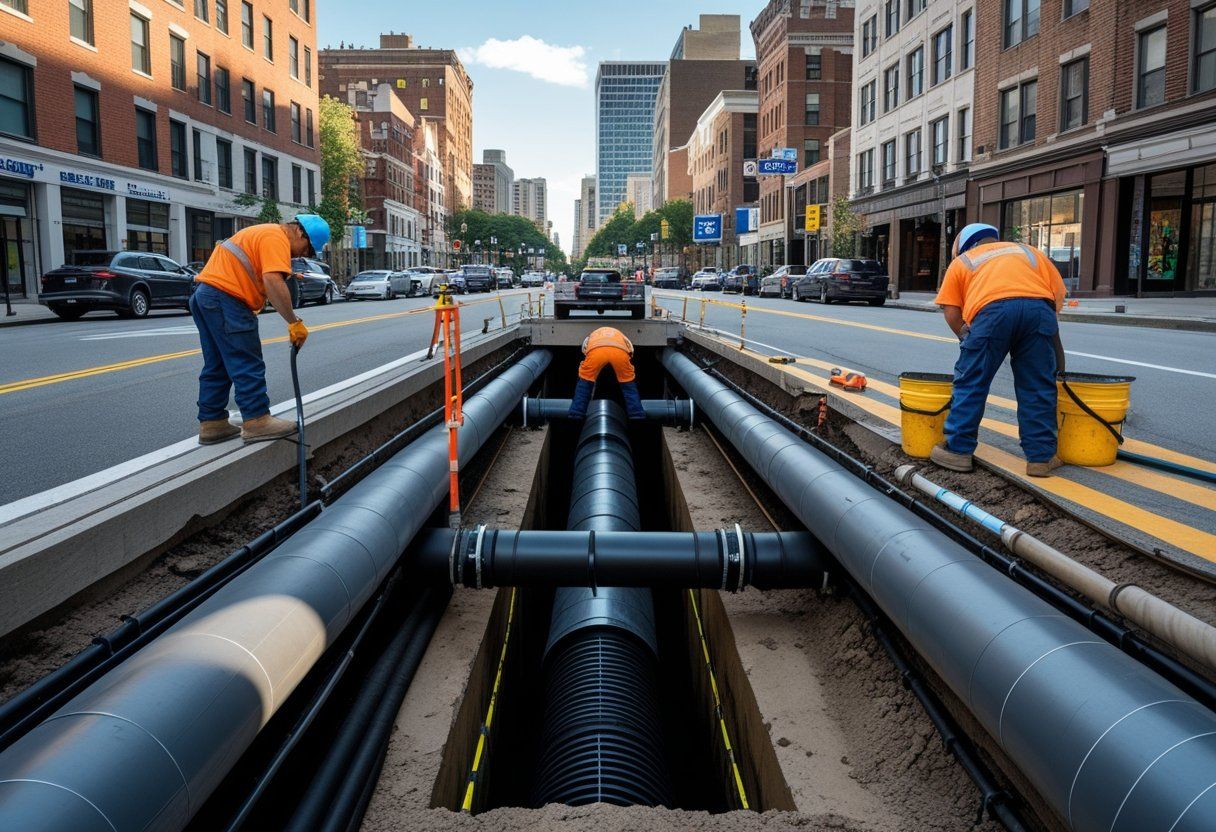
You’ll pay different amounts for sewer line maintenance depending on where your property sits and what’s under it. Location drives cost through factors like soil type, access difficulty, local labor rates, and permit rules, so knowing these lets you predict and plan for expenses. We’ll show how those local details shape quotes and outcomes. We’ll […]
Analyzing Material Expenses for Effective Sewer Line Care
By Stefani January 28, 2026
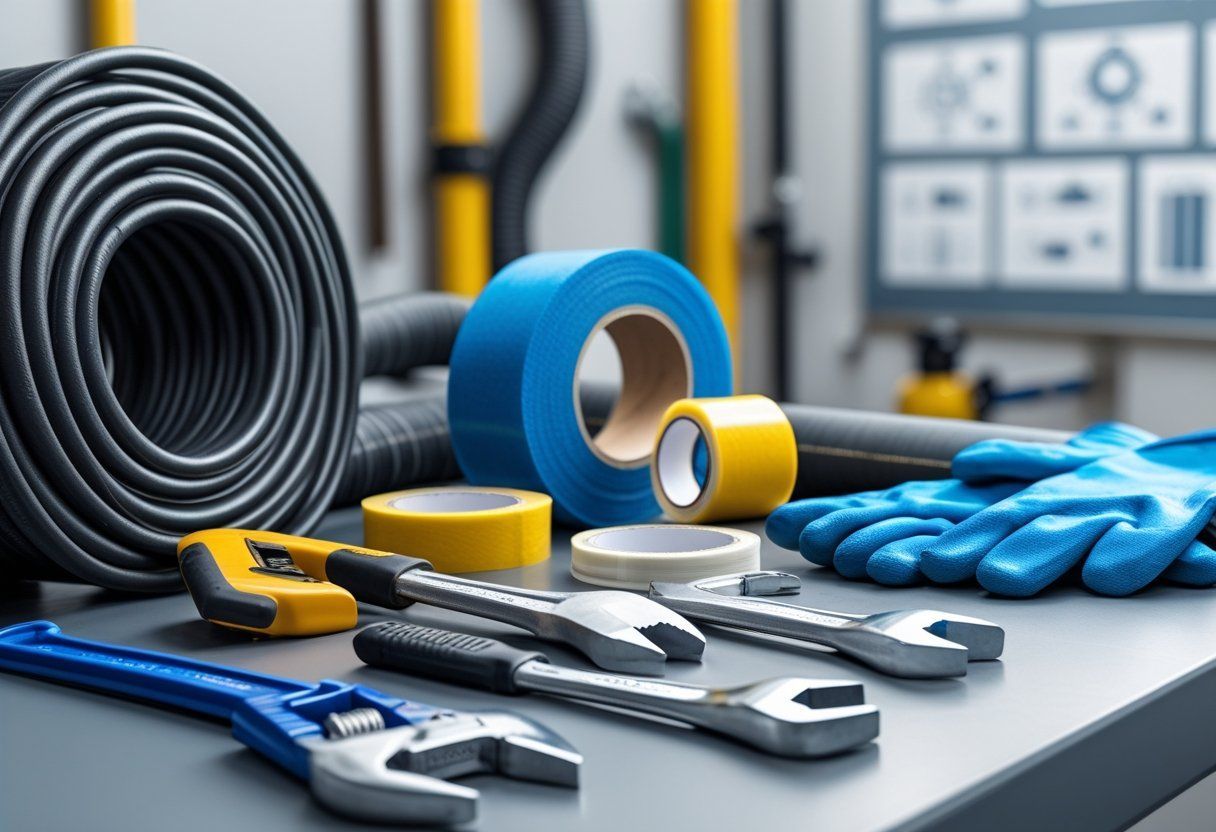
We’ll break down the real costs that matter for keeping a sewer line working well so you can plan and avoid surprises. You’ll learn which materials and fees drive most of the expense and how small choices can lower long-term costs. We’ll look at costs for parts, tools, permits, and regular cleaning, plus where labor […]
Understanding the Impact of Labor Costs on Sewer Line Maintenance
By Stefani January 25, 2026
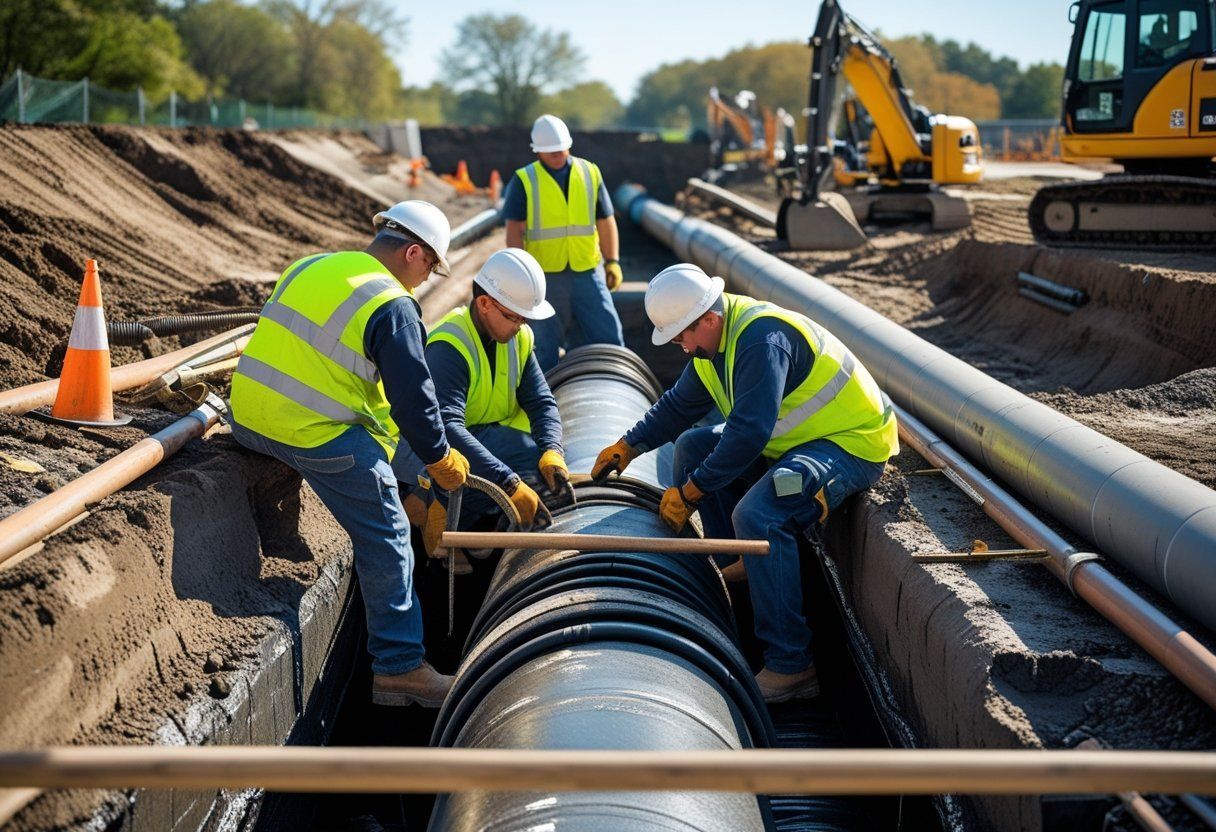
You want to know how labor costs shape sewer line care and what that means for your wallet. We will show how wages, crew size, and the repair method you choose change the final bill so you can plan smarter and avoid surprises. Knowing which labor factors most drive costs lets you pick repair options […]
How to Interpret Sewer Line Inspection Reports
By Stefani January 24, 2026
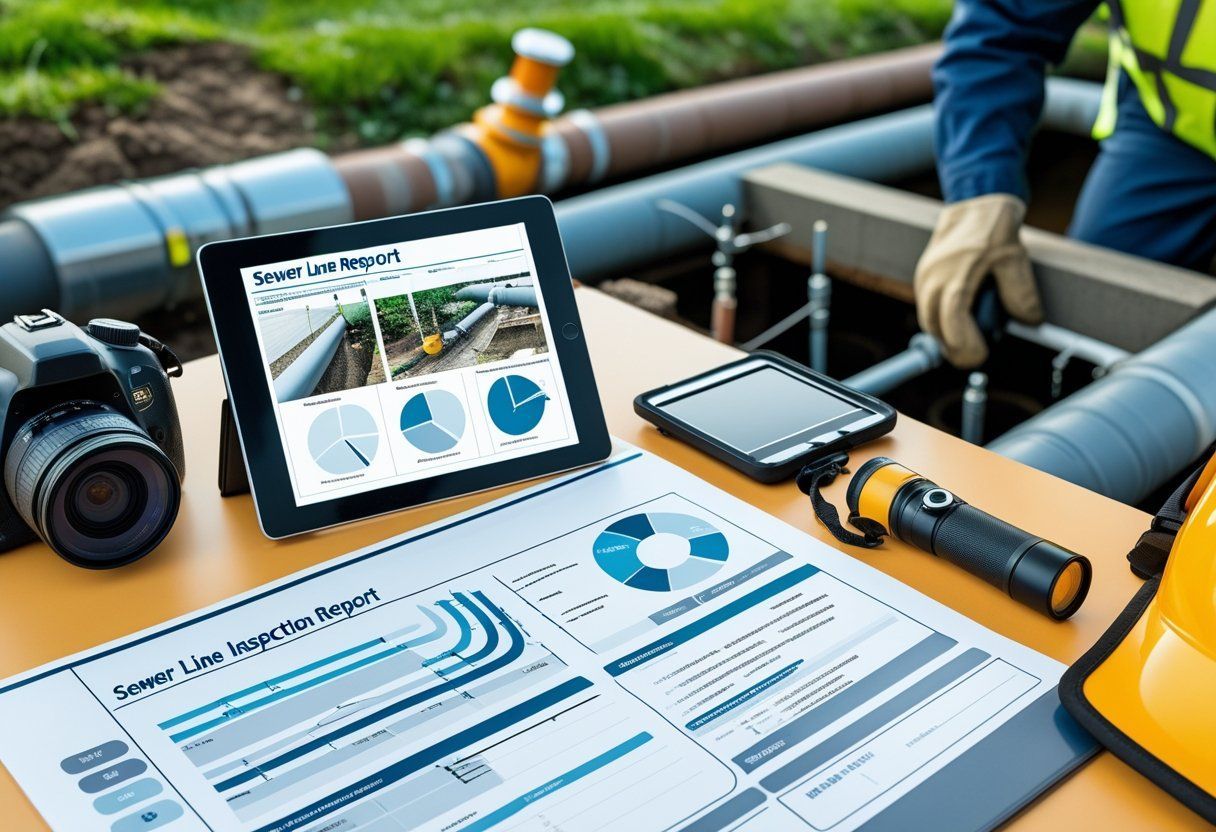
You’ll get clear steps to decode the most important parts of a sewer line inspection report so you can act with confidence. We show you how to spot real problems, what each defect means, and which issues need immediate repair versus routine maintenance. We break the report into simple pieces what the camera images show, […]
By Stefani January 23, 2026
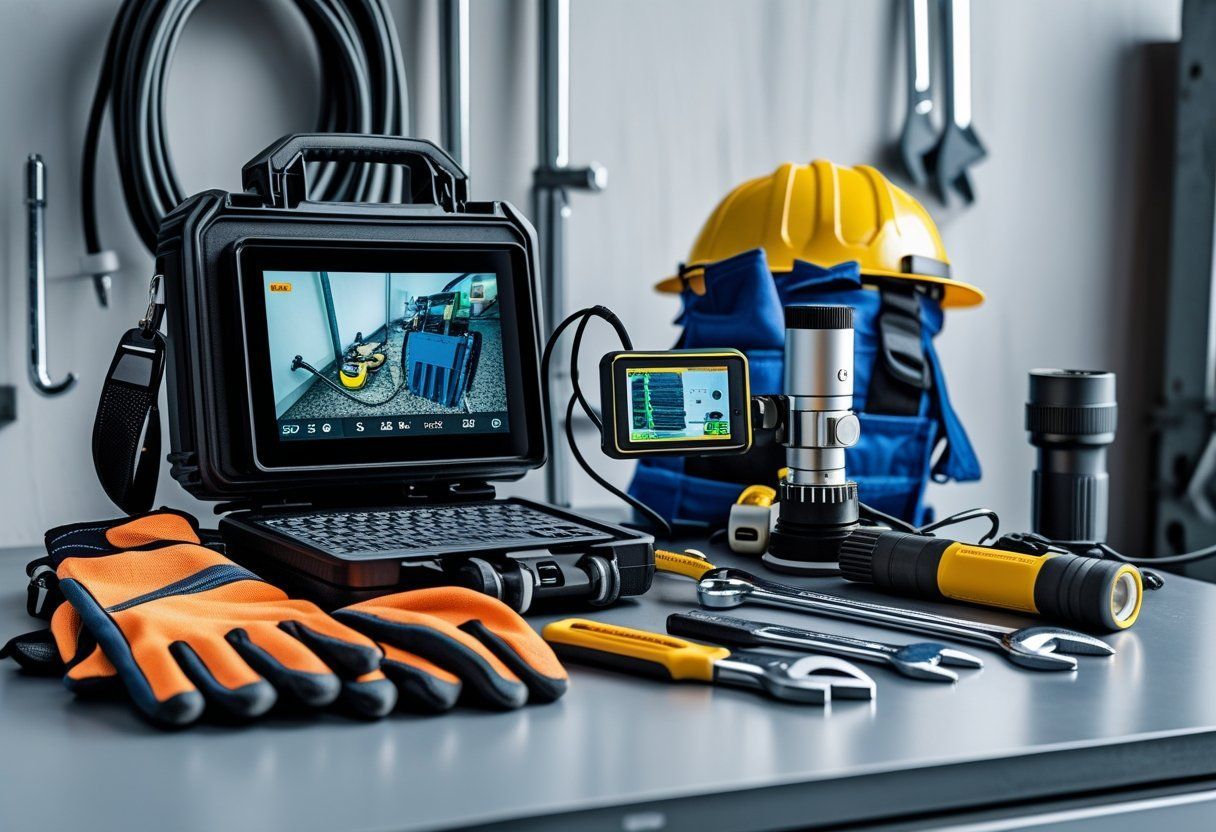
You want tools that give clear answers fast so you can find problems and fix them right. We rely on high-quality sewer cameras, locating gear, and cleaning tools to spot cracks, blockages, and defects in sewer lines accurately. Knowing which tools to use helps a plumber save time and avoid costly mistakes. We will walk […]
By Stefani January 22, 2026
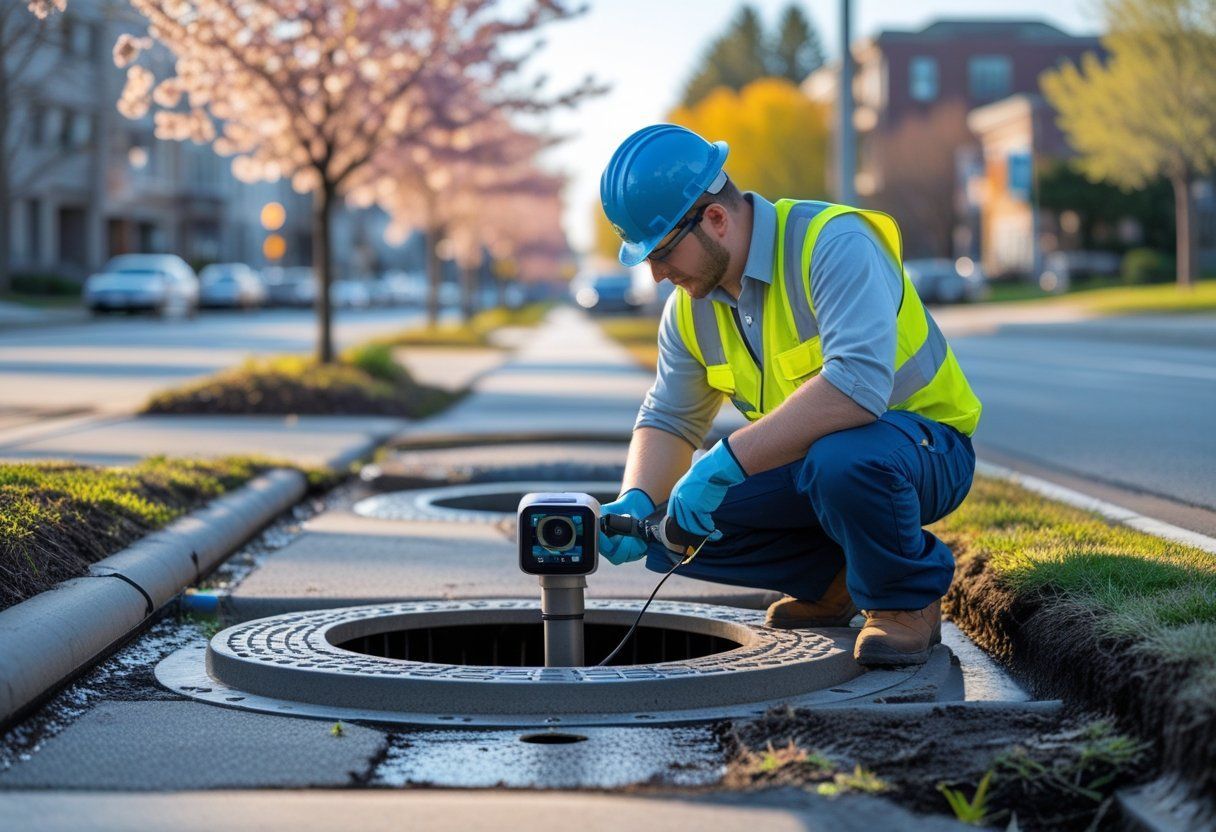
You want sewer line inspections timed so they catch problems before they get costly or urgent. We recommend scheduling inspections based on seasonal risks winter freeze, spring thaw, and heavy fall rains because timing cuts repair costs and prevents service interruptions. We will explain how weather, soil movement, and tree roots change the risk level […]
Common Mistakes to Avoid During Sewer Line Inspections
By Stefani January 18, 2026
We know sewer line inspections feel technical and tense, but avoiding a few common mistakes protects your home and wallet. Start by planning the inspection, knowing what to look for, and involving a qualified professional when signs point to trouble. That simple approach cuts down on missed problems and costly surprises. We will walk through […]
Show More