
Signs Your Business Needs Pipe Upgrades: Key Indicators to Watch For

Stefani • February 4, 2025

Share this article

Indicators of Suboptimal Plumbing System Performance

A suboptimal plumbing system can lead to issues that demand our immediate attention. Some key indicators include low water pressure, frequent leaks, and visible water damage. Let’s explore these in more detail.

Persistent Low Water Pressure

Low water pressure can disrupt everyday activities, from washing dishes to taking showers. It might indicate corrosion in pipes, sediment build-up, or even hidden leaks. Signs to watch for include slow water flow from taps or showerheads. Regular maintenance and inspections can help identify the root cause, preventing bigger problems down the line.

Recurring Blockages and Frequent Leaks

Frequent blockages can mean that pipes are too old or poorly designed. Similarly, constant leaks might suggest weak pipes, which can cause discolored water or high water bills. Common symptoms are slow drains, back-ups, or visible water pooling. Addressing these issues swiftly with repair or replacement can save both money and stress.

Evidence of Water Damage on Property

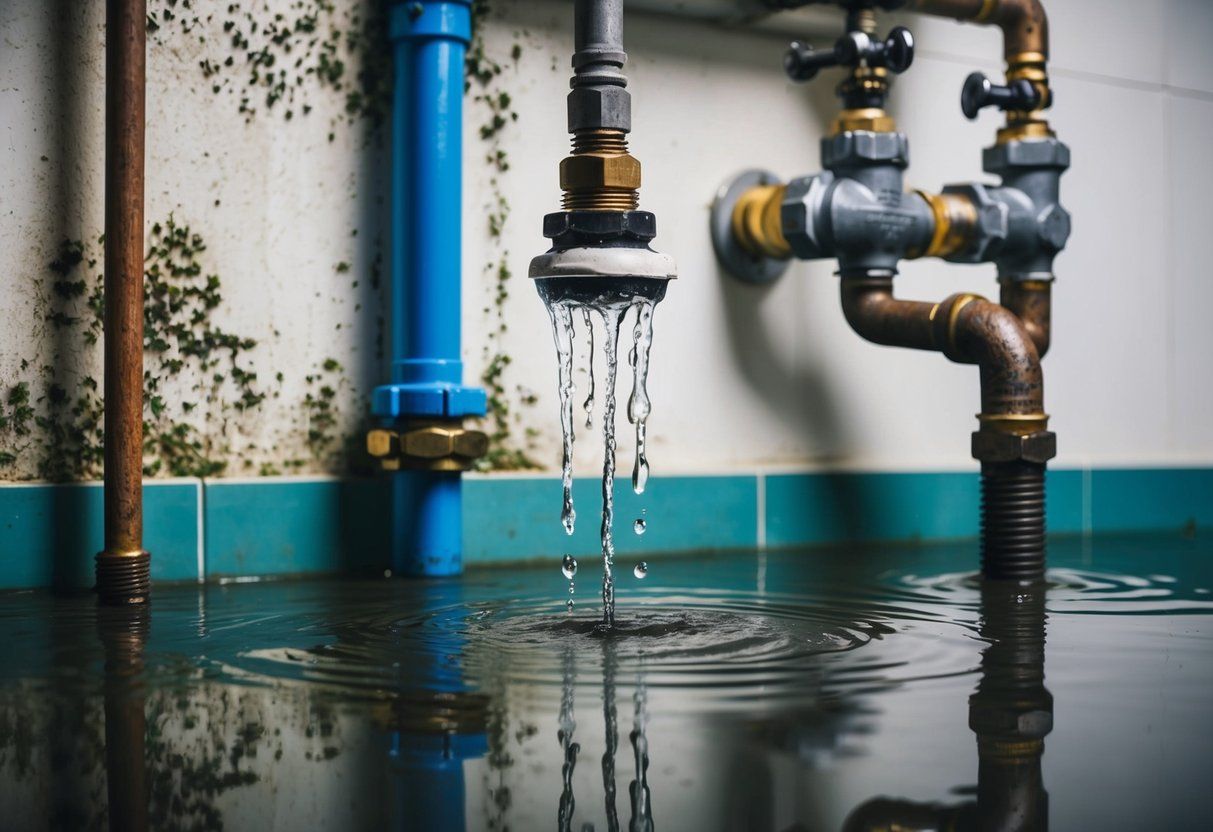
Water damage often indicates the need for pipe upgrades. Look out for stains on walls or ceilings, which can be a sign of hidden leaks. Also, check for musty smells or damp areas. Prompt action is essential to avoid structural damage, mold growth, and expensive repairs. A thorough inspection will help determine necessary updates to the plumbing system.

Implications of Aging and Deteriorating Pipes

When pipes age, they bring several challenges to our business. These issues often lead to costly repairs and potential safety hazards. Addressing any signs of damage early is crucial to maintaining a safe and efficient system.

Corrosion and Pipe Material Breakdown

As pipes get older, corrosion often sets in. The pipe material, whether it’s ​PEX, PVC, or metal, can deteriorate over time. This happens through chemical reactions with water and other substances flowing through them.

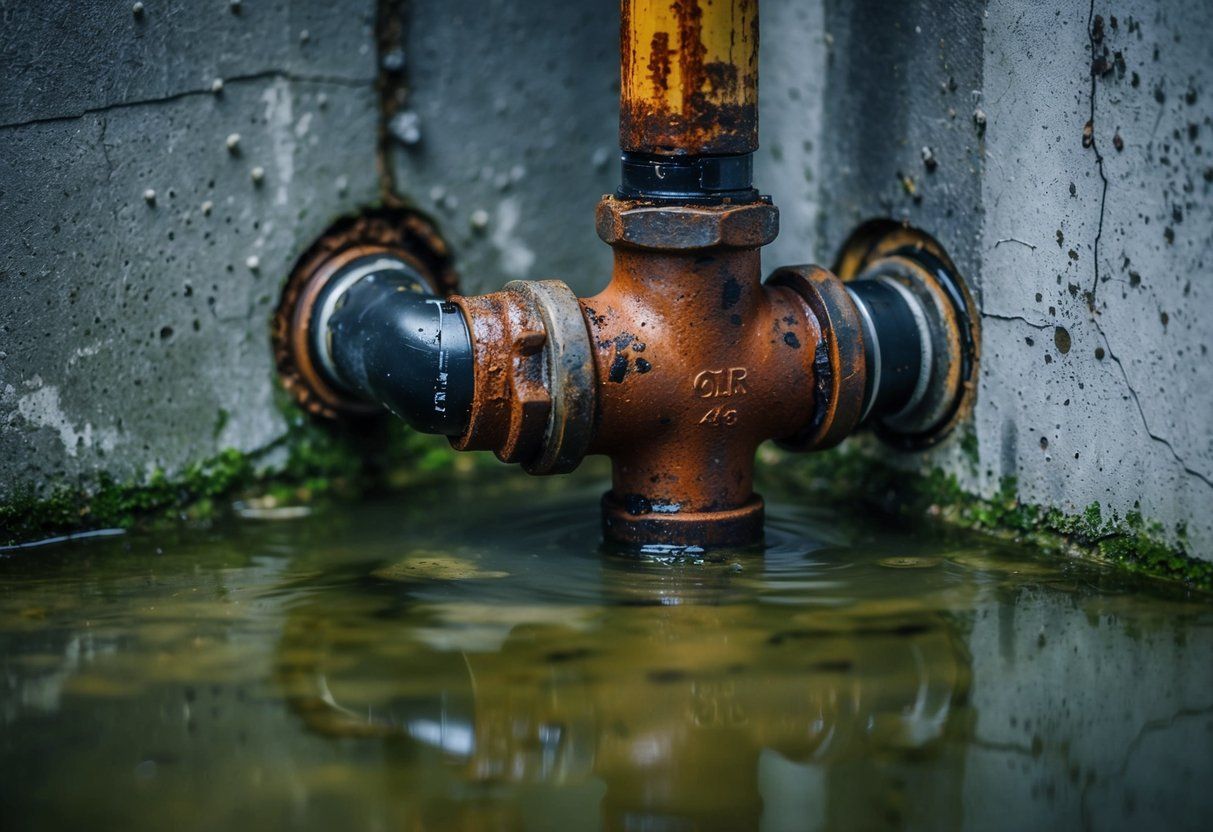
Older systems, especially those with metal pipes, are more likely to experience rust. Rust eats away at the pipes, leading to tiny leaks. These leaks can escalate, causing pressure drops and water damage. Pipe replacement might be necessary when deterioration is extensive.

Outdated plumbing systems are especially vulnerable. Modern materials, like PEX and PVC, are more resistant to corrosion. Transitioning to these materials helps in lengthening the lifespan of the plumbing framework. Regular inspections aid in identifying corrosion early, saving us from unexpected failures.

Signs of Structural Damage and Contamination

Aging pipes can suffer structural damage, such as cracks or splits. We might notice increased water bills, lower water pressure, or visible wet spots. These can all be indicators of hidden leaks. If left unattended, these issues could compromise the structural integrity of the building.

Leakages can also result in contamination. This contamination poses a risk to health if the water supply is compromised. Dirt, bacteria, or other harmful substances can enter the water through these breaks. Pipe replacement becomes crucial to maintain a safe environment for everyone.

By recognizing these signs, we can take prompt action to avoid further complications. Regular maintenance checks are essential for catching issues early and ensuring the safety and efficiency of our plumbing systems.

Technological and Material Advancements in Plumbing

Recent changes in plumbing have made systems more efficient and reliable. Let’s look at two significant trends revolutionizing the industry: using PEX and PVC in commercial settings and the introduction of water-efficient fixtures. These advancements help businesses save on costs and resources.

Benefits of PEX and PVC in Commercial Plumbing

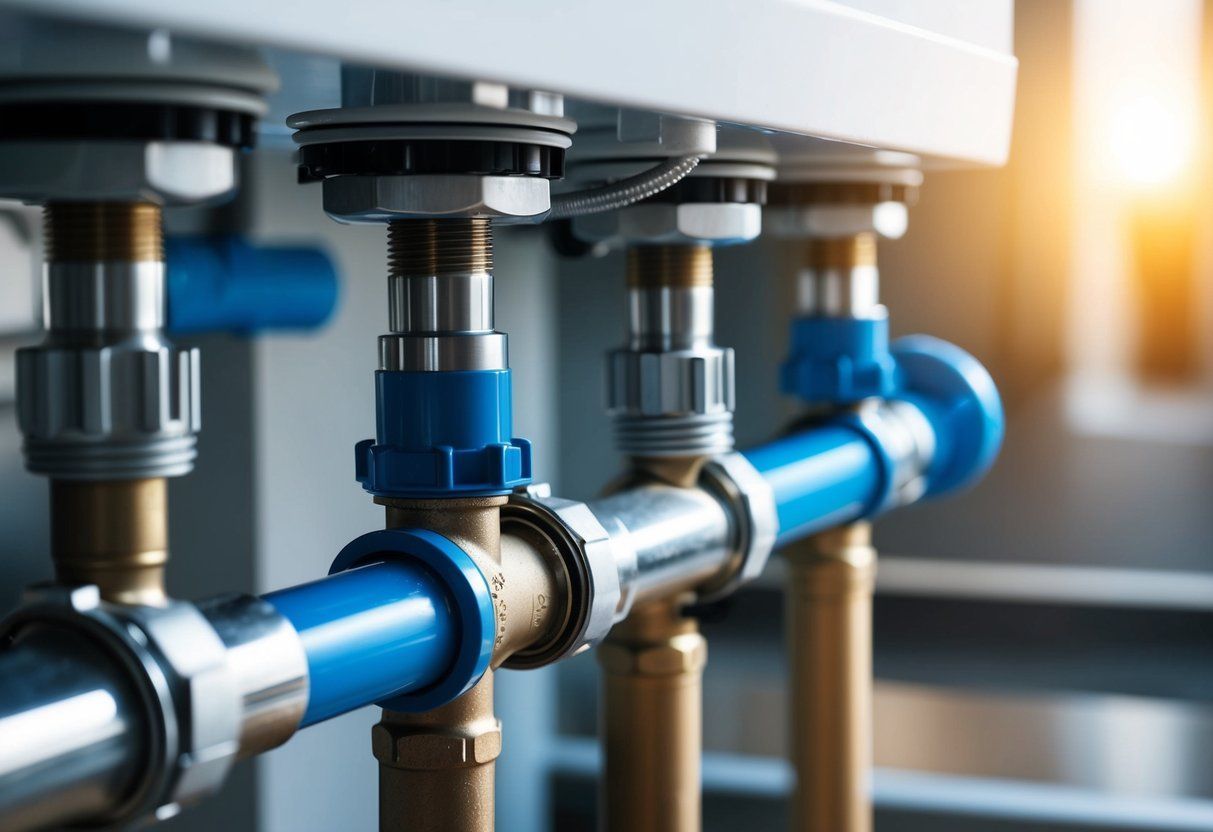
PEX (cross-linked polyethylene) and PVC (polyvinyl chloride) have transformed commercial plumbing. These materials are preferred for their durability, flexibility, and cost-effectiveness.

  • PEX is flexible, reducing installation time by curving around corners. This flexibility cuts down on the need for joints, minimizing potential leak points.

  • PVC is known for its resistance to corrosion, making it suitable for a variety of fluids without deteriorating. It’s lightweight, easing transportation and installation.

Both materials endure high temperatures, making them reliable in different climates. They are more resistant to scale and chlorine than traditional materials, extending the lifespan of the plumbing systems. Embracing PEX and PVC in commercial upgrades improves performance and reduces maintenance concerns.

Introduction to Water-Efficient Fixtures

Water-efficient fixtures are gaining popularity as businesses aim to save both water and money. These include low-flow toilets, sensor-operated faucets, and efficient showerheads.

  • Low-flow toilets use less water per flush without compromising performance. This not only cuts down water use but also lowers utility bills.
  • Sensor faucets help ensure water is only used when needed, reducing waste in high-traffic areas like restrooms.
  • Efficient showerheads maintain flow while conserving water, making them ideal for facilities that offer showers.

Integrating these fixtures reduces water usage significantly, aligning with sustainable practices. They require minimal maintenance and provide an excellent return on investment over time. These fixtures are an integral part of modern plumbing upgrades in businesses.

Comprehensive Overhaul for Enhanced Functionality

A comprehensive overhaul of a business’s plumbing system can greatly improve its functionality. This process includes upgrading outdated parts and adopting modern plumbing standards to ensure efficiency and compliance. We need to focus on the needs and benefits of upgrading commercial plumbing systems for enhanced performance.

Full-Scale Plumbing System Overhaul

A full-scale plumbing system overhaul means examining the entire setup. We begin by inspecting underground pipes to identify any issues like leaks or corrosion. Damaged pipes can cause significant water loss or contamination.

Next, we assess the durability of materials used. Old materials might not meet current standards. Replacing them with modern, more resilient materials can prevent future problems.

Proper installation is crucial. Using professional commercial plumbing services ensures that all parts are fitted correctly. This can reduce risks of leaks and bursts.

Upgrading to Modern Commercial Plumbing Standards

To align with modern plumbing standards, businesses must use the latest technologies. This includes installing energy-efficient fixtures to lower water usage and costs.

Advanced monitoring systems are another feature we should consider. They help detect leaks early, minimizing damage and maintenance costs. This proactive approach keeps the plumbing system running smoothly.

Compliance with new regulations is essential. Regular audits can help us stay ahead of any updates and ensure our system meets all safety and performance standards.

These steps not only enhance the functionality of the plumbing system but also contribute to a sustainable business operation.

Maintenance and Repair: Prevention and Prompt Intervention

Pipe issues can escalate quickly without proper care. We should focus on regular maintenance and be prepared to handle emergencies swiftly to ensure smooth operations and prevent potential disruptions.

Routine Maintenance and Drain Cleaning

Routine maintenance helps us catch problems before they become severe. Regular inspections identify old pipes, water stains, and rusty water that may indicate the need for updates. Frequent repairs can often be avoided by sticking to a consistent maintenance schedule.

Drain cleaning is crucial in preventing frequent clogs. By clearing blockages regularly, we help prevent foul smells and gurgling noises that can disrupt business operations. Addressing these odors and sounds early helps maintain customer satisfaction.

Using professional services for drain cleaning ensures thorough and efficient work. Investing in this will potentially save costs over time as it reduces the frequency of major repairs. Prioritizing maintenance activities allows us to address issues quickly before they escalate.

Addressing Emergency Plumbing Situations

Even with regular maintenance, emergencies can occur. It’s important that we can address these swiftly to minimize downtime. Emergency plumbing needs arise with issues like severe leaks, sudden foul smells, or burst pipes. These situations require prompt attention to prevent water damage or business disruption.

Identifying warning signs like gurgling noises or unexpected water stains can help us act before emergencies get out of hand. Having a trusted emergency contact or service is crucial, ensuring we have help available 24/7.

Acting quickly during emergencies can protect our infrastructure and contribute to overall safety and satisfaction. We focus on efficient interventions, knowing that preparation is key to handling unexpected challenges effectively.

Recent Posts

Fast Response Plumbing technician servicing a water shut off valve in San Francisco
By Joe Tinsley July 17, 2026
Learn how gate valves, ball valves, and angle stops work, where to find them in your San Francisco home, and when to replace them. FAQs inside.
Budgeting for Unforeseen Sewer Line Maintenance Expenses
By Stefani January 31, 2026
Sewer line problems can hit your wallet fast, and we know the stress of a surprise repair. We show you how to plan a practical budget that covers emergency fixes, regular upkeep, and the big costs that sneak up on you. This saves you money and keeps small issues from turning into major failures. We […]
Seasonal Effects on Sewer Line Maintenance Costs
By Stefani January 30, 2026
You’ll want to know how seasons change what you pay for sewer line maintenance so you can plan ahead and avoid surprise bills. Seasonal weather, ground movement, and plant growth directly affect repair needs and costs, so budgeting by season cuts unexpected expenses. We outline what shifts costs, when repairs most often happen, and which […]
The Role of Location in Sewer Line Maintenance Pricing
By Stefani January 29, 2026
You’ll pay different amounts for sewer line maintenance depending on where your property sits and what’s under it. Location drives cost through factors like soil type, access difficulty, local labor rates, and permit rules, so knowing these lets you predict and plan for expenses. We’ll show how those local details shape quotes and outcomes. We’ll […]
Analyzing Material Expenses for Effective Sewer Line Care
By Stefani January 28, 2026
We’ll break down the real costs that matter for keeping a sewer line working well so you can plan and avoid surprises. You’ll learn which materials and fees drive most of the expense and how small choices can lower long-term costs. We’ll look at costs for parts, tools, permits, and regular cleaning, plus where labor […]
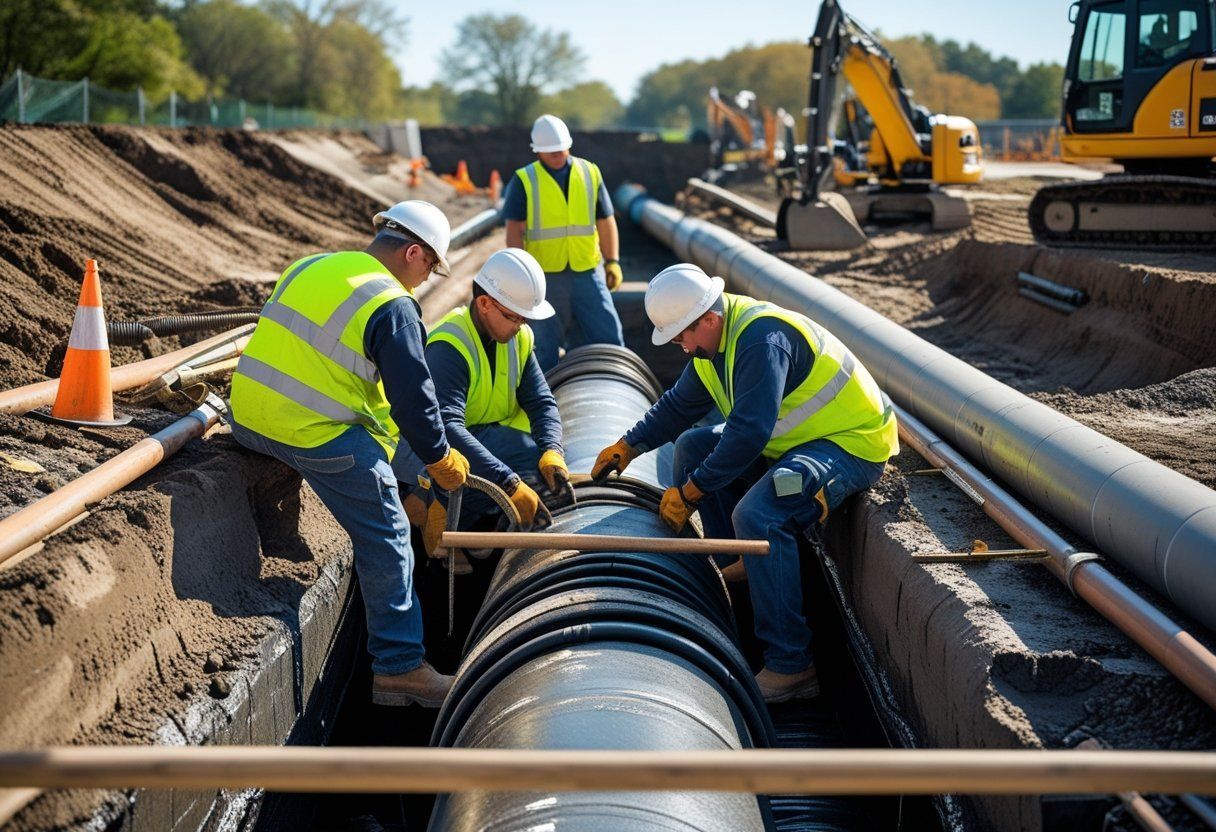
Understanding the Impact of Labor Costs on Sewer Line Maintenance
By Stefani January 25, 2026
You want to know how labor costs shape sewer line care and what that means for your wallet. We will show how wages, crew size, and the repair method you choose change the final bill so you can plan smarter and avoid surprises. Knowing which labor factors most drive costs lets you pick repair options […]
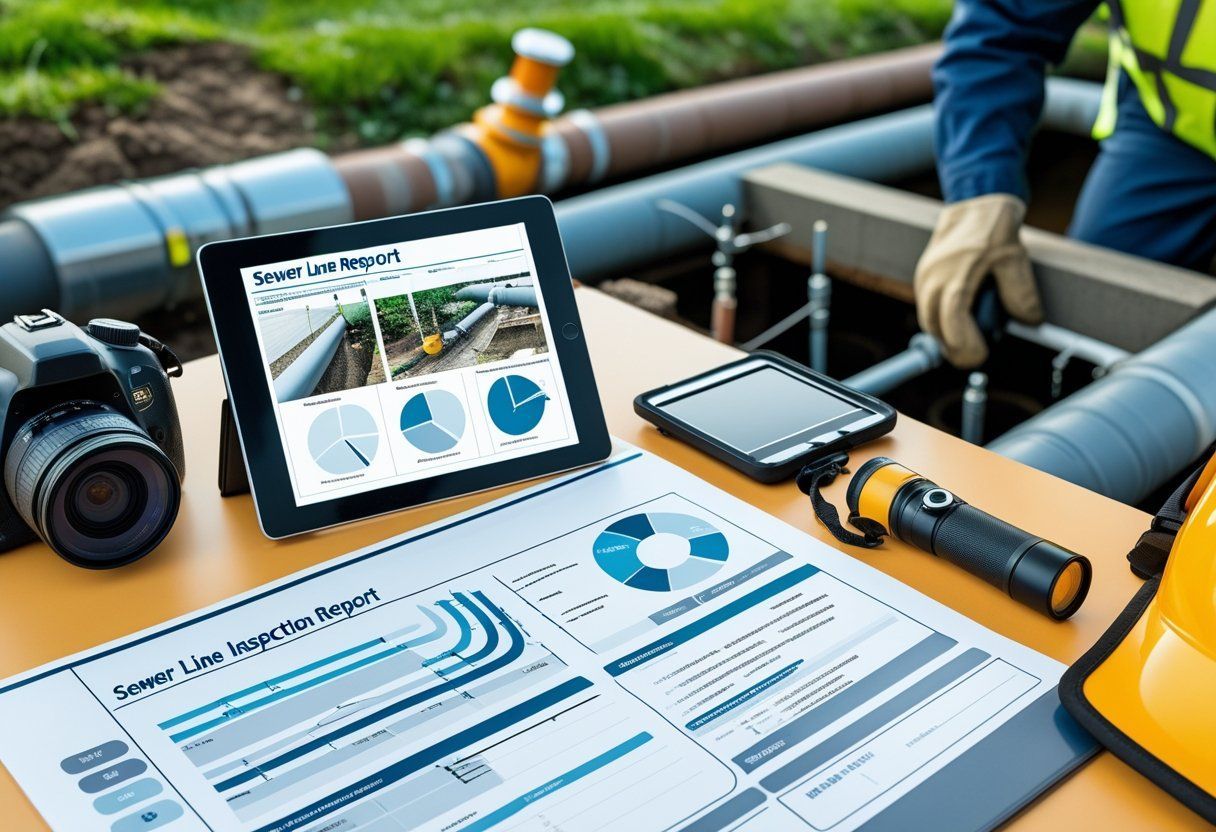
How to Interpret Sewer Line Inspection Reports
By Stefani January 24, 2026
You’ll get clear steps to decode the most important parts of a sewer line inspection report so you can act with confidence. We show you how to spot real problems, what each defect means, and which issues need immediate repair versus routine maintenance. We break the report into simple pieces what the camera images show, […]
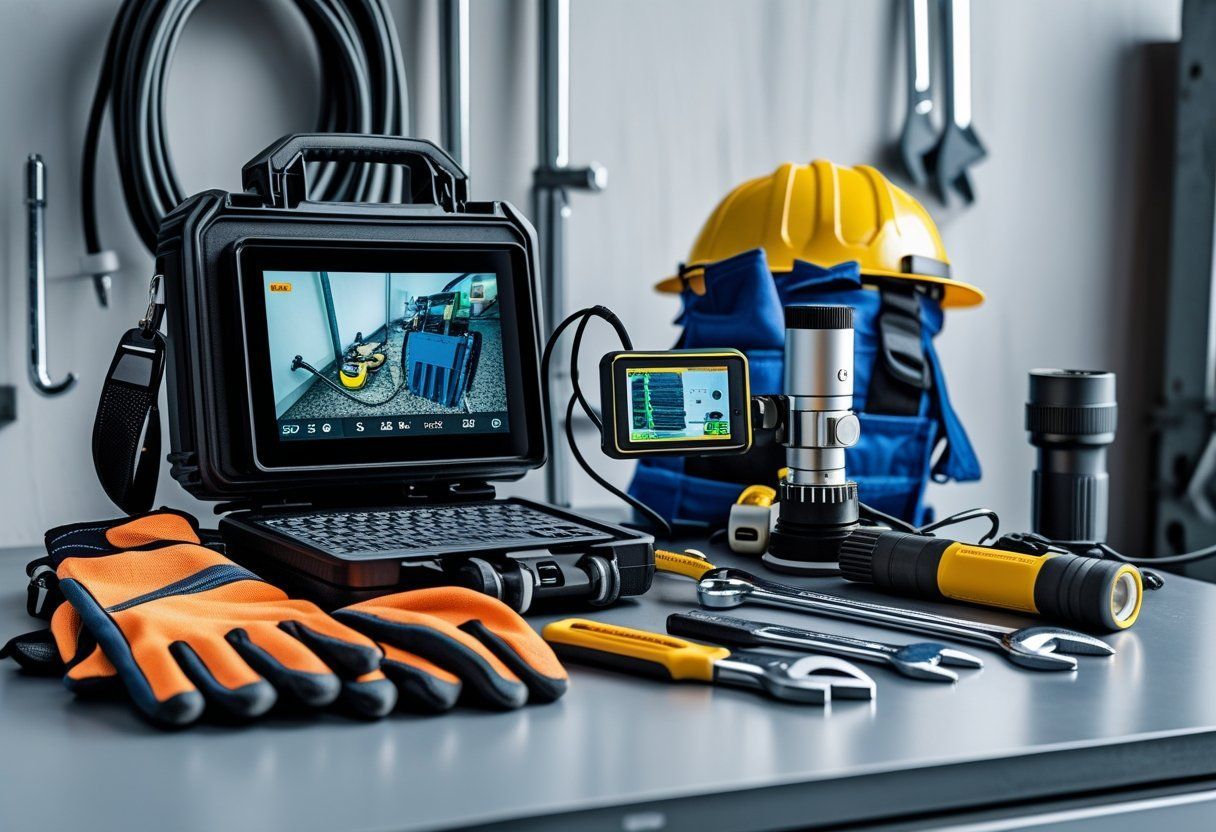
Tool kit with hard hat, gloves, laptop, and handheld device on a workbench in a workshop
By Stefani January 23, 2026
You want tools that give clear answers fast so you can find problems and fix them right. We rely on high-quality sewer cameras, locating gear, and cleaning tools to spot cracks, blockages, and defects in sewer lines accurately. Knowing which tools to use helps a plumber save time and avoid costly mistakes. We will walk […]
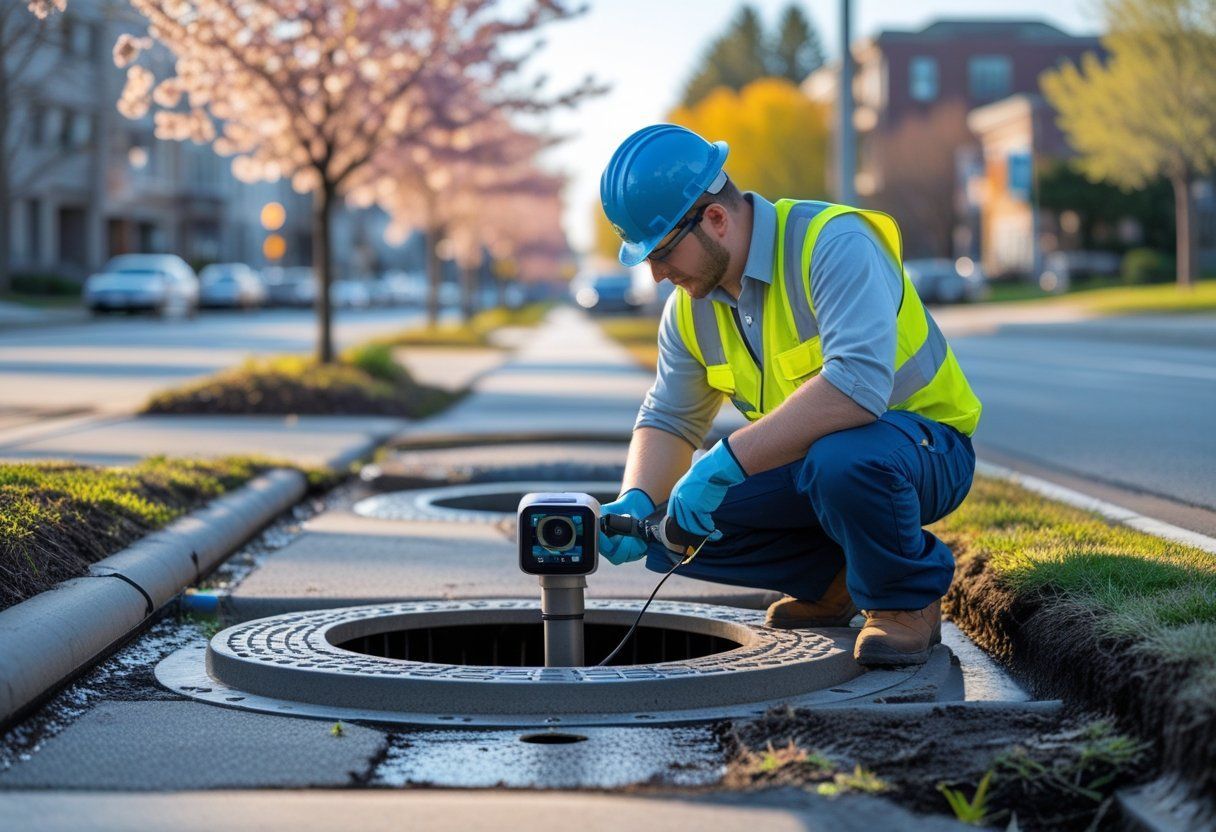
Worker in blue hard hat inspecting a manhole on a street with a camera device
By Stefani January 22, 2026
You want sewer line inspections timed so they catch problems before they get costly or urgent. We recommend scheduling inspections based on seasonal risks winter freeze, spring thaw, and heavy fall rains because timing cuts repair costs and prevents service interruptions. We will explain how weather, soil movement, and tree roots change the risk level […]
Common Mistakes to Avoid During Sewer Line Inspections
By Stefani January 18, 2026
We know sewer line inspections feel technical and tense, but avoiding a few common mistakes protects your home and wallet. Start by planning the inspection, knowing what to look for, and involving a qualified professional when signs point to trouble. That simple approach cuts down on missed problems and costly surprises. We will walk through […]
Show More