
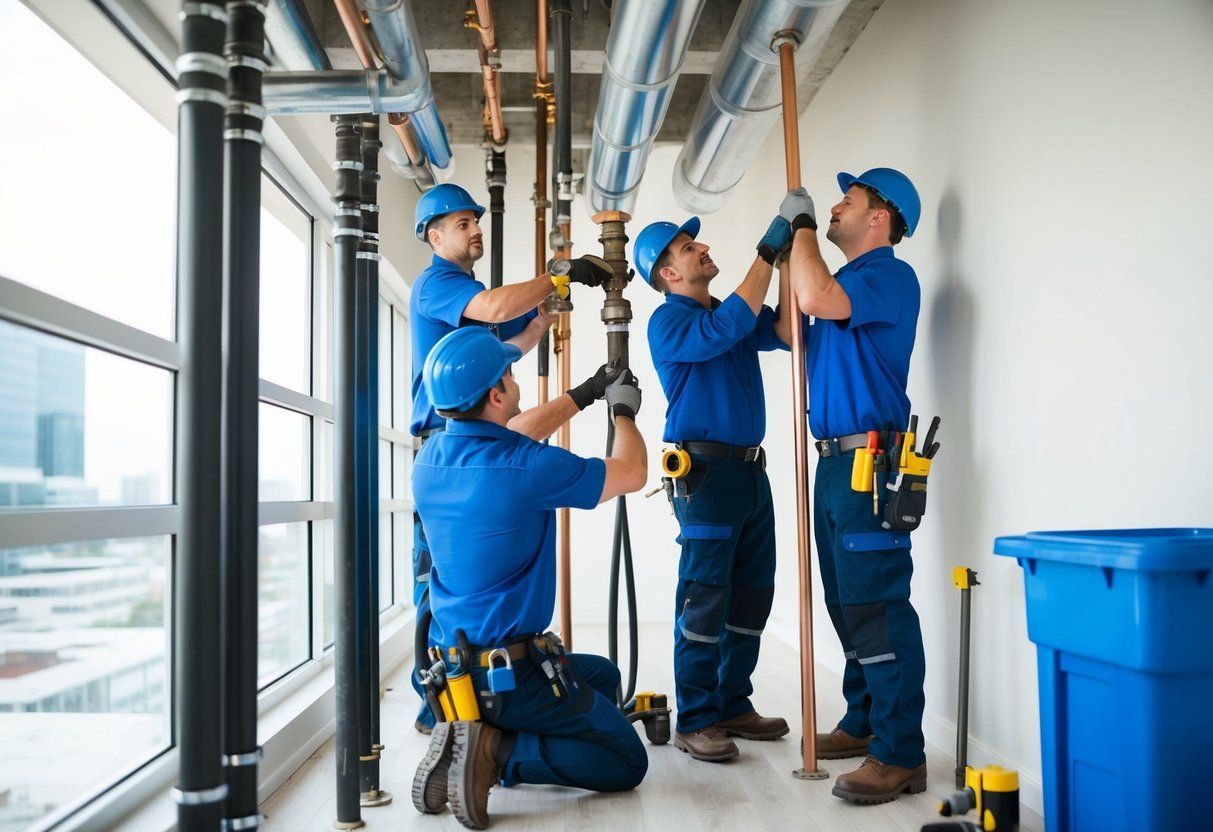
The Process of Pipe Replacement for Commercial Plumbing: Efficient Solutions and Best Practices

Stefani • February 5, 2025

Share this article

Understanding Commercial Plumbing Systems

In commercial buildings, plumbing systems are more complex due to the higher demand and larger infrastructure. It is crucial to recognize the components and materials used and be aware of signs indicating pipe deterioration, which can lead to leaks and corrosion.

Components and Materials

Commercial plumbing systems include an array of pipes such as cast iron, copper, PVC, PEX, CPVC, and galvanized steel. Each material has unique benefits and uses within the system.

Cast iron pipes are durable, frequently used for waste and water drainage. Copper pipes resist corrosion well and are common in both water supply systems and refrigeration. PVC pipes are affordable and reliable for drain, waste, and vent applications.

Galvanized steel has a protective zinc coating but can corrode over time, while PEX provides flexibility, making it suitable for retrofitting. CPVC can handle higher temperatures compared to PVC, often used for hot water distribution. When considering pipe replacement, we must select materials that align with the building’s requirements and environmental considerations.

Common Signs of Pipe Deterioration

There are several common signs that indicate pipe deterioration in commercial plumbing systems. Leaks are a primary indicator, often originating from weak joints or corrosion. Corrosion inside pipes may cause discoloration or foul odors in water. This is especially typical in aging galvanized steel and copper pipes.

Low water pressure might signal sediment buildup in pipes, reducing flow. Frequent clogs could indicate pipes that are deteriorating and not smooth anymore. If left unaddressed, these issues can escalate, causing significant damage and higher repair costs. To prevent a full pipe replacement, regular maintenance and inspections are essential for spotting early warnings of wear.

Assessing Pipe Condition and Leak Detection

Before replacing pipes in commercial plumbing, it’s important to assess the condition of existing pipes and detect any leaks. This helps prevent water damage, mold growth, and ensures customer satisfaction.

Methods for Evaluating Pipe Integrity

We start by using visual inspections and professional tools to check pipes for damage. This can include signs like corrosion, cracks, and weak joints. Pressure testing helps us determine if pipes can handle daily use. During testing, water pressure is increased slightly to check for structural weaknesses.

For more advanced assessment, we may use video camera inspections. These cameras provide a clear view of the pipe interiors, catching problems like mineral build-up. Quick identification means faster repairs, reducing potential downtime for businesses.

Leak Detection Technologies

Accurate leak detection is vital to avoid water waste and potential mold growth. We use acoustic detectors that listen for the sounds of leaks within walls or underground. Thermal imaging helps us see temperature differences in walls or floors, highlighting moisture areas where leaks might exist.

Electronic leak detectors measure variations in electrical resistance caused by moisture in the ground or building materials. By employing these technologies, we isolate leak locations swiftly and plan effective repairs, maintaining the integrity of the whole system.

Pipe Replacement Techniques

In commercial plumbing, replacing pipes can disrupt operations. By choosing the right method, we can ensure minimal disruption, address environmental concerns, and find cost-effective solutions.

Traditional Pipe Replacement

Traditional pipe replacement involves removing old pipes and installing new ones. This method often uses materials like PVC, PEX, and copper. Each has benefits: PVC is versatile and durable, PEX is flexible, and copper is long-lasting.

This approach generally requires digging to access the pipes, which can create disturbances. Despite the disruption, it’s a reliable choice when pipes are severely damaged or when a complete overhaul is necessary.

It’s important to weigh factors such as costs, time, and potential impact on daily operations. Traditional methods might demand more labor and materials, affecting the overall budget.

Trenchless Rehabilitation Methods

Trenchless methods, including cured-in-place pipe (CIPP) lining, provide effective alternatives to digging. These techniques help us repair pipes without significant excavation, reducing both time and environmental impact.

CIPP involves inserting a resin-soaked liner into the damaged pipe, then curing it to form a strong, seamless layer. This method is ideal for underground pipes and urban areas where excavation would be challenging.

Trenchless options offer cost-effective solutions and minimize disruption to daily operations. They are particularly useful in commercial settings where maintaining normal activities is crucial.

Executing the Replacement Process

Our task is to methodically replace pipes, ensuring minimal disruption. This involves careful planning and maintaining water supply during the process.

Planning and Preparing for Replacement

We start with a detailed assessment of the existing plumbing system. Identifying the scope of the damage or wear helps us decide the materials needed. We choose durable pipes suited for the building’s specific needs.

Before replacing, we create a timeline. This helps us coordinate tasks efficiently. We inform building occupants in advance to prepare for any temporary inconvenience.

Safety is our priority. We equip our team with the necessary safety gear. We also inspect the site for any potential hazards to prevent accidents.

Ensuring Water Supply and Minimizing Downtime

Maintaining a consistent water supply is crucial. We set up temporary water systems to keep the building functional. This ensures minimal disruption to daily operations.

To minimize downtime, we coordinate the replacement work during off-peak hours. Communication with building management is key. This helps us quickly address any concerns.

We also streamline our processes. By using modern equipment and experienced crews, we expedite the replacement and ensure high-quality output. Our team monitors the procedures closely, making necessary adjustments swiftly.

These methods help us manage pipe replacement efficiently and effectively.

Recent Posts

Fast Response Plumbing technician servicing a water shut off valve in San Francisco
By Joe Tinsley July 17, 2026
Learn how gate valves, ball valves, and angle stops work, where to find them in your San Francisco home, and when to replace them. FAQs inside.
Budgeting for Unforeseen Sewer Line Maintenance Expenses
By Stefani January 31, 2026
Sewer line problems can hit your wallet fast, and we know the stress of a surprise repair. We show you how to plan a practical budget that covers emergency fixes, regular upkeep, and the big costs that sneak up on you. This saves you money and keeps small issues from turning into major failures. We […]
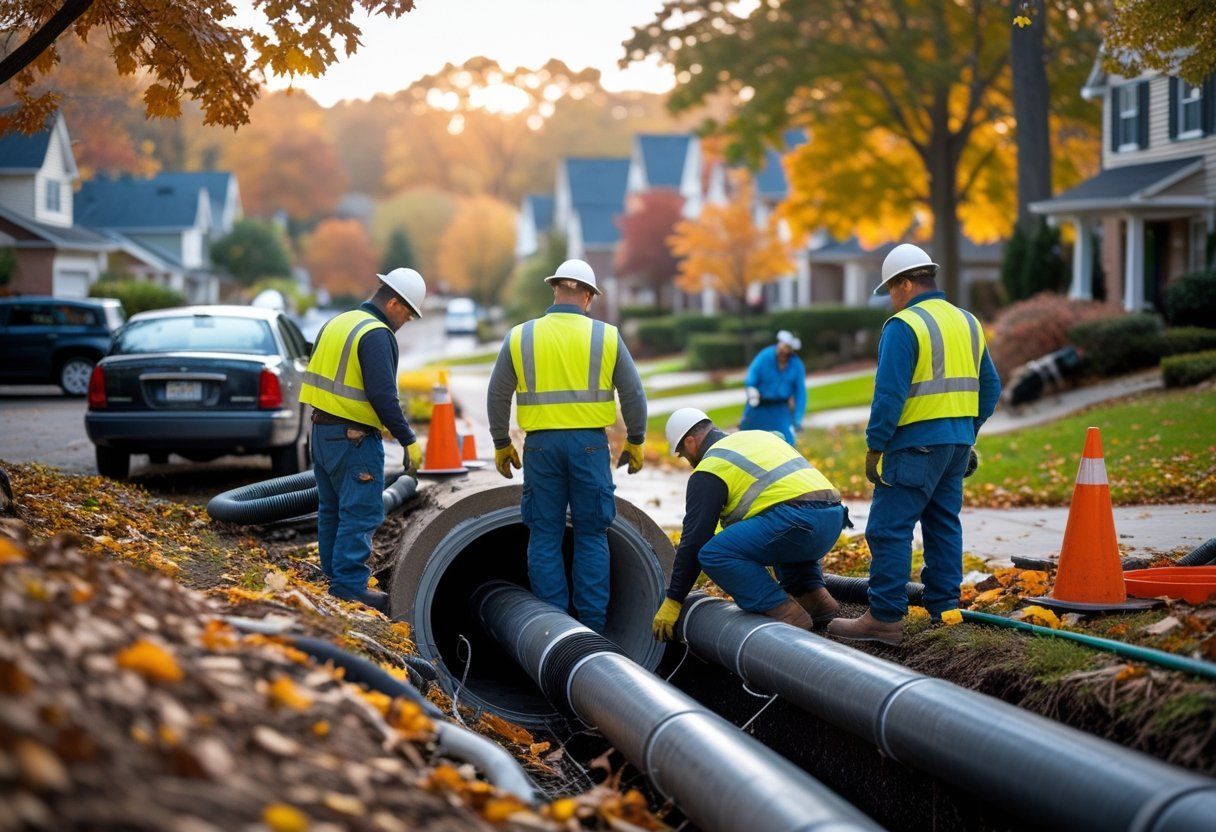
Seasonal Effects on Sewer Line Maintenance Costs
By Stefani January 30, 2026
You’ll want to know how seasons change what you pay for sewer line maintenance so you can plan ahead and avoid surprise bills. Seasonal weather, ground movement, and plant growth directly affect repair needs and costs, so budgeting by season cuts unexpected expenses. We outline what shifts costs, when repairs most often happen, and which […]
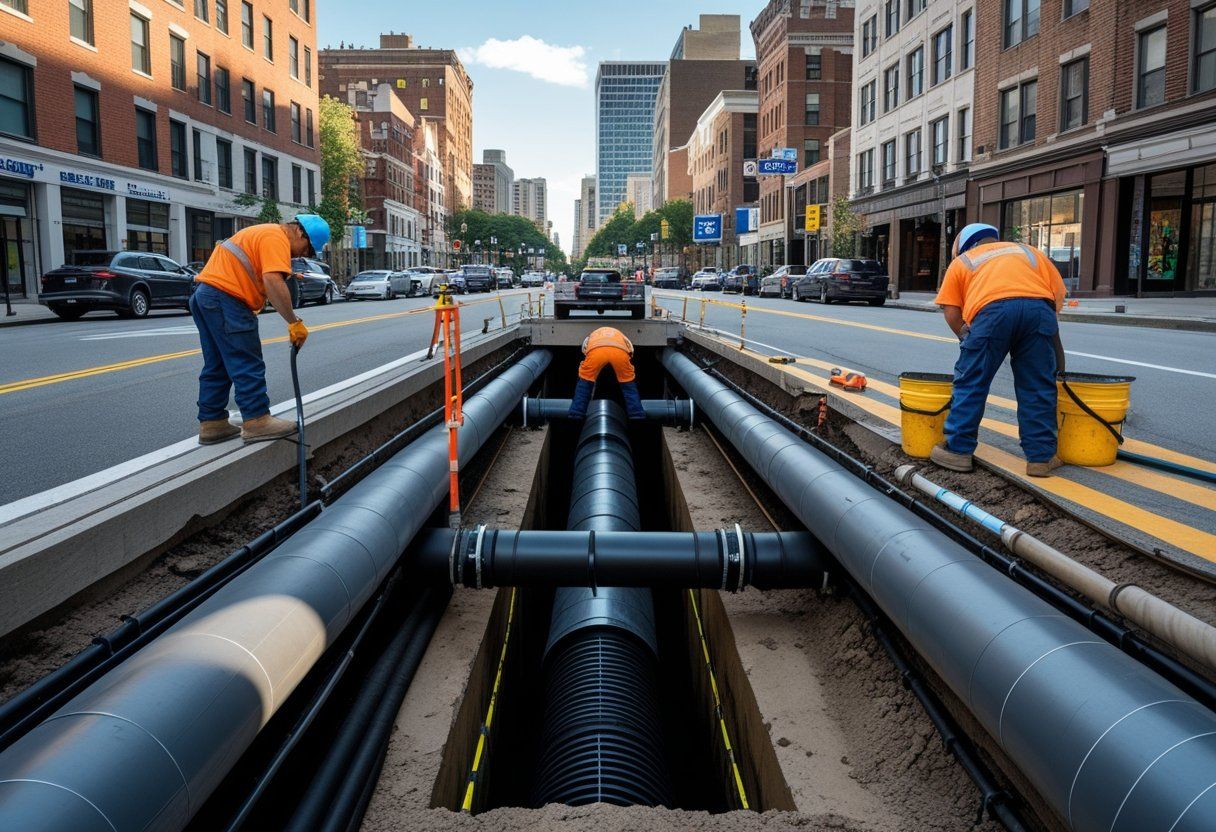
The Role of Location in Sewer Line Maintenance Pricing
By Stefani January 29, 2026
You’ll pay different amounts for sewer line maintenance depending on where your property sits and what’s under it. Location drives cost through factors like soil type, access difficulty, local labor rates, and permit rules, so knowing these lets you predict and plan for expenses. We’ll show how those local details shape quotes and outcomes. We’ll […]
Analyzing Material Expenses for Effective Sewer Line Care
By Stefani January 28, 2026
We’ll break down the real costs that matter for keeping a sewer line working well so you can plan and avoid surprises. You’ll learn which materials and fees drive most of the expense and how small choices can lower long-term costs. We’ll look at costs for parts, tools, permits, and regular cleaning, plus where labor […]
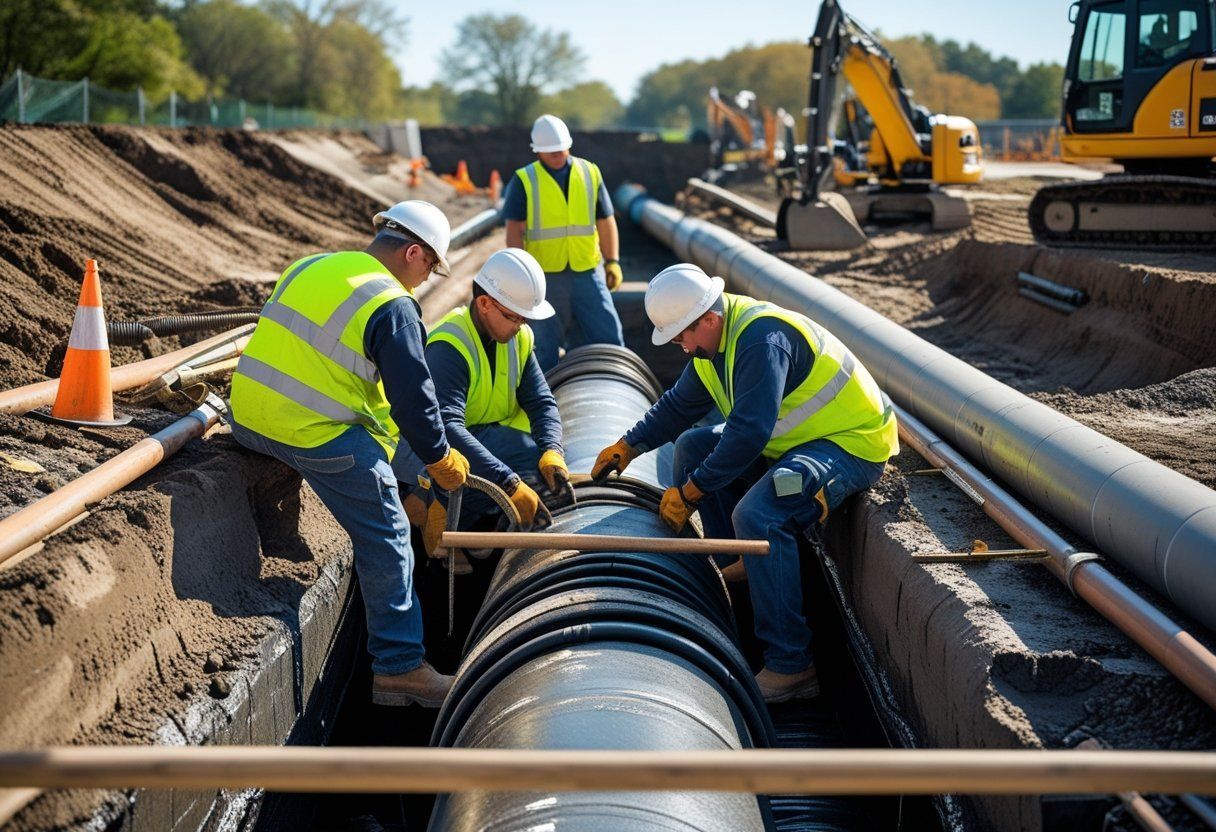
Understanding the Impact of Labor Costs on Sewer Line Maintenance
By Stefani January 25, 2026
You want to know how labor costs shape sewer line care and what that means for your wallet. We will show how wages, crew size, and the repair method you choose change the final bill so you can plan smarter and avoid surprises. Knowing which labor factors most drive costs lets you pick repair options […]
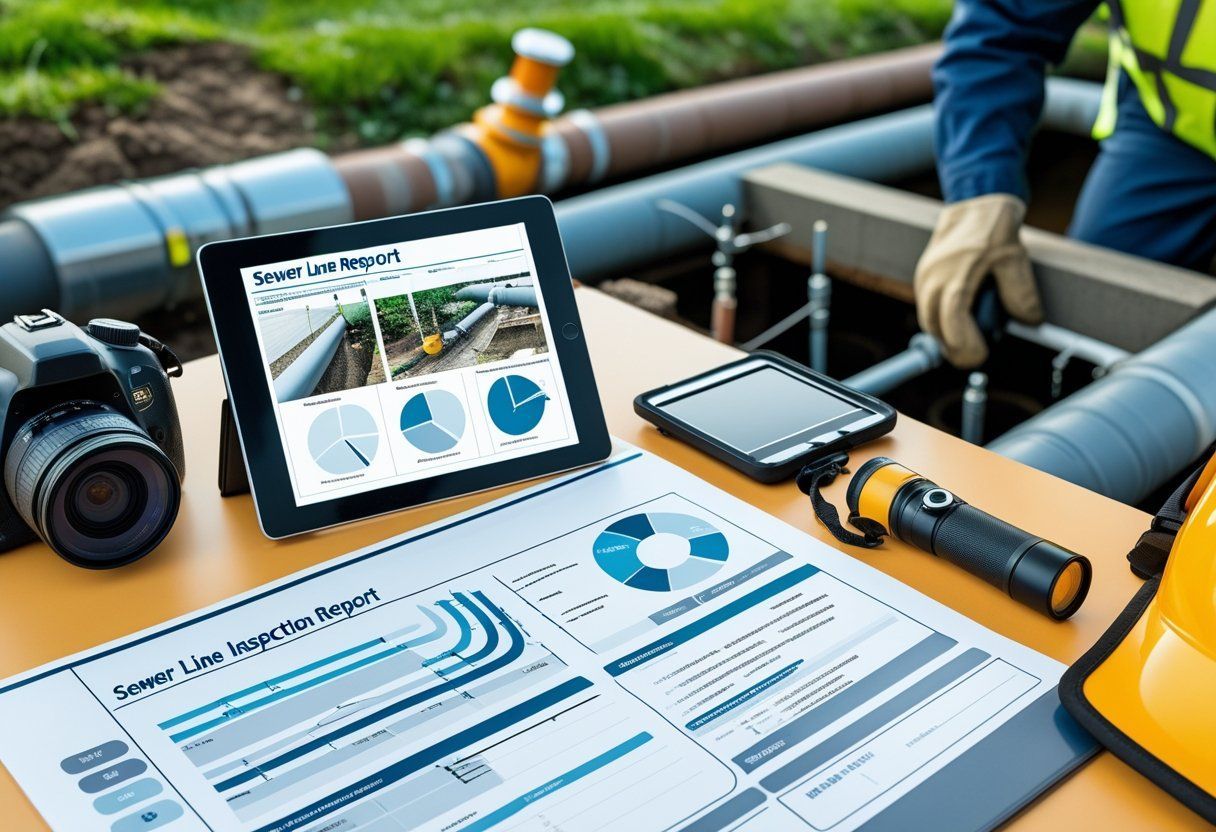
How to Interpret Sewer Line Inspection Reports
By Stefani January 24, 2026
You’ll get clear steps to decode the most important parts of a sewer line inspection report so you can act with confidence. We show you how to spot real problems, what each defect means, and which issues need immediate repair versus routine maintenance. We break the report into simple pieces what the camera images show, […]
By Stefani January 23, 2026
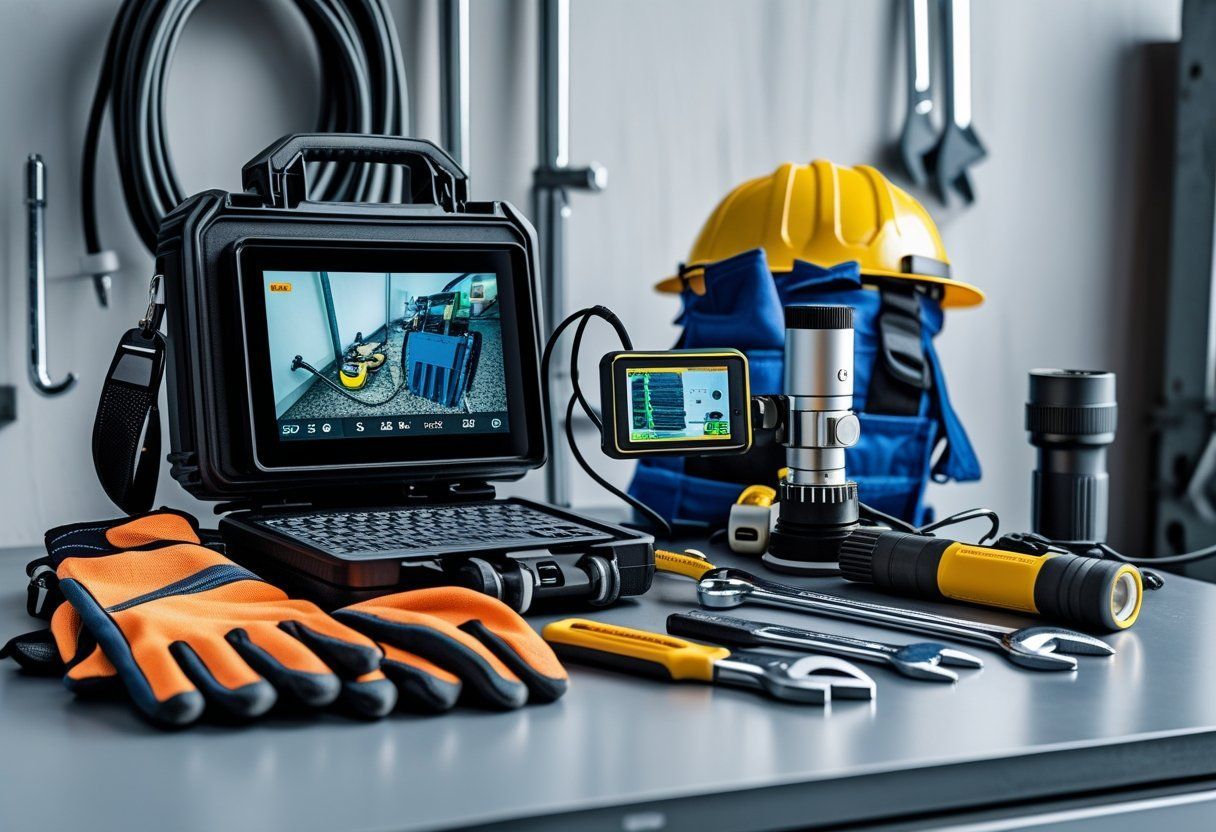
You want tools that give clear answers fast so you can find problems and fix them right. We rely on high-quality sewer cameras, locating gear, and cleaning tools to spot cracks, blockages, and defects in sewer lines accurately. Knowing which tools to use helps a plumber save time and avoid costly mistakes. We will walk […]
By Stefani January 22, 2026
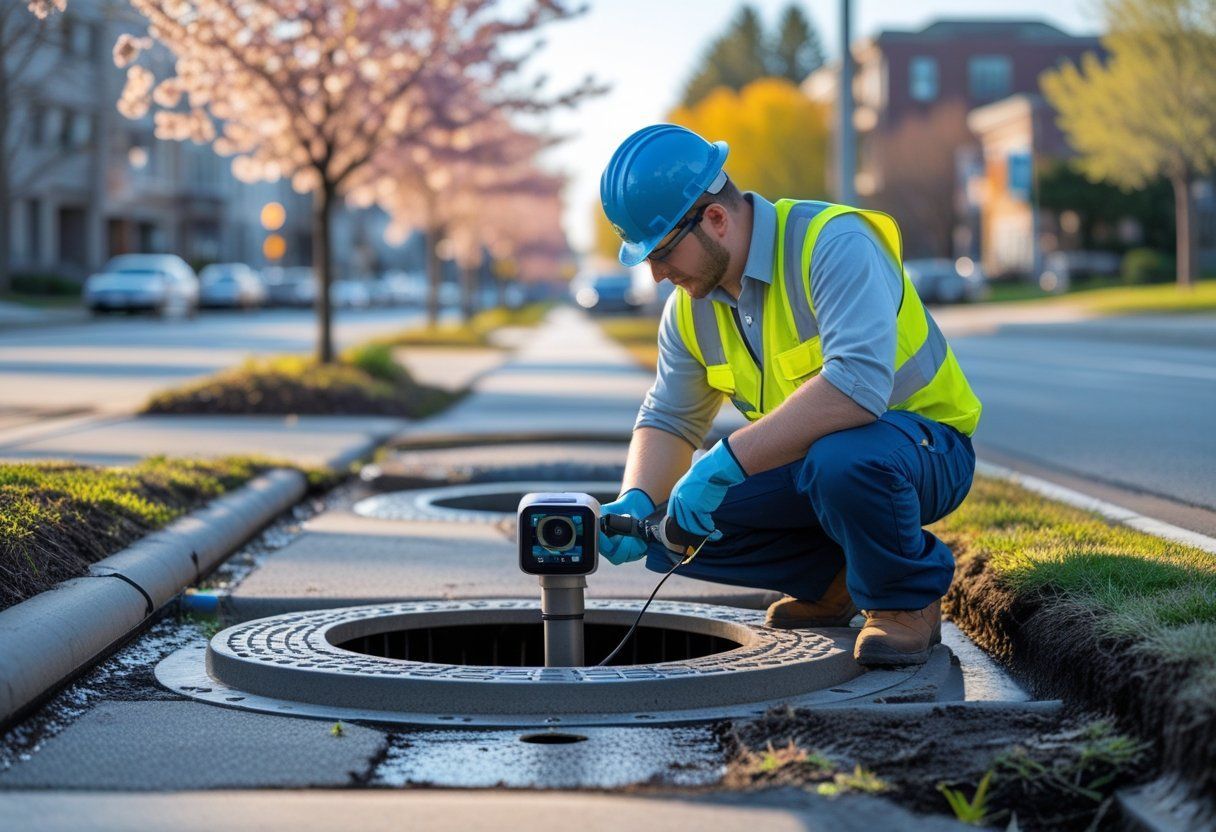
You want sewer line inspections timed so they catch problems before they get costly or urgent. We recommend scheduling inspections based on seasonal risks winter freeze, spring thaw, and heavy fall rains because timing cuts repair costs and prevents service interruptions. We will explain how weather, soil movement, and tree roots change the risk level […]
Common Mistakes to Avoid During Sewer Line Inspections
By Stefani January 18, 2026
We know sewer line inspections feel technical and tense, but avoiding a few common mistakes protects your home and wallet. Start by planning the inspection, knowing what to look for, and involving a qualified professional when signs point to trouble. That simple approach cuts down on missed problems and costly surprises. We will walk through […]
Show More