A Comprehensive Guide to Sewer Line Inspection Procedures: Methods, Tools, and Best Practices

Stefani • July 22, 2025

Share this article

Key Steps in Sewer Line Inspection Procedures

Sewer line inspection is a step-by-step process that includes planning, finding the right entry points, setting up the camera, and observing the pipe’s condition. We use safe and clear methods to get accurate results at each stage.

Scheduling and Preparation

When we schedule a sewer line inspection, we first check our availability and the property owner’s schedule. We discuss the process and answer any questions ahead of time.

Preparation involves gathering the right tools and making sure our inspection camera works. We notify residents if water usage needs to be paused during the sewer scope inspection. We also review any previous sewer inspections or repair records. This helps us know what problems might show up.

Before arriving, we confirm the address and exact inspection areas. We bring gloves, safety gear, and cleaning supplies. Our team explains each step clearly to the property owner before starting.

Access Point Identification

Identifying the access point is crucial for a successful inspection. We look for cleanouts pipes capped on top to insert the camera. Cleanouts are usually near bathrooms, basement floors, or outside the house.

If no cleanout exists, we may use a main sewer vent or remove a toilet carefully. We check that the access point is clear of debris or obstructions. We note any damage to the access area before proceeding.

Our team records the starting point for documentation. We make sure there is enough space to operate the camera and avoid causing mess or property damage. Proper access reduces risks and speeds up the inspection.

Camera Setup and Insertion

We use a high-resolution, waterproof sewer camera for all our sewer scope inspections. Before starting, we inspect the camera for cleanliness and test its connection to the monitor.

Our next step is to attach the camera to the pushing cord and feed it gently into the pipe through the access point. We move the camera slowly to avoid getting stuck or damaging the sewer line.

On the monitor, we check that the video feed is clear and adjust settings like brightness if needed. We make steady progress, ensuring the camera travels the full length of the line. This helps us spot all possible issues.

Monitoring and Real-Time Assessment

As we guide the camera, we watch the monitor closely to examine the pipe’s condition. Signs we look for include:

  • Cracks or breaks
  • Root intrusion
  • Grease build-up
  • Corrosion
  • Blockages or collapsed sections

We use real-time footage to create a visual record. Important findings are marked with timestamps for our report. If we see a problem, we pause to inspect it further with the camera.

During the inspection, we may take photos or video clips as evidence. We communicate our findings as we go, making sure everyone understands any issues with the sewer line. This detailed monitoring ensures nothing gets missed.

Common Problems Detected During Sewer Line Inspections

We often find that sewer line inspections reveal issues like blockages, physical damage, and unwanted materials. These problems can affect how drains work, cause backups, and even lead to expensive repairs.

Tree Root Intrusion and Root Intrusion

Tree root intrusion is one of the most frequent problems we see in sewer lines. Roots grow toward moisture, and even a small crack or joint in a pipe can let them in. Once inside, roots can spread and create blockages or break pipes apart.

Signs of this problem include slow drains, gurgling sounds, or patches of greener grass near pipes. We may use video cameras to spot tangled roots inside the line.

To prevent root intrusion, it’s best to avoid planting large trees near sewer lines. Sometimes, root-killing chemicals can help, but severe cases may require digging up and replacing sections of the pipe.

Common Symptoms Signs
Slow drains Patches of green
Gurgling noises Frequent clogs

Pipe Damage and Structural Issues

Sewer lines can get damaged from age, shifting soil, or heavy traffic above the ground. Damage might include cracks, breaks, or even collapsed sections. These problems let dirt and rocks into the pipe, which can block the flow.

Inspections may show pebble or soil buildup in the line, water leaking out, or pipes that have settled unevenly. Sometimes, corrosion in older metal pipes causes pieces to flake off and create weak spots.

Major pipe damage often needs repairs like trenchless relining or full replacement of the damaged sections. Leaving these issues untreated can result in sewage leaks and property damage.

  • Common causes: aging pipes, ground shifting, heavy vehicles
  • Possible fixes: pipe relining, spot repairs, full pipe replacement

Grease Buildup and Clogs

Grease buildup happens when fats, oils, and grease get washed down the drain, cool, and stick to pipe walls. Over time, layers build up and make the pipe narrow, causing slow drains or full clogs.

We usually identify grease buildup using a sewer camera, which shows shiny, thick coatings along the pipes. Grease clogs are common in kitchens and restaurants but can affect any home.

To avoid this, we should never pour grease or oil down sinks. If a clog forms, we may clear it with a hydro jet or a plumber’s snake. In severe cases, repeated buildup can lead to bigger blockages and even pipe breaks.

Do Not Pour Down Drain :

  • Cooking oil
  • Bacon grease
  • Salad dressing
  • Butter or shortening

Foreign Objects and Blockages

Foreign objects in sewer lines can cause sudden blockages. Common items include wipes, diapers, sanitary products, or toys. Even things labeled “flushable” can stick in pipes and cause trouble.

During inspection, we spot these blockages as lumps or shadows, often surrounded by other debris that gets caught on them. These blockages can make toilets overflow, cause backups, or create foul smells.

Removing foreign objects might need special equipment, and sometimes we need to cut open the pipe. Educating everyone in the household not to flush non-toilet paper items is the best prevention.

  • Frequent blockages: wipes, paper towels, feminine products, toys
  • Best practices: only flush toilet paper and waste

Analyzing Inspection Results and Next Steps

After a sewer inspection, we need to review the information collected, decide what it means, and plan what to do next. Getting accurate records, understanding what the camera footage shows, and knowing our options for repairs or upkeep help us stay ahead of plumbing issues and avoid costly sewer line problems.

Documentation and Condition Reports

We must keep detailed records of every inspection. This should include written condition reports, photos, and video footage.

Inspection documents usually list the date, length of the line checked, and any signs of damage or blockage. Common observations include tree root invasion, cracks, and pipe material corrosion.

Issue Found Location (ft) Severity Notes
Root intrusions 32 High Needs removal
Cracks in pipe 48 Medium Monitor
Corrosion 70 Low Routine check

Keeping accurate records lets us track changes with each sewer inspection, making future work easier and more reliable.

Interpreting Footage and Findings

When we review camera footage, we look for visible signs of plumbing issues. Clear signs of sewer line problems include blockages, collapsed sections, or standing water in the pipe.

We look for:

  • Root growth: Roots inside the pipe usually cause slow drains or backups.
  • Fractures and holes: Even small cracks let dirt in, leading to larger damage.
  • Pipe sagging: Low spots trap water and waste, causing buildup and future clogs.

By comparing findings to industry standards, we can tell what’s minor and what needs fast action.

Maintenance, Repairs, and Solutions

If we find problems, we choose the right response. Some issues, like small blockages or minor buildup, may only need cleaning or routine maintenance.

More serious problems, like major cracks, collapse, or heavy root invasion, will need professional repair or replacement. The options may include:

  • Cleaning and jetting: Removes clogs and buildup.
  • Pipe relining: Adds a new layer inside old, damaged pipes.
  • Full replacement: When pipes are too damaged for repair.

We work with licensed plumbers for big repairs. Regular maintenance helps prevent future breakdowns and keeps our sewer lines working well.

Preventative Sewer Line Maintenance Strategies

We can lower the risk of costly sewer problems by taking simple actions all year. Preventing root intrusion, limiting grease buildup, and creating a regular inspection plan help keep our sewer lines flowing well.

Preventing Root and Tree Intrusion

Tree roots are a common cause of sewer line blockages and breaks. Roots seek out water and nutrients, which means they often grow toward small cracks or joints in underground pipes.

To prevent root intrusion, we should plant trees and large shrubs far from our main sewer line. The farther the roots are from pipes, the less likely they are to cause problems. We can also use root barriers physical or chemical which stop roots from growing into vulnerable spots. Regular pruning of nearby trees also helps.

If we know there is a risk of roots, we may need to use a foaming root killer or call a plumber for preventative treatments. Early action can prevent roots from creating cracks or blocking the flow inside our pipes.

Minimizing Grease and Debris Accumulation

Grease buildup is a major cause of plumbing issues in homes and businesses. Oils, fats, and grease poured down drains cool and stick inside sewer pipes, slowly narrowing the passage and causing blockages over time.

We should never pour grease or cooking oil down the drain. Instead, let grease cool and dispose of it in the trash. Wipe greasy pans with a paper towel before washing them. Food scraps, coffee grounds, and paper products should also go in the trash, not the sink or toilet.

Using strainers in sinks and tubs can help catch hair, food, and debris. If a minor blockage starts, flushing with hot water and a mild detergent can sometimes clear it before it gets worse.

Routine Inspection Scheduling

Scheduling regular inspections is the best way to spot small problems before they turn into expensive repairs. A professional plumber can use a video camera to look inside the sewer line. This finds cracks, blockages, or early signs of root intrusion.

We recommend a routine inspection every one to two years for most homes. Older homes or properties with many trees should consider annual checks. During inspections, plumbers may also remove minor buildups and flush lines if needed.

Regular inspection and maintenance help us avoid unexpected sewer emergencies, costly repairs, and the inconvenience of major plumbing issues.

Recent Posts

Fast Response Plumbing technician servicing a water shut off valve in San Francisco
By Joe Tinsley July 17, 2026
Learn how gate valves, ball valves, and angle stops work, where to find them in your San Francisco home, and when to replace them. FAQs inside.
Budgeting for Unforeseen Sewer Line Maintenance Expenses
By Stefani January 31, 2026
Sewer line problems can hit your wallet fast, and we know the stress of a surprise repair. We show you how to plan a practical budget that covers emergency fixes, regular upkeep, and the big costs that sneak up on you. This saves you money and keeps small issues from turning into major failures. We […]
Seasonal Effects on Sewer Line Maintenance Costs
By Stefani January 30, 2026
You’ll want to know how seasons change what you pay for sewer line maintenance so you can plan ahead and avoid surprise bills. Seasonal weather, ground movement, and plant growth directly affect repair needs and costs, so budgeting by season cuts unexpected expenses. We outline what shifts costs, when repairs most often happen, and which […]
The Role of Location in Sewer Line Maintenance Pricing
By Stefani January 29, 2026
You’ll pay different amounts for sewer line maintenance depending on where your property sits and what’s under it. Location drives cost through factors like soil type, access difficulty, local labor rates, and permit rules, so knowing these lets you predict and plan for expenses. We’ll show how those local details shape quotes and outcomes. We’ll […]
Analyzing Material Expenses for Effective Sewer Line Care
By Stefani January 28, 2026
We’ll break down the real costs that matter for keeping a sewer line working well so you can plan and avoid surprises. You’ll learn which materials and fees drive most of the expense and how small choices can lower long-term costs. We’ll look at costs for parts, tools, permits, and regular cleaning, plus where labor […]
Understanding the Impact of Labor Costs on Sewer Line Maintenance
By Stefani January 25, 2026
You want to know how labor costs shape sewer line care and what that means for your wallet. We will show how wages, crew size, and the repair method you choose change the final bill so you can plan smarter and avoid surprises. Knowing which labor factors most drive costs lets you pick repair options […]
How to Interpret Sewer Line Inspection Reports
By Stefani January 24, 2026
You’ll get clear steps to decode the most important parts of a sewer line inspection report so you can act with confidence. We show you how to spot real problems, what each defect means, and which issues need immediate repair versus routine maintenance. We break the report into simple pieces what the camera images show, […]
By Stefani January 23, 2026
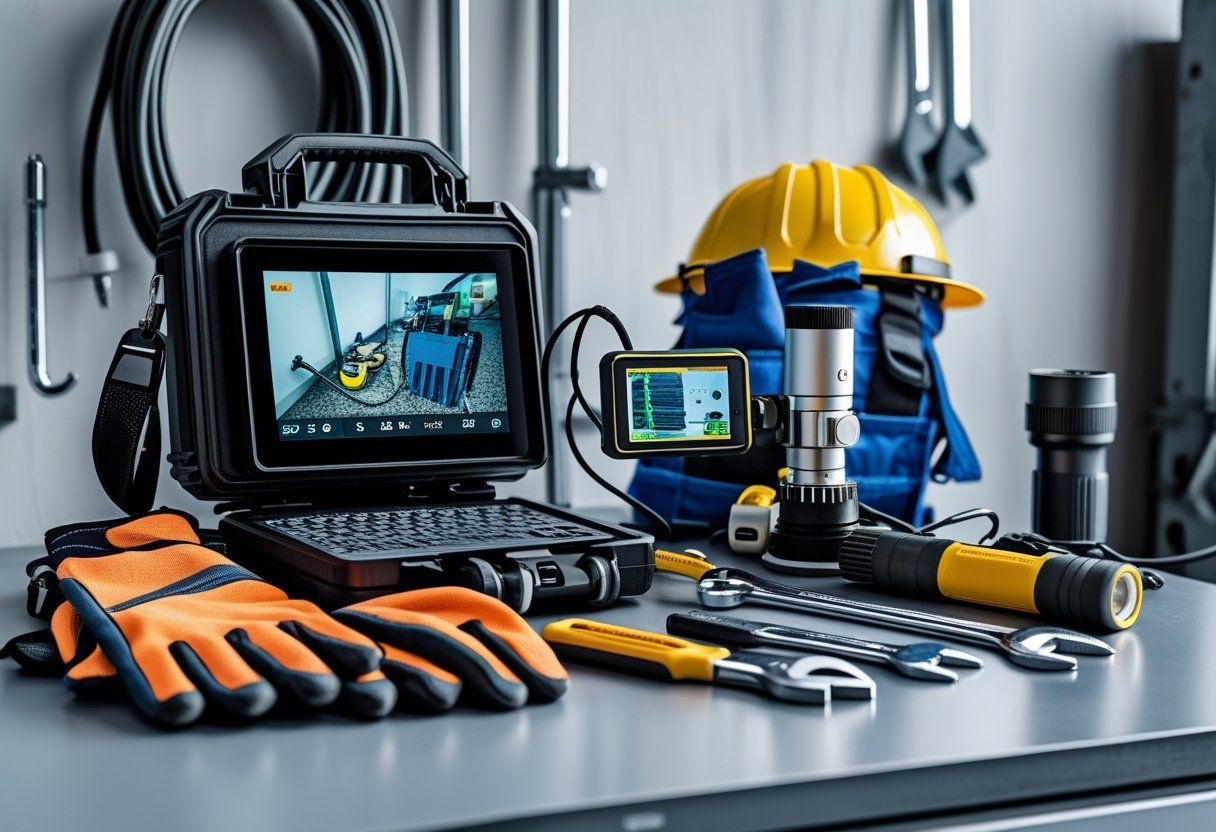
You want tools that give clear answers fast so you can find problems and fix them right. We rely on high-quality sewer cameras, locating gear, and cleaning tools to spot cracks, blockages, and defects in sewer lines accurately. Knowing which tools to use helps a plumber save time and avoid costly mistakes. We will walk […]
By Stefani January 22, 2026
You want sewer line inspections timed so they catch problems before they get costly or urgent. We recommend scheduling inspections based on seasonal risks winter freeze, spring thaw, and heavy fall rains because timing cuts repair costs and prevents service interruptions. We will explain how weather, soil movement, and tree roots change the risk level […]
Common Mistakes to Avoid During Sewer Line Inspections
By Stefani January 18, 2026
We know sewer line inspections feel technical and tense, but avoiding a few common mistakes protects your home and wallet. Start by planning the inspection, knowing what to look for, and involving a qualified professional when signs point to trouble. That simple approach cuts down on missed problems and costly surprises. We will walk through […]
Show More