
The Role of CCTV in Modern Sewer Line Inspection Enhancing Efficiency and Accuracy

Stefani • July 17, 2025

Share this article

Core Functions of CCTV in Sewer Line Inspection

CCTV sewer inspection technology gives us clearer views and precise data inside underground pipes. These main functions help us find and understand pipe problems, check pipe conditions live, and create useful maps for future work.

Accurate Detection of Issues

CCTV sewer inspection lets us find cracks, leaks, and blockages inside sewer pipes with high accuracy. The camera moves through the pipe and sends back video, so we can spot problems that might not be visible from the ground.

With this approach, we catch early signs of root intrusion, broken joints, and corrosion. We can even notice small changes in pipe diameter or shape, which helps us plan repairs before the issues get worse.

Because the inspection is visual, we avoid guesswork. We get direct evidence of any damage, which helps us reduce mistakes and focus our efforts where they are most needed.

Key benefits:

  • High-resolution videos make issues easy to spot.
  • Early detection stops minor problems from turning major.
  • No digging is needed for most inspections.

Real-Time Visual Assessment

CCTV pipe inspection gives us live video from inside the sewer line while the camera is moving. This real-time view helps us monitor the inside of the sewer pipe during the inspection process.

By watching the live feed, we can quickly decide what steps to take. If we see a large blockage or collapsed section, we can plan a response without delay. This keeps inspections efficient and reduces the need for repeat visits.

We can also document everything. The video can be saved and shared, making it easier to show others the true condition of the pipe.

What we can do with real-time video:

  • Spot urgent issues as they appear
  • Record and pause video to review problem areas
  • Share footage with repair crews or property owners

Pipeline Mapping Capabilities

During a CCTV sewer inspection, the equipment tracks where it is inside the pipe. This lets us map the exact location of defects and features along the sewer line.

We can mark where roots have entered, which joints are damaged, or where slope problems appear. These maps help us return to the right place for repairs and reduce unnecessary digging.

Mapping the sewer pipe layout is also useful for new construction or upgrades. We get a full picture of the current system without breaking ground.

Features of pipeline mapping:

  • Create digital or printed maps of problem spots
  • Pinpoint locations for quick repairs
  • Store long-term records for future reference

CCTV Inspection Process and Technology

CCTV sewer inspections use special cameras to record the inside of pipes. This lets us check for cracks, blockages, root invasions, and leaks without digging.

Equipment Used in CCTV Sewer Inspections

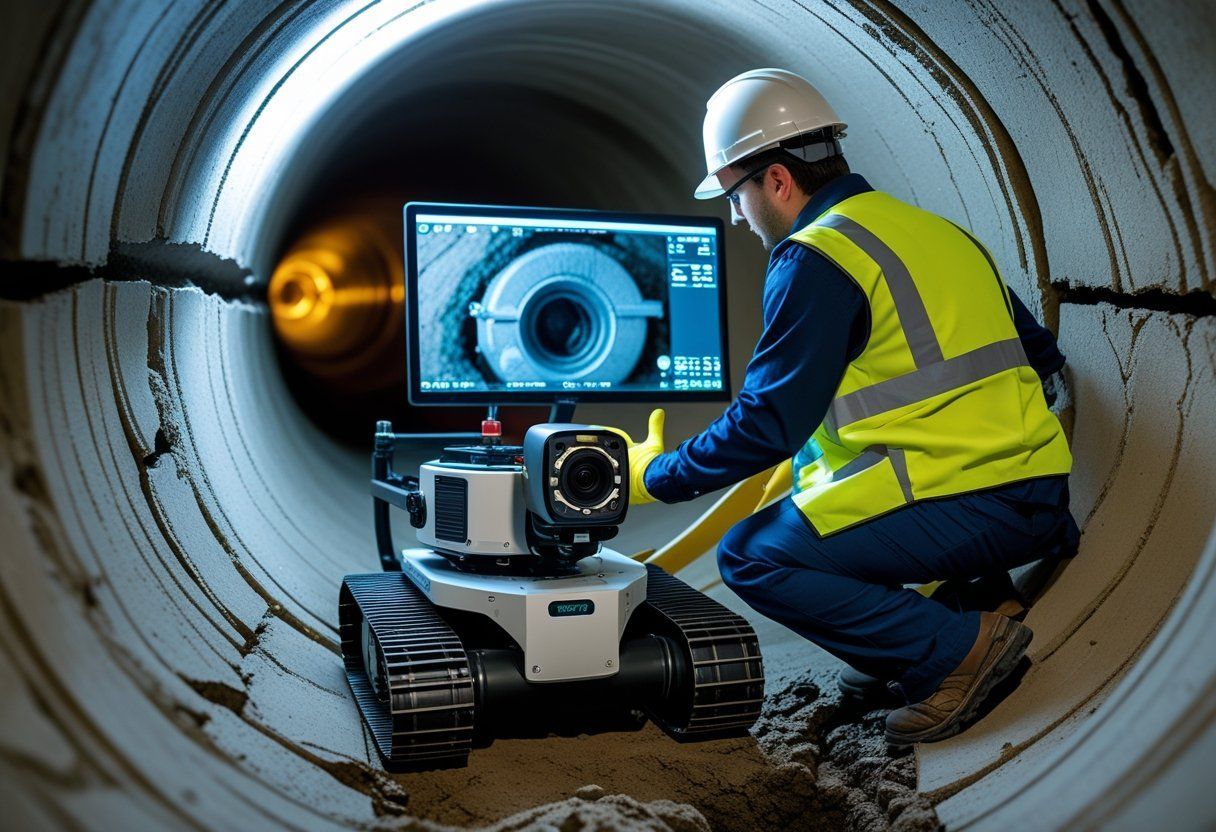
We use several main devices for sewer inspection. The most important is the CCTV crawler camera system, which includes a waterproof camera fixed to a small, wheeled robot. This crawler moves through pipes of different sizes and is controlled from the surface.

The camera sends live video to a monitor above ground. We also use lights attached to the camera so we can see clearly in dark, confined spaces. These lights are strong but do not overheat the small area.

Other tools often include a cable reel to manage the camera’s length and distance, and a monitoring station in a van or trailer. This station is where the data and images are reviewed and stored. We sometimes use sondes or GPS locators to pinpoint where in the pipe a problem is found.

Step-by-Step Procedure of a CCTV Inspection

First, we clean the sewer line to make sure no dirt or buildup blocks the camera view. Next, we insert the crawler camera into the pipe through an access point like a manhole.

We then drive the camera along the pipe using a remote control. The camera records continuous video. This allows us to spot problems such as cracks, corrosion, missing pipe sections, or root damage without major excavation.

If the pipe changes direction, the crawler can adjust to follow bends and angles. We stop the camera at any suspected trouble spot and zoom in for a closer view. We note the pipe location and depth based on footage and use markers or locators to track where problems are found underground.

Reporting and Data Documentation

After inspecting, we save all video and images. Our team reviews them to mark the type and exact location of any problems. We write a report that lists every defect, its location, and its size. This record helps guide future repairs or cleaning.

Most modern CCTV reports include digital maps, videos, and photos. We follow standard categories, such as cracks, blockages, or root intrusion. Sometimes, we use grading systems to rate how serious each issue is. All results are stored both as digital files and printed documents, making it easy to share with clients, contractors, or city engineers for next steps.

Comparative Advantages Over Traditional Methods

CCTV sewer inspection offers direct visual information, helping us spot problems early without causing damage. By comparing it with older ways of sewer pipe inspection, we see clear gains in accuracy, speed, and cost control.

Non-Invasive Assessment

Traditional pipe inspection often requires digging up large sections of ground, which can disturb landscaping and daily activities. CCTV sewer inspection changes that by allowing us to insert a camera directly into the pipe.

This process means we don’t have to disturb yards, patios, or sidewalks. Less disruption leads to faster inspections, reduces the risk of related damage, and keeps the environment around the pipes intact.

CCTV cameras can reach long stretches of pipe, even under buildings or roads. We get a full internal view of the sewer line without any destructive actions. This approach keeps our repair area smaller and our work cleaner every time.

Cost Efficiency and Time Savings

Older sewer pipe inspection methods would take hours or even days to locate or confirm issues, driving up costs for both homeowners and city utilities. CCTV inspections are much quicker because the camera transmits a live video feed as we move through the pipe.

We spend less on labor, equipment, and excavation. With less digging, property restoration costs also drop. The streamlined process helps reduce service downtime, which matters to businesses and families.

Here’s a simple comparison:

Method Inspection Time Restoration Cost
Dig and Inspect 1-2 days High
CCTV Sewer Inspection 1-2 hours Low or None

Saving time and money means we can inspect more lines and respond faster to urgent situations.

Enhanced Precision in Locating Faults

CCTV inspection gives a real-time, close-up look at the inside of pipes. We can spot exact trouble points, like cracks, blockages, root intrusion, or corrosion, without guessing about the location.

The camera’s recording lets us mark the precise spot of a defect, down to the foot or meter, using a built-in distance counter. This means repair crews can go straight to a problem area instead of searching.

With detailed footage, we also clearly document pipe condition for future reference, which helps with maintenance planning. More precise fault location stops unnecessary digging and speeds up targeted repairs.

Impact of CCTV Inspections on Preventative Sewer Maintenance

CCTV sewer inspection helps us spot issues before they become serious. It also limits costly repairs and helps keep our sewer lines in good working condition.

Early Detection for Maintenance Planning

CCTV sewer inspection lets us identify cracks, joint problems, blockages, tree root intrusion, or buildup inside pipes early. By reviewing real-time video footage, we can pinpoint exactly where issues exist.

Because of this, we can make detailed maintenance plans. For example, we may schedule regular cleaning where debris collects or fix damaged spots right away. This reduces the risk that small problems go unnoticed and become expensive emergencies.

Using inspection data, we can also create a maintenance calendar. That means we plan work when it’s needed not just guess or wait for a sewer backup. This targeted approach makes sewer maintenance more efficient.

Problem Identified Action Taken
Small crack in pipe Schedule repair
Excessive debris Plan cleaning service
Root intrusion Use root removal methods

Reducing System Downtime

When we send CCTV cameras through the sewer lines, we don’t have to dig up streets or yards just to check for problems. This non-invasive method allows us to find and diagnose issues faster.

With less guesswork, we avoid shutting down large sections of the sewer system for investigation. Repairs can be precisely targeted, which reduces the time parts of the system are out of service.

Quick detection and efficient repairs mean our communities face fewer disruptions. Businesses, schools, and homes experience fewer delays due to sewer service interruptions. This saves time for both maintenance crews and the public.

Environmental Benefits

CCTV sewer inspections allow us to catch leaks or breaks before untreated wastewater escapes into the soil or waterways. Early repairs lower the risk of pollution or health hazards.

By preventing leaks, we help keep local soils and streams clean. Fewer emergency repairs mean we also use fewer resources, like fuel and equipment.

Less excavation and faster fixes reduce our impact on the environment. With planned sewer maintenance based on inspection results, we manage our systems more responsibly and efficiently for everyone’s benefit.

Recent Posts

Fast Response Plumbing technician servicing a water shut off valve in San Francisco
By Joe Tinsley July 17, 2026
Learn how gate valves, ball valves, and angle stops work, where to find them in your San Francisco home, and when to replace them. FAQs inside.
Budgeting for Unforeseen Sewer Line Maintenance Expenses
By Stefani January 31, 2026
Sewer line problems can hit your wallet fast, and we know the stress of a surprise repair. We show you how to plan a practical budget that covers emergency fixes, regular upkeep, and the big costs that sneak up on you. This saves you money and keeps small issues from turning into major failures. We […]
Seasonal Effects on Sewer Line Maintenance Costs
By Stefani January 30, 2026
You’ll want to know how seasons change what you pay for sewer line maintenance so you can plan ahead and avoid surprise bills. Seasonal weather, ground movement, and plant growth directly affect repair needs and costs, so budgeting by season cuts unexpected expenses. We outline what shifts costs, when repairs most often happen, and which […]
The Role of Location in Sewer Line Maintenance Pricing
By Stefani January 29, 2026
You’ll pay different amounts for sewer line maintenance depending on where your property sits and what’s under it. Location drives cost through factors like soil type, access difficulty, local labor rates, and permit rules, so knowing these lets you predict and plan for expenses. We’ll show how those local details shape quotes and outcomes. We’ll […]
Analyzing Material Expenses for Effective Sewer Line Care
By Stefani January 28, 2026
We’ll break down the real costs that matter for keeping a sewer line working well so you can plan and avoid surprises. You’ll learn which materials and fees drive most of the expense and how small choices can lower long-term costs. We’ll look at costs for parts, tools, permits, and regular cleaning, plus where labor […]
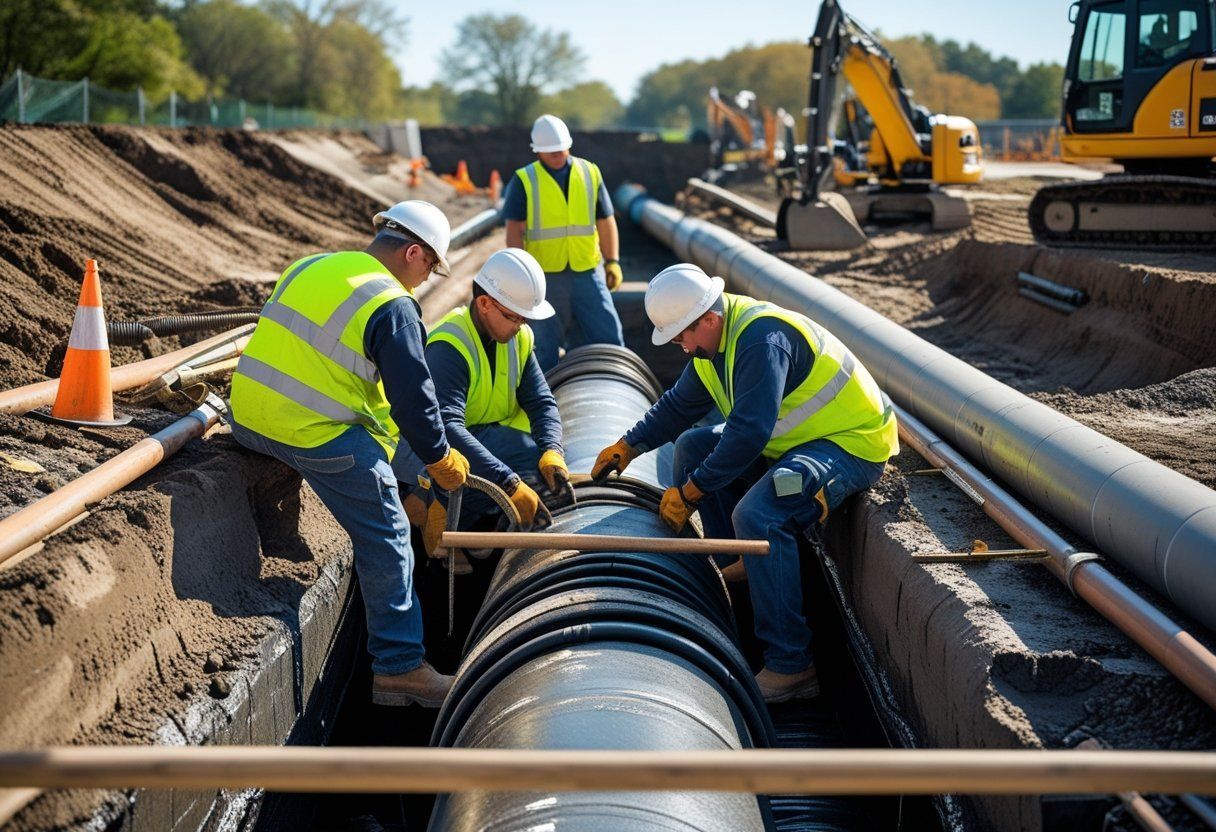
Understanding the Impact of Labor Costs on Sewer Line Maintenance
By Stefani January 25, 2026
You want to know how labor costs shape sewer line care and what that means for your wallet. We will show how wages, crew size, and the repair method you choose change the final bill so you can plan smarter and avoid surprises. Knowing which labor factors most drive costs lets you pick repair options […]
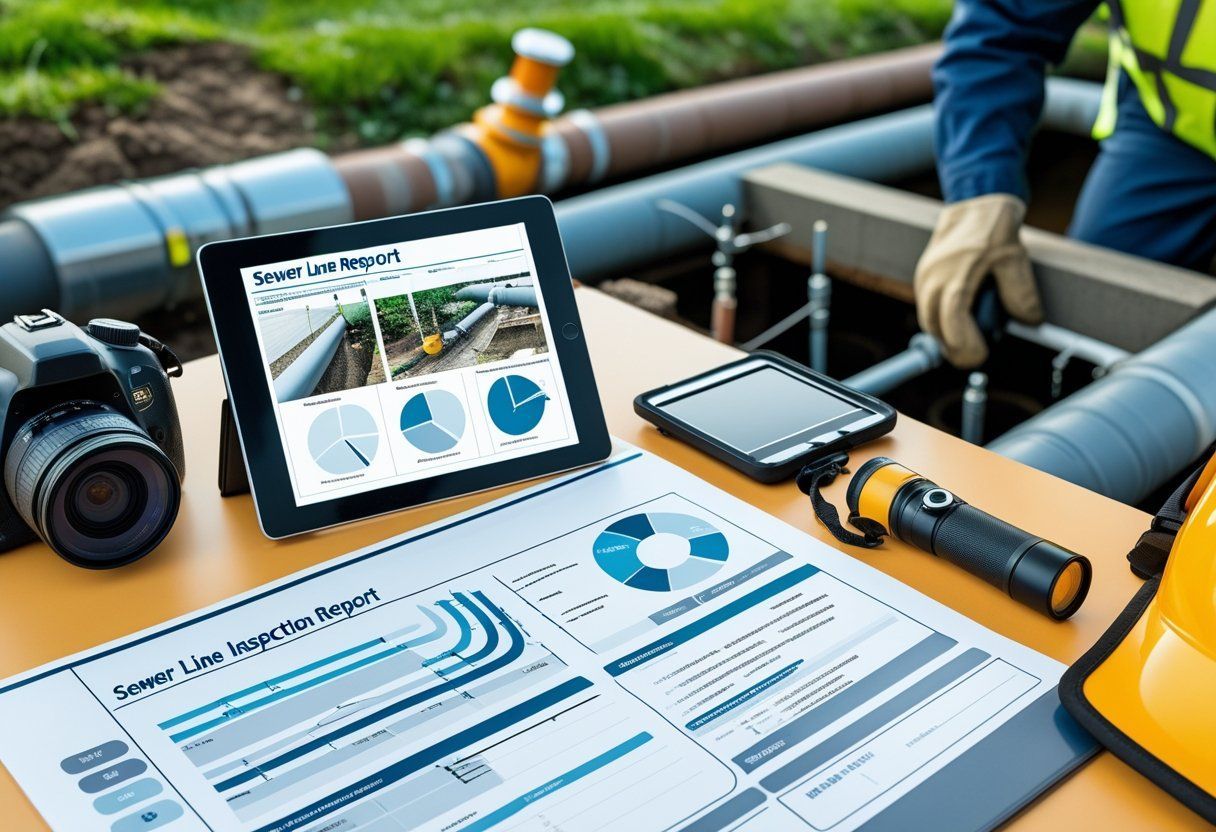
How to Interpret Sewer Line Inspection Reports
By Stefani January 24, 2026
You’ll get clear steps to decode the most important parts of a sewer line inspection report so you can act with confidence. We show you how to spot real problems, what each defect means, and which issues need immediate repair versus routine maintenance. We break the report into simple pieces what the camera images show, […]
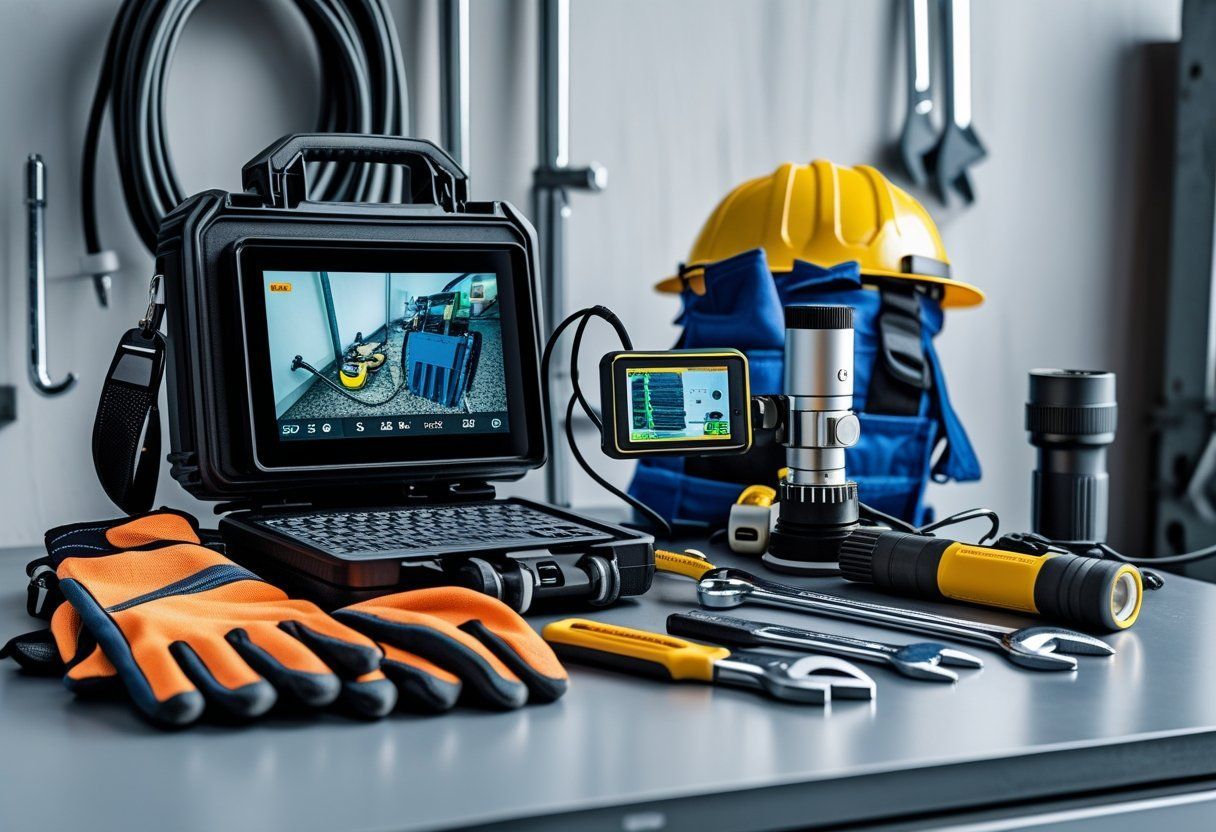
Tool kit with hard hat, gloves, laptop, and handheld device on a workbench in a workshop
By Stefani January 23, 2026
You want tools that give clear answers fast so you can find problems and fix them right. We rely on high-quality sewer cameras, locating gear, and cleaning tools to spot cracks, blockages, and defects in sewer lines accurately. Knowing which tools to use helps a plumber save time and avoid costly mistakes. We will walk […]
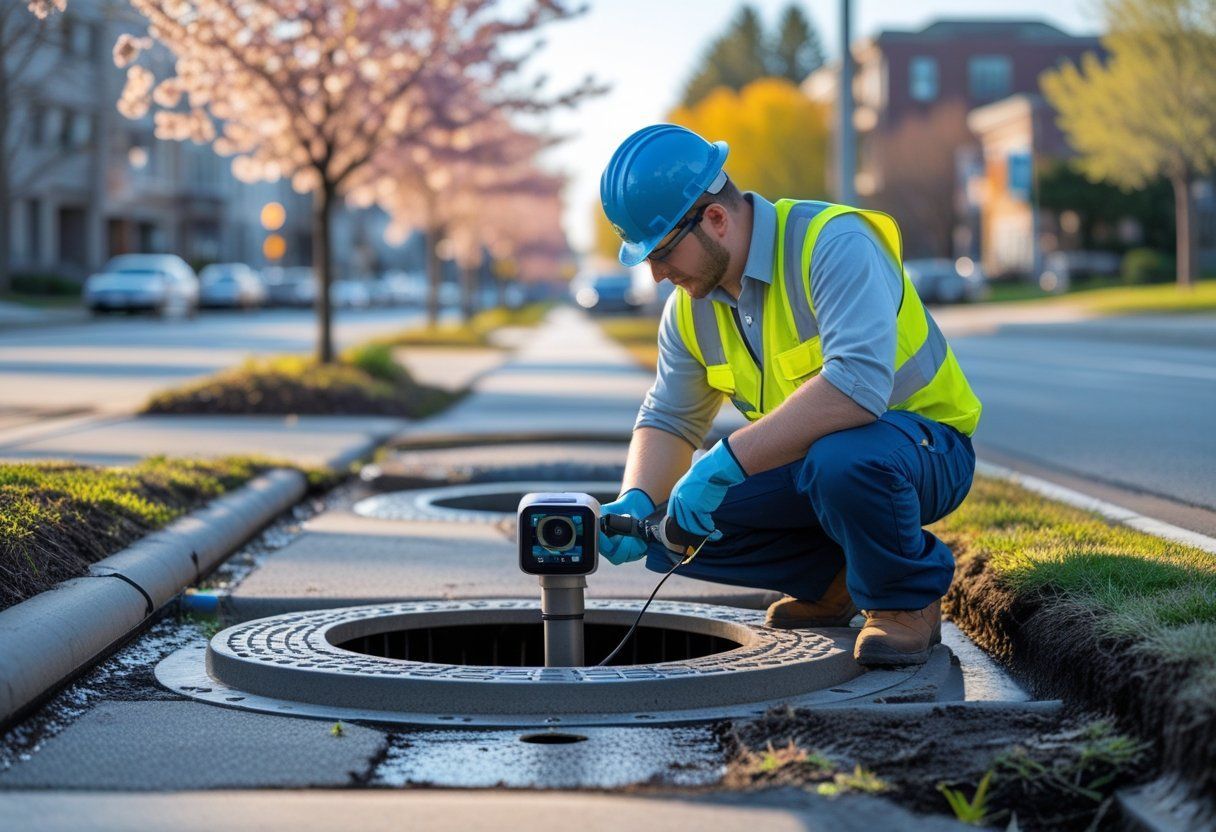
Worker in blue hard hat inspecting a manhole on a street with a camera device
By Stefani January 22, 2026
You want sewer line inspections timed so they catch problems before they get costly or urgent. We recommend scheduling inspections based on seasonal risks winter freeze, spring thaw, and heavy fall rains because timing cuts repair costs and prevents service interruptions. We will explain how weather, soil movement, and tree roots change the risk level […]
Common Mistakes to Avoid During Sewer Line Inspections
By Stefani January 18, 2026
We know sewer line inspections feel technical and tense, but avoiding a few common mistakes protects your home and wallet. Start by planning the inspection, knowing what to look for, and involving a qualified professional when signs point to trouble. That simple approach cuts down on missed problems and costly surprises. We will walk through […]
Show More