
Understanding Local Codes and Regulations for Plumbing Installations: A Clear Guide

daniel • December 12, 2024

Share this article

Understanding Plumbing Codes and Standards

Plumbing codes and standards ensure safe and efficient water systems in buildings. We’ll explore how these codes vary and the role of both national and international standards in guiding plumbing practices.

Plumbing Codes Overview

Plumbing codes are critical guidelines that establish minimum requirements for plumbing systems. They are designed to protect public health and safety by ensuring safe water distribution and sanitation. Local authorities enforce these codes, and they may differ from one place to another. Understanding these variations is essential.

Codes cover various aspects, such as pipe materials, installation methods, venting, and drain sizes. They also dictate how systems should withstand environmental challenges. Modifications in laws can occur, so it’s crucial to stay current with any changes to maintain compliance.

National and International Plumbing Codes

National plumbing codes provide a standard across the country to ensure consistency in plumbing practices. The Uniform Plumbing Code (UPC) and the National Standard Plumbing Code (NSPC) are commonly adopted standards in the U.S. Each aims to ensure uniformity and safety in installation practices.

International standards like the International Plumbing Code (IPC) are also influential. They offer guidelines that accommodate global practices and innovations in plumbing technology. Adaptation to these codes is vital, as they help us align with thinking beyond borders and improve our plumbing systems’ efficiency and safety.

Compliance and Local Regulations

Navigating plumbing installations requires attention to local codes and regulations. We will explore how these rules impact plumbing projects and the role of building departments in the permitting process.

Local Plumbing Regulations

Local plumbing codes are crucial. They ensure that our plumbing systems are safe and efficient. Each area may have different standards, often created to fit specific climate or environmental needs. These codes cover everything from pipe materials to water supply systems.

We must check local statutes to make sure our projects are in compliance. Failing to follow them can result in fines or project delays. Regular updates can occur, so staying informed is key. Consulting with a licensed plumber familiar with our area’s regulations can be particularly helpful.

Building Department and Permits

The local building department plays a significant role in plumbing projects. It’s where we apply for necessary permits. These permits are legal authorizations to start work. Without them, we risk facing legal penalties and complications.

Our project may need inspections during and after completion to verify code compliance. Building departments ensure that safety and quality standards are met. Knowing what permits are required before beginning a project saves time and avoids possible expensive revisions later.

Building inspectors are our allies in ensuring compliance and maintaining project integrity. Understanding their requirements and timelines helps keep our plans on track.

Materials and Equipment Standards

Materials and equipment standards are essential in plumbing to ensure safety, efficiency, and compliance. Paying attention to the approved materials and correct pipe sizing helps maintain public health and water efficiency.

Approved Materials and Pipe Sizing

We must choose the right materials for our plumbing installations. Approved materials generally include PVC, copper, and PEX. It’s important to use materials that resist corrosion and are durable.

Pipe size is equally critical. Correct pipe sizing ensures efficient water flow and pressure. For instance, main supply lines may need larger diameters (like 3/4″ to 1″) compared to fixtures lines (often 1/2″).

Charts and guidelines help us in selecting the best pipe materials and sizes for specific applications. We should always ensure we use the right size to avoid any issues with water pressure or flow.

Quality Materials and Safety

Choosing quality materials is vital because they affect safety and public health. High-quality pipes and fittings prevent leaks and contamination.

By sticking to top-tier products, we safeguard against the risks of poor materials, which can lead to costly repairs or health hazards. Quality materials contribute to water efficiency standards by minimizing waste.

Moreover, regular inspections ensure that our plumbing systems remain safe. By prioritizing quality, we help maintain a reliable and efficient plumbing system that supports health and safety.

Installation and Functionality

When we look at plumbing installations, understanding how systems like drainage and venting work is crucial. Health and safety requirements play a big role in shaping these systems. It’s also important to think about efficiency and water pressure for a well-functioning setup.

System Design for Drainage and Venting

Proper system design for drainage and venting is essential. Our drainage systems carry wastewater away, keeping plumbing efficient. Vent pipes are important too, allowing air into the system to maintain pressure and support drainage flow.

To create a well-functioning drainage system, it’s important to follow local regulations. These rules help prevent issues such as blockages and slow drainage. Backflow prevention should also be a focus, ensuring that wastewater does not return into clean water supplies.

Our venting design should balance air pressure and prevent vacuum locks. This helps avoid clogs and ensures smooth movement of waste and air. Installing proper vent pipes is key to maintaining system integrity.

Plumbing System Requirements for Health and Safety

Health and safety standards are vital in plumbing systems. These rules protect us from waterborne diseases and contamination. Regular maintenance is important to ensure systems stay hygienic and safe.

Using the right materials is crucial. Pipes and fixtures should resist corrosion and leaks, contributing to a safe water supply system. Local codes often define these standards to guide our installations.

Backflow prevention devices are vital for stopping contamination. These devices keep clean water from mixing with wastewater. Without them, backflow could pose serious health risks. It’s critical to install these devices correctly and check them regularly.

Efficiency and Water Pressure Considerations

Efficiency in our plumbing system saves resources and minimizes costs. Water-efficient fixtures help reduce usage while maintaining functionality. Choosing the right fixtures can make a significant difference in conserving water.

Proper water pressure is crucial for a well-operating system. Too high pressure can harm pipes, while low pressure affects appliance functionality. Installing a pressure-reducing valve can help manage water flow to an optimal level.

Considering efficiency and pressure helps us maintain a sustainable system. By using the right tools and following best practices, we meet both our needs and environmental goals.

Professional Practices and Legal Aspects

In plumbing installations, the role of professional plumbers and the handling of legal issues are vital. These factors ensure work meets required standards and help maintain a good reputation.

Role of Professional Plumbers

Professional plumbers are crucial in ensuring high-quality plumbing installations. Our skilled plumbers understand complex systems and apply best practices during the installation process. This involves careful planning, selecting the right materials, and following precise methods to ensure durable plumbing infrastructure.

Licensed plumbers are often required to complete ongoing training. They stay updated on the latest methods and technologies. Their expertise not only guarantees efficient operations but also minimizes potential risks and errors. This means that plumbing systems function safely and correctly.

Hiring professional plumbers can save us time and money. Their work often includes ensuring compliance with local codes, which reduces the chance of costly fixes later. Ultimately, they provide peace of mind by delivering quality and reliable service.

Legal Issues and Reputation Management

Legal considerations in plumbing involve understanding local codes and regulations. We need to be thorough when navigating these requirements to ensure every plumbing project complies with the law. This includes obtaining necessary permits and inspections.

Failing to adhere to these can lead to penalties or delays. Our attention to legal aspects protects us and our reputation in the industry. A strong reputation is vital. It leads to trust from our clients, positive reviews, and repeat business.

Reputation management involves more than just following laws. It’s about maintaining good customer relationships and handling disputes professionally. Addressing complaints quickly and effectively helps build long-term trust, which is essential for our success.

Recent Posts

Fast Response Plumbing technician servicing a water shut off valve in San Francisco
By Joe Tinsley July 17, 2026
Learn how gate valves, ball valves, and angle stops work, where to find them in your San Francisco home, and when to replace them. FAQs inside.
Budgeting for Unforeseen Sewer Line Maintenance Expenses
By Stefani January 31, 2026
Sewer line problems can hit your wallet fast, and we know the stress of a surprise repair. We show you how to plan a practical budget that covers emergency fixes, regular upkeep, and the big costs that sneak up on you. This saves you money and keeps small issues from turning into major failures. We […]
Seasonal Effects on Sewer Line Maintenance Costs
By Stefani January 30, 2026
You’ll want to know how seasons change what you pay for sewer line maintenance so you can plan ahead and avoid surprise bills. Seasonal weather, ground movement, and plant growth directly affect repair needs and costs, so budgeting by season cuts unexpected expenses. We outline what shifts costs, when repairs most often happen, and which […]
The Role of Location in Sewer Line Maintenance Pricing
By Stefani January 29, 2026
You’ll pay different amounts for sewer line maintenance depending on where your property sits and what’s under it. Location drives cost through factors like soil type, access difficulty, local labor rates, and permit rules, so knowing these lets you predict and plan for expenses. We’ll show how those local details shape quotes and outcomes. We’ll […]
Analyzing Material Expenses for Effective Sewer Line Care
By Stefani January 28, 2026
We’ll break down the real costs that matter for keeping a sewer line working well so you can plan and avoid surprises. You’ll learn which materials and fees drive most of the expense and how small choices can lower long-term costs. We’ll look at costs for parts, tools, permits, and regular cleaning, plus where labor […]
Understanding the Impact of Labor Costs on Sewer Line Maintenance
By Stefani January 25, 2026
You want to know how labor costs shape sewer line care and what that means for your wallet. We will show how wages, crew size, and the repair method you choose change the final bill so you can plan smarter and avoid surprises. Knowing which labor factors most drive costs lets you pick repair options […]
How to Interpret Sewer Line Inspection Reports
By Stefani January 24, 2026
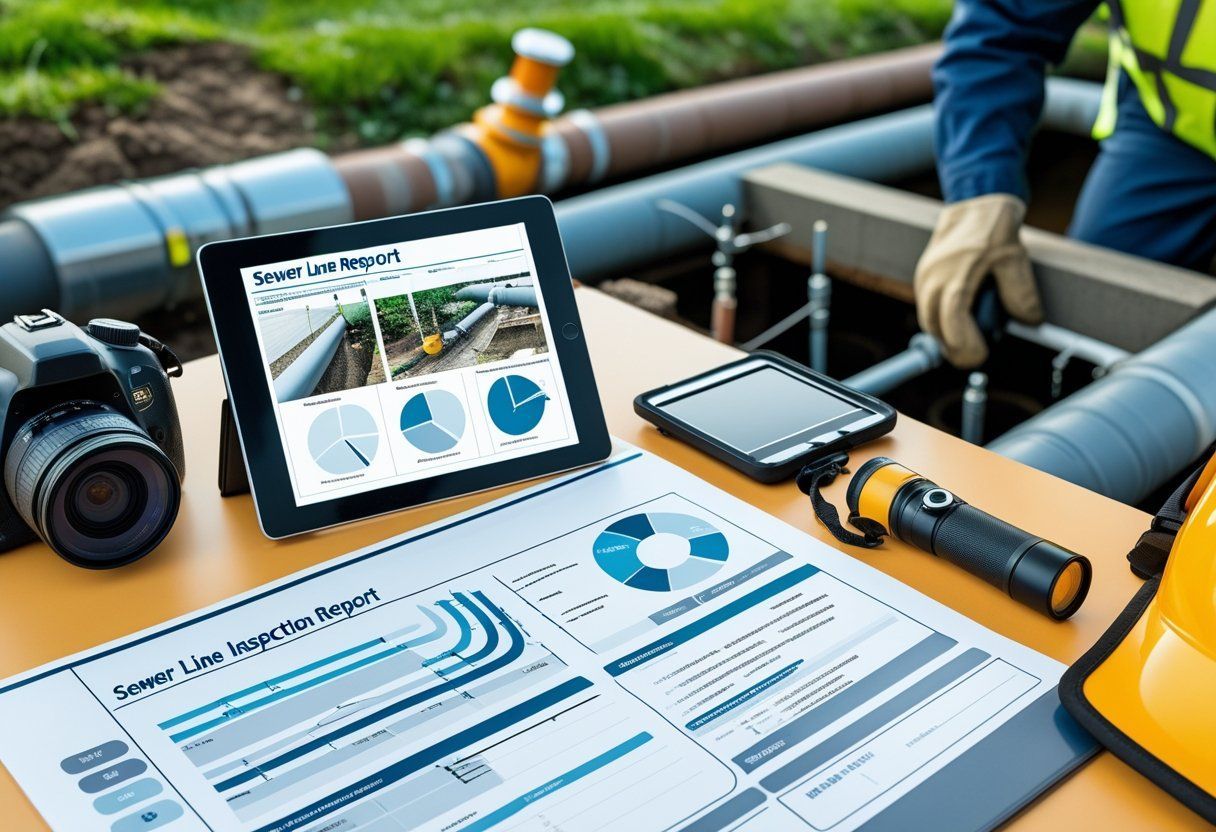
You’ll get clear steps to decode the most important parts of a sewer line inspection report so you can act with confidence. We show you how to spot real problems, what each defect means, and which issues need immediate repair versus routine maintenance. We break the report into simple pieces what the camera images show, […]
By Stefani January 23, 2026
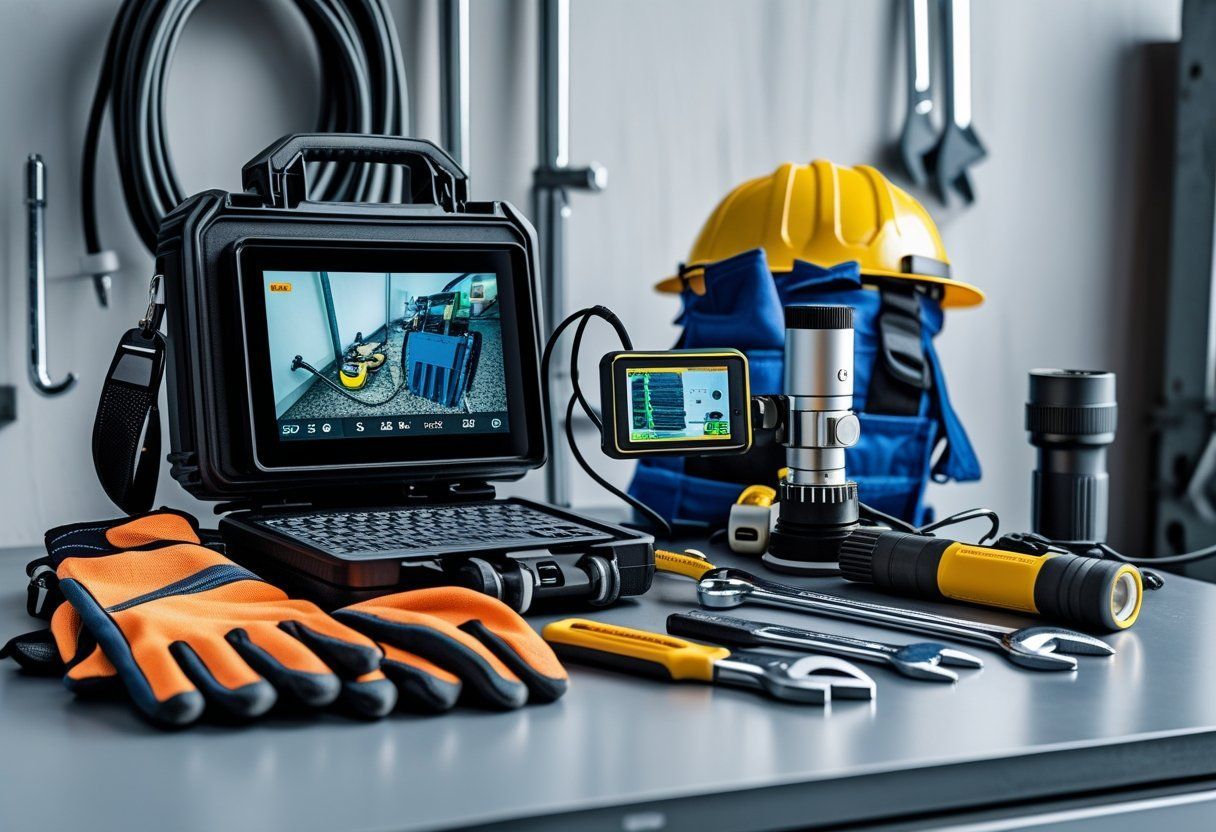
You want tools that give clear answers fast so you can find problems and fix them right. We rely on high-quality sewer cameras, locating gear, and cleaning tools to spot cracks, blockages, and defects in sewer lines accurately. Knowing which tools to use helps a plumber save time and avoid costly mistakes. We will walk […]
By Stefani January 22, 2026
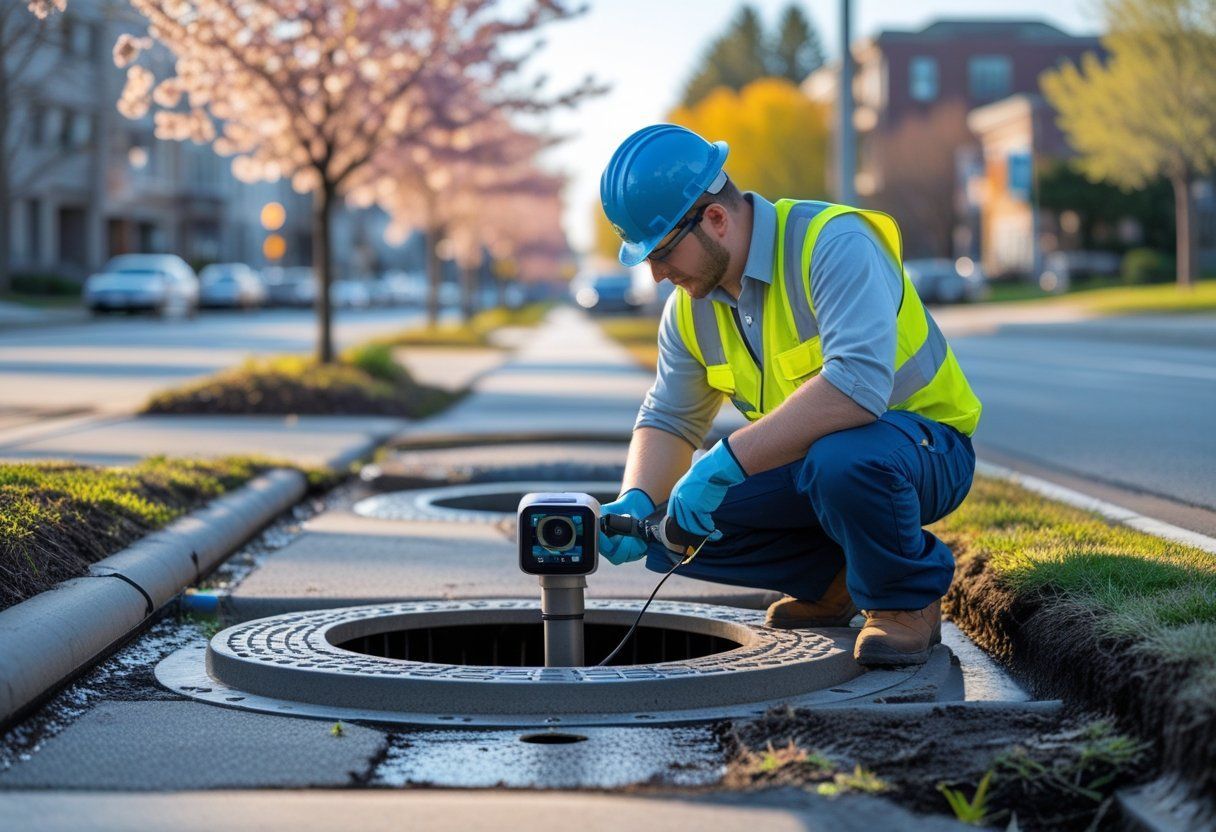
You want sewer line inspections timed so they catch problems before they get costly or urgent. We recommend scheduling inspections based on seasonal risks winter freeze, spring thaw, and heavy fall rains because timing cuts repair costs and prevents service interruptions. We will explain how weather, soil movement, and tree roots change the risk level […]
Common Mistakes to Avoid During Sewer Line Inspections
By Stefani January 18, 2026
We know sewer line inspections feel technical and tense, but avoiding a few common mistakes protects your home and wallet. Start by planning the inspection, knowing what to look for, and involving a qualified professional when signs point to trouble. That simple approach cuts down on missed problems and costly surprises. We will walk through […]
Show More