


Innovations in Plumbing System Installation for Commercial Spaces: Advancements and Best Practices

daniel • December 11, 2024

Share this article

Overview of Commercial Plumbing Innovations

In recent years, commercial plumbing systems have transformed with advances in technology and the growing need for environmental sustainability. Modern buildings now feature smart technology and innovative materials that reduce water waste and energy use.

Evolution of Commercial Plumbing Systems

We’ve come a long way in plumbing technology. Early systems were basic and relied heavily on manual operations. Today, our systems use sensors and automation for efficient operation. Smart meters and remote monitoring allow us to detect leaks quickly, saving water and reducing costs.

The integration of BIM (Building Information Modeling) helps in planning installations and maintenance with greater precision. It provides a digital representation of plumbing elements, making it easier to upgrade or modify systems. The use of press-fit fittings reduces installation times and leaks compared to traditional soldering methods. With these technologies, plumbing is more reliable and efficient than ever.

Influence of Sustainability on Plumbing Designs

Environmental concerns have significantly shaped plumbing innovations. Many commercial spaces are adopting low-flow fixtures that cut down water usage. Greywater recycling systems reuse water from sinks and showers for non-potable needs, minimizing waste.

We also see the rise of rainwater harvesting systems in urban buildings. These systems collect rainwater for irrigation and other uses, replacing the need for municipal water in some applications. Plumbing designs now emphasize sustainability goals by incorporating solar water heaters and energy-efficient pumps, lowering carbon footprints. Through these innovations, we meet both environmental and operational demands effectively.

Water Efficiency Techniques and Equipment

Water conservation is key in modern plumbing for commercial spaces. Efficient water use can be achieved through innovative techniques and equipment, including advanced water heating solutions and water-saving fixtures.

Advancements in Water Heating Solutions

We explore various water heating technologies that boost efficiency. Tankless water heaters deliver hot water on demand without a storage tank, minimizing energy wastage. They save space and reduce energy bills significantly.

Solar water heaters harness solar energy, providing a renewable way to heat water. These systems lower traditional energy consumption and align with eco-friendly practices.

Heat pump water heaters are another option. They transfer heat from the air to the water, using electricity efficiently. By leveraging heat in this way, they not only save energy but also reduce operational costs for businesses.

Water-Saving Fixtures and Appliances

Water-saving fixtures play a huge role in reducing water use in commercial spaces. Low-flow fixtures like faucets and showerheads cut down water flow without sacrificing performance. We find that using these fixtures can dramatically decrease water usage.

Dual-flush toilets offer two flushing options: a half-flush for liquids and a full-flush for solids. This can lead to substantial water savings over time.

Waterless urinals offer another innovative way to conserve water by eliminating the need to flush. These options not only save water but also promote eco-friendly plumbing practices.

Utilizing these advances, we can achieve significant water efficiency, benefiting both the environment and operational budgets.

Smart Plumbing Systems and Automation

In commercial spaces, smart plumbing is transforming how we manage water systems. Automation and the Internet of Things (IoT) offer enhanced control and efficiency. These innovations focus on energy-saving techniques and improved user experience.

Integration of IoT in Plumbing

The integration of IoT into plumbing allows for real-time monitoring and remote control. Smart devices can provide constant updates on water usage. This means building managers can access data on smart platforms, optimizing water use.

IoT sensors placed throughout the system help detect and report leaks swiftly, preventing excessive water loss. Additionally, smart irrigation and fixtures adjust automatically, contributing to energy efficiency and cost savings.

Automated Leak Detection and Prevention

Automated leak detection uses smart sensors to identify water loss as soon as it starts. These sensors are programmed to trigger alerts or even shut-off valves to reduce damage.

With remote monitoring, managing these systems becomes simpler, allowing for quick responses. Smart toilets and touchless faucets represent how technology enhances user experience while conserving water. This shift not only saves costs but also supports sustainable practices.

Sustainable Water Management and Recycling

Effectively managing water resources in commercial plumbing systems can greatly reduce environmental impact and cut costs. Greywater recycling and rainwater harvesting are key components in optimizing water use and improving sustainability.

Implementing Greywater and Rainwater Harvesting Systems

Greywater systems collect and treat wastewater from sinks, showers, and washing machines. This water, once treated, can be reused for flushing toilets and irrigation. Using greywater reduces the demand on freshwater sources and minimizes the amount of wastewater discharged into sewer systems.

Rainwater harvesting involves collecting and storing rainwater from roofs and other surfaces. This captured water can also be used for non-potable purposes like irrigation and toilet flushing. Installing these systems helps in reducing stormwater runoff and conserving potable water.

We should consider the space and capacity needed for storage tanks when implementing these systems. The local climate and regulations also influence the feasibility and success of these systems. By adopting both greywater and rainwater systems, we enhance water efficiency and sustainability in commercial spaces.

Eco-Friendly Water Management Strategy

An eco-friendly water management strategy involves integrating low-flow fixtures, efficient appliances, and smart irrigation systems. These elements help reduce water consumption significantly. Efficient fixtures, such as low-flow toilets and faucets, ensure reduced water use without compromising performance.

Incorporating smart technology allows us to monitor water usage and detect leaks early. Automated systems can adjust irrigation schedules based on weather forecasts, minimizing waste and optimizing water use.

Another aspect of our strategy focuses on water recycling. Greywater recycling systems reprocess wastewater for non-potable applications, reducing freshwater demand. By prioritizing eco-friendly strategies, we optimize our water resources, reduce costs, and lessen the environmental impact in a sustainable way.

Recent Posts

Fast Response Plumbing technician servicing a water shut off valve in San Francisco
By Joe Tinsley July 17, 2026
Learn how gate valves, ball valves, and angle stops work, where to find them in your San Francisco home, and when to replace them. FAQs inside.
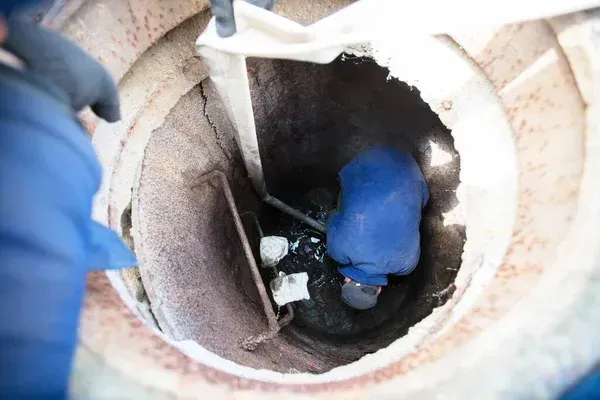
Budgeting for Unforeseen Sewer Line Maintenance Expenses
By Stefani January 31, 2026
Sewer line problems can hit your wallet fast, and we know the stress of a surprise repair. We show you how to plan a practical budget that covers emergency fixes, regular upkeep, and the big costs that sneak up on you. This saves you money and keeps small issues from turning into major failures. We […]
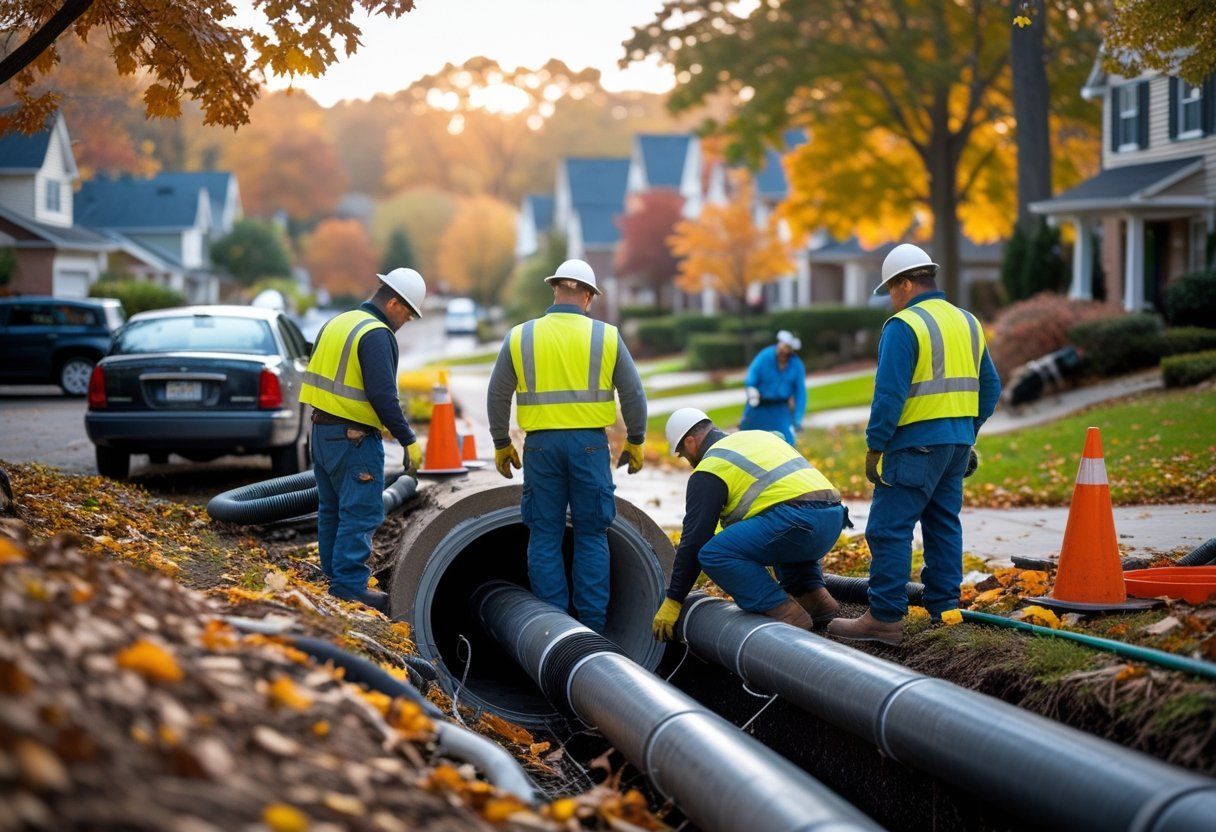
Seasonal Effects on Sewer Line Maintenance Costs
By Stefani January 30, 2026
You’ll want to know how seasons change what you pay for sewer line maintenance so you can plan ahead and avoid surprise bills. Seasonal weather, ground movement, and plant growth directly affect repair needs and costs, so budgeting by season cuts unexpected expenses. We outline what shifts costs, when repairs most often happen, and which […]
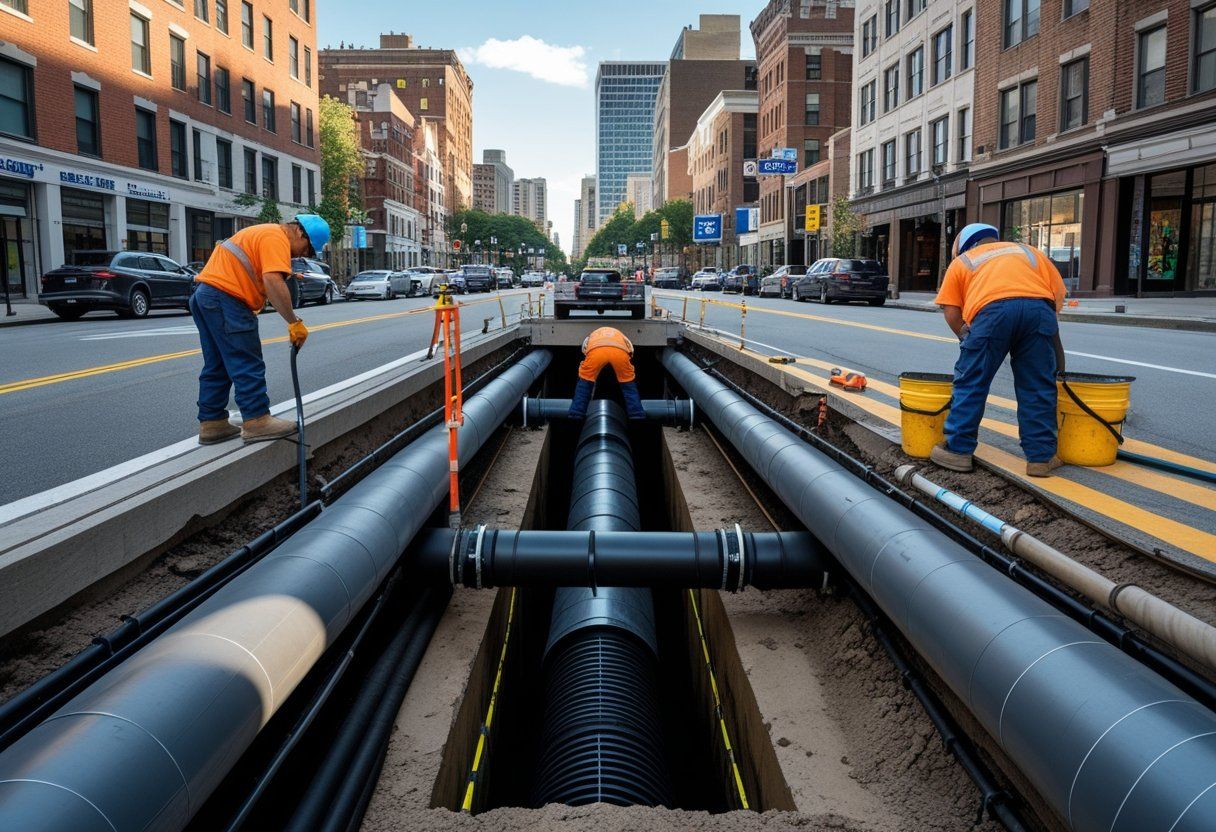
The Role of Location in Sewer Line Maintenance Pricing
By Stefani January 29, 2026
You’ll pay different amounts for sewer line maintenance depending on where your property sits and what’s under it. Location drives cost through factors like soil type, access difficulty, local labor rates, and permit rules, so knowing these lets you predict and plan for expenses. We’ll show how those local details shape quotes and outcomes. We’ll […]
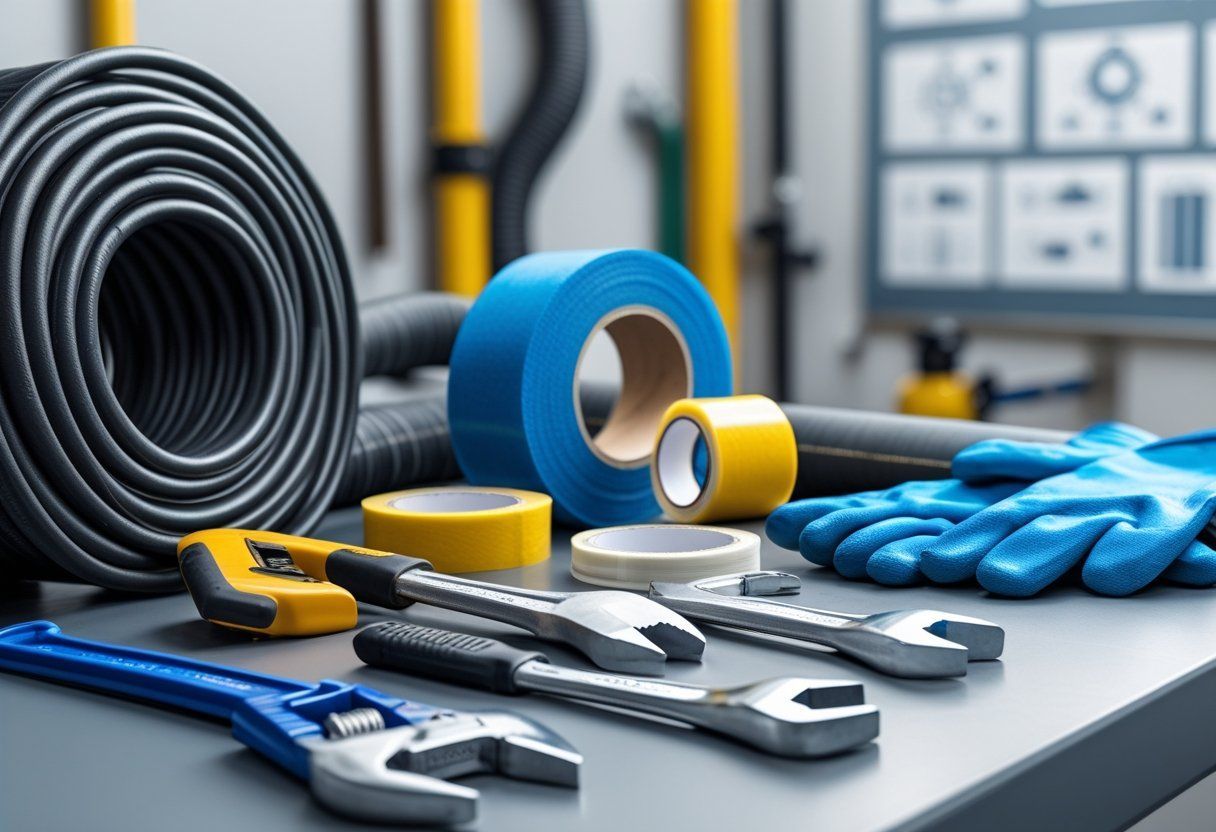
Analyzing Material Expenses for Effective Sewer Line Care
By Stefani January 28, 2026
We’ll break down the real costs that matter for keeping a sewer line working well so you can plan and avoid surprises. You’ll learn which materials and fees drive most of the expense and how small choices can lower long-term costs. We’ll look at costs for parts, tools, permits, and regular cleaning, plus where labor […]
Understanding the Impact of Labor Costs on Sewer Line Maintenance
By Stefani January 25, 2026
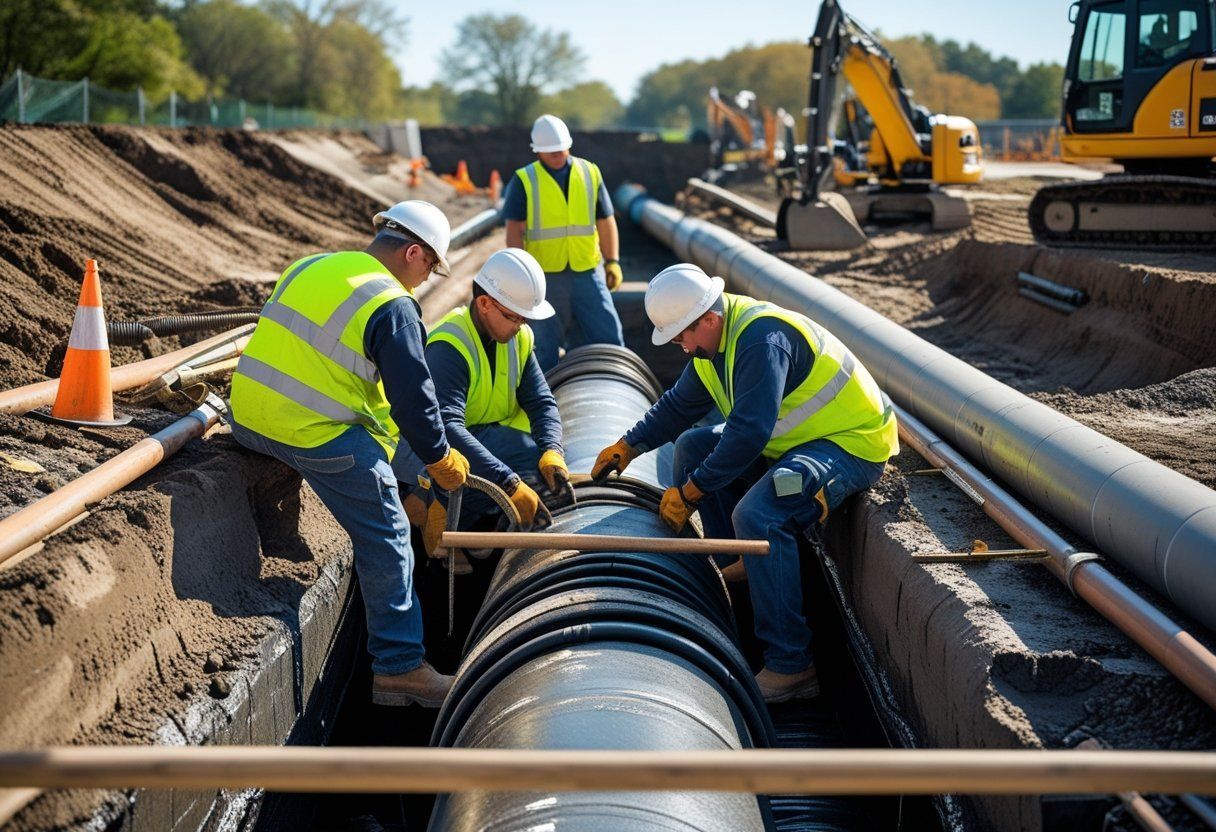
You want to know how labor costs shape sewer line care and what that means for your wallet. We will show how wages, crew size, and the repair method you choose change the final bill so you can plan smarter and avoid surprises. Knowing which labor factors most drive costs lets you pick repair options […]
How to Interpret Sewer Line Inspection Reports
By Stefani January 24, 2026
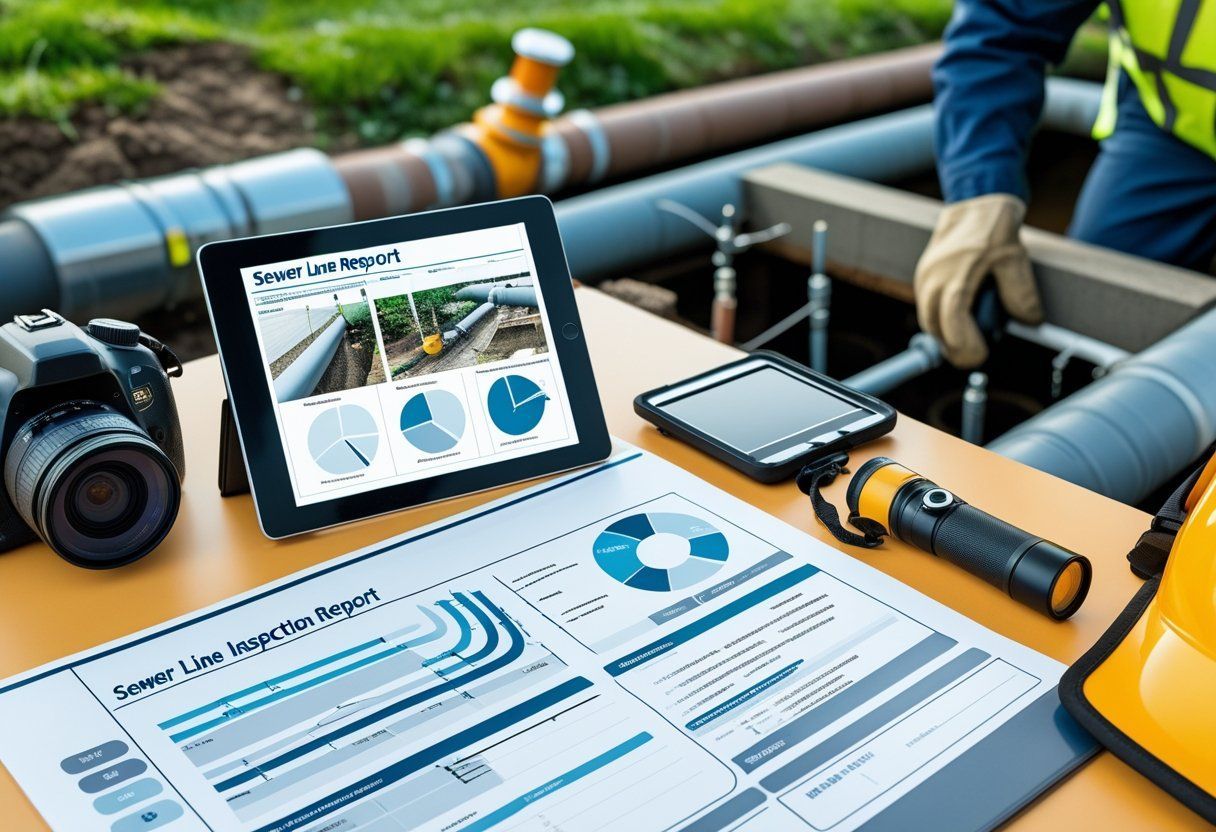
You’ll get clear steps to decode the most important parts of a sewer line inspection report so you can act with confidence. We show you how to spot real problems, what each defect means, and which issues need immediate repair versus routine maintenance. We break the report into simple pieces what the camera images show, […]
Tool kit with hard hat, gloves, laptop, and handheld device on a workbench in a workshop
By Stefani January 23, 2026
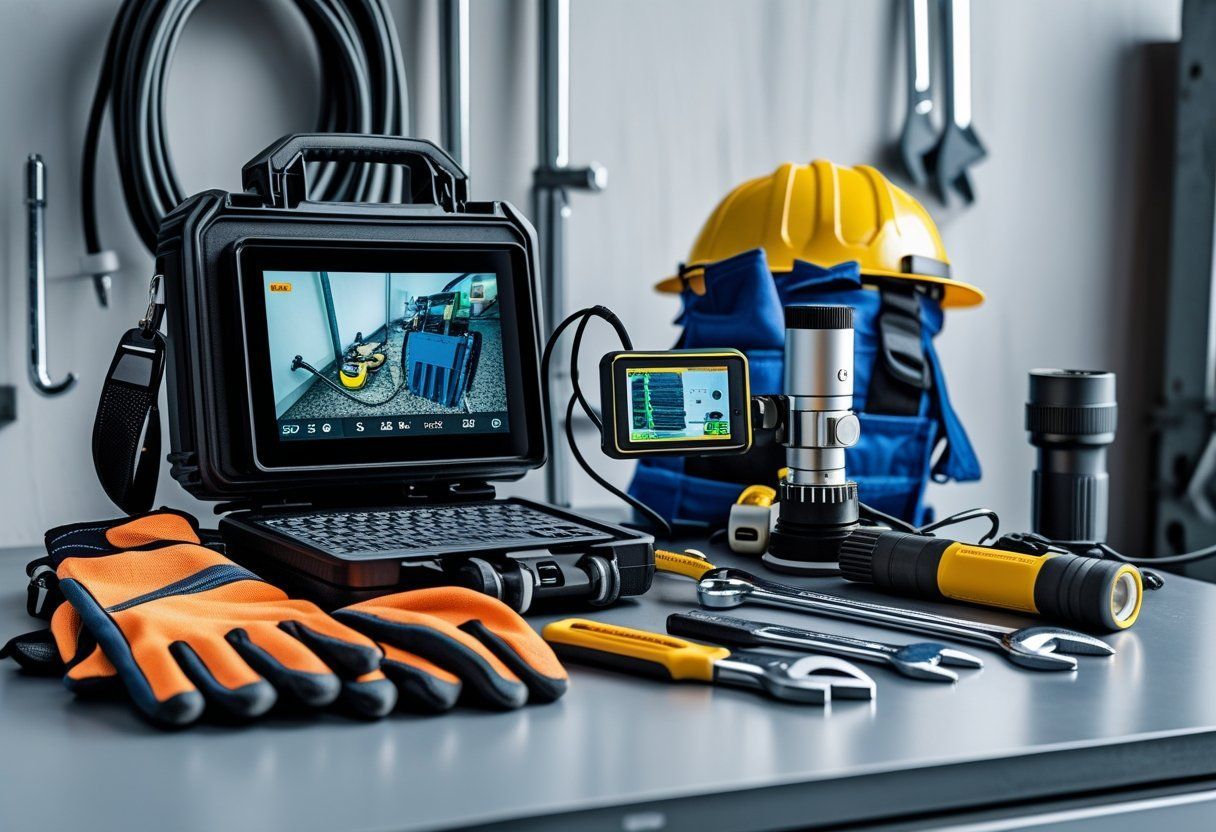
You want tools that give clear answers fast so you can find problems and fix them right. We rely on high-quality sewer cameras, locating gear, and cleaning tools to spot cracks, blockages, and defects in sewer lines accurately. Knowing which tools to use helps a plumber save time and avoid costly mistakes. We will walk […]
Worker in blue hard hat inspecting a manhole on a street with a camera device
By Stefani January 22, 2026
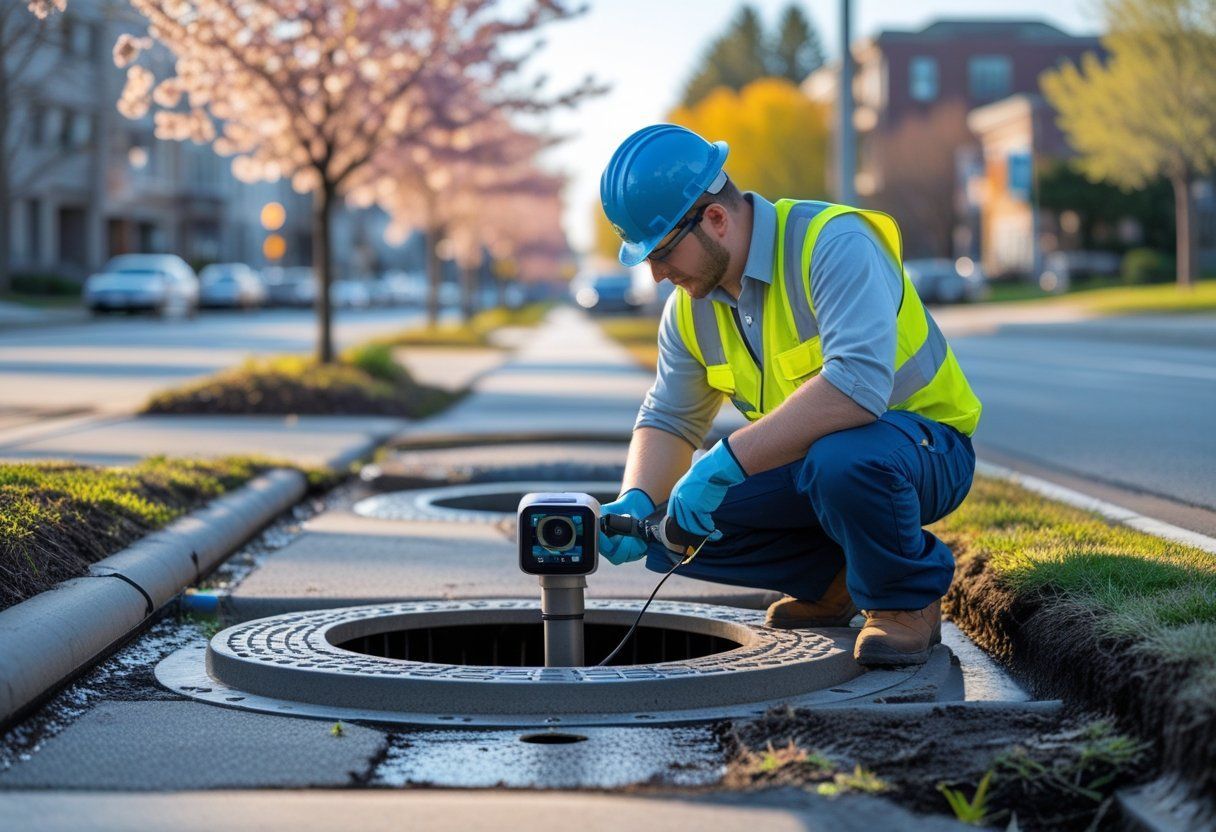
You want sewer line inspections timed so they catch problems before they get costly or urgent. We recommend scheduling inspections based on seasonal risks winter freeze, spring thaw, and heavy fall rains because timing cuts repair costs and prevents service interruptions. We will explain how weather, soil movement, and tree roots change the risk level […]
Common Mistakes to Avoid During Sewer Line Inspections
By Stefani January 18, 2026
We know sewer line inspections feel technical and tense, but avoiding a few common mistakes protects your home and wallet. Start by planning the inspection, knowing what to look for, and involving a qualified professional when signs point to trouble. That simple approach cuts down on missed problems and costly surprises. We will walk through […]
Show More