
Importance of Regular Pipe Inspections for Homeowners in San Francisco: Protecting Your Investment

daniel • November 15, 2024

Share this article

Why Regular Inspections Are Crucial for Plumbing Health

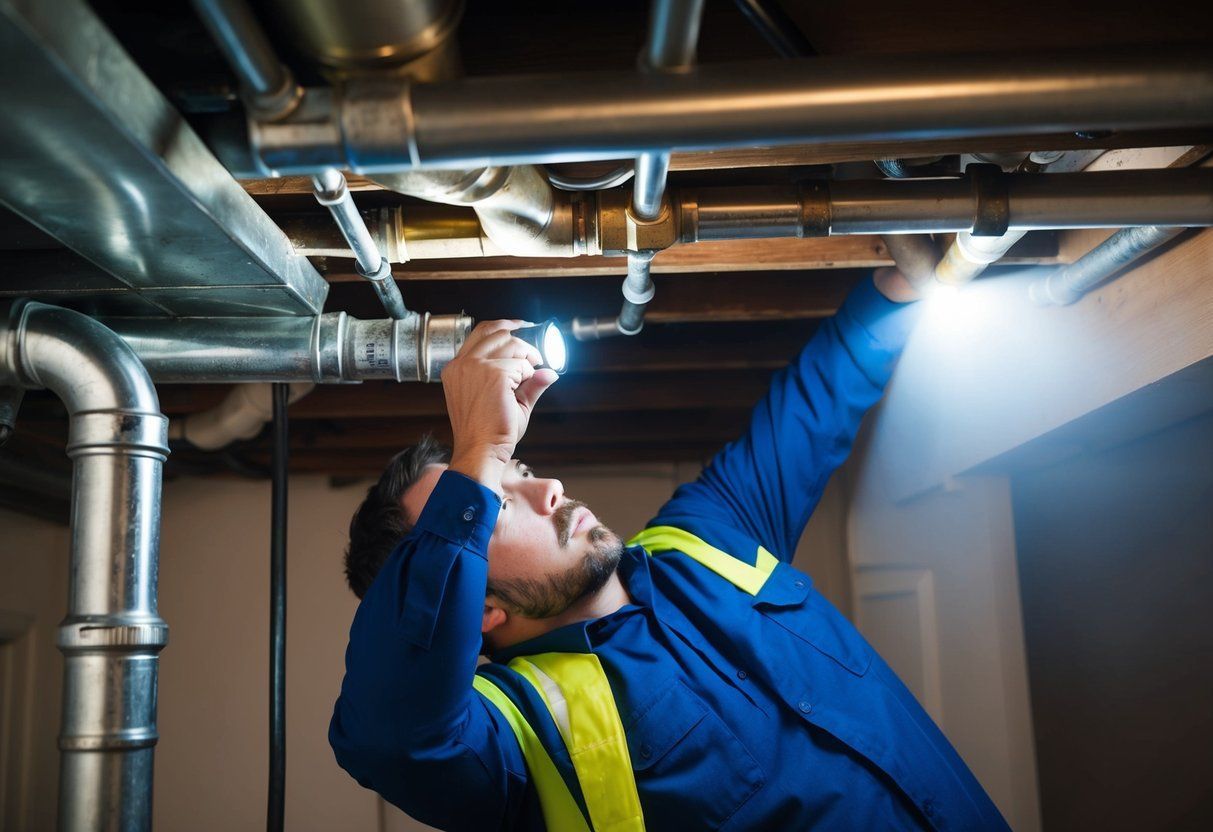
Regular inspections of our plumbing systems help keep our homes safe from costly repairs and damage. These checks identify problems like corrosion and mold before they become big issues. By staying on top of these inspections, we can ensure our plumbing systems are working effectively.

Identifying Common Issues: Corrosion and Rust

When we perform regular inspections, we often look for signs of corrosion and rust. Our pipes can develop these problems due to moisture and age, leading to leaks and water damage.

Corroded pipes not only hurt the plumbing system’s efficiency but also may lead to frequent repairs. Detecting corrosion early allows us to replace damaged pipes before they fail completely.

Rust can block water flow and change the water’s taste and color. By checking our plumbing regularly, we can address rust issues promptly. This simple preventive maintenance step can save us from more significant and expensive issues down the line.

Preventing Mold Growth and Water Damage

These inspections help us catch leaks that are not visible, which can lead to mold if not taken care of. Mold thrives in damp places and can harm our health and property.

Hidden leaks can cause structural damage and unpleasant smells. During inspections, identifying these leaks can prevent water from collecting and leading to mold growth. This preventive measure is vital for keeping our homes safe and the air quality healthy.

By proactively inspecting and fixing small problems, we protect our homes from potential hazards and maintain a safe living environment. Regular inspections let us stay ahead of issues, helping keep water damage and mold at bay.

Economic Implications for San Francisco Homeowners

In San Francisco, regular pipe inspections are crucial. They can lead to significant savings on repairs and increase a home’s value. By investing in maintenance, homeowners can avoid expensive repairs and boost their property’s appeal.

The True Cost of Neglected Pipe Maintenance

Neglecting pipe maintenance can be financially damaging. In San Francisco, ignoring plumbing issues might seem minor at first. Without regular inspections, small problems can grow. Suddenly, we face huge bills for things like broken pipes or water damage.

Costly repairs are a burden many property owners want to avoid. Simple maintenance checks can save us a lot of money. For instance, identifying leaks early helps prevent further damage. Energy efficiency is another key point. Leaky pipes can waste water, driving utility bills up.

Our proactive approach encourages routine checks. This simple step helps us avoid major disruptions later. In a city like San Francisco, the peace of mind that brings is invaluable.

Enhancing Property Value with Proactive Upkeep

Proper maintenance can improve the value of our homes. When we’re proactive, our properties become more attractive to potential buyers. Regular pipe inspections show that we’ve cared for our home, which is appealing in the competitive San Francisco market.

Increased property value is a significant advantage. Homes with updated plumbing systems can sell for more. Buyers feel confident knowing they won’t face immediate repair costs. This proactive care extends beyond just pipes—it shows attention to detail throughout the property.

Reputation counts in San Francisco’s real estate market. Homes known for excellent upkeep often sell faster and at better prices. By staying ahead with maintenance, we ensure our property remains a desirable asset.

Compliance and Safety: Adhering to Local Codes

San Francisco homeowners face strict regulations to ensure safety and compliance. Following building and mechanical codes can prevent many potential hazards. Local code enforcement requires us to be vigilant and well-informed.

Requirements and Benefits of Building and Mechanical Codes

Understanding the requirements of building and mechanical codes helps us maintain safe and efficient homes. These codes are designed to protect us from hazards such as leaks, blockages, and contamination. By following these guidelines, we ensure the structural integrity and safety of our plumbing systems.

Regular inspections also help identify issues before they become costly repairs. Compliance with local codes not only improves safety but also boosts property value. Prospective buyers recognize the long-term benefits of a well-maintained home. Additionally, adhering to these codes can result in lower insurance premiums.

Navigating Code Enforcement in San Francisco

San Francisco’s specific regulations mean that we must be diligent in adhering to local code enforcement. The city has dedicated teams to ensure that buildings meet these standards. Proper documentation and regular updates on any maintenance work are essential to remain compliant.

Homeowners can consult with local experts and use resources provided by the city to stay informed. Staying up to date with any changes or updates to codes ensures we avoid penalties and keep our properties safe. Regular communication with code enforcement officials can help us quickly address any potential issues.

The Procedure of Plumbing Inspections

When we conduct plumbing inspections, we aim to identify problems early. Regular inspections help maintain the plumbing systems in our homes. Detailed checks and using the right tools are key parts of this process.

Stages of a Comprehensive Plumbing Examination

A thorough plumbing inspection involves several stages. First, we perform a visual inspection. We check exposed pipes, faucets, and fixtures for visible leaks or damage. Next, we examine water pressure. Low pressure might indicate hidden leaks.

Then, we move on to checking drains. Slow drainage can signal clogs or blockages. We also use cameras to inspect pipes. This lets us see inside without digging. Identifying corrosion or blockages early helps prevent bigger problems later.

Tools and Techniques Used in Inspections

Various tools and techniques are essential for effective plumbing inspections. Plumbers often use cameras to explore pipes and pinpoint issues without invasive methods. They also rely on pressure gauges to test water pressure accurately. Different sizes of wrenches allow us to tighten or loosen joints and fixtures as needed.

Plumbers may use thermal imaging cameras to detect leaks through walls. These cameras highlight temperature differences, making it easier to spot hidden moisture. We also employ dye tests to identify leaks, ensuring no hidden issues go unnoticed. Using the right tools increases efficiency and accuracy in detecting plumbing problems.

Recent Posts

Fast Response Plumbing technician servicing a water shut off valve in San Francisco
By Joe Tinsley July 17, 2026
Learn how gate valves, ball valves, and angle stops work, where to find them in your San Francisco home, and when to replace them. FAQs inside.
Budgeting for Unforeseen Sewer Line Maintenance Expenses
By Stefani January 31, 2026
Sewer line problems can hit your wallet fast, and we know the stress of a surprise repair. We show you how to plan a practical budget that covers emergency fixes, regular upkeep, and the big costs that sneak up on you. This saves you money and keeps small issues from turning into major failures. We […]
Seasonal Effects on Sewer Line Maintenance Costs
By Stefani January 30, 2026
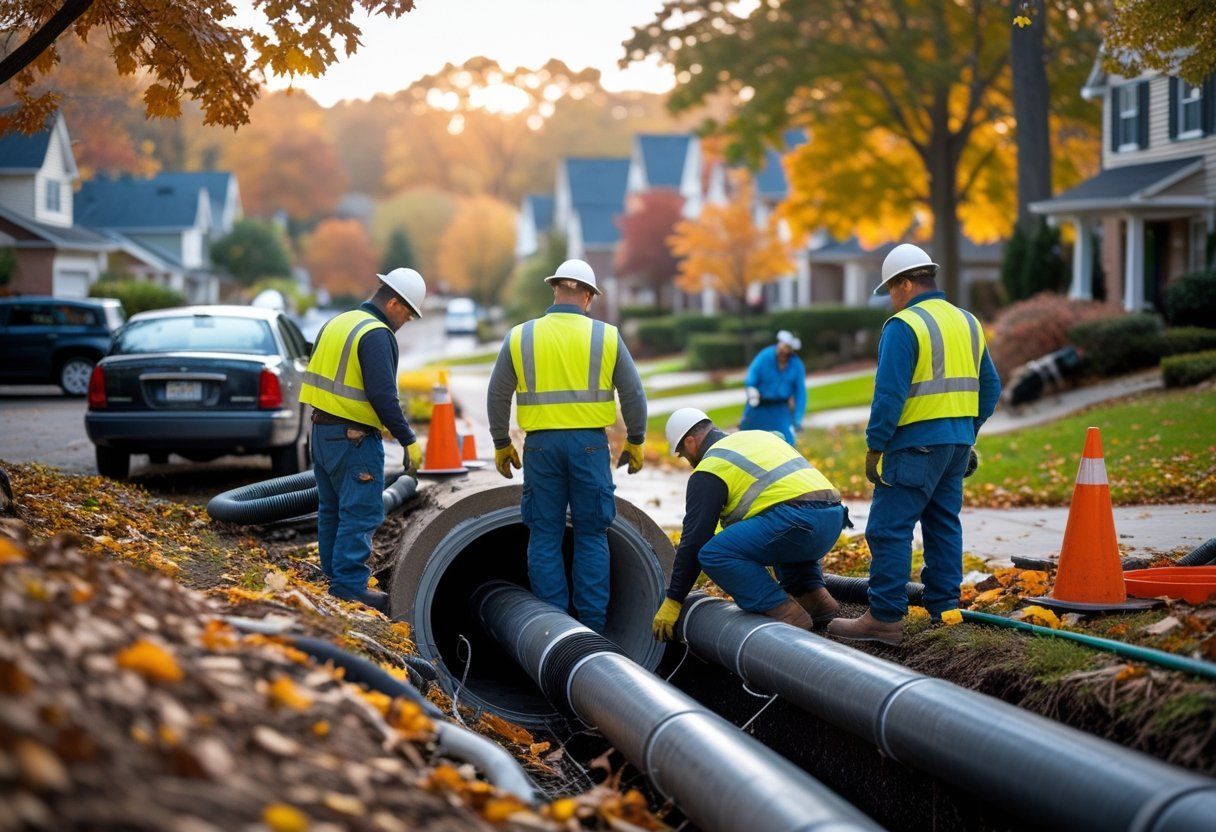
You’ll want to know how seasons change what you pay for sewer line maintenance so you can plan ahead and avoid surprise bills. Seasonal weather, ground movement, and plant growth directly affect repair needs and costs, so budgeting by season cuts unexpected expenses. We outline what shifts costs, when repairs most often happen, and which […]
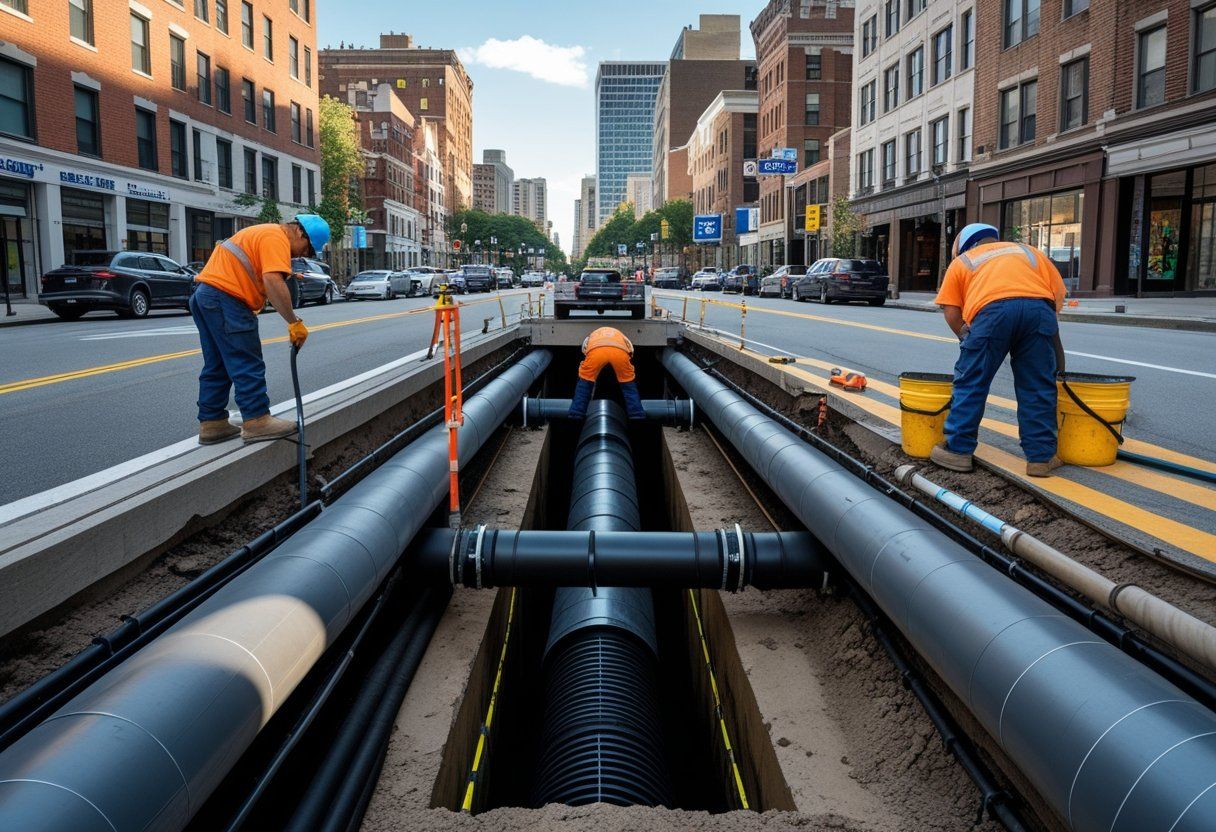
The Role of Location in Sewer Line Maintenance Pricing
By Stefani January 29, 2026
You’ll pay different amounts for sewer line maintenance depending on where your property sits and what’s under it. Location drives cost through factors like soil type, access difficulty, local labor rates, and permit rules, so knowing these lets you predict and plan for expenses. We’ll show how those local details shape quotes and outcomes. We’ll […]
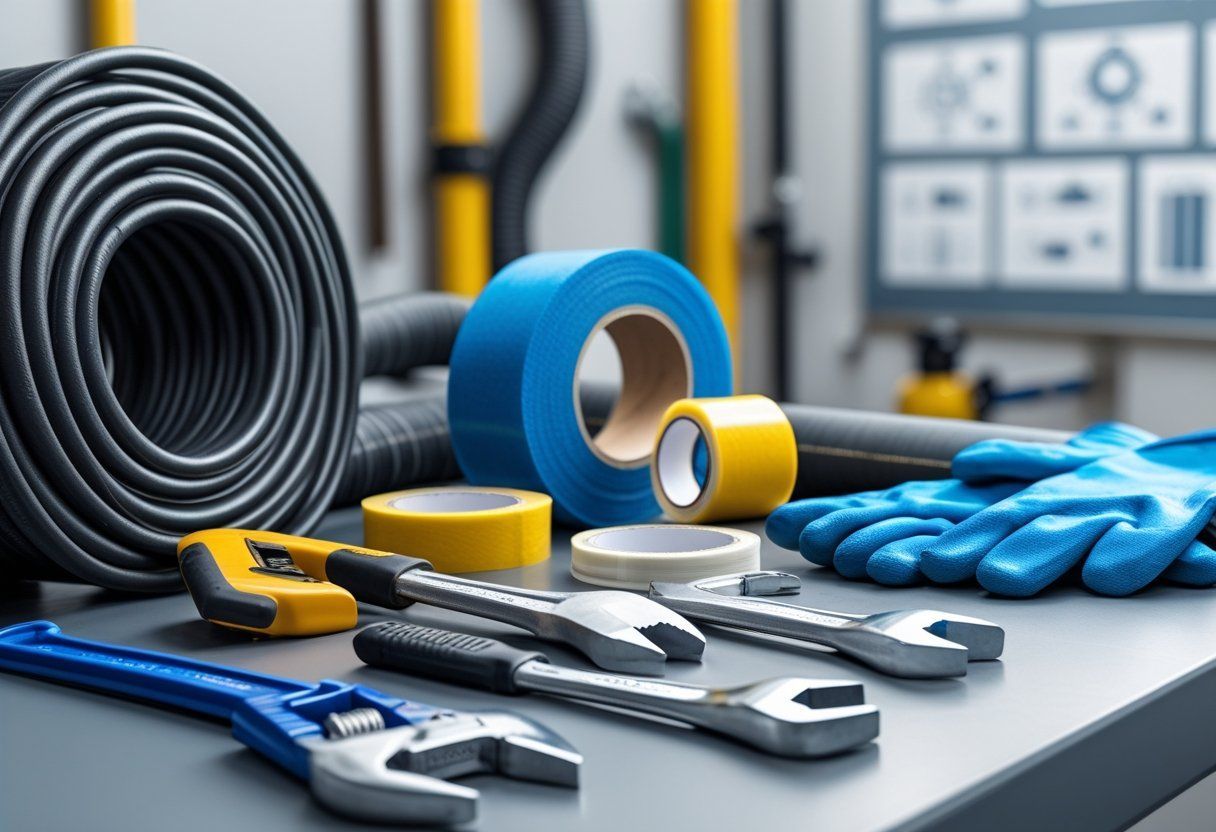
Analyzing Material Expenses for Effective Sewer Line Care
By Stefani January 28, 2026
We’ll break down the real costs that matter for keeping a sewer line working well so you can plan and avoid surprises. You’ll learn which materials and fees drive most of the expense and how small choices can lower long-term costs. We’ll look at costs for parts, tools, permits, and regular cleaning, plus where labor […]
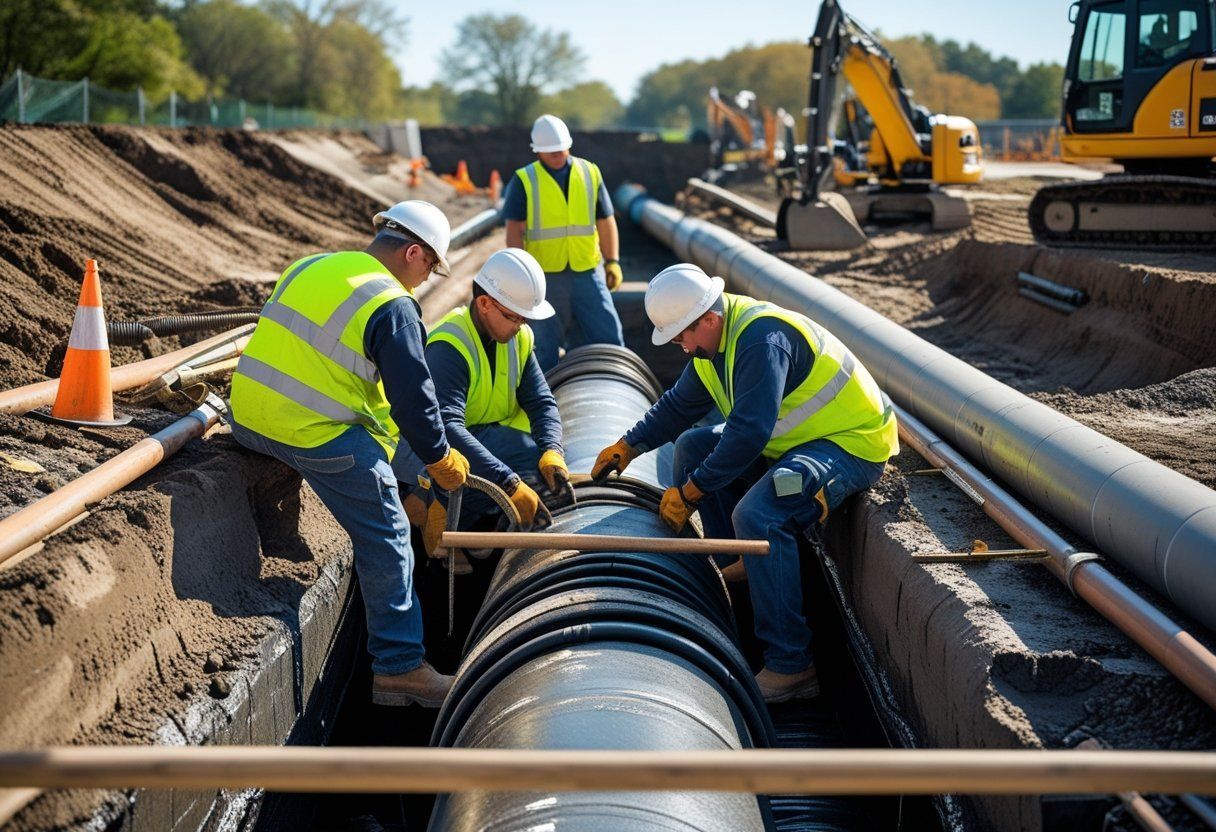
Understanding the Impact of Labor Costs on Sewer Line Maintenance
By Stefani January 25, 2026
You want to know how labor costs shape sewer line care and what that means for your wallet. We will show how wages, crew size, and the repair method you choose change the final bill so you can plan smarter and avoid surprises. Knowing which labor factors most drive costs lets you pick repair options […]
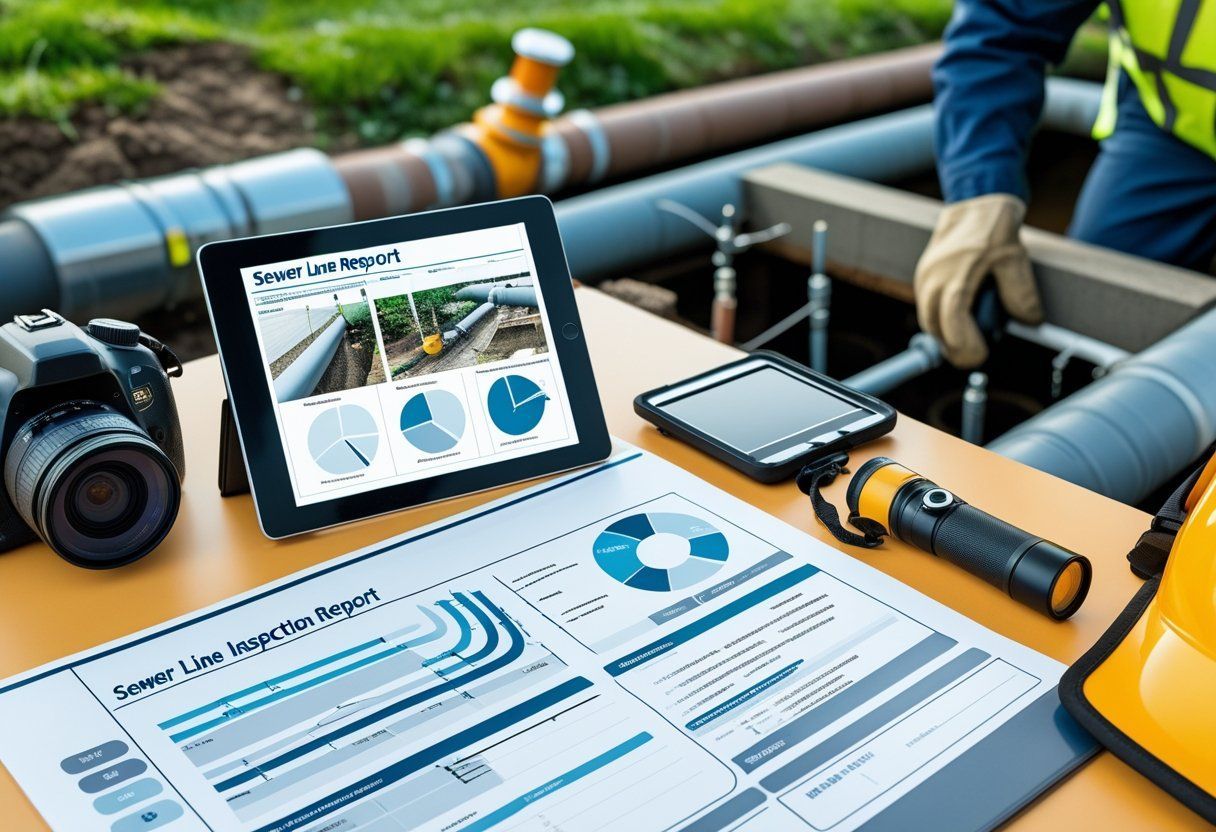
How to Interpret Sewer Line Inspection Reports
By Stefani January 24, 2026
You’ll get clear steps to decode the most important parts of a sewer line inspection report so you can act with confidence. We show you how to spot real problems, what each defect means, and which issues need immediate repair versus routine maintenance. We break the report into simple pieces what the camera images show, […]
By Stefani January 23, 2026
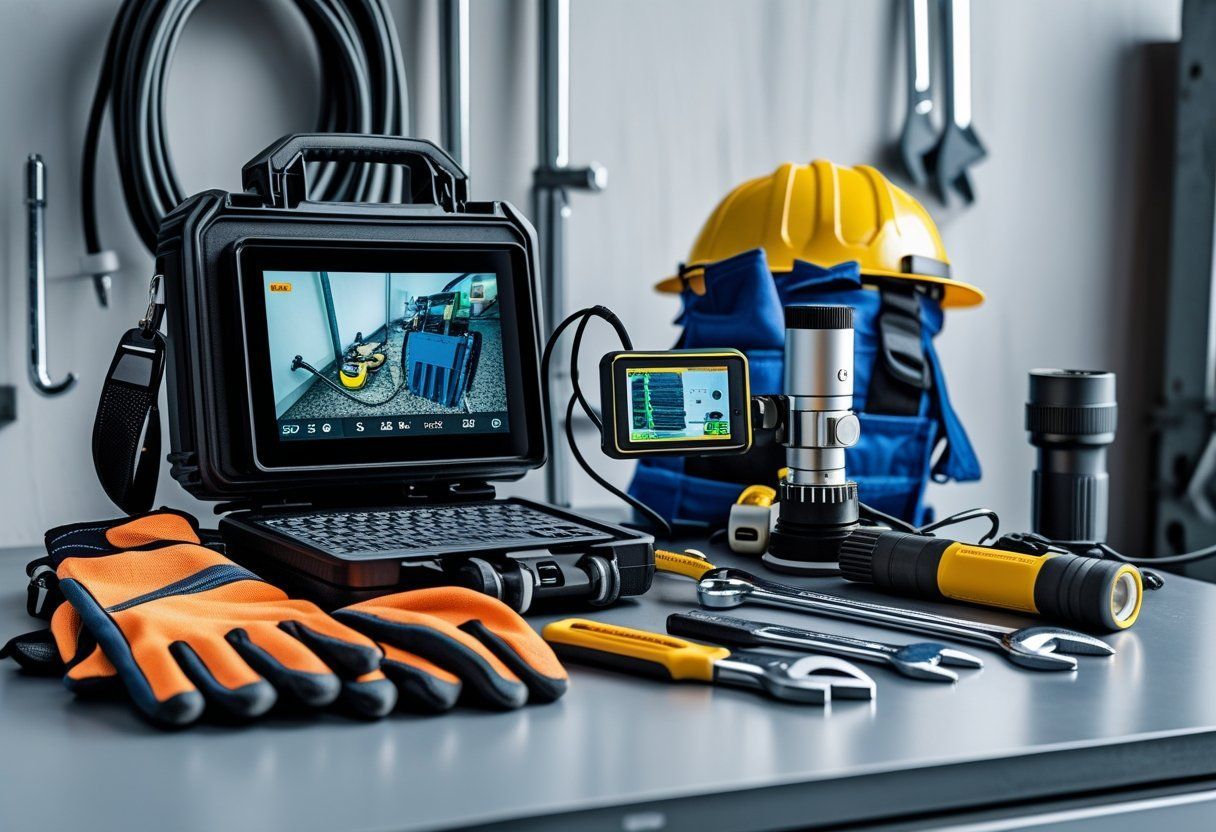
You want tools that give clear answers fast so you can find problems and fix them right. We rely on high-quality sewer cameras, locating gear, and cleaning tools to spot cracks, blockages, and defects in sewer lines accurately. Knowing which tools to use helps a plumber save time and avoid costly mistakes. We will walk […]
By Stefani January 22, 2026
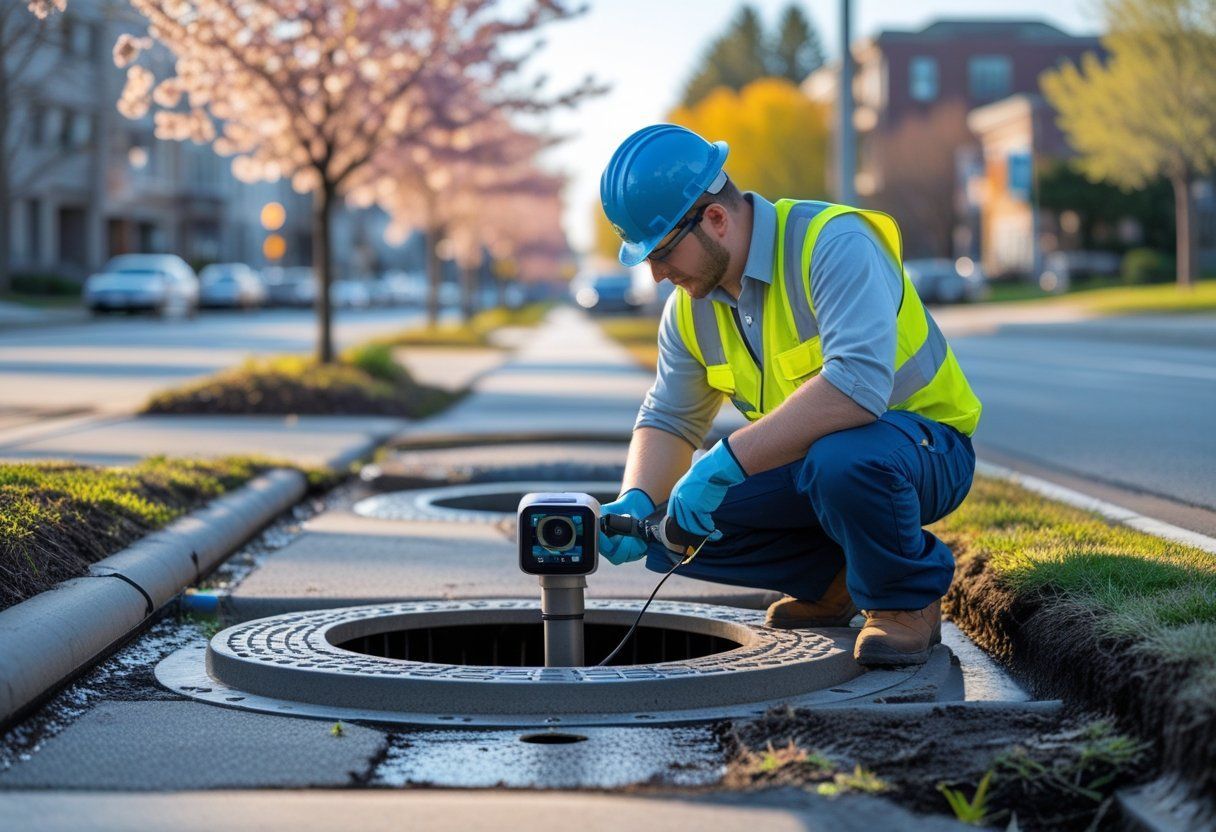
You want sewer line inspections timed so they catch problems before they get costly or urgent. We recommend scheduling inspections based on seasonal risks winter freeze, spring thaw, and heavy fall rains because timing cuts repair costs and prevents service interruptions. We will explain how weather, soil movement, and tree roots change the risk level […]
Common Mistakes to Avoid During Sewer Line Inspections
By Stefani January 18, 2026
We know sewer line inspections feel technical and tense, but avoiding a few common mistakes protects your home and wallet. Start by planning the inspection, knowing what to look for, and involving a qualified professional when signs point to trouble. That simple approach cuts down on missed problems and costly surprises. We will walk through […]
Show More