
How to Prevent Future Drain Clogs: Essential Tips for Homeowners

daniel • November 14, 2024

Share this article

Understanding Drain Clogs

Clogged drains are common plumbing issues in many homes. They occur when something blocks the water flow in pipes. This could be food scraps, grease, hair, or soap. These materials build up over time and slow down drainage, which can be frustrating for us.

Blocked drains can sometimes be due to more serious problems like tree roots. Tree roots are strong and can grow into pipes. As they spread, they block the water flow, leading to clogs. We should be aware of this issue, especially if we have large trees in our yards.

When dealing with clogged drains, it’s important to recognize warning signs. These signs include slow draining sinks, gurgling noises, or unpleasant smells. By taking quick action, we can prevent small issues from becoming bigger problems.

Proper disposal of waste is key. We should avoid letting substances like grease, coffee grounds, and hair go down our drains. Using a drain strainer can help us catch larger particles. Regular maintenance can keep our pipes clear and flowing well.

To address potential tree root problems, we may need professional help. Experts can inspect pipes and remove roots safely. This helps prevent future blockages and protects our plumbing systems.

Preventative Measures for Drains

To keep our drains clog-free, we need to focus on proper maintenance in the kitchen, bathroom, and toilet. Being proactive helps avoid inconvenient blockages and costly repairs.

Kitchen Sink Maintenance

In the kitchen, food waste is a major cause of clogs. We should always scrape food off plates and into the trash before rinsing them. Using a drain strainer can catch food particles and keep them from entering the pipes.

Avoid pouring grease down the sink, as it can harden and block pipes. Instead, collect used cooking oil in a container and dispose of it with the trash.

Run hot water through the sink after each use to help clear any residue. By following these steps, we can greatly reduce kitchen sink clogs.

Bathroom Drain Care

Bathroom drains are often clogged by hair, soap scum, and personal care products. Using a hair catcher in the shower or bathtub can help trap hair before it goes down the drain.

Keeping the drain cover clean helps prevent soap scum build-up. Regularly pouring a mix of hot water and baking soda down the drain can break down any lingering build-up.

We should also avoid letting large amounts of toothpaste or hair gel wash down the sink as it may lead to build-up over time. These practices keep our bathroom drains clear.

Toilet Usage Best Practices

Toilets are not trash cans. We should only flush toilet paper and human waste. Items like wet wipes, cotton balls, or feminine products belong in the trash can, even if they are labeled “flushable.”

Using the right amount of toilet paper is key to preventing clogs. Too much paper can block pipes, while too little may not clean effectively. We should teach everyone in our household the importance of these habits to maintain clear and reliable toilets.

By following these best practices, we minimize the risk of clogs and ensure our toilets function properly.

Proper Waste Disposal Techniques

Effective waste disposal helps keep our drains clear. Understanding how to handle food scraps, manage grease, and correctly dispose of bathroom waste can prevent clogs in our home.

Dealing with Food Scraps

When dealing with food scraps, it’s crucial to avoid overloading the garbage disposal. We should cut large scraps into smaller pieces and avoid putting fibrous or starchy foods down the drain. Foods like potato peels or celery can create a mess. It’s helpful to run cold water while using the disposal to solidify any remaining grease, aiding proper grinding. If we have pets, we can also consider composting fruit and vegetable scraps. It’s an eco-friendly way to reduce waste and enrich our gardens.

Managing Grease and Oils

Grease and oil can be sneaky culprits behind many clogs. We should never pour these directly down the drain. Instead, it’s better to let them cool and then transfer them into a sealed container, like a jar or can. Once cooled, we can dispose of this container with our regular trash. Some of us might consider recycling programs for used cooking oil, which are available in many areas.

Bathroom Waste Handling

In the bathroom, proper waste management is essential. Excessive toilet paper can lead to blockages, so it’s wise to use it sparingly and flush only as needed. We can remind our family that items like wipes, cotton balls, and feminine products should never go down the toilet. These are best disposed of in a trash bin. Using a waste basket nearby can make this habit easier for everyone in our household. Proper bathroom waste handling is key to keeping our plumbing in good shape.

Natural Drain Cleaning Solutions

When we want to maintain clear drains without harsh chemicals, using natural methods is a great choice. Two effective and simple solutions involve baking soda, vinegar, and hot water.

Using Baking Soda and Vinegar

Baking soda and vinegar can work well together for drain cleaning. First, we pour about half a cup of baking soda into the drain. This helps to break down minor clogs. Then, we add a cup of vinegar. The mixture will fizz, which can loosen debris stuck in the pipes.

We let this mixture sit in the drain for about 15 minutes. Afterward, we rinse the drain with hot water. This helps flush any remaining materials away. It’s important to do this regularly, maybe once a month. Keeping the drains clear periodically will help prevent any future problems. Using baking soda and vinegar is both eco-friendly and cost-effective.

Hot Water Flush

A hot water flush can keep our drains clear quite easily. Simply heat up a pot of water until it’s near boiling. Then carefully pour it into the drain. The hot water helps to dissolve soap residues and can loosen minor blockages.

We find it best to use this method once a week. Doing so helps maintain a clear passage for water. This approach is simple and requires no extra materials beyond hot water. It’s surprising how effective such a straightforward technique can be. Regular hot water flushes can be part of an easy maintenance routine for our home.

When to Avoid Chemical Cleaners

When dealing with clogged drains, it’s important to know when to use alternatives to chemical solutions. These cleaners are often harsh and can lead to damage or safety concerns.

Risks of Chemical Drain Cleaners

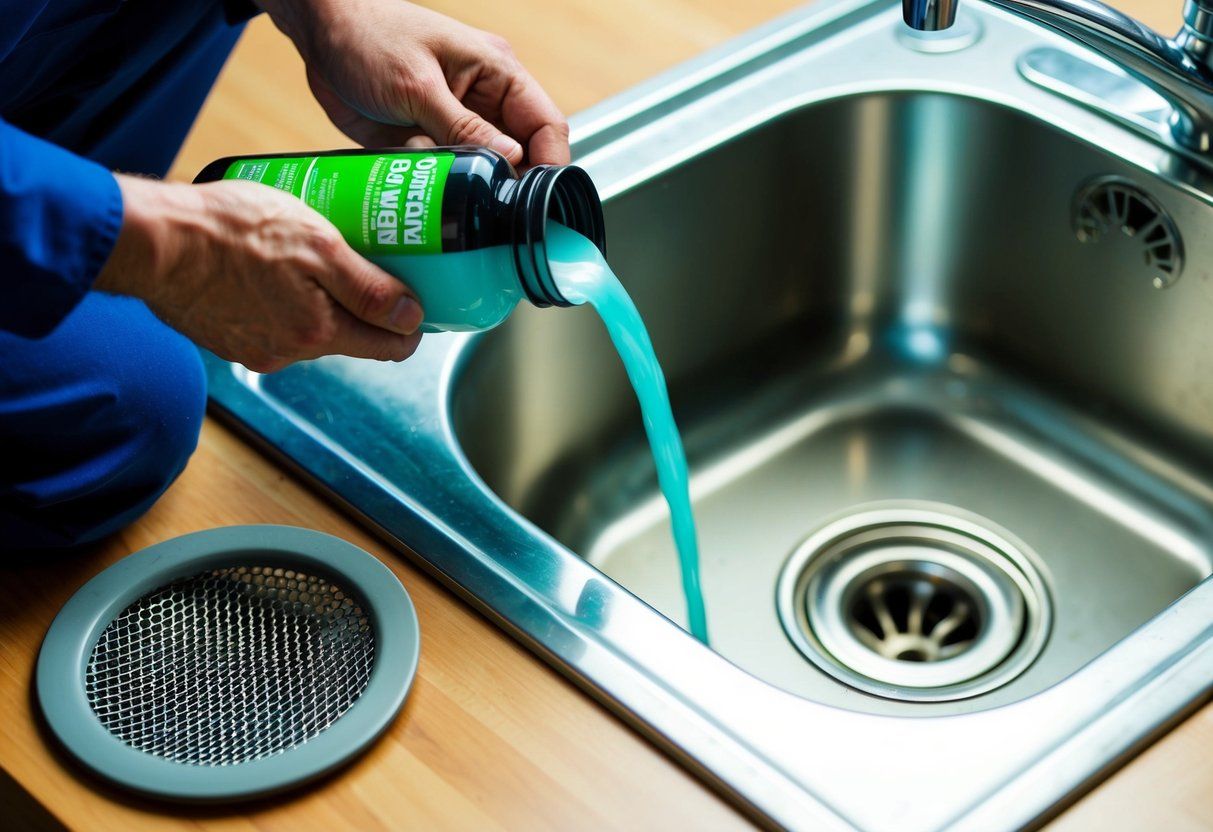
Chemical drain cleaners can be rough on pipes. They often contain strong acids or bases that might corrode plumbing, especially older metal pipes. This can lead to leaks or costly repairs.

Using these cleaners in toilets may damage the porcelain or breakdown the internal workings, causing further issues. Additionally, shower drain clogs often have hair or soap scum, which chemicals may not effectively dissolve.

These products can also be harmful to the environment. Harmful chemicals might flow into water systems, affecting plants and wildlife. It’s crucial to handle them with care, wearing gloves and ensuring proper ventilation to avoid skin contact or inhalation.

Alternatives to Chemical Products

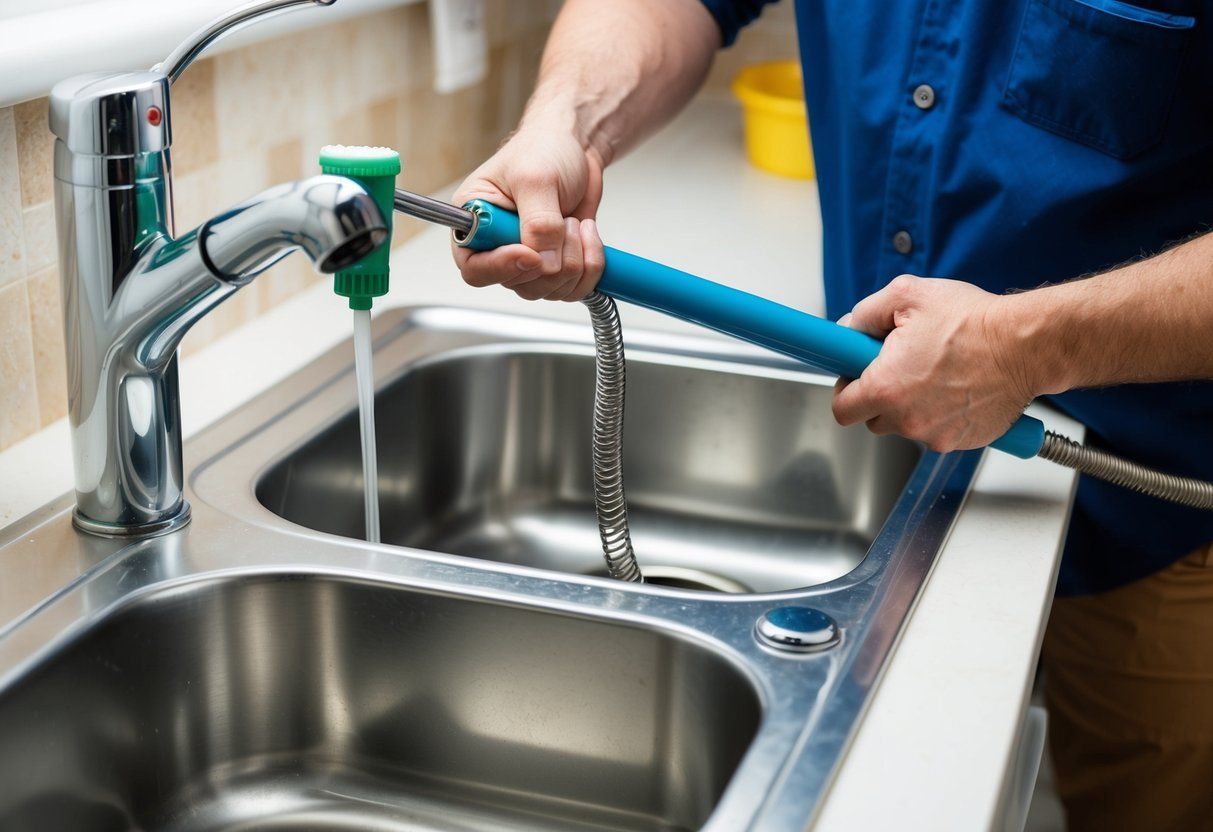
For clogged drains, physical cleaning methods like a plunger or plumber’s snake can be effective. These tools can remove hair, food particles, and other debris without causing harm to your pipes.

Mixing baking soda and vinegar creates a natural cleaner. Pouring hot water mixed with baking soda down the drain, followed by vinegar, can help break down minor clogs. For shower drain clogs, a stiff wire or special tool can easily pull out hair and debris.

For toilet clogs, try a flange plunger. Avoid overusing pressure to prevent damage. These alternatives are safer for both your home and the environment.

Recent Posts

Fast Response Plumbing technician servicing a water shut off valve in San Francisco
By Joe Tinsley July 17, 2026
Learn how gate valves, ball valves, and angle stops work, where to find them in your San Francisco home, and when to replace them. FAQs inside.
Budgeting for Unforeseen Sewer Line Maintenance Expenses
By Stefani January 31, 2026
Sewer line problems can hit your wallet fast, and we know the stress of a surprise repair. We show you how to plan a practical budget that covers emergency fixes, regular upkeep, and the big costs that sneak up on you. This saves you money and keeps small issues from turning into major failures. We […]
Seasonal Effects on Sewer Line Maintenance Costs
By Stefani January 30, 2026
You’ll want to know how seasons change what you pay for sewer line maintenance so you can plan ahead and avoid surprise bills. Seasonal weather, ground movement, and plant growth directly affect repair needs and costs, so budgeting by season cuts unexpected expenses. We outline what shifts costs, when repairs most often happen, and which […]
The Role of Location in Sewer Line Maintenance Pricing
By Stefani January 29, 2026
You’ll pay different amounts for sewer line maintenance depending on where your property sits and what’s under it. Location drives cost through factors like soil type, access difficulty, local labor rates, and permit rules, so knowing these lets you predict and plan for expenses. We’ll show how those local details shape quotes and outcomes. We’ll […]
Analyzing Material Expenses for Effective Sewer Line Care
By Stefani January 28, 2026
We’ll break down the real costs that matter for keeping a sewer line working well so you can plan and avoid surprises. You’ll learn which materials and fees drive most of the expense and how small choices can lower long-term costs. We’ll look at costs for parts, tools, permits, and regular cleaning, plus where labor […]
Understanding the Impact of Labor Costs on Sewer Line Maintenance
By Stefani January 25, 2026
You want to know how labor costs shape sewer line care and what that means for your wallet. We will show how wages, crew size, and the repair method you choose change the final bill so you can plan smarter and avoid surprises. Knowing which labor factors most drive costs lets you pick repair options […]

How to Interpret Sewer Line Inspection Reports
By Stefani January 24, 2026
You’ll get clear steps to decode the most important parts of a sewer line inspection report so you can act with confidence. We show you how to spot real problems, what each defect means, and which issues need immediate repair versus routine maintenance. We break the report into simple pieces what the camera images show, […]

By Stefani January 23, 2026
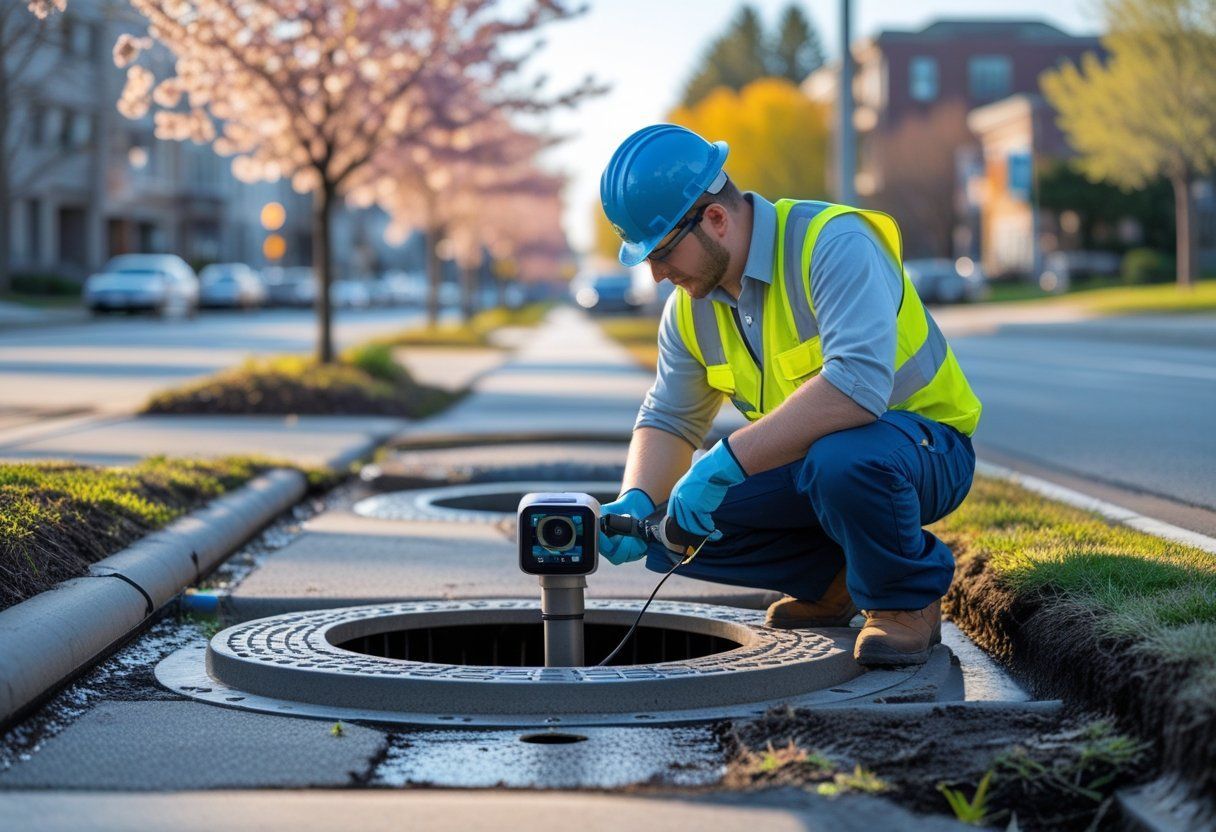
You want tools that give clear answers fast so you can find problems and fix them right. We rely on high-quality sewer cameras, locating gear, and cleaning tools to spot cracks, blockages, and defects in sewer lines accurately. Knowing which tools to use helps a plumber save time and avoid costly mistakes. We will walk […]
By Stefani January 22, 2026
You want sewer line inspections timed so they catch problems before they get costly or urgent. We recommend scheduling inspections based on seasonal risks winter freeze, spring thaw, and heavy fall rains because timing cuts repair costs and prevents service interruptions. We will explain how weather, soil movement, and tree roots change the risk level […]
Common Mistakes to Avoid During Sewer Line Inspections
By Stefani January 18, 2026
We know sewer line inspections feel technical and tense, but avoiding a few common mistakes protects your home and wallet. Start by planning the inspection, knowing what to look for, and involving a qualified professional when signs point to trouble. That simple approach cuts down on missed problems and costly surprises. We will walk through […]
Show More