
How to Identify Water Heater Emergencies in San Francisco: A Quick Guide

Stefani • May 1, 2025

Share this article

Identifying Water Heater Issues

We need to pay close attention to signs like unusual noises, leaks, and inconsistent water temperatures. These can signal problems with our water heaters. Discoloration and sediment buildup in the water may also indicate trouble.

Unusual Noises and Leaks

Strange sounds like popping or whining often point to sediment buildup at the bottom of our hot water heater. Over time, these minerals and debris settle and harden on the tank bottom, causing these noises. Regular flushing through the clean-out can help.

Leaking water is a red flag too. It might be a result of a cracked tank or loose connections. We should check for any wet spots around the heater and check insulation for dampness.

Inconsistent Water Temperatures

If our shower starts off hot but turns cold quickly, it may indicate issues. A broken thermostat or heating element inside our water heater can cause this. Checking these components can help restore regular temperatures.

Sometimes, fluctuating temperatures point to problems with the dip tube. This component directs cold water to the bottom of the tank. If it’s damaged, we might need a replacement.

Discoloration and Sediment in Water

Rusty or brown water usually means corrosion. This might force us to change our water heater. Sediment in the water can clog pipes and reduce efficiency. Regular maintenance, including flushing, can prevent these issues.

Clear water problems might hint at needed upgrades or repairs. We must not ignore signs of corrosion or debris. Paying attention early can prevent larger problems.

Assessing Emergency Situations

When dealing with water heater emergencies, it’s crucial to spot signs like gas odors, water leaks, and electrical troubles. Recognizing these issues early helps us react swiftly and safely.

Gas Smell and Carbon Monoxide Dangers

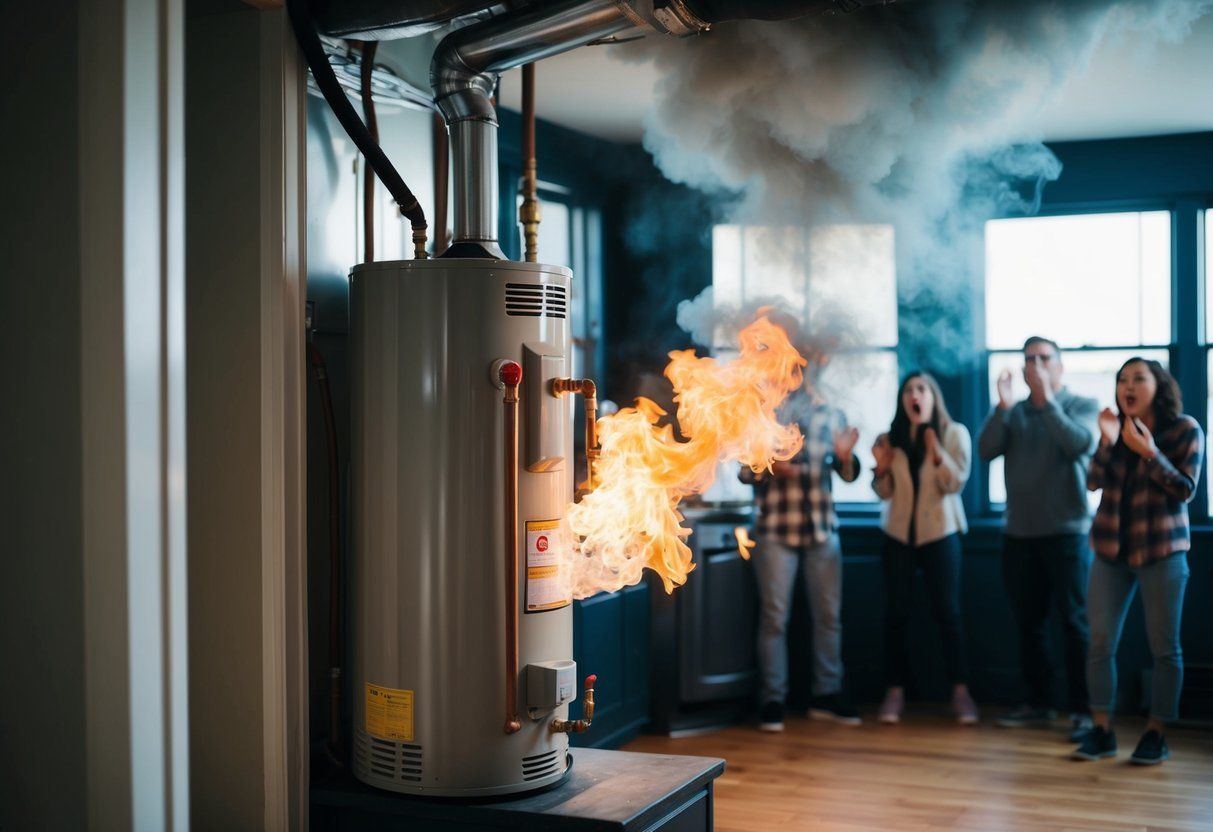
A strong smell of gas near the hot water heater signals a possible gas leak. We must evacuate the area immediately and contact emergency services.

Carbon monoxide is odorless and dangerous. Detectors are essential for safety. Symptoms like headaches or dizziness indicate its presence. Regular inspections by professionals ensure everything is functioning correctly.

Water Pooling and Major Leaks

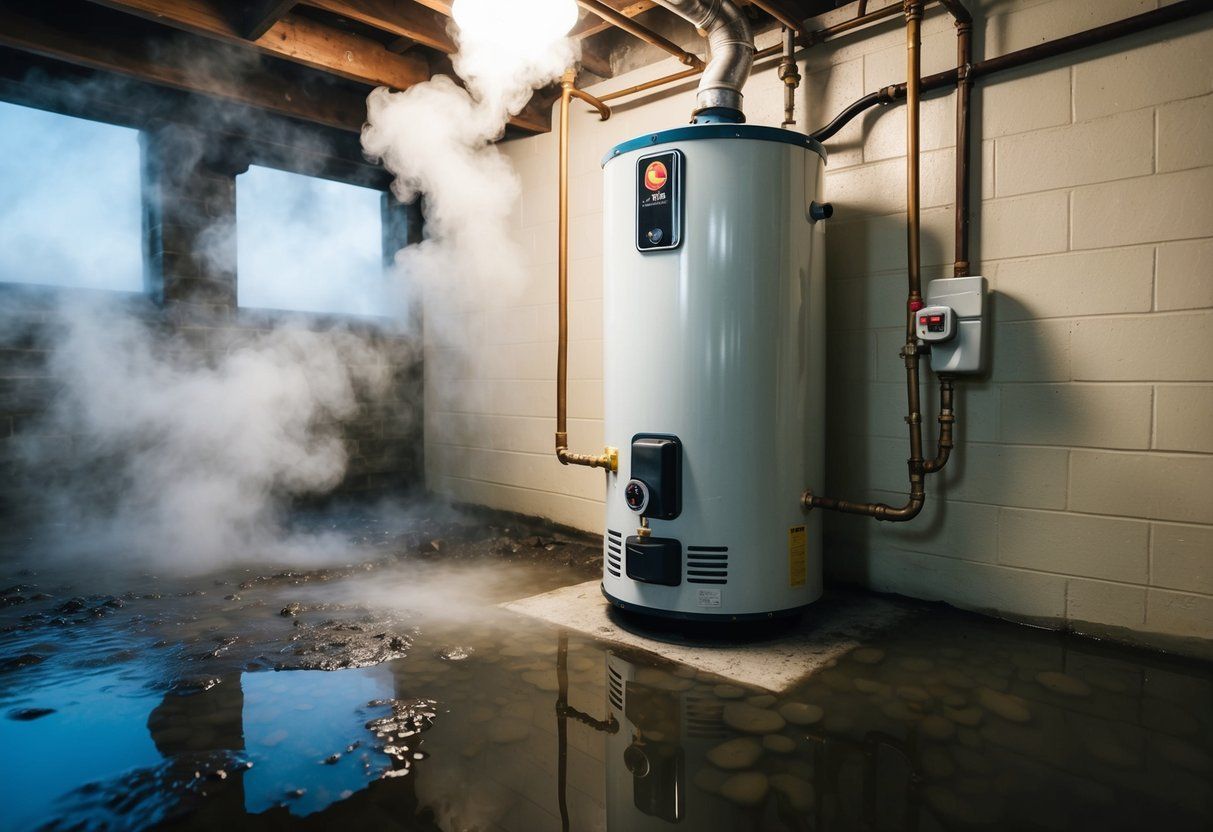
Water pooling around the heater can indicate a major leak. Leaks can cause severe damage to flooring and walls.

We should look for watermarks or dampness. A sudden drop in water temperature might also hint at issues. It’s vital to shut off the water supply and call a plumber right away to prevent further damage.

Electrical Hazards and Circuit Breaker Issues

Electrical problems pose serious risks. If the circuit breaker trips often, it might be a sign of trouble with the water heater’s electrical system. We must avoid resetting the breaker repeatedly.

Look for scorch marks or a burning smell. Damaged wires or connectors can lead to fires. It’s essential to contact an electrician to inspect and fix any electrical faults safely.

Maintenance to Prevent Emergencies

To keep our hot water heater running smoothly and prevent emergencies, regular maintenance is crucial. By scheduling routine inspections, updating insulation, and performing clean-outs, we can ensure efficiency and longevity.

Routine Inspections and Service Intervals

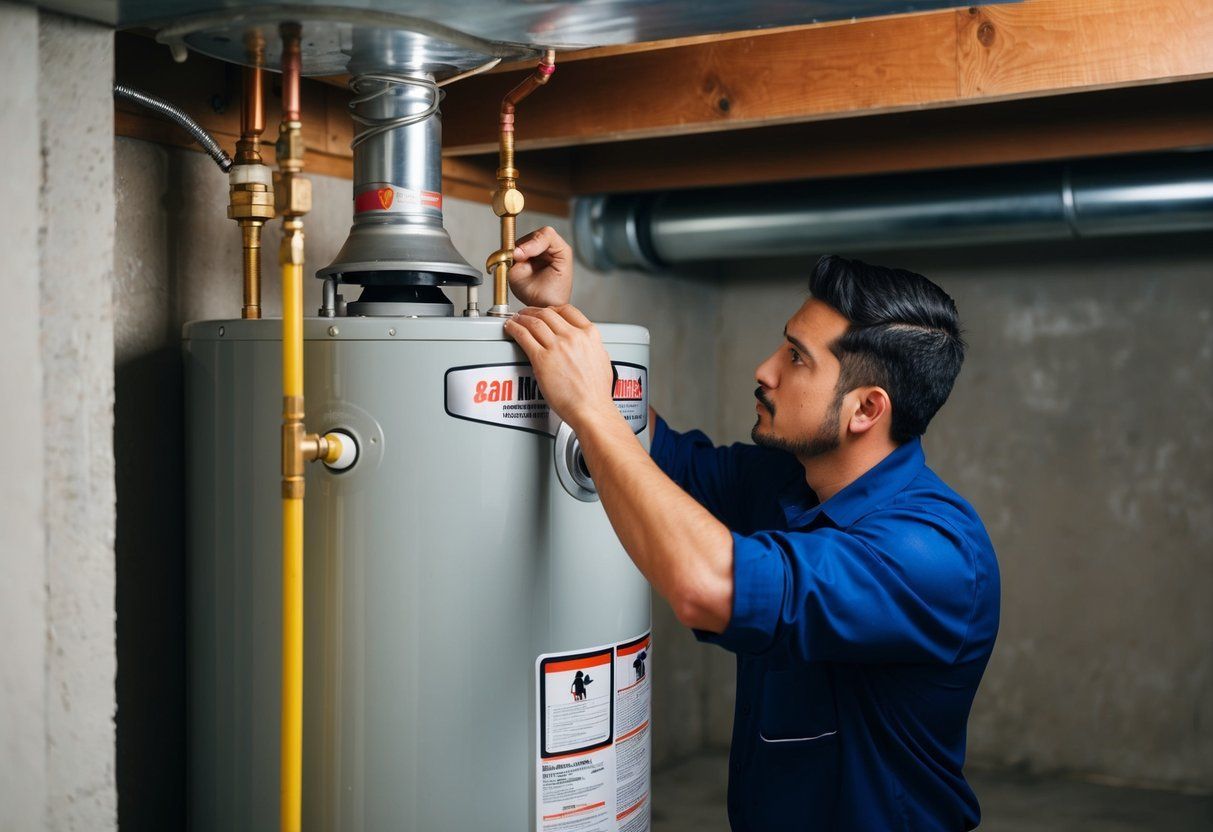
It’s important to schedule regular inspections for our water heater. Twice yearly is a recommended frequency to check for leaks, corrosion, and other problems. This helps us catch issues before they escalate. Hiring a professional technician ensures that necessary adjustments or repairs are handled correctly.

Using a service interval checklist is helpful. This checklist should include tasks like checking the pressure relief valve and examining the anode rod. Both are vital components that can affect our water heater’s performance and safety.

Updating Insulation for Efficiency

Proper insulation is key for improving efficiency and lowering energy bills. We can start by insulating the pipes connected to the water heater. This helps reduce heat loss as hot water travels through the system.

For the tank itself, wrapping it with a water heater blanket can be effective. This blanket should fit snugly, covering the sides and top but not blocking important elements like the thermostat or burner. Adding insulation keeps the hot water heater from overworking, which extends its lifespan.

Water Heater Clean-Out Procedures

Performing regular clean-outs is necessary to prevent sediment build-up. We should flush the tank every six months to remove accumulated minerals and debris. This process involves shutting off the power or gas and draining the tank through a connected hose.

Cleaning the tank reduces strain on the heating elements and improves efficiency. Additionally, by ensuring there is no sediment at the bottom, we lessen the chance of damaging the tank lining. Consistent clean-outs keep our hot water heater operating at its best.

Recent Posts

Fast Response Plumbing technician servicing a water shut off valve in San Francisco
By Joe Tinsley July 17, 2026
Learn how gate valves, ball valves, and angle stops work, where to find them in your San Francisco home, and when to replace them. FAQs inside.
Budgeting for Unforeseen Sewer Line Maintenance Expenses
By Stefani January 31, 2026
Sewer line problems can hit your wallet fast, and we know the stress of a surprise repair. We show you how to plan a practical budget that covers emergency fixes, regular upkeep, and the big costs that sneak up on you. This saves you money and keeps small issues from turning into major failures. We […]
Seasonal Effects on Sewer Line Maintenance Costs
By Stefani January 30, 2026
You’ll want to know how seasons change what you pay for sewer line maintenance so you can plan ahead and avoid surprise bills. Seasonal weather, ground movement, and plant growth directly affect repair needs and costs, so budgeting by season cuts unexpected expenses. We outline what shifts costs, when repairs most often happen, and which […]
The Role of Location in Sewer Line Maintenance Pricing
By Stefani January 29, 2026
You’ll pay different amounts for sewer line maintenance depending on where your property sits and what’s under it. Location drives cost through factors like soil type, access difficulty, local labor rates, and permit rules, so knowing these lets you predict and plan for expenses. We’ll show how those local details shape quotes and outcomes. We’ll […]
Analyzing Material Expenses for Effective Sewer Line Care
By Stefani January 28, 2026
We’ll break down the real costs that matter for keeping a sewer line working well so you can plan and avoid surprises. You’ll learn which materials and fees drive most of the expense and how small choices can lower long-term costs. We’ll look at costs for parts, tools, permits, and regular cleaning, plus where labor […]
Understanding the Impact of Labor Costs on Sewer Line Maintenance
By Stefani January 25, 2026
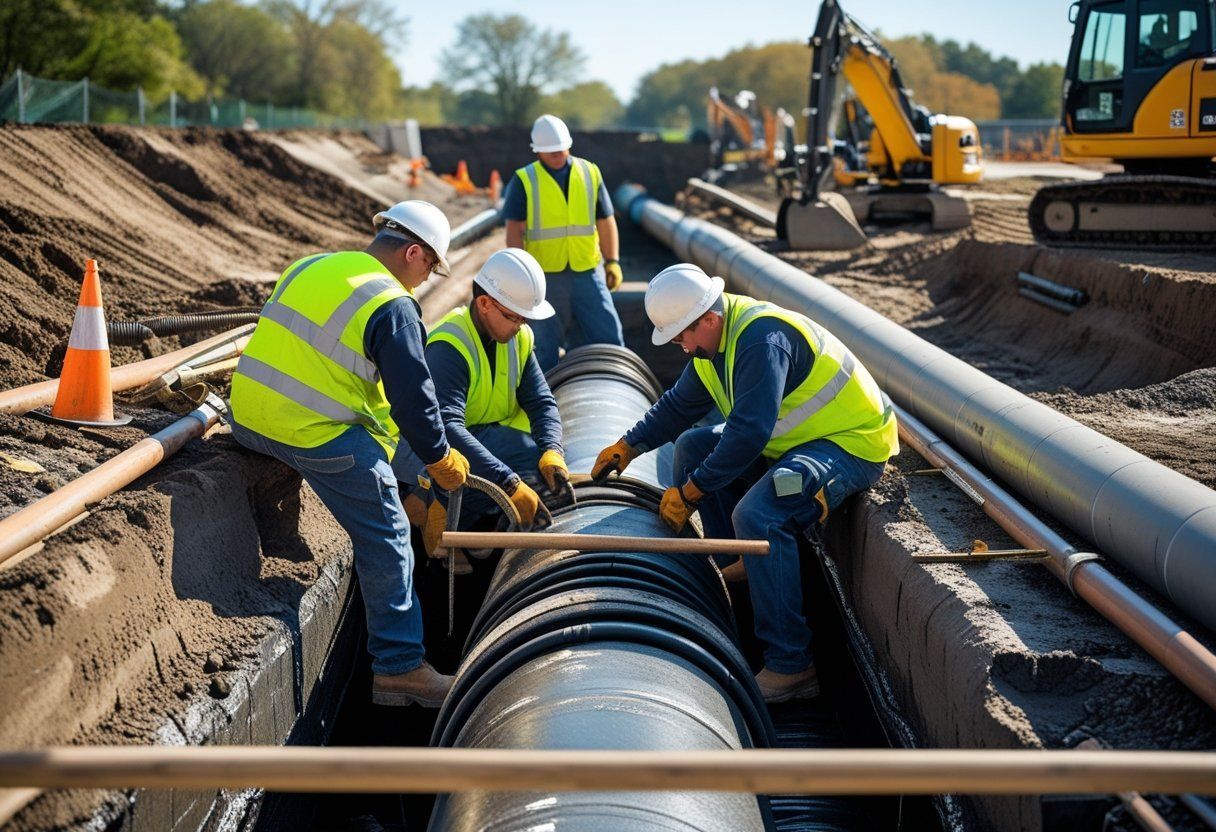
You want to know how labor costs shape sewer line care and what that means for your wallet. We will show how wages, crew size, and the repair method you choose change the final bill so you can plan smarter and avoid surprises. Knowing which labor factors most drive costs lets you pick repair options […]

How to Interpret Sewer Line Inspection Reports
By Stefani January 24, 2026
You’ll get clear steps to decode the most important parts of a sewer line inspection report so you can act with confidence. We show you how to spot real problems, what each defect means, and which issues need immediate repair versus routine maintenance. We break the report into simple pieces what the camera images show, […]
Tool kit with hard hat, gloves, laptop, and handheld device on a workbench in a workshop
By Stefani January 23, 2026
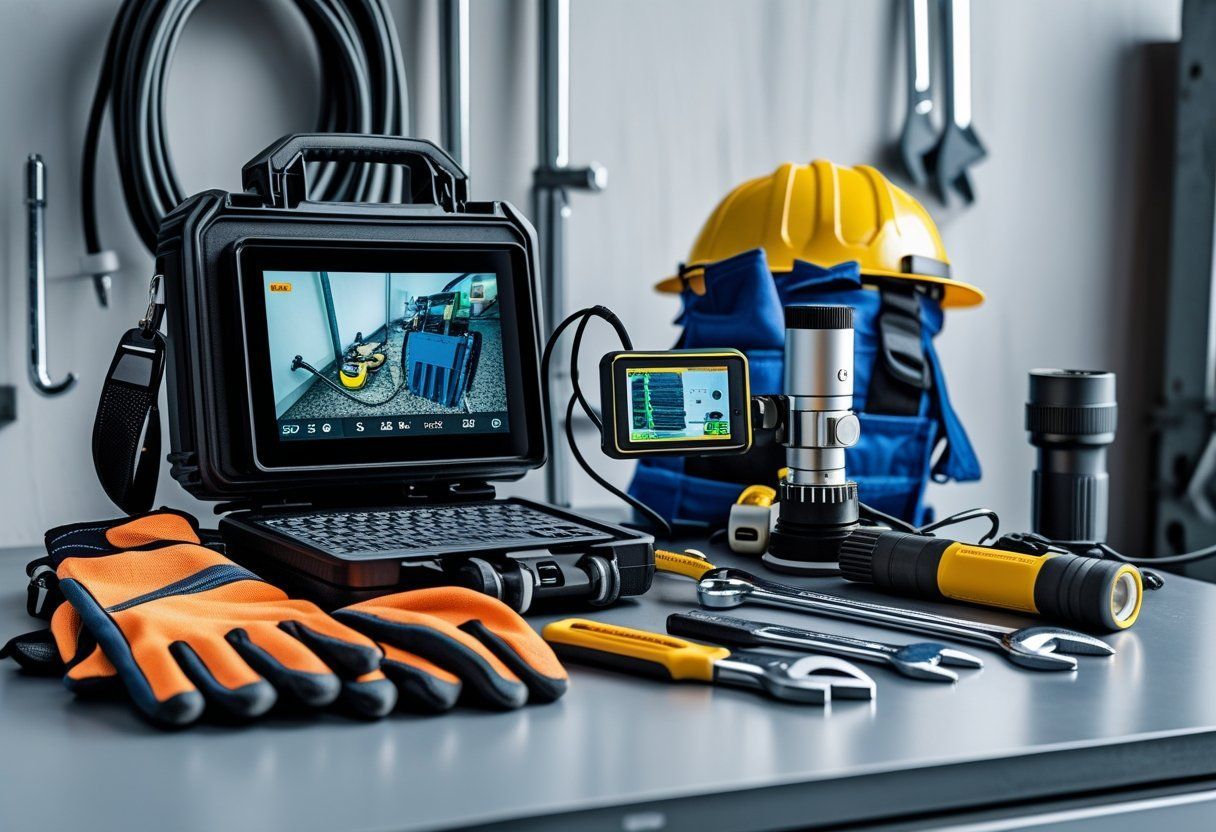
You want tools that give clear answers fast so you can find problems and fix them right. We rely on high-quality sewer cameras, locating gear, and cleaning tools to spot cracks, blockages, and defects in sewer lines accurately. Knowing which tools to use helps a plumber save time and avoid costly mistakes. We will walk […]
Worker in blue hard hat inspecting a manhole on a street with a camera device
By Stefani January 22, 2026
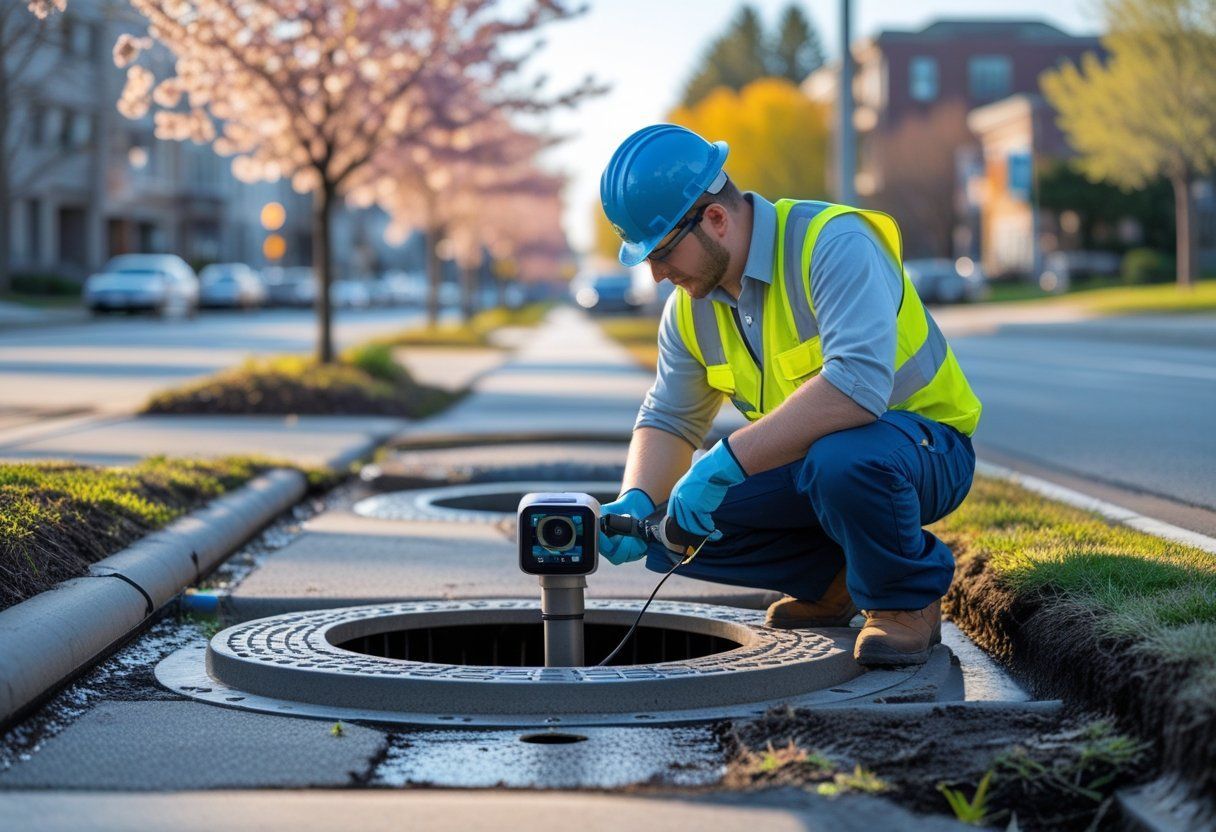
You want sewer line inspections timed so they catch problems before they get costly or urgent. We recommend scheduling inspections based on seasonal risks winter freeze, spring thaw, and heavy fall rains because timing cuts repair costs and prevents service interruptions. We will explain how weather, soil movement, and tree roots change the risk level […]
Common Mistakes to Avoid During Sewer Line Inspections
By Stefani January 18, 2026
We know sewer line inspections feel technical and tense, but avoiding a few common mistakes protects your home and wallet. Start by planning the inspection, knowing what to look for, and involving a qualified professional when signs point to trouble. That simple approach cuts down on missed problems and costly surprises. We will walk through […]
Show More