
Emergency Drain Services: What to Expect During a Plumbing Crisis

Stefani • March 28, 2025

Share this article

Understanding Emergency Drain Services

When it comes to emergency drain services, we know how important fast action is. Clogged drains or blocked drains can cause big problems in the home. That’s where emergency plumbing services come in. We are here to help 24/7, ensuring your home stays safe and clean.

Emergency drain cleaning is quick and efficient. Our team of skilled plumbers uses special tools to tackle the toughest clogs. We can handle any blockages in your plumbing system, from sinks to showers, without delay.

Choosing an emergency plumbing service means you won’t wait for help when you need it most. Drain cleaning services provide peace of mind, knowing that any issue will be resolved quickly. Our goal is to get everything flowing smoothly again.

We offer a range of services to address various drain problems. Whether it’s routine maintenance or urgent repairs, we have the skills to keep your plumbing in top shape. Trust us to handle any situation, day or night.

In emergencies, expert help is just a call away. We prioritize your needs and make sure our solutions are effective and timely. Our experienced team is always ready to provide fast, reliable service whenever you need it.

Common Causes of Drain Blockages

Blockages in drains can be caused by various factors such as everyday household activities and natural surroundings. Understanding these common causes helps us prevent future issues and maintain clear drains.

Household Obstructions

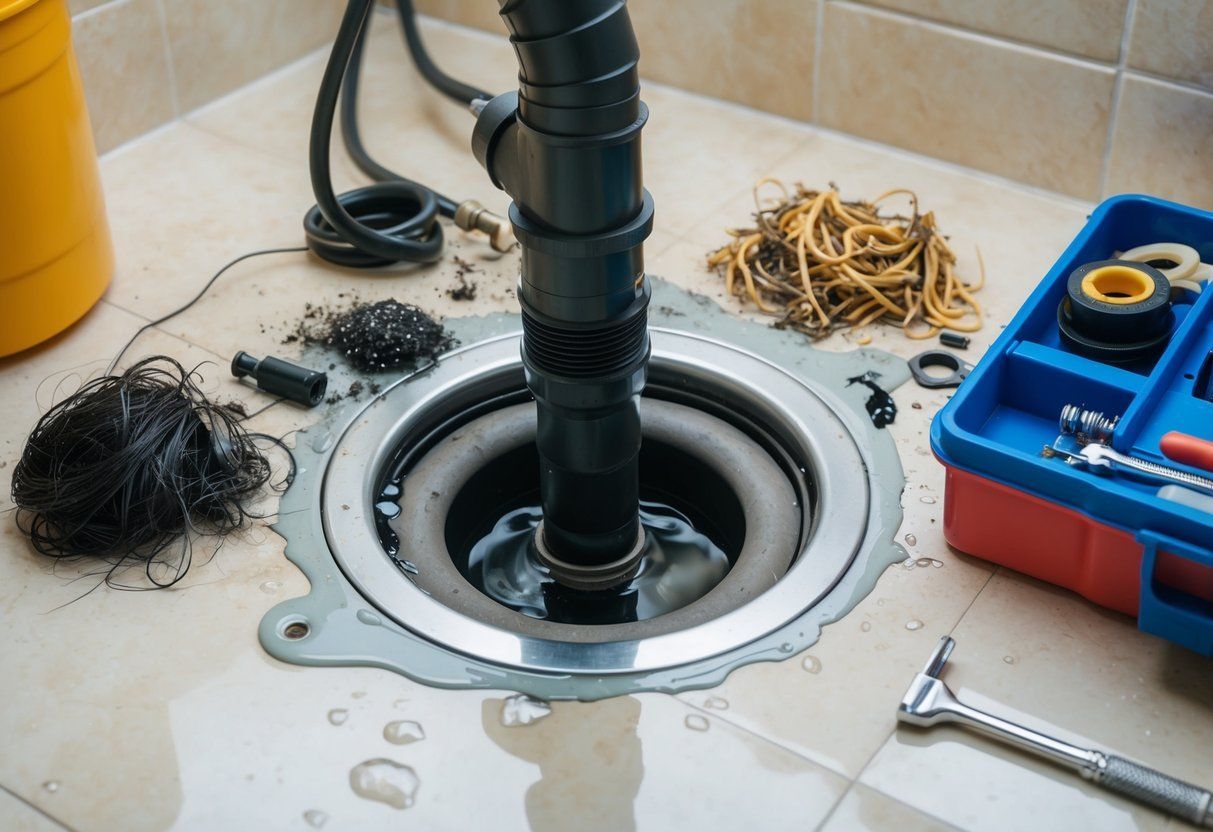
Inside our homes, drains often face blockages due to daily activities. Sinks and shower drains are frequently affected by hair and soap scum build-up. These materials cling together, gradually creating a barrier that restricts water flow.

In the kitchen, grease and food particles are common culprits. Grease sticks to the sides of pipes and traps food bits, forming a thick clog over time. Toilets also face obstructions, mainly from items that shouldn’t be flushed. Flushing anything other than toilet paper can block pipes and lead to water backing up.

External Factors

Outside, drains can become blocked by natural elements. Tree roots are a major issue. They seek out moisture and often penetrate pipes, causing breaks or complete blockages. Over time, this can damage the drainage system.

Additionally, environmental debris like leaves, dirt, and small branches can accumulate, especially during heavy rains. This debris moves into outdoor drains, where it collects and prevents proper water drainage.

Regular maintenance and careful disposal of waste help us avoid these common issues, ensuring our drains remain functional and efficient.

Methods of Drain Cleaning and Diagnosis

When dealing with clogged drains, it’s important to use effective methods for cleaning and diagnosis. We explore mechanical techniques, advanced technologies, and chemical solutions to tackle various types of blockages.

Mechanical Techniques

Mechanical techniques are often our first choice for clearing blockages. Drain snakes and augers are key tools. These tools break up clogs by winding through pipes. They can handle tough blockages in sinks and toilets.

Mechanical snaking is useful in many situations. It allows us to reach clogs deep within the plumbing. Both manual and power-operated versions of these tools are available. Each has its own benefits depending on the size and severity of the clog.

Advanced Technology

Advanced technology plays a crucial role in diagnosing and cleaning drains. Video inspection with drain cameras helps us identify blockages. This technology provides a clear view of the inside of pipes, allowing accurate assessments.

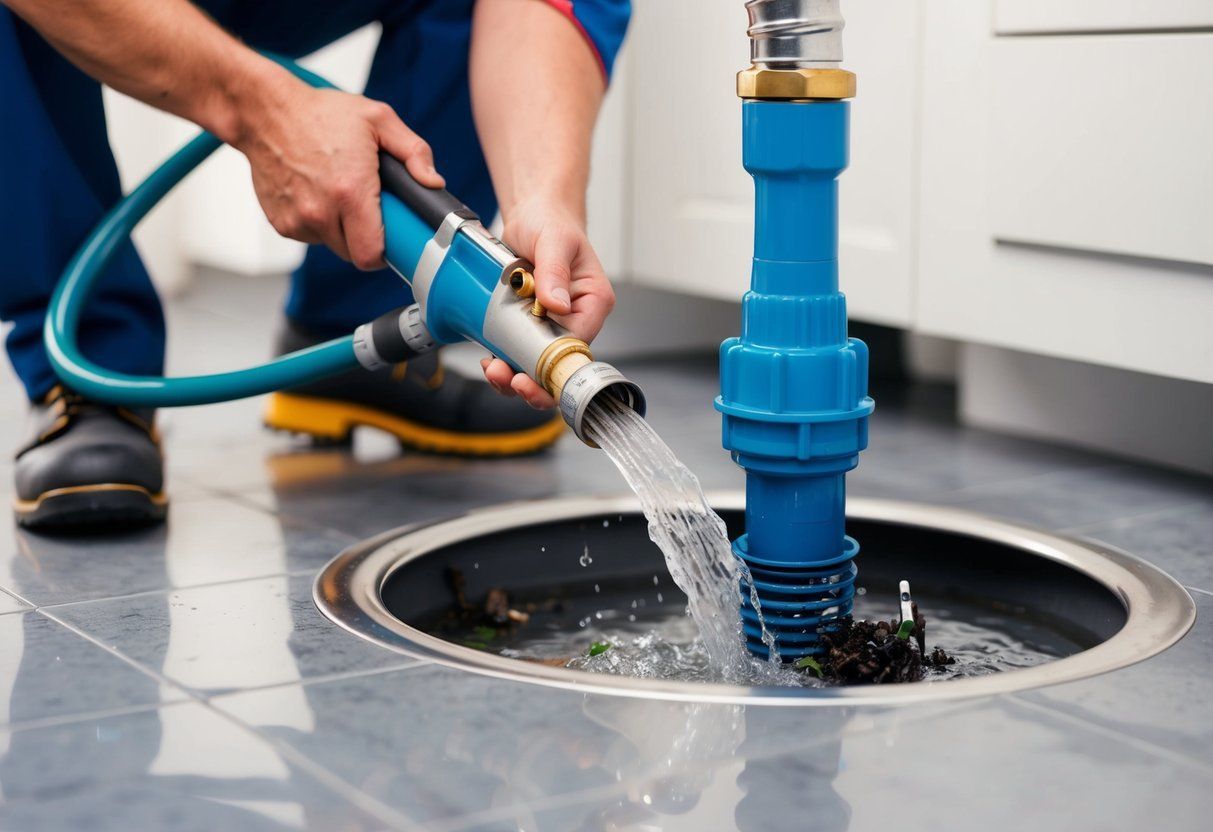
Another key method is hydro-jetting. Using high-pressure water jets, we clean clogs and debris from pipes. This method is effective for tough grease or sediment build-up, ensuring pipes are clear and functional. Hydro-jetting is also environmentally friendly, as it relies on water instead of chemicals.

Chemical Solutions

Chemical drain cleaners can also unclog drains. They break down organic material blocking the pipes. It’s important to use these products carefully, as some can damage pipes if not used properly.

Environmentally safe options are available. These use natural enzymes to dissolve clogs without harmful chemicals, protecting both our plumbing and the environment. We recommend choosing solutions that are safe and effective for most household drains.

Emergency Handling and Prevention

In managing drain emergencies, our main goals are quick action and avoiding costly repairs in the future. Acting quickly can help us minimize water damage and increase customer satisfaction.

Immediate Response to Emergencies

When a drain emergency strikes, speed is crucial. We first identify signs like sewage backups or overflowing drains. These issues need immediate professional help to reduce the risk of serious damage.

Quick response is key to preserving property and preventing water damage.

Our plumbing professionals are trained for these situations. Using rooter services, they can efficiently clear blockages. This ensures drains are opened quickly and minimizes disruption. Being ready to act always keeps us one step ahead of potential issues.

Maintenance and Future Mitigation

To prevent future emergencies, regular maintenance is necessary. Preventive maintenance includes regular drain cleaning and check-ups. Using drain traps and screens can help catch debris and reduce build-up risks.

This method lowers the chance of costly repairs.

Scheduled inspections can spot potential problems early, like tree roots invading pipes. By addressing these proactively, we maintain clear drains and give clients peace of mind. Creating maintenance plans helps keep our plumbing systems in top shape, promising long-term savings.

When to Call a Professional

There are times when it’s best to reach out to a professional for help with drain issues. If your laundry drain is clogged, and you’ve already tried simple fixes like boiling water, it might be time to bring in an expert. Professionals have the tools and knowledge to address serious blockages.

DIY methods can be useful, but sometimes they just aren’t enough. Besides boiling water, other common methods like using baking soda and vinegar or a plunger might not solve the problem. When these tactics fail, we need the expertise of a plumber.

Repeated or severe clogs suggest a bigger problem. If you’re dealing with recurring issues or multiple clogged drains throughout your home, it’s likely time to consult professional services. They can inspect the plumbing system to identify underlying issues.

Strange sounds or odors coming from the drains signal that something isn’t right. We should consider contacting a plumber if there are gurgling noises or unpleasant smells that don’t go away with basic cleaning methods.

In emergencies, having a reliable draining service is crucial. If there’s sewage backup, flooding, or a risk of property damage, it’s wise to call a professional immediately. Quick response can help prevent further issues and save on future repair costs.

Recent Posts

Fast Response Plumbing technician servicing a water shut off valve in San Francisco
By Joe Tinsley July 17, 2026
Learn how gate valves, ball valves, and angle stops work, where to find them in your San Francisco home, and when to replace them. FAQs inside.
Budgeting for Unforeseen Sewer Line Maintenance Expenses
By Stefani January 31, 2026
Sewer line problems can hit your wallet fast, and we know the stress of a surprise repair. We show you how to plan a practical budget that covers emergency fixes, regular upkeep, and the big costs that sneak up on you. This saves you money and keeps small issues from turning into major failures. We […]
Seasonal Effects on Sewer Line Maintenance Costs
By Stefani January 30, 2026
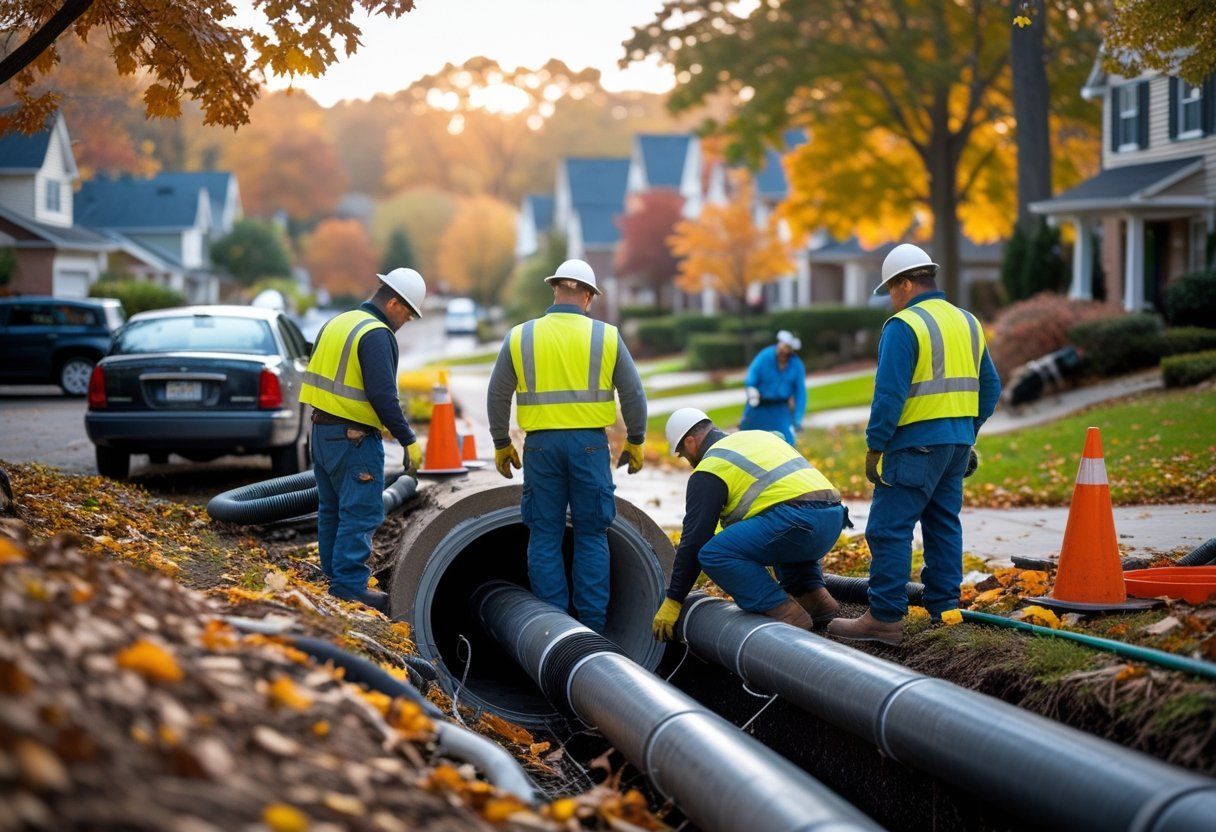
You’ll want to know how seasons change what you pay for sewer line maintenance so you can plan ahead and avoid surprise bills. Seasonal weather, ground movement, and plant growth directly affect repair needs and costs, so budgeting by season cuts unexpected expenses. We outline what shifts costs, when repairs most often happen, and which […]
The Role of Location in Sewer Line Maintenance Pricing
By Stefani January 29, 2026
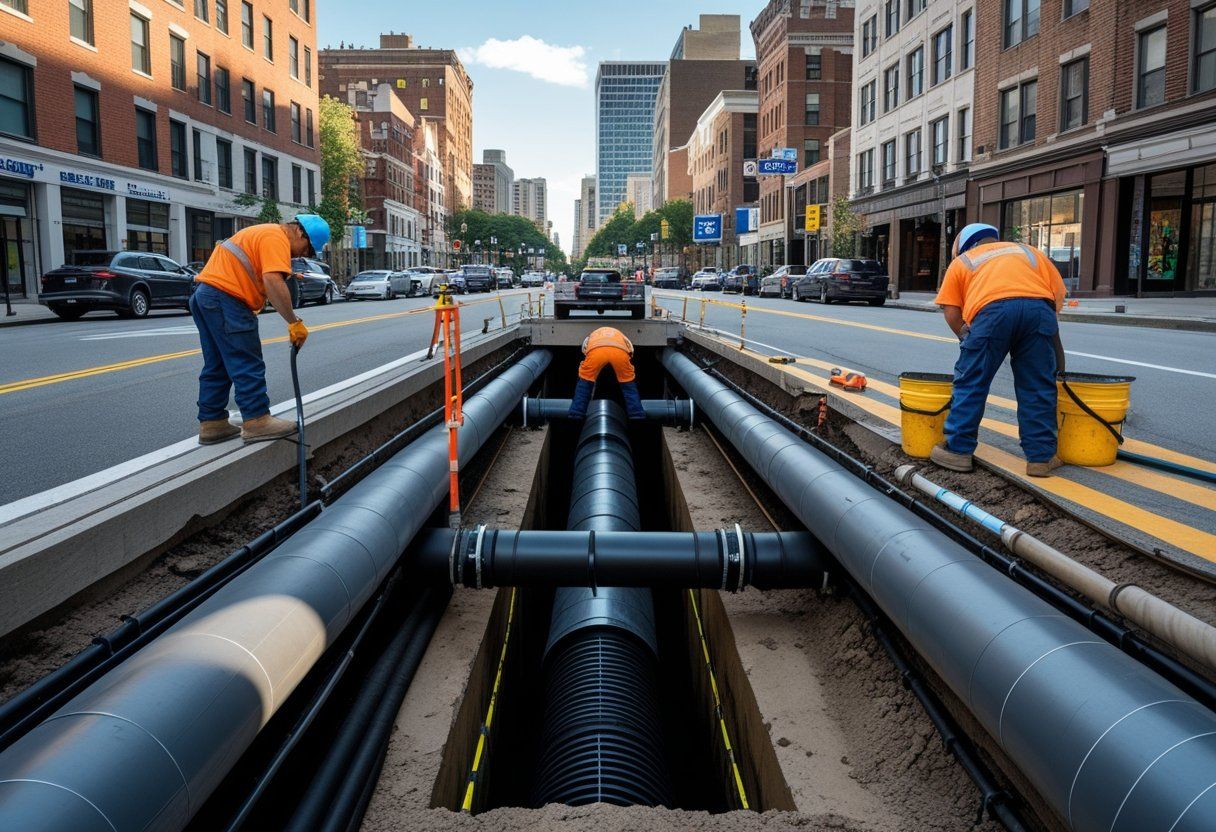
You’ll pay different amounts for sewer line maintenance depending on where your property sits and what’s under it. Location drives cost through factors like soil type, access difficulty, local labor rates, and permit rules, so knowing these lets you predict and plan for expenses. We’ll show how those local details shape quotes and outcomes. We’ll […]
Analyzing Material Expenses for Effective Sewer Line Care
By Stefani January 28, 2026
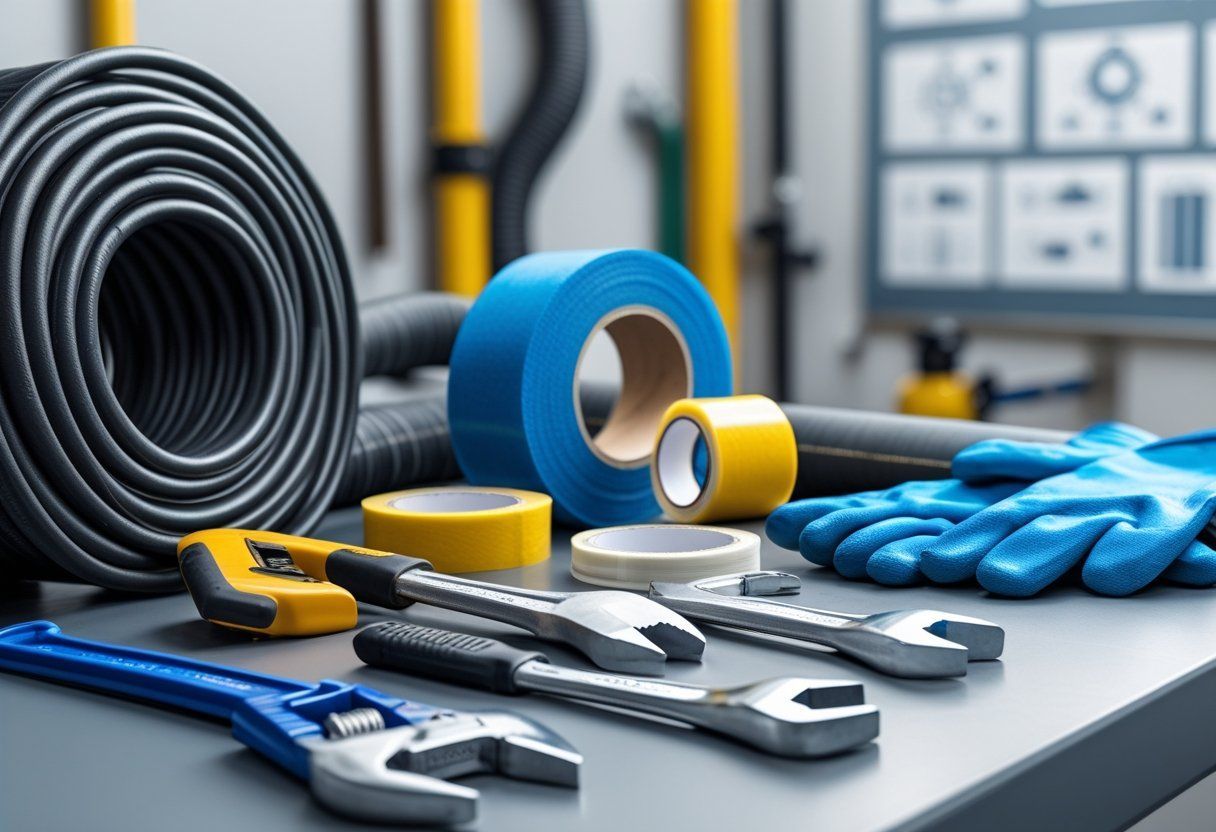
We’ll break down the real costs that matter for keeping a sewer line working well so you can plan and avoid surprises. You’ll learn which materials and fees drive most of the expense and how small choices can lower long-term costs. We’ll look at costs for parts, tools, permits, and regular cleaning, plus where labor […]
Understanding the Impact of Labor Costs on Sewer Line Maintenance
By Stefani January 25, 2026
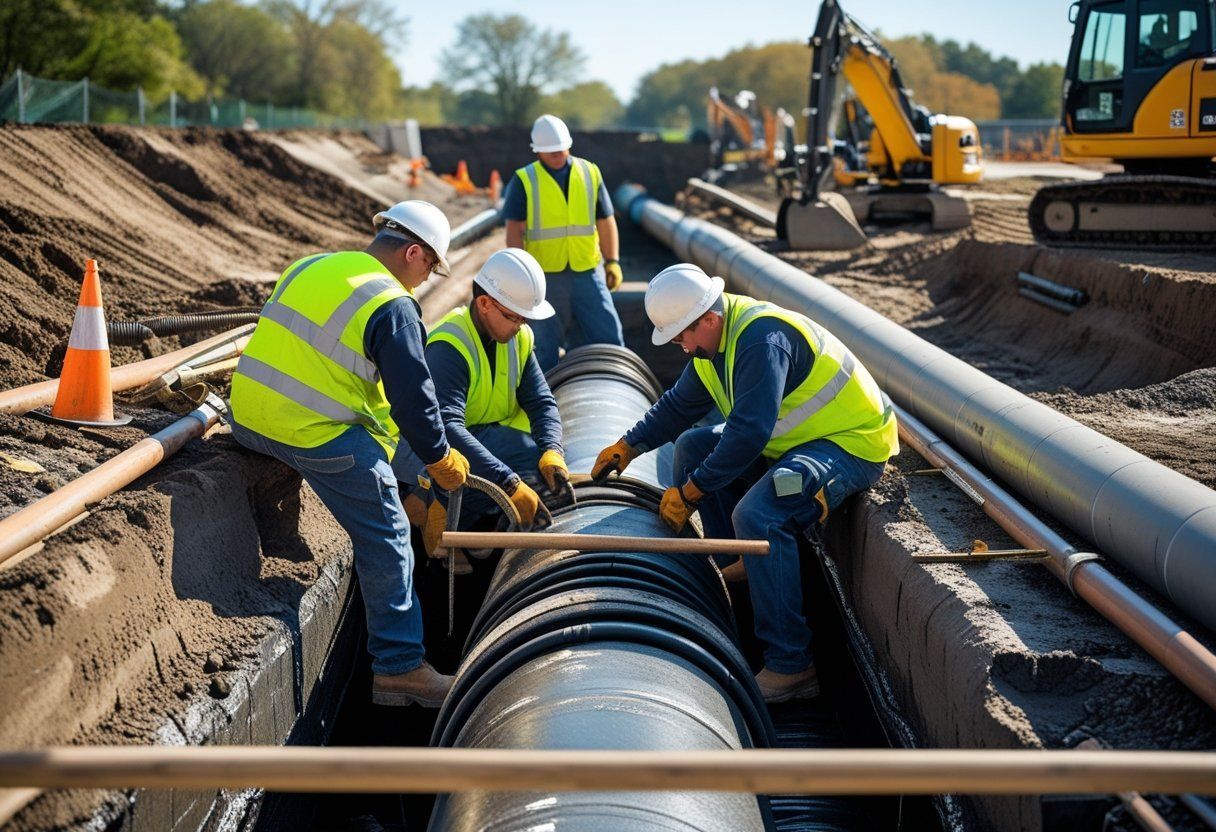
You want to know how labor costs shape sewer line care and what that means for your wallet. We will show how wages, crew size, and the repair method you choose change the final bill so you can plan smarter and avoid surprises. Knowing which labor factors most drive costs lets you pick repair options […]
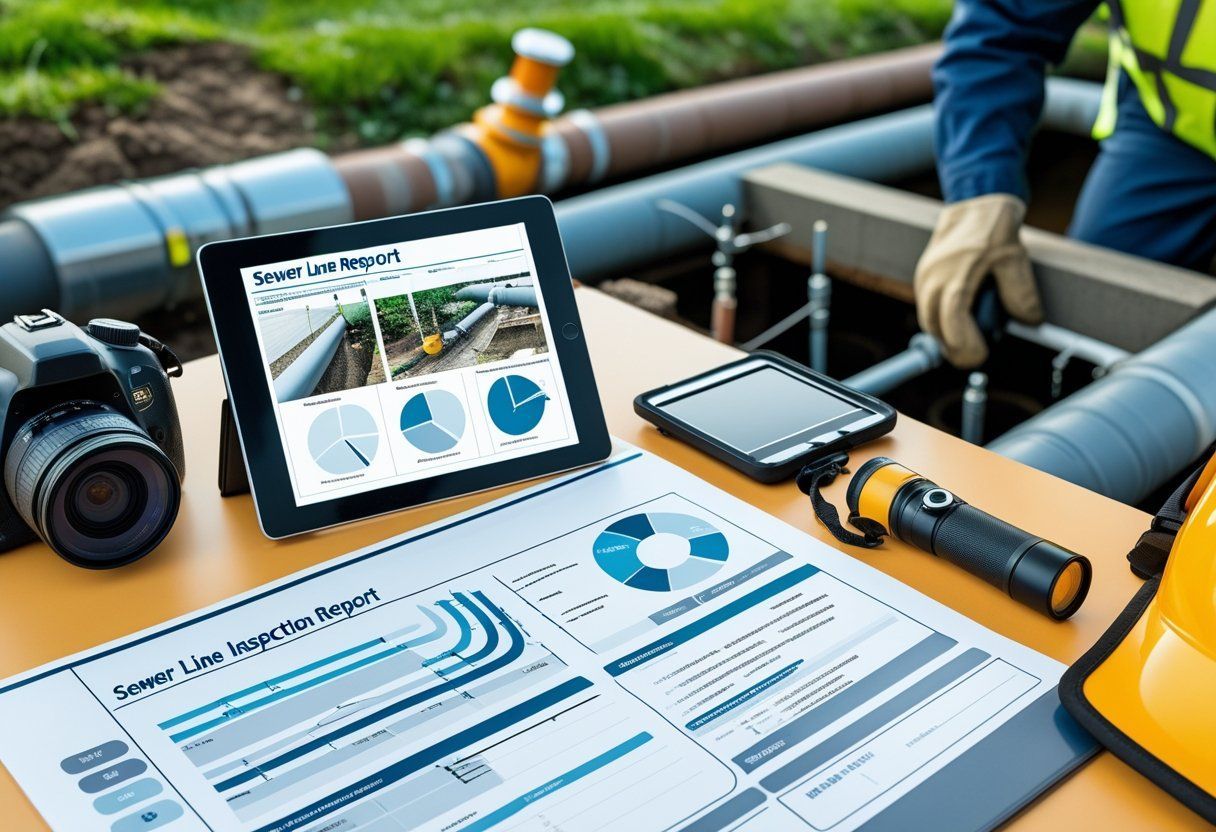
How to Interpret Sewer Line Inspection Reports
By Stefani January 24, 2026
You’ll get clear steps to decode the most important parts of a sewer line inspection report so you can act with confidence. We show you how to spot real problems, what each defect means, and which issues need immediate repair versus routine maintenance. We break the report into simple pieces what the camera images show, […]
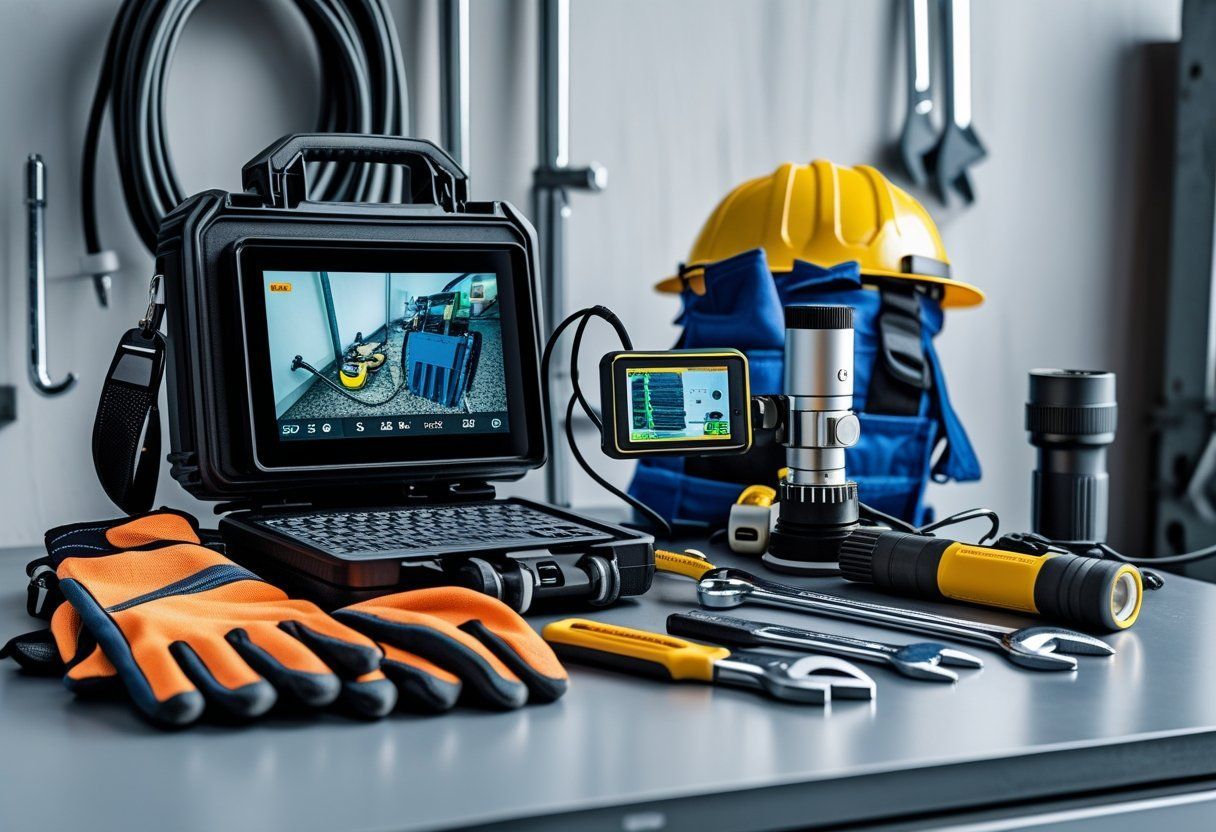
Tool kit with hard hat, gloves, laptop, and handheld device on a workbench in a workshop
By Stefani January 23, 2026
You want tools that give clear answers fast so you can find problems and fix them right. We rely on high-quality sewer cameras, locating gear, and cleaning tools to spot cracks, blockages, and defects in sewer lines accurately. Knowing which tools to use helps a plumber save time and avoid costly mistakes. We will walk […]
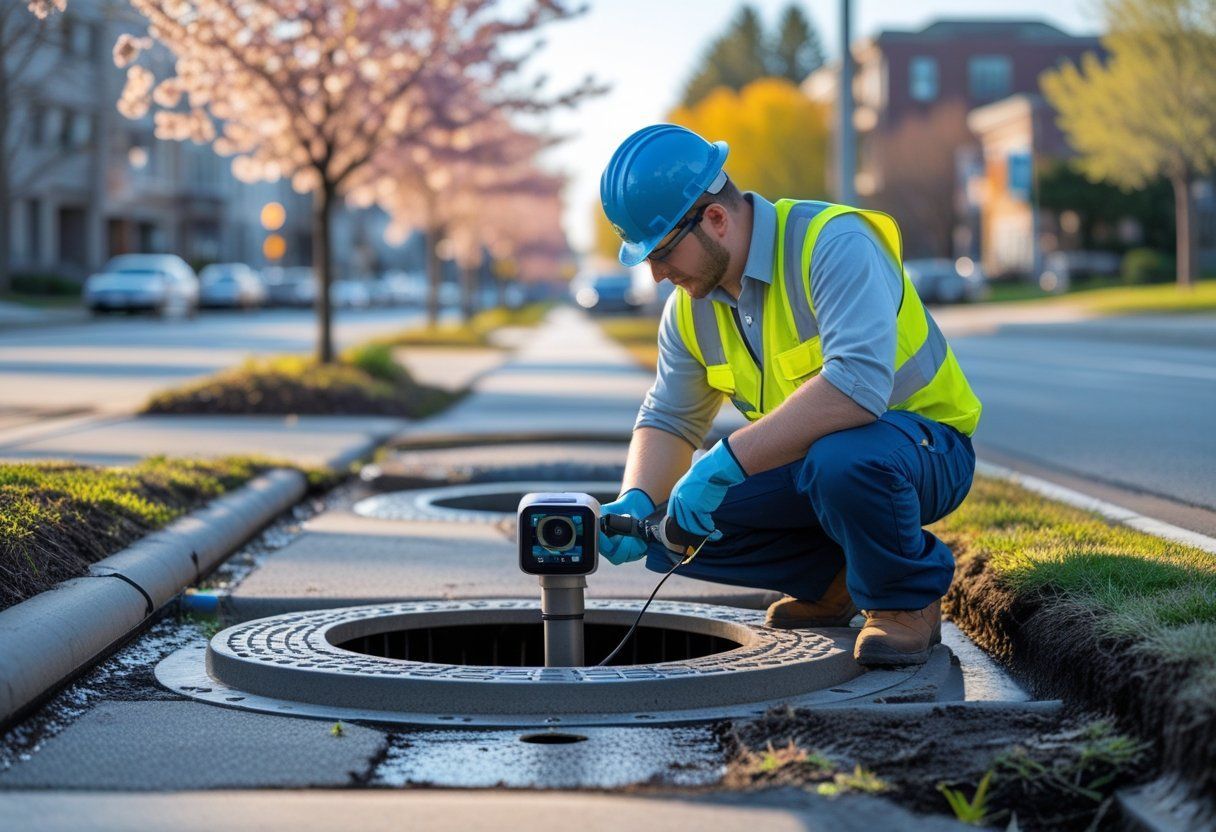
Worker in blue hard hat inspecting a manhole on a street with a camera device
By Stefani January 22, 2026
You want sewer line inspections timed so they catch problems before they get costly or urgent. We recommend scheduling inspections based on seasonal risks winter freeze, spring thaw, and heavy fall rains because timing cuts repair costs and prevents service interruptions. We will explain how weather, soil movement, and tree roots change the risk level […]
Common Mistakes to Avoid During Sewer Line Inspections
By Stefani January 18, 2026
We know sewer line inspections feel technical and tense, but avoiding a few common mistakes protects your home and wallet. Start by planning the inspection, knowing what to look for, and involving a qualified professional when signs point to trouble. That simple approach cuts down on missed problems and costly surprises. We will walk through […]
Show More