
How to Identify Signs of a Sewer Line Problem: Key Indicators and Solutions

Stefani • May 20, 2025

Share this article

Understanding Sewer Line Functionality

Sewer lines play a critical role in the efficient removal of waste from our homes. These systems consist of important components that perform specific functions to ensure everything flows smoothly.

Components of a Sewer System

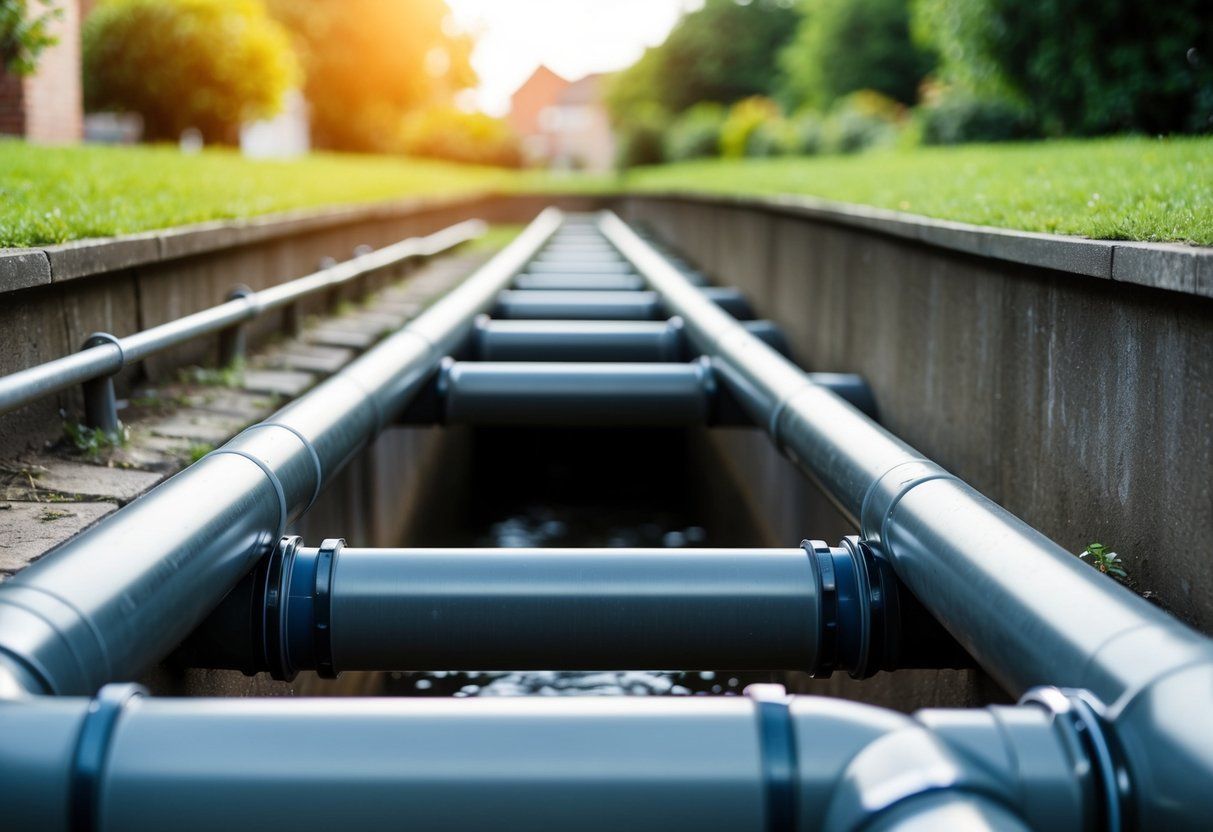
Our sewer system consists of several key parts. The primary sewer pipes connect individual homes to the main sewer line. These pipes must be made from durable materials like PVC or cast iron to withstand corrosion and pressure changes.

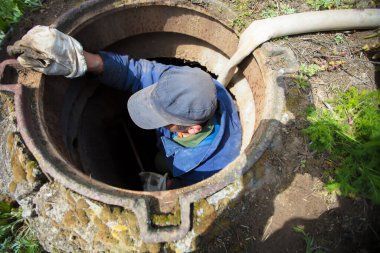
Manholes are integrated for maintenance access, providing entry points for inspection and cleaning. Another crucial component is the septic tank, which is used in areas not connected to a municipal sewer system. This tank collects sewage and facilitates the separation of solids and liquids.

When discussing the parts of a sewer system, we must also mention vent pipes. These pipes help equalize pressure and provide an outlet for sewer gases, ensuring safe and efficient waste flow. Proper installation and maintenance of these components are vital for the system’s functionality.

Common Functions of a Sewer Line

The main function of our sewer line is to transport wastewater from households to treatment facilities. This process begins with waste leaving household plumbing through sewer pipes. The waste is then directed to the main sewer line, which channels it to treatment plants. Efficient systems prevent blockages by ensuring a continuous flow of waste.

Additionally, hydraulic features such as gravity and pumps help keep the waste moving smoothly through the pipes. Manholes and vents play supporting roles, helping maintain pressure balance within the sewer line. Our focus on these common functions helps us maintain a healthy and functional living environment.

Identifying Common Sewer Line Issues

In our homes, sewer line problems can present themselves in a few telling ways. We need to pay attention to clogs, strange smells, and the possibility of backflow to keep everything running smoothly.

Signs of Clogs and Slow Drains

Often, clogs show up as slow drains in sinks or bathtubs. When we notice water draining slower than usual or pooling, it’s a red flag. This can occur from hair, food, or grease buildup. If several drains are slow, it might indicate a bigger issue in the main sewer line.

Using kitchen waste traps and regularly cleaning drains can help. We should be alert if we hear gurgling sounds from drains, as this can indicate trapped air due to a blockage.

Detecting Foul Odors

If we detect foul odors near drains or outside in the yard, sewage may not be flowing properly. When these smells arise, it’s often because of broken pipes or venting issues. The smell is often described as sulfur or rotten eggs, which indicates that something should be inspected.

Regular sewer line maintenance can prevent odors by ensuring everything flows correctly. It’s wise not to ignore unpleasant smells as they usually mean there’s trouble in the system.

Recognition of Backflow Incidents

Backflow incidents are serious and occur when water reverses direction in pipes. This can lead to wastewater entering our clean water supply or spilling into basements. Backflow might happen due to blockages or pressure changes in the sewer system.

Signs include water coming up through floor drains or fixtures flooding with unfamiliar water. We can use backflow prevention devices to safeguard against these issues. Checking for puddles around drains or unusual water movement is crucial to catch potential problems early.

Assessing Structural and Secondary Damage

When dealing with sewer line problems, we need to understand the potential structural damage, risk of mold, and pest invasions. Recognizing these signs early can save us time and money.

Indicators of Structural Damage

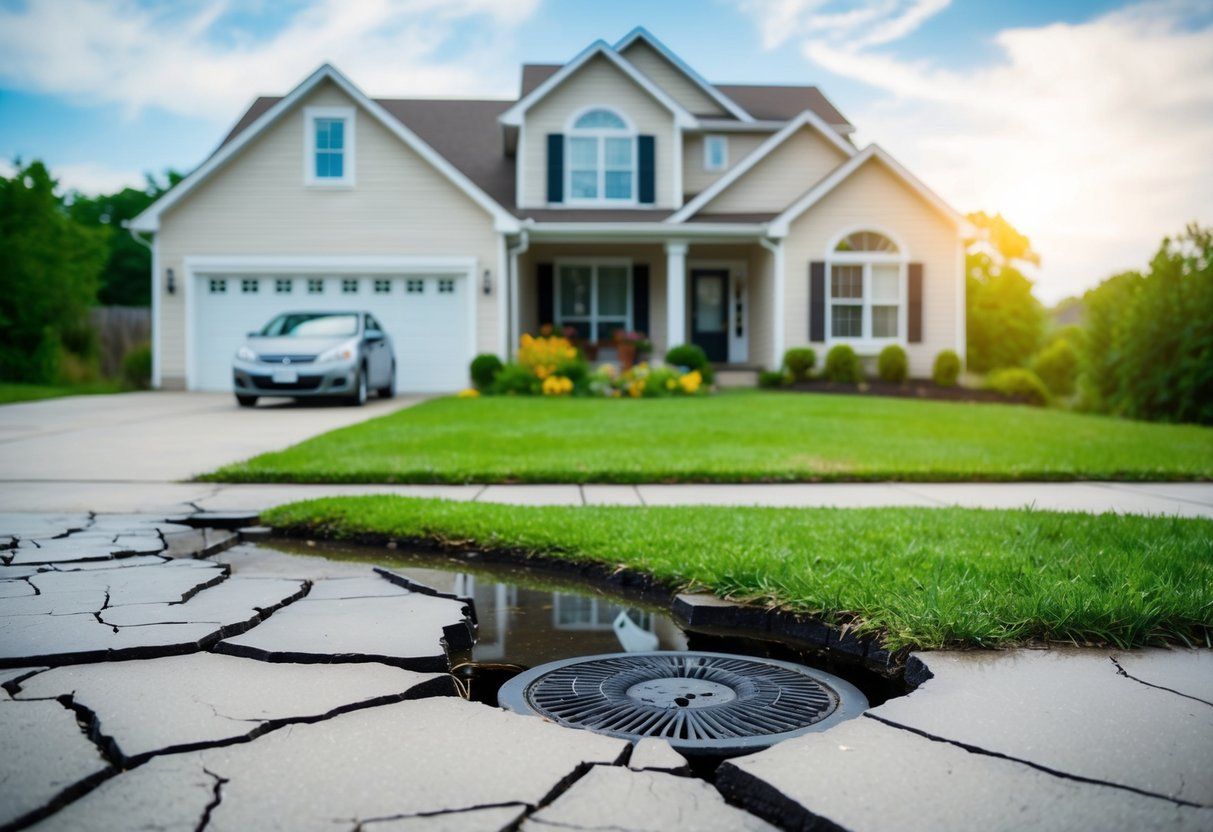
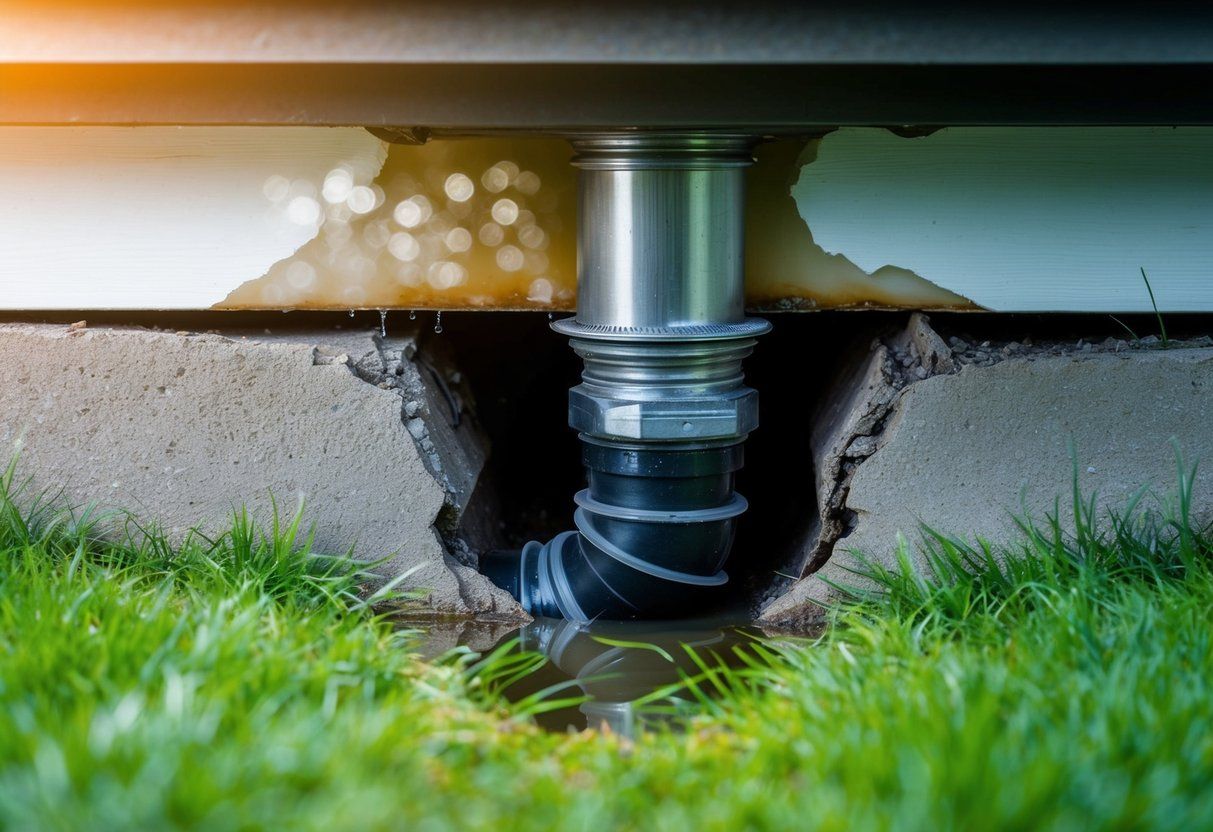
Structural damage might include cracks in walls, floors, or foundations. These happen when a damaged sewer line causes soil erosion or shifting. Our homes can move, leading to warped doors or windows that don’t open easily.

Water stains on ceilings or walls also suggest a leak, which can weaken our property’s structure. Ignoring this could mean costlier repairs down the road. Regular checks can help us catch these signs early and take action swiftly.

Connection Between Sewer Problems and Mold

Sewer issues can lead to moisture build-up, which encourages mold growth. Mold prefers damp, dark places like basements or behind walls. We might notice musty odors or see green, black, or white patches on surfaces.

Mold is not just a nuisance; it can affect our health, causing allergies or respiratory issues. Keeping an eye out for these signs is essential. Repairing sewer line problems quickly can prevent mold from becoming a serious issue for us.

Correlation of Sewer Issues and Pests

Pests, such as rodents or insects, are often attracted to the moisture and organic material from faulty sewer lines. We may notice increased insect activity or see rodents entering our homes through cracks.

These pests can cause damage, spread disease, and be a nuisance. By addressing sewer problems promptly, we can reduce the likelihood of an infestation. Regular inspections and prompt repairs can keep our homes safe from these unwelcome guests.

Professional Approaches to Sewer Line Diagnosis

There are effective methods to diagnose sewer line issues. Key approaches include camera inspection and drain cleaning techniques, both playing crucial roles in identifying and resolving problems.

Role of Camera Inspection in Diagnosis

Camera inspection is vital for understanding sewer line issues. We use a small camera on a flexible rod to explore the inside of pipes, giving us a live video feed. This method helps us spot blockages, cracks, and corrosion. It’s non-invasive and minimizes the need for digging, which saves both time and money.

Visual access to the pipes allows us to pinpoint the exact location and cause of problems. This accuracy ensures targeted repairs, reducing the chance of repeated issues. Camera inspections are not only precise but also help in preventing future problems. They provide a clear picture of what’s going wrong.

Drain Cleaning Techniques

Effective drain cleaning techniques are essential to maintaining the health of sewer lines. Some common methods include hydro jetting and snaking. Hydro jetting uses high-pressure water to remove clogs and debris. This technique is powerful enough to break through even stubborn blockages, such as tree roots.

Snaking involves using a flexible metal wire to reach and clear blockages. Each technique has its benefits. Hydro jetting cleans more thoroughly, while snaking is effective for smaller clogs. By using these techniques, we can keep sewer lines clear and functioning well. Regular cleanings also help in early detection of potential issues.

Repair and Maintenance Strategies

Regular upkeep and timely fixes are key to preventing sewer problems. We’ll look at ways to handle repairs and maintain the health of our sewer lines.

Handling Sewer Line Repair

When sewer lines leak or clog, quick action is important. The first step is to identify the problem by looking for signs like slow drains or strange odors. Hiring a professional plumber is often the best route since they have the necessary tools and experience.

Tools like a sewer camera can help us inspect the pipes for cracks or blockages. Once the issue is pinpointed, solutions vary. We can use hydro jetting to clear blockages or trenchless repair techniques to fix damaged sections without extensive digging. It’s vital to act quickly to avoid bigger problems such as basement flooding or yard damage.

Maintaining Healthy Sewer Lines

Regular maintenance keeps our sewer lines working smoothly. It’s important to avoid flushing anything other than toilet paper, such as wet wipes or fats, which can lead to clogs. Having our sewer lines inspected periodically can help catch small issues before they become costly repairs.

Using enzymatic cleaners monthly can help break down waste in the pipes and prevent buildup. Also, keeping trees and roots away from sewer lines can prevent root intrusion, which is a common problem. Regular maintenance is a wise investment that helps keep our plumbing system reliable and free of unexpected catastrophes.

Recent Posts

Fast Response Plumbing technician servicing a water shut off valve in San Francisco
By Joe Tinsley July 17, 2026
Learn how gate valves, ball valves, and angle stops work, where to find them in your San Francisco home, and when to replace them. FAQs inside.
Budgeting for Unforeseen Sewer Line Maintenance Expenses
By Stefani January 31, 2026
Sewer line problems can hit your wallet fast, and we know the stress of a surprise repair. We show you how to plan a practical budget that covers emergency fixes, regular upkeep, and the big costs that sneak up on you. This saves you money and keeps small issues from turning into major failures. We […]
Seasonal Effects on Sewer Line Maintenance Costs
By Stefani January 30, 2026
You’ll want to know how seasons change what you pay for sewer line maintenance so you can plan ahead and avoid surprise bills. Seasonal weather, ground movement, and plant growth directly affect repair needs and costs, so budgeting by season cuts unexpected expenses. We outline what shifts costs, when repairs most often happen, and which […]
The Role of Location in Sewer Line Maintenance Pricing
By Stefani January 29, 2026
You’ll pay different amounts for sewer line maintenance depending on where your property sits and what’s under it. Location drives cost through factors like soil type, access difficulty, local labor rates, and permit rules, so knowing these lets you predict and plan for expenses. We’ll show how those local details shape quotes and outcomes. We’ll […]
Analyzing Material Expenses for Effective Sewer Line Care
By Stefani January 28, 2026
We’ll break down the real costs that matter for keeping a sewer line working well so you can plan and avoid surprises. You’ll learn which materials and fees drive most of the expense and how small choices can lower long-term costs. We’ll look at costs for parts, tools, permits, and regular cleaning, plus where labor […]
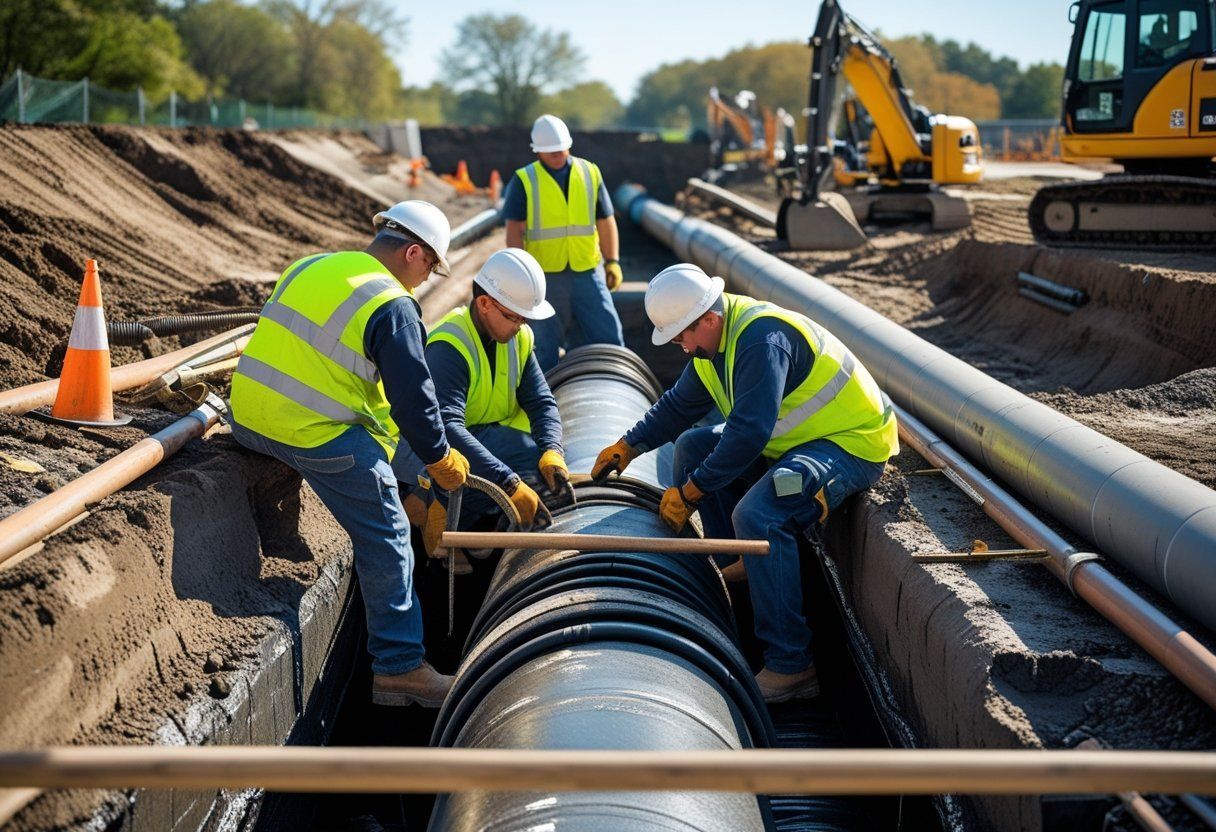
Understanding the Impact of Labor Costs on Sewer Line Maintenance
By Stefani January 25, 2026
You want to know how labor costs shape sewer line care and what that means for your wallet. We will show how wages, crew size, and the repair method you choose change the final bill so you can plan smarter and avoid surprises. Knowing which labor factors most drive costs lets you pick repair options […]
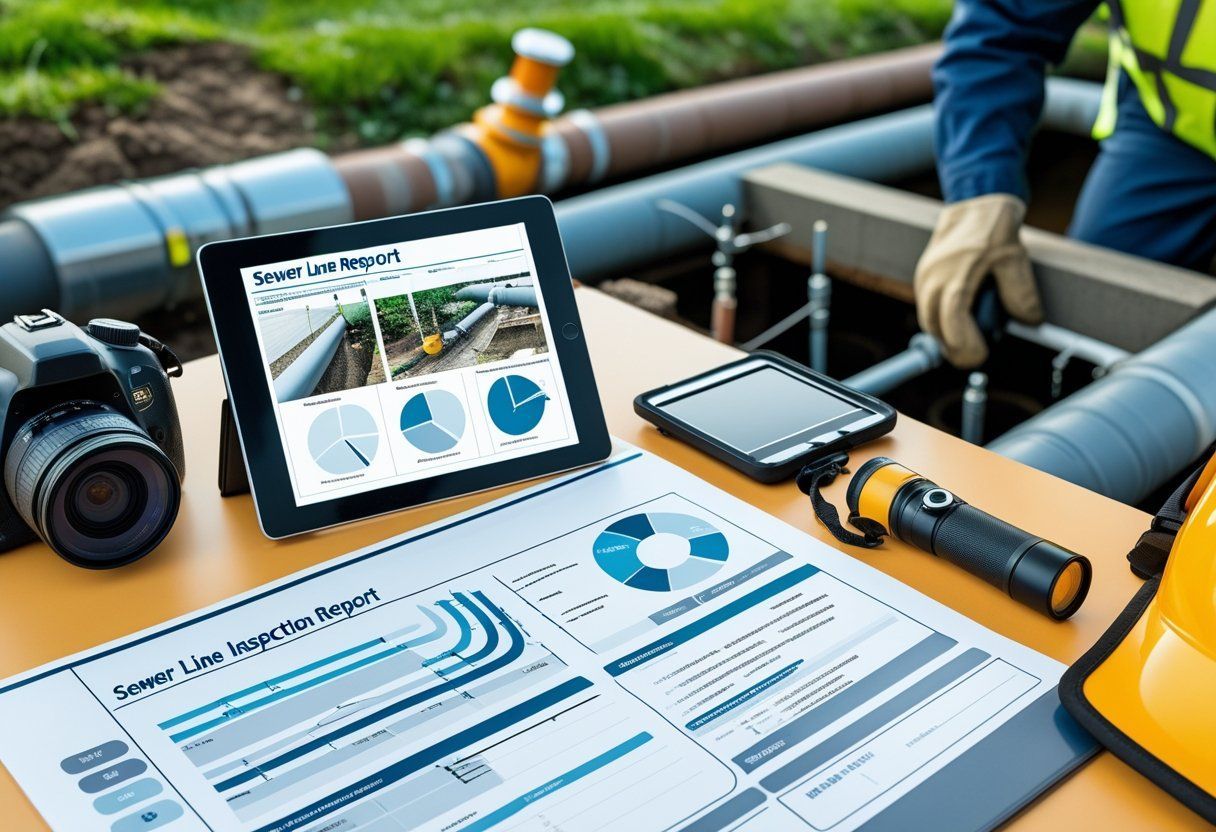
How to Interpret Sewer Line Inspection Reports
By Stefani January 24, 2026
You’ll get clear steps to decode the most important parts of a sewer line inspection report so you can act with confidence. We show you how to spot real problems, what each defect means, and which issues need immediate repair versus routine maintenance. We break the report into simple pieces what the camera images show, […]
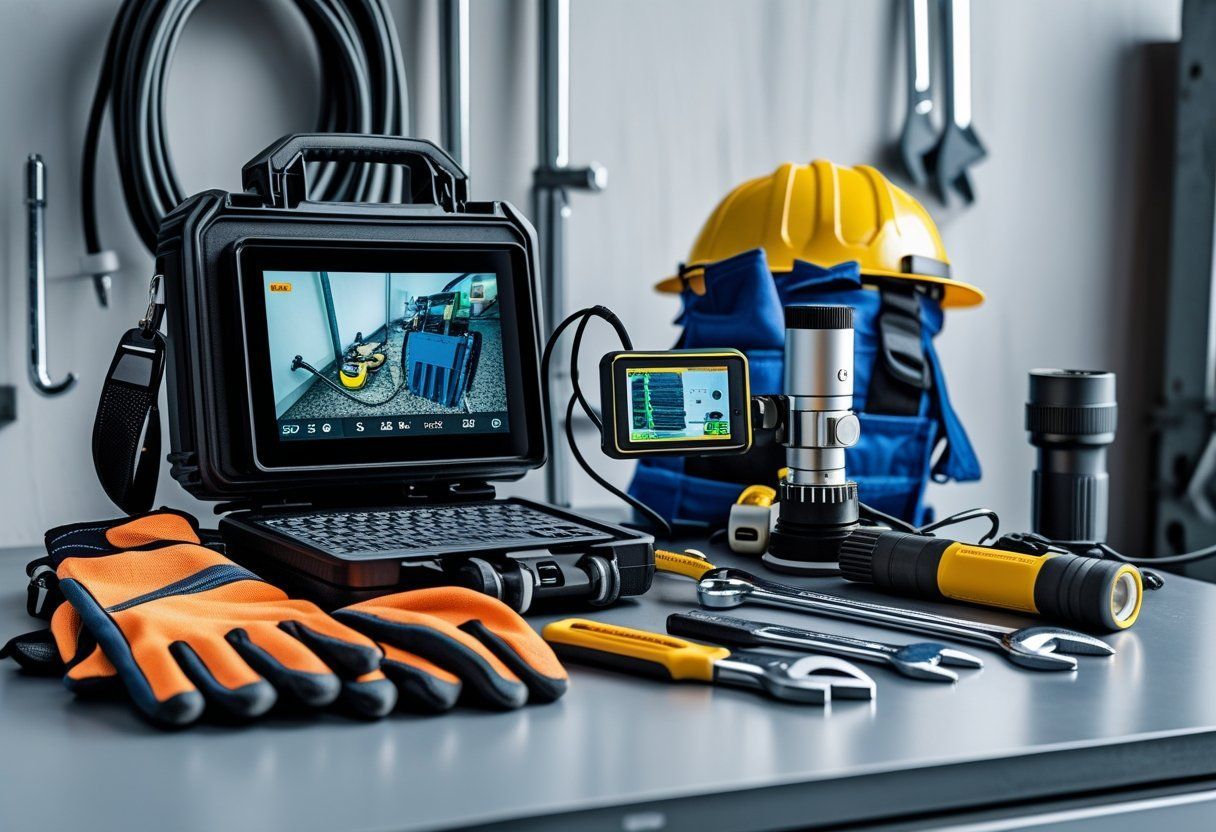
Tool kit with hard hat, gloves, laptop, and handheld device on a workbench in a workshop
By Stefani January 23, 2026
You want tools that give clear answers fast so you can find problems and fix them right. We rely on high-quality sewer cameras, locating gear, and cleaning tools to spot cracks, blockages, and defects in sewer lines accurately. Knowing which tools to use helps a plumber save time and avoid costly mistakes. We will walk […]
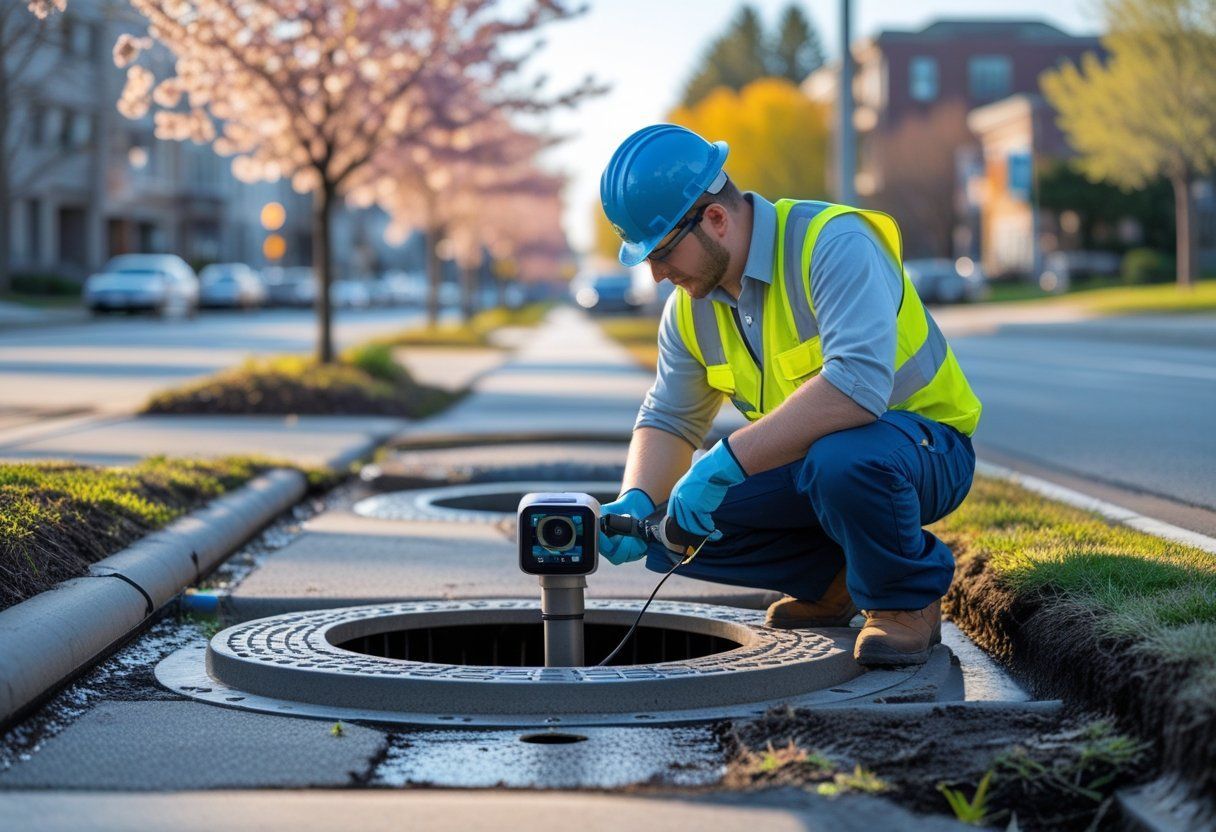
Worker in blue hard hat inspecting a manhole on a street with a camera device
By Stefani January 22, 2026
You want sewer line inspections timed so they catch problems before they get costly or urgent. We recommend scheduling inspections based on seasonal risks winter freeze, spring thaw, and heavy fall rains because timing cuts repair costs and prevents service interruptions. We will explain how weather, soil movement, and tree roots change the risk level […]
Common Mistakes to Avoid During Sewer Line Inspections
By Stefani January 18, 2026
We know sewer line inspections feel technical and tense, but avoiding a few common mistakes protects your home and wallet. Start by planning the inspection, knowing what to look for, and involving a qualified professional when signs point to trouble. That simple approach cuts down on missed problems and costly surprises. We will walk through […]
Show More