

Understanding Common Sewer Line Issues in San Francisco: Causes and Solutions

Stefani • May 19, 2025

Share this article

Overview of San Francisco Sewer Systems

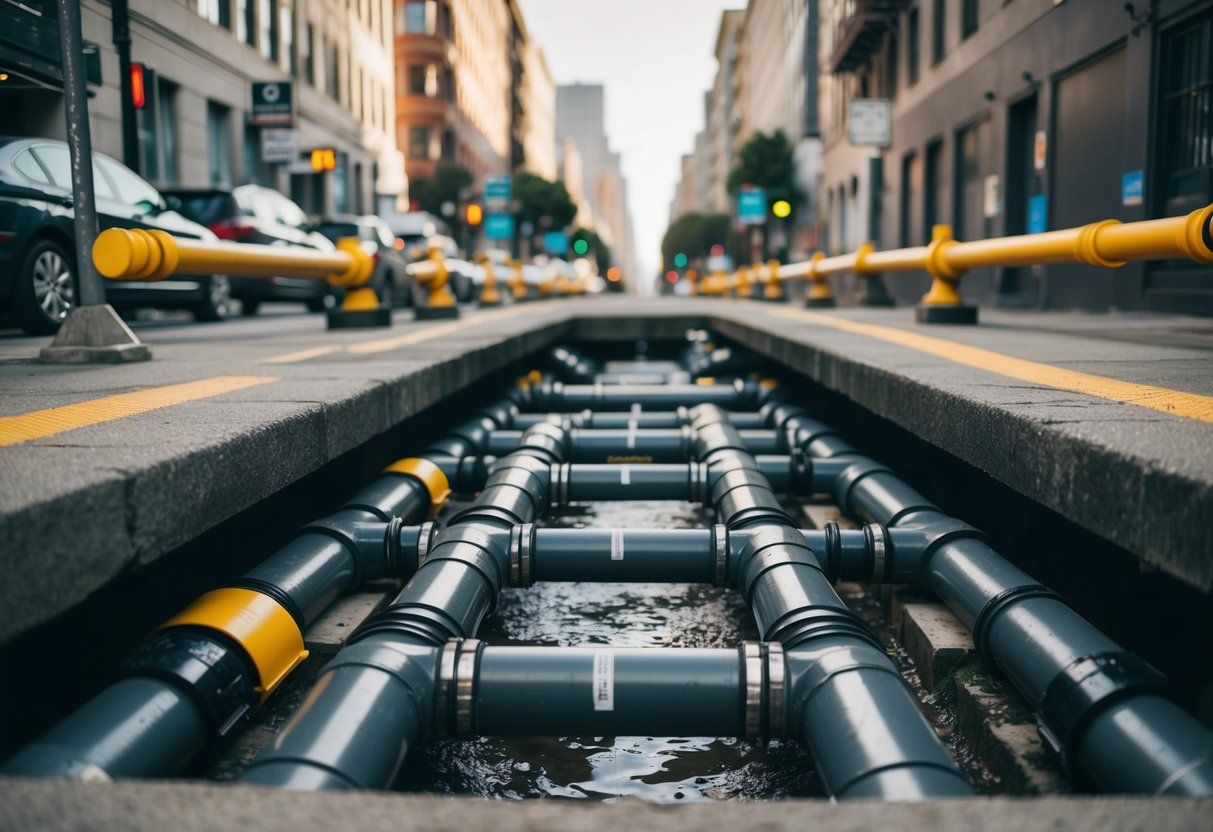
San Francisco’s sewer system is unique. It handles both wastewater and stormwater in an efficient manner. The system uses combined sewer systems, key infrastructure elements, and modern technology to operate smoothly.

Combined Sewer System vs Separate Sewer System

In San Francisco, we rely on mainly a Combined Sewer System (CSS). This means that wastewater and stormwater are managed together in the same pipes. During dry weather, the system carries household wastewater to treatment plants.

In wet weather, the system can handle both stormwater and sewage. This design helps prevent flooding in our city. Meanwhile, Separate Sewer Systems have separate pipes for wastewater and stormwater. These systems don’t mix household waste with rainwater. San Francisco prefers the combined system because of our dense urban environment and hilly landscape.

Key Infrastructure Elements

Our sewer system consists of various components. Storm drains help collect rainwater from streets. These connect to the main sewer tunnels. Retention and detention facilities temporarily hold excess water. This helps manage large storms.

Pump stations are essential to move wastewater through areas with elevation changes. They push water through the force mains, which are pressurized pipes designed for efficient transport. We also use CCTV to inspect and maintain sewer lines. This technology allows us to identify and fix issues quickly, ensuring that our system runs smoothly.

Common Sewer Line Issues and Causes

In San Francisco, sewer lines face unique issues due to factors like infiltration, fats and oils buildup, and aging infrastructure. These challenges affect water quality and sewer maintenance.

Infiltration and Inflow Challenges

Infiltration occurs when groundwater enters sewer lines through cracks or leaks, while inflow happens when stormwater runoff seeps into the system. Together, these can lead to flooding and increased treatment costs. Our city’s hilly terrain and frequent rain events make these issues common.

Managing these problems involves regular sewer maintenance and efficient drainage systems. By sealing cracks and improving infrastructure, we can help prevent excess water from overwhelming our sewers.

Impacts of Fats, Oils, and Grease

Fats, oils, and grease (FOG) from homes and restaurants often find their way into sewers. These substances harden and cause blockages, leading to backups and overflows. FOG buildup can also harm water quality by reducing sewer efficiency.

In San Francisco, strict guidelines are in place to control FOG disposal. We can minimize these issues by disposing of cooking grease properly and using grease traps. Businesses play a key role by following regulations and maintaining their traps.

Aging Infrastructure Deterioration

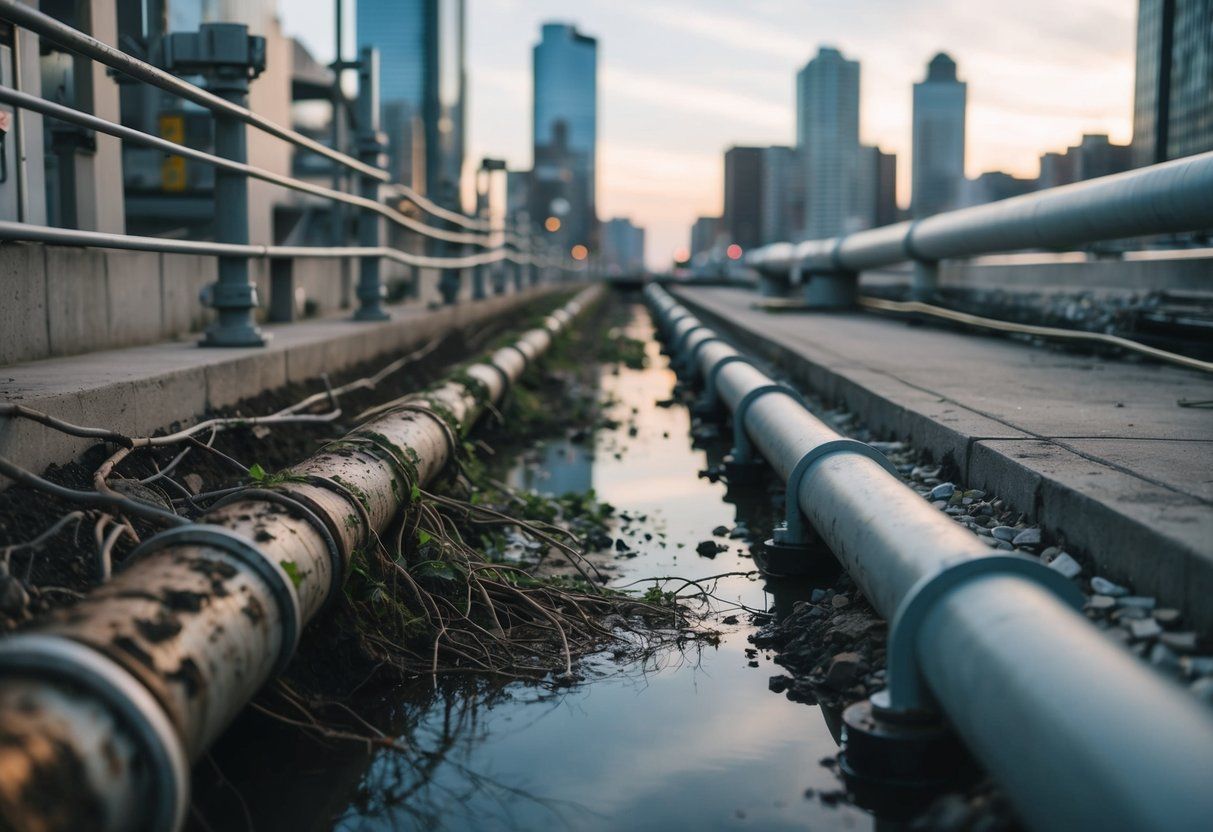
Many of our sewer pipes are decades old, and aging infrastructure can lead to deterioration. Cracks and breaks are common, causing seepage and reduced system capacity. The deterioration of these systems impacts not only water quality but also the reliability of sewage disposal.

By investing in modern materials and techniques, we can upgrade our infrastructure and prevent major failures. Regular inspections and proactive replacements help keep our sewer lines functioning efficiently and reduce the risk of future problems.

Environmental and Public Health Implications

We observe a number of environmental and public health challenges in San Francisco related to sewer line issues. Our focus includes effects on local wildlife and human health due to water pollution and sewage spills. Addressing these problems is key to maintaining a safe and healthy community.

Water Pollution and Wildlife Risks

San Francisco Bay, a vital ecosystem, is at risk from pollutants entering through sewer lines. Wastewater treatment helps, but not all contaminants are removed. When raw sewage escapes, it increases pollution levels. Total Suspended Solids can cloud the water, affecting sunlight penetration and plant growth.

Our local wildlife, from fish to birds, depends on clean waters. Polluted waters harm their habitats, affecting food supplies. For instance, pollutants can lead to reduced oxygen levels in the bay, threatening aquatic life. Stormwater management practices must be improved to limit runoff carrying harmful substances into our waterways.

Sewage Spills and Human Health

Sewage spills pose serious risks to public health. When untreated sewage contaminates drinking water sources like Hetch Hetchy water, it can introduce pathogens. Exposure can lead to illnesses, especially in areas like Bayview Hunters Point. These communities are more vulnerable due to their proximity to the Phelps Raw Sewage Treatment Plant.

It’s crucial to safeguard our drinking water. Preventive measures, such as regular infrastructure checks, reduce the risk of spills and contamination. Public awareness is vital, ensuring we take steps to prevent runoff and limit exposure to polluted waters. Ensuring clean surface waters is a shared responsibility, helping us all stay healthy.

Regulatory Compliance and Environmental Protection

In San Francisco, maintaining sewer line health involves keeping up with regulations and protecting the environment. We’re responsible for following several key laws and guidelines. This ensures cleaner water and a healthier community.

The Clean Water Act and Local Ordinances

The Clean Water Act plays a critical role in managing water pollution. Under this Act, we must adhere to the National Pollutant Discharge Elimination System (NPDES). This system regulates the discharge of pollutants into U.S. waters. In San Francisco, local ordinances complement these federal guidelines. They help us apply specific rules that cater to our region’s unique environmental needs.

Local ordinances also set clear standards for stormwater management and pollution prevention. By following these rules, we aim to minimize pollution impact on the Bay. This requires constant monitoring and adjustments as per water quality objectives set in our area’s Basin Plan. The Basin Plan outlines goals to maintain and improve water quality.

Waste Discharge Requirements

Waste Discharge Requirements (WDRs) are essential for safeguarding our waterways. These requirements outline specific permitting processes for waste discharges. This affects municipal and industrial sources, ensuring that the discharge does not harm the environment. We need to incorporate the state’s water quality objectives in these processes.

Monitoring water quality data is a key component of WDRs. This data helps us assess if current practices are effective. It guides us in preparing Environmental Impact Reports (EIRs). These reports detail how various projects might affect local waterways and ecosystems.

Our comprehensive control program focuses on strategies for pollution reduction. By effectively managing waste discharges and adhering to WDRs, we strive to maintain a balance between urban growth and environmental protection.

Best Practices and Future Innovations in Sewer Management

Effective sewer management involves education initiatives, innovative technologies, and sustainable practices that benefit communities and the environment. By engaging the public and utilizing cutting-edge tools, we can ensure a cleaner and more resilient sewer system for the future.

Public Education and Outreach Initiatives

Public education and outreach are key in preventative sewer management. Educating communities about best management practices helps minimize issues like pollutant discharge and urban runoff. We aim to inform residents about proper disposal of waste and the importance of maintaining clear drains.

Outreach efforts such as workshops and informational campaigns can promote awareness. By partnering with schools and community organizations, we can effectively share knowledge. Using social media and local events, we foster a connected community committed to maintaining our sewage systems.

Technological Advancements in Sewer Line Monitoring

Technological advancements allow us to monitor sewer lines efficiently. Geographic Information Systems (GIS) play a crucial role in tracking and managing sewer infrastructure. With these tools, we can predict potential problems and focus our resources.

Innovations in monitoring technology also enhance emergency response capabilities. By using real-time data, we can address issues quickly, minimizing damage and service disruptions. This proactive approach is crucial for city planning and ensures our wastewater utility operates smoothly.

Sustainable Urban Runoff and Watershed Management

Sustainable urban runoff management is vital for protecting watersheds and enhancing our quality of life. Implementing green infrastructure like rain gardens and permeable pavements helps reduce runoff volume and pollutants entering the sewer system.

We emphasize the importance of collaborating with city and planning departments to integrate sustainable practices. By incorporating nature-based solutions, we can improve long-term asset management and increase the resilience of urban environments. This approach benefits both the community and the ecosystem, creating a healthier and more vibrant city.

Recent Posts

Fast Response Plumbing technician servicing a water shut off valve in San Francisco
By Joe Tinsley July 17, 2026
Learn how gate valves, ball valves, and angle stops work, where to find them in your San Francisco home, and when to replace them. FAQs inside.
Budgeting for Unforeseen Sewer Line Maintenance Expenses
By Stefani January 31, 2026
Sewer line problems can hit your wallet fast, and we know the stress of a surprise repair. We show you how to plan a practical budget that covers emergency fixes, regular upkeep, and the big costs that sneak up on you. This saves you money and keeps small issues from turning into major failures. We […]
Seasonal Effects on Sewer Line Maintenance Costs
By Stefani January 30, 2026
You’ll want to know how seasons change what you pay for sewer line maintenance so you can plan ahead and avoid surprise bills. Seasonal weather, ground movement, and plant growth directly affect repair needs and costs, so budgeting by season cuts unexpected expenses. We outline what shifts costs, when repairs most often happen, and which […]
The Role of Location in Sewer Line Maintenance Pricing
By Stefani January 29, 2026
You’ll pay different amounts for sewer line maintenance depending on where your property sits and what’s under it. Location drives cost through factors like soil type, access difficulty, local labor rates, and permit rules, so knowing these lets you predict and plan for expenses. We’ll show how those local details shape quotes and outcomes. We’ll […]

Analyzing Material Expenses for Effective Sewer Line Care
By Stefani January 28, 2026
We’ll break down the real costs that matter for keeping a sewer line working well so you can plan and avoid surprises. You’ll learn which materials and fees drive most of the expense and how small choices can lower long-term costs. We’ll look at costs for parts, tools, permits, and regular cleaning, plus where labor […]
Understanding the Impact of Labor Costs on Sewer Line Maintenance
By Stefani January 25, 2026
You want to know how labor costs shape sewer line care and what that means for your wallet. We will show how wages, crew size, and the repair method you choose change the final bill so you can plan smarter and avoid surprises. Knowing which labor factors most drive costs lets you pick repair options […]
How to Interpret Sewer Line Inspection Reports
By Stefani January 24, 2026
You’ll get clear steps to decode the most important parts of a sewer line inspection report so you can act with confidence. We show you how to spot real problems, what each defect means, and which issues need immediate repair versus routine maintenance. We break the report into simple pieces what the camera images show, […]

Tool kit with hard hat, gloves, laptop, and handheld device on a workbench in a workshop
By Stefani January 23, 2026
You want tools that give clear answers fast so you can find problems and fix them right. We rely on high-quality sewer cameras, locating gear, and cleaning tools to spot cracks, blockages, and defects in sewer lines accurately. Knowing which tools to use helps a plumber save time and avoid costly mistakes. We will walk […]
Worker in blue hard hat inspecting a manhole on a street with a camera device
By Stefani January 22, 2026
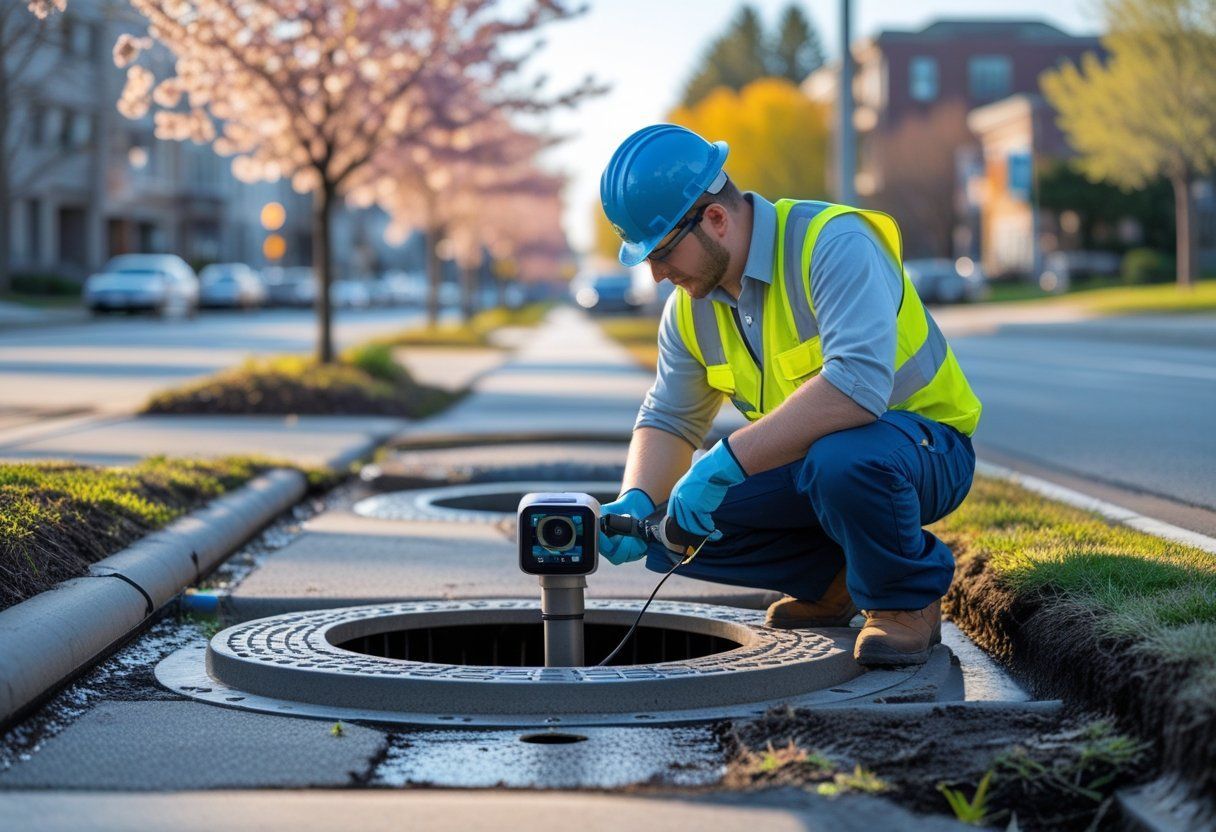
You want sewer line inspections timed so they catch problems before they get costly or urgent. We recommend scheduling inspections based on seasonal risks winter freeze, spring thaw, and heavy fall rains because timing cuts repair costs and prevents service interruptions. We will explain how weather, soil movement, and tree roots change the risk level […]
Common Mistakes to Avoid During Sewer Line Inspections
By Stefani January 18, 2026
We know sewer line inspections feel technical and tense, but avoiding a few common mistakes protects your home and wallet. Start by planning the inspection, knowing what to look for, and involving a qualified professional when signs point to trouble. That simple approach cuts down on missed problems and costly surprises. We will walk through […]
Show More