
How Location Affects Sewer Line Repair Pricing And Regional Cost Differences

Stefani • November 2, 2025

Share this article

Sewer line repairs can vary in cost more than most people expect. What you pay often depends on where you live, not just what’s broken. Location plays a major role in sewer line repair pricing because local labor rates, soil conditions, and permit rules all affect the total cost.

We see big differences between urban and rural areas, and even between neighborhoods in the same city. Some places have older infrastructure that makes repairs harder and more expensive. Others have strict local codes that require extra inspections or materials.

By understanding how location affects pricing, we can plan better and avoid surprises when a repair is needed. This helps us make informed choices about contractors, budgets, and timelines before the work begins.

How Location Impacts Sewer Line Repair Pricing

Sewer line repair costs change based on where we live and how easy it is to reach the damaged line. Labor rates, soil type, and local rules can raise or lower the total price for both repair and replacement work.

Urban Versus Rural Areas

In cities, labor costs are usually higher because of the cost of living and limited space for equipment. Crews often need special tools to work around other underground utilities, which adds time and expense.

Urban projects may also require traffic control permits or parking fees for service trucks. These extra costs can increase the total sewer line repair cost by hundreds or even thousands of dollars.

In rural areas, prices can differ for other reasons. Longer distances between properties raise travel time and fuel costs. However, open space and fewer buried utilities often make digging easier, which can lower labor time.

Location Type Typical Cost Range* Common Challenges
Urban $150-$300 per foot Tight access, permits, traffic
Rural $100-$200 per foot Long travel, limited service options

*Actual costs vary by region and soil condition.

Accessibility and Depth of Sewer Lines

The depth and accessibility of a sewer line directly affect repair pricing. Lines buried deeper than 6 feet need more excavation, safety shoring, and sometimes heavier machinery. These factors can double the cost per foot compared to shallow repairs.

When a line runs under driveways, patios, or garages, we often need to remove and replace surface materials. That adds both labor and restoration costs.

In contrast, easily accessible lines in open yards reduce time and equipment needs. For example, a shallow repair in a clear lawn may cost half as much as one under a concrete slab.

Key cost drivers:

  • Depth of the pipe
  • Type of surface above it
  • Space for excavation equipment

Impact of Structures and Landscaping

Existing structures and landscaping can make sewer line repair more complex. If a line runs under a deck, fence, or tree roots, we must work carefully to avoid damage. This slower pace increases labor hours.

Removing and replacing landscaping features like sod, shrubs, or decorative stone can also raise the final bill. In some cases, we may need to hire separate specialists for restoration work.

Homeowners can expect higher sewer line replacement costs when obstacles limit access. Installing new lines around permanent structures often requires rerouting, which adds materials and inspection fees.

Examples of added costs:

  • Tree removal or root cutting
  • Concrete or paver demolition
  • Re-landscaping after excavation

Local Regulations and Permitting

Every city or county has its own permits and inspection requirements for sewer line work. Permit fees can range from $50 to several hundred dollars depending on the project size.

Some areas require multiple inspections before and after the repair. These steps ensure compliance with health and safety codes but also extend project timelines.

We also face differences in code standards. For example, some regions require specific pipe materials or trench depths. Meeting these standards can raise material and labor costs.

Local rules may even dictate who can perform the work. In certain places, only licensed contractors approved by the municipality can handle sewer line repairs, which can further affect pricing and scheduling.

Factors That Influence Sewer Line Repair Costs

Repair pricing depends on how severe the damage is, what materials the pipes are made of, and the condition of the surrounding soil. Each factor affects the time, equipment, and labor needed to complete the work safely and correctly.

Extent of Sewer Line Damage

The cost of repair often increases with the severity and length of the sewer line damage. Small cracks or leaks may only need spot repairs, while major breaks or tree root intrusion can require full replacement of the affected section.

We usually inspect the line using a video camera to determine the exact problem. If the damage is limited to one area, trenchless repair methods, such as pipe lining or pipe bursting, can reduce both cost and disruption.

However, when the pipe has collapsed or shifted due to soil movement, a full excavation may be unavoidable. Labor, equipment rental, and restoration of the landscape can add to the total price. The longer the damaged section, the higher the cost of materials and time spent on-site.

Pipe Material and Age

Different pipe materials; such as clay, cast iron, PVC, or ABS; affect both repair complexity and cost. Older materials like clay or cast iron are more prone to pipe corrosion and cracking, making them harder to repair.

Pipe Material Common Issues Typical Lifespan
Clay Cracking, root intrusion 50-60 years
Cast Iron Corrosion, scaling 75-100 years
PVC Joint leaks, shifting 100+ years

When we work with older pipes, we often find that partial repairs are not practical. Replacing the entire line may be more cost-effective in the long term. The age of the system also influences pricing because older lines may not meet current codes, requiring upgrades during repair.

Soil Conditions and Contamination

Soil conditions around the sewer line strongly affect repair costs. Loose or sandy soil can collapse easily, requiring more stabilization during excavation. Dense clay soil takes longer to dig through and may need specialized equipment.

If soil contamination from sewage leaks or chemicals is present, we must follow disposal and cleanup regulations, which adds to the expense. Contaminated soil may need to be removed, tested, and replaced with clean fill.

We also consider groundwater levels and frost depth, which can complicate access and increase labor time. In some cases, soil pressure or shifting ground can cause recurring damage, making it necessary to reinforce or relocate the sewer line to prevent future failures.

Repair and Replacement Methods

We use different methods to fix or replace damaged sewer lines depending on the pipe’s condition, soil type, and property layout. Each approach affects cost, time, and surface disruption in unique ways.

Traditional Excavation

Traditional excavation involves digging a trench along the full length of the damaged sewer line. We expose the pipe, remove the broken section, and install new piping. This process is straightforward but labor-intensive.

It often requires heavy equipment and may damage landscaping, driveways, or sidewalks. The cost increases with depth, pipe length, and access difficulty.

This method works best when the line is severely collapsed or when other repair options are not possible. While it takes more time and restoration work, it allows us to inspect the full system and ensure the replacement meets local code standards.

Trenchless Sewer Line Repair

Trenchless repair uses small access points instead of long trenches. We insert specialized tools or liners through existing openings to repair or replace the pipe internally.

This method reduces surface disruption and shortens project time. It is ideal for properties with paved surfaces or landscaping we want to preserve.

Common trenchless techniques include pipe lining and pipe bursting. Although the upfront cost per foot can be higher than excavation, the savings on restoration often balance the total expense.

Trenchless sewer line replacement also limits risk to nearby utilities since we avoid large-scale digging. It’s a practical option for modern neighborhoods with limited space.

Spot Repair and Pipe Lining

Spot repair targets small, localized pipe damage. We excavate or access only the affected area to replace or seal the damaged section. This approach is cost-effective when the rest of the line remains in good condition.

Pipe lining, also called cured-in-place pipe (CIPP), involves inserting a resin-coated liner into the existing pipe. We inflate and cure it to form a new inner wall.

Method Best For Typical Benefit
Spot Repair Small cracks or leaks Lower cost, minimal digging
Pipe Lining Moderate damage Extended pipe life, smooth interior

These methods reduce downtime and extend pipe life without full replacement.

Pipe Bursting and Full Replacement

Pipe bursting replaces old pipes by breaking them apart as we pull a new pipe through the same path. It works for clay, cast iron, or PVC pipes that are too damaged for relining.

This trenchless sewer line replacement method requires only two access pits; one for entry and one for exit. It avoids major excavation and allows us to upsize the pipe if needed.

Full sewer line replacement, whether by bursting or excavation, is necessary when the system fails completely. Though more expensive, it provides a new, durable system that can last decades with proper maintenance.

Additional Considerations and Hidden Costs

We often find that the total cost of sewer line repair includes more than just the replacement itself. Labor, permits, property restoration, and routine maintenance can all increase expenses and affect how long the system lasts.

Labor and Equipment Fees

Labor costs vary depending on the type of work and the tools required. Urban areas with higher living costs often have higher hourly rates for licensed plumbers. In rural areas, travel time may add to the bill.

Specialized equipment like sewer cameras, trenchless repair tools, and excavation machinery can increase the total price. These tools help locate blockages, cracks, or root intrusion without digging unnecessary areas.

We should also consider the number of workers needed. A larger crew may finish faster but raises labor charges. In some cases, companies charge extra for emergency or after-hours service calls.

Cost Factor Typical Impact
Hourly labor rate $75-$200 per hour
Equipment rental $100-$500 per day
Emergency service 1.5-2× standard rate

Permitting and Inspection Requirements

Local governments often require permits and inspections for sewer line repairs. Permit fees depend on the city, county, or state. Urban areas may have stricter rules that require multiple inspections.

We must plan for both the permit application fee and any follow-up inspection costs. A failed inspection can delay the project and lead to rework expenses.

Some areas require environmental or safety inspections when sewer lines run near public utilities or waterways. These steps ensure the repair meets health and safety codes but can add several days to the timeline.

Requirement Possible Cost Range
Basic repair permit $50-$300
Inspection fee $100-$400
Re-inspection or revision $75-$200

Restoration and Property Damage

Repairing or replacing a sewer line often disturbs lawns, driveways, or landscaping. After the work, we may need to restore these areas, which adds to the total cost.

Concrete driveways, patios, or walkways are more expensive to replace than grass or soil. If heavy machinery is used, property damage may include broken sprinkler lines or compacted soil.

We should also account for unpleasant odors or sewer backups that can occur during or after the repair. Cleaning and deodorizing services may be needed to remove bad odors and prevent health issues.

Common restoration costs include:

  • Lawn reseeding: $100-$300
  • Driveway patching: $200-$800
  • Odor cleanup: $150-$400

Preventative Maintenance and Sewer Line Cleaning

Regular sewer line maintenance helps prevent future repairs. Scheduling sewer line cleaning or drain cleaning reduces buildup that can cause slow drains or sewage backups.

We recommend using a sewer camera inspection every few years to check for cracks or root growth. This early detection can save money by avoiding emergency repairs.

Professional cleaning services may use hydro jetting or mechanical rodding. Costs depend on pipe length and condition but are usually lower than major repairs. Preventative care also limits bad odors and keeps wastewater flowing properly.

Maintenance Task Estimated Cost Frequency
Sewer camera inspection $150-$400 Every 2-3 years
Drain or sewer cleaning $100-$500 As needed
Preventative maintenance plan $150-$300/year Annual

Recent Posts

Fast Response Plumbing technician servicing a water shut off valve in San Francisco
By Joe Tinsley July 17, 2026
Learn how gate valves, ball valves, and angle stops work, where to find them in your San Francisco home, and when to replace them. FAQs inside.
Budgeting for Unforeseen Sewer Line Maintenance Expenses
By Stefani January 31, 2026
Sewer line problems can hit your wallet fast, and we know the stress of a surprise repair. We show you how to plan a practical budget that covers emergency fixes, regular upkeep, and the big costs that sneak up on you. This saves you money and keeps small issues from turning into major failures. We […]
Seasonal Effects on Sewer Line Maintenance Costs
By Stefani January 30, 2026
You’ll want to know how seasons change what you pay for sewer line maintenance so you can plan ahead and avoid surprise bills. Seasonal weather, ground movement, and plant growth directly affect repair needs and costs, so budgeting by season cuts unexpected expenses. We outline what shifts costs, when repairs most often happen, and which […]
The Role of Location in Sewer Line Maintenance Pricing
By Stefani January 29, 2026
You’ll pay different amounts for sewer line maintenance depending on where your property sits and what’s under it. Location drives cost through factors like soil type, access difficulty, local labor rates, and permit rules, so knowing these lets you predict and plan for expenses. We’ll show how those local details shape quotes and outcomes. We’ll […]
Analyzing Material Expenses for Effective Sewer Line Care
By Stefani January 28, 2026
We’ll break down the real costs that matter for keeping a sewer line working well so you can plan and avoid surprises. You’ll learn which materials and fees drive most of the expense and how small choices can lower long-term costs. We’ll look at costs for parts, tools, permits, and regular cleaning, plus where labor […]
Understanding the Impact of Labor Costs on Sewer Line Maintenance
By Stefani January 25, 2026
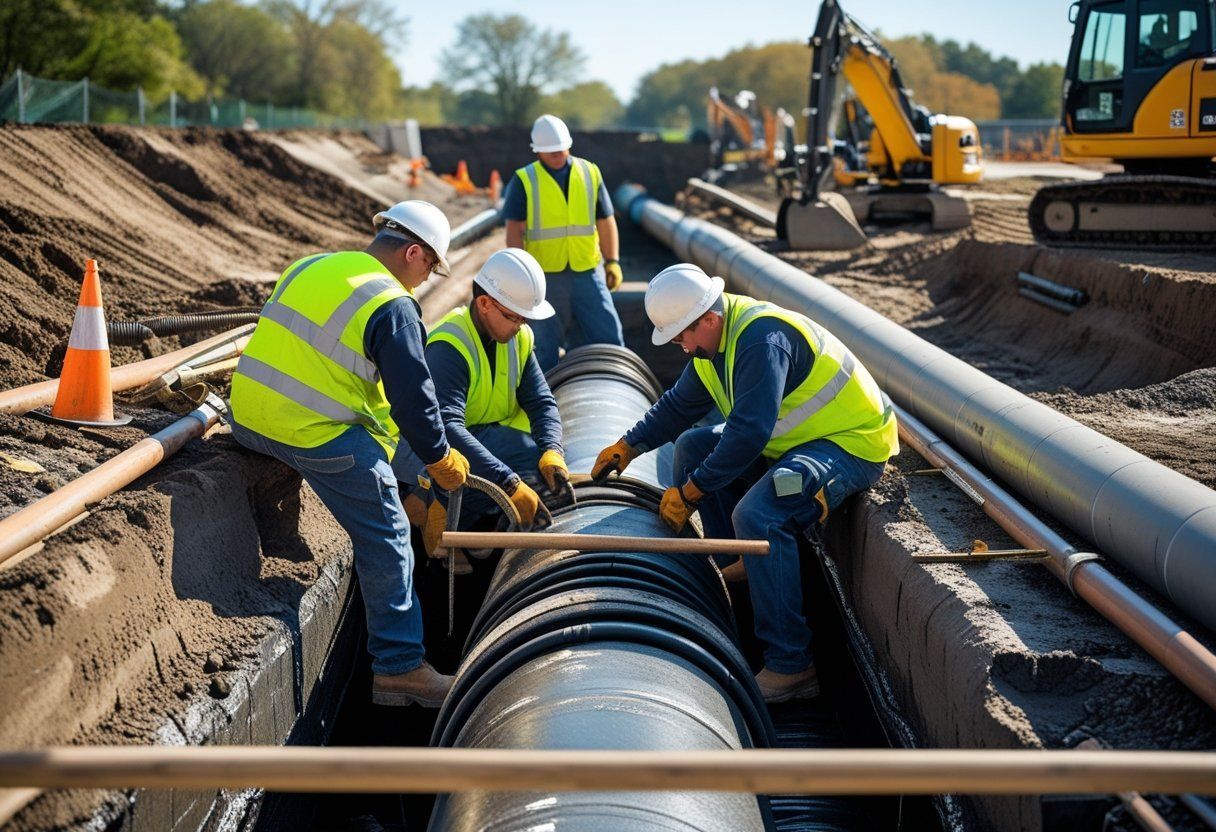
You want to know how labor costs shape sewer line care and what that means for your wallet. We will show how wages, crew size, and the repair method you choose change the final bill so you can plan smarter and avoid surprises. Knowing which labor factors most drive costs lets you pick repair options […]

How to Interpret Sewer Line Inspection Reports
By Stefani January 24, 2026
You’ll get clear steps to decode the most important parts of a sewer line inspection report so you can act with confidence. We show you how to spot real problems, what each defect means, and which issues need immediate repair versus routine maintenance. We break the report into simple pieces what the camera images show, […]

Tool kit with hard hat, gloves, laptop, and handheld device on a workbench in a workshop
By Stefani January 23, 2026
You want tools that give clear answers fast so you can find problems and fix them right. We rely on high-quality sewer cameras, locating gear, and cleaning tools to spot cracks, blockages, and defects in sewer lines accurately. Knowing which tools to use helps a plumber save time and avoid costly mistakes. We will walk […]
Worker in blue hard hat inspecting a manhole on a street with a camera device
By Stefani January 22, 2026
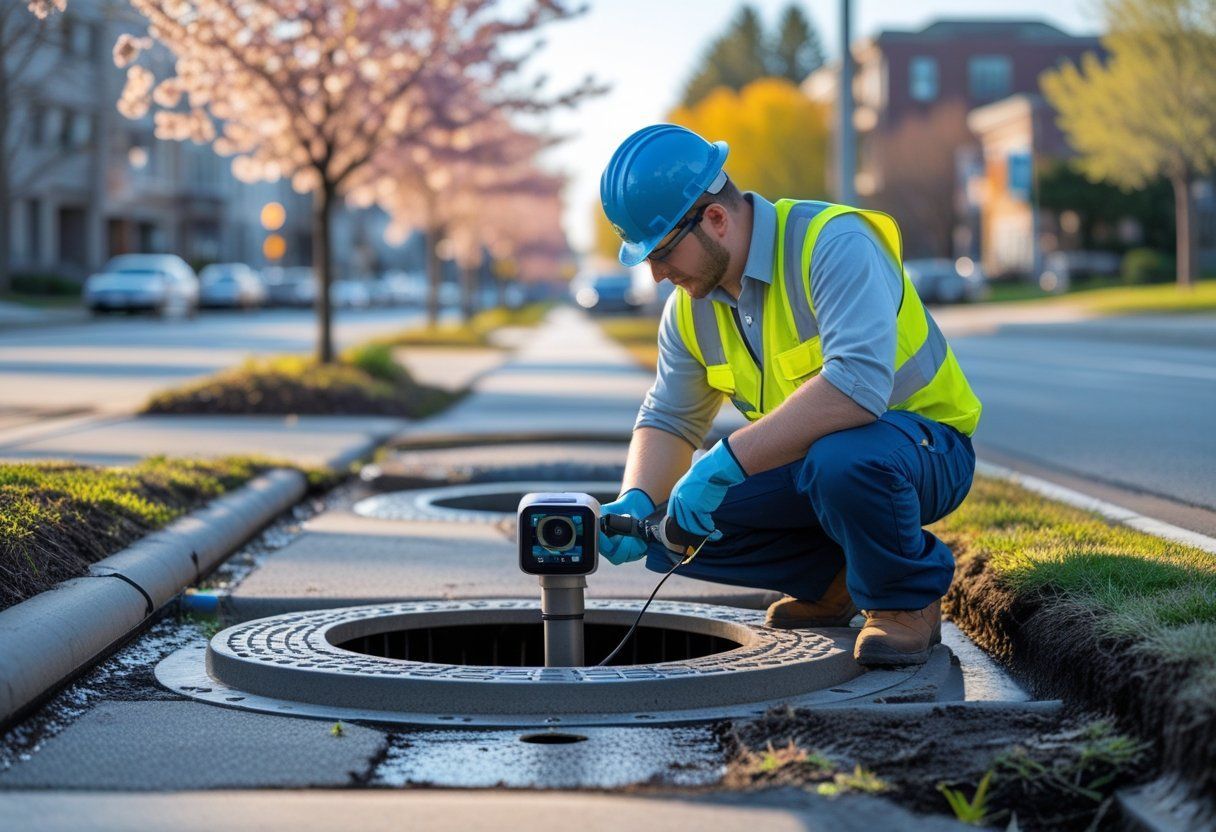
You want sewer line inspections timed so they catch problems before they get costly or urgent. We recommend scheduling inspections based on seasonal risks winter freeze, spring thaw, and heavy fall rains because timing cuts repair costs and prevents service interruptions. We will explain how weather, soil movement, and tree roots change the risk level […]
Common Mistakes to Avoid During Sewer Line Inspections
By Stefani January 18, 2026
We know sewer line inspections feel technical and tense, but avoiding a few common mistakes protects your home and wallet. Start by planning the inspection, knowing what to look for, and involving a qualified professional when signs point to trouble. That simple approach cuts down on missed problems and costly surprises. We will walk through […]
Show More