
Analyzing The Cost Of Non-Trenchless Vs Trenchless Repairs For Efficient Infrastructure Management

Stefani • November 1, 2025

Share this article

Repairing underground pipes can get expensive fast, and the method we choose makes a big difference in total cost. Traditional non-trenchless repairs often mean digging large sections of ground, while trenchless methods fix or replace pipes with minimal excavation. Trenchless repairs usually cost less overall when we factor in labor, surface restoration, and long-term maintenance.

We’ll look closely at what drives these costs and how each method affects our budget. By comparing direct expenses, understanding the technology behind trenchless options, and examining long-term value, we can see where the real savings come from. This approach helps us make practical decisions that balance upfront spending with lasting results.

Direct Cost Comparison: Non-Trenchless vs Trenchless Repairs

We compare the main cost components that influence repair budgets for underground pipe systems. Our focus includes material and equipment expenses, labor and time requirements, and the costs tied to restoring affected surfaces after work is complete.

Material and Equipment Expenses

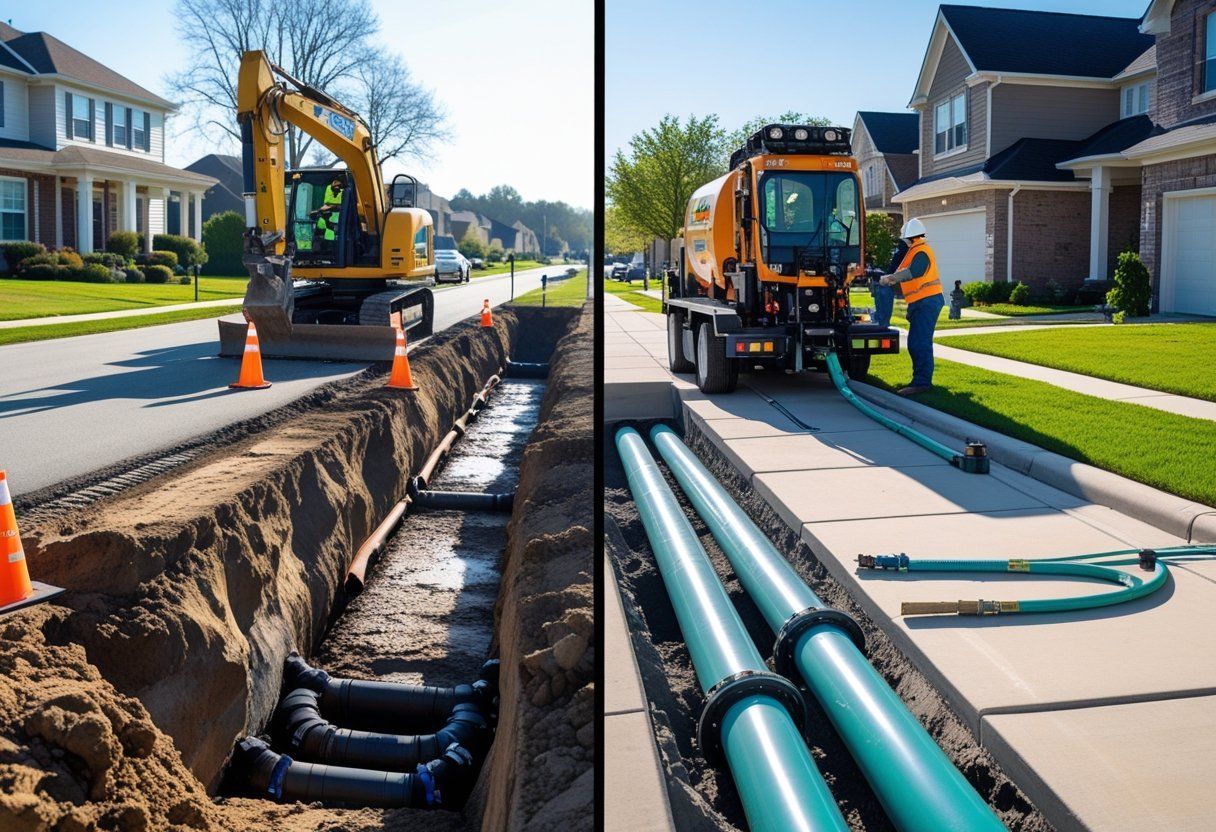
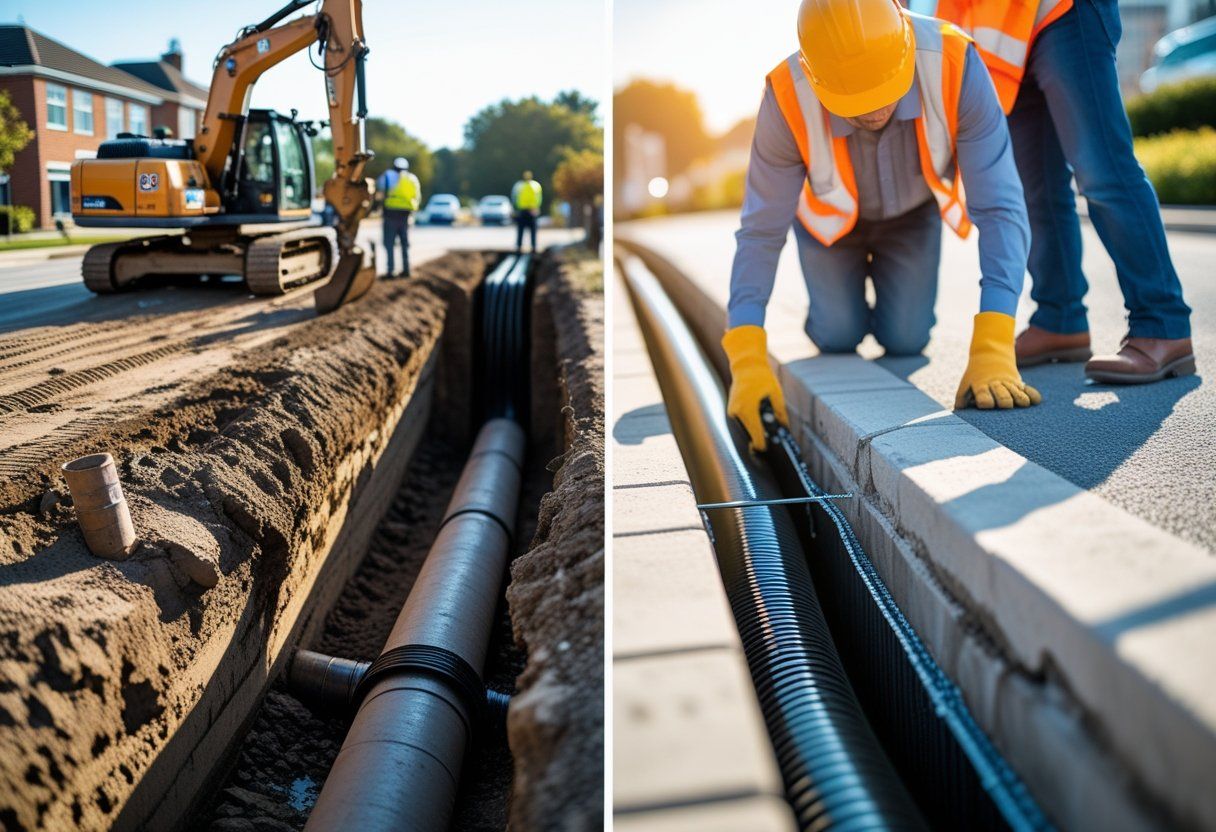
Non-trenchless repairs often rely on heavy machinery such as excavators, dump trucks, and backhoes. These machines raise construction costs through fuel, transport, and rental fees. The open-cut method also requires large quantities of bedding materials, backfill, and replacement pipe sections.

Trenchless methods, including trenchless pipe repair and trenchless technology, use specialized tools like pipe-bursting heads, cured-in-place liners, and pulling equipment. While the equipment itself can be expensive, it typically reduces the need for large-scale excavation.

Method Equipment Needed Typical Cost Impact
Open-Cut (Non-Trenchless) Excavators, dump trucks, loaders High fuel and rental costs
Trenchless Lining systems, pulling rigs, curing units Higher upfront cost, lower surface impact

We find that trenchless repair often balances higher equipment costs with savings from reduced surface disruption and less material waste.

Labor and Time Requirements

The excavation method used in non-trenchless repair demands more manual labor and longer project durations. Workers must dig trenches, remove debris, and handle heavy materials, which increases sewer repair cost through hourly wages and overtime.

In contrast, trenchless methods use smaller crews and shorter work periods. A pipe lining or bursting project might take only a fraction of the time required for open-cut excavation. This efficiency lowers labor costs even if the per-hour rate for skilled trenchless technicians is higher.

Shorter project times also reduce indirect costs such as traffic control and site management. When we account for these factors, trenchless repairs often show a measurable advantage in total labor-related expenses.

Restoration and Surface Repair Costs

After traditional pipe repair using the open-cut method, crews must restore roads, sidewalks, and landscaping. These restoration costs can equal or exceed the original excavation expenses. Asphalt replacement, soil compaction, and landscaping restoration add significant cost to the final bill.

Trenchless repair minimizes surface disturbance, leaving most of the ground intact. Only small access pits are needed, which reduces pavement replacement and landscaping work. This difference is especially important in urban areas where road repair costs are high.

Cost Category Non-Trenchless Trenchless
Pavement Restoration High Low
Landscaping Moderate to High Minimal
Total Surface Repair Expensive Cost-Efficient

By limiting surface damage, trenchless technology helps control one of the largest hidden costs in underground infrastructure projects.

Trenchless Repair Technologies and Methods

We use several trenchless pipe lining methods that allow us to repair or replace underground pipes with minimal surface disruption. Each method offers different benefits depending on pipe condition, material, and access needs.

Cured-in-Place Pipe (CIPP) and Inversion Lining

CIPP lining is one of the most common trenchless rehabilitation methods. We insert a resin-saturated liner into the existing pipe, then cure it with hot water, steam, or UV light to form a new solid pipe inside the old one.

This process restores structural integrity and seals cracks or leaks without removing the original pipe. It works well for sewer, stormwater, and industrial pipelines made of clay, concrete, or cast iron.

Inversion lining uses air or water pressure to invert the liner through the pipe, ensuring tight contact with the host pipe’s surface. The result is a smooth, jointless pipe with a long service life and minimal flow loss.

CIPP requires careful temperature control and resin selection to ensure proper curing and strength. It is efficient for pipes with bends or limited access points.

Pipe Bursting and Sliplining

Pipe bursting replaces old pipes by breaking the existing pipe outward while pulling in a new one of equal or larger diameter. We use a bursting head attached to a pulling rod or cable to fracture the old pipe.

This method is effective for severely damaged or undersized lines, especially when upsizing is needed. It minimizes excavation to only the entry and exit pits, reducing surface restoration costs.

Sliplining involves inserting a smaller-diameter pipe into the old one, then grouting the space between them. It is simpler but slightly reduces the internal diameter.

Method Purpose Diameter Change Excavation Needed
Pipe Bursting Replace and upsize Increases Minimal
Sliplining Rehabilitate Decreases Minimal

Both methods extend service life and improve flow reliability with limited disruption.

Spray-In-Place and Pull-In-Place Lining

Spray-in-place pipe (SIPP) uses a robotic sprayer to apply a resin or polymer coating along the interior of the pipe. This creates a corrosion-resistant, seamless barrier that prevents leaks and infiltration.

It is ideal for pipes with minor corrosion or where structural replacement isn’t required. The process is quick and useful for smaller diameter pipes.

Pull-in-place lining positions a pre-measured resin-saturated liner inside the pipe using ropes or cables. Once in place, we inflate and cure it with steam or UV light, forming a tight-fitting new layer.

Both methods provide trenchless pipe lining options that reduce downtime and surface impact. They are best suited for pipe rehabilitation projects where maintaining existing flow paths is important.

Key Factors Affecting Repair Costs

Repair costs depend on several measurable factors, including the size and type of pipe, the ground and environmental conditions, and how easily crews can reach the work area. Each factor influences both the method and total expense of restoring underground pipelines.

Pipe Diameter and Material Considerations

Pipe diameter directly affects the repair method and cost. Larger pipes require more equipment, specialized fittings, and longer installation times. For example, replacing a 24-inch main costs more per foot than a 6-inch service line due to higher material and machinery needs.

Pipe material also plays a major role. High-density polyethylene (HDPE) and PVC are lightweight and easier to handle, while steel or concrete pipes demand heavier lifting equipment. HDPE pipes often reduce labor costs because they can be fused instead of joined with couplings.

We also consider the pipe’s age and condition. Older materials like clay or cast iron may need full replacement rather than spot repairs. The table below shows how material choice influences cost and durability:

Pipe Material Typical Lifespan (Years) Relative Cost Common Use
HDPE 50-100 Moderate Water, sewer, gas
PVC 40-80 Low Water lines
Steel 50+ High High-pressure systems
Concrete 75+ High Large mains

Soil and Environmental Conditions

Soil type and moisture strongly impact repair costs. Soft or sandy soil is easier to excavate, while rocky or clay-heavy ground slows work and increases labor hours. Wet or unstable soil may require shoring or dewatering, adding to the total expense.

In environmentally sensitive areas, such as wetlands or near waterways, we must follow strict regulations. These may limit excavation or require additional containment measures. Trenchless methods often cost more upfront but reduce surface disruption and environmental impact.

We also assess how soil chemistry affects pipe materials. Corrosive soils shorten the lifespan of metal pipes, increasing long-term maintenance costs. Choosing corrosion-resistant materials like HDPE can lower future repair frequency and cost.

Project Complexity and Site Accessibility

Complex projects drive up costs due to added planning, permits, and specialized labor. When underground pipelines run beneath roads, buildings, or utilities, crews need extra safety steps and coordination with local agencies.

Limited site access also increases expenses. Urban areas with narrow streets or heavy traffic require smaller equipment and night work, both of which raise labor rates. In contrast, open rural sites allow faster setup and lower overall cost.

We evaluate access routes, surface restoration needs, and any utility conflicts before estimating. These factors determine whether a trenchless or non-trenchless approach is more practical and cost-effective for the specific site.

Long-Term Value and Lifecycle Cost Analysis

We evaluate how repair methods perform over time by comparing maintenance needs, durability, and the broader effects on communities and environments. Our focus is on total ownership costs rather than just the initial installation price.

Maintenance and Durability

Trenchless construction methods, such as horizontal directional drilling (HDD) and pipe bursting, often extend the service life of underground infrastructure. Because these methods cause less surface disruption, the repaired sections face fewer issues from soil movement and surface load.

In contrast, non-trenchless repairs typically require more frequent maintenance due to joint failures or ground settlement after excavation. Each excavation can reduce the structural integrity of nearby utilities, leading to higher long-term costs.

Method Typical Service Life Maintenance Frequency
Trenchless (HDD, pipe bursting) 50-100 years Low
Non-trenchless (open-cut) 30-60 years Moderate to High

We find that trenchless sewer repair often reduces lifecycle maintenance expenses by limiting exposure to weather, traffic, and soil pressure. Fewer repairs over decades translate into lower cumulative costs and less downtime.

Minimizing Social and Environmental Impact

Trenchless construction reduces surface disruption, which helps maintain road access, landscaping, and nearby businesses. Less excavation means fewer truck trips, less dust, and lower carbon emissions. This approach benefits both residents and the environment.

Non-trenchless methods involve open trenches, which can block traffic lanes, increase noise, and disturb vegetation. These impacts often lead to indirect costs such as traffic control, property restoration, and lost business revenue.

We also consider soil and water protection. Trenchless methods use controlled drilling fluids in HDD to minimize contamination and erosion. Proper fluid management and monitoring help us meet environmental regulations while reducing cleanup costs.

Suitability for Urban and Sensitive Areas

Urban areas with dense infrastructure benefit most from trenchless techniques. When we use HDD or pipe lining, we avoid damaging existing utilities and reduce the risk of service interruptions. This precision matters in cities where water, gas, and communication lines share limited space.

In sensitive habitats (hab) or near waterways, trenchless construction limits ground disturbance and protects ecosystems. The smaller surface footprint allows work in protected zones without large-scale excavation.

Non-trenchless repairs, by contrast, require open trenches that can displace soil and affect nearby roots or wildlife. The added restoration work increases both cost and project time. For these reasons, trenchless methods often provide better long-term value in complex or environmentally sensitive locations.

Recent Posts

Fast Response Plumbing technician servicing a water shut off valve in San Francisco
By Joe Tinsley July 17, 2026
Learn how gate valves, ball valves, and angle stops work, where to find them in your San Francisco home, and when to replace them. FAQs inside.
Budgeting for Unforeseen Sewer Line Maintenance Expenses
By Stefani January 31, 2026
Sewer line problems can hit your wallet fast, and we know the stress of a surprise repair. We show you how to plan a practical budget that covers emergency fixes, regular upkeep, and the big costs that sneak up on you. This saves you money and keeps small issues from turning into major failures. We […]
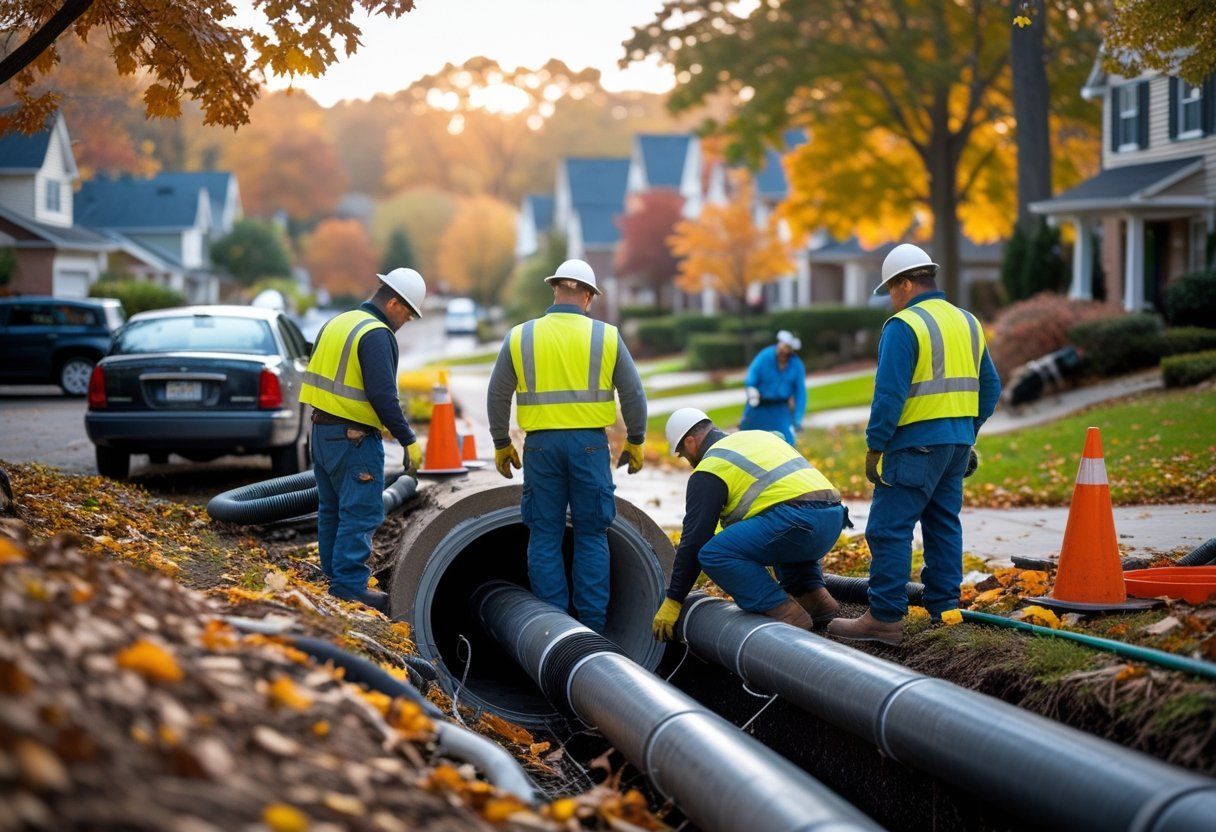
Seasonal Effects on Sewer Line Maintenance Costs
By Stefani January 30, 2026
You’ll want to know how seasons change what you pay for sewer line maintenance so you can plan ahead and avoid surprise bills. Seasonal weather, ground movement, and plant growth directly affect repair needs and costs, so budgeting by season cuts unexpected expenses. We outline what shifts costs, when repairs most often happen, and which […]
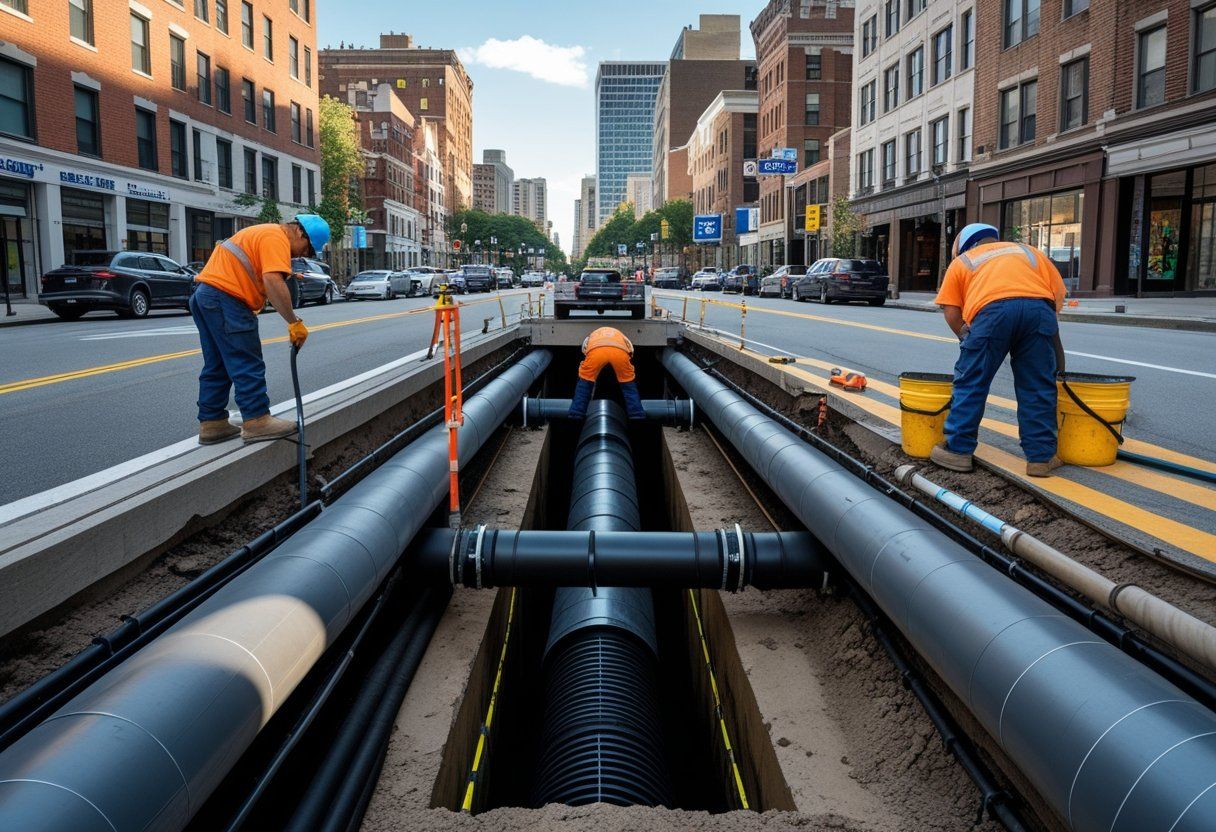
The Role of Location in Sewer Line Maintenance Pricing
By Stefani January 29, 2026
You’ll pay different amounts for sewer line maintenance depending on where your property sits and what’s under it. Location drives cost through factors like soil type, access difficulty, local labor rates, and permit rules, so knowing these lets you predict and plan for expenses. We’ll show how those local details shape quotes and outcomes. We’ll […]
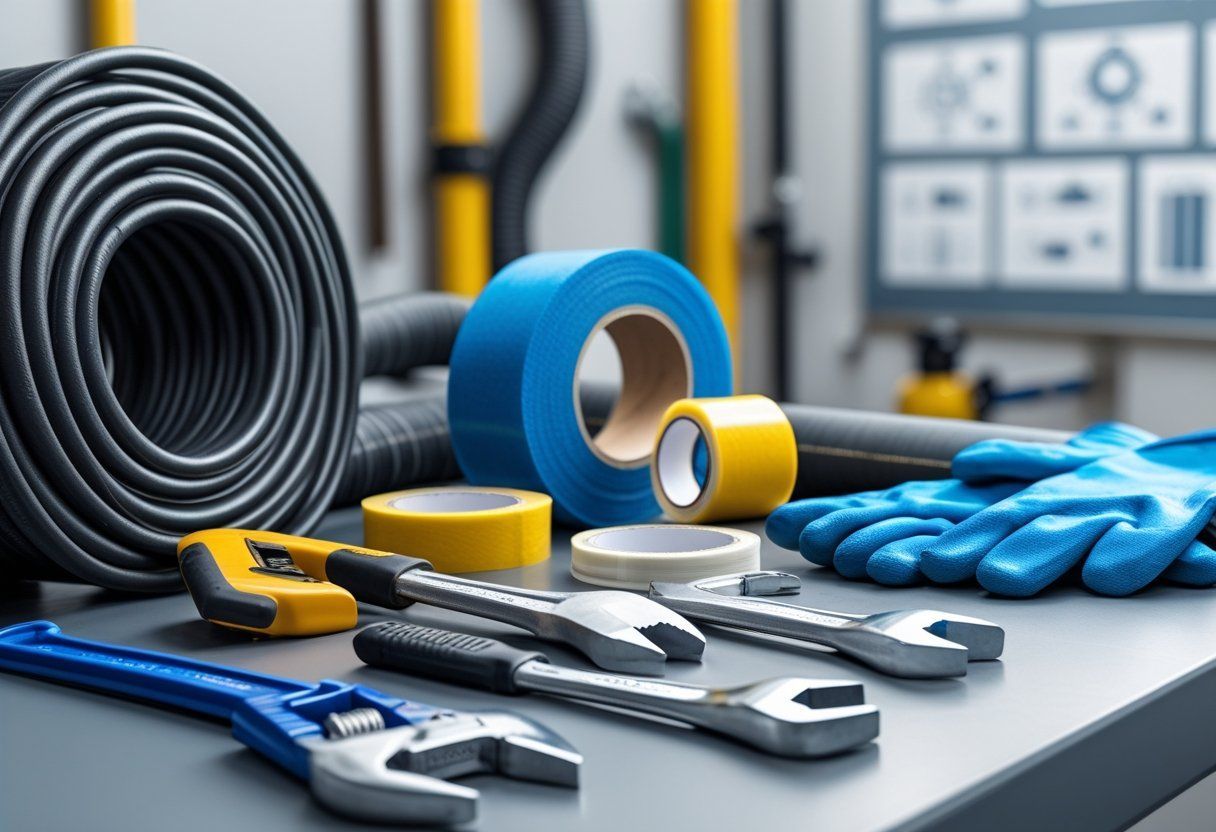
Analyzing Material Expenses for Effective Sewer Line Care
By Stefani January 28, 2026
We’ll break down the real costs that matter for keeping a sewer line working well so you can plan and avoid surprises. You’ll learn which materials and fees drive most of the expense and how small choices can lower long-term costs. We’ll look at costs for parts, tools, permits, and regular cleaning, plus where labor […]
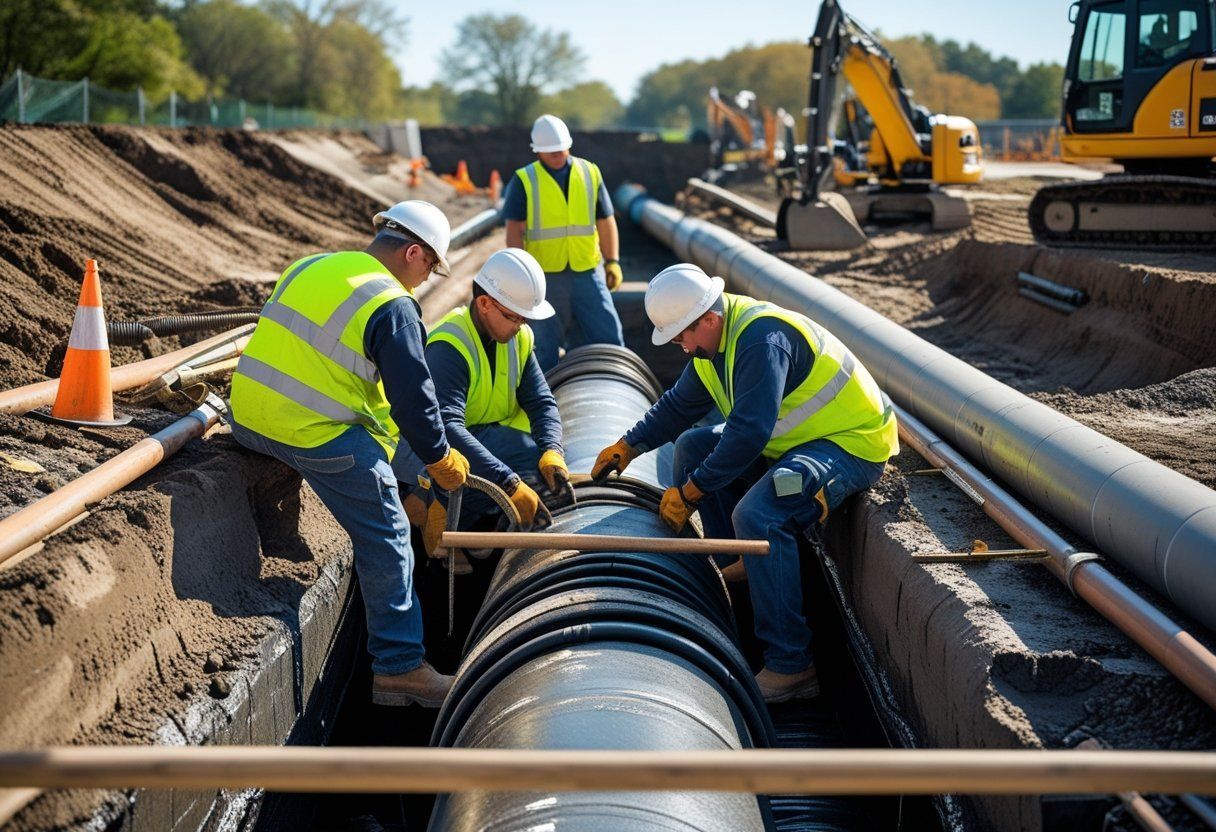
Understanding the Impact of Labor Costs on Sewer Line Maintenance
By Stefani January 25, 2026
You want to know how labor costs shape sewer line care and what that means for your wallet. We will show how wages, crew size, and the repair method you choose change the final bill so you can plan smarter and avoid surprises. Knowing which labor factors most drive costs lets you pick repair options […]
How to Interpret Sewer Line Inspection Reports
By Stefani January 24, 2026
You’ll get clear steps to decode the most important parts of a sewer line inspection report so you can act with confidence. We show you how to spot real problems, what each defect means, and which issues need immediate repair versus routine maintenance. We break the report into simple pieces what the camera images show, […]
Tool kit with hard hat, gloves, laptop, and handheld device on a workbench in a workshop
By Stefani January 23, 2026
You want tools that give clear answers fast so you can find problems and fix them right. We rely on high-quality sewer cameras, locating gear, and cleaning tools to spot cracks, blockages, and defects in sewer lines accurately. Knowing which tools to use helps a plumber save time and avoid costly mistakes. We will walk […]
Worker in blue hard hat inspecting a manhole on a street with a camera device
By Stefani January 22, 2026
You want sewer line inspections timed so they catch problems before they get costly or urgent. We recommend scheduling inspections based on seasonal risks winter freeze, spring thaw, and heavy fall rains because timing cuts repair costs and prevents service interruptions. We will explain how weather, soil movement, and tree roots change the risk level […]
Common Mistakes to Avoid During Sewer Line Inspections
By Stefani January 18, 2026
We know sewer line inspections feel technical and tense, but avoiding a few common mistakes protects your home and wallet. Start by planning the inspection, knowing what to look for, and involving a qualified professional when signs point to trouble. That simple approach cuts down on missed problems and costly surprises. We will walk through […]
Show More