Effective Techniques for Sewer Line Inspections: Practical Methods, Tools, and Best Practices

Stefani • January 9, 2026

Share this article

You need inspections that find problems fast and save you money. We will show practical, proven sewer line inspection techniques like camera inspections, smoke testing, and hydrostatic testing that let you spot blockages, cracks, and root intrusions before they turn into emergencies.

We walk through the tools and signs that matter most so you know what to look for and when to call a pro. Our tips on common issues and maintenance help you plan repairs, avoid repeat problems, and extend the life of your pipes.

Follow our clear, step-by-step approach to inspect and protect sewer lines with confidence. You will learn how to pick the right method, interpret results, and keep your system running smoothly.

Core Techniques for Sewer Line Inspections

We focus on tools and steps that give clear, actionable results. Each method targets different problems and helps us decide the next repair or cleaning steps.

Camera Inspection Methods

We run a sewer camera, often called a sewer scope inspection, to see pipe interiors directly. We use a push camera for smaller lines and a crawler camera for larger mains. The camera records video and sends real-time images to a monitor so we can mark pipe defects, root intrusions, cracks, offsets, and scale buildup.

We log pipe diameter, material, and distance to each problem using onboard odometer or sonde tracking. We note joints, laterals, and service connections. High-resolution inspection equipment helps us determine if trenchless repair or full replacement is best.

We also use zoom and lighting to check bedding and invert condition. We save clips and stills for reports and insurance. A proper sewer inspection camera reduces guesswork and prevents unnecessary excavation.

Hydro Jetting Procedures

We apply hydro jetting to remove grease, roots, and mineral deposits using a high-pressure water stream. We choose nozzle size and pressure based on pipe material and blockage type; typical pressures range from 1,500 to 4,000 psi for residential lines. We feed the hose carefully to avoid damaging older clay or brittle pipes.

We clear obstructions in passes: first a cutting pass to slice roots, then a flushing pass to wash debris toward the cleanout. We monitor flowback and re-run the sewer camera after jetting to confirm clearance. Safety gear, pressure gauges, and kill-switch controls keep operators safe.

We document before-and-after footage and measure flow improvement. Hydro-jetting pairs well with camera inspection to verify the pipe interior and plan any needed repairs.

Smoke and Dye Testing Approaches

We conduct smoke testing to find illegal or broken storm connections, roof drains, and voids where sewage could escape. We seal vents and use a blower to push non-toxic smoke into the sewer via a manhole or cleanout. Smoke exits at defects and shows locations like yard sinkholes, basement drains, or cracked pipes.

We use dye testing to trace specific flows. We pour fluorescing dye into suspected fixtures or lines and observe downstream discharge points. Dye works well for locating cross-connections between storm and sanitary systems or confirming where a lateral ties into the main.

We record test points, wind conditions, and photos of smoke or dye exit locations. Combining smoke testing, dye testing, and camera inspection gives us a clear map of problem sites and helps prioritize repairs.

Identifying and Addressing Common Sewer Line Issues

We focus on the most frequent causes of sewer problems and the clear fixes that work best. We explain how to spot root intrusion, grease and clogs, pipe damage, leaks, and slow drains, and we give practical steps for repair and prevention.

Root Intrusion and Tree Root Management

We inspect with a camera to find root intrusion and note where roots enter joints or cracks. Roots force into small openings seeking moisture and then expand, breaking clay, cast-iron, and older plastic pipes.

  • Mechanical removal: we use a rooter or cutting head on a sewer machine to clear roots.
  • Chemical control: we apply foaming root-killers (containing copper sulfate or herbicide formulations) after clearing to slow regrowth.
  • Relining and replacement: we recommend cured-in-place pipe (CIPP) relining when roots have damaged the pipe wall but bedding is intact. Full replacement works when joints are collapsed or relocation of trees is possible.

We advise trimming or removing problem trees and installing root barriers. Regular camera inspections every 1-3 years help catch regrowth early.

Clogs and Grease Buildup Solutions

We locate clogs with an inspection camera to determine whether the blockage is hair, wipes, roots, or grease buildup. Grease forms sticky layers that trap debris and narrow pipes over time.

  • Hot-water and enzyme treatments: we use biological enzymes to break down organic buildup; hot-water flushes help dislodge softened grease.
  • Hydrojetting: high-pressure water jetting clears grease, scale, and small roots. We prefer hydrojetting for heavy buildup because it restores pipe diameter.
  • Mechanical snaking: for single, isolated clogs, an auger or cable works fast.

We recommend no-wipes policies, regular grease collection for kitchens, and scheduled maintenance cleanings to prevent repeat clogs.

Detecting Pipe Damage and Leaks

We run CCTV inspections to identify cracks, corrosion, bellied sections, offsets, and perforations that indicate pipe damage. Leaks often show as wet spots in yards, sinkholes, or unusually high water bills.

  • Visual signs: displaced joints, visible cracks, root penetration, and sediment in the camera feed.
  • Leak detection tools: we use acoustic listening devices and line-locators to pinpoint active leaks.
  • Repair options: spot repairs with resin patches work for small cracks; CIPP relining seals long sections without excavation; full replacement is needed for collapsed mains.

We log pipe material, diameter, and damage location to choose the right repair and to prioritize safety and cost.

Recognizing Slow Drains and Blockages

We diagnose slow drains by checking flow rates on camera and noting partial blockages, sags (bellies), or biofilm buildup. Slow drains can be local (a single fixture) or systemic (the main sewer).

  • Local fixes: snaking and enzyme treatments often restore flow for isolated slow drains.
  • Main sewer issues: hydrojetting or relining is usually needed when multiple fixtures drain poorly.
  • Preventive measures: we recommend strainers, regular cleaning, and avoiding grease and flushable wipes.

We document blockage location, type, and frequency so we can recommend maintenance intervals and the most cost-effective repair.

Best Practices and Maintenance for Effective Inspections

We focus on clear preparation, accurate interpretation of footage, and regular maintenance to keep sewer lines healthy. Our steps cut inspection time, reduce surprises, and extend pipe life.

Preparation and Access Point Identification

We map the property using building plans, municipal records, and a quick walkaround. We mark cleanouts, manholes, and visible pipe runs on a site sketch so crews use the fastest access point.

We verify access points are clear and unlocked. We remove debris, vegetation, and temporary covers. We bring adapters for different cleanout sizes and extension poles for deep or off-angle entries.

We check for hazards before entering. We test for toxic gases with a portable meter and ventilate if needed. We also note private lateral locations and distances to the municipal main to plan cable or camera lengths.

We stage equipment near the chosen access point. We pre-test the inspection camera, lights, and real-time monitor. We confirm battery levels and spare parts so we capture uninterrupted real-time footage.

Interpreting Inspection Findings

We watch real-time footage and pause to note defects, their location, and severity. We record video with time codes and distance markers so repairs match exact spots in the field.

We classify issues consistently: root intrusion, cracks, offset joints, corrosion, grease buildup, and intruding laterals. We take stills of each problem and log pipe material, diameter, and direction of flow for repair planning.

We compare current footage to past inspections to spot changes. We measure defect size and rate of progression when possible. We flag urgent issues active leaks, collapse risk, or large offsets for immediate repair scheduling.

We prepare a concise report with annotated images, distance-to-main, and recommended next steps: spot repair, sectional replacement, cleaning, or CIPP lining. We include cost and disruption estimates to help decision-making.

Routine Sewer Line Maintenance

We schedule cleaning based on inspection findings and pipe use. For most residential laterals, we recommend annual cleaning; high-use or grease-prone lines may need cleaning every 3–6 months.

We use mechanical rodding or hydro-jetting depending on build-up type. Hydro-jetting removes grease and roots but needs caution on old clay or brittle pipes. We choose pressure and nozzle type to match pipe material and condition.

We inspect after maintenance with real-time footage to confirm removal of debris and to detect hidden defects. We log the cleaning method, pressure used, and follow-up notes in our maintenance records.

We set up a regular inspection cycle tied to maintenance history. We use inspection reports to adjust intervals, focus on problem segments, and budget for lining or replacement before failures occur.

Recent Posts

Fast Response Plumbing technician servicing a water shut off valve in San Francisco
By Joe Tinsley July 17, 2026
Learn how gate valves, ball valves, and angle stops work, where to find them in your San Francisco home, and when to replace them. FAQs inside.
Budgeting for Unforeseen Sewer Line Maintenance Expenses
By Stefani January 31, 2026
Sewer line problems can hit your wallet fast, and we know the stress of a surprise repair. We show you how to plan a practical budget that covers emergency fixes, regular upkeep, and the big costs that sneak up on you. This saves you money and keeps small issues from turning into major failures. We […]
Seasonal Effects on Sewer Line Maintenance Costs
By Stefani January 30, 2026
You’ll want to know how seasons change what you pay for sewer line maintenance so you can plan ahead and avoid surprise bills. Seasonal weather, ground movement, and plant growth directly affect repair needs and costs, so budgeting by season cuts unexpected expenses. We outline what shifts costs, when repairs most often happen, and which […]
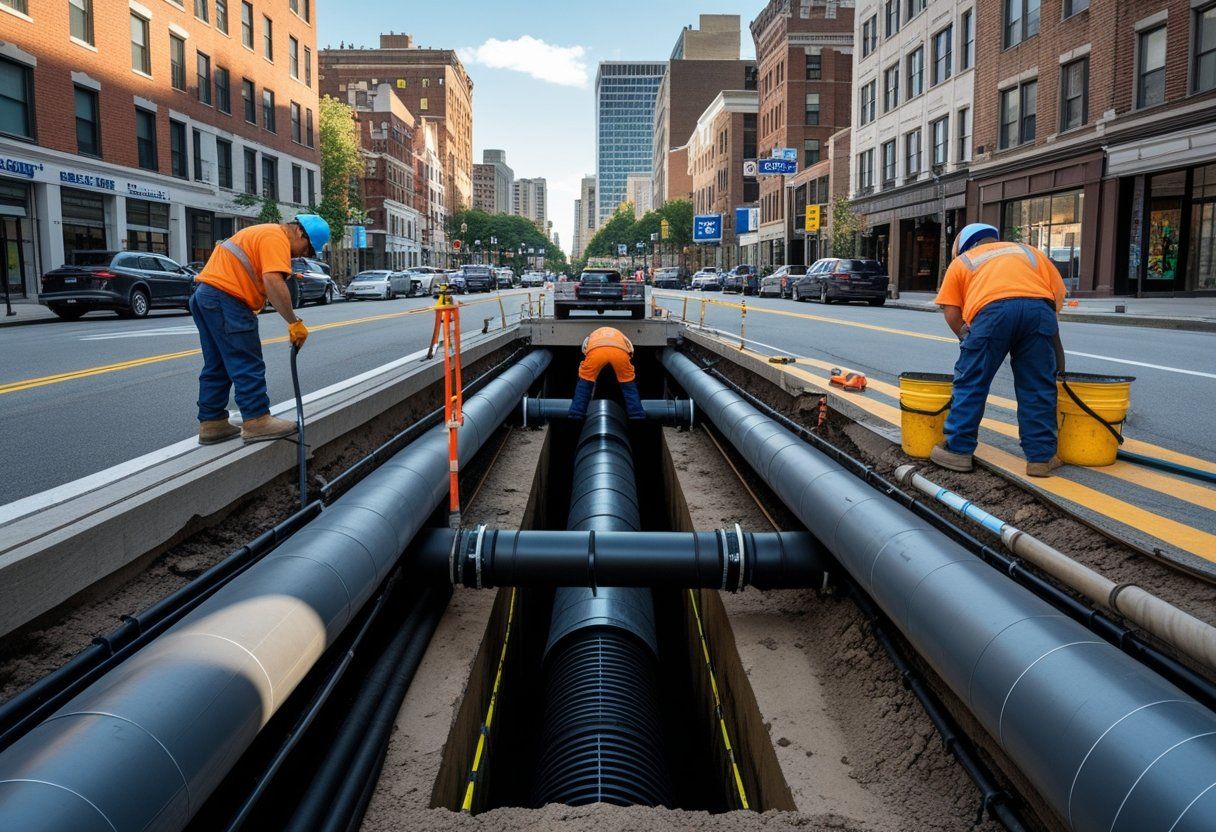
The Role of Location in Sewer Line Maintenance Pricing
By Stefani January 29, 2026
You’ll pay different amounts for sewer line maintenance depending on where your property sits and what’s under it. Location drives cost through factors like soil type, access difficulty, local labor rates, and permit rules, so knowing these lets you predict and plan for expenses. We’ll show how those local details shape quotes and outcomes. We’ll […]
Analyzing Material Expenses for Effective Sewer Line Care
By Stefani January 28, 2026
We’ll break down the real costs that matter for keeping a sewer line working well so you can plan and avoid surprises. You’ll learn which materials and fees drive most of the expense and how small choices can lower long-term costs. We’ll look at costs for parts, tools, permits, and regular cleaning, plus where labor […]
Understanding the Impact of Labor Costs on Sewer Line Maintenance
By Stefani January 25, 2026
You want to know how labor costs shape sewer line care and what that means for your wallet. We will show how wages, crew size, and the repair method you choose change the final bill so you can plan smarter and avoid surprises. Knowing which labor factors most drive costs lets you pick repair options […]
How to Interpret Sewer Line Inspection Reports
By Stefani January 24, 2026
You’ll get clear steps to decode the most important parts of a sewer line inspection report so you can act with confidence. We show you how to spot real problems, what each defect means, and which issues need immediate repair versus routine maintenance. We break the report into simple pieces what the camera images show, […]
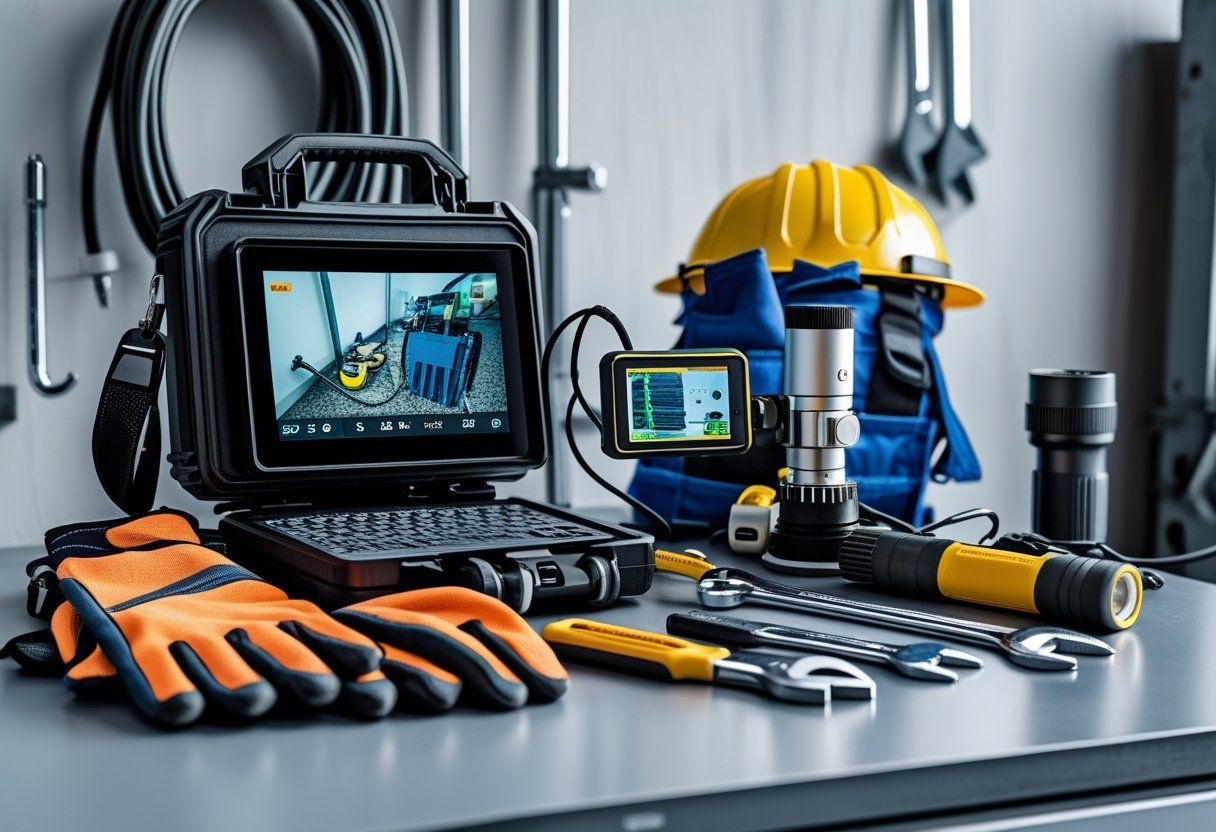
By Stefani January 23, 2026
You want tools that give clear answers fast so you can find problems and fix them right. We rely on high-quality sewer cameras, locating gear, and cleaning tools to spot cracks, blockages, and defects in sewer lines accurately. Knowing which tools to use helps a plumber save time and avoid costly mistakes. We will walk […]
By Stefani January 22, 2026
You want sewer line inspections timed so they catch problems before they get costly or urgent. We recommend scheduling inspections based on seasonal risks winter freeze, spring thaw, and heavy fall rains because timing cuts repair costs and prevents service interruptions. We will explain how weather, soil movement, and tree roots change the risk level […]
Common Mistakes to Avoid During Sewer Line Inspections
By Stefani January 18, 2026
We know sewer line inspections feel technical and tense, but avoiding a few common mistakes protects your home and wallet. Start by planning the inspection, knowing what to look for, and involving a qualified professional when signs point to trouble. That simple approach cuts down on missed problems and costly surprises. We will walk through […]
Show More