
Eco-Friendly Solutions for Clogged Drains: Effective Unclogging Methods

Stefani • March 25, 2025

Share this article

Understanding Drain Blockages

When it comes to blocked drains, there are common culprits we need to consider. These blockages might arise from everyday activities in our homes. Their impact can range from annoying slow drains to serious plumbing problems.

Causes of Clogged Drains

Clogged drains often occur from build-up of various materials. Hair, soap scum, and organic matter are frequent offenders. Hair can easily get trapped in drain pipes, creating a tangled mass that blocks water flow. Soap scum, which forms from soap residue, builds up on the walls of pipes and narrows the space for water to pass through.

Food scraps and grease are additional culprits in kitchen sinks. Even small food particles can accumulate. Grease can solidify over time and stick to the inner surfaces of pipes. Combining these factors can result in a stubborn blockage.

Impact of Blocked Drains

Blocked drains can cause several issues in our homes. For one, they often lead to slow drainage, making sinks and tubs unpleasant to use. In more serious cases, they can cause water backups, leading to overflows and potential water damage. Unpleasant odors often arise, making living spaces uncomfortable.

Furthermore, blocked drains can attract unwanted pests. Stagnant water is a breeding ground for insects like mosquitoes. Fixing clogged drains promptly can help us avoid more extensive plumbing repairs and ensure a sanitary environment. Regular maintenance and mindful practices can help keep our drains flowing freely.

Eco-Friendly Manual Techniques

When faced with a clogged drain, we have eco-friendly options. Instead of chemicals, using tools like plungers and drain snakes can effectively clear blockages while being kind to our environment.

Using a Plunger Effectively

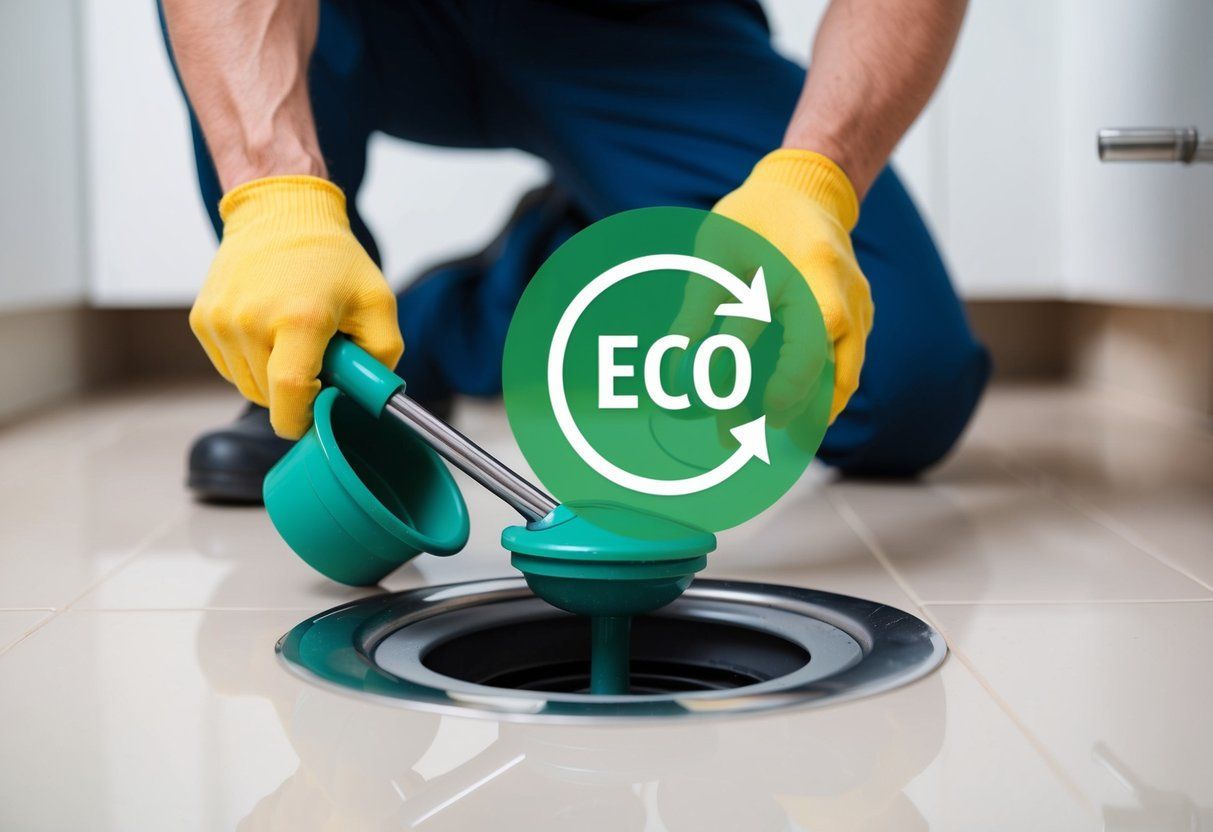
A plunger is a simple yet powerful tool for unclogging drains. To use it correctly, we first need to ensure there’s enough water in the sink or tub to cover the plunger’s rubber cup. This creates a strong seal and increases the suction power.

We should press the plunger down firmly and pull it up quickly. This action creates pressure that helps dislodge the clog. It’s important to maintain a steady and rhythmic motion, repeating several times until the water drains smoothly.

To maximize effectiveness, we can also clean the rubber cup and edges. A clean plunger can form a better seal, leading to improved performance. For best results, remember to rinse the plunger with water after use to keep it sanitary.

Clearing Drains With a Drain Snake

A drain snake, also known as an auger, is used for tougher clogs. It’s a flexible tool that reaches deep into pipes. To use it, we gently insert the snake into the drain and turn the handle clockwise. This movement helps the tip hook onto blockages.

Once we feel resistance, we continue turning while pulling upwards to dislodge and draw out the clogs. Care must be taken not to force the snake, as this might damage the pipe. Patience is crucial for this process.

If needed, we can repeat the process until the drain is clear. Using a drain snake can be a reliable way to tackle stubborn clogs without harming the environment. Keeping our tools clean and stored properly ensures they remain effective for future use.

Natural Cleaning Agents

In this section, we explore safe and effective methods for unclogging drains. These include using baking soda, vinegar, boiling water, and special enzyme cleaners. Each choice offers unique benefits that can help maintain clear pipes without harsh chemicals.

Baking Soda and Vinegar Solutions

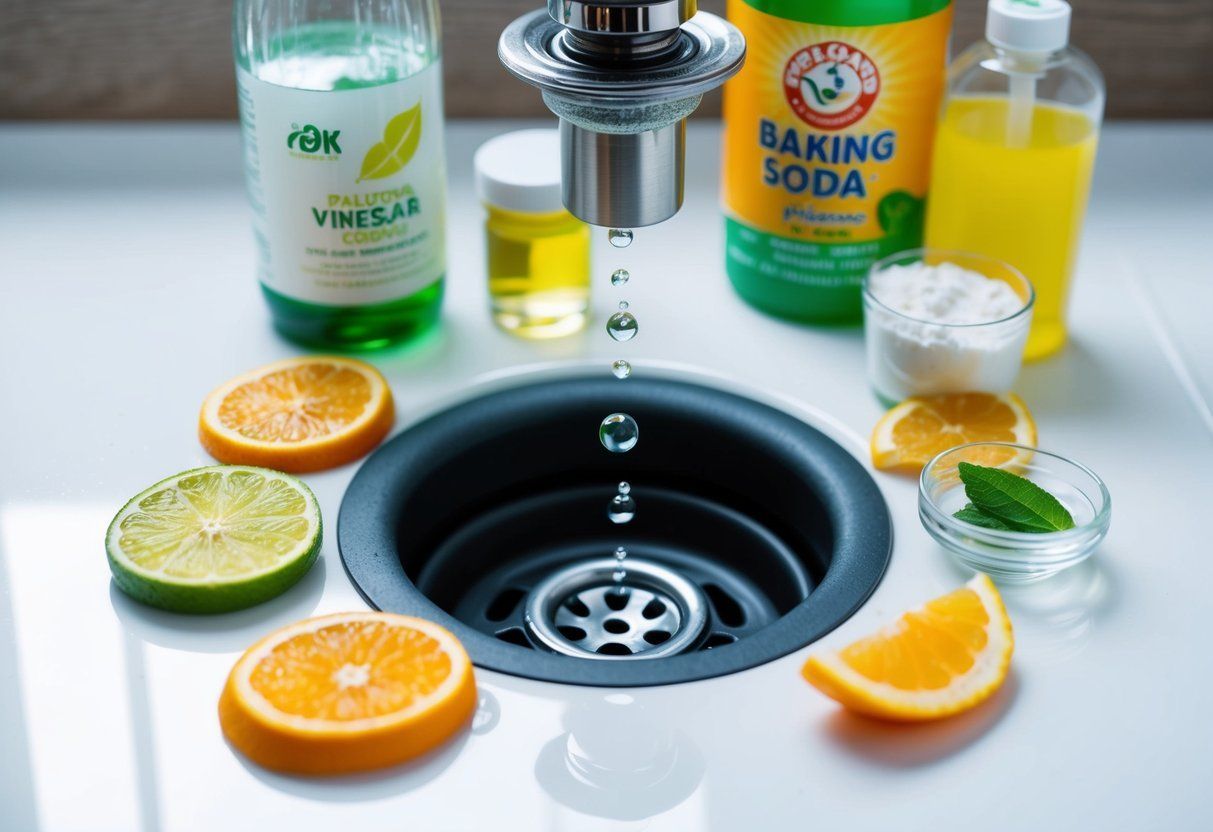
Baking soda and vinegar create a natural reaction that can help break down clogs. First, pour 1/2 cup of baking soda down the clogged drain. Follow this with 1 cup of vinegar. The mixture will fizz as it works to loosen debris.

Let it sit for 15-30 minutes. Then, rinse with boiling water. This method can clear minor clogs without using harsh chemicals. It’s an eco-friendly choice that many of us have right at home.

This combination is not just gentle on pipes, it’s also gentle on the environment. We suggest using this method every few weeks to keep drains free-flowing.

Hot Water Flushes

Using hot water alone can also help. The heat from boiling water can dissolve certain types of clogs and help flush out buildup. To try this, boil a pot of water and carefully pour it down the drain.

Repeat this process a few times for the best effect. It works especially well on grease or soap buildup that can harden over time. Using hot water regularly can prevent clogs from forming in the first place, which is simple and effective.

This is a cost-effective and easy method that requires little effort. It’s one of the simplest ways we can maintain our pipes and prevent clogs.

Enzyme Drain Cleaners

Enzyme drain cleaners are another great option for unclogging drains naturally. These cleaners use special enzymes to eat away at organic material, which often causes blockages. They are safe for the environment and gentle on pipes.

To use, follow the directions on the cleaner’s label. Typically, we pour the cleaner down and let it sit overnight. The enzymes work to break down waste without using harmful chemicals.

Regular use of enzyme cleaners can keep drains clear of organic clogs like hair, food, and soap scum. This method is effective and safer than chemical alternatives. Enzyme cleaners offer a great balance between effectiveness and eco-friendliness.

Avoiding Commercial Chemicals

When dealing with clogged drains, many of us often consider reaching for commercial drain cleaners due to their convenience. Despite their popularity, chemical drain cleaners can have significant drawbacks, both for our homes and the environment. Fortunately, eco-friendly commercial products offer safer alternatives.

Drawbacks of Chemical Drain Cleaners

Chemical drain cleaners are common in households, but they can be harsh on plumbing systems. These cleaners often contain strong acids or bases that generate heat to clear blockages. Over time, the intense heat and corrosive chemicals can weaken pipes, leading to leaks or damage.

Beyond the risk to our plumbing, these products are concerning for our health and the environment. The fumes can irritate our lungs and eyes, while residual chemicals might contaminate water supplies once they enter the water system. It’s important to understand these risks when choosing cleaning solutions.

Selecting Eco-Friendly Commercial Products

There are effective eco-friendly commercial products available for those of us wanting to avoid chemical cleaners. These alternatives often use natural enzymes or bacteria to break down clogs. Instead of causing damage, they work gently to clear drains without harmful effects.

When selecting these products, we can look for labels that indicate biodegradable or non-toxic formulas. Such products are kinder to our plumbing and safer for the planet. Additionally, they help us maintain a healthy environment inside and outside our homes. By making informed decisions, we can tackle drain issues responsibly.

Preventive Maintenance and Practices

Regular preventive maintenance can help keep our drains free from clogs and prolong their lifespan. Simple practices, such as routine cleaning and using drain guards, can prevent blockages effectively.

Regular Drain Cleaning

Routine drain cleaning is our first defense against clogs. By cleaning our drains regularly, we can remove debris before it causes a blockage. We can use natural solutions like a mixture of baking soda and vinegar, which is effective and eco-friendly. Pour half a cup of baking soda down the drain, followed by half a cup of vinegar. Let it sit for about 30 minutes, then rinse with hot water. This method is simple and keeps our pipes clear.

We should also avoid pouring grease and food particles down the drain. Being careful with what goes into our sinks goes a long way in keeping them clean. Checking and cleaning once a month can prevent major issues and ensure everything flows smoothly.

Utilizing Drain Guards

Drain guards are invaluable for preventing unwanted debris from entering our pipes. They act as barriers, catching hair, food scraps, and other particles. By using them in our sinks and showers, we can dramatically reduce the risk of clogs.

It’s important to clean these guards regularly to maintain their effectiveness. Simply remove, clean off the trapped materials, and place them back. This not only prevents blockages but also makes cleanup faster and easier.

Choosing the right guard for each drain type ensures they fit well and do their job effectively. With these simple steps, we can keep our drains in great shape for years.

Recent Posts

Fast Response Plumbing technician servicing a water shut off valve in San Francisco
By Joe Tinsley July 17, 2026
Learn how gate valves, ball valves, and angle stops work, where to find them in your San Francisco home, and when to replace them. FAQs inside.
Budgeting for Unforeseen Sewer Line Maintenance Expenses
By Stefani January 31, 2026
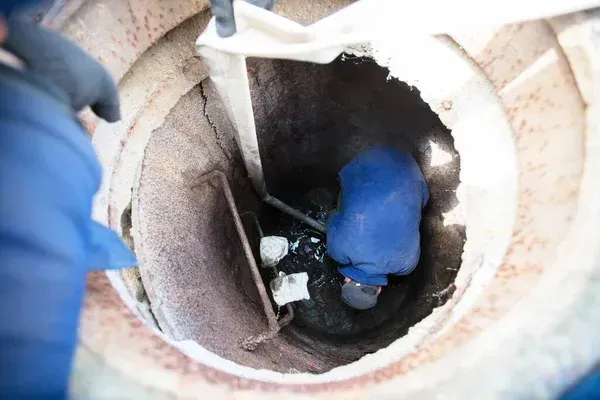
Sewer line problems can hit your wallet fast, and we know the stress of a surprise repair. We show you how to plan a practical budget that covers emergency fixes, regular upkeep, and the big costs that sneak up on you. This saves you money and keeps small issues from turning into major failures. We […]
Seasonal Effects on Sewer Line Maintenance Costs
By Stefani January 30, 2026
You’ll want to know how seasons change what you pay for sewer line maintenance so you can plan ahead and avoid surprise bills. Seasonal weather, ground movement, and plant growth directly affect repair needs and costs, so budgeting by season cuts unexpected expenses. We outline what shifts costs, when repairs most often happen, and which […]
The Role of Location in Sewer Line Maintenance Pricing
By Stefani January 29, 2026
You’ll pay different amounts for sewer line maintenance depending on where your property sits and what’s under it. Location drives cost through factors like soil type, access difficulty, local labor rates, and permit rules, so knowing these lets you predict and plan for expenses. We’ll show how those local details shape quotes and outcomes. We’ll […]
Analyzing Material Expenses for Effective Sewer Line Care
By Stefani January 28, 2026
We’ll break down the real costs that matter for keeping a sewer line working well so you can plan and avoid surprises. You’ll learn which materials and fees drive most of the expense and how small choices can lower long-term costs. We’ll look at costs for parts, tools, permits, and regular cleaning, plus where labor […]
Understanding the Impact of Labor Costs on Sewer Line Maintenance
By Stefani January 25, 2026
You want to know how labor costs shape sewer line care and what that means for your wallet. We will show how wages, crew size, and the repair method you choose change the final bill so you can plan smarter and avoid surprises. Knowing which labor factors most drive costs lets you pick repair options […]
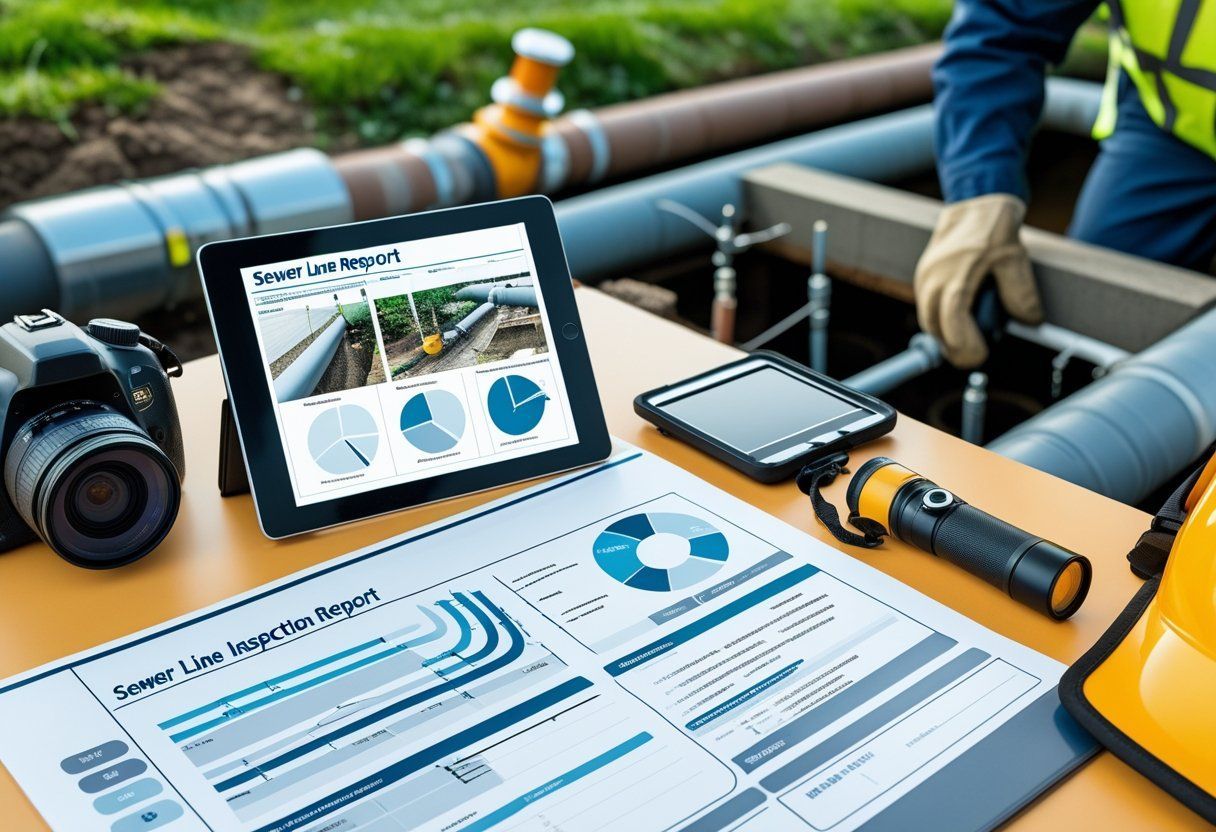
How to Interpret Sewer Line Inspection Reports
By Stefani January 24, 2026
You’ll get clear steps to decode the most important parts of a sewer line inspection report so you can act with confidence. We show you how to spot real problems, what each defect means, and which issues need immediate repair versus routine maintenance. We break the report into simple pieces what the camera images show, […]

By Stefani January 23, 2026
You want tools that give clear answers fast so you can find problems and fix them right. We rely on high-quality sewer cameras, locating gear, and cleaning tools to spot cracks, blockages, and defects in sewer lines accurately. Knowing which tools to use helps a plumber save time and avoid costly mistakes. We will walk […]
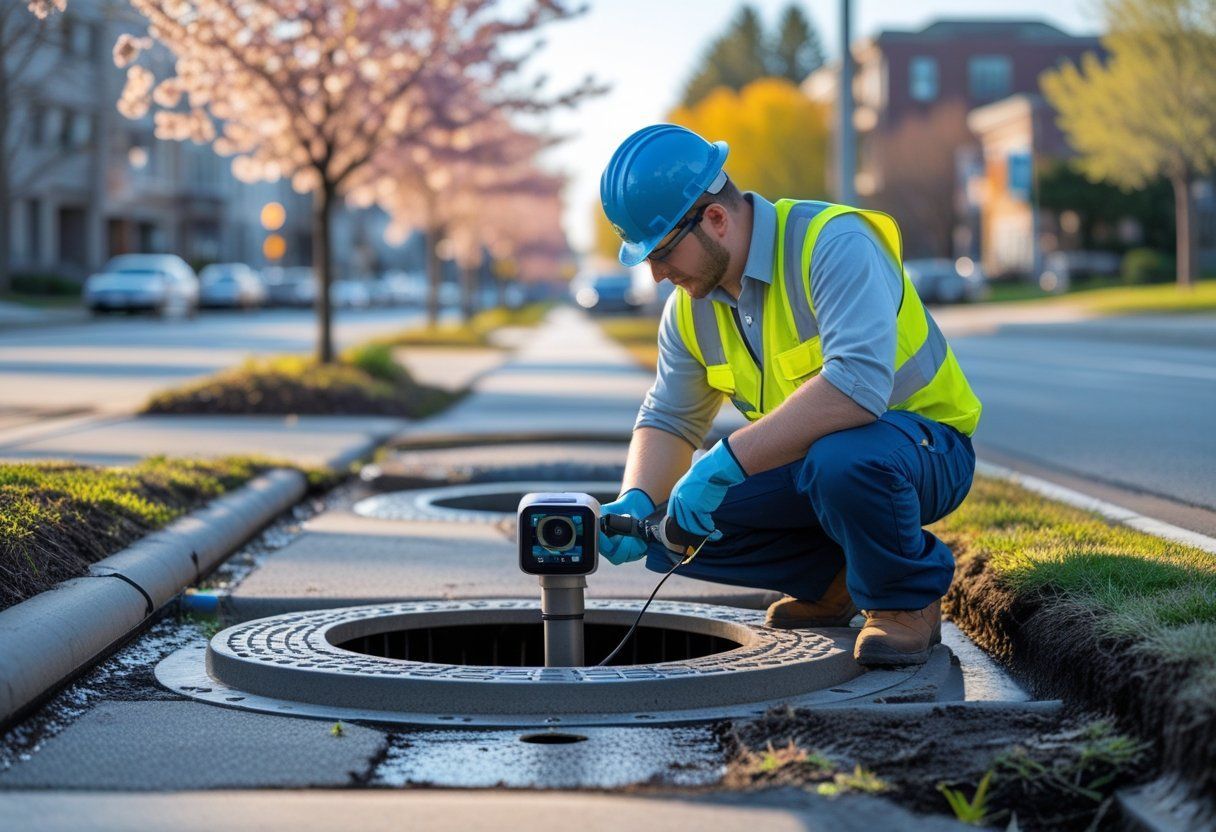
By Stefani January 22, 2026
You want sewer line inspections timed so they catch problems before they get costly or urgent. We recommend scheduling inspections based on seasonal risks winter freeze, spring thaw, and heavy fall rains because timing cuts repair costs and prevents service interruptions. We will explain how weather, soil movement, and tree roots change the risk level […]
Common Mistakes to Avoid During Sewer Line Inspections
By Stefani January 18, 2026
We know sewer line inspections feel technical and tense, but avoiding a few common mistakes protects your home and wallet. Start by planning the inspection, knowing what to look for, and involving a qualified professional when signs point to trouble. That simple approach cuts down on missed problems and costly surprises. We will walk through […]
Show More