
Understanding the Cost of Clogged Drain Repairs: A Financial Breakdown

Stefani • March 26, 2025

Share this article

Understanding Drain Clog Repair Costs

When it comes to clogged drains, repair costs can quickly add up. We will explore different aspects of these costs, from average expenses to labor and materials. By understanding these factors, we can plan our drain repair projects more efficiently.

Assessing Average Repair Expenses

The average cost to repair a clogged drain can vary. Factors like the project zip code and project size can influence the price. Generally, costs can range from $150 to $400 per drain. A cost calculator may help estimate specific needs based on location and drain conditions.

Pricing is usually broken down into unit costs for items like connectors, fittings, and mounting hardware.

Determining Labor and Material Costs

Labor makes up a significant part of the overall expenses. This includes basic labor to clean the drain and handle necessary repairs. Labor rates can vary, so it’s helpful to check local pricing.

Job supplies such as adhesives and connectors are additional expenses. These supplies are often priced individually, so knowing how much is needed helps us manage costs.

Equipment and Specialty Tools

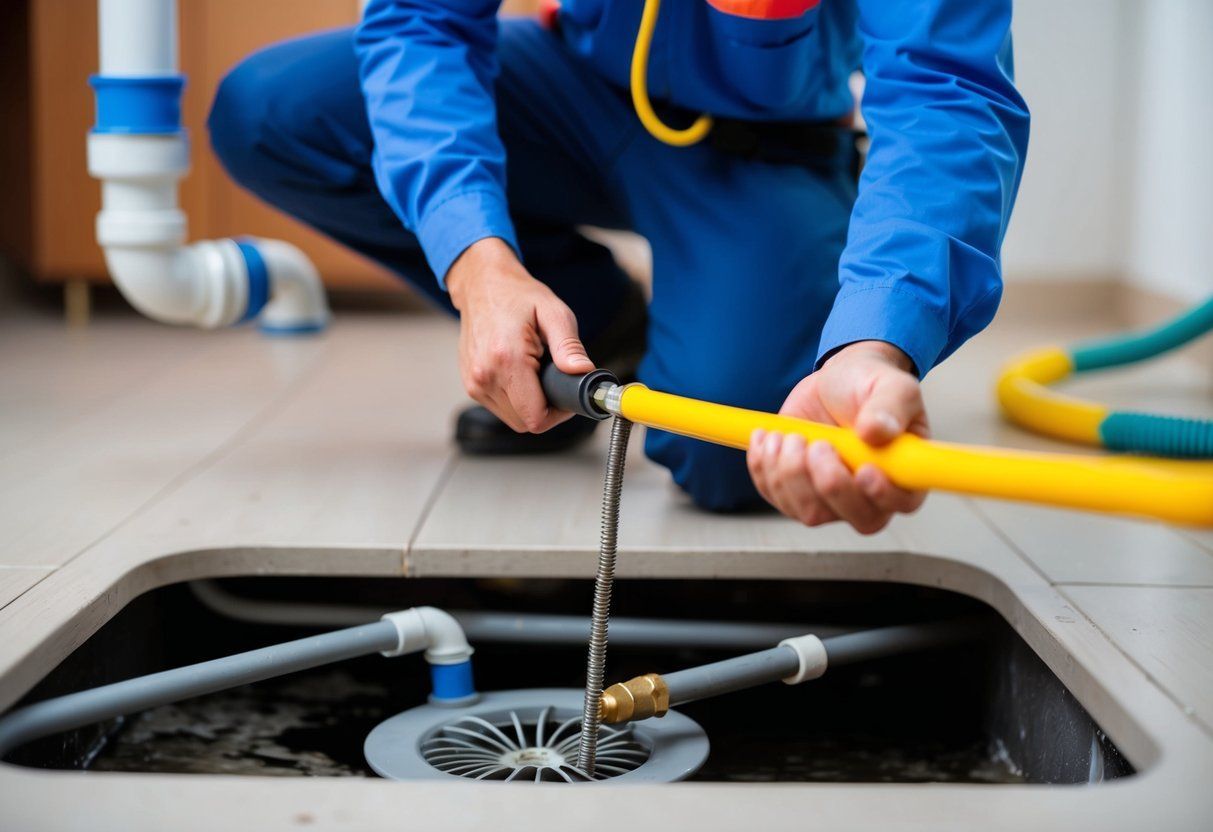
Some repairs might require specific equipment. Specialty tools—like a pipe rooter—could be needed. We should consider the equipment allowance for tools and machinery.

Daily rentals for these tools are another possible cost. Knowing the possible need for equipment can prepare us for any additional expenses related to tool rental.

Key Factors Influencing Repair Prices

When dealing with clogged drains, several important factors can influence the cost of repairs. Elements such as location, accessibility, material quality, and potential hazardous conditions play a major role.

Location and Accessibility

The location and accessibility of the clogged drain significantly affect repair costs. For example, a clogged drain in the bathroom might be easier to access than one in the basement. If the drain is part of the main sewer line, specialized tools and services may be required.

Accessibility challenges, like tight spaces or difficult-to-reach areas, can add time and complexity to the job. Properties with older plumbing systems or those not up to code might further increase costs. Being aware of these factors can help us better plan for the expenses involved.

Material Quality and Hazardous Conditions

The quality of materials used in the plumbing system affects repair costs. High-quality pipes and materials mean quality craftsmanship, reducing the likelihood of future problems. It’s important to consider whether the current materials meet local legal standards and requirements.

Hazardous materials pose another potential cost risk. If the repair reveals lead pipes or asbestos, the job may require special handling practices or materials to replace these dangerous components. This ensures safety and adheres to health guidelines but can significantly increase the repair bill. Choosing durable and safe options is crucial for long-term savings.

Comprehensive Guide to Drain Cleaning and Unclogging

Proper drain cleaning techniques can save us time and money. Here, we dive into identifying and fixing common blockages in our sewer lines and other draining systems.

Sewer Line Inspection and Cleaning

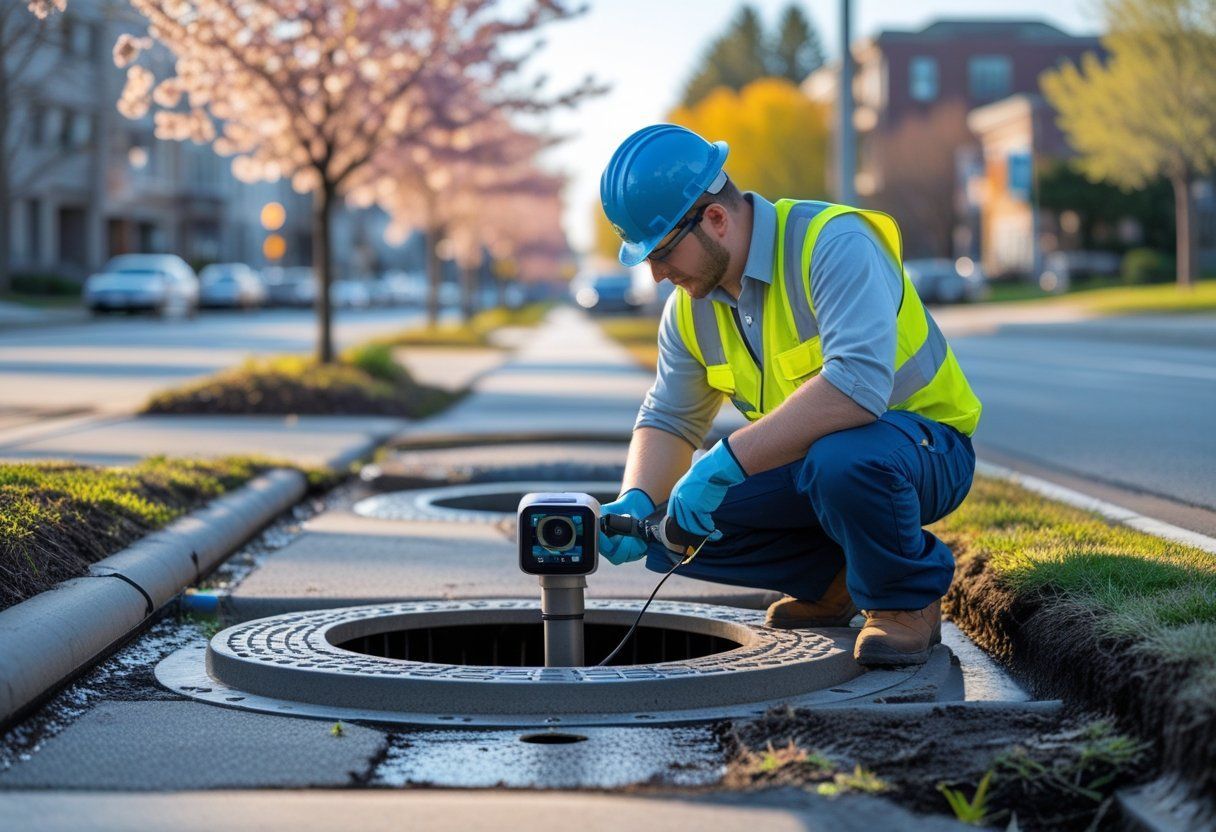
Keeping our sewer lines clear is vital. A clogged sewer line can lead to bigger plumbing issues. Video camera inspections help us pinpoint problems without guessing. By using this tech, we can see inside the pipes to find exactly where the blockage or breaks are.

Once we’ve conducted an inspection, we can choose the best cleaning approach. Our options include hydro jetting, which uses high-pressure water to clear out obstructions, or the traditional method using an auger or plumbing snake. Each method has its strengths, and sometimes we may need to combine them for effective results.

Methods for Unclogging Drains

Unclogging a drain requires us to select the right tools and strategies. For typical clogs, plunger and chemical drain cleaners are good starting points. It’s essential to be careful with chemicals, as they should not damage our pipes.

Unclogging a toilet specifically calls for a plunger or a specialized tool like a toilet auger. Ensuring the tool is at the right angle, we plunge the drain until it clears. If none of our at-home methods work, it’s time to call a plumbing company for help.

Additional Costs and Considerations

Addressing clogged drains can come with various costs beyond the initial repair. We should consider expenses like warranties on the work, any necessary taxes or permits, and the need to choose the right professional to ensure quality.

Warranties and Service Guarantees

When we hire a plumbing company, examining any warranties or service guarantees offered is vital. Warranties provide peace of mind, ensuring that if something goes wrong after the repair, it can be fixed at no additional cost.

Some companies offer different levels of service guarantees. It’s important to understand what these cover and compare them. Quality craftsmanship often comes with better warranty options, adding value to the work done.

Let’s remember that warranties might vary between companies, so researching and asking for details is essential. This can prevent misunderstandings and protect us from unexpected costs.

Taxes and Permits

When dealing with plumbing repairs, it’s necessary to consider taxes and permits. Depending on where we live, paying sales tax on repair services might be required. This can add to the overall expense and should be part of our budget.

Certain repairs, such as sewer line replacement, might need permits. Checking this with local authorities can save us future troubles. The cost of permits can vary, so using resources like Homewyse helps us understand potential costs in our area.

It’s wise to contact our local town or city office for specific guidelines. Having this knowledge makes sure we follow the law and avoid additional penalty costs.

Choosing the Right Plumbing Professional

Selecting the right plumbing professional is crucial for a successful repair. Hiring local professionals often means faster service and more accountability. We should look for licensed experts to ensure quality and adherence to local building codes.

Checking reviews and seeking recommendations can guide us to the best choice. Using websites like Homewyse or consulting with a general contractor offers insight into a plumber’s reliability.

Our aim is to find someone who provides quality craftsmanship within our budget. A detailed fee structure or using the unit cost method helps us understand charges better. This approach ensures we are informed and make the best decision for our home improvement needs.

Preventive Measures and Maintenance Tips

Taking care of our plumbing can save us time and money. By focusing on regular upkeep and making smart changes at home, we can prevent clogs and plumbing issues. Let’s look at some practical steps.

Regular Maintenance to Avoid Clogs

Regular maintenance is key. We should clean our drains every month. Using a mix of baking soda and vinegar can help keep them clear. Hot water flushes also prevent buildup.

Keeping traps clear : Cleaning sink traps can prevent clogs. Unscrewing and rinsing them stops debris from collecting.

Monitor what goes down : Avoid pouring grease or coffee grounds down the sink. These can solidify and cause blockages.

Garbage disposal care : Run cold water while using it and don’t overload. This helps the blades work efficiently, preventing jams.

Home Improvement Projects to Enhance Plumbing Health

Simple home improvement projects can boost plumbing health. Installing strainers in sinks and tubs can catch hair and large debris. This simple fix can make a big difference.

Environmentally friendly toilets : Switching to low-flow toilets conserves water and reduces clogs. They’re more efficient and beneficial for the plumbing system.

Fixing any leaks promptly : Leaky faucets waste water and increase the risk of clogs. By addressing leaks quickly, we can avoid further damage.

Pipe insulation : This prevents freezing in cold weather. Insulating pipes is a straightforward project that can prevent serious issues.

Recent Posts

Fast Response Plumbing technician servicing a water shut off valve in San Francisco
By Joe Tinsley July 17, 2026
Learn how gate valves, ball valves, and angle stops work, where to find them in your San Francisco home, and when to replace them. FAQs inside.
Budgeting for Unforeseen Sewer Line Maintenance Expenses
By Stefani January 31, 2026
Sewer line problems can hit your wallet fast, and we know the stress of a surprise repair. We show you how to plan a practical budget that covers emergency fixes, regular upkeep, and the big costs that sneak up on you. This saves you money and keeps small issues from turning into major failures. We […]
Seasonal Effects on Sewer Line Maintenance Costs
By Stefani January 30, 2026
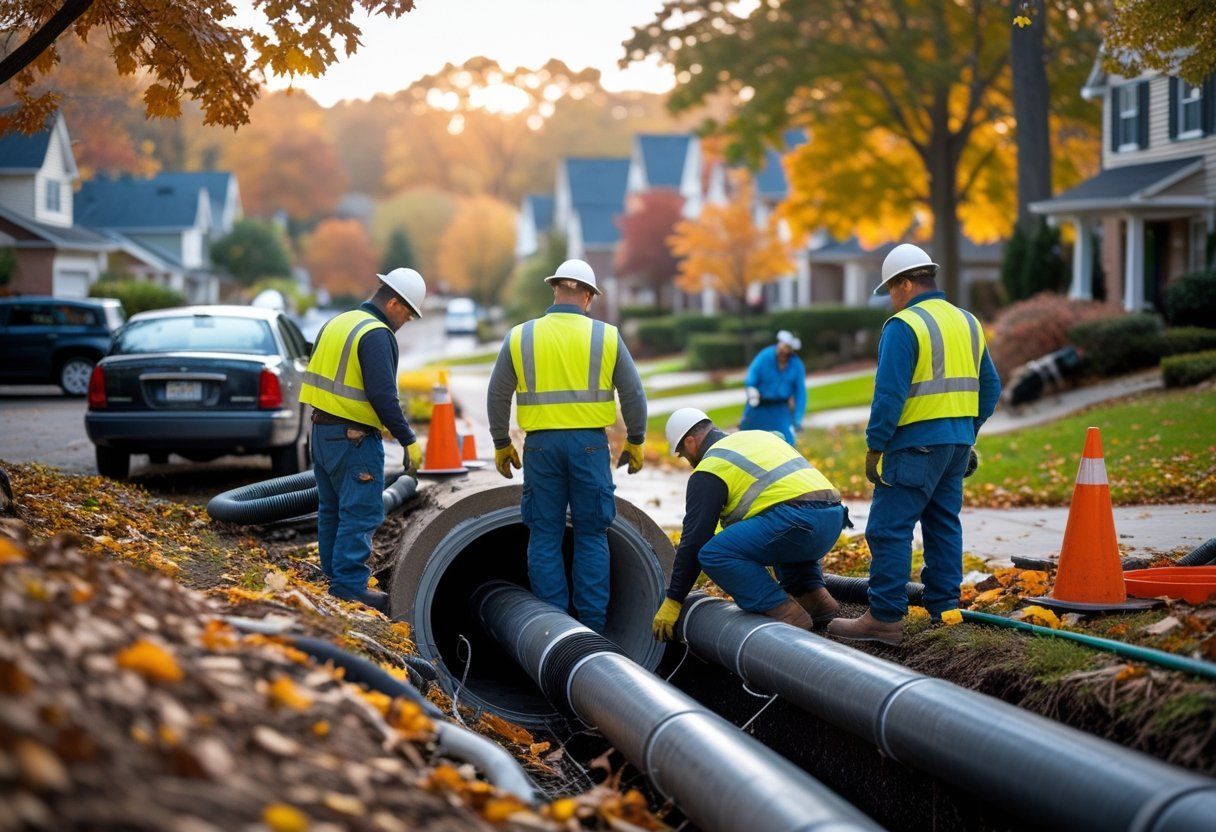
You’ll want to know how seasons change what you pay for sewer line maintenance so you can plan ahead and avoid surprise bills. Seasonal weather, ground movement, and plant growth directly affect repair needs and costs, so budgeting by season cuts unexpected expenses. We outline what shifts costs, when repairs most often happen, and which […]
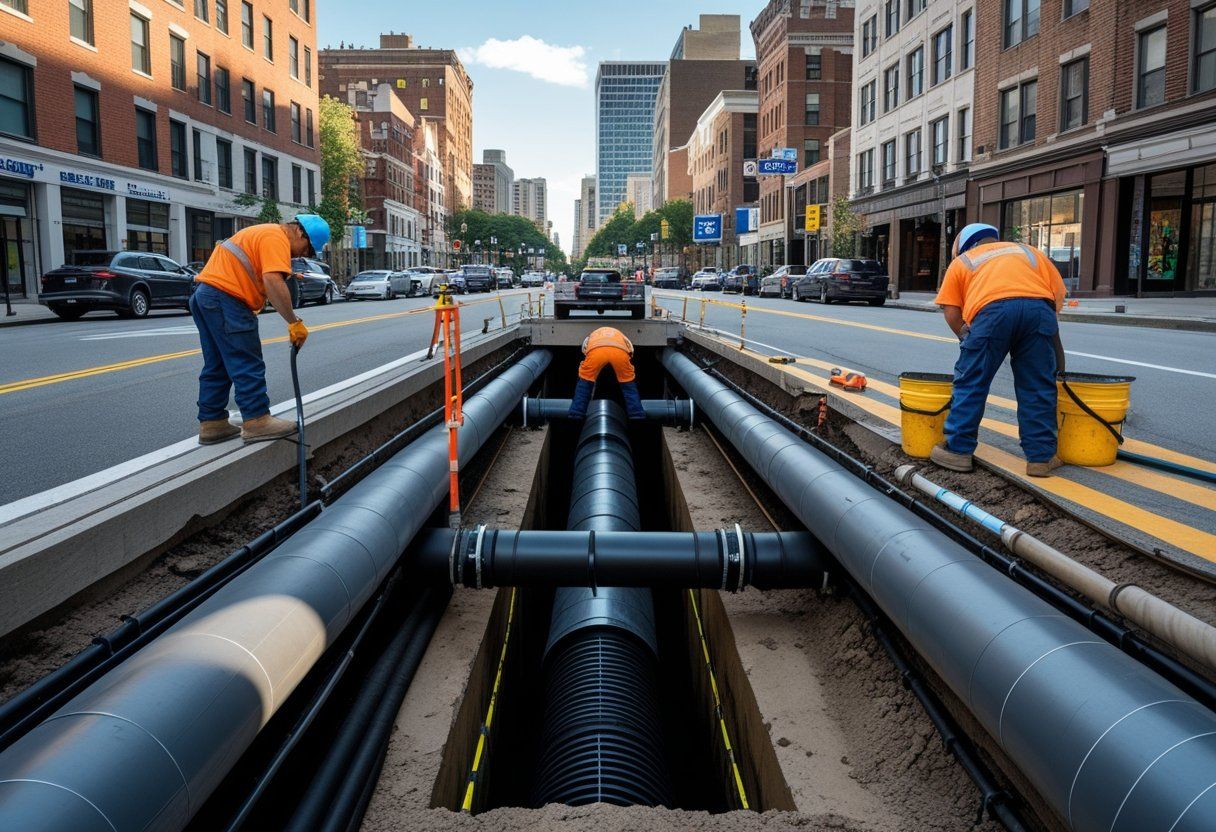
The Role of Location in Sewer Line Maintenance Pricing
By Stefani January 29, 2026
You’ll pay different amounts for sewer line maintenance depending on where your property sits and what’s under it. Location drives cost through factors like soil type, access difficulty, local labor rates, and permit rules, so knowing these lets you predict and plan for expenses. We’ll show how those local details shape quotes and outcomes. We’ll […]
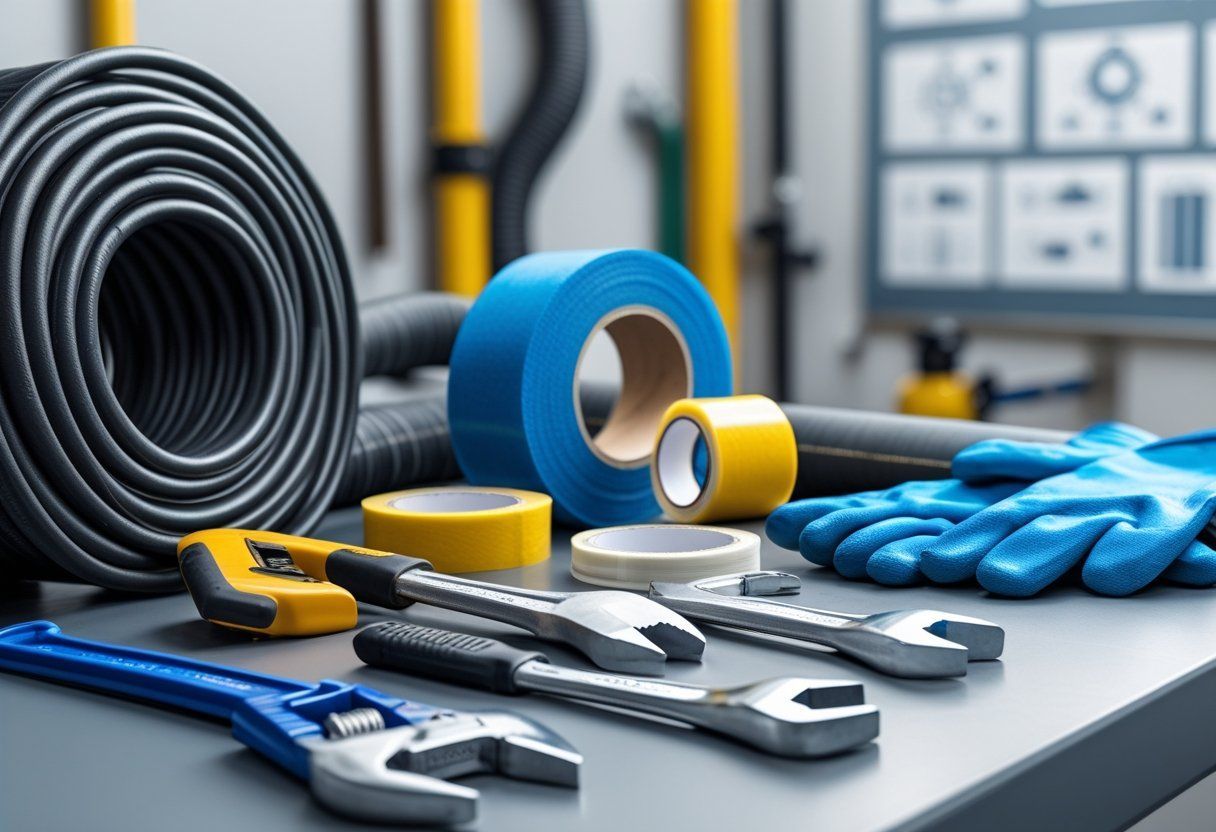
Analyzing Material Expenses for Effective Sewer Line Care
By Stefani January 28, 2026
We’ll break down the real costs that matter for keeping a sewer line working well so you can plan and avoid surprises. You’ll learn which materials and fees drive most of the expense and how small choices can lower long-term costs. We’ll look at costs for parts, tools, permits, and regular cleaning, plus where labor […]
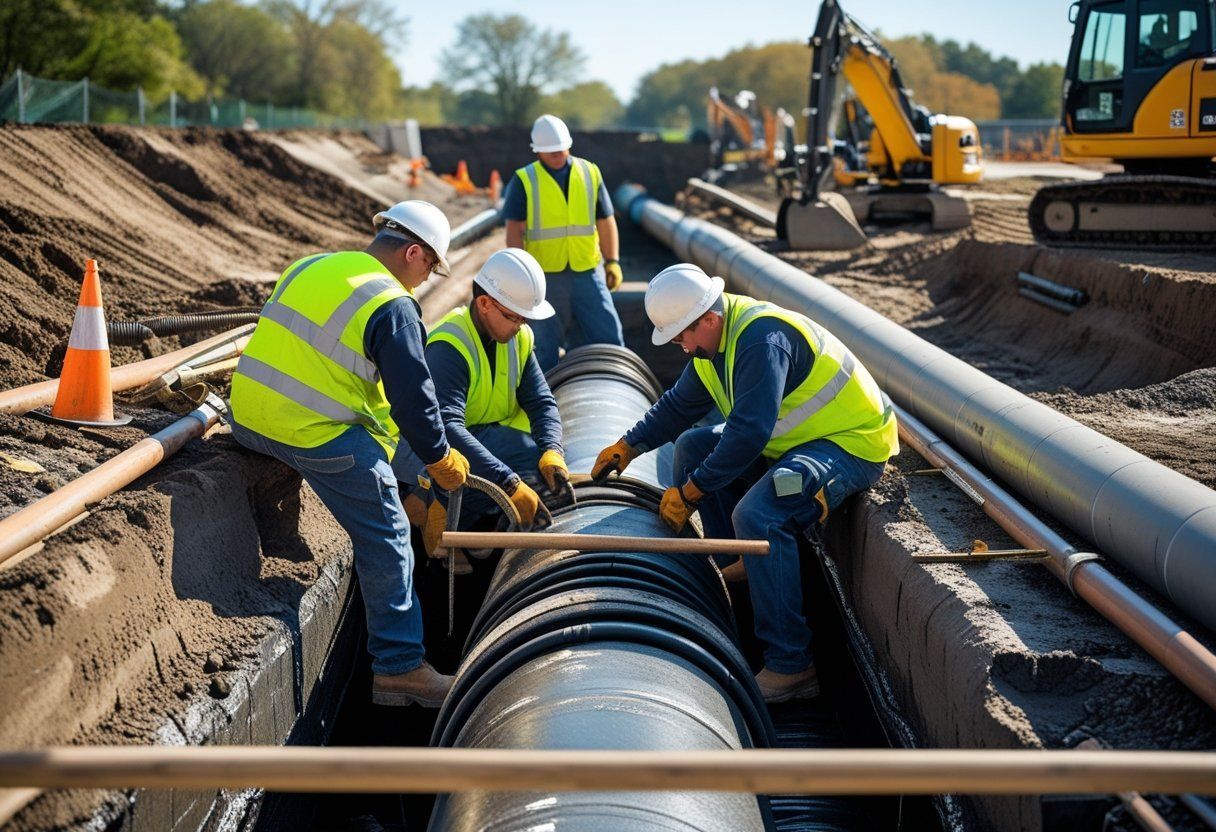
Understanding the Impact of Labor Costs on Sewer Line Maintenance
By Stefani January 25, 2026
You want to know how labor costs shape sewer line care and what that means for your wallet. We will show how wages, crew size, and the repair method you choose change the final bill so you can plan smarter and avoid surprises. Knowing which labor factors most drive costs lets you pick repair options […]
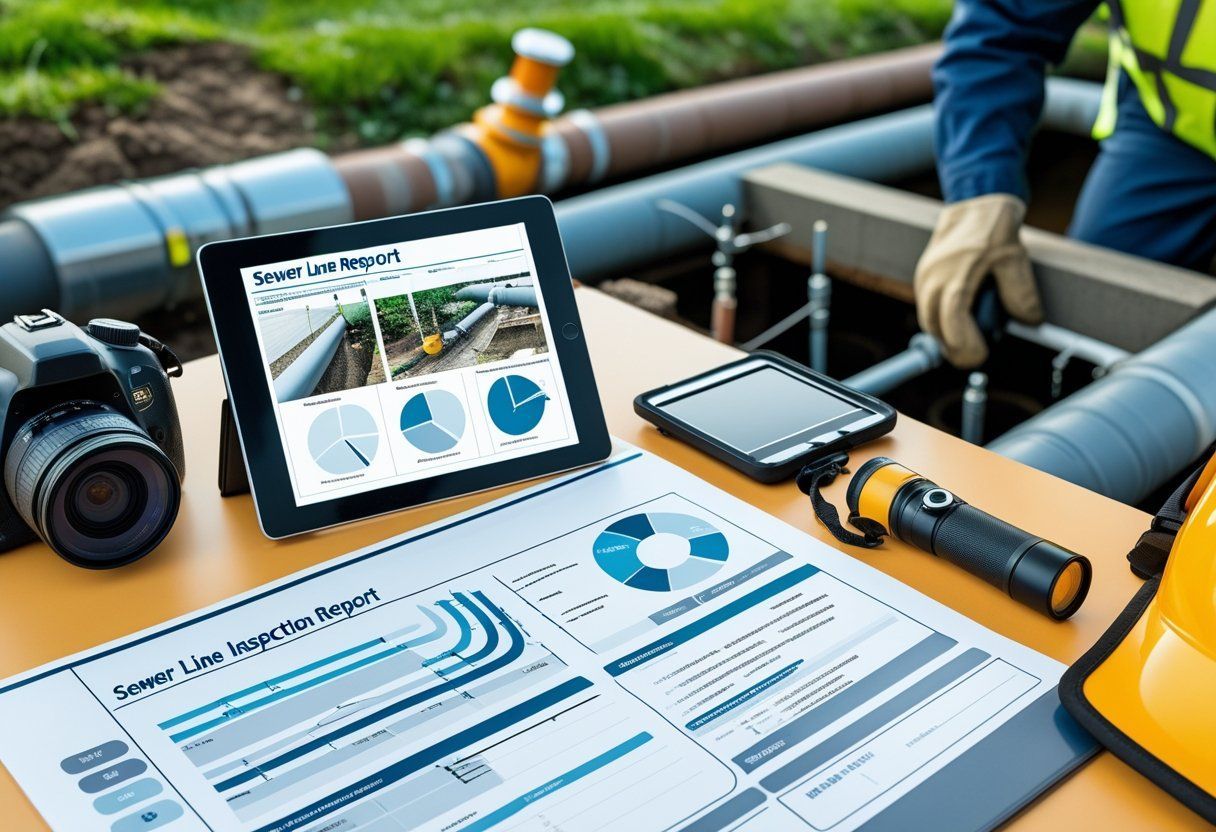
How to Interpret Sewer Line Inspection Reports
By Stefani January 24, 2026
You’ll get clear steps to decode the most important parts of a sewer line inspection report so you can act with confidence. We show you how to spot real problems, what each defect means, and which issues need immediate repair versus routine maintenance. We break the report into simple pieces what the camera images show, […]

By Stefani January 23, 2026
You want tools that give clear answers fast so you can find problems and fix them right. We rely on high-quality sewer cameras, locating gear, and cleaning tools to spot cracks, blockages, and defects in sewer lines accurately. Knowing which tools to use helps a plumber save time and avoid costly mistakes. We will walk […]
By Stefani January 22, 2026
You want sewer line inspections timed so they catch problems before they get costly or urgent. We recommend scheduling inspections based on seasonal risks winter freeze, spring thaw, and heavy fall rains because timing cuts repair costs and prevents service interruptions. We will explain how weather, soil movement, and tree roots change the risk level […]
Common Mistakes to Avoid During Sewer Line Inspections
By Stefani January 18, 2026
We know sewer line inspections feel technical and tense, but avoiding a few common mistakes protects your home and wallet. Start by planning the inspection, knowing what to look for, and involving a qualified professional when signs point to trouble. That simple approach cuts down on missed problems and costly surprises. We will walk through […]
Show More