

Common Faucet Problems and How to Fix Them: A Practical Guide

daniel • August 19, 2024

Share this article

Understanding Faucet Problems

Faucet problems can vary from simple leaks to more complex issues like low water pressure and noise. By identifying the root causes, we can often resolve these issues ourselves, saving time and money.

Diagnosing Leaks and Drips

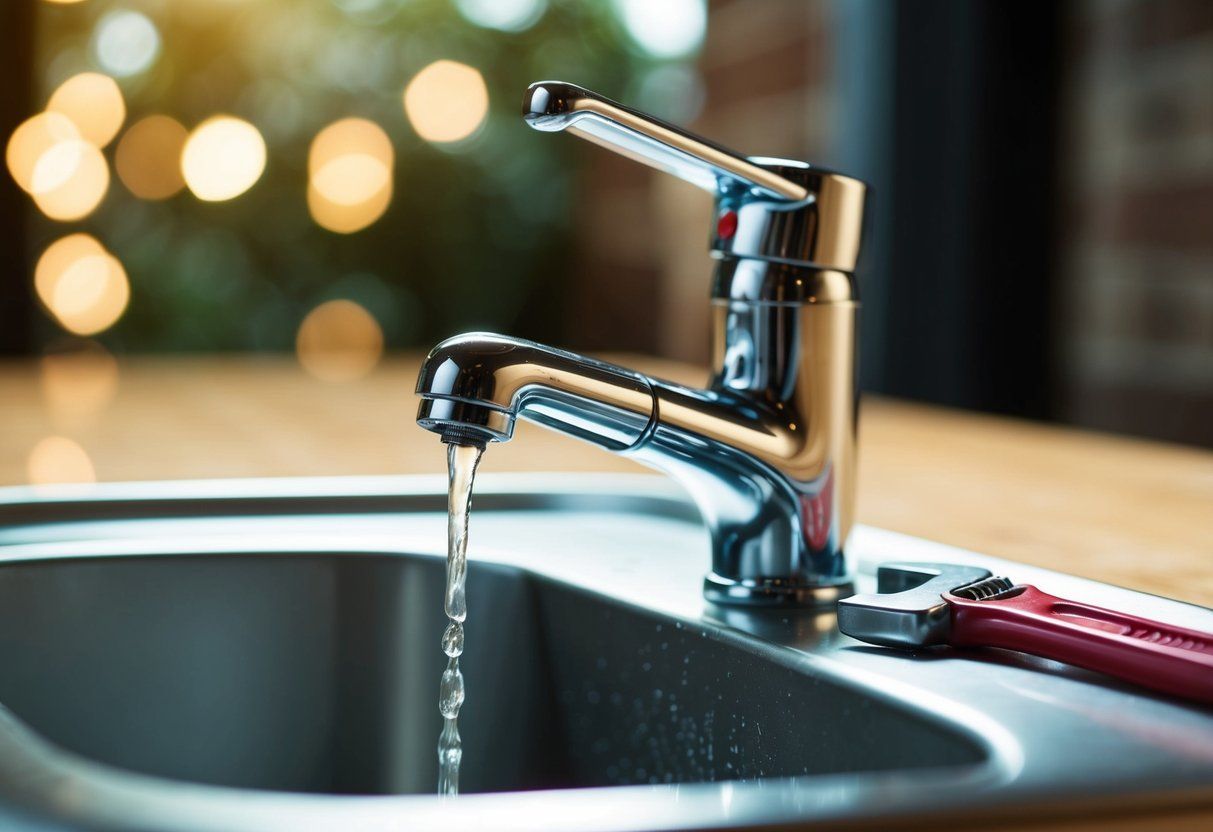
Leaky faucets are common and can waste a lot of water. Often, the cause is a worn-out washer or O-ring. These rubber parts can wear down with time, causing water to leak around handles or drip from the spout. We need to use a wrench to remove and replace these parts.

Sometimes, the leak is due to a faulty valve seat. For this, a basic cleaning or replacement might be in order. Rust and mineral deposits can also create leaks in our taps. Regular maintenance can help prevent these problems from getting worse.

Issues with Water Pressure

Low water pressure can make everyday tasks harder. This can be due to the aerator being clogged with debris. Unscrewing and cleaning it may solve the problem. Mineral buildup might also block water flow. Vinegar can be used to soak the part and remove the deposits.

Rusty pipes might also be the culprit. Sometimes, fixing this requires professional help to replace corroded pipes. Checking if both hot and cold water pressure are affected can help us narrow down the cause.

Identifying Noise Causes

A noisy faucet can be annoying. Sounds like screeching or banging often point to loose or worn parts. A worn-out washer may cause screeching. In contrast, banging or knocking might indicate air in the pipes or a water hammer effect.

Tightening or replacing washers can fix many noise issues. We can also try installing a water hammer arrestor to absorb shock waves in the plumbing. These solutions often help in making our faucets quiet again.

Effects of Mineral Buildup

Mineral buildup is a key concern in areas with hard water. Over time, these deposits can block water flow and damage faucet parts. Rusty water can also be a sign of mineral deposits. We might see white or green residues around the faucet.

A vinegar soak can often clear minerals from faucets and aerators. For extensive buildup, a more thorough cleaning or part replacement might be necessary. Regular cleaning helps minimize mineral deposits and keeps our faucets running smoothly.

Fixing Common Faucet Issues

We often face issues like leaks, noise, and water flow irregularities with our faucets. These problems can often be resolved with some basic repairs and cleaning.


Repairing Leaky and Noisy Faucets

Leaky faucets are usually caused by worn-out rubber washers or damaged o-rings. To fix this, we need to first turn off the water supply. After removing the handle, we can access the faulty parts. Replacing washers and o-rings with new ones can stop the leak.

Noisy faucets are often a result of worn faucet cartridges or high water pressure. We should inspect the cartridge and replace it if worn out. Adjusting the water pressure might also help, and if noise persists, consulting a plumber would be wise.

Managing Water Pressure and Flow

Inconsistent water pressure can be frustrating. First, we should check the home’s main water valve to ensure it’s fully open. Using a pressure gauge , we can measure the current water pressure.

If pressure is too low, the aerator may be clogged. Unscrew the aerator from the tip of the faucet and soak it in vinegar for an hour. This removes mineral build-up, helping restore normal flow. Cleaning the aerator every few months keeps water flowing smoothly.

Replacing Components and Cleaning Aerator

Replacing faucet components can extend the life of our fixtures. Components like faucet cartridges can wear over time, causing drips. We should regularly inspect and replace these parts when needed.

Aerators help control water flow and might get clogged with debris. Regular cleaning involves soaking the aerator in a vinegar solution. After a good soak, rinsing and scrubbing it with a brush ensures no mineral deposits linger. This maintains the efficiency of our faucets. To avoid frequent problems, routine maintenance is crucial.

When to Seek Professional Help

Sometimes faucet problems go beyond simple home repairs. We need to recognize when it’s time to call in the experts for help with complex issues.

Determining the Need for a Plumber

Not all faucet issues can be fixed with a simple DIY approach. If water supply problems arise, it may be time to contact a professional plumber . For instance, low water pressure in our kitchen faucet could be due to a deeper issue with the pipes.

When a faucet handle feels loose, squeaks, or is hard to move, we might face hidden corrosion within the fixture. Corrosion can worsen over time and cause potential leaks. If we suspect corrosion, contacting a plumber is wise since they can diagnose and fix the problem safely.

Unusual noises coming from faucets may indicate malfunctioning internal parts. We might hear banging or whistling sounds. These could point to serious issues within the plumbing system. In such cases, a plumber’s expertise is crucial.

Exploring Faucet Repair Services

Instead of attempting difficult repairs ourselves, considering faucet repair services can save time and hassle. Experts are equipped with proper tools and materials needed to address various issues, ensuring the job is done right. Licensed services often offer warranties or guarantees, adding an extra layer of security.

For those with less experience in home repairs, dealing with complex faucet issues can be daunting. Professional services provide peace of mind since trained individuals execute the repair with precision. They can handle intricate repairs that require specialized knowledge or tools.

In cities, many repair services provide emergency support. When a sudden leak occurs, access to 24/7 services means we don’t have to wait long for help. This prompt response can prevent damage and reduce stress.

Recent Posts

Fast Response Plumbing technician servicing a water shut off valve in San Francisco
By Joe Tinsley July 17, 2026
Learn how gate valves, ball valves, and angle stops work, where to find them in your San Francisco home, and when to replace them. FAQs inside.
Budgeting for Unforeseen Sewer Line Maintenance Expenses
By Stefani January 31, 2026
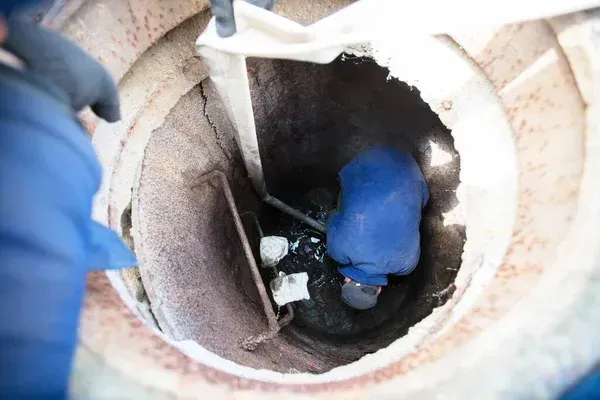
Sewer line problems can hit your wallet fast, and we know the stress of a surprise repair. We show you how to plan a practical budget that covers emergency fixes, regular upkeep, and the big costs that sneak up on you. This saves you money and keeps small issues from turning into major failures. We […]
Seasonal Effects on Sewer Line Maintenance Costs
By Stefani January 30, 2026
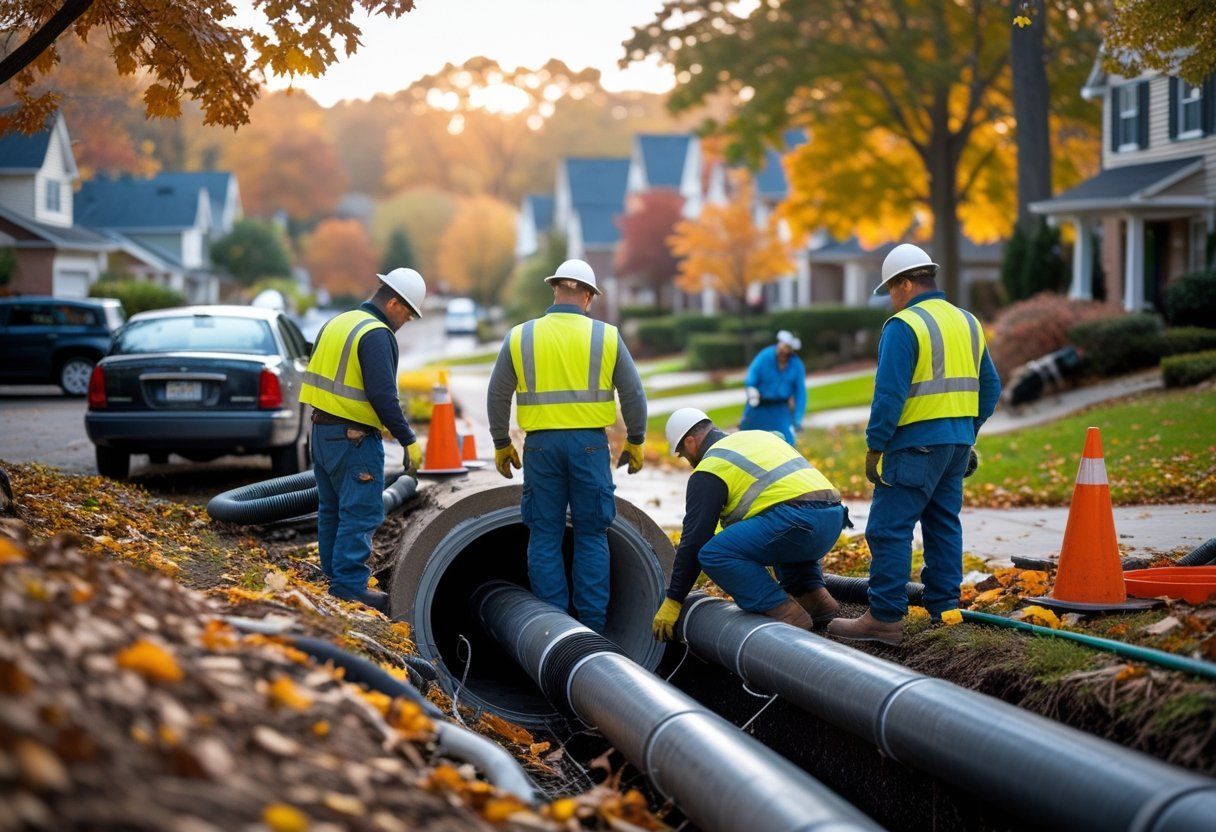
You’ll want to know how seasons change what you pay for sewer line maintenance so you can plan ahead and avoid surprise bills. Seasonal weather, ground movement, and plant growth directly affect repair needs and costs, so budgeting by season cuts unexpected expenses. We outline what shifts costs, when repairs most often happen, and which […]
The Role of Location in Sewer Line Maintenance Pricing
By Stefani January 29, 2026
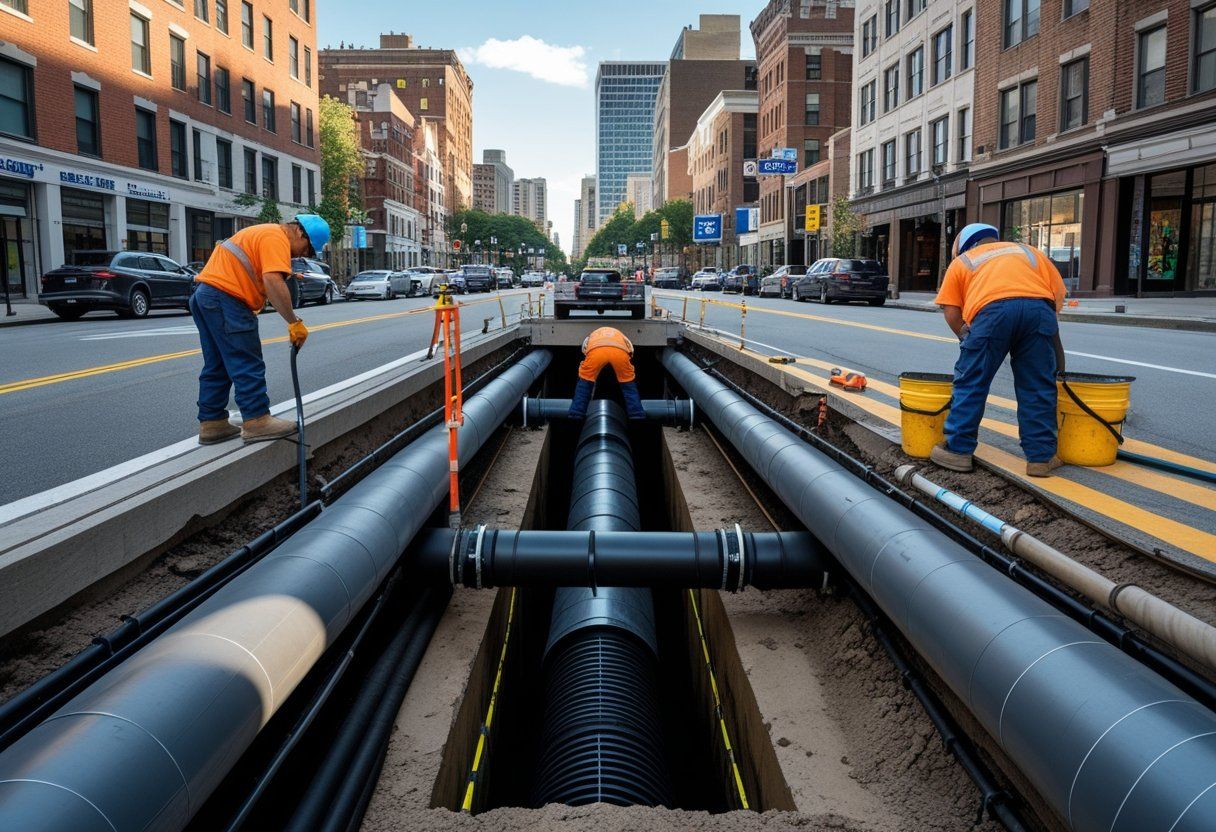
You’ll pay different amounts for sewer line maintenance depending on where your property sits and what’s under it. Location drives cost through factors like soil type, access difficulty, local labor rates, and permit rules, so knowing these lets you predict and plan for expenses. We’ll show how those local details shape quotes and outcomes. We’ll […]
Analyzing Material Expenses for Effective Sewer Line Care
By Stefani January 28, 2026
We’ll break down the real costs that matter for keeping a sewer line working well so you can plan and avoid surprises. You’ll learn which materials and fees drive most of the expense and how small choices can lower long-term costs. We’ll look at costs for parts, tools, permits, and regular cleaning, plus where labor […]
Understanding the Impact of Labor Costs on Sewer Line Maintenance
By Stefani January 25, 2026
You want to know how labor costs shape sewer line care and what that means for your wallet. We will show how wages, crew size, and the repair method you choose change the final bill so you can plan smarter and avoid surprises. Knowing which labor factors most drive costs lets you pick repair options […]

How to Interpret Sewer Line Inspection Reports
By Stefani January 24, 2026
You’ll get clear steps to decode the most important parts of a sewer line inspection report so you can act with confidence. We show you how to spot real problems, what each defect means, and which issues need immediate repair versus routine maintenance. We break the report into simple pieces what the camera images show, […]

Tool kit with hard hat, gloves, laptop, and handheld device on a workbench in a workshop
By Stefani January 23, 2026
You want tools that give clear answers fast so you can find problems and fix them right. We rely on high-quality sewer cameras, locating gear, and cleaning tools to spot cracks, blockages, and defects in sewer lines accurately. Knowing which tools to use helps a plumber save time and avoid costly mistakes. We will walk […]
Worker in blue hard hat inspecting a manhole on a street with a camera device
By Stefani January 22, 2026
You want sewer line inspections timed so they catch problems before they get costly or urgent. We recommend scheduling inspections based on seasonal risks winter freeze, spring thaw, and heavy fall rains because timing cuts repair costs and prevents service interruptions. We will explain how weather, soil movement, and tree roots change the risk level […]
Common Mistakes to Avoid During Sewer Line Inspections
By Stefani January 18, 2026
We know sewer line inspections feel technical and tense, but avoiding a few common mistakes protects your home and wallet. Start by planning the inspection, knowing what to look for, and involving a qualified professional when signs point to trouble. That simple approach cuts down on missed problems and costly surprises. We will walk through […]
Show More