
Common Causes of Burst Pipes in Older Homes: Key Factors to Watch

Stefani • March 6, 2025

Share this article

Understanding Pipe Material and Age

In older homes, pipe material and age can play a big role in plumbing problems. Different materials react differently to the passage of time, affecting durability and risk of failure.

Types of Pipe Materials in Older Homes

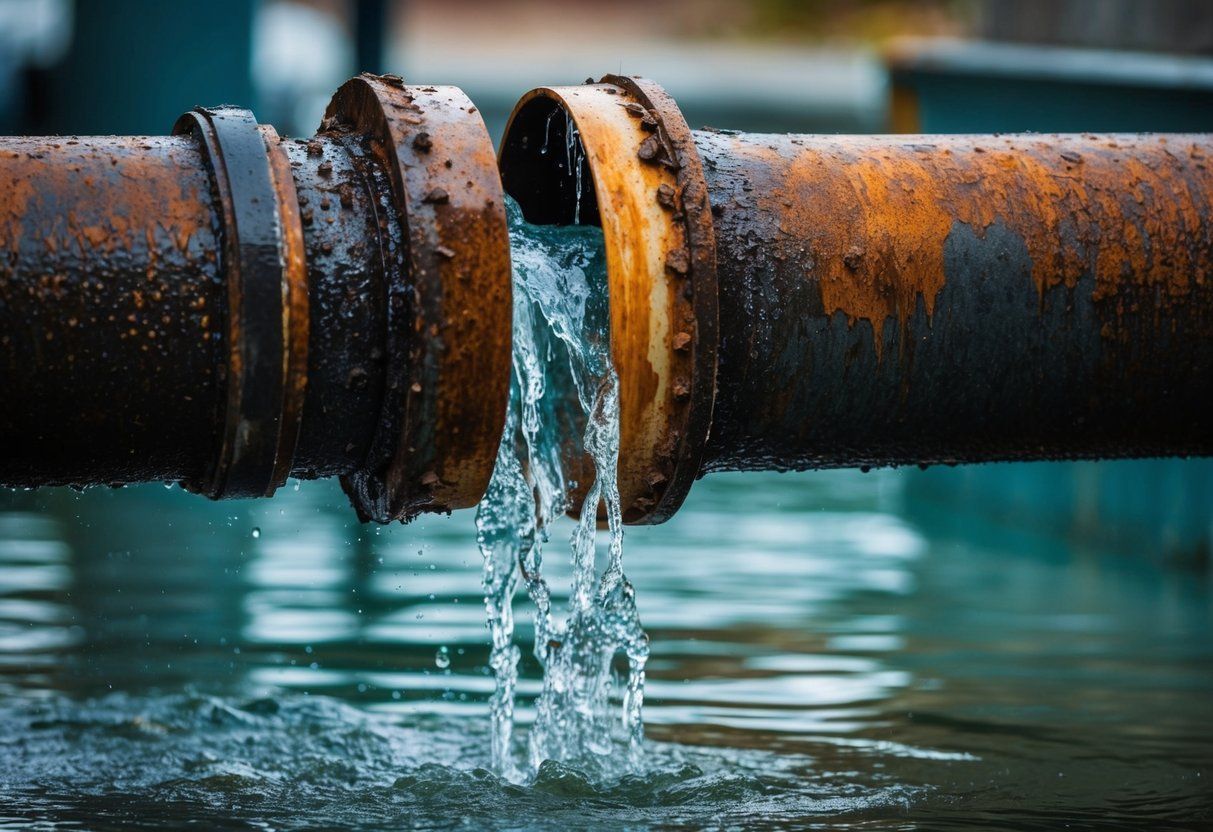
Older homes often use materials like galvanized steel, copper, lead, and cast iron. Each has unique traits. Galvanized steel, once common, can corrode over time. Copper is durable but can develop pinhole leaks due to corrosive water. Lead pipes, also used in the past, pose health risks and should be replaced. Cast iron boasts longevity but faces corrosion and rust issues.

Sometimes, older homes might include other materials like clay for sewer lines. These materials help us understand how the plumbing works and what problems could come up as they age. Knowing what type of pipes we have helps us make better decisions about repairs or replacements.

Effects of Aging on Pipe Durability

The age of pipes significantly impacts durability. As pipes age, they might experience wear and tear that leads to leaks or bursts. Galvanized pipes can develop rust, decreasing their diameter and water flow over time. Copper might corrode from reaction with minerals in water.

We should be cautious with older lead pipes, as they can pose health risks with lead leaching into water. Cast iron might face similar corrosion problems, leading to leaks or blockages. Recognizing how aging affects these materials can guide us in maintaining a safe and functional plumbing system. Regular inspections help us identify issues before they become major problems, ensuring a safer home environment.

Impact of Cold Weather on Plumbing

Cold weather can have a major impact on our plumbing systems. When temperatures drop, pipes can freeze and burst, leading to expensive repairs. Proper insulation and preventative actions can help mitigate these issues.

Role of Freezing Temperatures in Pipe Bursting

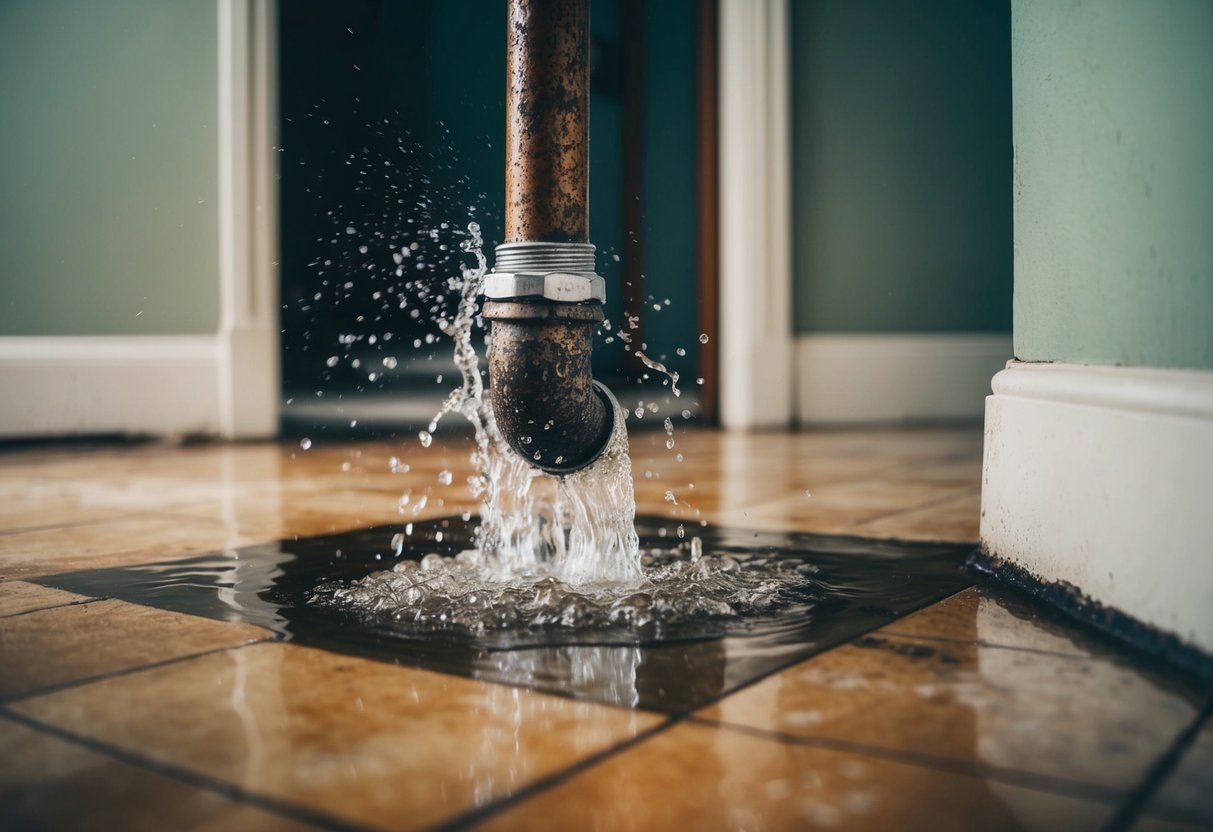
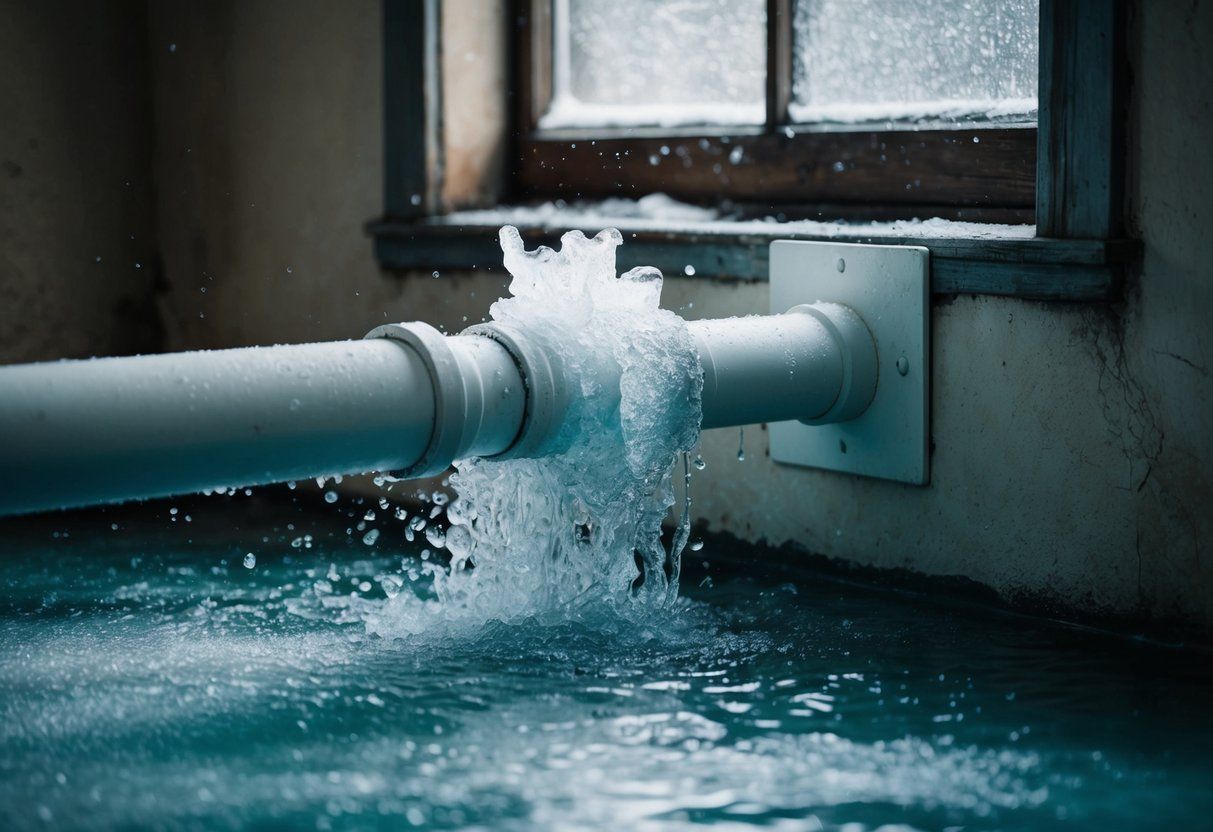
Freezing temperatures can cause water inside our pipes to freeze. As water turns to ice, it expands, putting immense pressure on the pipe walls. If the pressure becomes too great, the pipe can crack or burst. This is especially common in older homes with pipes that might already be weakened. Visible frost on pipes might indicate they are frozen. When pipes burst, we may need to call an emergency plumber to fix them quickly.

  • Reduced water flow
  • Frost on pipes
  • Strange smells from drains

Burst pipes can result in water damage that affects our property. It can be costly to repair both the plumbing and any water damage. Acting quickly and efficiently is vital to minimize these damages.

Preventative Measures for Frozen Pipes

There are several ways we can protect our pipes from freezing. The most effective method is adding pipe insulation, especially in unheated areas like basements or attics. Insulation helps keep the pipes warm. During extremely cold weather, it’s smart to let faucets drip slightly to keep water moving.

Additional steps include opening cabinet doors to allow warm air to circulate around plumbing, especially if pipes are near exterior walls. For temporary relief, we might use a heating pad on pipes at risk of freezing. Taking these preventative measures can save us from dealing with an emergency plumber later.

Preventative tips:

  • Use pipe insulation
  • Keep faucets dripping
  • Open cabinet doors

Water Pressure and Flow Issues

Older homes often have plumbing systems that can struggle with high water pressure. When water pressure is too high, it can lead to pipes bursting and significant water damage. It’s important to keep an eye on signs of this issue and regulate the water supply effectively.

Signs of High Water Pressure Leading to Bursts

High water pressure is often caused by faulty plumbing components or improperly adjusted pressure settings. Some common signs include banging noises in the pipes, dripping faucets, and leaking appliances. Water bill increases can also suggest high pressure.

Pipes can only handle so much pressure. When it exceeds your system’s limits, it can lead to bursts, causing water damage. If we notice any signs of excessive pressure, immediate action is necessary to prevent costly repairs.

Regulating Water Supply to Prevent Damage

To manage water pressure effectively, installing a pressure-reducing valve (PRV) is often recommended. This device helps control the water flow, keeping it at a safe level. We should check our valve settings regularly to ensure they are correct.

Routine maintenance checks are crucial for preventing plumbing issues. It helps us catch problems before they lead to burst pipes. We should consider consulting a professional plumber to assess our water supply system if unsure about the pressure levels.

Identifying and Addressing Water Leaks

In older homes, water leaks can cause significant damage if not identified and addressed quickly. Our goal is to equip you with the necessary strategies to spot leaks and take immediate action when a pipe bursts.

Detecting Leaks in the Plumbing System

Finding leaks early can save time and money. We should monitor our water bill for unexpected spikes, as this might signal a hidden leak. Listening for mysterious water sounds when none should be present is crucial. We can also check areas around sinks, toilets, and appliances for dampness.

A simple tip is to use food coloring in toilet tanks. If we find the color in the bowl without flushing, there’s a leak. Hiring an emergency plumber can also be a wise choice if the source of a leak isn’t obvious or if we need further assurance.

Immediate Steps After Discovering a Burst Pipe

When a pipe bursts, acting quickly is essential. First, we must turn off the water supply to prevent further flooding. Locating the main water valve and turning it clockwise usually stops the flow. Next, we should switch off electricity in affected areas to avoid electrical hazards.

It’s important to call an emergency plumber right away. While waiting, we can start clearing out water using mops or towels to minimize damage. Using buckets to catch dripping water can also help manage the situation. Keeping our emergency kit handy with important contacts and tools can make these situations less stressful.

Recent Posts

Fast Response Plumbing technician servicing a water shut off valve in San Francisco
By Joe Tinsley July 17, 2026
Learn how gate valves, ball valves, and angle stops work, where to find them in your San Francisco home, and when to replace them. FAQs inside.
Budgeting for Unforeseen Sewer Line Maintenance Expenses
By Stefani January 31, 2026
Sewer line problems can hit your wallet fast, and we know the stress of a surprise repair. We show you how to plan a practical budget that covers emergency fixes, regular upkeep, and the big costs that sneak up on you. This saves you money and keeps small issues from turning into major failures. We […]
Seasonal Effects on Sewer Line Maintenance Costs
By Stefani January 30, 2026
You’ll want to know how seasons change what you pay for sewer line maintenance so you can plan ahead and avoid surprise bills. Seasonal weather, ground movement, and plant growth directly affect repair needs and costs, so budgeting by season cuts unexpected expenses. We outline what shifts costs, when repairs most often happen, and which […]
The Role of Location in Sewer Line Maintenance Pricing
By Stefani January 29, 2026
You’ll pay different amounts for sewer line maintenance depending on where your property sits and what’s under it. Location drives cost through factors like soil type, access difficulty, local labor rates, and permit rules, so knowing these lets you predict and plan for expenses. We’ll show how those local details shape quotes and outcomes. We’ll […]
Analyzing Material Expenses for Effective Sewer Line Care
By Stefani January 28, 2026
We’ll break down the real costs that matter for keeping a sewer line working well so you can plan and avoid surprises. You’ll learn which materials and fees drive most of the expense and how small choices can lower long-term costs. We’ll look at costs for parts, tools, permits, and regular cleaning, plus where labor […]
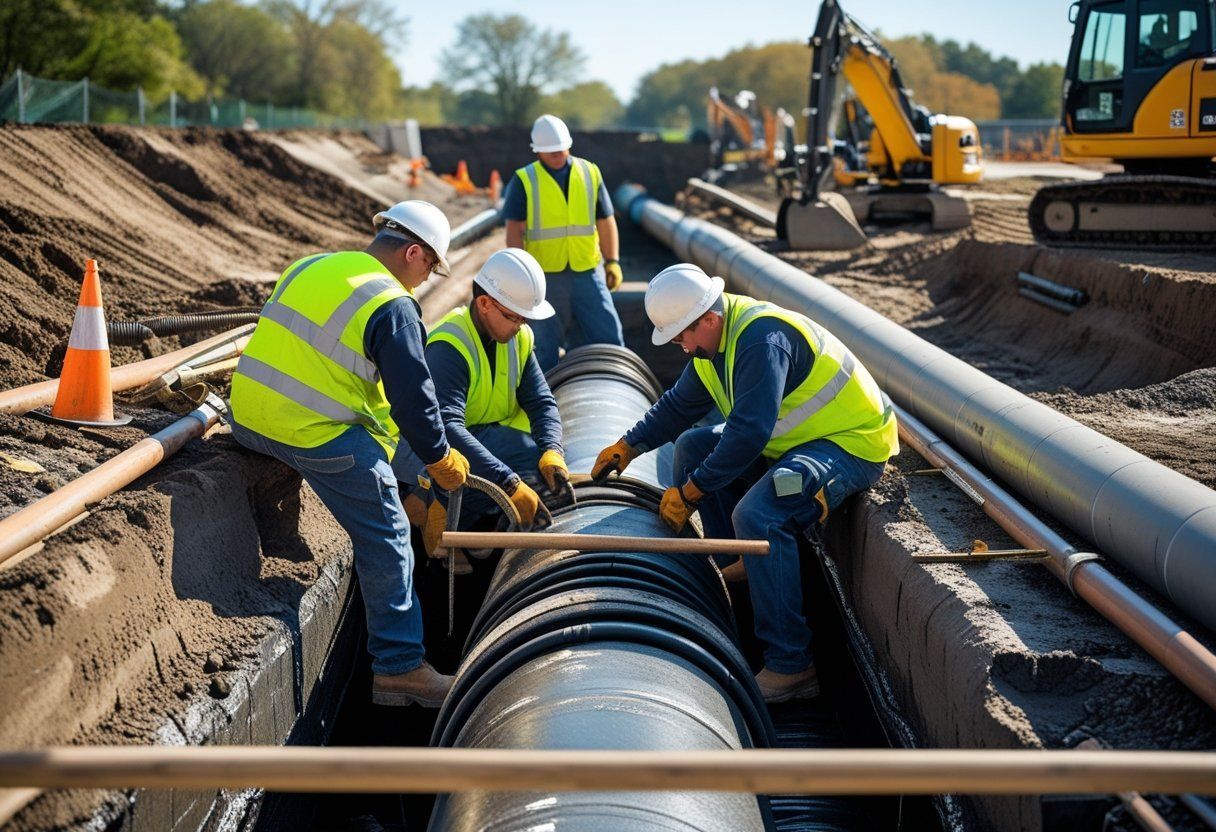
Understanding the Impact of Labor Costs on Sewer Line Maintenance
By Stefani January 25, 2026
You want to know how labor costs shape sewer line care and what that means for your wallet. We will show how wages, crew size, and the repair method you choose change the final bill so you can plan smarter and avoid surprises. Knowing which labor factors most drive costs lets you pick repair options […]
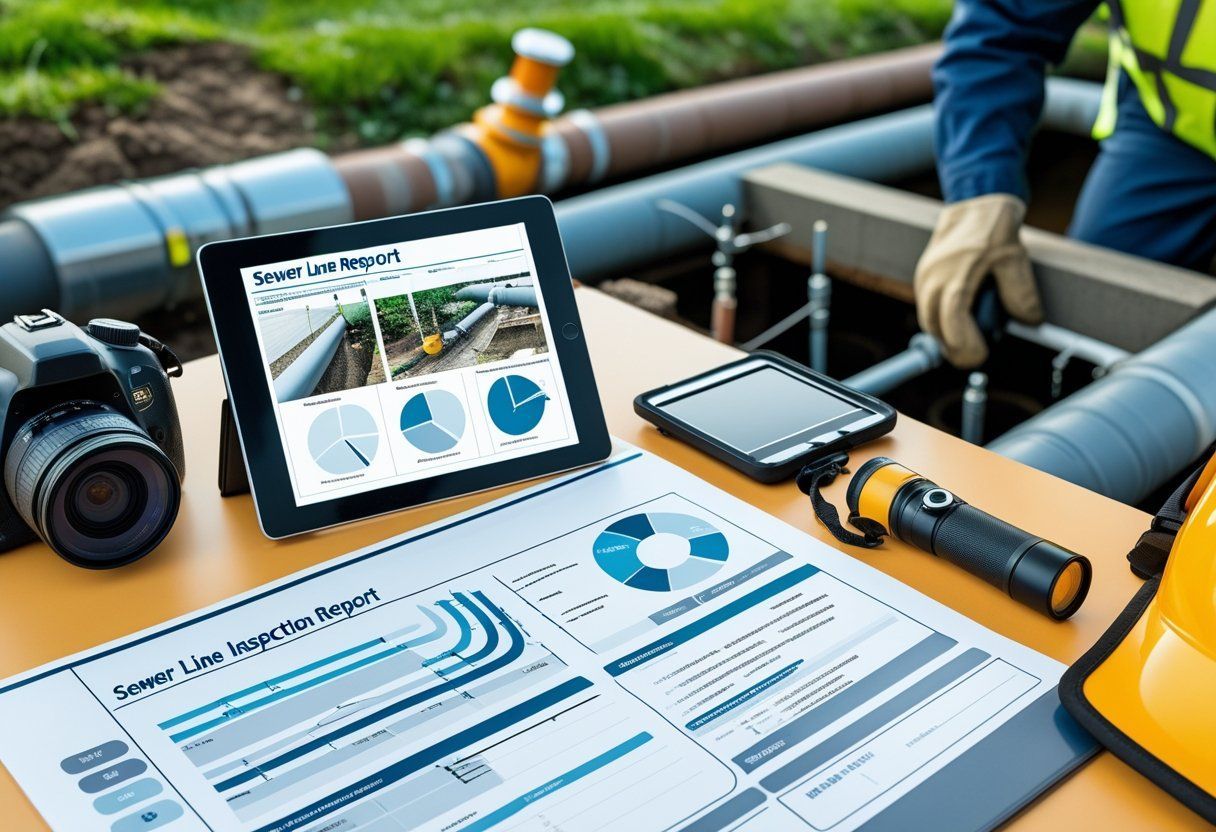
How to Interpret Sewer Line Inspection Reports
By Stefani January 24, 2026
You’ll get clear steps to decode the most important parts of a sewer line inspection report so you can act with confidence. We show you how to spot real problems, what each defect means, and which issues need immediate repair versus routine maintenance. We break the report into simple pieces what the camera images show, […]
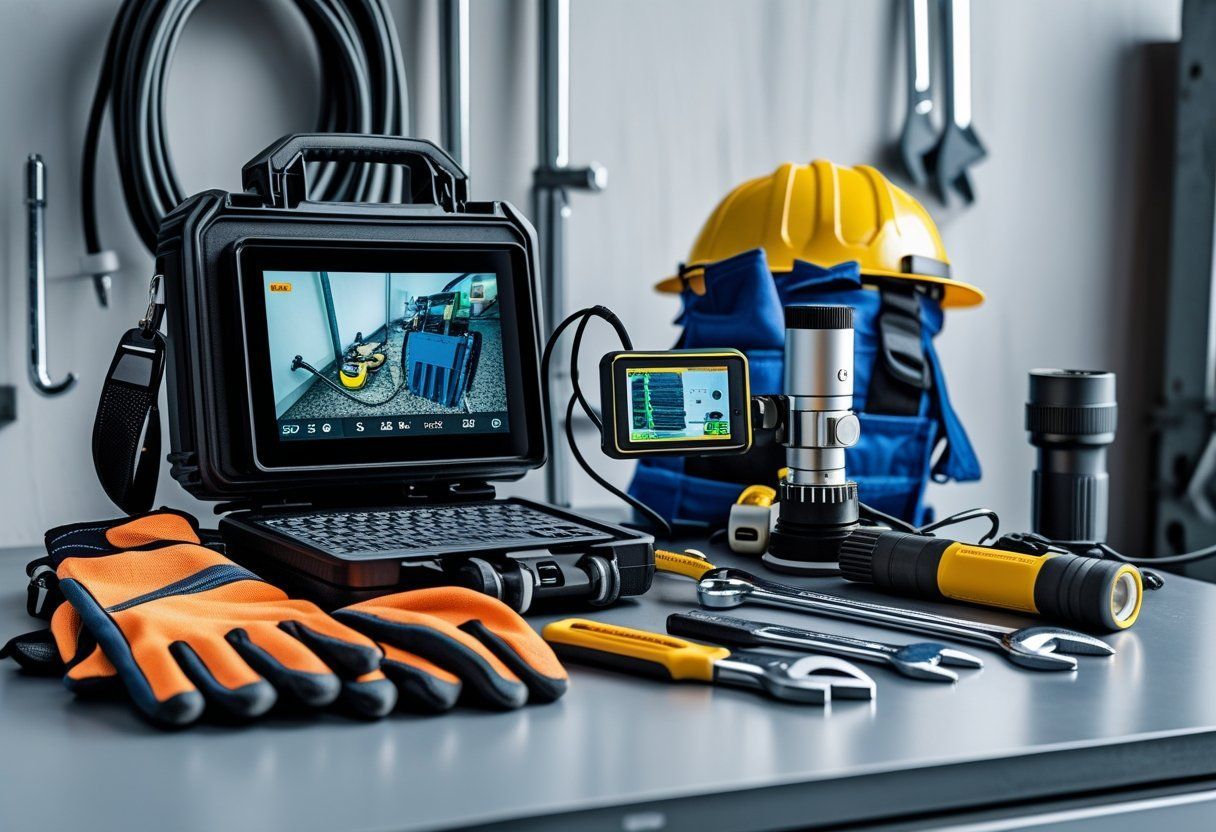
By Stefani January 23, 2026
You want tools that give clear answers fast so you can find problems and fix them right. We rely on high-quality sewer cameras, locating gear, and cleaning tools to spot cracks, blockages, and defects in sewer lines accurately. Knowing which tools to use helps a plumber save time and avoid costly mistakes. We will walk […]
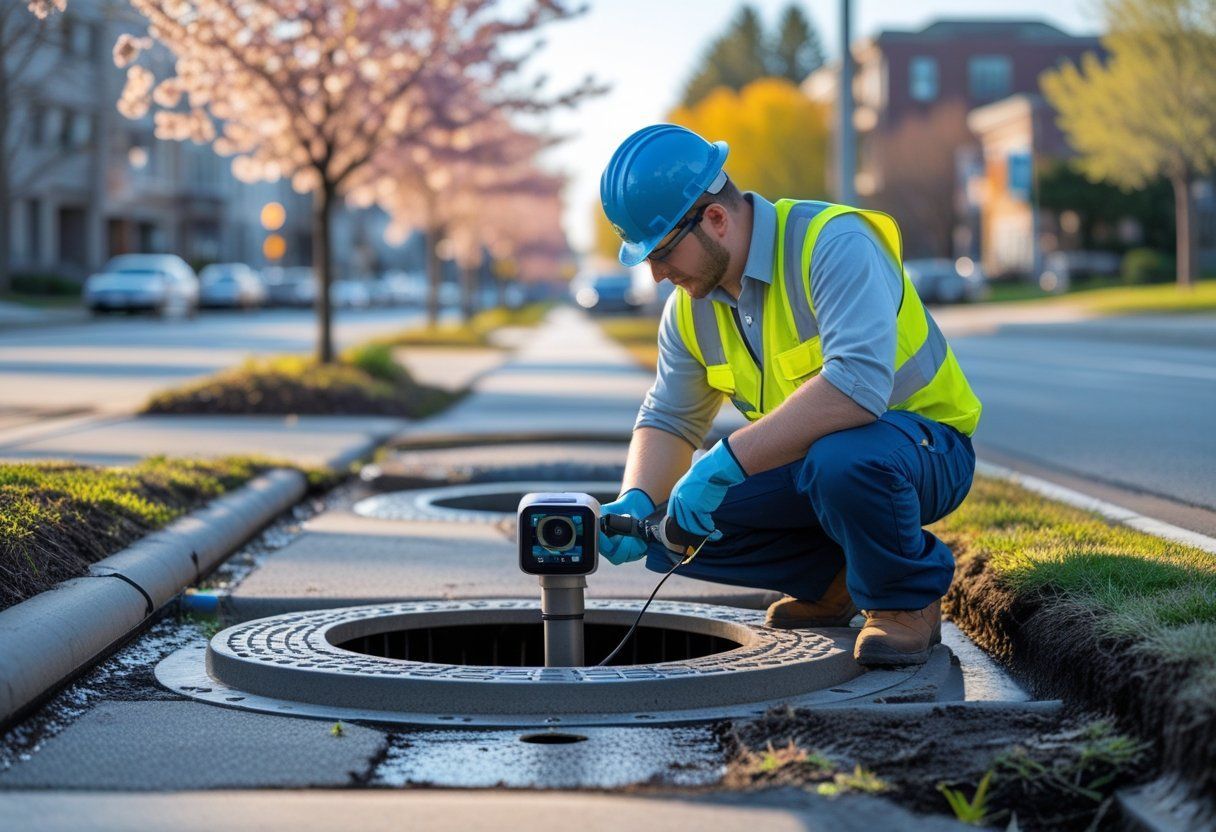
By Stefani January 22, 2026
You want sewer line inspections timed so they catch problems before they get costly or urgent. We recommend scheduling inspections based on seasonal risks winter freeze, spring thaw, and heavy fall rains because timing cuts repair costs and prevents service interruptions. We will explain how weather, soil movement, and tree roots change the risk level […]
Common Mistakes to Avoid During Sewer Line Inspections
By Stefani January 18, 2026
We know sewer line inspections feel technical and tense, but avoiding a few common mistakes protects your home and wallet. Start by planning the inspection, knowing what to look for, and involving a qualified professional when signs point to trouble. That simple approach cuts down on missed problems and costly surprises. We will walk through […]
Show More