
Understanding Water Heater Maintenance in San Francisco: A Guide to Efficient Home Care

daniel • October 17, 2024

Share this article

Living in San Francisco, we rely on our water heaters for daily comfort, whether it’s enjoying a warm shower or washing dishes. Regular maintenance of water heaters can extend their lifespan and improve efficiency. This means fewer cold surprises and lower energy bills, which is something we can all appreciate.

San Francisco’s unique climate and water conditions make it important for us to address specific maintenance needs. Limescale and mineral buildup are common issues due to the area’s water hardness. Taking steps to regularly flush and inspect our water heaters helps prevent these problems.

By understanding and practicing proper maintenance, we ensure our homes remain comfortable year-round. This approach keeps our water heaters working efficiently, serving us well through the foggy mornings and chilly nights typical of the Bay Area.

Understanding Water Heater Systems in San Francisco

In San Francisco, knowing which water heater to use and how to maintain it efficiently is crucial. Selecting the best system involves looking at types and functionality to save energy and reduce costs. We’ll explore both tankless options and traditional ones.

Types of Water Heaters

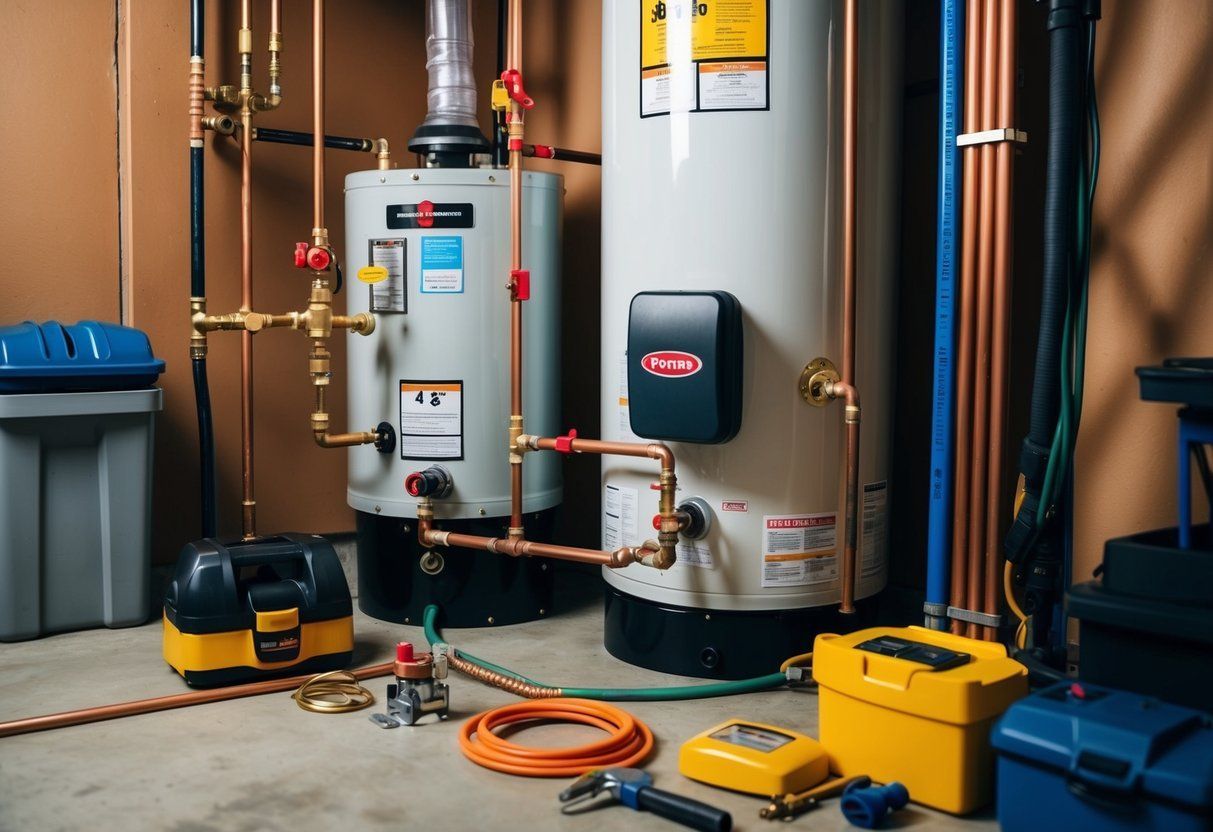
When it comes to water heaters, there are several options available to us. Tankless water heaters provide hot water on demand. This type might be more energy-efficient for homes that use less hot water daily. The traditional tank water heaters store hot water in large tanks, which might be more suitable for larger households.

Each type has its advantages. Tankless heaters are compact and can save space, while tank heaters can deliver a large amount of hot water at once. We need to consider the heating source as well, such as electric or gas, which affects efficiency and cost. Being informed about these choices can help us make the right decision for our homes.

Importance of Efficiency and Functionality

Energy efficiency is a key aspect of water heaters in San Francisco. An efficient water heater reduces utility bills and minimizes environmental impact. Tankless water heaters tend to be more efficient since they heat water only when needed.

Furthermore, we should think about functionalities that can improve the heater’s performance and ease of use. Features such as smart controls, programmable settings, and high energy ratings are worth considering. These aspects help us maintain an efficient system, ensuring it meets our needs while being cost-effective.

Routine Maintenance for Optimal Performance

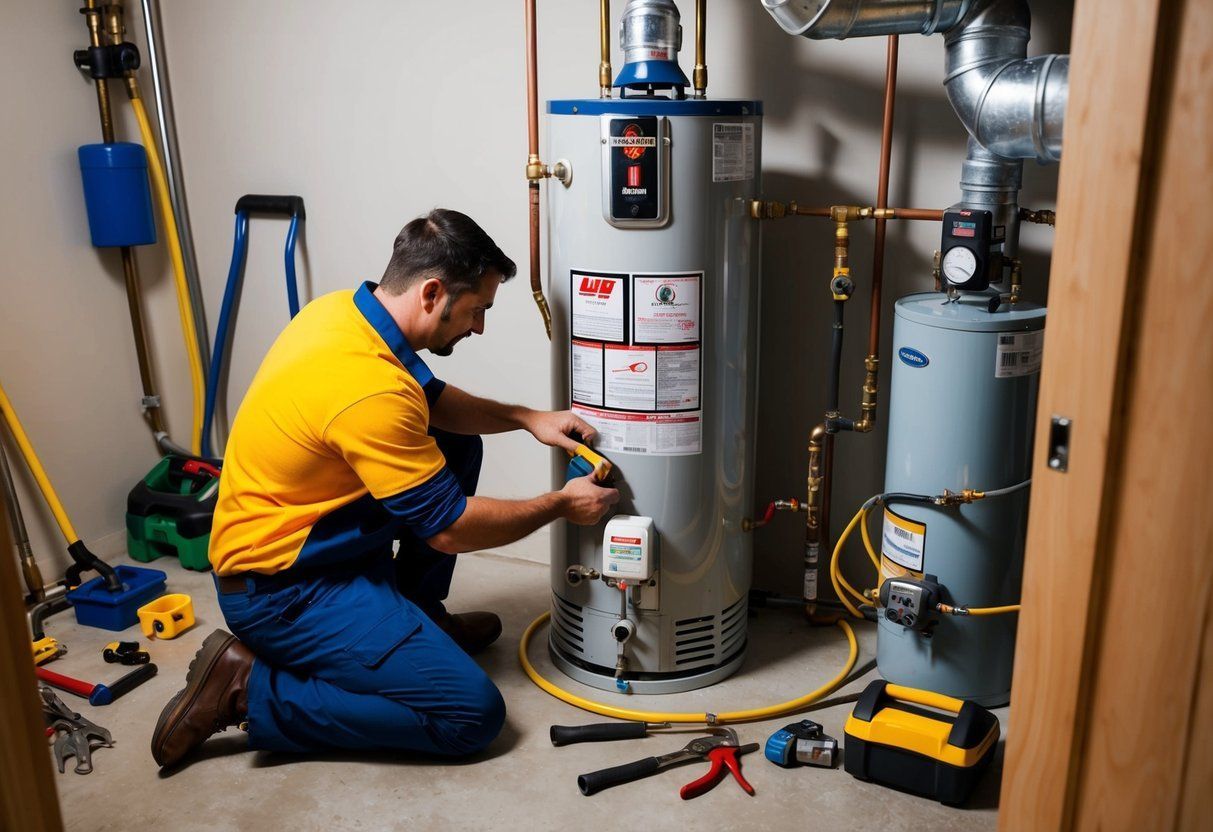
Regular maintenance of our water heaters helps prevent issues and prolong their lifespan. By focusing on key tasks like flushing the tank, checking for leaks, and inspecting water quality, we can ensure our systems run efficiently and effectively.

Flushing the Tank to Prevent Sediment Buildup

In San Francisco, mineral-rich water can cause sediment to settle at the bottom of the tank. This buildup makes the heater work harder and reduces its efficiency. We should flush our tanks at least once a year.

To do this, we turn off the heater, connect a hose to the drain valve, and let the water flow out until it runs clear. This simple step can help maintain optimal performance and increase the heater’s longevity. If unsure, local plumbing services can provide assistance.

Detecting Leaks and Corrosion Early

Regularly checking for leaks and signs of corrosion is essential. Leaks often appear around fittings, valves, or the tank itself. Corrosion occurs when water reacts with metal parts, sometimes causing rust. A San Francisco plumber can help spot these issues early.

By acting quickly, we can avoid major repairs or the need for a replacement. It’s a good idea to check for water puddles or rust stains around the heater monthly. Being proactive keeps our heater functioning smoothly.

Inspections for Ensuring Water Quality

Ensuring the quality of our water is another important task. Poor water quality can damage the heater over time. We can inspect the anode rod in the tank, which prevents rust inside. If it appears worn or thin, replacing it can protect the tank from corrosion. Contacting plumbing services for routine checks helps ensure everything is in good shape.

Additionally, water softeners or filtration systems can be installed to reduce mineral content in hard water areas. This not only benefits the water heater but also improves the quality of water throughout our home. Regular inspections and upgrades can help us maintain a reliable system.

Troubleshooting Common Water Heater Problems

Dealing with water heater issues in San Francisco means pinpointing common problems like insufficient hot water, strange noises, and discolored water. Sometimes we can fix these ourselves; other times, we may need a professional.

Inadequate Hot Water Supply

When our water heater fails to deliver enough hot water, it can disrupt daily routines. Common causes include a faulty thermostat, broken heating elements, or sediment buildup reducing efficiency.

First, we should check the thermostat settings. If they seem correct, we may need to inspect the heating elements. Cleaning or replacing these parts often helps restore normal performance. Regular maintenance helps prevent these issues and prolongs the unit’s life. Remember, a consistently underperforming water heater could signal a need for significant repairs or replacement.

Unusual Noises and Discolored Water

We might notice odd noises or discolored water from our heater. Sounds like popping or rumbling often indicate sediment accumulation. This buildup can lead to inefficiency and damage.

To fix this, we can flush the tank to remove sediment. This usually involves draining the water heater completely and cleaning it. Discolored water might result from rust, affecting tank integrity. Examining the anode rod and replacing it if needed is vital. If we see continual discoloration or hear persistent noises, it might be time to contact a professional.

When to Call for Professional Repairs

Advanced warning signs mean it’s time for expert help. Frequent repairs, leaks, or a heater over ten years old may indicate bigger issues.

If our efforts don’t solve the problem, a professional can assess whether replacing or repairing is best. They have the tools and expertise to address complex problems safely and effectively. Ignoring serious signs risks larger issues and higher costs. Let’s consider professional repair services when simple solutions no longer work.

Enhancing Comfort and Energy Savings in Your Home

Upgrading your water heater, keeping up with maintenance, and ensuring efficient daily activities can boost comfort and lower energy bills. Let’s explore these factors in detail.

Opting for an Energy-Efficient Model

Choosing an energy-efficient water heater can greatly impact our home’s energy use. Modern heaters use less power, which means reduced bills over time. It’s worth considering models that have an Energy Star rating; they are designed to consume less energy and improve efficiency.

We should also look into tankless options. These provide hot water only when needed, eliminating the energy waste of maintaining a tank’s temperature all day. Though the initial cost can be higher, the long-term savings make it a smart choice.

Benefits of Regular Maintenance on Energy Bills

Regular maintenance keeps our water heater running effectively and can help us save on energy costs. Flushing the tank removes sediment that can make the heater work harder than necessary, using extra energy. Checking and replacing worn parts like the anode rod can also extend the life of our heater.

Scheduling a yearly professional inspection ensures that the system is operating efficiently. By catching issues before they become big problems, we avoid unexpected breakdowns and high repair costs, keeping energy usage and bills in check.

Maintaining a Consistent Warm Shower and Efficient Washing Dishes Experience

Ensuring our water heater is functioning well means more than just saving money. It also helps maintain the comfort of a warm shower and ensures efficiency when washing dishes. When the heater is in good condition, it provides a steady flow of hot water, preventing those unpleasant cold surprises.

A well-maintained system allows us to wash dishes efficiently, using hot water to easily clean grease and stubborn food particles. Regular checks and proper maintenance mean we get consistent performance, making everyday tasks smoother and more comfortable.

Recent Posts

Fast Response Plumbing technician servicing a water shut off valve in San Francisco
By Joe Tinsley July 17, 2026
Learn how gate valves, ball valves, and angle stops work, where to find them in your San Francisco home, and when to replace them. FAQs inside.
Budgeting for Unforeseen Sewer Line Maintenance Expenses
By Stefani January 31, 2026
Sewer line problems can hit your wallet fast, and we know the stress of a surprise repair. We show you how to plan a practical budget that covers emergency fixes, regular upkeep, and the big costs that sneak up on you. This saves you money and keeps small issues from turning into major failures. We […]
Seasonal Effects on Sewer Line Maintenance Costs
By Stefani January 30, 2026
You’ll want to know how seasons change what you pay for sewer line maintenance so you can plan ahead and avoid surprise bills. Seasonal weather, ground movement, and plant growth directly affect repair needs and costs, so budgeting by season cuts unexpected expenses. We outline what shifts costs, when repairs most often happen, and which […]
The Role of Location in Sewer Line Maintenance Pricing
By Stefani January 29, 2026
You’ll pay different amounts for sewer line maintenance depending on where your property sits and what’s under it. Location drives cost through factors like soil type, access difficulty, local labor rates, and permit rules, so knowing these lets you predict and plan for expenses. We’ll show how those local details shape quotes and outcomes. We’ll […]
Analyzing Material Expenses for Effective Sewer Line Care
By Stefani January 28, 2026
We’ll break down the real costs that matter for keeping a sewer line working well so you can plan and avoid surprises. You’ll learn which materials and fees drive most of the expense and how small choices can lower long-term costs. We’ll look at costs for parts, tools, permits, and regular cleaning, plus where labor […]
Understanding the Impact of Labor Costs on Sewer Line Maintenance
By Stefani January 25, 2026
You want to know how labor costs shape sewer line care and what that means for your wallet. We will show how wages, crew size, and the repair method you choose change the final bill so you can plan smarter and avoid surprises. Knowing which labor factors most drive costs lets you pick repair options […]
How to Interpret Sewer Line Inspection Reports
By Stefani January 24, 2026
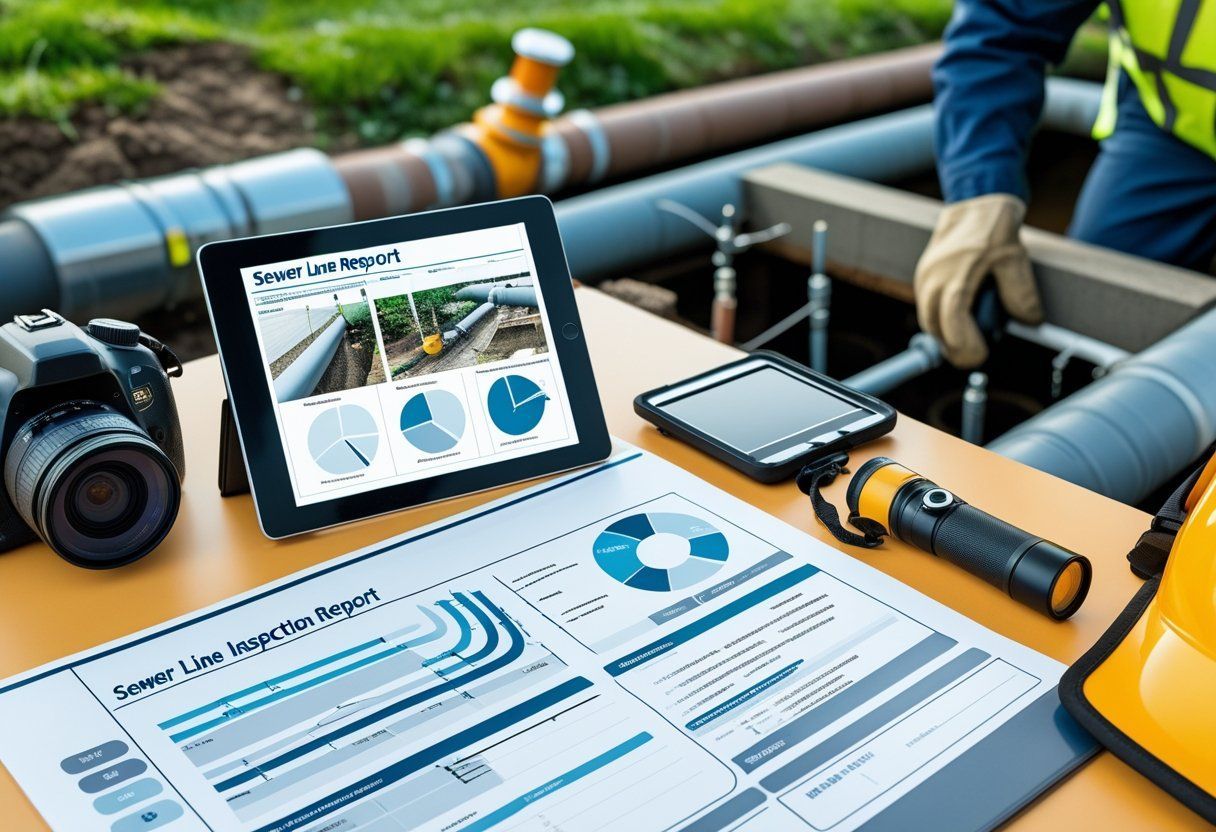
You’ll get clear steps to decode the most important parts of a sewer line inspection report so you can act with confidence. We show you how to spot real problems, what each defect means, and which issues need immediate repair versus routine maintenance. We break the report into simple pieces what the camera images show, […]
By Stefani January 23, 2026
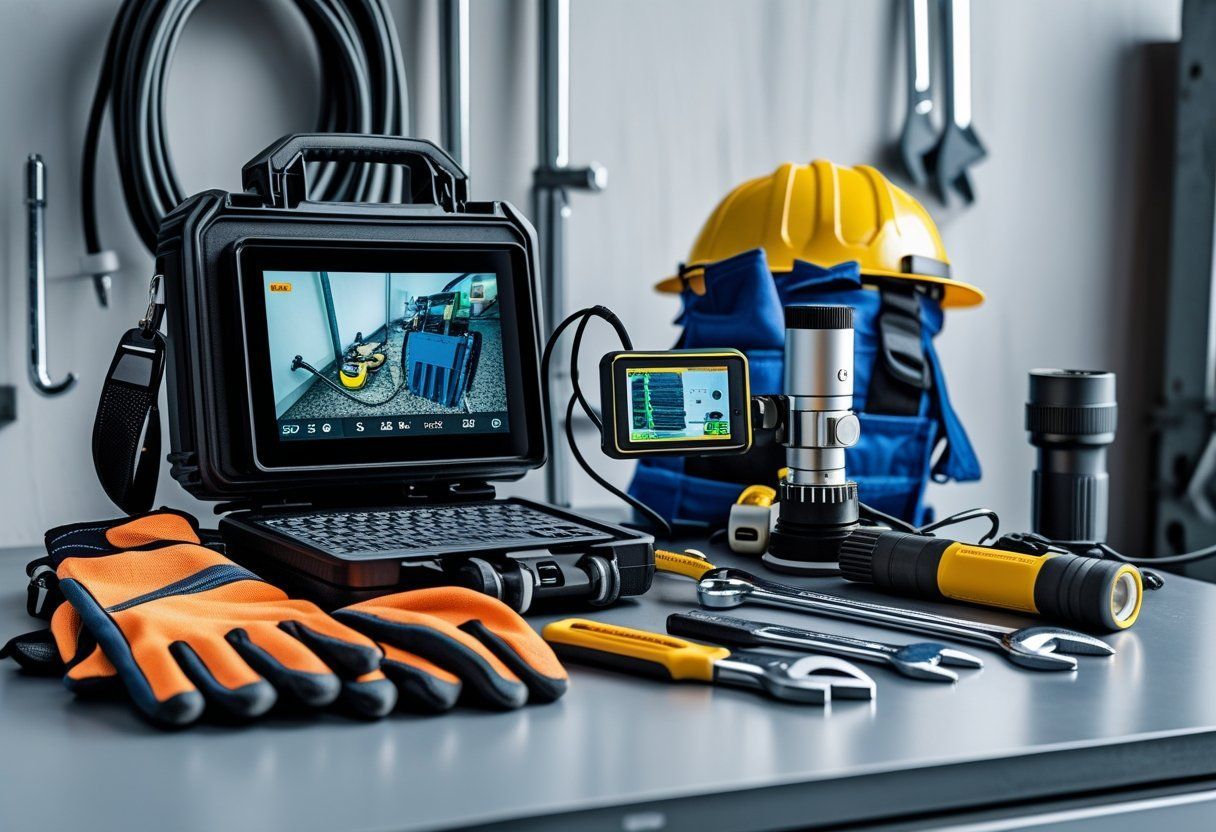
You want tools that give clear answers fast so you can find problems and fix them right. We rely on high-quality sewer cameras, locating gear, and cleaning tools to spot cracks, blockages, and defects in sewer lines accurately. Knowing which tools to use helps a plumber save time and avoid costly mistakes. We will walk […]
By Stefani January 22, 2026
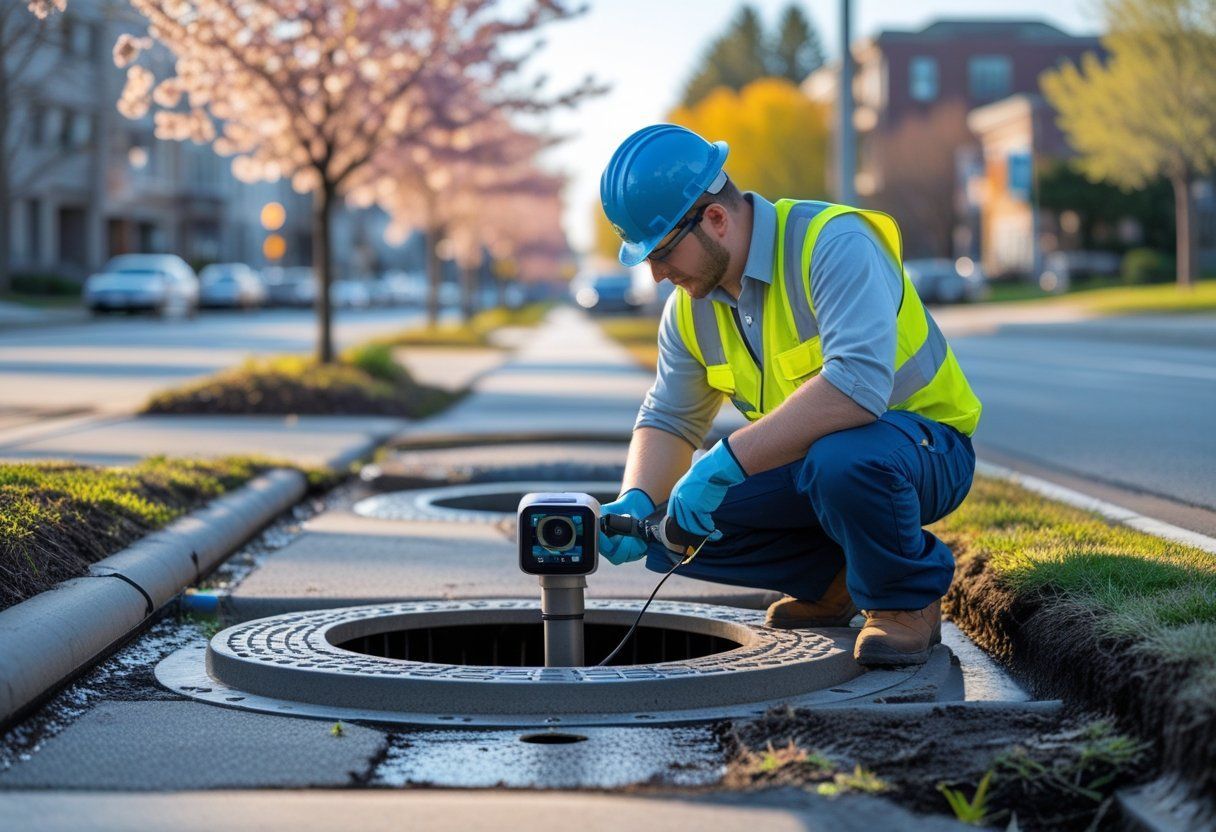
You want sewer line inspections timed so they catch problems before they get costly or urgent. We recommend scheduling inspections based on seasonal risks winter freeze, spring thaw, and heavy fall rains because timing cuts repair costs and prevents service interruptions. We will explain how weather, soil movement, and tree roots change the risk level […]
Common Mistakes to Avoid During Sewer Line Inspections
By Stefani January 18, 2026
We know sewer line inspections feel technical and tense, but avoiding a few common mistakes protects your home and wallet. Start by planning the inspection, knowing what to look for, and involving a qualified professional when signs point to trouble. That simple approach cuts down on missed problems and costly surprises. We will walk through […]
Show More