
Understanding the Trenchless Technology Process in San Francisco: Key Methods and Benefits Explained

Stefani • August 2, 2025

Share this article

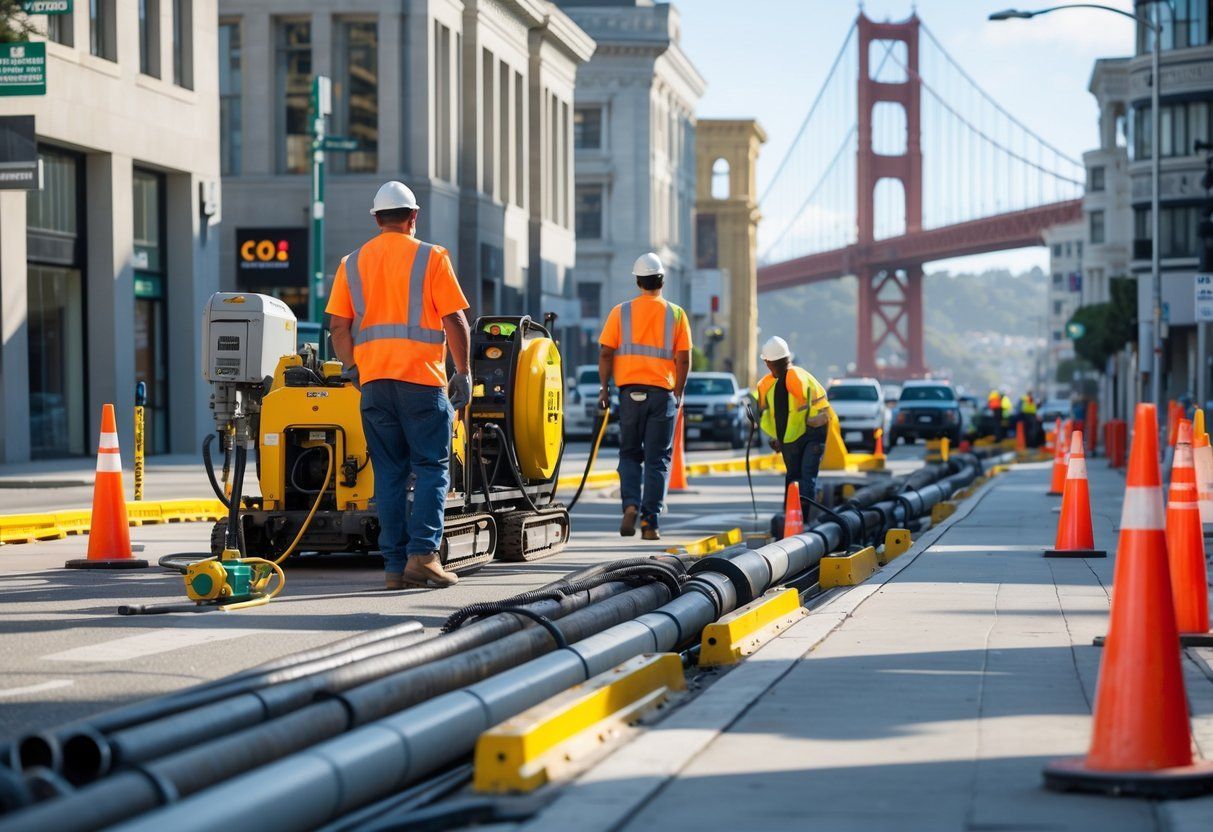
Trenchless technology is changing how we repair and replace underground pipes in San Francisco. With this process, we can fix damaged sewer and water lines without digging up roads or sidewalks. This means less mess, less noise, and less disruption for local residents and businesses.

As our city deals with aging infrastructure, it’s important to use solutions that are efficient and cost-effective. Trenchless methods help us save time and money while protecting our streets. Let’s look at how the trenchless technology process works and what we can expect when it’s used in our neighborhoods.

Core Principles of the Trenchless Technology Process

Trenchless technology helps us upgrade underground infrastructure with less digging. We use it in San Francisco to keep roads, sidewalks, and buildings mostly untouched during construction.

Defining Trenchless Technology in San Francisco

Trenchless technology means repairing or installing pipes, cables, and other utilities without digging long, open trenches. In San Francisco, this is important because the streets are busy and there are many buildings close together.

We use special tools like drills and boring machines. These let us work under the ground, reaching the needed spots for new lines or fixing old ones. With this method, we avoid blocking traffic or tearing up large areas.

Trenchless work helps us keep the city cleaner. We also finish projects faster and with less mess. This protects historic sites, trees, and local businesses because we are not destroying the surface above the work.

Comparison to Traditional Excavation Methods

Traditional excavation needs large trenches to reach underground pipes or wires. This often involves breaking up roads, sidewalks, and even disturbing homes or shops nearby.

In contrast, trenchless technology usually requires only small entry and exit points. This means there is minimal surface disruption during projects. Street closures, noise, and dust are all reduced compared to traditional digging.

The table below shows key differences:

Function  Traditional Excavation Trenchless Technology
Surface Impact High (large trenches needed) Low (small areas opened)
Traffic Disruption Common and often lengthy Rare and usually brief
Project Speed Slower Usually faster
Cost Over Time Can be higher Often lower

We can see that trenchless technology is better for crowded urban areas like San Francisco.

Fundamental Steps in a Trenchless Project

Every trenchless project follows a few core steps. First, we use cameras and sensors to survey the ground and plan the path for new pipes or repairs.

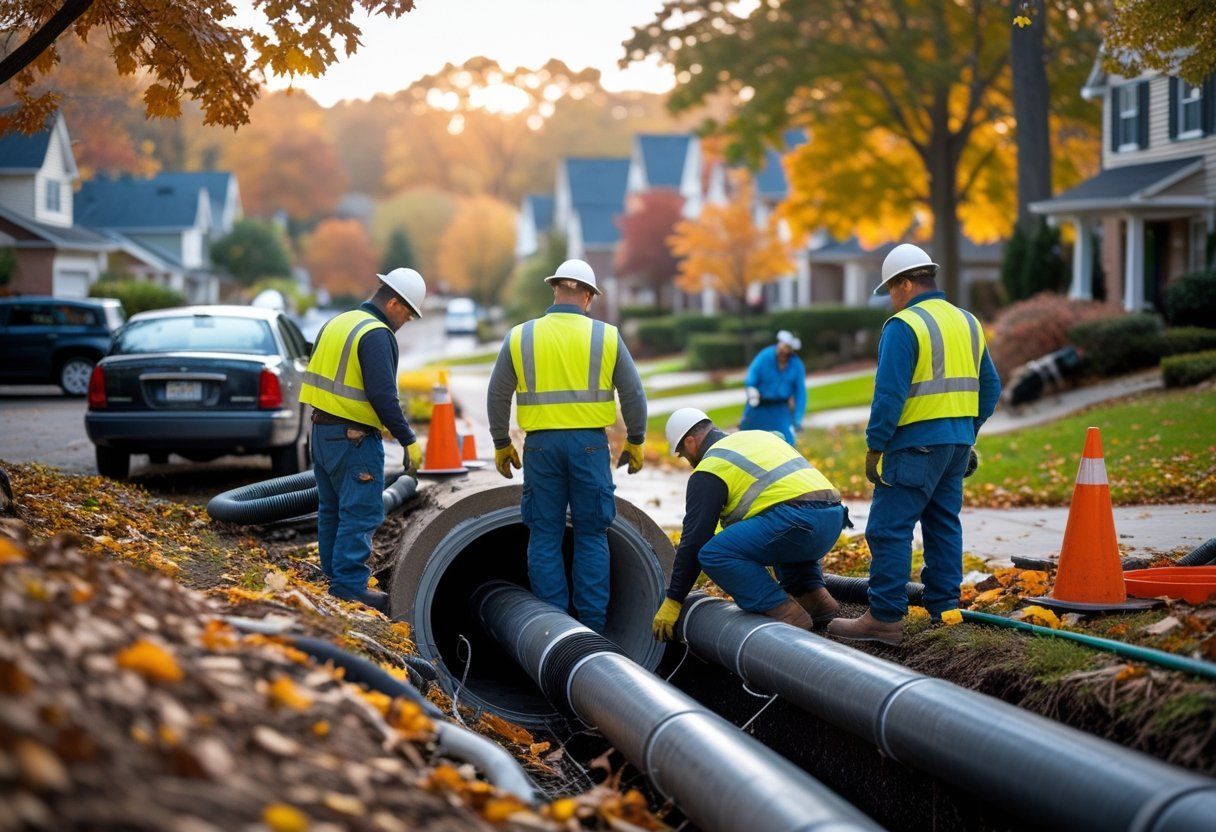
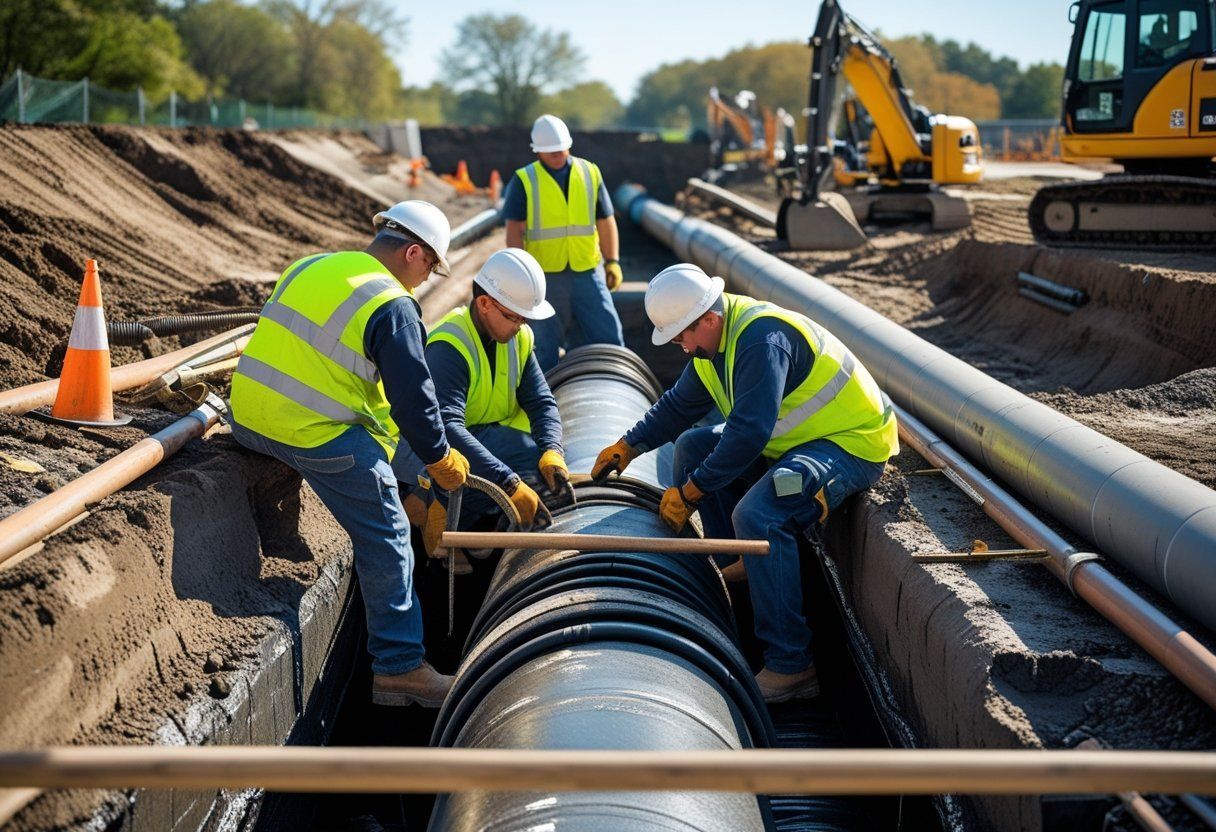
Next, we dig small entry and exit points at each end of the project area. Using horizontal drills or pipe-bursting tools, we reach the target area underground. Pipes or cables are pulled or pushed through these channels.

After installation, we inspect the new lines to make sure they are working. We repair the small holes and clean the site. Most of the city surface stays undisturbed, and the upgraded underground infrastructure is ready for use.

Key Trenchless Methods Used in San Francisco

We use several main trenchless methods in San Francisco to repair, replace, and install underground pipes. These techniques help us protect roads, sidewalks, and historic sites while updating water, sewer, and gas lines.

Pipe Bursting Overview and Applications

Pipe bursting lets us replace old underground pipes without digging long trenches. We break the existing pipe apart by pulling a bursting head through it. As the old pipe fragments, a new pipe is pulled into its place.

This method is effective for replacing damaged or outdated sewer lines and some water or gas lines. It works well in urban areas because it reduces traffic disturbance and surface damage. Pipe bursting is also a popular choice for upgrading pipes to a larger size, letting more water or sewage flow.

Key Points:

  • Used for sewer, water, and some gas lines
  • Minimal disruption to streets and sidewalks
  • Allows upsizing of pipe diameters

Cured-in-Place Pipe (CIPP) Lining

Cured-in-place pipe lining lets us repair existing pipes from the inside. We insert a flexible tube soaked in resin into the broken pipe. Air or water pressure expands the liner against the pipe walls, then heat or UV light hardens the resin.

CIPP is a no-dig repair method. It works for many pipe types, including sewer and storm drains. The result is a strong, seamless liner inside the old pipe, which seals cracks and blocks leaks. This process is fast, often done in a single day with minimal interruption to homes or businesses.

Benefits:

  • No need to dig up streets or yards
  • Durable, long-lasting repair
  • Suitable for many shapes and sizes of pipes

Horizontal Directional Drilling (HDD) and Microtunneling

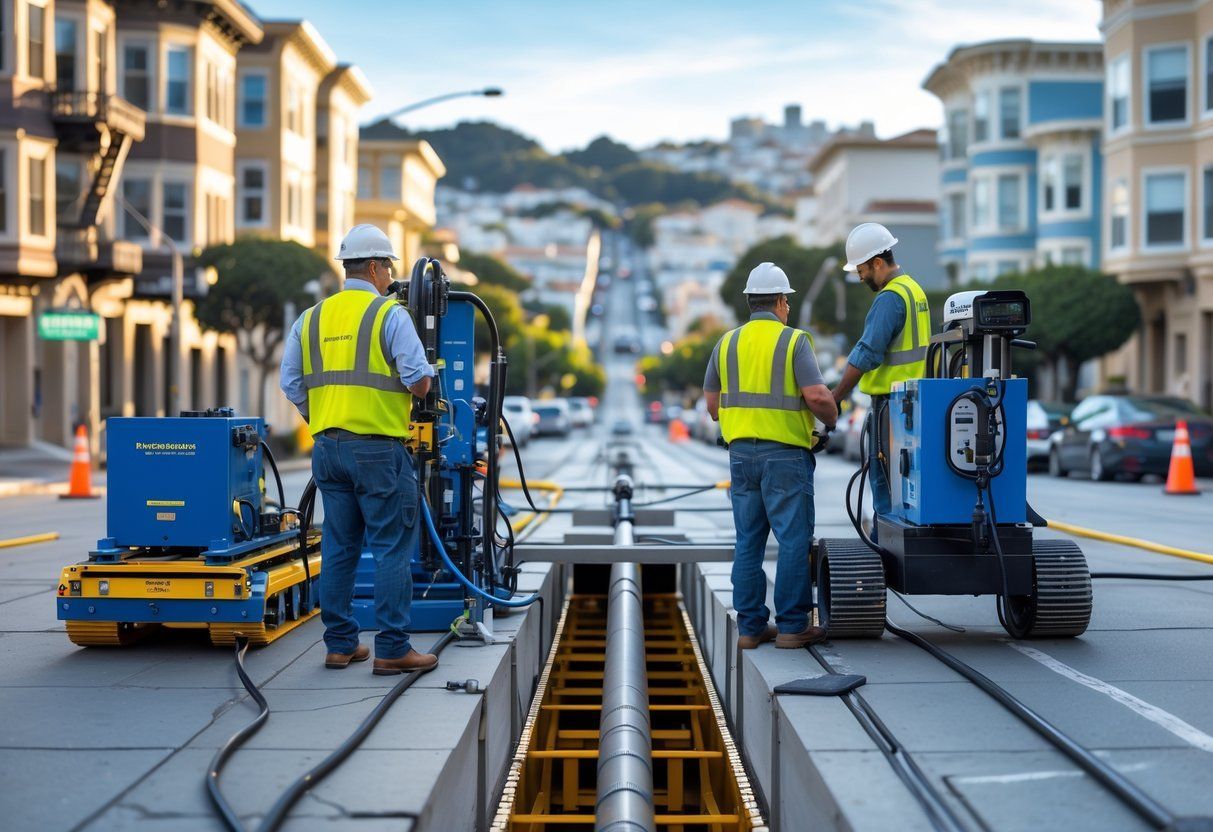
Horizontal directional drilling (HDD) and microtunneling are advanced trenchless methods for installing new underground pipes or lines. With HDD, we drill a pilot hole along a planned path underground, then enlarge it and pull in the new pipe. This is often used for installing water, sewer, or gas lines under roads, railways, or rivers.

Microtunneling is a remote-controlled process where a boring machine pushes pipe sections forward underground. It is typically used for larger diameter pipes or where accuracy is critical, such as under city blocks.

Comparison Table:

Method Common Uses Special Features
HDD Water, sewer, gas line installs Steers around obstacles
Microtunneling Large storm or sewer pipes High precision, remote control

Both methods limit surface disruption. We use them where open trenching is not practical or safe.

Trenchless Technology Applications for San Francisco Infrastructure

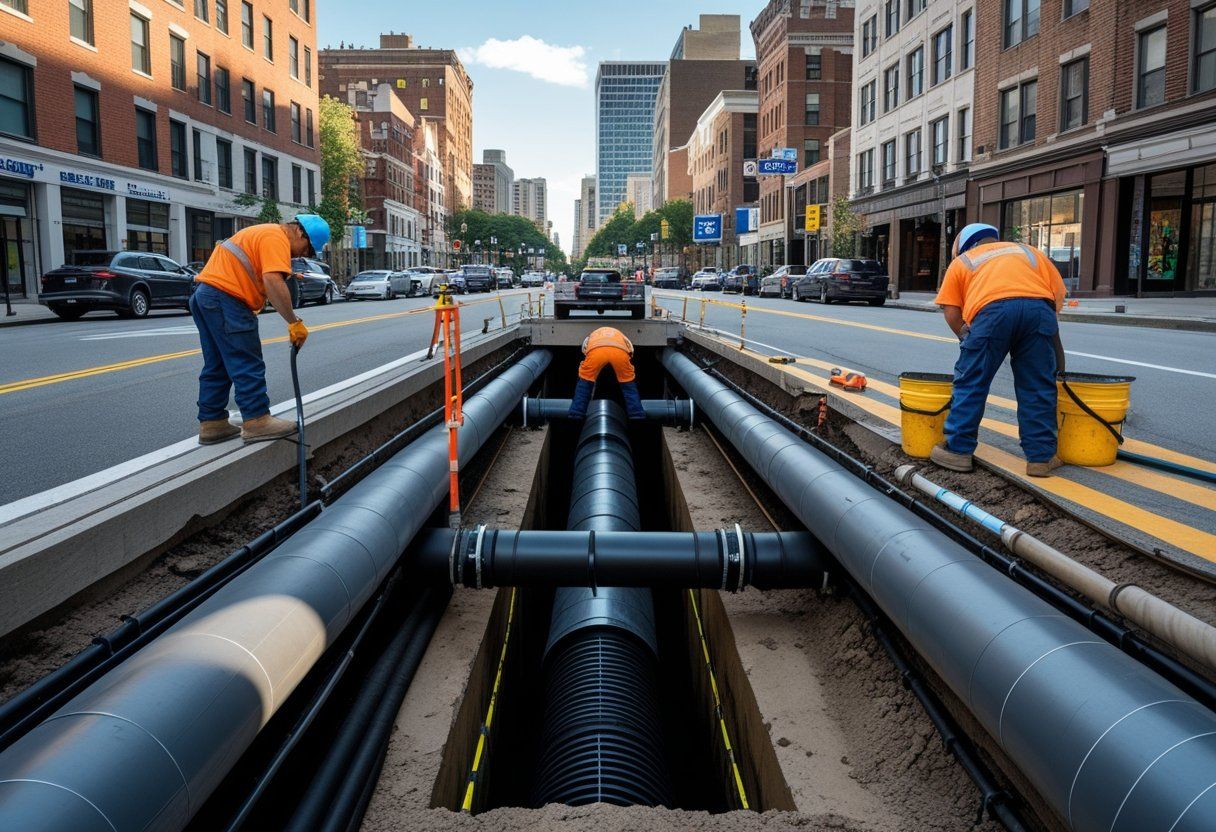
Trenchless technology helps us fix and install underground pipes and cables with less digging. This method is useful for San Francisco’s crowded streets and busy neighborhoods, where large trenches can disrupt daily life and city traffic.

Trenchless Sewer Repair and Replacement

Trenchless sewer repair is often used in San Francisco to fix old and damaged sewer lines. Our homes and businesses rely on these pipes, and traditional sewer replacement can mean weeks of roadwork, blocked driveways, and noise. Trenchless methods like pipe bursting and pipe lining help us fix or replace sewer lines faster, with minimal digging.

This technology allows us to insert new piping materials underground without open trenches. The work is usually done using small entry and exit points. We can repair sewer lines under sidewalks, streets, and even gardens without disturbing what’s above ground.

Benefits of trenchless sewer replacement:

  • Less traffic disruption
  • Quicker project times
  • Lower restoration costs after repairs

By using trenchless sewer repair, we keep city life moving while making sure our sewer systems remain safe and efficient.

Installation of Underground Utilities

San Francisco’s dense layout makes underground utilities like water, gas, and power lines are hard to install using traditional methods. Trenchless installation lets us put new utility lines beneath streets and buildings with fewer open trenches.

We use tools such as Horizontal Directional Drilling (HDD) to drill under obstacles and pull cables or pipes into place. This is useful for utility projects under busy intersections or historic areas where digging is restricted.

Common utilities installed using trenchless technology:

  • Water lines
  • Electrical conduits
  • Gas pipelines

Our approach helps avoid damage to existing structures, keeps access open for vehicles and pedestrians, and reduces the mess that open trenches can create.

Telecommunications and Fiber Optic Installations

Modern telecommunications infrastructure depends on fast data, so fiber optic cables must be installed throughout the city. Trenchless technology makes it easier for us to upgrade or lay new cables along busy routes.

Many fiber optic projects need to run cables under roads, railways, or parks. Instead of digging long trenches, we use trenchless methods to bore small tunnels for the cables. This keeps the city running smoothly and helps prevent delays in internet and phone service.

Key points:

  • Faster installation : Important for citywide internet upgrades
  • Less disruption : Roads stay open, and businesses aren’t affected

By choosing trenchless services, we improve San Francisco’s telecom networks without causing big problems above ground.

Trenchless Plumbing and Contractor Services

Trenchless plumbing services are important for both homes and businesses. We can replace or repair underground pipes, water mains, and even storm drains using trenchless techniques. This is safer for landscaped yards and saves time.

When hiring trenchless contractors, it is important to look for licensed professionals with experience in trenchless methods. They use specialized equipment for each project and follow local regulations to protect underground infrastructure.

Steps involved in trenchless plumbing:

  1. Video inspection of pipes
  2. Planning and marking entry points
  3. Using trenchless equipment (like pipe bursting machines)
  4. Final inspection and restoration

Trenchless contractors in San Francisco offer a range of services to address plumbing needs while minimizing surface disruption. By choosing experts in trenchless plumbing, we ensure our underground systems are fixed with less hassle and risk.

Benefits, Challenges, and Future of Trenchless Construction

Trenchless construction helps us upgrade water, sewer, and other underground systems in San Francisco with fewer surface impacts. This process brings cost and environmental benefits but also comes with certain challenges and future innovations to consider.

Environmental and Cost Advantages

Trenchless technology offers notable environmental benefits compared to open-cut methods. We use less heavy machinery, which means less fuel burned and fewer greenhouse gas emissions.

Less soil disruption helps protect tree roots, local plant life, and animal habitats. Groundwater and surface water are less likely to be contaminated during construction. In San Francisco, this helps keep our parks and green spaces healthier.

Costs are often lower in trenchless projects. We save money on backfilling, road repaving, and managing traffic. According to industry reports, labor needs are reduced, resulting in shorter project timelines.

A side-by-side cost comparison might look like this:

Method Upfront Cost Surface Repair Cost Environmental Impact
Trenchless Moderate Low Low
Open-Trench Low High High

Minimizing Surface Disruption and Community Impact

One major advantage of trenchless construction is minimal surface disruption. We don’t dig long trenches along streets or through parks. Instead, only small entry and exit holes are needed. This leads to fewer road closures and less heavy equipment near homes and businesses.

Our neighborhoods face less noise, dust, and vibration. Slow drains or other emergencies can be fixed quickly without long-term blockages or barricades. Emergency vehicles and delivery trucks can keep moving even during big infrastructure projects.

Local businesses see less foot traffic loss, since sidewalks and storefronts stay open. In dense urban areas like San Francisco, keeping traffic and community services open is a critical benefit.

Common Project Challenges and Limitations

Trenchless construction is not perfect. We face several challenges when using this method. Hard or rocky soils can slow drilling and increase project costs. Some older pipes are too damaged or unstable for trenchless lining techniques.

We must ensure we don’t hit existing utilities, like gas or power lines. Accurate site surveys and planning become essential. Sometimes, the upfront planning process takes longer than with traditional trench methods.

There are limits to pipe diameter and length. Extremely wide or sharply-curved pipes might not be good candidates for trenchless repair. Permitting can also be more complex due to strict regulatory oversight in San Francisco.

Emerging Trends in Trenchless Technology

New research and technology continue to improve trenchless construction. Robotic inspection tools and smart sensors are giving us better information about old pipes before we start work.

Materials for pipe lining and replacement are also improving. We now see more use of cured-in-place pipe (CIPP) resins and UV-cured liners, which increase durability and reduce curing time.

Data analytics and modeling help us better predict soil behavior and avoid surprises. In San Francisco, climate resilience is a key focus, so we see movement toward materials that can stand up to seismic events and higher groundwater tables.

Better project management software allows us to keep projects on schedule and communicate more clearly with city agencies and residents. As these technologies develop, we’re able to repair and improve our infrastructure even more efficiently.

Recent Posts

Fast Response Plumbing technician servicing a water shut off valve in San Francisco
By Joe Tinsley July 17, 2026
Learn how gate valves, ball valves, and angle stops work, where to find them in your San Francisco home, and when to replace them. FAQs inside.
Budgeting for Unforeseen Sewer Line Maintenance Expenses
By Stefani January 31, 2026
Sewer line problems can hit your wallet fast, and we know the stress of a surprise repair. We show you how to plan a practical budget that covers emergency fixes, regular upkeep, and the big costs that sneak up on you. This saves you money and keeps small issues from turning into major failures. We […]
Seasonal Effects on Sewer Line Maintenance Costs
By Stefani January 30, 2026
You’ll want to know how seasons change what you pay for sewer line maintenance so you can plan ahead and avoid surprise bills. Seasonal weather, ground movement, and plant growth directly affect repair needs and costs, so budgeting by season cuts unexpected expenses. We outline what shifts costs, when repairs most often happen, and which […]
The Role of Location in Sewer Line Maintenance Pricing
By Stefani January 29, 2026
You’ll pay different amounts for sewer line maintenance depending on where your property sits and what’s under it. Location drives cost through factors like soil type, access difficulty, local labor rates, and permit rules, so knowing these lets you predict and plan for expenses. We’ll show how those local details shape quotes and outcomes. We’ll […]
Analyzing Material Expenses for Effective Sewer Line Care
By Stefani January 28, 2026
We’ll break down the real costs that matter for keeping a sewer line working well so you can plan and avoid surprises. You’ll learn which materials and fees drive most of the expense and how small choices can lower long-term costs. We’ll look at costs for parts, tools, permits, and regular cleaning, plus where labor […]
Understanding the Impact of Labor Costs on Sewer Line Maintenance
By Stefani January 25, 2026
You want to know how labor costs shape sewer line care and what that means for your wallet. We will show how wages, crew size, and the repair method you choose change the final bill so you can plan smarter and avoid surprises. Knowing which labor factors most drive costs lets you pick repair options […]
How to Interpret Sewer Line Inspection Reports
By Stefani January 24, 2026
You’ll get clear steps to decode the most important parts of a sewer line inspection report so you can act with confidence. We show you how to spot real problems, what each defect means, and which issues need immediate repair versus routine maintenance. We break the report into simple pieces what the camera images show, […]
Tool kit with hard hat, gloves, laptop, and handheld device on a workbench in a workshop
By Stefani January 23, 2026
You want tools that give clear answers fast so you can find problems and fix them right. We rely on high-quality sewer cameras, locating gear, and cleaning tools to spot cracks, blockages, and defects in sewer lines accurately. Knowing which tools to use helps a plumber save time and avoid costly mistakes. We will walk […]
Worker in blue hard hat inspecting a manhole on a street with a camera device
By Stefani January 22, 2026
You want sewer line inspections timed so they catch problems before they get costly or urgent. We recommend scheduling inspections based on seasonal risks winter freeze, spring thaw, and heavy fall rains because timing cuts repair costs and prevents service interruptions. We will explain how weather, soil movement, and tree roots change the risk level […]
Common Mistakes to Avoid During Sewer Line Inspections
By Stefani January 18, 2026
We know sewer line inspections feel technical and tense, but avoiding a few common mistakes protects your home and wallet. Start by planning the inspection, knowing what to look for, and involving a qualified professional when signs point to trouble. That simple approach cuts down on missed problems and costly surprises. We will walk through […]
Show More