Understanding the Impact of Traditional vs. Eco-Friendly Plumbing Solutions on Modern Homes

Stefani • September 1, 2025

Share this article

Most homes today use traditional plumbing, but more people are starting to look at eco-friendly options. Switching to eco-friendly plumbing can reduce water waste, lower our bills, and help the environment. Understanding the differences between these two types of plumbing helps us make better choices for our homes and the planet.

We may wonder how traditional and green plumbing actually compare. Eco-friendly systems often use less water and energy, and the materials are often safer for us and the environment. Let’s explore what these choices mean for our daily lives and future.

Comparing Traditional and Eco-Friendly Plumbing Solutions

Traditional and eco-friendly plumbing systems have clear differences in how they are made, how they operate, and their impact on our environment. Our choices in plumbing can affect water usage, long-term costs, and sustainability.

Defining Traditional Plumbing Systems

Traditional plumbing systems use materials like copper, galvanized steel, and PVC plastic. These systems have served homes and buildings for decades and are common in older properties.

Water flow in these systems is usually strong, but leaks or pipe bursts can waste significant amounts of water. The pipes and parts often last around 20 to 50 years, depending on the material and care.

Waste disposal and water heating in traditional setups depend on standard technologies that may use large amounts of energy. Many of the cleaners and maintenance chemicals used can also harm our water supply.

Overview of Eco-Friendly Plumbing Solutions

Eco-friendly plumbing aims to use less water, reduce waste, and limit environmental harm. These systems often include low-flow toilets, tankless water heaters, and greywater recycling.

Materials in these systems are more likely to be recycled, non-toxic, or designed for easy reuse. We see increased use of PEX pipes and fittings that have a lower carbon footprint.

Other common features include water-saving fixtures, solar water heaters, and drainage systems that direct rainwater for garden use. The focus is on conserving resources and keeping our water clean.

Key Differences in Materials and Practices

Materials Traditional Plumbing Eco-Friendly Plumbing
Materials Copper, PVC, Steel PEX, recycled metals, safer plastics
Water Use High, single-use systems Low, promotes reuse and recycling
Energy Use Standard heaters, high Tankless or solar, efficient
Maintenance Chemical cleaners common Enzyme or natural solutions

Traditional systems mainly solve immediate water needs but may use more energy and water. Eco-friendly plumbing focuses on reducing our impact over time with choices that use fewer resources and avoid harmful chemicals. Changes to practices like switching to low-flow fixtures can help us conserve water and support the health of our environment.

Environmental and Economic Impacts

Our choice of plumbing affects the planet and our wallets in many ways. Both traditional and eco-friendly plumbing systems have a direct connection to water use, energy efficiency, costs, and the environment.

Water Wastage and Conservation

Traditional plumbing fixtures, like older toilets and faucets, use large amounts of water. Many older toilets can use up to 6 gallons per flush, while newer eco-friendly models often use less than 1.6 gallons. This difference quickly adds up and can lead to significant water wastage in homes.

By choosing water-efficient fixtures, we can lower our daily water use. Low-flow faucets, dual-flush toilets, and water-saving showerheads help reduce water consumption, which saves us money on water bills. Proper maintenance, like repairing leaks, stops unnecessary water loss.

Water conservation also helps keep more water in local rivers and lakes. This protects the environment and supports a sustainable future for our communities.

Energy Consumption and Efficiency

Heating water is a major source of energy consumption in many homes. Traditional plumbing systems often lack insulation and use older water heaters that waste energy. We can reduce our energy bills by installing eco-friendly water heaters, such as tankless or solar models.

New pipes and fixtures that minimize heat loss make a big difference. For example, insulated pipes keep hot water hot longer, meaning we run the tap less waiting for water to heat up.

Using efficient appliances means less electricity or gas is needed. This reduces energy inefficiency and supports both cost savings and environmental sustainability.

Carbon Footprint and Greenhouse Gas Emissions

Our plumbing systems impact our carbon footprint more than we might think. Traditional water heaters and inefficient water fixtures increase the demand for electricity and natural gas, which releases greenhouse gases into the air.

Eco-friendly plumbing reduces the amount of energy we use and the emissions we produce. For instance, installing a solar water heater can cut our greenhouse gas emissions linked to heating water by about 50%.

Simple steps like switching to energy-efficient fixtures and regularly maintaining them support our goal of sustainable living and contribute to cleaner air.

Long-Term Cost Savings for Homeowners

Eco-friendly plumbing solutions often cost more up front, but they usually lead to noticeable savings over time. We can spend less on water and energy bills by reducing both water and energy consumption. Below is a table showing possible savings:

Plumbing Upgrade Estimated Bill Savings per Year
Low-flow showerhead $50 – $70
Dual-flush toilet $30 – $50
Tankless water heater $80 – $100
Solar water heater $120 – $200

These savings add up year after year. Many eco-friendly upgrades also increase home value, making them a smart investment for a sustainable future. We experience both environmental and financial benefits by making these choices.

Sustainable Plumbing Practices and Technologies

We can lower water and energy use in our homes by choosing better plumbing fixtures, materials, and water management systems. Some solutions are easy to install, while others require more planning, but all help us reduce our impact on the environment.

Water-Efficient Fixtures and Low-Flow Technologies

Switching to water-efficient fixtures leads to immediate savings on water bills and natural resources. Low-flow toilets and dual-flush toilets use much less water per flush compared to standard models. Many low-flow toilets use only 1.28 gallons per flush or less, while older toilets can use up to 5 gallons.

Low-flow showerheads and low-flow faucets also cut water use in the bathroom and kitchen without sacrificing performance. For example, a standard showerhead releases about 2.5 gallons of water per minute, but a low-flow version typically uses 2.0 gallons or less. By using water-saving fixtures, we can save thousands of gallons of water every year.

Advanced Water Management: Greywater and Rainwater Systems

Greywater recycling systems reuse water from sinks, showers, and washers for tasks like toilet flushing and garden irrigation. This keeps useful water from being wasted and lowers our demand for fresh water.

Rainwater harvesting systems collect rain that falls on roofs and store it in tanks for later use. The collected water is often used for outdoor watering or, with proper treatment, indoor applications. Using rainwater and greywater systems reduces the strain on our municipal water supply and is a key part of green plumbing strategies.

System Main Source Common Uses
Greywater Recycling Indoor drains Toilets, irrigation
Rainwater Harvesting Rooftop rain Gardens, outdoor cleaning

Eco-Friendly Materials and Alternatives

Traditional pipes like PVC (polyvinyl chloride) and HDPE (high-density polyethylene) are common because they are cheap and easy to install. However, PVC can release harmful chemicals, such as phthalates or dioxins, during manufacturing or disposal.

Copper pipes are durable and recyclable but come with a high environmental cost to mine and process. We can choose sustainable plumbing materials like cross-linked polyethylene (PEX), which use less energy to produce and have a long lifespan.

When possible, picking eco-friendly plumbing fixtures and sustainable alternatives helps us lower our impact and avoid harmful substances in our homes.

Integration of Renewable Energy Sources

Heating water can use a lot of energy. By installing solar water heaters or heat pump water heaters, we cut back on fossil fuel use and lower our energy bills. Tankless water heaters also boost energy efficiency because they only heat water when we need it.

Some homes use renewable energy systems paired with efficient water heaters to further reduce energy demand. Adopting green plumbing systems with energy-efficient fixtures is an important step in making our homes more sustainable and reducing greenhouse gas emissions.

Building Toward a Sustainable Plumbing Future

We can make a real difference by choosing plumbing practices and materials that support better health, resource efficiency, and environmental care. Using newer solutions helps us protect water supplies and create homes that last longer, feel better, and cost less to maintain.

Environmental Responsibility and Stewardship

It’s our job to take care of the planet through the way we use water and plumbing systems. Eco-friendly plumbing products, such as low-flow toilets and faucets, save water and lower utility bills. Using pipes made from recycled or non-toxic materials cuts down pollution and waste.

We should also make sure we handle wastewater responsibly. Modern septic systems and water-efficient appliances help reduce harmful runoff into rivers and lakes.

Let’s have a careful comparison of traditional vs eco-friendly approaches:

Aspect Traditional Eco-Friendly
Water Usage High Low
Materials Copper, PVC Recycled, PEX, Lead-Free
Energy Use More Less
Waste Output Higher Lower

By being mindful in our plumbing choices, we help preserve clean water for future generations.

Sustainable Home Design and Indoor Air Quality

A sustainable home is built with health and efficiency in mind. When we pick plumbing materials, it’s important to avoid those that release chemicals or break down over time.

PEX and lead-free brass pipes don’t leach harmful substances. This keeps our water clean and our air safer to breathe. Proper ventilation around plumbing also reduces mold and moisture, which affects indoor air quality.

Key practices to support indoor air quality:

  • Use non-toxic sealants.
  • Prevent pipes from leaking.
  • Ensure good ventilation in bathrooms and kitchens.

By focusing on safe materials and proper design, we make our homes healthier and protect our families long term.

Impact on Property Value and Sustainable Living

Eco-friendly plumbing upgrades can raise the value of our homes. Buyers look for water-efficient fixtures and systems that reduce maintenance and lower monthly costs.

Homes built or upgraded with a focus on sustainability are often easier to sell and rent. They appeal to people who want to live responsibly and save on utilities.

Energy- and water-saving features, like tankless water heaters, greywater systems, and smart leak detectors, can be strong selling points.

Benefits of sustainable plumbing for homeowners:

  • Lower water and energy bills
  • Fewer repairs and longer system life
  • Increased comfort and peace of mind

Sustainable plumbing is a smart investment for both the value of our homes and the well-being of those who live in them.

Recent Posts

Fast Response Plumbing technician servicing a water shut off valve in San Francisco
By Joe Tinsley July 17, 2026
Learn how gate valves, ball valves, and angle stops work, where to find them in your San Francisco home, and when to replace them. FAQs inside.
Budgeting for Unforeseen Sewer Line Maintenance Expenses
By Stefani January 31, 2026
Sewer line problems can hit your wallet fast, and we know the stress of a surprise repair. We show you how to plan a practical budget that covers emergency fixes, regular upkeep, and the big costs that sneak up on you. This saves you money and keeps small issues from turning into major failures. We […]
Seasonal Effects on Sewer Line Maintenance Costs
By Stefani January 30, 2026
You’ll want to know how seasons change what you pay for sewer line maintenance so you can plan ahead and avoid surprise bills. Seasonal weather, ground movement, and plant growth directly affect repair needs and costs, so budgeting by season cuts unexpected expenses. We outline what shifts costs, when repairs most often happen, and which […]
The Role of Location in Sewer Line Maintenance Pricing
By Stefani January 29, 2026
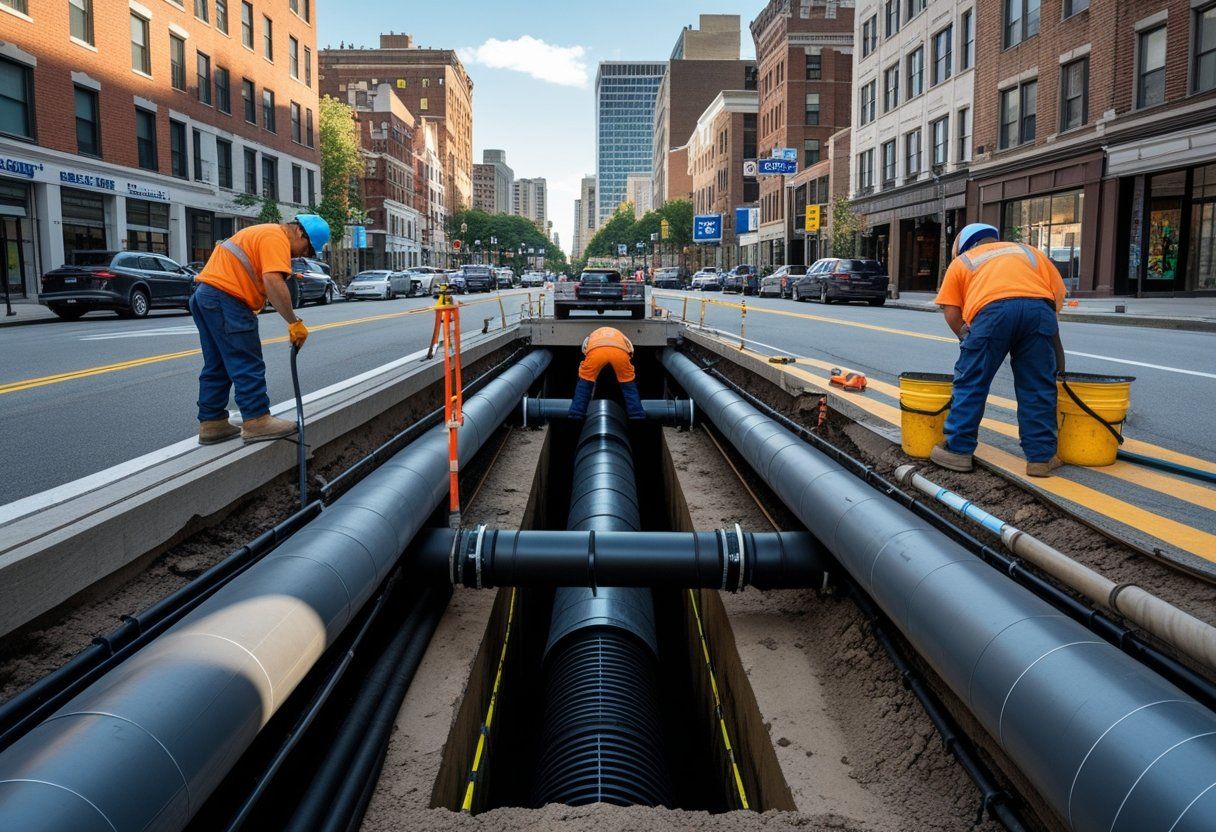
You’ll pay different amounts for sewer line maintenance depending on where your property sits and what’s under it. Location drives cost through factors like soil type, access difficulty, local labor rates, and permit rules, so knowing these lets you predict and plan for expenses. We’ll show how those local details shape quotes and outcomes. We’ll […]
Analyzing Material Expenses for Effective Sewer Line Care
By Stefani January 28, 2026
We’ll break down the real costs that matter for keeping a sewer line working well so you can plan and avoid surprises. You’ll learn which materials and fees drive most of the expense and how small choices can lower long-term costs. We’ll look at costs for parts, tools, permits, and regular cleaning, plus where labor […]
Understanding the Impact of Labor Costs on Sewer Line Maintenance
By Stefani January 25, 2026
You want to know how labor costs shape sewer line care and what that means for your wallet. We will show how wages, crew size, and the repair method you choose change the final bill so you can plan smarter and avoid surprises. Knowing which labor factors most drive costs lets you pick repair options […]
How to Interpret Sewer Line Inspection Reports
By Stefani January 24, 2026
You’ll get clear steps to decode the most important parts of a sewer line inspection report so you can act with confidence. We show you how to spot real problems, what each defect means, and which issues need immediate repair versus routine maintenance. We break the report into simple pieces what the camera images show, […]
By Stefani January 23, 2026
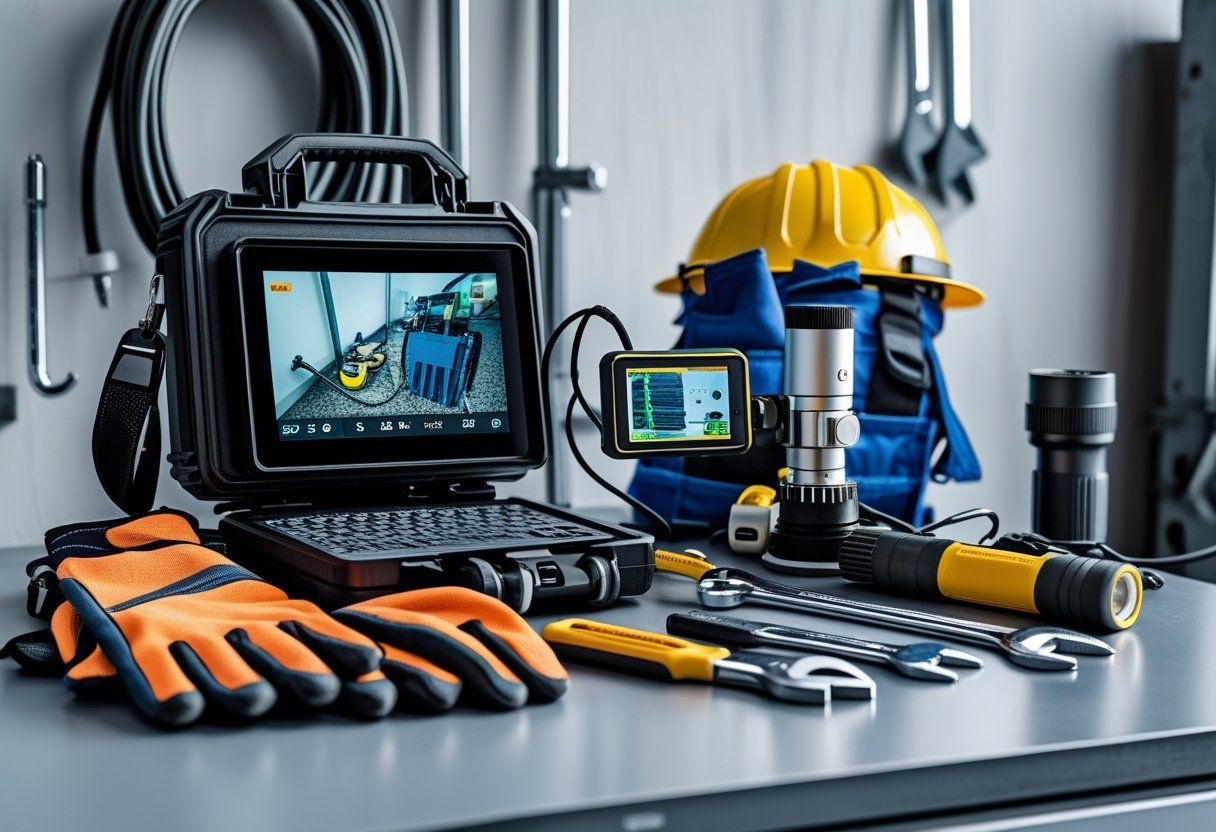
You want tools that give clear answers fast so you can find problems and fix them right. We rely on high-quality sewer cameras, locating gear, and cleaning tools to spot cracks, blockages, and defects in sewer lines accurately. Knowing which tools to use helps a plumber save time and avoid costly mistakes. We will walk […]
By Stefani January 22, 2026
You want sewer line inspections timed so they catch problems before they get costly or urgent. We recommend scheduling inspections based on seasonal risks winter freeze, spring thaw, and heavy fall rains because timing cuts repair costs and prevents service interruptions. We will explain how weather, soil movement, and tree roots change the risk level […]
Common Mistakes to Avoid During Sewer Line Inspections
By Stefani January 18, 2026
We know sewer line inspections feel technical and tense, but avoiding a few common mistakes protects your home and wallet. Start by planning the inspection, knowing what to look for, and involving a qualified professional when signs point to trouble. That simple approach cuts down on missed problems and costly surprises. We will walk through […]
Show More