
The Role of Technology in Modern Sewer Line Repair Processes for Greater Efficiency and Precision

Stefani • October 16, 2025

Share this article

Sewer line repair has changed a lot in recent years, and technology plays a big part in that shift. We now use advanced tools and methods that make repairs faster, less invasive, and more accurate than traditional approaches. This means fewer disruptions, lower costs, and longer-lasting results.

We can now inspect pipes with cameras, track issues with smart monitoring, and fix problems without digging up entire yards. These advances not only improve efficiency but also help us prevent future damage.

As we look at modern sewer line repair, we will explore how technology transforms the process, the tools that make it possible, and the trends shaping what comes next.

How Technology is Transforming Sewer Line Repair

We now rely on advanced tools to diagnose and repair sewer lines with more accuracy and less disruption. These methods help us identify problems faster, reduce digging, and extend the life of existing pipes.

Key Benefits of Modern Sewer Repair Methods

Modern sewer repair technology focuses on efficiency and reduced impact on property. Trenchless repair methods, such as pipe bursting and cured-in-place pipe (CIPP) lining, allow us to fix damaged lines without large-scale excavation. This means less damage to landscaping, driveways, and sidewalks.

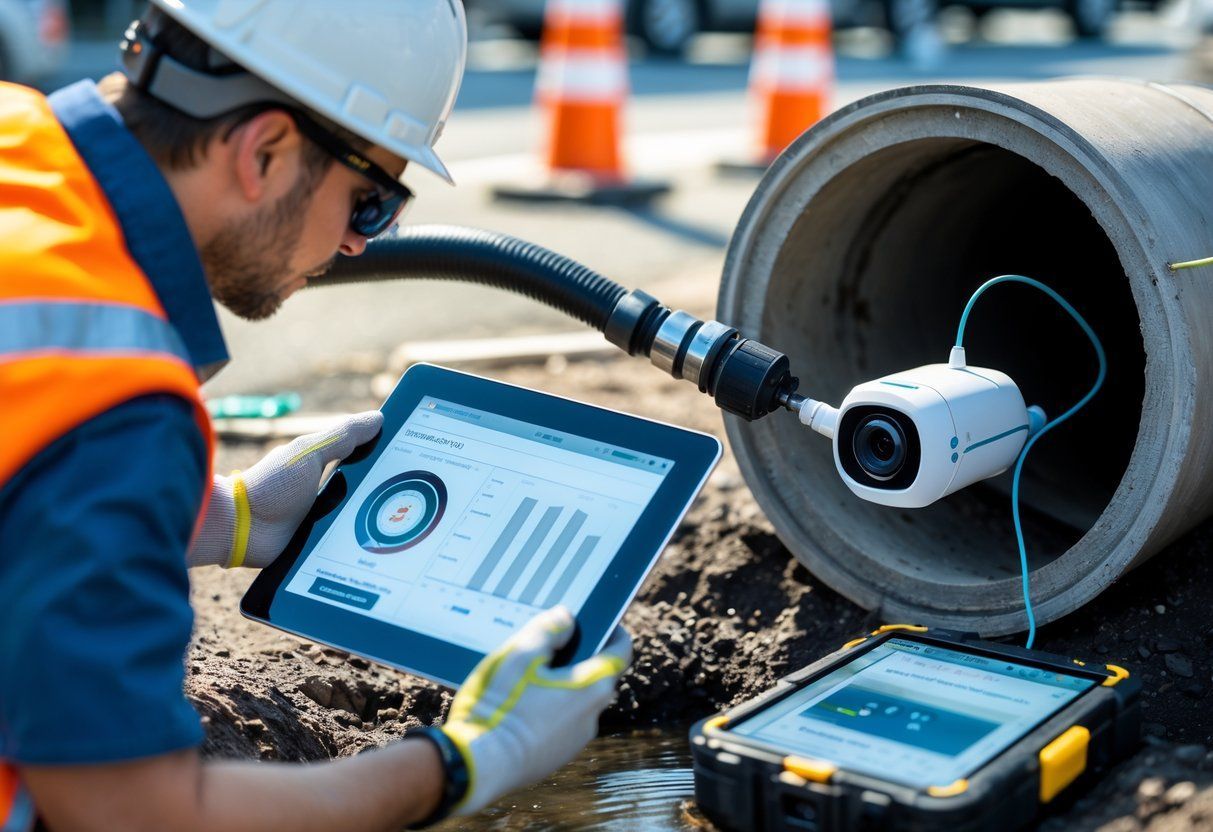
We also use video inspection cameras to locate cracks, leaks, and blockages. This gives us a clear view of the pipe’s condition before choosing the best repair method.

Some benefits include:

  • Lower costs from reduced labor and restoration work
  • Faster repairs with fewer disruptions to daily life
  • Longer-lasting results due to durable lining materials

By combining inspection tools with trenchless methods, we can deliver repairs that are both precise and cost-effective.

Common Causes of Sewer Line Issues

Sewer line damage often develops over time. One of the main causes is aging pipes, which can weaken, corrode, or collapse. Materials like clay or cast iron are especially prone to deterioration after decades of use.

Blockages are another frequent issue. Grease, wipes, and debris can collect inside pipes, restricting flow and causing backups. Even small clogs can lead to larger problems if left untreated.

We also see damage from ground movement or shifting soil. Heavy traffic, construction, or natural settling can place stress on underground pipes. In some cases, this leads to cracks or misaligned joints.

By identifying these causes early through inspection technology, we can prevent major failures and reduce the need for emergency repairs.

Addressing Blockages and Tree Root Intrusion

Blockages and tree root intrusion are two of the most common problems we handle. Roots naturally grow toward moisture, and even small cracks in sewer lines can attract them. Once inside, roots expand and block the flow of wastewater.

We use high-pressure water jetting to clear grease, debris, and minor root growth. For more severe cases, specialized cutting tools remove roots and restore flow.

When roots cause structural damage, trenchless lining methods seal the pipe from the inside. This not only repairs cracks but also creates a barrier that prevents future root intrusion.

By combining inspection, cleaning, and lining, we can manage blockages and root problems effectively without major excavation.

Innovative Diagnostic Tools and Smart Monitoring

We now rely on advanced tools that give us accurate data about sewer conditions. These methods help us locate blockages, leaks, and weak points early, reducing the need for unnecessary digging or guesswork.

CCTV Inspection and Acoustic Leak Detection

Closed-circuit television (CCTV) inspection lets us see inside sewer lines in real time. A small camera moves through the pipe and sends back clear video. This helps us identify cracks, corrosion, intruding roots, or buildup that may lead to blockages.

The footage also allows us to measure the exact location and size of a problem. By recording and storing this data, we can compare conditions over time and track changes. This makes repair planning more precise and cost-effective.

Acoustic leak detection uses sensitive listening devices to detect sounds of escaping water or air. These tools can pinpoint leaks in areas where cameras cannot reach. Unlike older methods, acoustic systems work without digging, saving both time and labor.

Together, CCTV and acoustic tools give us a detailed picture of sewer health. They reduce uncertainty and let us act based on evidence rather than assumptions.

Smart Monitoring Systems for Predictive Maintenance

Smart monitoring systems track sewer conditions continuously. Sensors placed in pipelines measure flow, pressure, and water levels. If a blockage starts to form, the system alerts us before it becomes a major issue.

These systems rely on data collection and automated alerts. For example:

  • Flow sensors: detect changes in water movement.
  • Pressure sensors: identify abnormal stress in pipes.
  • Level sensors: monitor rising water that signals backups.

By analyzing this information, we can predict failures and schedule maintenance at the right time. This approach prevents sudden breakdowns and reduces emergency repairs.

We also gain insight into long-term patterns. Over time, smart monitoring helps us understand which areas are most at risk and how to allocate resources more effectively.

Trenchless Technology and Advanced Repair Techniques

We now use methods that limit surface damage, shorten repair times, and extend the life of sewer systems. These approaches focus on replacing or restoring pipes from the inside or through small access points instead of digging long trenches.

Trenchless Technology Overview

Trenchless technology allows us to repair or replace sewer lines without large-scale excavation. Instead of digging up long sections of land, we use small entry points to access the damaged pipe. This reduces disruption to roads, driveways, and landscaping.

The main advantage is cost savings on surface restoration. Traditional digging often requires repaving streets or replacing sidewalks, which adds time and expense. With trenchless methods, we avoid most of these extra repairs.

Trenchless processes also improve safety. Workers spend less time in open trenches, which lowers the risk of accidents. For property owners, it means faster projects with less noise and less impact on daily routines.

Pipe Bursting for Sewer Line Replacement

Pipe bursting is a trenchless method used when a pipe is too damaged to repair. We insert a bursting head into the old pipe, which breaks it apart as it moves forward. At the same time, a new pipe is pulled into place behind it.

This technique works well for clay, cast iron, or PVC pipes that have collapsed or are undersized. It lets us install a pipe with equal or larger diameter without digging up the entire line.

Key benefits of pipe bursting:

  • No need for long trenches
  • Ability to upsize pipes
  • Works with many pipe materials

The process requires careful planning to avoid damage to nearby utilities. We use cameras and mapping tools to locate other lines before starting the work.

Cured-In-Place Pipe (CIPP) and CIPP Lining

CIPP is a trenchless repair method that restores a damaged pipe by creating a new lining inside it. We insert a resin-saturated liner into the pipe, then inflate it so it presses against the old pipe walls. Heat or UV light cures the resin, forming a solid new pipe within the old one.

CIPP lining is effective for fixing cracks, leaks, and root intrusion. It does not require removing the existing pipe, which makes it less disruptive. The finished liner is smooth and jointless, improving flow and reducing the chance of future blockages.

We often use CIPP for pipes under roads or buildings where excavation is not practical. The process extends the service life of sewer lines by several decades with minimal surface impact.

Robotic Tools in Sewer Line Repair

Robotic tools play a growing role in trenchless repairs. These machines can move through sewer pipes to cut roots, grind away blockages, or prepare the surface for lining. Some robots carry cameras that give us a clear view of pipe conditions in real time.

Robotics improve accuracy and reduce the need for manual entry. For example, we can use robotic cutters to remove protruding pipe joints or obstacles before installing a CIPP liner. This ensures the liner fits properly and lasts longer.

Common robotic functions include:

  • Internal pipe inspection
  • Precision cutting and grinding
  • Liner placement assistance

By using robotics, we complete tasks faster and with fewer errors. This technology makes trenchless methods more reliable and helps us avoid unnecessary excavation.

Future Trends and Considerations in Sewer Line Repair

We see new technology shaping how sewer repair is done, with stronger materials and smarter methods that reduce disruption. At the same time, more attention is being placed on long-term environmental effects and how projects can be made more sustainable.

Advancements in Materials and Sealants

New materials are making sewer repair more durable and cost-effective. For example, cured-in-place pipe (CIPP) liners now use resins that harden faster and last longer. These liners can handle higher water pressure and resist chemical corrosion better than older options.

Sealants are also improving. Modern epoxy-based sealants bond more tightly to pipe walls, reducing the chance of leaks. Some products are designed to expand once applied, filling cracks and joints more completely. This reduces the need for repeat repairs.

We also see new composite materials being tested. These combine fiberglass, resin, and other additives to create liners that are lighter but stronger. Such materials can extend the service life of pipes well beyond traditional repair methods.

Another key point is installation efficiency. Many of these products cure under UV light or steam, which shortens repair time. Faster curing means less disruption to streets, homes, and businesses.

Sustainability and Environmental Impact

Sewer repair projects now focus on reducing waste and energy use. Trenchless technology, for example, avoids large-scale digging, which lowers fuel use and cuts down on soil disposal. This makes the process less disruptive to surrounding areas.

Sealants and liners are also being reformulated to use fewer harmful chemicals. Some resins now have lower volatile organic compound (VOC) levels, making them safer for workers and the environment.

We also see more recycling of old pipe materials. Instead of sending debris to landfills, some projects process and reuse the materials for backfill or road base. This reduces disposal costs and environmental impact.

Key sustainability practices include:

  • Using trenchless repair to limit excavation
  • Choosing low-VOC resins and sealants
  • Recycling pipe debris where possible
  • Reducing water use during cleaning and curing

By applying these methods, we can extend pipe life while lowering the environmental footprint of sewer repair projects.

Recent Posts

Fast Response Plumbing technician servicing a water shut off valve in San Francisco
By Joe Tinsley July 17, 2026
Learn how gate valves, ball valves, and angle stops work, where to find them in your San Francisco home, and when to replace them. FAQs inside.
Budgeting for Unforeseen Sewer Line Maintenance Expenses
By Stefani January 31, 2026
Sewer line problems can hit your wallet fast, and we know the stress of a surprise repair. We show you how to plan a practical budget that covers emergency fixes, regular upkeep, and the big costs that sneak up on you. This saves you money and keeps small issues from turning into major failures. We […]
Seasonal Effects on Sewer Line Maintenance Costs
By Stefani January 30, 2026
You’ll want to know how seasons change what you pay for sewer line maintenance so you can plan ahead and avoid surprise bills. Seasonal weather, ground movement, and plant growth directly affect repair needs and costs, so budgeting by season cuts unexpected expenses. We outline what shifts costs, when repairs most often happen, and which […]
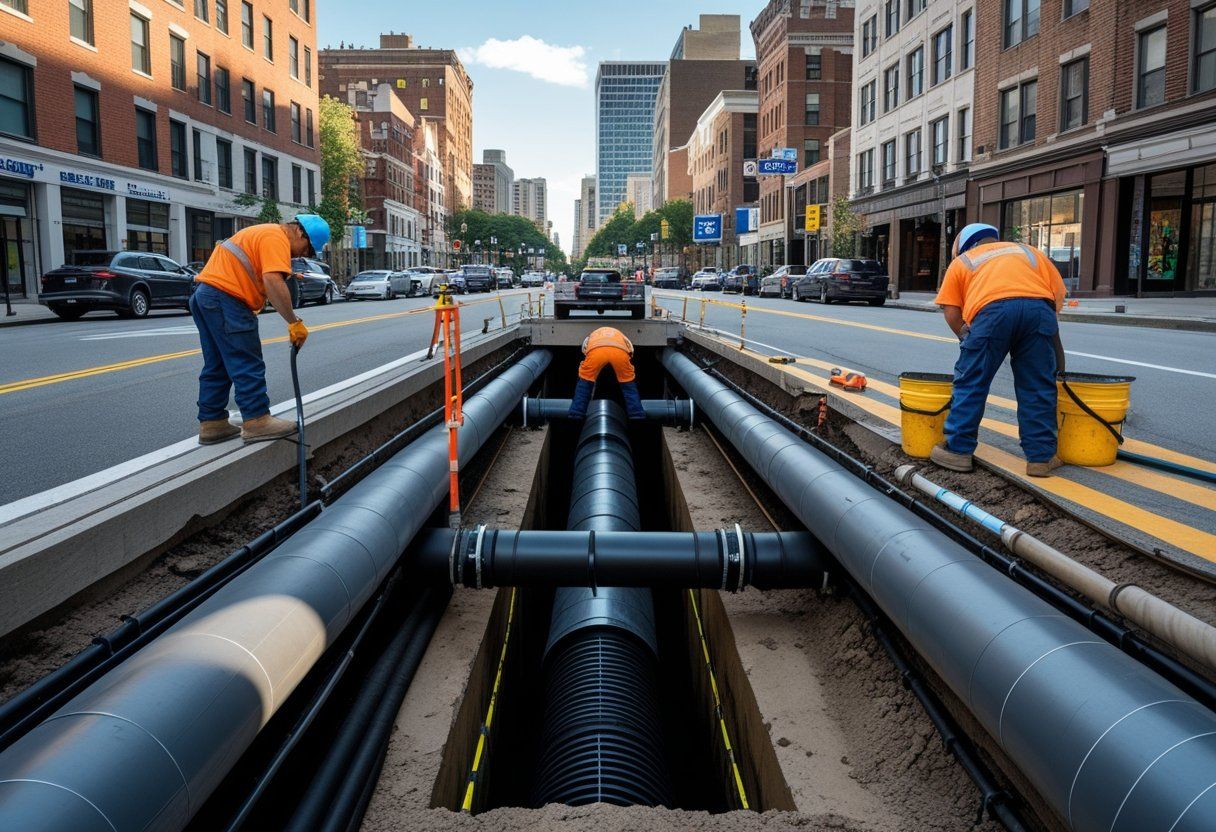
The Role of Location in Sewer Line Maintenance Pricing
By Stefani January 29, 2026
You’ll pay different amounts for sewer line maintenance depending on where your property sits and what’s under it. Location drives cost through factors like soil type, access difficulty, local labor rates, and permit rules, so knowing these lets you predict and plan for expenses. We’ll show how those local details shape quotes and outcomes. We’ll […]
Analyzing Material Expenses for Effective Sewer Line Care
By Stefani January 28, 2026
We’ll break down the real costs that matter for keeping a sewer line working well so you can plan and avoid surprises. You’ll learn which materials and fees drive most of the expense and how small choices can lower long-term costs. We’ll look at costs for parts, tools, permits, and regular cleaning, plus where labor […]
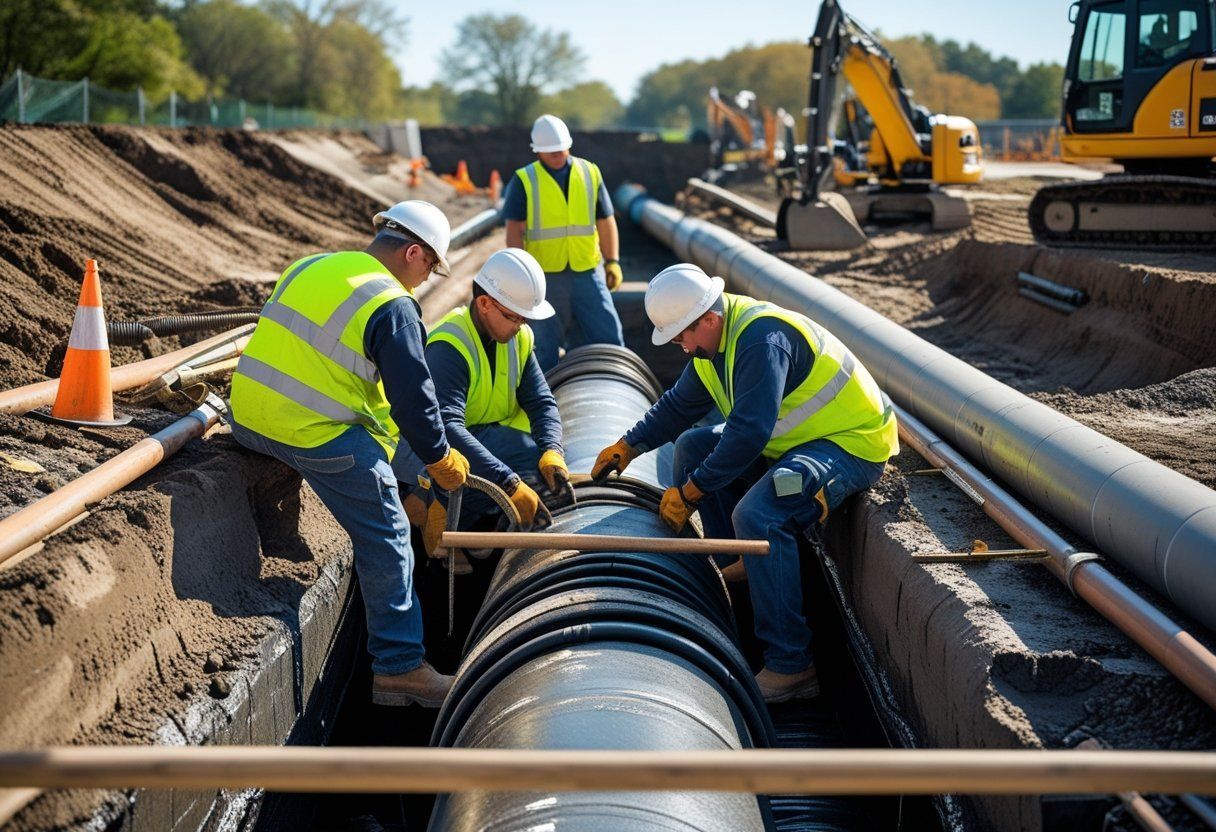
Understanding the Impact of Labor Costs on Sewer Line Maintenance
By Stefani January 25, 2026
You want to know how labor costs shape sewer line care and what that means for your wallet. We will show how wages, crew size, and the repair method you choose change the final bill so you can plan smarter and avoid surprises. Knowing which labor factors most drive costs lets you pick repair options […]
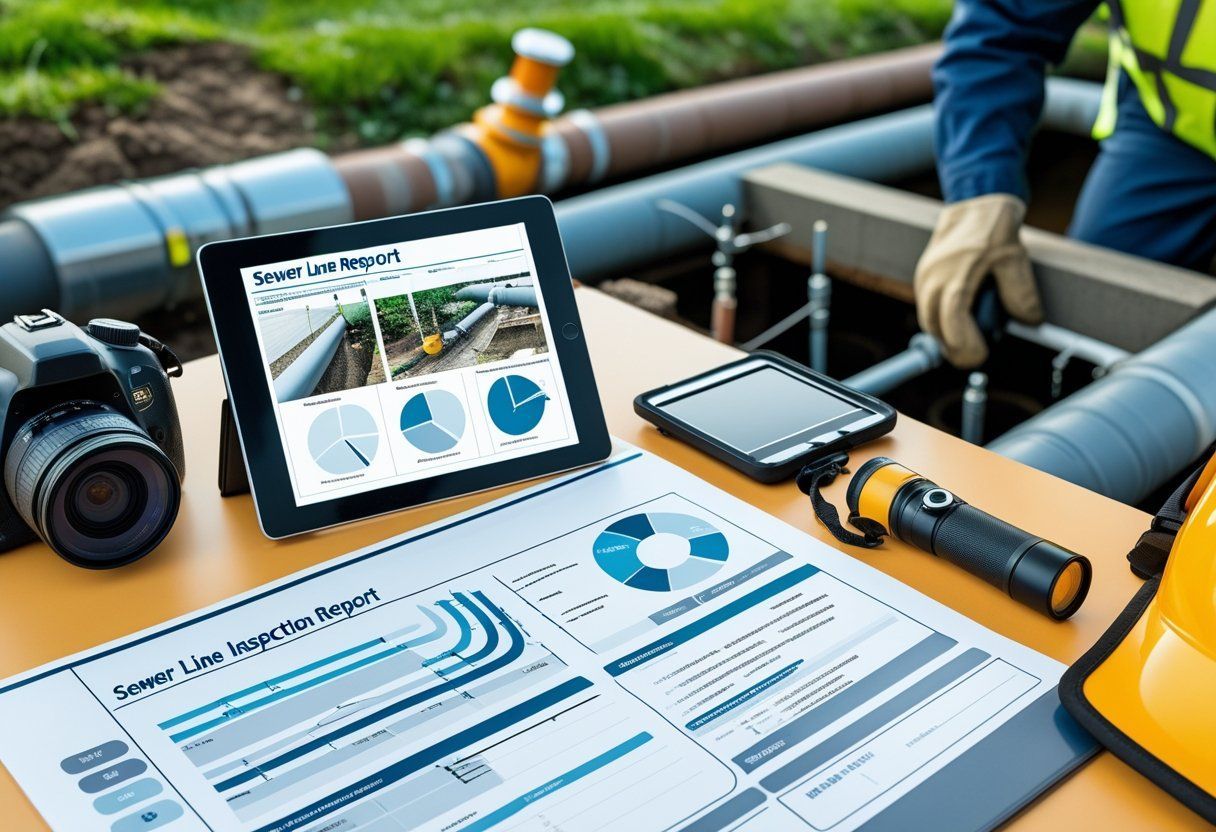
How to Interpret Sewer Line Inspection Reports
By Stefani January 24, 2026
You’ll get clear steps to decode the most important parts of a sewer line inspection report so you can act with confidence. We show you how to spot real problems, what each defect means, and which issues need immediate repair versus routine maintenance. We break the report into simple pieces what the camera images show, […]
Tool kit with hard hat, gloves, laptop, and handheld device on a workbench in a workshop
By Stefani January 23, 2026
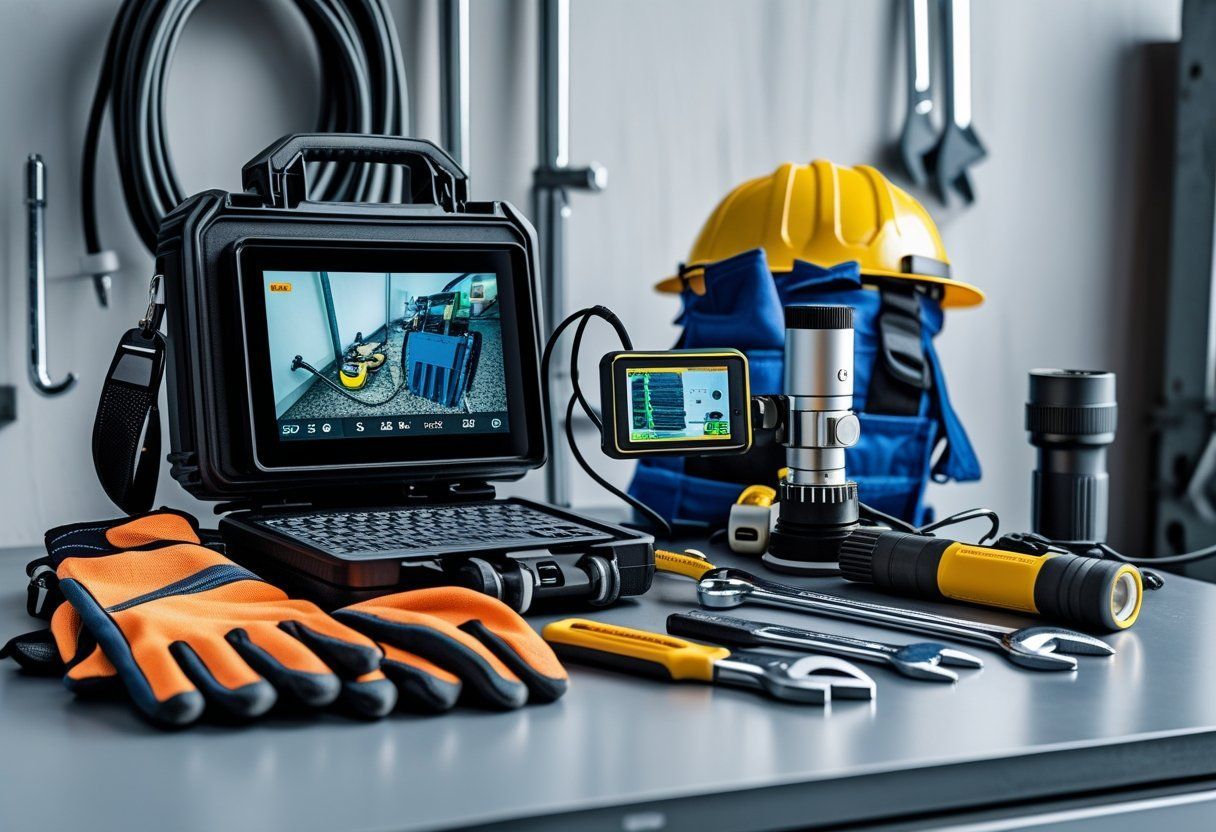
You want tools that give clear answers fast so you can find problems and fix them right. We rely on high-quality sewer cameras, locating gear, and cleaning tools to spot cracks, blockages, and defects in sewer lines accurately. Knowing which tools to use helps a plumber save time and avoid costly mistakes. We will walk […]
Worker in blue hard hat inspecting a manhole on a street with a camera device
By Stefani January 22, 2026
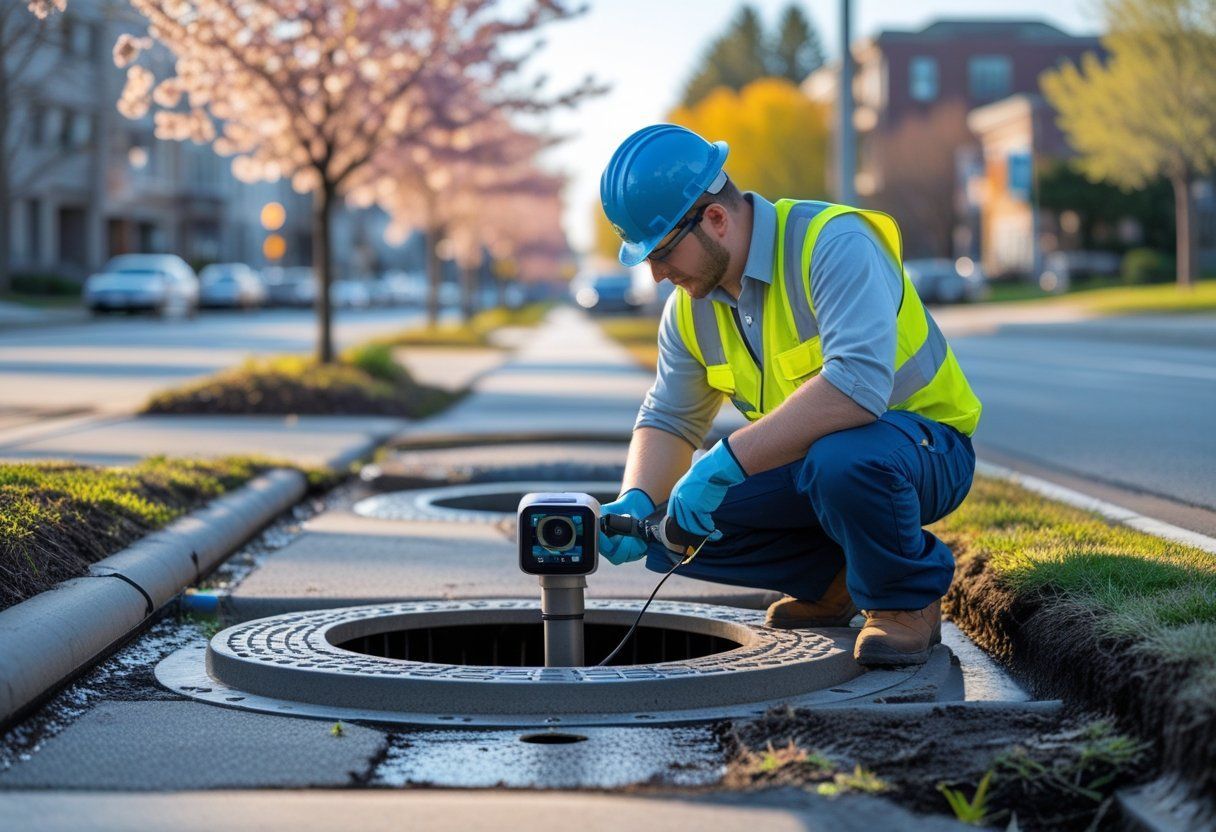
You want sewer line inspections timed so they catch problems before they get costly or urgent. We recommend scheduling inspections based on seasonal risks winter freeze, spring thaw, and heavy fall rains because timing cuts repair costs and prevents service interruptions. We will explain how weather, soil movement, and tree roots change the risk level […]
Common Mistakes to Avoid During Sewer Line Inspections
By Stefani January 18, 2026
We know sewer line inspections feel technical and tense, but avoiding a few common mistakes protects your home and wallet. Start by planning the inspection, knowing what to look for, and involving a qualified professional when signs point to trouble. That simple approach cuts down on missed problems and costly surprises. We will walk through […]
Show More