
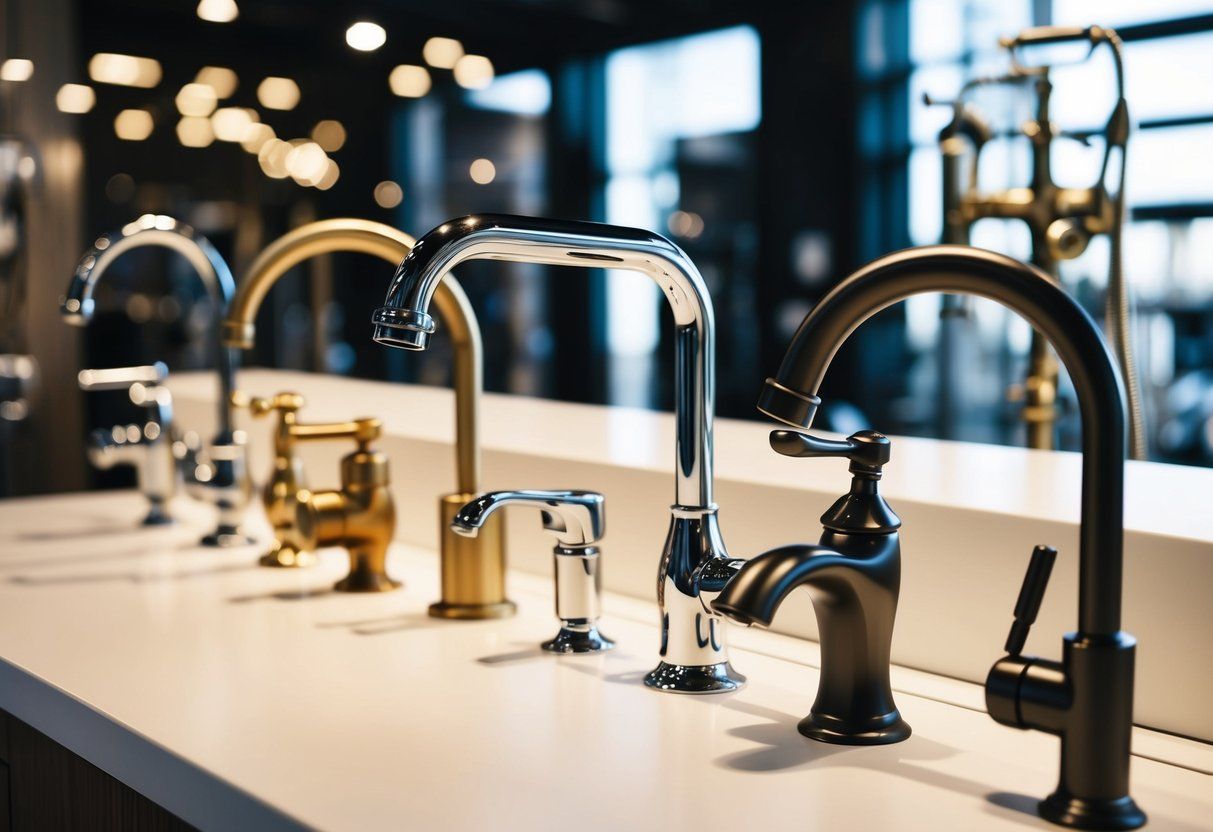


The Best Faucet Options for Your San Francisco Home: Top Picks for Style and Functionality

daniel • August 15, 2024

Share this article

Overview of Faucet Types

When choosing a faucet for our San Francisco homes, we need to consider the specific needs of each room. Kitchen and bathroom faucets serve different purposes, and selecting the right type is essential for both function and style.

Kitchen Faucets

In the kitchen, faucets need to be versatile and durable. We often choose between pull-down and pull-out faucets . Pull-down models offer a high arc, perfect for filling large pots. Pull-out faucets work well in smaller spaces due to their compact design.

A popular choice is the single-handle faucet . It’s easy to adjust water temperature with one hand, freeing up the other for cooking tasks. Double-handle faucets offer more precise control over hot and cold water, but require more space and are slightly more complex to install.

Touchless faucets have grown in popularity in recent years. They use sensors to start and stop water flow, which helps conserve water and enhance hygiene. These faucets are great for reducing water waste and maintaining a cleaner kitchen environment.

Bathroom Faucets

Bathroom faucets often focus on style as much as function. When choosing, we find single-hole and center-set faucets to be common and practical options. Single-hole faucets provide a sleek look and are easy to install. Center-set faucets fit well on most vanities and offer a balance of style and utility.

For a classic look, widespread faucets allow us to adjust the spacing between handles and spout, fitting larger sinks neatly. They’re more flexible and often seen in traditional designs. Wall-mounted faucets offer a modern aesthetic, giving extra counter space but may need more precise plumbing work during installation.

For added convenience, consider touchless models . Like in the kitchen, they use sensors to operate without touching, promoting hygiene and ease of use, particularly in high-traffic bathrooms.

Choosing the Right Materials and Finishes

When selecting a faucet, materials and finishes play a crucial role in both aesthetics and durability. Popular choices include stainless steel, chrome, copper, nickel, and oil-rubbed bronze. Each has unique benefits and care requirements.

Stainless Steel and Chrome

Stainless steel and chrome are popular for their sleek appearance and durability. Both are resistant to rust and stains, making them ideal for kitchens and bathrooms. Chrome provides a shiny finish, adding a clean, polished look. Stainless steel, on the other hand, offers a more matte appearance that can hide fingerprints better.

These materials are easy to clean, requiring just a quick wipe with a damp cloth. They are also long-lasting, able to withstand everyday use. Choosing stainless steel or chrome ensures a durable finish that fits both modern and traditional designs.

Copper and Nickel

Copper faucets bring a warm, rustic vibe to a home. This type of metal can develop a unique patina over time, adding character to your space. However, copper requires regular maintenance to preserve its look. It’s vulnerable to scratches and tarnish, so a protective sealant is often recommended.

Nickel, especially brushed nickel, offers a softer, muted shine. It masks water spots and fingerprints, making it a low-maintenance option. While it’s slightly more expensive than chrome, nickel provides a distinctive aesthetic that many homeowners appreciate. Its subtle elegance suits both contemporary and classic styles.

Oil-Rubbed Bronze

Oil-rubbed bronze provides a rich, dark finish, often with bronze highlights at the edges. This option works well for vintage or old-world styles. It creates a bold statement piece in any room. Oil-rubbed bronze is known for its warm, inviting color and unique aged appearance.

Maintenance involves gentle cleaning, as harsh chemicals can strip the finish. It’s less prone to showing water spots and scratches, offering a robust choice for long-term use. This makes oil-rubbed bronze an attractive option for those wanting a sophisticated, durable finish that complements earth tones and classic designs.

Installation and Plumbing Considerations

When setting up a new faucet in your San Francisco home, it’s crucial to think about the installation process and plumbing needs. Options for both hiring a professional and doing it yourself exist, each with its own benefits and challenges.

Professional Plumbing Services

Hiring a professional can save us time and effort. They often handle all the technical work and help ensure everything functions correctly. Licensed plumbers have experience dealing with old pipes and tricky setups common in San Francisco homes. Additionally, professional services can prevent potential water damage by installing your faucet correctly the first time.

Using a professional also means we get access to their tools and equipment. This includes specialized items like pipe cutters and sealant, which may not be available to DIY installers. Hiring a plumber can be more expensive, but they often offer guarantees on their work. This gives us peace of mind, knowing any sudden issues will be covered.

DIY Installation Tips

Opting for a DIY approach can save us money and even be a fun project.

  • First, it’s crucial to gather the right tools.
  • Adjustable wrenches , plumber’s tape , and basin wrenches are essential.
  • Check that the shut-off valves work properly before starting to ensure we avoid leaks during installation.
  • Using online guides and videos can help us understand every step of the process.
  • It’s important to follow each instruction carefully to avoid mistakes.
  • You can also call our local home improvement store ; they often provide advice and tips for DIY installers.
  • Remember, if we run into any complex problems, we might still need to call a professional to finish the job.

Recent Posts

Fast Response Plumbing technician servicing a water shut off valve in San Francisco
By Joe Tinsley July 17, 2026
Learn how gate valves, ball valves, and angle stops work, where to find them in your San Francisco home, and when to replace them. FAQs inside.
Budgeting for Unforeseen Sewer Line Maintenance Expenses
By Stefani January 31, 2026
Sewer line problems can hit your wallet fast, and we know the stress of a surprise repair. We show you how to plan a practical budget that covers emergency fixes, regular upkeep, and the big costs that sneak up on you. This saves you money and keeps small issues from turning into major failures. We […]
Seasonal Effects on Sewer Line Maintenance Costs
By Stefani January 30, 2026
You’ll want to know how seasons change what you pay for sewer line maintenance so you can plan ahead and avoid surprise bills. Seasonal weather, ground movement, and plant growth directly affect repair needs and costs, so budgeting by season cuts unexpected expenses. We outline what shifts costs, when repairs most often happen, and which […]
The Role of Location in Sewer Line Maintenance Pricing
By Stefani January 29, 2026
You’ll pay different amounts for sewer line maintenance depending on where your property sits and what’s under it. Location drives cost through factors like soil type, access difficulty, local labor rates, and permit rules, so knowing these lets you predict and plan for expenses. We’ll show how those local details shape quotes and outcomes. We’ll […]
Analyzing Material Expenses for Effective Sewer Line Care
By Stefani January 28, 2026
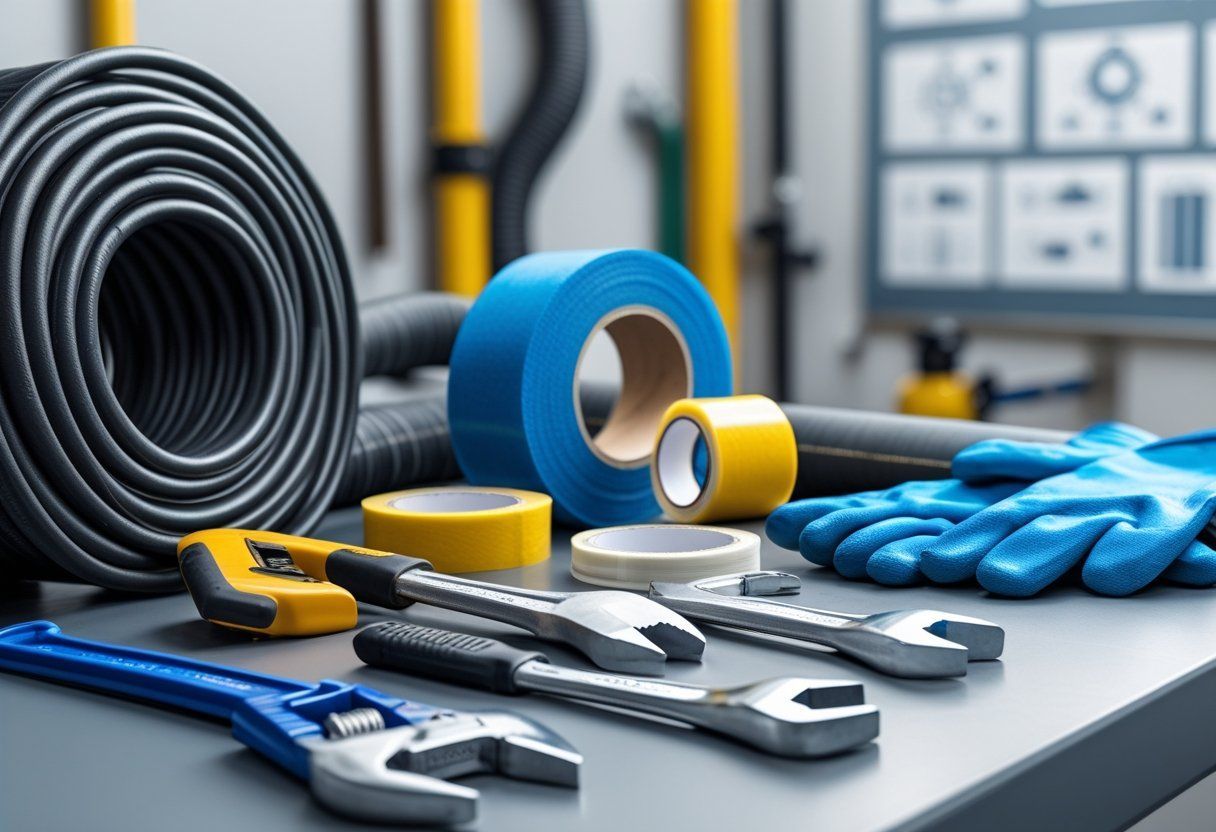
We’ll break down the real costs that matter for keeping a sewer line working well so you can plan and avoid surprises. You’ll learn which materials and fees drive most of the expense and how small choices can lower long-term costs. We’ll look at costs for parts, tools, permits, and regular cleaning, plus where labor […]
Understanding the Impact of Labor Costs on Sewer Line Maintenance
By Stefani January 25, 2026
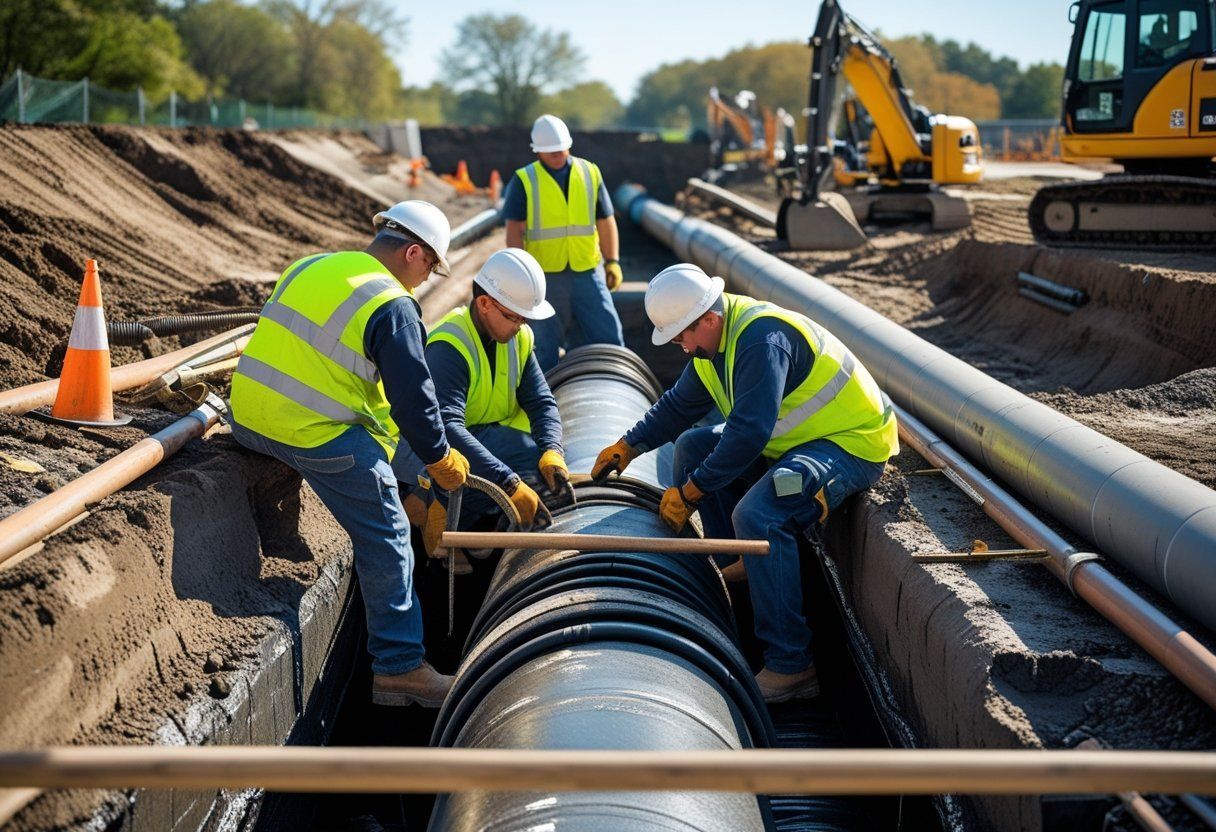
You want to know how labor costs shape sewer line care and what that means for your wallet. We will show how wages, crew size, and the repair method you choose change the final bill so you can plan smarter and avoid surprises. Knowing which labor factors most drive costs lets you pick repair options […]
How to Interpret Sewer Line Inspection Reports
By Stefani January 24, 2026
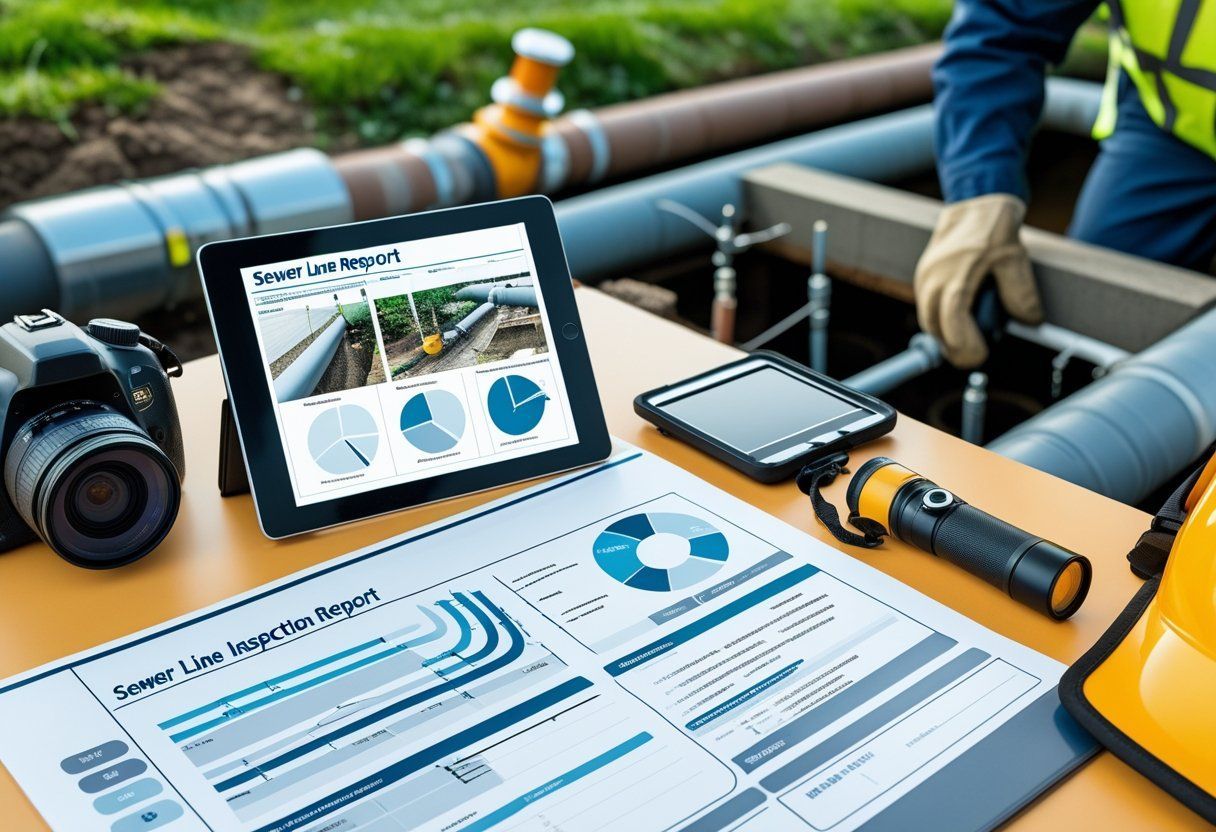
You’ll get clear steps to decode the most important parts of a sewer line inspection report so you can act with confidence. We show you how to spot real problems, what each defect means, and which issues need immediate repair versus routine maintenance. We break the report into simple pieces what the camera images show, […]
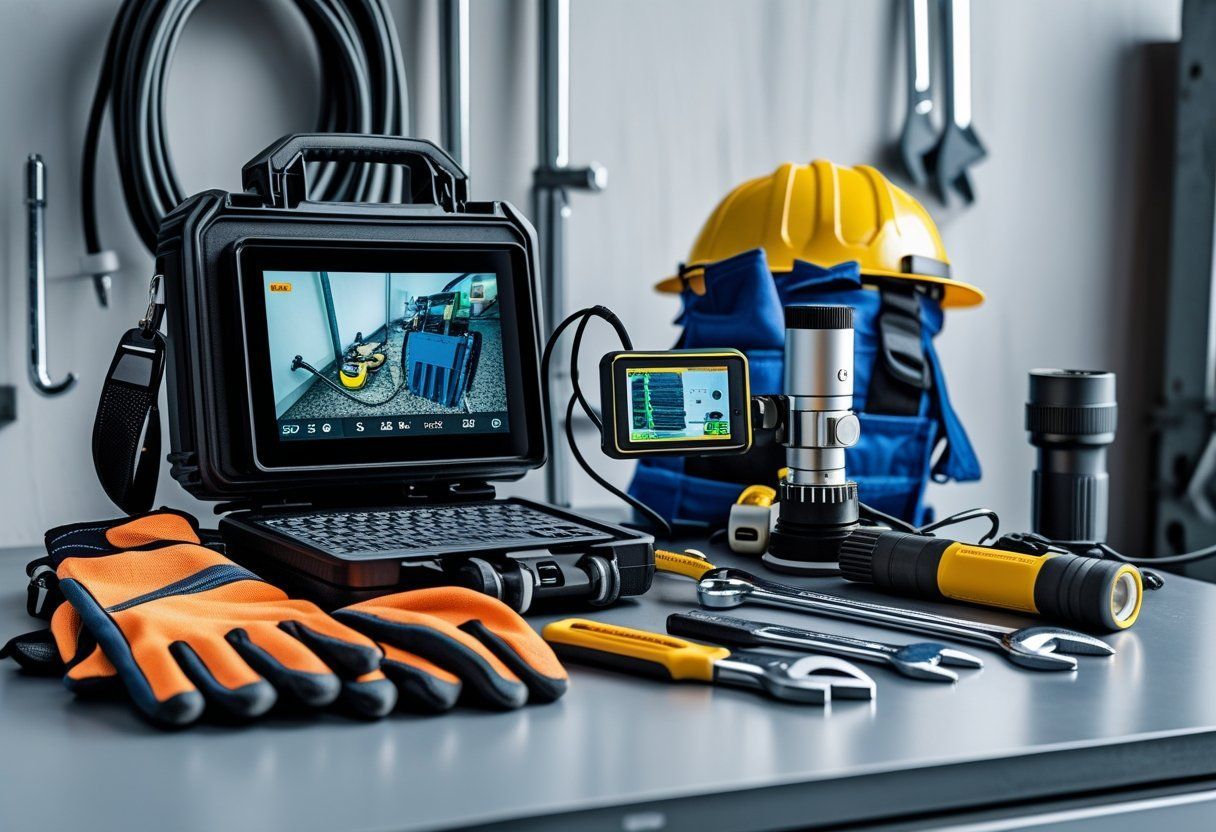
Tool kit with hard hat, gloves, laptop, and handheld device on a workbench in a workshop
By Stefani January 23, 2026
You want tools that give clear answers fast so you can find problems and fix them right. We rely on high-quality sewer cameras, locating gear, and cleaning tools to spot cracks, blockages, and defects in sewer lines accurately. Knowing which tools to use helps a plumber save time and avoid costly mistakes. We will walk […]
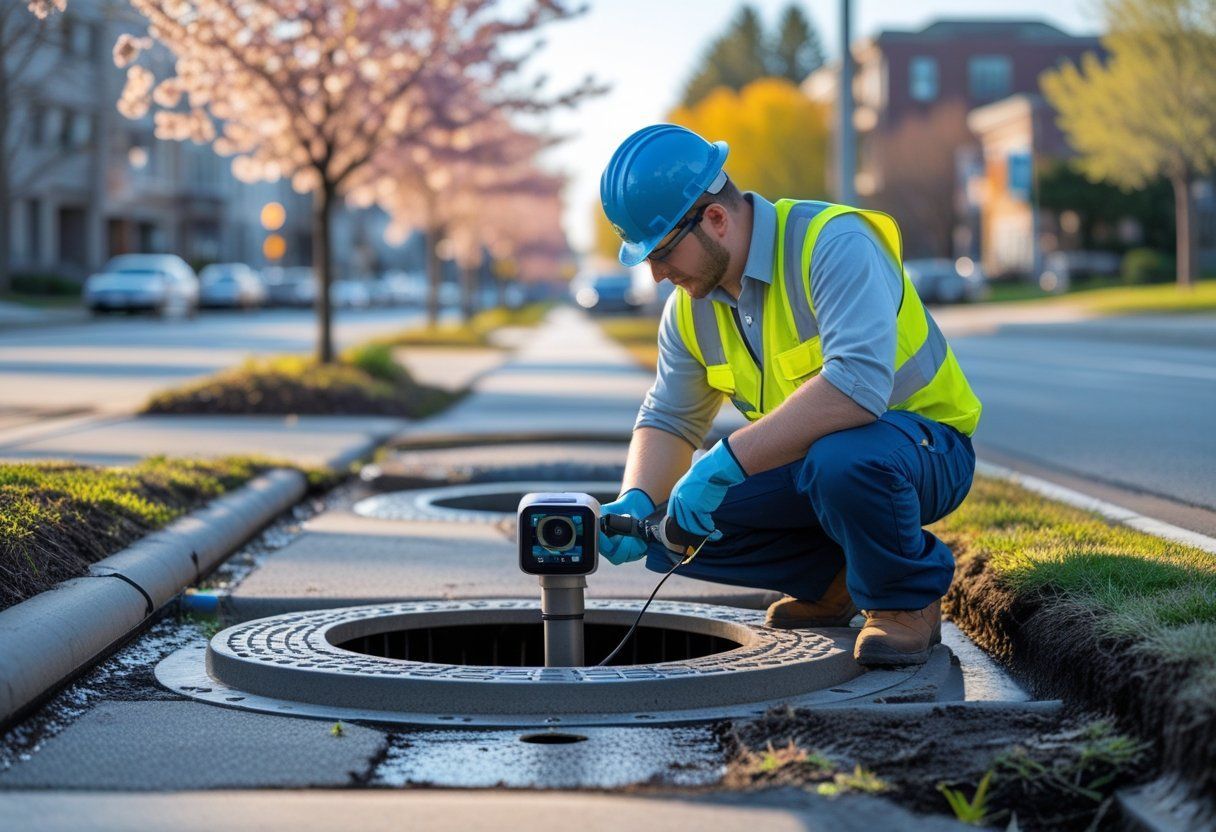
Worker in blue hard hat inspecting a manhole on a street with a camera device
By Stefani January 22, 2026
You want sewer line inspections timed so they catch problems before they get costly or urgent. We recommend scheduling inspections based on seasonal risks winter freeze, spring thaw, and heavy fall rains because timing cuts repair costs and prevents service interruptions. We will explain how weather, soil movement, and tree roots change the risk level […]
Common Mistakes to Avoid During Sewer Line Inspections
By Stefani January 18, 2026
We know sewer line inspections feel technical and tense, but avoiding a few common mistakes protects your home and wallet. Start by planning the inspection, knowing what to look for, and involving a qualified professional when signs point to trouble. That simple approach cuts down on missed problems and costly surprises. We will walk through […]
Show More