Sustainable Materials for Eco-Friendly Sewer Line Installations: Innovations and Benefits for Modern Infrastructure

Stefani • August 23, 2025

Share this article

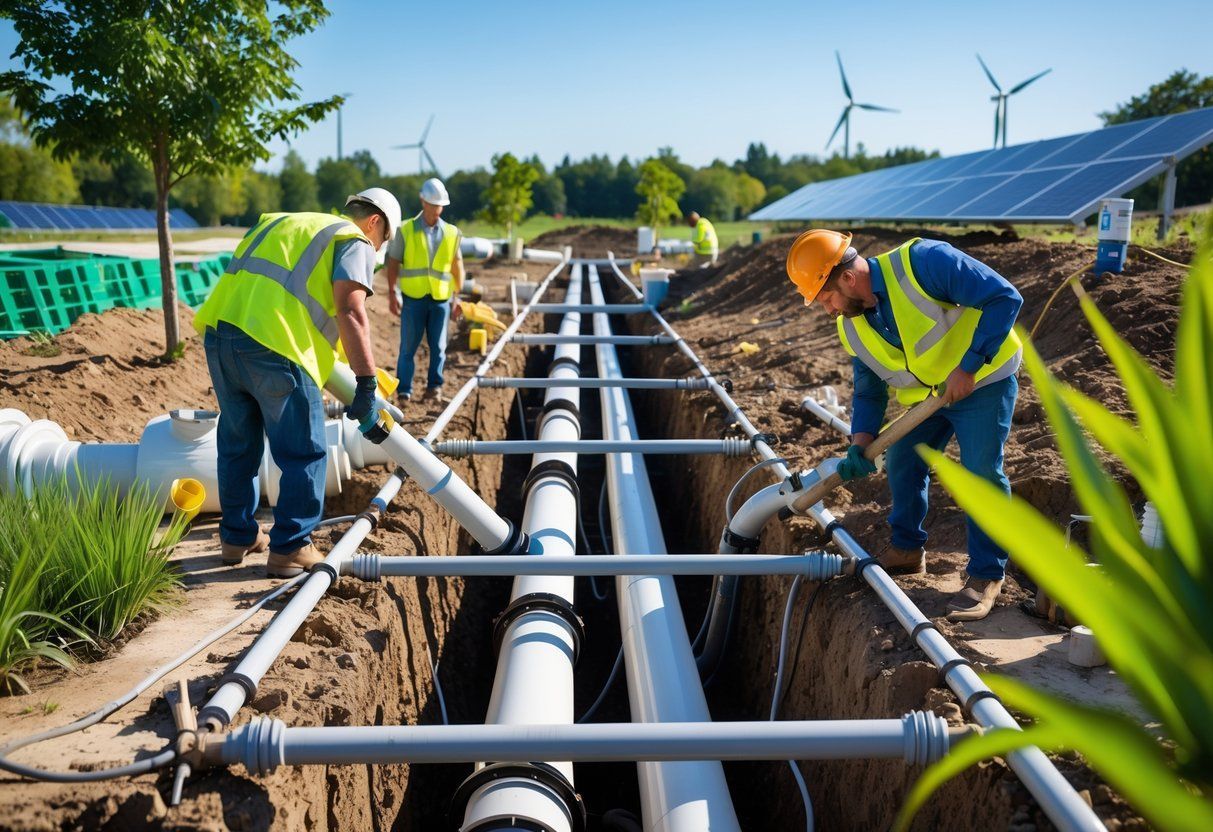
Many cities and towns are looking for ways to improve sustainability in their urban infrastructure. Sewer systems play a major role in this effort, as they are vital for public health and the environment. By choosing sustainable materials for eco-friendly sewer line installations, we can help make these systems safer and less harmful to our planet.

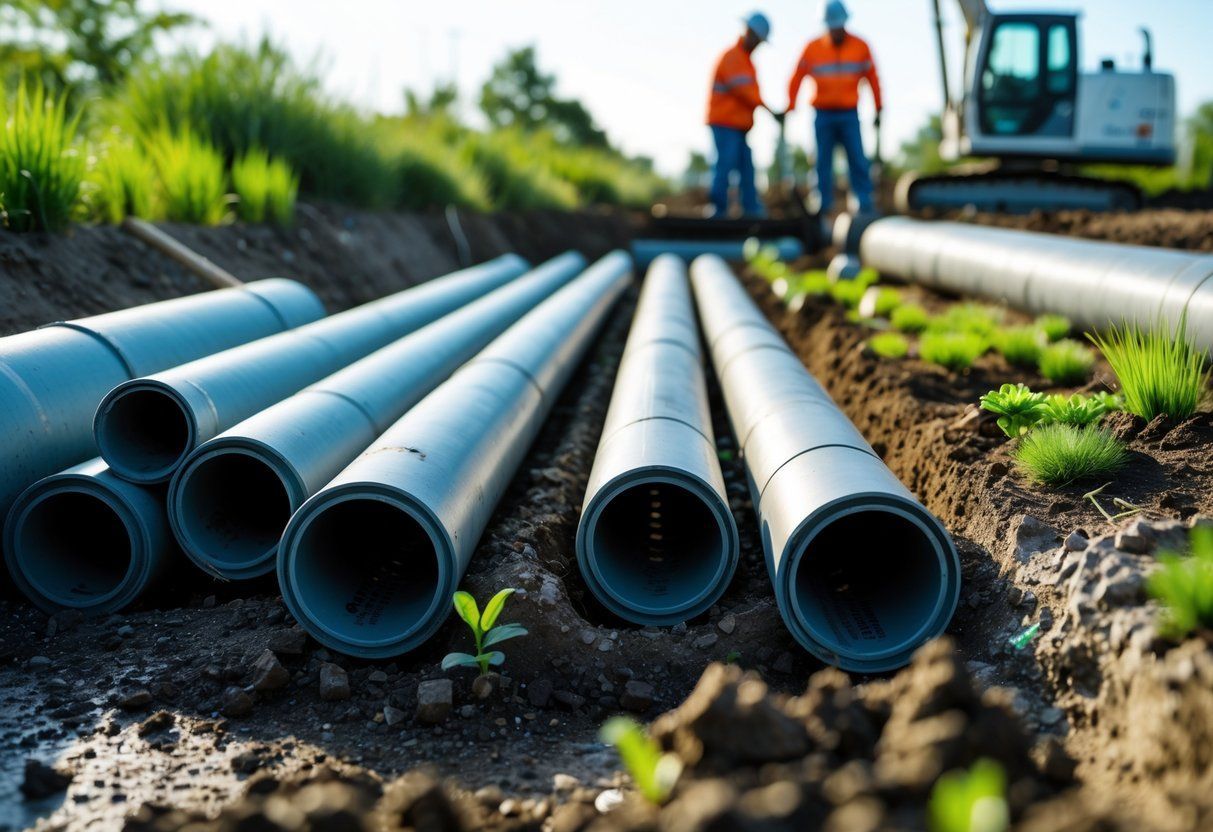
We now have more options for sewer materials than ever before. These include recycled plastics, concrete that lasts longer, and pipes made from materials that don’t pollute the soil or water. These choices can lower pollution, reduce waste, and help our sewer systems work better for years to come.

Understanding which materials are best can seem confusing, but making the right decision is important for our community’s health and the future of our cities.

Core Sustainable Materials for Sewer Line Installations

There are several eco-friendly materials we can use for sewer line installations. Each material offers different benefits, from lower energy use during production to reduced impact on landfill waste.

Recycled Plastics and Composite Materials

Recycled plastics are becoming more popular in sewer pipe installations. These materials often come from post-consumer plastic waste, like bottles and containers. This reduces the need for new raw resources.

Composite pipes combine recycled plastic with fibers like glass or wood. These combinations can make pipes lighter and sometimes even stronger than traditional ones. Using composites helps keep waste out of landfills and lowers the carbon footprint of the installation process.

We can also choose pipes with verified recycled content, which are certified by organizations such as the Institute for Scrap Recycling Industries (ISRI). This makes it easier for us to track the sustainability of the products we install.

Some pros of using recycled plastics and composites:

Benefit Explanation
Lower resource use Saves energy and raw materials
Reduced landfill Uses materials that would be waste
Durable Often resistant to corrosion and chemicals

Concrete Pipes: Environmental Performance

Concrete pipes are common in sewer systems thanks to their strength and lifespan. Newer “green” concrete formulas now use recycled industrial waste, such as fly ash or slag, as part of the mixture. This change cuts down on the amount of cement needed, which in turn reduces greenhouse gas emissions.

Modern concrete pipes are made with careful water and energy management. We can select options that support LEED certification and other green building standards.

Durability is key. Concrete pipes can last for many decades with little maintenance, which means fewer replacements and less waste over time. However, their weight requires more energy for transport and installation than lighter pipe materials.

Concrete pipe eco-benefits include:

  • Long service life (50+ years)
  • Use of recycled content in newer mixes
  • Low chemical reactivity
  • Can be recycled again after end-of-use

Clay and Ceramic Alternatives

Clay and ceramic pipes are among the oldest eco-friendly materials for sewer lines. These pipes are made from natural clay, shaped, and then fired at high temperatures. The process uses local materials and produces minimal pollution compared to manufacturing plastics or metals.

Clay pipes have natural resistance to many chemicals and root blockages. They also do not leach harmful substances into the soil. Although heavier and more fragile than plastic, clay pipes can last for over 100 years if installed well.

Ceramic pipes, a close relative, are dense and non-porous. Both options are fully recyclable as aggregate for new construction.

Clay and ceramic pipes are best used where soil and climate conditions support their long life and ease of installation.

Innovations in Sustainable PVC and Polyvinyl Chloride Pipes

PVC pipes are widely used in modern sewer systems due to their flexibility and low maintenance needs. Traditional PVC uses raw petroleum, but new formulas now include a higher share of recycled PVC and sometimes bio-based plastics.

Efforts to reduce the use of heavy metals and toxic plasticizers in PVC help make these pipes less harmful to manufacture and use. Some production systems now use closed-loop recycling, meaning old PVC pipes are cleaned and turned into new ones.

We can also opt for certified low-VOC (volatile organic compound) PVC. These pipes release fewer fumes, which is safer for installation crews and the environment alike.

Innovations in sustainable PVC pipes include:

  • Use of post-consumer and post-industrial recycled materials
  • Phasing out of lead-based stabilizers
  • Improved production methods with less waste and emissions

Environmental Impact and Life Cycle Considerations

When choosing sustainable materials for sewer line installations, we need to review how each option affects the environment. This includes manufacturing processes, life cycle analysis, and the amount of energy each step uses.

Pipe Manufacturing and Material Selection

The way pipes are made can strongly affect their environmental impact. Pipes made from virgin plastics, like PVC, often require more raw resources and involve chemical processing that may release pollutants. By contrast, recycled plastic pipes use less raw material and help reduce waste.

Metal pipes, such as ductile iron, usually require mining and smelting, which consumes lots of energy and can produce greenhouse gases. However, ductile iron is durable and can be recycled at the end of its life. Concrete pipes are heavy and need large amounts of raw materials, which increases transportation energy use.

Here is a table showing key differences:

Material Recycled Content Emissions in Production End-of-Life Options
PVC Low Medium-High Landfill/Recycling
HDPE (plastic) Medium Medium Recycle
Ductile Iron High High Recycle
Concrete Low Medium Reuse/Recycling

We should also review certifications like Cradle to Cradle or Environmental Product Declarations when making final selections.

Life Cycle Assessment of Sewer Line Materials

A life cycle assessment (LCA) checks a material’s impact from making to disposal. For sewer pipes, LCAs examine resource extraction, manufacturing, transport, use, and end-of-life steps.

Plastic pipes may have higher impacts in manufacturing but offer long lifespans and less leakage, which cuts maintenance and water waste. Metal and concrete pipes last a long time but can corrode or crack, leading to more frequent replacements and higher resource use over decades.

We often see that recycled-content pipes show better results in LCAs since they lower demand for new resources and reduce landfill waste. Checking LCA data sheets for each material helps us make informed choices about the best options for our specific project needs.

Energy Consumption in Production and Installation

Energy use during pipe production and installation is key when considering sustainability. Manufacturing plastic pipes generally uses less energy compared to metal pipes, especially when made with recycled materials. However, producing PVC and other plastics still needs electricity and may involve fossil fuels.

Transporting and installing pipes also uses energy. Lightweight pipes, like HDPE, are easier to move and require less fuel during delivery and installation. Heavy materials, such as concrete and metal, need more machinery and energy to install, increasing their environmental footprint.

Choosing local suppliers can further reduce energy use because shorter transportation distances mean fewer emissions. For large wastewater system projects, tracking both production and installation energy helps us select the option with the lowest overall impact.

Technological Advances and Sustainable System Practices

We now have new ways to make our sewer systems safer, longer-lasting, and more eco-friendly. Using advanced technology and better installation methods helps us protect both our city infrastructure and local water sources.

Real-Time Monitoring and Predictive Analytics

By using real-time monitoring, we can track sewer line conditions as things happen. Sensors placed inside sewer pipes send data back to a central system. This data includes flow rates, pressure, leak detection, and signs of blockages.

With predictive analytics, we run software that looks at all this data and finds patterns. This lets us spot problems before they get worse. For example, we can detect slow leaks or pipe wear early, so repairs happen on time without major spills.

This approach lowers repair costs and helps us avoid emergency situations. It also means we use resources wisely by targeting only the pipes that need attention, making our systems more sustainable.

Trenchless and Modular Installation Methods

Trenchless technology allows us to install or repair pipes without digging long trenches. Two common techniques are pipe bursting and cured-in-place pipe (CIPP) lining. Both are less disruptive to roads and the environment.

With modular installation, we put pipes together from pre-made sections. This makes upgrades and repairs faster and uses less material. It also lets us adapt quickly to changes as cities grow due to urbanization.

The chart below shows key benefits:

Method Less Disruption Faster Installation Lower Waste
Trenchless ✔ ✔ ✔
Modular ✔ ✔ ✔

By combining these methods, we make eco-friendly sewer projects that last longer and disturb less land.

Water Management and Sewer Overflow Prevention

Strong water management is key to a sustainable sewer system. Modern systems use smart valves and storage tanks to handle sudden storms or high water use. These tools help balance the flow through the network and reduce stress on older pipes.

To prevent sewer overflow, we use predictive analytics to warn us of peaks in water volume. For example, during heavy rain, the system directs water to backup storage instead of letting it spill into streets or rivers.

With better overflow control, we protect water quality, reduce health risks, and meet stricter regulations. This makes our cities safer while saving money on cleanup and repairs.

Community Engagement and Future Directions

We must work together to make sewer line installations more eco-friendly. This means involving community members, updating local policies, and keeping up with trends in sustainable infrastructure.

Stakeholder Involvement in Sustainable Projects

Getting input from residents, business owners, and local organizations helps us find the best solutions for our area. These stakeholders share concerns about construction, long-term impacts, and maintenance.

We can use surveys, public meetings, and workshops to hear their feedback. This real-world information lets us pick materials and designs that fit community needs and local conditions.

Involving everyone early builds support and trust. When people understand benefits like lower disruption and better safety, they are more likely to welcome new projects. This collaborative approach also uncovers unique local challenges we might overlook, making our solutions stronger.

Policy, Education, and Industry Trends

Local rules and incentives can speed up the adoption of green construction materials. Cities and counties sometimes offer rebates or fast-track permits when builders use sustainable options.

Educating workers and city staff about new materials and installation methods is key. We hold training sessions to share best practices and safety standards. Keeping people informed reduces mistakes and helps projects move faster.

Recent trends include using recycled plastics, improved pipe linings, and smarter leak detection. More companies now track the carbon footprint of sewer projects. By staying updated on these changes, we are more likely to meet future regulations and cut long-term costs.

Recent Posts

Fast Response Plumbing technician servicing a water shut off valve in San Francisco
By Joe Tinsley July 17, 2026
Learn how gate valves, ball valves, and angle stops work, where to find them in your San Francisco home, and when to replace them. FAQs inside.
Budgeting for Unforeseen Sewer Line Maintenance Expenses
By Stefani January 31, 2026
Sewer line problems can hit your wallet fast, and we know the stress of a surprise repair. We show you how to plan a practical budget that covers emergency fixes, regular upkeep, and the big costs that sneak up on you. This saves you money and keeps small issues from turning into major failures. We […]
Seasonal Effects on Sewer Line Maintenance Costs
By Stefani January 30, 2026
You’ll want to know how seasons change what you pay for sewer line maintenance so you can plan ahead and avoid surprise bills. Seasonal weather, ground movement, and plant growth directly affect repair needs and costs, so budgeting by season cuts unexpected expenses. We outline what shifts costs, when repairs most often happen, and which […]
The Role of Location in Sewer Line Maintenance Pricing
By Stefani January 29, 2026
You’ll pay different amounts for sewer line maintenance depending on where your property sits and what’s under it. Location drives cost through factors like soil type, access difficulty, local labor rates, and permit rules, so knowing these lets you predict and plan for expenses. We’ll show how those local details shape quotes and outcomes. We’ll […]
Analyzing Material Expenses for Effective Sewer Line Care
By Stefani January 28, 2026
We’ll break down the real costs that matter for keeping a sewer line working well so you can plan and avoid surprises. You’ll learn which materials and fees drive most of the expense and how small choices can lower long-term costs. We’ll look at costs for parts, tools, permits, and regular cleaning, plus where labor […]
Understanding the Impact of Labor Costs on Sewer Line Maintenance
By Stefani January 25, 2026
You want to know how labor costs shape sewer line care and what that means for your wallet. We will show how wages, crew size, and the repair method you choose change the final bill so you can plan smarter and avoid surprises. Knowing which labor factors most drive costs lets you pick repair options […]
How to Interpret Sewer Line Inspection Reports
By Stefani January 24, 2026
You’ll get clear steps to decode the most important parts of a sewer line inspection report so you can act with confidence. We show you how to spot real problems, what each defect means, and which issues need immediate repair versus routine maintenance. We break the report into simple pieces what the camera images show, […]

Tool kit with hard hat, gloves, laptop, and handheld device on a workbench in a workshop
By Stefani January 23, 2026
You want tools that give clear answers fast so you can find problems and fix them right. We rely on high-quality sewer cameras, locating gear, and cleaning tools to spot cracks, blockages, and defects in sewer lines accurately. Knowing which tools to use helps a plumber save time and avoid costly mistakes. We will walk […]
Worker in blue hard hat inspecting a manhole on a street with a camera device
By Stefani January 22, 2026
You want sewer line inspections timed so they catch problems before they get costly or urgent. We recommend scheduling inspections based on seasonal risks winter freeze, spring thaw, and heavy fall rains because timing cuts repair costs and prevents service interruptions. We will explain how weather, soil movement, and tree roots change the risk level […]
Common Mistakes to Avoid During Sewer Line Inspections
By Stefani January 18, 2026
We know sewer line inspections feel technical and tense, but avoiding a few common mistakes protects your home and wallet. Start by planning the inspection, knowing what to look for, and involving a qualified professional when signs point to trouble. That simple approach cuts down on missed problems and costly surprises. We will walk through […]
Show More