
Signs Your Commercial Plumbing System Needs Maintenance: Key Indicators to Watch

daniel • December 20, 2024

Share this article

Understanding Commercial Plumbing Systems

When we talk about commercial plumbing systems, we’re looking at a complex network that serves business facilities. These systems differ from residential ones in several ways, including size and use. Whether in an office, a hotel, or a factory, commercial plumbing must accommodate high usage and varied needs.

Key Components:

  • Pipes and Fittings: These form the backbone of any plumbing system, and they must be durable and suitably sized for commercial needs.
  • Valves and Pumps: Control the water flow, essential for efficient operation.
  • Fixtures and Fittings: Include sinks, toilets, and other outlets found throughout a facility.

Plumbing Infrastructure:

The infrastructure is designed to handle large volumes of water and waste. We often find these systems spread across multiple floors, requiring careful planning and installation. This complexity necessitates regular maintenance to prevent issues.

Unique Considerations:

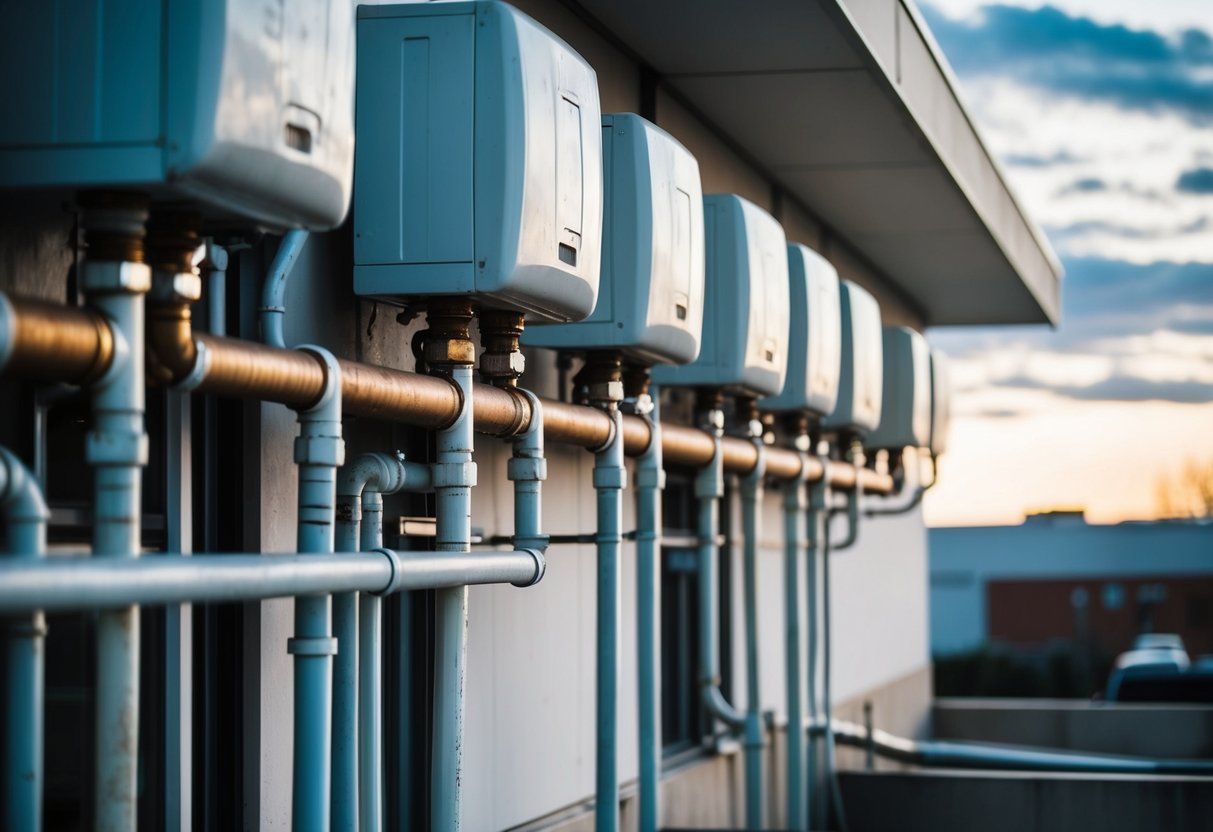
Commercial plumbing often includes special features like industrial water heaters and grease traps. These systems support business operations but also add an extra layer of maintenance challenges.

Maintenance Needs:

Regular inspections can help spot wear and potential failures in the system. Prompt attention to small leaks or clogs can prevent costly repairs later. Let’s stay proactive about servicing and avoid disruptions to business operations.

Identifying Common Plumbing Issues

Recognizing plumbing problems early can save us from costly repairs and downtime. We’ll explore the signs of leaks and water damage, issues affecting water quality and pressure, and frequent clogs.

Detecting Leaks and Water Damage

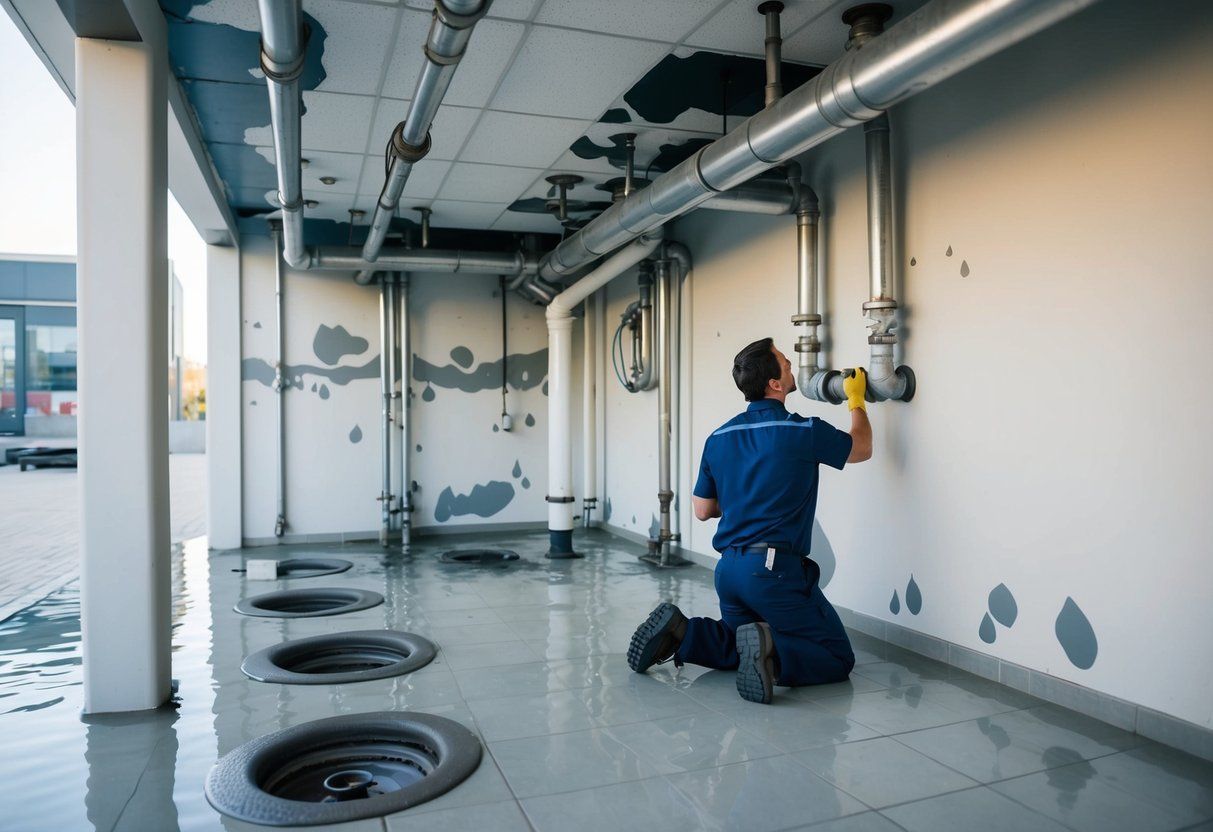
Leaks are a major concern in any plumbing system. Look for visible water stains on walls, ceilings, or floors as indicators of leaks. Hidden leaks might not be easily visible, so we should check for a musty smell or increased water bills, which may suggest a problem.

Water damage often follows leaks. If not addressed promptly, it can lead to structural damage or mold growth. Regular inspections help us catch these issues early. We need to repair leaks immediately to prevent further damage.

Issues with Water Quality and Pressure

Poor water quality can show up as discolored water or a strange taste. This could be due to sediment buildup or aging pipes. Water should be clear and taste normal. If we notice any change, it might be time to have the system inspected.

Low water pressure is often a sign of underlying plumbing issues. It can occur due to leaks, blocked pipes, or pressure regulator problems. If we experience a sudden drop in pressure, we should investigate to ensure there’s no major issue behind it.

Frequent Clogs and Slow Drains

Recurring clogs are frustrating and indicate a problem with the plumbing system. This might be due to blockages in the pipes or incorrect pipe sizes. If our drains are consistently slow, it’s important to find the source and clear it to maintain proper flow.

Slow drainage can also be caused by sediment buildup. Over time, this can restrict water flow and lead to more serious problems. By addressing slow drains quickly, we can prevent more serious blockages from developing. Regular maintenance helps keep our drains working efficiently.

Maintenance Strategies for Longevity

To keep commercial plumbing systems running smoothly, we should focus on regular inspections, addressing corrosion, and upgrading fixtures. These steps can help extend the life of the system and improve efficiency.

Routine Inspections and Preventive Care

Regular inspections are key to catching small issues before they become costly problems. We should have a maintenance checklist that includes looking for leaks, checking water pressure, and inspecting pipes. These checks help us identify and fix leaks early, reducing water waste and damage.

Preventive maintenance involves cleaning drains to prevent blockages and testing valves for proper function. This maintenance can save money by avoiding emergency repairs. By setting a schedule for these inspections, we ensure that no part of the system is overlooked.

Addressing Corrosion and Pipe Deterioration

Corrosion can weaken pipes and lead to leaks or breaks. Regularly checking for signs of pipe corrosion, such as discoloration or flaking, helps us prevent deterioration. When we find corroded pipes, it’s essential to replace them quickly to prevent further damage.

Using corrosion-resistant materials for new installations can help. This includes choosing pipes with coatings that resist rusting. By focusing on anti-corrosion measures, we can increase the equipment life and improve the reliability of the plumbing system.

Upgrading to Efficient Fixtures and Systems

Upgrading to water-efficient fixtures can significantly reduce water usage and costs. We should consider replacing old toilets, faucets, and shower heads with modern, efficient models. These upgrades not only conserve water but also lessen strain on the plumbing system.

A plumbing upgrade might include installing newer technologies that monitor water usage or detect leaks automatically. Such technologies give us more control and can notify us of issues before they escalate. By investing in efficient fixtures and systems, we contribute to both cost savings and sustainability.

Cost Implications and Compliance

Monitoring the costs and compliance of our commercial plumbing system is crucial. High water bills can point to inefficiencies, while staying within regulatory standards is essential to avoid penalties.

Analyzing High Water Bills and Waste

Rising water bills often alert us to potential issues in the plumbing system. A sudden increase might indicate leaks or inefficient fixtures. By inspecting for leaks, we can prevent water wastage. Replacing old fixtures with efficient ones can significantly reduce usage.

Using water-efficient devices not only cuts costs but also reduces strain on our plumbing system. Regular monitoring of water bills can help identify when a more in-depth inspection is necessary. Over time, we can achieve substantial cost savings by addressing these inefficiencies promptly.

Ensuring Compliance with Regulatory Standards

Compliance with local plumbing codes and regulations is a must. Failure to comply can lead to fines and increased scrutiny. Regular inspections help ensure that our plumbing system meets these standards.

We should be familiar with the specific requirements in our area. Hiring licensed professionals for inspections and maintenance can ensure compliance. Documentation of maintenance activities helps demonstrate adherence to regulations.

Maintaining compliance not only avoids penalties but also enhances the reputation of our business. It provides peace of mind, knowing our operations are within legal bounds.

Professional Plumbing Services and Support

Ensuring our commercial plumbing system runs smoothly relies on professional help. With expert plumbers, we can tackle water leaks, worn-out fixtures, and unexpected plumbing problems effectively.

The Role of Expert Plumbers

Professional plumbers have the necessary skills and experience to keep our commercial plumbing systems in top shape. They can identify leaks, repair water heaters, and fix leaky faucets. With their help, property owners can avoid costly repairs by addressing issues early.

They also handle regular maintenance, which helps extend the life of plumbing fixtures and reduces wear and tear. By doing so, we ensure continuous water supply and prevent disruptions in our daily operations.

Plumbing experts also suggest upgrades that improve efficiency and save energy. This includes installing modern fixtures and new technologies that meet our water needs better. Their guidance brings us peace of mind knowing our plumbing is well-maintained.

Handling Emergency Repairs and Damage Prevention

Emergency repairs are critical in preventing severe structural damage and water loss. Professional plumbers are equipped to tackle these urgent issues swiftly and effectively. When we face burst pipes or sudden leaks, their prompt action prevents further damage to our properties.

Our relationship with commercial plumbers ensures that any emergency is managed with minimal hassle. Regular inspections reduce the risk of emergencies by catching problems before they escalate. We rely on their expertise to maintain safety and functionality in our buildings.

By entrusting them with our plumbing systems, we not only safeguard our property but also ensure our operations continue smoothly. Their support during emergencies is invaluable, providing us with the assurance of swift and reliable solutions.

Recent Posts

Fast Response Plumbing technician servicing a water shut off valve in San Francisco
By Joe Tinsley July 17, 2026
Learn how gate valves, ball valves, and angle stops work, where to find them in your San Francisco home, and when to replace them. FAQs inside.
Budgeting for Unforeseen Sewer Line Maintenance Expenses
By Stefani January 31, 2026
Sewer line problems can hit your wallet fast, and we know the stress of a surprise repair. We show you how to plan a practical budget that covers emergency fixes, regular upkeep, and the big costs that sneak up on you. This saves you money and keeps small issues from turning into major failures. We […]
Seasonal Effects on Sewer Line Maintenance Costs
By Stefani January 30, 2026
You’ll want to know how seasons change what you pay for sewer line maintenance so you can plan ahead and avoid surprise bills. Seasonal weather, ground movement, and plant growth directly affect repair needs and costs, so budgeting by season cuts unexpected expenses. We outline what shifts costs, when repairs most often happen, and which […]
The Role of Location in Sewer Line Maintenance Pricing
By Stefani January 29, 2026
You’ll pay different amounts for sewer line maintenance depending on where your property sits and what’s under it. Location drives cost through factors like soil type, access difficulty, local labor rates, and permit rules, so knowing these lets you predict and plan for expenses. We’ll show how those local details shape quotes and outcomes. We’ll […]
Analyzing Material Expenses for Effective Sewer Line Care
By Stefani January 28, 2026
We’ll break down the real costs that matter for keeping a sewer line working well so you can plan and avoid surprises. You’ll learn which materials and fees drive most of the expense and how small choices can lower long-term costs. We’ll look at costs for parts, tools, permits, and regular cleaning, plus where labor […]
Understanding the Impact of Labor Costs on Sewer Line Maintenance
By Stefani January 25, 2026
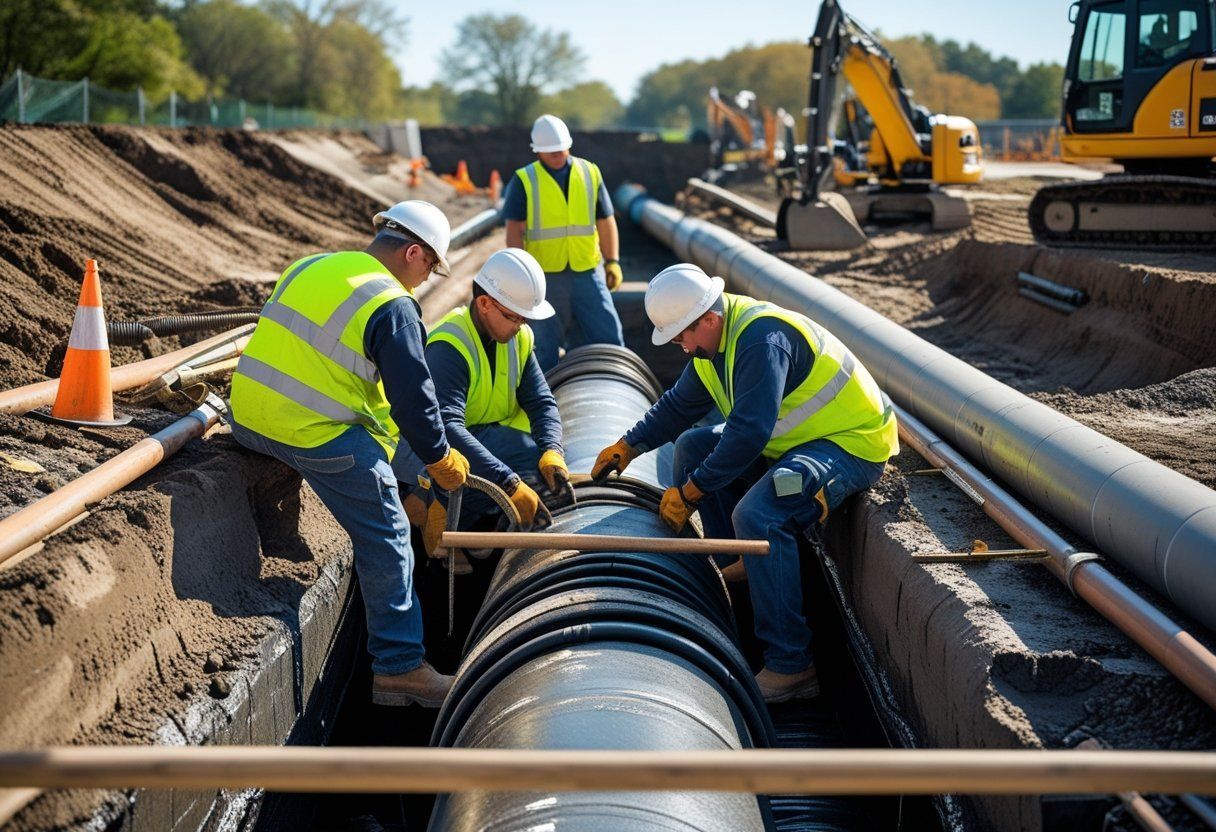
You want to know how labor costs shape sewer line care and what that means for your wallet. We will show how wages, crew size, and the repair method you choose change the final bill so you can plan smarter and avoid surprises. Knowing which labor factors most drive costs lets you pick repair options […]
How to Interpret Sewer Line Inspection Reports
By Stefani January 24, 2026
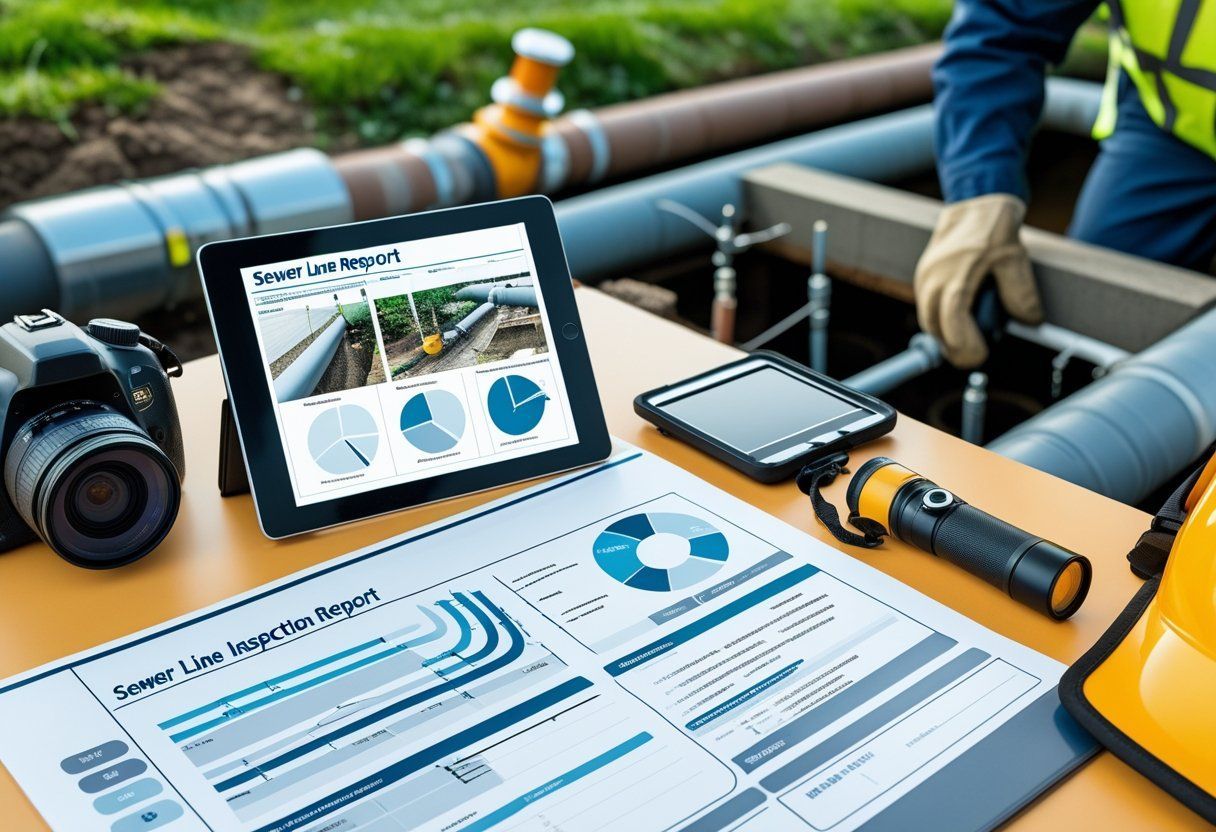
You’ll get clear steps to decode the most important parts of a sewer line inspection report so you can act with confidence. We show you how to spot real problems, what each defect means, and which issues need immediate repair versus routine maintenance. We break the report into simple pieces what the camera images show, […]
By Stefani January 23, 2026
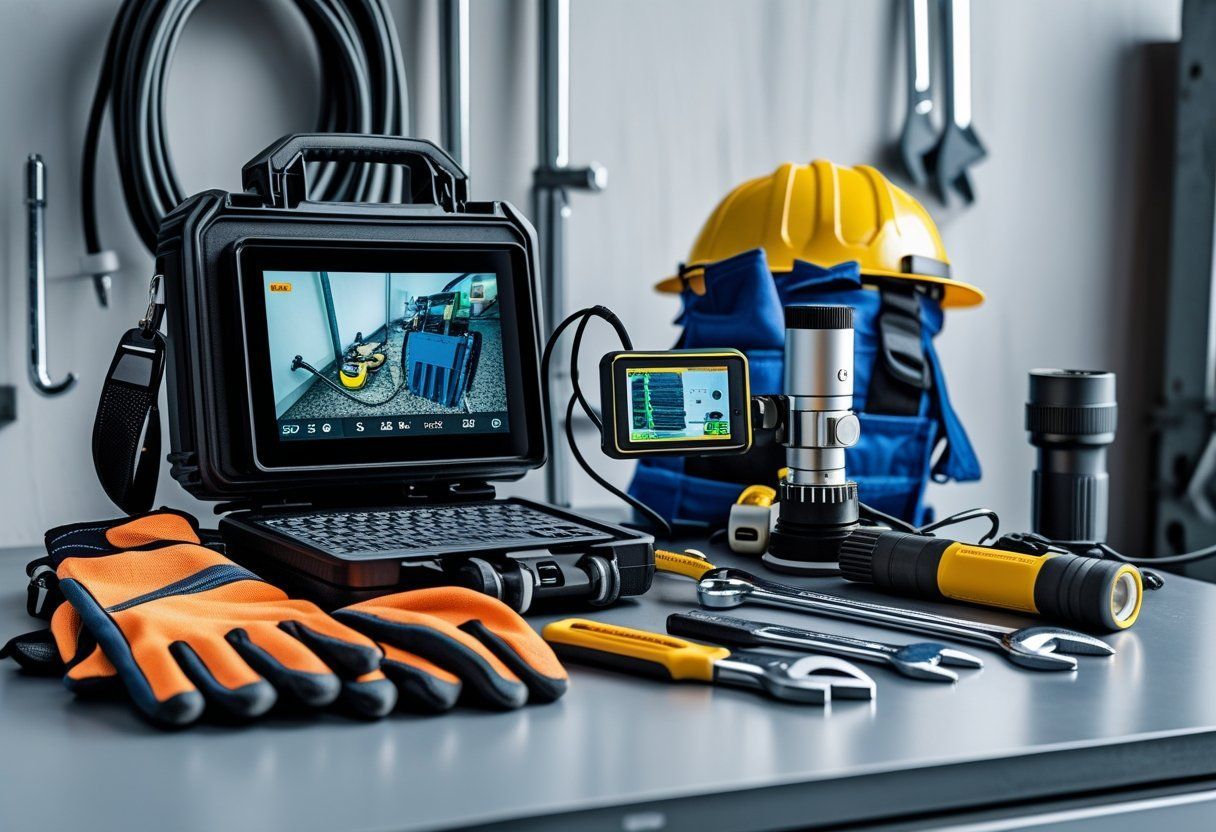
You want tools that give clear answers fast so you can find problems and fix them right. We rely on high-quality sewer cameras, locating gear, and cleaning tools to spot cracks, blockages, and defects in sewer lines accurately. Knowing which tools to use helps a plumber save time and avoid costly mistakes. We will walk […]
By Stefani January 22, 2026
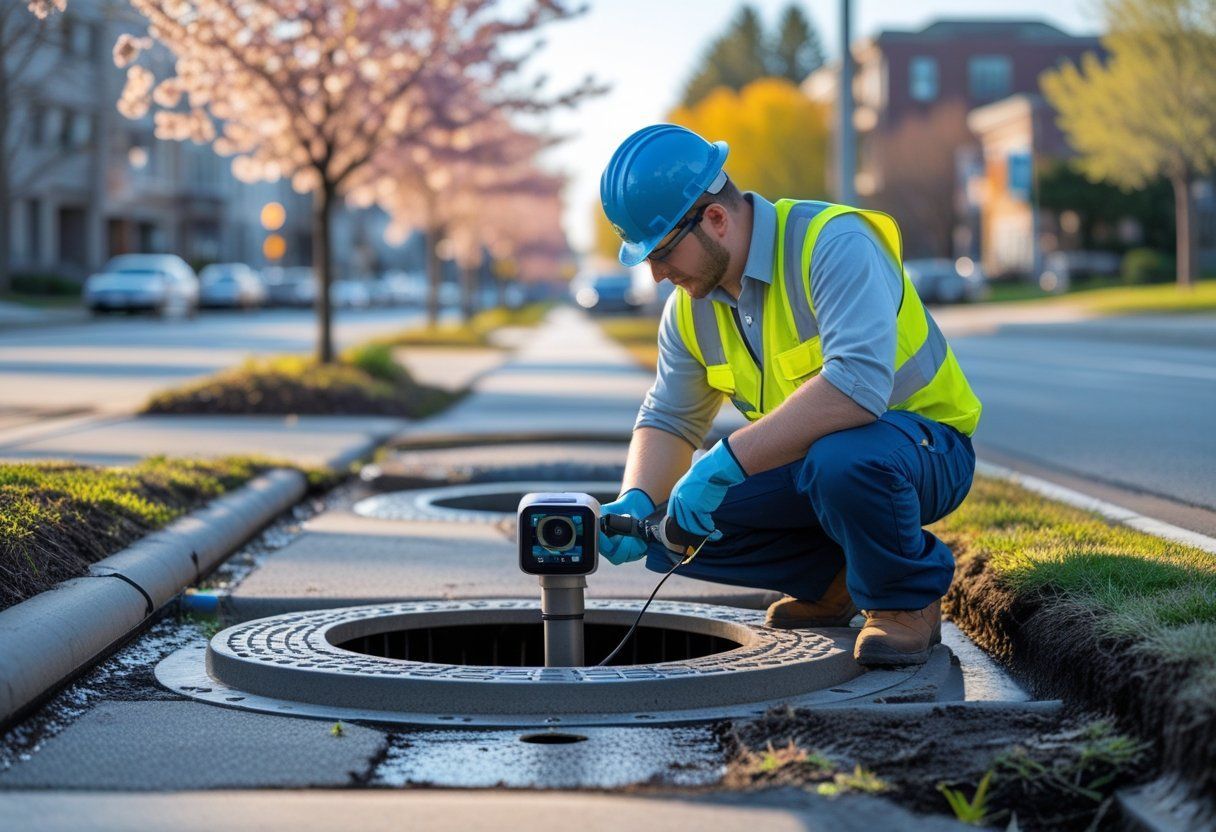
You want sewer line inspections timed so they catch problems before they get costly or urgent. We recommend scheduling inspections based on seasonal risks winter freeze, spring thaw, and heavy fall rains because timing cuts repair costs and prevents service interruptions. We will explain how weather, soil movement, and tree roots change the risk level […]
Common Mistakes to Avoid During Sewer Line Inspections
By Stefani January 18, 2026
We know sewer line inspections feel technical and tense, but avoiding a few common mistakes protects your home and wallet. Start by planning the inspection, knowing what to look for, and involving a qualified professional when signs point to trouble. That simple approach cuts down on missed problems and costly surprises. We will walk through […]
Show More