How to Select the Right Trenchless Sewer Repair Service for Your Property Needs

Stefani • August 8, 2025

Share this article

When a sewer line needs repair, it can feel stressful and urgent. Trenchless sewer repair is an option that avoids digging up our yard, but choosing the right service is important for good results. We need to look for companies with proven experience, the right technology, and strong customer reviews.

Not every repair service offers the same skills or tools for trenchless jobs. Asking about their methods and checking their qualifications can help us avoid costly mistakes. The right choice saves us time, protects our property, and gives us peace of mind.

Key Factors in Selecting a Trenchless Sewer Repair Service

Finding the right trenchless sewer repair provider helps us avoid bigger problems and extra costs. Good research makes choosing a trustworthy company for our sewer line repair much easier.

Evaluating Company Experience and Expertise

We should always check how much experience a company has with trenchless sewer repair. Years in business and specific knowledge about trenchless pipe repair methods like pipe bursting or pipe lining matter. Some companies may only offer traditional sewer repair, which can be more disruptive to our property.

It helps to confirm if the company has worked on projects similar in scope to ours. We can ask if technicians are trained on the latest sewer line repair technology. Choosing a service with proven expertise lowers the risk of mistakes and incomplete jobs.

A quick checklist:

  • Has worked on similar trenchless sewer line repair jobs
  • Offers both inspection and repair services
  • Uses up-to-date equipment and approved techniques
  • Staff receives ongoing training

Assessing Licensing, Insurance, and Certifications

Before hiring, we should verify that the trenchless sewer repair service is licensed to operate in our state or local area. Proper licensing confirms the business meets certain standards. Trenchless pipe repair should only be done by certified professionals.

Insurance is just as important. We need to make sure the company carries both liability and worker’s compensation insurance. This protects us if there is property damage or a worker gets hurt during the sewer repair job.

Relevant certifications may include:

Certification Indicates
NASSCO Best practices in trenchless methods
Manufacturer’s Training Product-specific expertise
Local/State Licenses Legal clearance to perform repairs

Reviewing Customer Satisfaction and Testimonials

Reading reviews and testimonials helps us see how the company treats its clients. We should look for feedback that mentions the company’s ability to complete trenchless sewer line repair on time and within budget. Patterns of repeated complaints, especially about unfinished work or pricing issues, are warning signs.

Sites like Google, BBB, and Yelp can show us a balanced view. We can also ask for direct references from the company. Speaking with past customers gives us clear insight into the quality and reliability of their trenchless pipe repair services. Looking for positive remarks about communication, cleanliness, and final results can further inform our decision.

Comparing Trenchless and Traditional Sewer Repair Methods

Both trenchless technology and traditional excavation are used to fix sewer lines, but they work differently and have unique advantages. Our choice depends on the specific problem, location, and budget.

Differences Between Trenchless Technology and Traditional Excavation

Trenchless technology repairs pipes underground with minimal surface disruption. Instead of digging up long trenches, we use methods like pipe lining or pipe bursting. This means driveways, lawns, and sidewalks often stay intact.

In traditional sewer repair, workers dig a trench along the entire length of the damaged pipe. This process can take longer, cost more in property repairs, and leave our yards or streets looking torn up.

Method Surface Impact Speed Cost Best For
Trenchless Minimal Fast Sometimes higher Small space, less disruption
Traditional High (excavation) Slower Property repair adds Collapsed pipes, hard access

Trenchless is less invasive but isn’t always an option, especially with collapsed pipes or severely broken lines.

When to Choose Trenchless Over Traditional Sewer Repair

We should consider trenchless technology if our pipes are mostly intact and the problem is with cracks, leaks, or small sections. This is a good choice when we want to avoid tearing up landscaping, driveways, or sidewalks.

If pipes are fully collapsed, severely misaligned, or hard items block the line, traditional excavation may be our only option. Sometimes, city rules also limit what methods we can use.

Getting a professional inspection helps us know if trenchless repair works for our situation. This way, we can fix the pipes with as little disruption as possible and avoid extra costs from yard repairs.

Understanding Trenchless Sewer Repair Techniques

We have two major trenchless methods for fixing or replacing old sewer lines: pipe lining and pipe bursting. Each uses special tools and steps that help avoid heavy digging and limit damage to our yard or driveways.

Pipe Lining and CIPP Lining

Pipe lining, also known as cured-in-place pipe (CIPP) lining, fixes sewer pipes from the inside. With this method, we insert a flexible, resin-filled liner into the old pipe. We then use air or water pressure to push the liner against the inside walls.

Once in place, the resin hardens and forms a new pipe within the old one. This new lining is strong, smooth, and can often last for decades. It works well for cracks, leaks, and small gaps but does not fix pipes that have completely collapsed.

Here’s how pipe lining and CIPP lining stand out:

Advantage Detail
Minimal digging Only small access points are needed
Fast completion Many jobs finish in a day
Less disruption Yards, driveways, and landscaping stay mostly intact

Pipe Bursting for Sewer Line Replacement

Pipe bursting is a trenchless sewer replacement technique. We use it when the old pipe is badly damaged or collapsed.

For this method, we pull a bursting head through the old pipe. The bursting head breaks apart the old pipe while pulling a new pipe into place behind it at the same time. The new pipe is often made of strong materials, like high-density polyethylene (HDPE), that resist corrosion.

Pipe bursting does not require digging a trench along the entire sewer line. We only need small entry and exit pits at each end. This method works well for trenchless sewer line replacement, especially over long distances or when upsizing the pipe.

Key benefits include:

  • Long-lasting results : New pipes are durable and leak-resistant
  • Minimal surface impact : Driveways and lawns stay mostly undisturbed
  • Effective on most materials : Works on clay, cast iron, and PVC pipes

Making the Right Choice for Your Sewer Line Issues

Choosing a sewer repair service takes careful thought. We need to spot early signs of sewer problems, understand factors that affect cost, and know the pros and cons of trenchless options.

Identifying Signs You Need Sewer Line Repair

Recognizing trouble early can prevent bigger sewer line issues.

Common signs include:

  • Frequent drain clogs: If our sinks or bathtubs keep backing up, this may signal a deeper problem.
  • Unpleasant odors: Bad smells in the yard or home often point to sewage leaks.
  • Soggy patches on lawns: Wet or sunken areas in grass can mean a pipe underneath has burst.
  • Slow drains: If water drains unusually slow throughout the home, there may be a blockage or break.
  • Rodent or insect increase: More pests can mean there’s damaged piping nearby.

If we notice any of these problems, an inspection can help us avoid sudden sewer failures and costly repairs.

Factors Influencing Cost and Suitability

Several things impact the cost and choice of trenchless sewer repair versus traditional replacement.

Pipe Material: Clay and cast iron pipes often develop cracks faster than PVC.

Pipe Depth and Length: Deeper, longer lines usually cost more to repair or replace.

Extent of Damage: A small crack might only need trenchless pipe lining. Severe collapse could require a full sewer line replacement.

Accessibility: Lines under concrete or landscaping are harder to reach without trenchless methods, making trenchless options more appealing.

Factor Low Cost High Cost
Pipe Material PVC Cast Iron
Depth <3 feet >6 feet
Damage Minor Cracks Major Collapse

Knowing these factors can help us compare quotes and select the best repair method for our needs.

Benefits and Limitations of Trenchless Methods

Trenchless repairs, like trenchless pipe lining, have some clear advantages.

Benefits:

  • Less landscape disruption: We may not need to dig up lawns or driveways.
  • Faster project time: Many repairs finish in one day.
  • Lower restoration cost: Minimal digging means less to fix afterward.

Limitations:

  • Not for all damage: If our pipe is badly collapsed, trenchless may not work.
  • Accessibility needed: Both ends of the line should be reachable with equipment.
  • Upfront cost: The price per foot can be high, though it may save on follow-up expenses.

By weighing these benefits and limits, we can choose a solution that fits both our budget and our property.

Recent Posts

Fast Response Plumbing technician servicing a water shut off valve in San Francisco
By Joe Tinsley July 17, 2026
Learn how gate valves, ball valves, and angle stops work, where to find them in your San Francisco home, and when to replace them. FAQs inside.
Budgeting for Unforeseen Sewer Line Maintenance Expenses
By Stefani January 31, 2026
Sewer line problems can hit your wallet fast, and we know the stress of a surprise repair. We show you how to plan a practical budget that covers emergency fixes, regular upkeep, and the big costs that sneak up on you. This saves you money and keeps small issues from turning into major failures. We […]
Seasonal Effects on Sewer Line Maintenance Costs
By Stefani January 30, 2026
You’ll want to know how seasons change what you pay for sewer line maintenance so you can plan ahead and avoid surprise bills. Seasonal weather, ground movement, and plant growth directly affect repair needs and costs, so budgeting by season cuts unexpected expenses. We outline what shifts costs, when repairs most often happen, and which […]
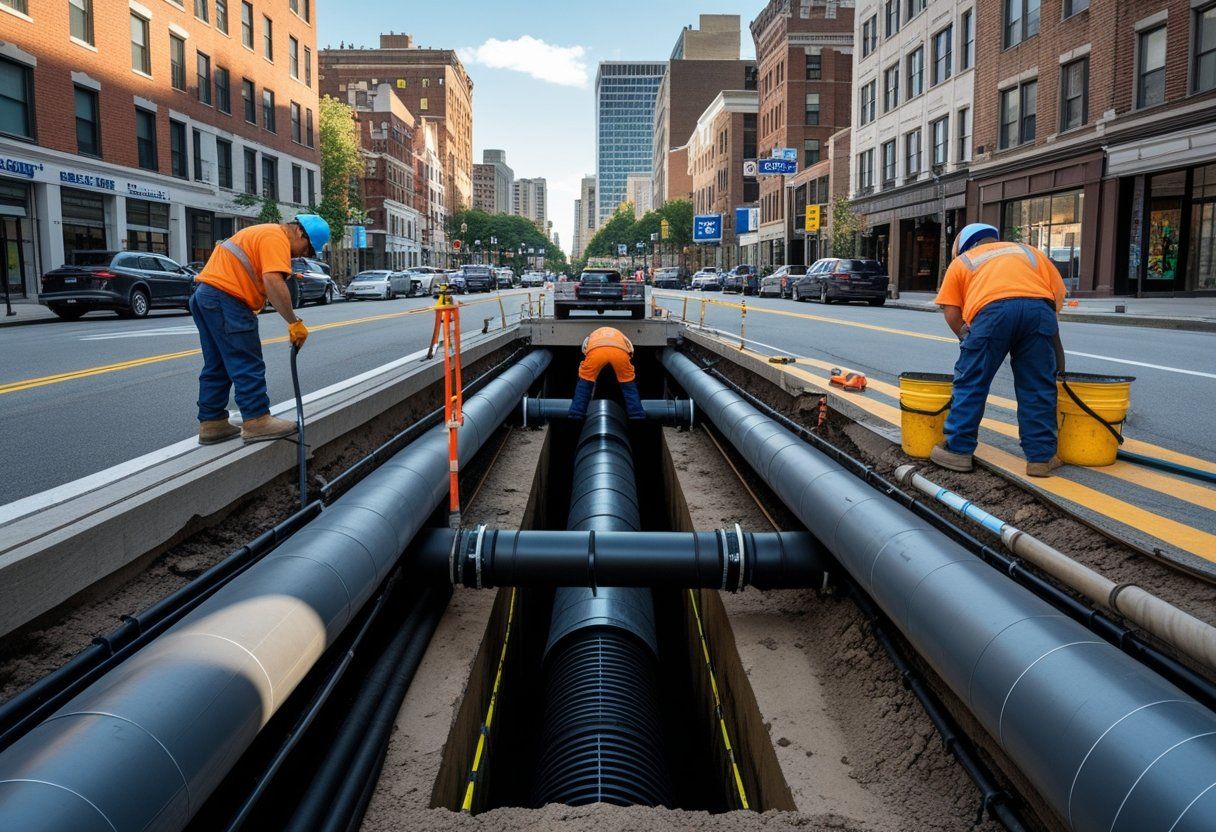
The Role of Location in Sewer Line Maintenance Pricing
By Stefani January 29, 2026
You’ll pay different amounts for sewer line maintenance depending on where your property sits and what’s under it. Location drives cost through factors like soil type, access difficulty, local labor rates, and permit rules, so knowing these lets you predict and plan for expenses. We’ll show how those local details shape quotes and outcomes. We’ll […]
Analyzing Material Expenses for Effective Sewer Line Care
By Stefani January 28, 2026
We’ll break down the real costs that matter for keeping a sewer line working well so you can plan and avoid surprises. You’ll learn which materials and fees drive most of the expense and how small choices can lower long-term costs. We’ll look at costs for parts, tools, permits, and regular cleaning, plus where labor […]
Understanding the Impact of Labor Costs on Sewer Line Maintenance
By Stefani January 25, 2026
You want to know how labor costs shape sewer line care and what that means for your wallet. We will show how wages, crew size, and the repair method you choose change the final bill so you can plan smarter and avoid surprises. Knowing which labor factors most drive costs lets you pick repair options […]
How to Interpret Sewer Line Inspection Reports
By Stefani January 24, 2026
You’ll get clear steps to decode the most important parts of a sewer line inspection report so you can act with confidence. We show you how to spot real problems, what each defect means, and which issues need immediate repair versus routine maintenance. We break the report into simple pieces what the camera images show, […]
By Stefani January 23, 2026
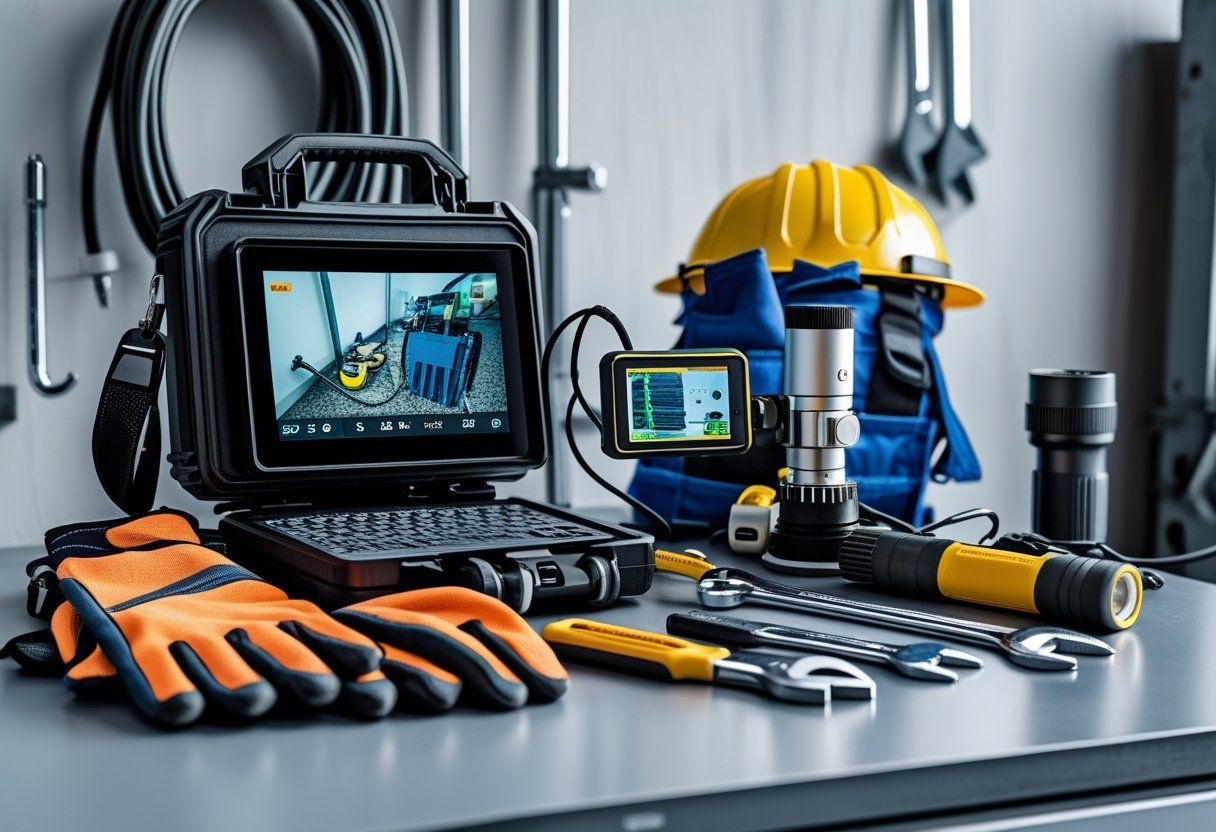
You want tools that give clear answers fast so you can find problems and fix them right. We rely on high-quality sewer cameras, locating gear, and cleaning tools to spot cracks, blockages, and defects in sewer lines accurately. Knowing which tools to use helps a plumber save time and avoid costly mistakes. We will walk […]
By Stefani January 22, 2026
You want sewer line inspections timed so they catch problems before they get costly or urgent. We recommend scheduling inspections based on seasonal risks winter freeze, spring thaw, and heavy fall rains because timing cuts repair costs and prevents service interruptions. We will explain how weather, soil movement, and tree roots change the risk level […]
Common Mistakes to Avoid During Sewer Line Inspections
By Stefani January 18, 2026
We know sewer line inspections feel technical and tense, but avoiding a few common mistakes protects your home and wallet. Start by planning the inspection, knowing what to look for, and involving a qualified professional when signs point to trouble. That simple approach cuts down on missed problems and costly surprises. We will walk through […]
Show More