Preventative Measures to Avoid Drain Issues in Your Business: Key Strategies for Maintaining Efficiency

Stefani • January 10, 2025

Share this article

Understanding Your Commercial Drainage System

Our commercial drainage system plays a critical role in maintaining a functional and efficient plumbing operation. By familiarizing ourselves with its components and common issues like clogs, we can take proactive steps in ensuring smooth operations.

Components of a Plumbing System

A commercial plumbing system has several key parts. Pipes transport water and waste to and from our building. These come in various materials like PVC and copper. Traps under sinks prevent sewer gases from entering by holding a small amount of water. Vents equalize air pressure and help waste flow smoothly.

Another vital component is the main drain. This is where wastewater exits the premises. Proper maintenance prevents backups. We should also focus on cleanouts, which are access points for clearing blockages. Routine checks and maintenance of these areas keep our system in top condition.

Common Causes of Drain Clogs

Clogs can disrupt business operations. Food particles and grease from kitchen activities often cause blockages. Grease solidifies in pipes, while food bits catch and accumulate. Soap scum can also build up, especially in restroom drains.

Hair is another frequent culprit, often found in restroom drains. In outdoor drains, tree roots can infiltrate and cause significant blockages. Mineral buildup, especially in areas with hard water, can narrow pipes over time. By identifying these sources, we can implement effective prevention measures. Regular cleaning and monitoring are crucial in avoiding these common issues.

Implementing Regular Drain Maintenance

To keep our business running smoothly, we need to prioritize regular drain maintenance. Key steps include conducting routine inspections to identify potential issues early and adopting best practices for waste disposal to prevent blockages.

Routine Inspections and Cleaning

We should schedule regular inspections of all drainage systems, including pipes and sewer lines. Identifying small issues early can prevent major problems like drain blockages. When conducting inspections, using hydro jetting can be effective. This method uses high-pressure water to clean the inside of the pipes thoroughly.

Professional drain cleaning services also play a critical role. These services ensure deeper cleanings that are more effective than DIY methods. Using a professional ensures that we cover every aspect of plumbing maintenance, reducing the risk of any unexpected drain issues.

Best Practices for Waste Disposal

Proper waste disposal is essential in preventing clogs. We need to educate our team on the importance of disposing of waste properly. Installing a grease trap is a smart move, especially for businesses that deal with food. Regular grease trap cleaning helps prevent fat build-up in the pipes.

Using natural cleaning agents like baking soda and vinegar can be an effective alternative to harsh chemical drain cleaners. These natural options are safer for our pipes and help maintain proper drain function. Consider placing clear signs near sinks as a reminder of what should and shouldn’t go down the drain. Proper disposal habits keep our drains running smoothly and cut down on maintenance costs.

Mitigating Risks with Preventative Solutions

In our business, reducing the chances of drain problems is crucial. Installing backflow prevention devices and ensuring proper grease trap installation can help prevent leaks, maintain health and safety, and save on expensive repairs.

Installing Backflow Prevention Devices

Backflow prevention devices are key to safeguarding our water systems. These devices stop contaminated water from flowing back into our clean water supply. We should focus on choosing the right type of device for each specific location, considering factors like water pressure and pipe size.

Proper maintenance is essential. Regular checks and professional cleaning by a certified inspector ensure they function correctly. By preventing backflow, we comply with safety regulations and protect our health. Such proactive measures can help us avoid costly repairs and maintain safe conditions.

Proper Installation of Grease Traps

Installing grease traps correctly helps manage waste from sinks and garbage disposals. This prevents fats, oils, and grease from clogging our drains. Ensuring the right size and placement is important for optimal performance.

Regular cleaning and maintenance are crucial. We should schedule periodic inspections and cleaning by a professional drain cleaner. Using drain strainers alongside grease traps adds an extra layer of protection. Keeping our grease traps in top condition helps us avoid blockages and maintain compliance with health standards.

Handling Emergencies and Unexpected Issues

Dealing with emergencies, like clogged drains or sewage backups, requires swift and confident action. Knowing when to fix things ourselves and when to call professionals is vital to keeping our business running smoothly.

Responding to Plumbing Emergencies

When faced with plumbing emergencies, we need quick action to minimize damage. First, we should turn off the water supply to prevent further leaks or flooding. This initial step is crucial in controlling any water-related problems.

If we encounter clogged drains causing unpleasant odors or slow drainage, basic tools like a plunger or drain snake might help. These tools can often clear blockages without professional aid. Safety measures, such as gloves and masks, are essential to protect ourselves from unclean water or harsh chemicals.

Monitoring plumbing fixtures for leaks or malfunctions also helps detect issues early. By regularly inspecting outlets and pipes, we reduce risks of sudden problems. This proactive approach can prevent minor issues from escalating into emergencies.

When to Call Professional Plumbing Services

Sometimes, emergency repairs require the expertise of professional plumbing services. We should contact them if our actions do not resolve the issue promptly, or if the problem escalates, like sewage backups, which need specialized equipment and skills.

Professional help is important when dealing with complex systems or when potential damage exceeds our capabilities. Attempting to resolve major issues ourselves might worsen the situation or create future risks.

When unpleasant odors persist despite our efforts, it might indicate deep-seated problems in the plumbing system. Professional plumbers have the experience and tools to identify and resolve these issues efficiently. Request their assistance to avoid further complications and ensure our business operates safely and effectively.

Promoting a Culture of Drain Care Awareness

To prevent drain issues in our business, we focus on employee training and adopt correct waste disposal methods. Proper knowledge and habits can reduce clogs and health hazards, ensuring smooth operations.

Employee Training and Education

We believe in empowering our employees with knowledge. Regular training sessions are essential to educate them about the impact of improper waste disposal. These sessions cover topics such as identifying hazardous wastes and understanding how these can affect drains.

Understanding the importance of routine inspections is also a key part of our training. By conducting these inspections, we can detect potential drainage issues before they become significant problems. This proactive approach saves time and resources in the long run.

To reinforce learning, we provide visual aids and guidelines that summarize key points. We keep these materials accessible so employees can refer to them anytime. By making this information part of our daily operations, we create a workplace where everyone feels responsible for maintaining a healthy drainage system.

Adopting Proper Disposal Methods

A major factor in preventing drain issues is the adoption of proper disposal methods. We ensure that all waste is sorted and disposed of correctly. For instance, organic waste such as food should be separated from other materials to prevent clogs that could lead to health hazards.

We provide clear instructions and signage near disposal areas to guide employees. This visual communication helps reduce mistakes and encourages accountability.

Implementing a waste management plan is vital. It outlines procedures for dealing with different types of waste. By following these methods, we keep drains clear and functional. Regular updates to the plan ensure it remains effective and in line with environmental standards.

Recent Posts

Fast Response Plumbing technician servicing a water shut off valve in San Francisco
By Joe Tinsley July 17, 2026
Learn how gate valves, ball valves, and angle stops work, where to find them in your San Francisco home, and when to replace them. FAQs inside.
Budgeting for Unforeseen Sewer Line Maintenance Expenses
By Stefani January 31, 2026
Sewer line problems can hit your wallet fast, and we know the stress of a surprise repair. We show you how to plan a practical budget that covers emergency fixes, regular upkeep, and the big costs that sneak up on you. This saves you money and keeps small issues from turning into major failures. We […]
Seasonal Effects on Sewer Line Maintenance Costs
By Stefani January 30, 2026
You’ll want to know how seasons change what you pay for sewer line maintenance so you can plan ahead and avoid surprise bills. Seasonal weather, ground movement, and plant growth directly affect repair needs and costs, so budgeting by season cuts unexpected expenses. We outline what shifts costs, when repairs most often happen, and which […]
The Role of Location in Sewer Line Maintenance Pricing
By Stefani January 29, 2026
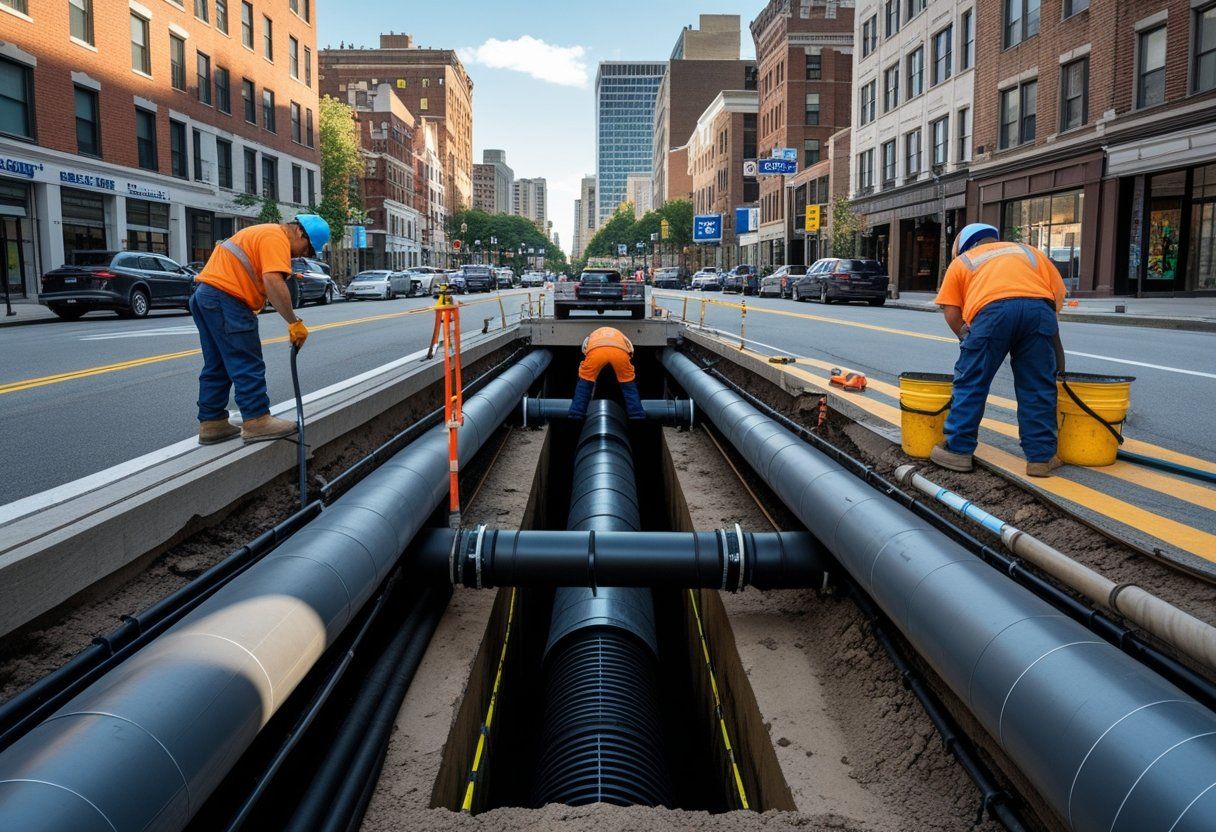
You’ll pay different amounts for sewer line maintenance depending on where your property sits and what’s under it. Location drives cost through factors like soil type, access difficulty, local labor rates, and permit rules, so knowing these lets you predict and plan for expenses. We’ll show how those local details shape quotes and outcomes. We’ll […]
Analyzing Material Expenses for Effective Sewer Line Care
By Stefani January 28, 2026
We’ll break down the real costs that matter for keeping a sewer line working well so you can plan and avoid surprises. You’ll learn which materials and fees drive most of the expense and how small choices can lower long-term costs. We’ll look at costs for parts, tools, permits, and regular cleaning, plus where labor […]
Understanding the Impact of Labor Costs on Sewer Line Maintenance
By Stefani January 25, 2026
You want to know how labor costs shape sewer line care and what that means for your wallet. We will show how wages, crew size, and the repair method you choose change the final bill so you can plan smarter and avoid surprises. Knowing which labor factors most drive costs lets you pick repair options […]
How to Interpret Sewer Line Inspection Reports
By Stefani January 24, 2026
You’ll get clear steps to decode the most important parts of a sewer line inspection report so you can act with confidence. We show you how to spot real problems, what each defect means, and which issues need immediate repair versus routine maintenance. We break the report into simple pieces what the camera images show, […]
By Stefani January 23, 2026
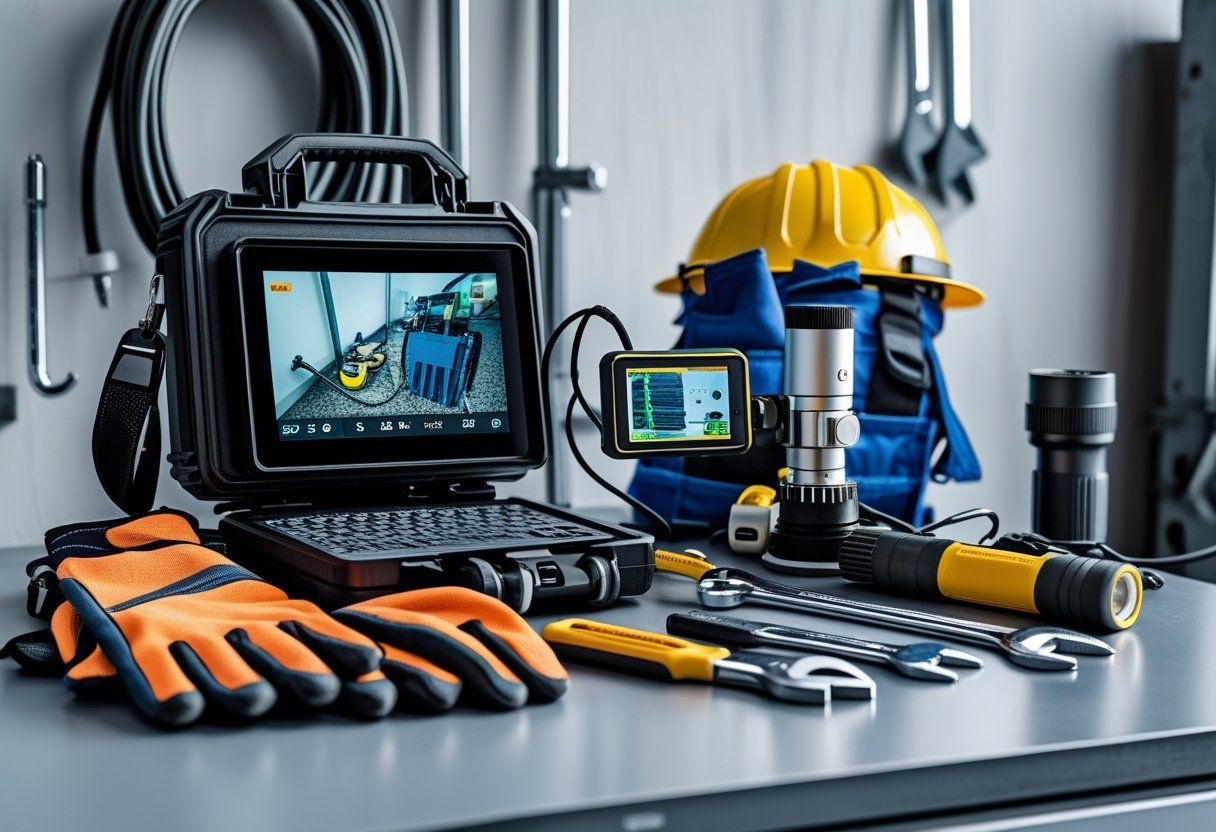
You want tools that give clear answers fast so you can find problems and fix them right. We rely on high-quality sewer cameras, locating gear, and cleaning tools to spot cracks, blockages, and defects in sewer lines accurately. Knowing which tools to use helps a plumber save time and avoid costly mistakes. We will walk […]
By Stefani January 22, 2026
You want sewer line inspections timed so they catch problems before they get costly or urgent. We recommend scheduling inspections based on seasonal risks winter freeze, spring thaw, and heavy fall rains because timing cuts repair costs and prevents service interruptions. We will explain how weather, soil movement, and tree roots change the risk level […]
Common Mistakes to Avoid During Sewer Line Inspections
By Stefani January 18, 2026
We know sewer line inspections feel technical and tense, but avoiding a few common mistakes protects your home and wallet. Start by planning the inspection, knowing what to look for, and involving a qualified professional when signs point to trouble. That simple approach cuts down on missed problems and costly surprises. We will walk through […]
Show More