
How to Prepare for a Plumbing Emergency in Your San Francisco Home: Essential Tips and Tools

Stefani • February 21, 2025

Share this article

Understanding Plumbing Emergencies

Plumbing emergencies in our San Francisco homes can lead to serious problems like flooding and costly damage. Recognizing common issues and carrying out consistent maintenance can prevent these emergencies.

Identifying Common Plumbing Issues

We need to be aware of various plumbing problems that could occur. Leaks are a frequent issue. Even a small drip can lead to higher water bills and big damage over time. Clogged drains can result from hair, grease, or food particles, and may cause water to back up or spill.

More severe issues include burst pipes, often occurring during colder months when temperatures drop. A burst pipe can lead to serious flooding and hefty repair costs. Likewise, sewer backups can disrupt our day-to-day lives, and often smell terrible, hinting at underlying problems in the plumbing system.

Other factors like tree roots can invade our sewer lines causing blockages. Being alert to these signs can help us address problems before they escalate.

Significance of Regular Maintenance

Regular maintenance plays a crucial role in avoiding plumbing emergencies. Checking for leaks, even those as small as a trickle, can save us from major headaches. Observing the flow of our drains will alert us to early clogs and give us the chance to resolve them before they worsen.

We should also insulate pipes, especially in cooler months, to guard against burst pipes. Additionally, routine inspections of our sewer line can catch issues involving roots or other obstructions and stop backups before they cause trouble.

These small-maintenance actions can significantly protect us from sudden and expensive plumbing emergencies in our homes. Regular check-ups make sure everything runs smoothly and safely.

Preventative Measures and Preparation

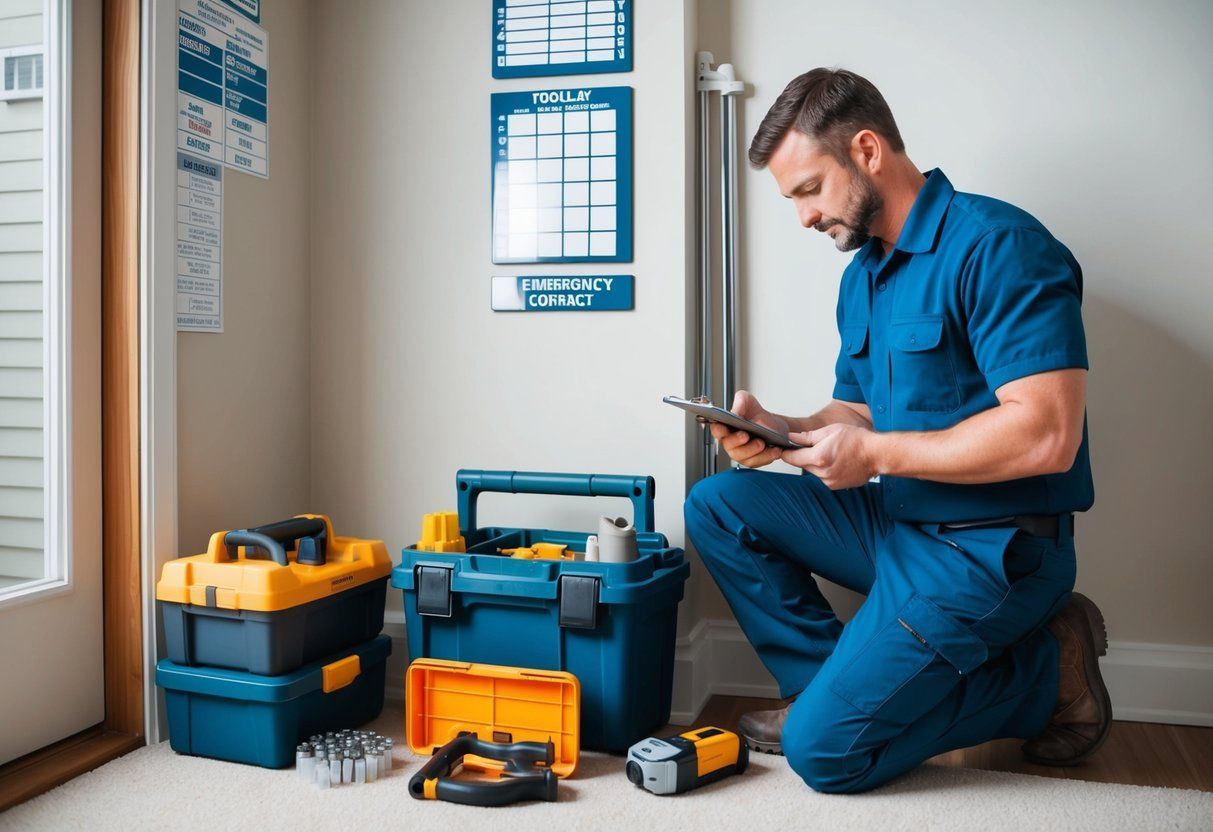
Being ready for plumbing emergencies in our San Francisco homes helps reduce damage and stress. Planning today by knowing where to find shut-off valves, taking care of our water heaters, and keeping up with regular inspections can save us trouble later.

Locating and Using Shut-Off Valves

We must know where our shut-off valves are located, as they are essential in stopping water flow during an emergency. The main water shut-off valve is typically found near the water meter, basement, or where the main water line enters the house. Keep this area clear and easily accessible. It’s a good idea to test the valve periodically to ensure it’s functioning. Turning it off and on once a year can prevent it from becoming stuck. Make sure everyone in our household knows its location and usage.

Protecting Your Water Heater

Our water heaters are vital, and taking steps to protect them can prevent emergencies. We should keep the area around the water heater clear, allowing easy access for maintenance and inspection. Installing a leak detector nearby can alert us to any potential problems early. Insulating the pipes can help in maintaining the heater’s efficiency and prevent pipes from freezing during cold spells. Regular maintenance includes checking the temperature settings, ideally keeping it around 120 degrees Fahrenheit. Draining and flushing the heater annually can remove sediment build-up, enhancing its efficiency and lifespan.

Scheduling Regular Inspections

Regular inspections are our first defense against plumbing problems. We should schedule a professional to check our plumbing system at least once a year. These inspections can catch small issues before they become major headaches. During these visits, plumbers can check for leaks, test water pressure, and ensure our appliances are in proper working order. Keeping an inspection record helps us track maintenance history, ensuring nothing is overlooked. Regular maintenance also increases the lifespan of the plumbing system in our homes, saving us money in the long run.

Emergency Response Plan

In a plumbing emergency, our quick and informed actions can prevent extensive water damage and costly repairs. Identifying when we can handle the issue ourselves and knowing when to call a professional plumber is crucial.

Immediate Actions During a Plumbing Emergency

First, we need to shut off the water supply. Locate the main water valve, typically near the water meter, and turn it off to stop the flow of water. This action is essential to minimize water damage.

Next, drain the remaining water from the pipes by running all the faucets. This step helps prevent further leaks.

After addressing the immediate threat, assess the situation. Look for signs of significant plumbing issues, such as serious leaks or flooding.

Use towels or buckets to remove excess water. This prevents damage to floors and valuables.

Consider contacting an emergency plumbing service if leaks seem extensive or you are unsure of the source.

When to Call a Professional Plumber

It’s important to know when to handle things ourselves and when to seek professional help. We should call a professional plumber if the issue is beyond basic leaks or clogs.

Signs that indicate a need for professional plumbing repair include water not receding after basic fixes, visible rusty pipes, or non-stop leaks.

Time is critical during serious problems like sewage backups or burst pipes. Emergency plumbers are equipped to offer quick solutions and can address potential long-term issues effectively.

By calling an expert, we ensure a thorough repair and avoid risky DIY fixes that could worsen the situation.

Professional Plumbing Services

When a plumbing issue strikes, it’s crucial to know when to call in a professional plumber. While minor problems might be a DIY project, others require expertise.

Emergency plumbing services are vital for urgent situations. If a pipe bursts or a major leak occurs, professionals can quickly mitigate damage. They have the tools and knowledge to fix issues efficiently.

Regular plumbing repairs and maintenance keep our systems running smoothly. Scheduling routine check-ups can catch potential problems early. Engaging with professional services ensures that our plumbing is in top shape, preventing bigger issues later on.

Here’s what to look for when choosing plumbing services:

  • Licensed and insured plumbers : We should always opt for certified experts who have proper credentials.
  • 24/7 Availability : Emergencies can happen anytime, so it’s important to have a service that operates around the clock.
  • Well-reviewed services : Checking customer feedback gives us insight into the quality of work we can expect.
  • Clear pricing : Transparent costs help us plan and avoid unexpected expenses.

When we invest in professional services, we benefit from their expert knowledge and the peace of mind that repairs are done correctly. Establishing a relationship with a trusted plumbing service can save us time and stress when emergencies arise.

Recent Posts

Fast Response Plumbing technician servicing a water shut off valve in San Francisco
By Joe Tinsley July 17, 2026
Learn how gate valves, ball valves, and angle stops work, where to find them in your San Francisco home, and when to replace them. FAQs inside.
Budgeting for Unforeseen Sewer Line Maintenance Expenses
By Stefani January 31, 2026
Sewer line problems can hit your wallet fast, and we know the stress of a surprise repair. We show you how to plan a practical budget that covers emergency fixes, regular upkeep, and the big costs that sneak up on you. This saves you money and keeps small issues from turning into major failures. We […]
Seasonal Effects on Sewer Line Maintenance Costs
By Stefani January 30, 2026
You’ll want to know how seasons change what you pay for sewer line maintenance so you can plan ahead and avoid surprise bills. Seasonal weather, ground movement, and plant growth directly affect repair needs and costs, so budgeting by season cuts unexpected expenses. We outline what shifts costs, when repairs most often happen, and which […]
The Role of Location in Sewer Line Maintenance Pricing
By Stefani January 29, 2026
You’ll pay different amounts for sewer line maintenance depending on where your property sits and what’s under it. Location drives cost through factors like soil type, access difficulty, local labor rates, and permit rules, so knowing these lets you predict and plan for expenses. We’ll show how those local details shape quotes and outcomes. We’ll […]
Analyzing Material Expenses for Effective Sewer Line Care
By Stefani January 28, 2026
We’ll break down the real costs that matter for keeping a sewer line working well so you can plan and avoid surprises. You’ll learn which materials and fees drive most of the expense and how small choices can lower long-term costs. We’ll look at costs for parts, tools, permits, and regular cleaning, plus where labor […]
Understanding the Impact of Labor Costs on Sewer Line Maintenance
By Stefani January 25, 2026
You want to know how labor costs shape sewer line care and what that means for your wallet. We will show how wages, crew size, and the repair method you choose change the final bill so you can plan smarter and avoid surprises. Knowing which labor factors most drive costs lets you pick repair options […]
How to Interpret Sewer Line Inspection Reports
By Stefani January 24, 2026
You’ll get clear steps to decode the most important parts of a sewer line inspection report so you can act with confidence. We show you how to spot real problems, what each defect means, and which issues need immediate repair versus routine maintenance. We break the report into simple pieces what the camera images show, […]
Tool kit with hard hat, gloves, laptop, and handheld device on a workbench in a workshop
By Stefani January 23, 2026
You want tools that give clear answers fast so you can find problems and fix them right. We rely on high-quality sewer cameras, locating gear, and cleaning tools to spot cracks, blockages, and defects in sewer lines accurately. Knowing which tools to use helps a plumber save time and avoid costly mistakes. We will walk […]
Worker in blue hard hat inspecting a manhole on a street with a camera device
By Stefani January 22, 2026
You want sewer line inspections timed so they catch problems before they get costly or urgent. We recommend scheduling inspections based on seasonal risks winter freeze, spring thaw, and heavy fall rains because timing cuts repair costs and prevents service interruptions. We will explain how weather, soil movement, and tree roots change the risk level […]
Common Mistakes to Avoid During Sewer Line Inspections
By Stefani January 18, 2026
We know sewer line inspections feel technical and tense, but avoiding a few common mistakes protects your home and wallet. Start by planning the inspection, knowing what to look for, and involving a qualified professional when signs point to trouble. That simple approach cuts down on missed problems and costly surprises. We will walk through […]
Show More