How to Identify Residential Sewer Line Plumbing Problems: Key Signs and Solutions

Stefani • June 7, 2025

Share this article

Recognizing Common Signs of Residential Sewer Line Problems

Sometimes, problems with our sewer lines are easy to miss. However, certain signs can help us catch issues early before they get worse and lead to costly repairs.

Slow Draining and Backups

One of the first signs we might notice is slow draining in sinks, tubs, or toilets. If the water takes a long time to go down or stops altogether, it could mean there’s a clog in our pipes.

Frequent backups, especially in the lowest drain in our home, usually point to a problem further down the sewer line. Water might even back up into the bathtub or floor drain when we flush the toilet.

We should remember that using a plunger or drain cleaner may help only with small clogs. If the slow draining keeps happening in different parts of the house, the issue is likely with the main sewer line.

Here’s a table showing common slow-draining warning signs:

Fixture Possible Cause
Kitchen Sink Grease or food buildup
Bathtub/Shower Hair or soap clogs
Multiple fixtures Main sewer line blockage

Foul and Unpleasant Odors

If we start to notice unpleasant odors, like a rotten egg or sewage smell inside or outside the house, this can signal a sewer line problem. Healthy plumbing systems keep bad smells out with water-filled traps.

A dried-out or broken trap lets foul sewer gases escape. This often happens when there’s a clog or cracked pipe. Even a small break can allow strong, unpleasant odors to drift inside or around our property.

These smells might come from drains, yard areas, or even the basement. If we notice these odors, we should act quickly to stop the issue from getting worse.

Unusual Noises from Plumbing Fixtures

Gurgling noises in toilets, sinks, or tubs can mean trapped air is being forced through water in the pipes. These gurgling or bubbling sounds often happen after we flush or when water drains slowly.

Frequent or loud noises can show that our vent or sewer lines are clogged. This is because water and waste can’t flow normally, so air bubbles get trapped and forced back up.

Ignoring these unusual sounds can lead to bigger problems, such as water backing up or even pipes bursting. It’s best to pay close attention when we hear persistent bubbling sounds.

Here’s a short list of noises and what they might mean:

  • Gurgling: Possible clog or blockage
  • Bubbling: Air in pipes due to trapped waste
  • Hissing: Leak or crack in the line

Visible Water Pooling and Green Patches

Pools of water in the yard, driveway, or basement when it hasn’t rained could point to a broken or leaking sewer line. This often means sewage is escaping underground.

We might also notice patches of grass that look much greener or grow faster than the rest of the lawn. Sewage acts as a fertilizer, so these “lush” spots can be a clear sign that wastewater is leaking below.

Standing water and green patches can also attract pests and create a health hazard for our household. If we see these signs, it’s important to check for clogged drains and other evidence of sewage backups.

Identifying Causes of Sewer Line Damage

Sewer line problems often start with preventable triggers. The most common causes include improper disposal habits, tree root intrusion, old or corroded pipes, and ground movement.

Blockages and Clogs from Improper Disposal

Most blockages form when we flush or pour things down drains that shouldn’t go there. Grease, oils, and fat can harden inside pipes, leading to stubborn grease buildup. Non-biodegradable items like wipes, diapers, paper towels, or hygiene products do not break down and can quickly cause clogs.

Improper disposal also includes pouring coffee grounds or food debris down the sink. Over time, these items collect and restrict water flow. Some signs of blockages include slow draining sinks, frequent toilet backups, and gurgling sounds from pipes.

Maintaining good disposal habits helps us prevent buildup. Sticking to flushing only toilet paper and human waste, and never pouring grease or solids down drains, can protect our sewer lines.

Tree Root Intrusion and Root Barriers

Tree roots are drawn to moisture, so cracks or small openings in pipes attract them. As roots detect water, they may grow toward sewer lines and push through tiny gaps, causing root intrusion or tree root infiltration.

Once inside, roots spread and cause more damage, creating blockages or breaking pipes apart. This can even lead to leaks and poor drainage. Signs of tree root problems include repeated clogs, wet patches in the yard above the line, or greener grass.

Installing root barriers between trees and sewer pipes is an effective step. If there are already roots in the line, a plumber might use special tools to remove them and repair damage. Regular landscaping checks help us spot root intrusions early.

Cracks, Corrosion, and Aging Pipes

Older sewer lines are much more likely to have cracks and corrosion. Over time, pipes made from clay, cast iron, or even older plastics can break down. Corrosion, especially in metal pipes, leads to thinning and rust, causing leaks.

Aging pipes may also suffer from joint failures or misalignments. Cracks let sewage leak into the yard or allow groundwater to enter, reducing system performance. Mold or mildew growth inside or outside the house can indicate hidden pipe leaks.

Staying aware of the age and material of our pipes helps us plan inspections. Some signs of damage include damp spots, foul odors, or increased rodent activity. Pipe replacement or lining can solve many cases of cracked or corroded piping.

Ground Shifting and Structural Damage

Shifting soil, changing groundwater levels, or construction work can move pipes out of place. When the ground settles unevenly, it may cause pipes to sag, crack, or completely break. Earthquakes, floods, and heavy vehicles driving over buried lines are also common sources of structural damage.

Structural issues don’t just harm pipes they can spread problems. Foundation cracks, sinkholes, or weakened areas in the yard may show up as warning signs. Addressing ground shifting is important to prevent further pipe movement.

It’s important for us to keep an eye on any new dips, wet spots, or cracks around the home. If we suspect damage from ground movement, a professional inspection can identify hidden issues before they become serious.

Detecting and Diagnosing Sewer Line Issues

We need a good approach to spot sewer line problems early. Checking pipes on a schedule and using the right technology can save us from large repairs. Professional plumbers bring tools and skill to find hidden or hard-to-see issues.

Early Detection and Routine Inspections

Early detection starts with watching for sure signs like slow drains, recurring clogs, or foul smells. If we notice wet spots in the yard or lush patches of grass that do not match the rest, these can also signal a sewer line issue.

Routine inspections should happen once every year or two, especially in older homes or those with trees nearby. We can use a checklist to keep track:

Checkpoint What to Watch For
Drains Slow draining, backups
Yard Soggy areas, bad smells
Home Pipes Strange noises, gurgling

Checking these points helps us catch problems before they get worse. Early action is the best way to avoid major expenses.

Video Camera Inspection and Advanced Diagnostics

Video camera inspection is a top method for finding what is wrong inside sewer lines. A small, waterproof camera is sent into the pipe. We can see a live video feed, showing us blockages, cracks, roots, or collapsed pipes.

These video inspections are non-destructive, so there is no need to dig up the yard just to check for issues. Many plumbers can record the inspection, letting us review it or share it if we need more opinions.

Advanced diagnostics may include using sound tools or smoke tests to find leaks or breaks. Video and other tests give us a clear view and help us plan the right repair without wasting time or money.

Professional Sewer Line Assessment

Sometimes, issues are hard to find or fix without expert help. A professional plumber has the training to spot hidden problems, interpret video inspections, and recommend repairs.

They can perform a full sewer line inspection, run advanced tests, and provide a clear report on the problem. This assessment helps us decide if we need to repair or replace parts of the line.

When we hire professional plumbers, we get access to their tools and knowledge. This makes our sewer system safer and more reliable for the long term.

Effective Solutions and Preventive Measures

Taking care of our sewer lines and plumbing system means we can avoid major problems and costly repairs. Using safe cleaning methods, knowing the right repair options, and sticking to good habits help us keep everything working properly.

Professional Drain Cleaning and Hydro Jetting

Calling a plumbing service for professional drain cleaning is important when we notice slow drains, backups, or foul odors. Plumbers have special equipment such as motorized drain snakes and cameras to spot and clear tough clogs in sewer lines.

For tough blockages, hydro jetting is an advanced method. This technique uses high-pressure water jets to blast away grease, roots, or mineral buildup inside the pipes. It is especially useful for removing tough clogs that normal snaking cannot reach.

We should not rely on store-bought chemical cleaners, as they can damage pipes. Instead, scheduling routine professional cleaning helps keep sewer lines clear and lowers the chance of sudden plumbing problems.

Pipe Repair, Relining, and Trenchless Methods

When our sewer lines are damaged, we have several repair options. Traditional pipe repairs involve digging a trench to expose and replace the damaged section. While effective, this method can be messy and expensive.

Modern techniques like pipe relining use a flexible liner coated with resin that hardens inside the pipe. This creates a smooth, new inner wall without full replacement. Trenchless repair methods like pipe bursting can also fix or replace sewer lines with little to no digging. These options can save both time and landscape disruption.

We should ask a plumbing service about the best method for our situation. The best solution depends on the damage, pipe material, and our budget.

Preventive Maintenance and Proper Habits

Regular maintenance helps us avoid many common sewer repairs. Simple steps can make a difference, like never flushing wipes, grease, or heavy paper down the drain. We should install strainers in our sinks and tubs to catch hair and other debris.

A yearly inspection from a licensed plumbing service can spot early signs of wear or small leaks. Some companies offer maintenance plans that include regular cleaning and inspections.

It’s also important to know the location of our main sewer line and keep trees or large bushes away from it. Tree roots can crack pipes and cause blockages. Staying alert to changes like slow drains or bad smells gives us a chance to fix problems early.

Potential Consequences of Untreated Sewer Line Problems

Untreated sewer line problems can put our health at risk, harm our property, and cost us more money over time. If we ignore issues like leaking sewer lines or damaged pipes, the effects can reach far beyond a simple plumbing repair.

Health Hazards and Mold Growth

When a sewer line is damaged, sewage can leak into our yard or home. This brings germs, bacteria, and foul odors into the living space.

Exposure to sewage can lead to illnesses, especially for children and older adults. Mold thrives in damp areas caused by plumbing leaks. Breathing in mold spores may cause allergy symptoms or asthma attacks for some people.

Infractions such as wet drywall, soaked carpet, or hidden puddles create a perfect place for mold to grow. We may notice black or green spots on walls or ceilings, or musty smells. Quickly fixing a sewer line problem can help us keep our home safe and healthy.

Costly Repairs and Property Damage

Ignoring sewer line damage often leads to bigger problems and higher repair bills. For example:

  • Water from a leaking sewer line can weaken our home’s foundation.
  • Floors, drywall, and wood framing might need to be replaced after water damage.
  • Landscaped areas, driveways, or patios could be torn up to reach broken pipes.
  • Sewer water may ruin carpets and personal belongings.

Fixing a small plumbing issue early is much less expensive than dealing with major property repairs. The costs can grow fast if we wait too long, making routine sewer line checks a smart investment for our budget.

Impact on Septic Tank and Plumbing Fixtures

If we use a septic tank system, a damaged sewer line can overload or block the tank, leading to backups or overflows into our yard. This can make us need emergency septic pumping services or even a full tank replacement.

Our home’s plumbing fixtures, like sinks, toilets, and tubs, may start to drain slowly or back up. Bad smells can also come from drains. These problems often signal that something is wrong with our main sewer line.

Fixing these issues quickly keeps all fixtures working well and helps us avoid disrupting our daily routines. Regular maintenance can protect both our septic system and inside plumbing.

Recent Posts

Fast Response Plumbing technician servicing a water shut off valve in San Francisco
By Joe Tinsley July 17, 2026
Learn how gate valves, ball valves, and angle stops work, where to find them in your San Francisco home, and when to replace them. FAQs inside.
Budgeting for Unforeseen Sewer Line Maintenance Expenses
By Stefani January 31, 2026
Sewer line problems can hit your wallet fast, and we know the stress of a surprise repair. We show you how to plan a practical budget that covers emergency fixes, regular upkeep, and the big costs that sneak up on you. This saves you money and keeps small issues from turning into major failures. We […]
Seasonal Effects on Sewer Line Maintenance Costs
By Stefani January 30, 2026
You’ll want to know how seasons change what you pay for sewer line maintenance so you can plan ahead and avoid surprise bills. Seasonal weather, ground movement, and plant growth directly affect repair needs and costs, so budgeting by season cuts unexpected expenses. We outline what shifts costs, when repairs most often happen, and which […]
The Role of Location in Sewer Line Maintenance Pricing
By Stefani January 29, 2026
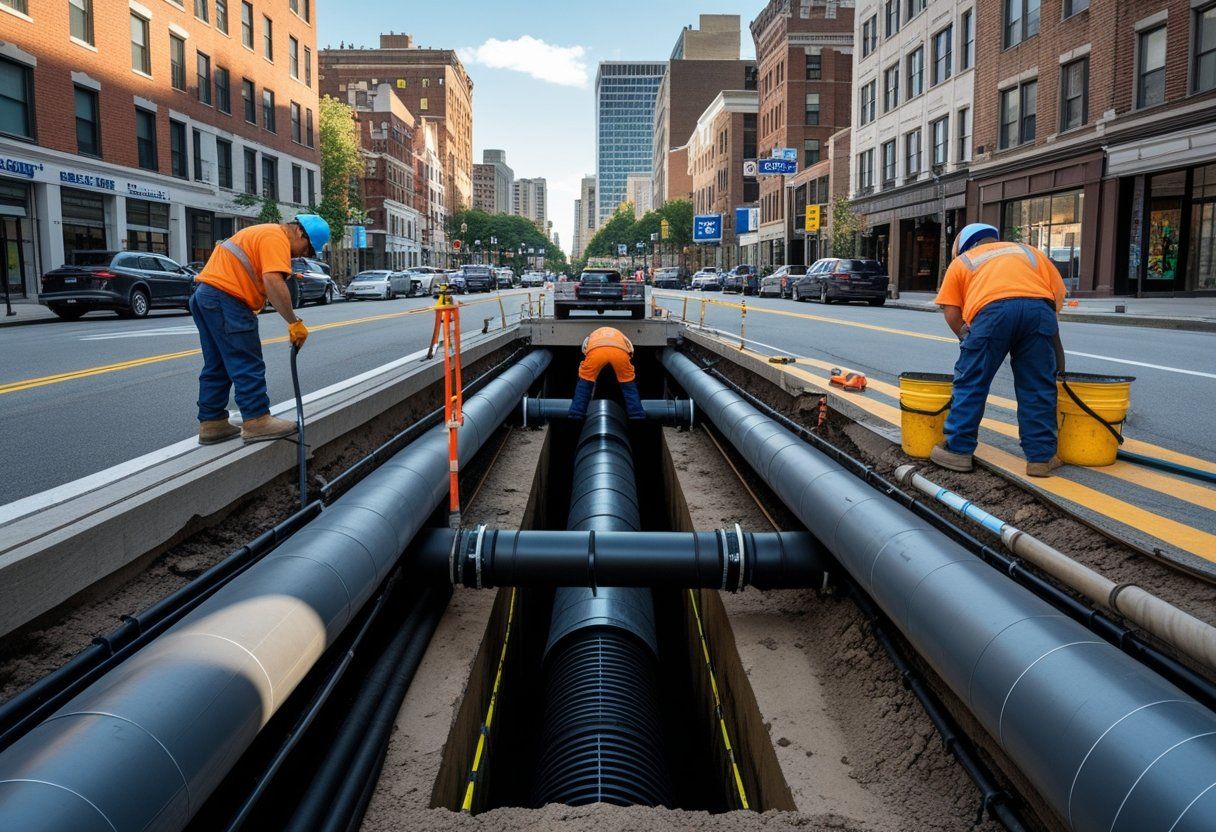
You’ll pay different amounts for sewer line maintenance depending on where your property sits and what’s under it. Location drives cost through factors like soil type, access difficulty, local labor rates, and permit rules, so knowing these lets you predict and plan for expenses. We’ll show how those local details shape quotes and outcomes. We’ll […]
Analyzing Material Expenses for Effective Sewer Line Care
By Stefani January 28, 2026
We’ll break down the real costs that matter for keeping a sewer line working well so you can plan and avoid surprises. You’ll learn which materials and fees drive most of the expense and how small choices can lower long-term costs. We’ll look at costs for parts, tools, permits, and regular cleaning, plus where labor […]
Understanding the Impact of Labor Costs on Sewer Line Maintenance
By Stefani January 25, 2026
You want to know how labor costs shape sewer line care and what that means for your wallet. We will show how wages, crew size, and the repair method you choose change the final bill so you can plan smarter and avoid surprises. Knowing which labor factors most drive costs lets you pick repair options […]
How to Interpret Sewer Line Inspection Reports
By Stefani January 24, 2026
You’ll get clear steps to decode the most important parts of a sewer line inspection report so you can act with confidence. We show you how to spot real problems, what each defect means, and which issues need immediate repair versus routine maintenance. We break the report into simple pieces what the camera images show, […]
By Stefani January 23, 2026
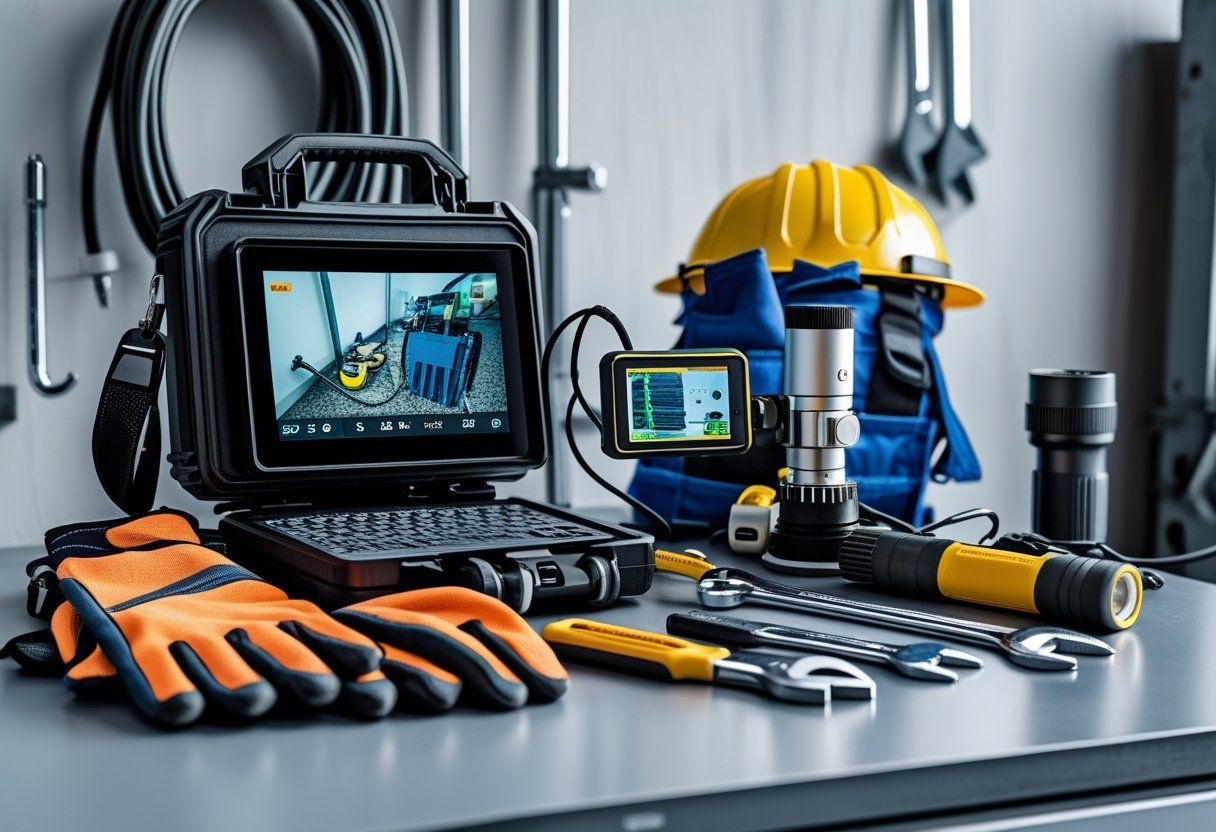
You want tools that give clear answers fast so you can find problems and fix them right. We rely on high-quality sewer cameras, locating gear, and cleaning tools to spot cracks, blockages, and defects in sewer lines accurately. Knowing which tools to use helps a plumber save time and avoid costly mistakes. We will walk […]
By Stefani January 22, 2026
You want sewer line inspections timed so they catch problems before they get costly or urgent. We recommend scheduling inspections based on seasonal risks winter freeze, spring thaw, and heavy fall rains because timing cuts repair costs and prevents service interruptions. We will explain how weather, soil movement, and tree roots change the risk level […]
Common Mistakes to Avoid During Sewer Line Inspections
By Stefani January 18, 2026
We know sewer line inspections feel technical and tense, but avoiding a few common mistakes protects your home and wallet. Start by planning the inspection, knowing what to look for, and involving a qualified professional when signs point to trouble. That simple approach cuts down on missed problems and costly surprises. We will walk through […]
Show More