
Addressing Common Issues in Commercial Sewer Line Plumbing: Solutions and Best Practices

Stefani • July 1, 2025

Share this article

Identifying Common Commercial Sewer Line Issues

Commercial plumbing systems often face frequent issues like clogged drains and tree root intrusion. Timely identification of these problems helps us prevent larger, costly repairs in commercial buildings.

Recognizing Signs of Sewer Line Problems

We need to stay alert for warning signs of sewer line issues in our buildings. Strange odors from drains, bubbling sounds in toilets, or water pooling around floor drains can signal trouble. If multiple drains run slow at once, it usually points to a bigger problem in the main line.

Leaking sewage, wet patches on floors, or mold growth may also indicate hidden damage. If any of these signs appear, we should contact a plumber quickly to prevent further problems. Regular inspection and maintenance help us spot plumbing problems early.

Diagnosing Clogged Drains in Commercial Facilities

Clogged drains are a common headache in commercial plumbing. Food waste, grease, and sanitary products are frequent culprits. In restrooms, items like paper towels can block pipes, while in kitchens, grease buildup solidifies and closes off the line.

To diagnose a clogged drain, we check if water backs up from several fixtures at once. We may use tools like a drain auger or camera inspection. Early detection of blockages is key, so it’s important to act when we notice slow drainage or odd noises from the pipes.

Signs of Clogged Drains

Indicator What We See
Slow drainage Water drains slowly
Gurgling sounds Pipes make noise
Multiple clogs Several fixtures back up

Impact of Tree Root Intrusion

Tree root intrusion is a serious problem for many commercial sewer systems. Roots seek out moisture and can slip through even small cracks in sewer pipes. Over time, they grow inside the pipe, causing blockages and even breaking the line apart.

We often notice slow drainage, gurgling toilets, and unexpected backups when roots invade lines. Root intrusion can cause costly repairs if not treated quickly. Using a camera inspection, we can confirm root growth and decide on the best removal method, such as hydro jetting or root cutting. Regular root control treatments help prevent future invasions and keep our commercial plumbing running properly.

Effective Solutions for Commercial Sewer Line Repairs

Commercial sewer line problems can be solved with the right techniques and experienced professionals. Regular maintenance, timely repairs, and the correct equipment all help keep plumbing systems working safely.

Professional Drain Cleaning Techniques

We use a range of professional drain cleaning methods to keep sewer lines clear. High-pressure water jetting is often used to clear stubborn blockages caused by grease, debris, or tree roots. This method leaves pipes clean without harsh chemicals.

Mechanical augers or drain snakes are also effective for breaking up tough clogs. These tools can remove heavy buildup that slows down drainage. In some cases, we inspect lines with a camera before and after cleaning to catch any hidden issues.

Keeping drains clean helps prevent emergencies and damage to the building. Regular, professional cleaning reduces repair costs and keeps water flowing smoothly.

Addressing Burst and Corroded Pipes

Burst pipes are a major issue in commercial plumbing systems. Quick repairs are important to prevent water damage and business interruptions. We often use trenchless pipe repair methods like pipe lining or pipe bursting. These solutions fix pipes without having to dig up large sections of the property.

Corroded pipes can cause leaks, water discoloration, and reduced water quality. We commonly recommend replacing old metal pipes with newer materials like PVC or HDPE. These materials resist corrosion and last longer.

To spot problems early, we check for signs of corrosion, such as rust, discoloration, or strange odors coming from the water. Early action can prevent larger issues down the road.

Utilizing Backflow Prevention Devices

Backflow prevention is important for protecting water quality in commercial buildings. If pressure drops, contaminated wastewater can flow back into clean water lines. To stop this, we install backflow prevention devices like double check valves or reduced pressure zone (RPZ) assemblies.

We test and maintain these devices regularly to make sure they work properly. Many local codes require yearly backflow testing, and we provide the paperwork needed for compliance.

Good backflow prevention devices help protect customers, employees, and the overall water supply. This keeps businesses running safely and avoids health hazards.

Role of Licensed and Professional Plumbers

Commercial plumbing repairs need a licensed professional who understands codes and safety standards. We have the training and experience to handle complex plumbing systems found in large buildings.

Our team has the right tools and follows set procedures for effective repairs. Hiring licensed plumbers helps building owners avoid costly mistakes and failed inspections.

We also provide warranties on our work, giving business owners peace of mind. Choosing professional plumbers helps keep plumbing systems safe, reliable, and up to code.

Preventive Measures and Maintenance Strategies

Preventing sewer line issues in commercial plumbing starts with proactive steps. Staying on top of maintenance, monitoring water pressure, and fixing leaks early helps keep problems from turning into emergencies.

Establishing a Regular Maintenance Schedule

We need to set up a regular maintenance schedule to avoid big plumbing problems later. This means planning inspections for pipes, cleanouts, and drains several times each year. Regular check-ups by trained technicians help find small issues, like buildup or slow drains, before they turn into blockages or backups.

A schedule should include:

  • Annual sewer line inspections with cameras
  • Drain cleaning every 6 to 12 months, depending on usage
  • Immediate repairs if signs of corrosion or cracks are found
    Keeping records of inspections and repairs helps us see patterns and prevent future issues. Prevention saves money compared to emergency repairs and downtime.

Managing Water Pressure in Commercial Buildings

Water pressure that is too high or too low can damage commercial plumbing and sewer lines. We should test water pressure regularly to make sure it stays between 40–80 psi. High water pressure can cause leaks, while low pressure may signal blockages or supply issues.

Installing pressure-reducing valves keeps pressure stable throughout the plumbing system. When pressure stays in the right range, fewer pipes, faucets, and fixtures get damaged. We should train our maintenance staff to recognize signs of changing water pressure, like strange noises or drops in flow.

Having pressure checked by a licensed plumber at least once a year is a good practice. This makes sure our system runs smoothly and helps avoid costly plumbing failures.

Preventing Leaky Faucets and Fixtures

Leaky faucets and fixtures waste water and can cause damage around sinks and drains. In commercial settings, extra use leads to more wear and tear. We should check all faucets, toilets, and shutoff valves at least twice a year.

Quick steps for prevention:

  1. Replace worn washers, seals, and gaskets right away.
  2. Tighten loose faucets and handles before leaks start.
  3. Schedule prompt repairs for any dripping or running water.

Ignoring leaky fixtures can raise water bills and contribute to water pressure imbalances. Tackling these small problems early helps protect the whole plumbing system. Proper care also reduces disruptions for customers and staff.

Recent Posts

Fast Response Plumbing technician servicing a water shut off valve in San Francisco
By Joe Tinsley July 17, 2026
Learn how gate valves, ball valves, and angle stops work, where to find them in your San Francisco home, and when to replace them. FAQs inside.
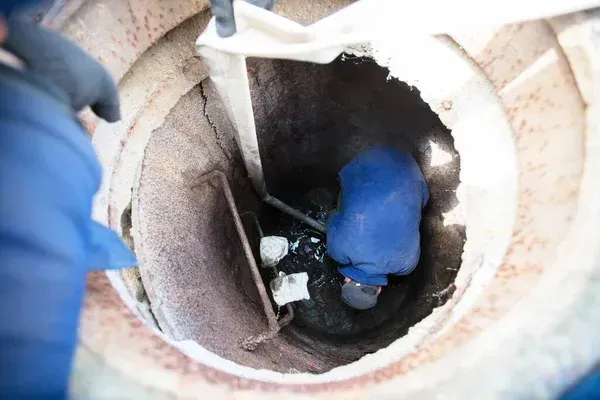
Budgeting for Unforeseen Sewer Line Maintenance Expenses
By Stefani January 31, 2026
Sewer line problems can hit your wallet fast, and we know the stress of a surprise repair. We show you how to plan a practical budget that covers emergency fixes, regular upkeep, and the big costs that sneak up on you. This saves you money and keeps small issues from turning into major failures. We […]
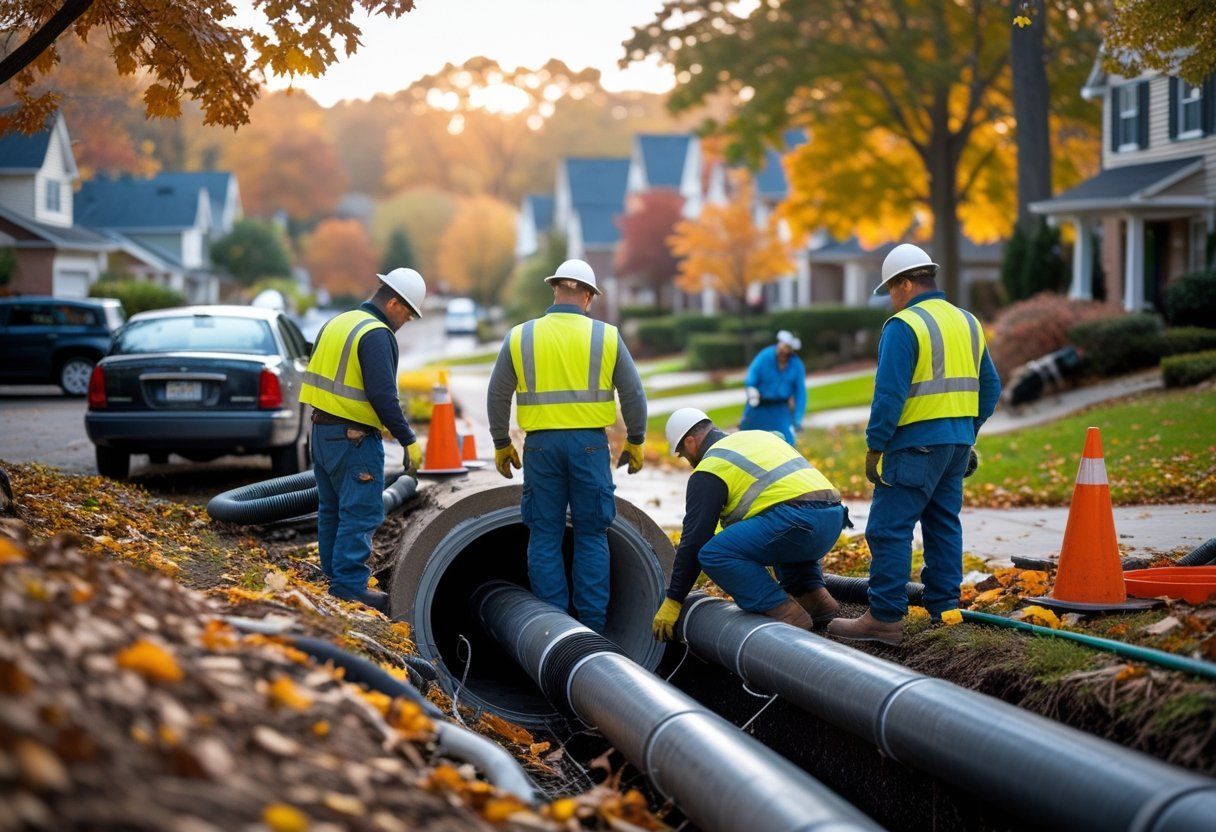
Seasonal Effects on Sewer Line Maintenance Costs
By Stefani January 30, 2026
You’ll want to know how seasons change what you pay for sewer line maintenance so you can plan ahead and avoid surprise bills. Seasonal weather, ground movement, and plant growth directly affect repair needs and costs, so budgeting by season cuts unexpected expenses. We outline what shifts costs, when repairs most often happen, and which […]
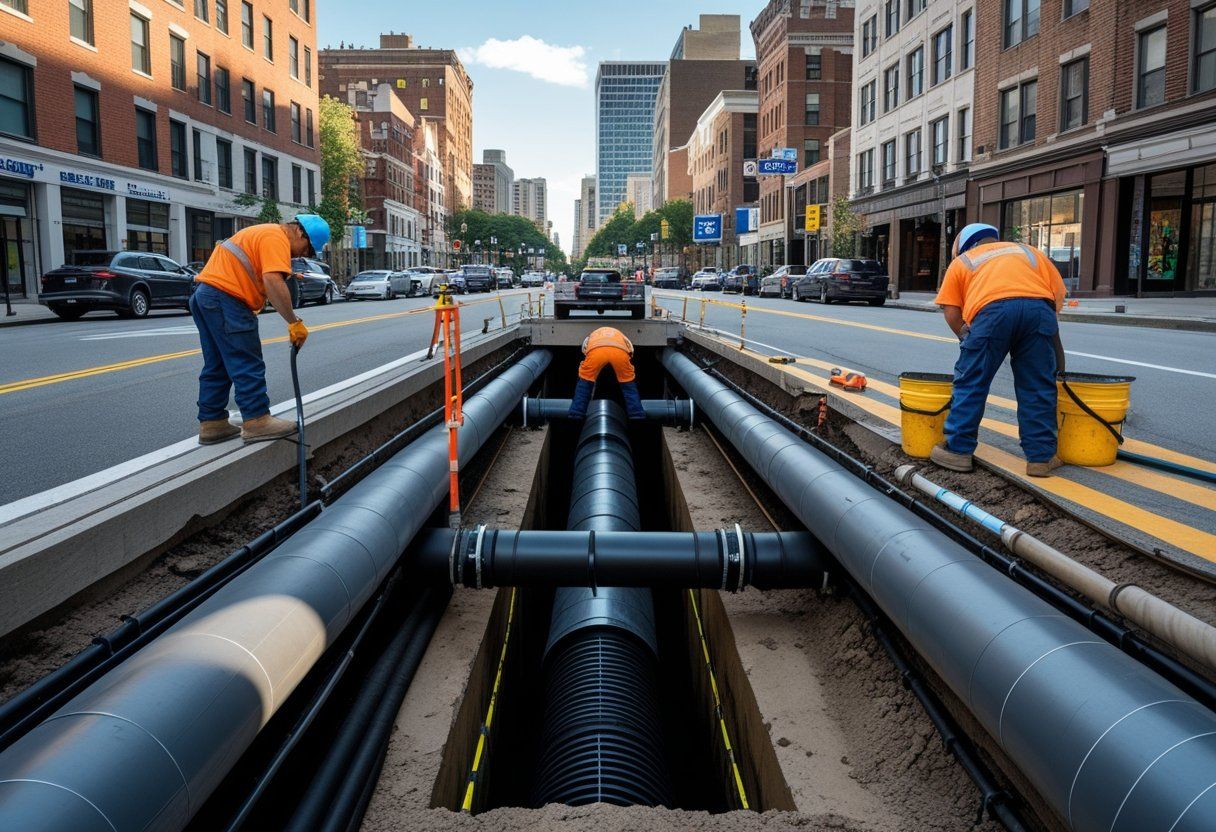
The Role of Location in Sewer Line Maintenance Pricing
By Stefani January 29, 2026
You’ll pay different amounts for sewer line maintenance depending on where your property sits and what’s under it. Location drives cost through factors like soil type, access difficulty, local labor rates, and permit rules, so knowing these lets you predict and plan for expenses. We’ll show how those local details shape quotes and outcomes. We’ll […]
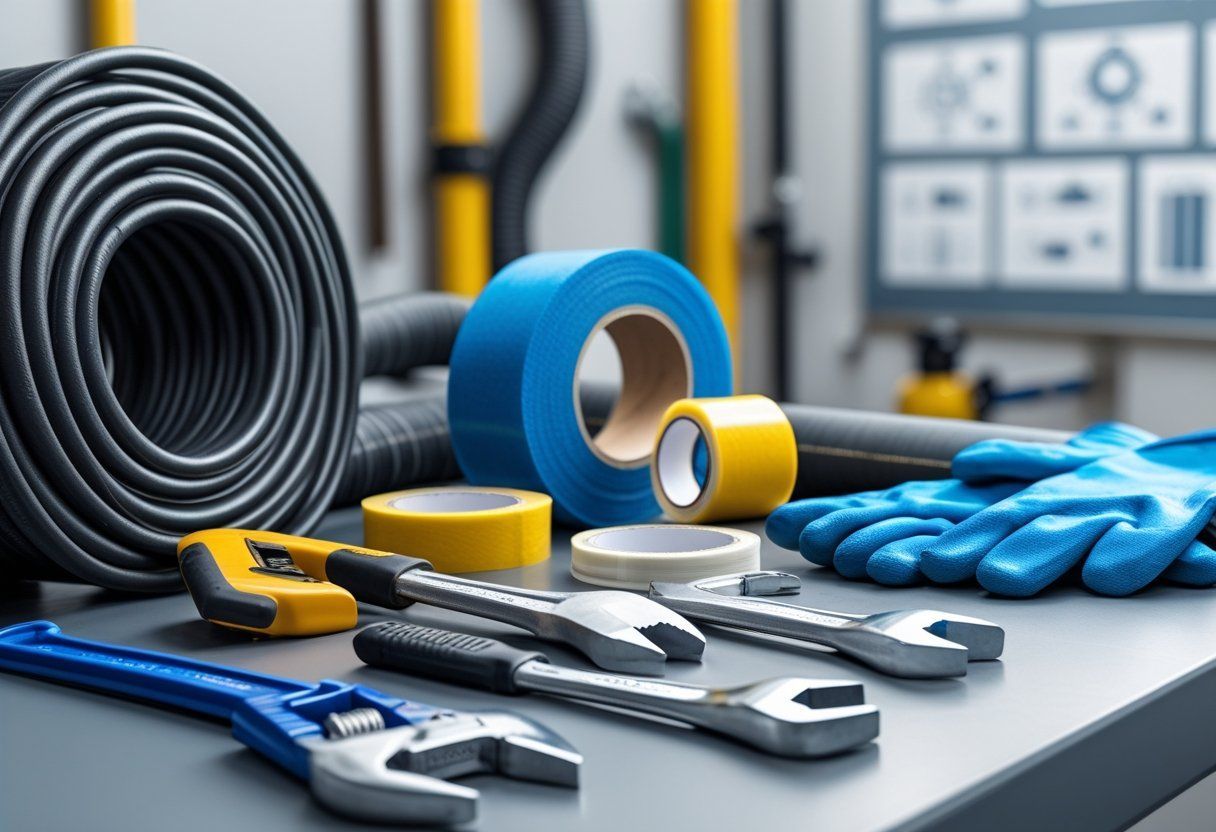
Analyzing Material Expenses for Effective Sewer Line Care
By Stefani January 28, 2026
We’ll break down the real costs that matter for keeping a sewer line working well so you can plan and avoid surprises. You’ll learn which materials and fees drive most of the expense and how small choices can lower long-term costs. We’ll look at costs for parts, tools, permits, and regular cleaning, plus where labor […]
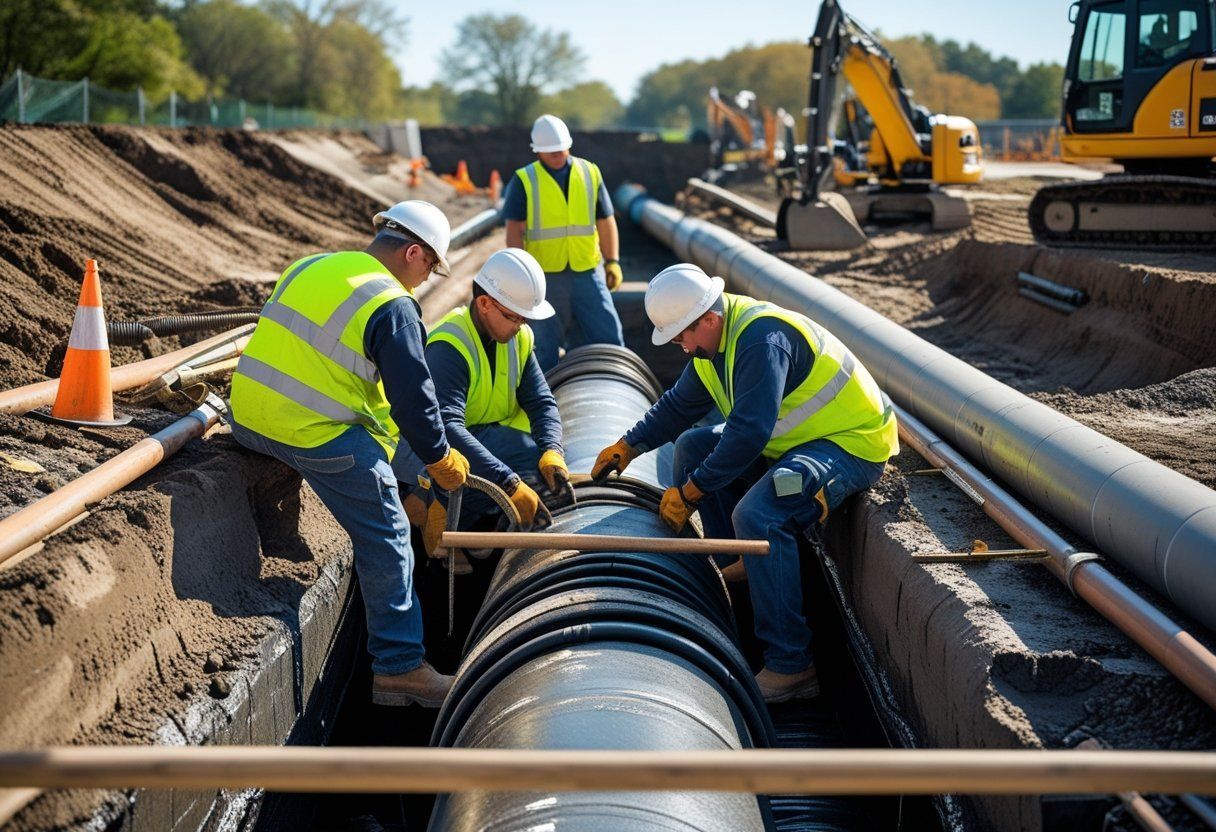
Understanding the Impact of Labor Costs on Sewer Line Maintenance
By Stefani January 25, 2026
You want to know how labor costs shape sewer line care and what that means for your wallet. We will show how wages, crew size, and the repair method you choose change the final bill so you can plan smarter and avoid surprises. Knowing which labor factors most drive costs lets you pick repair options […]
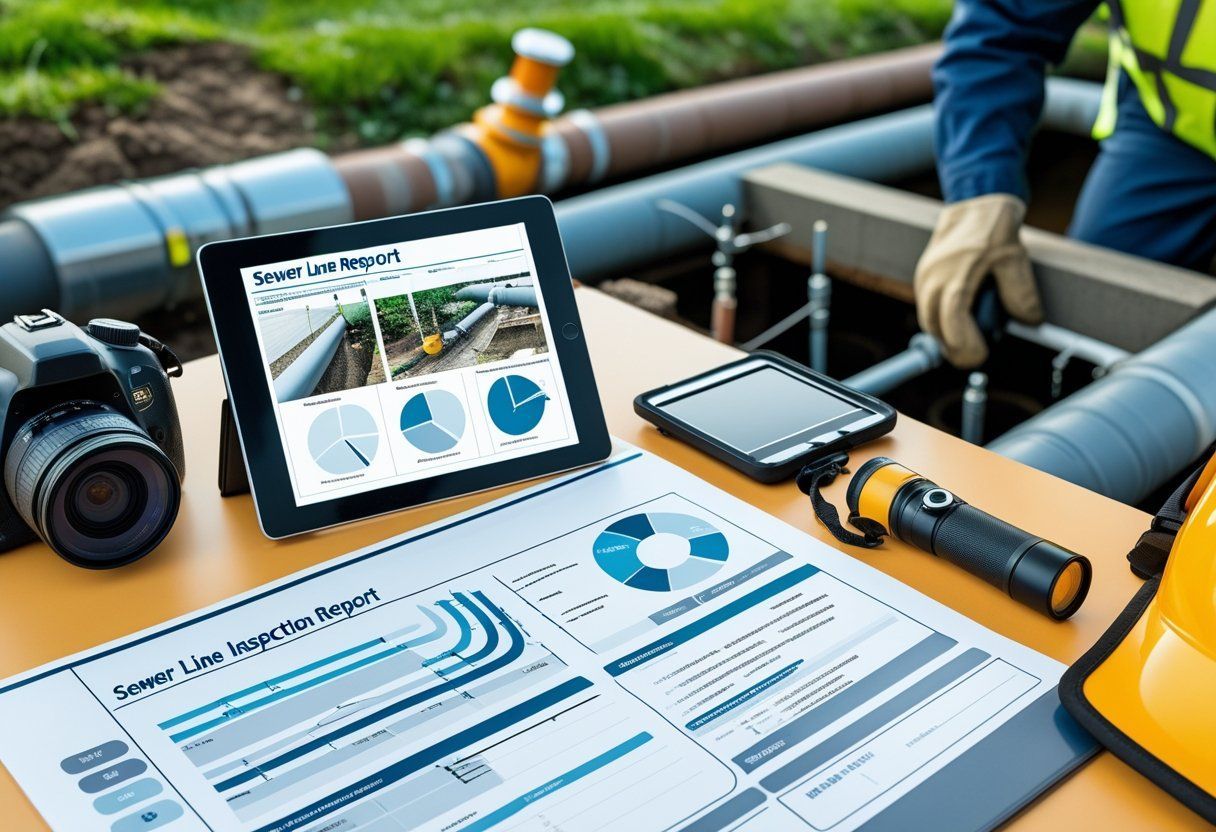
How to Interpret Sewer Line Inspection Reports
By Stefani January 24, 2026
You’ll get clear steps to decode the most important parts of a sewer line inspection report so you can act with confidence. We show you how to spot real problems, what each defect means, and which issues need immediate repair versus routine maintenance. We break the report into simple pieces what the camera images show, […]
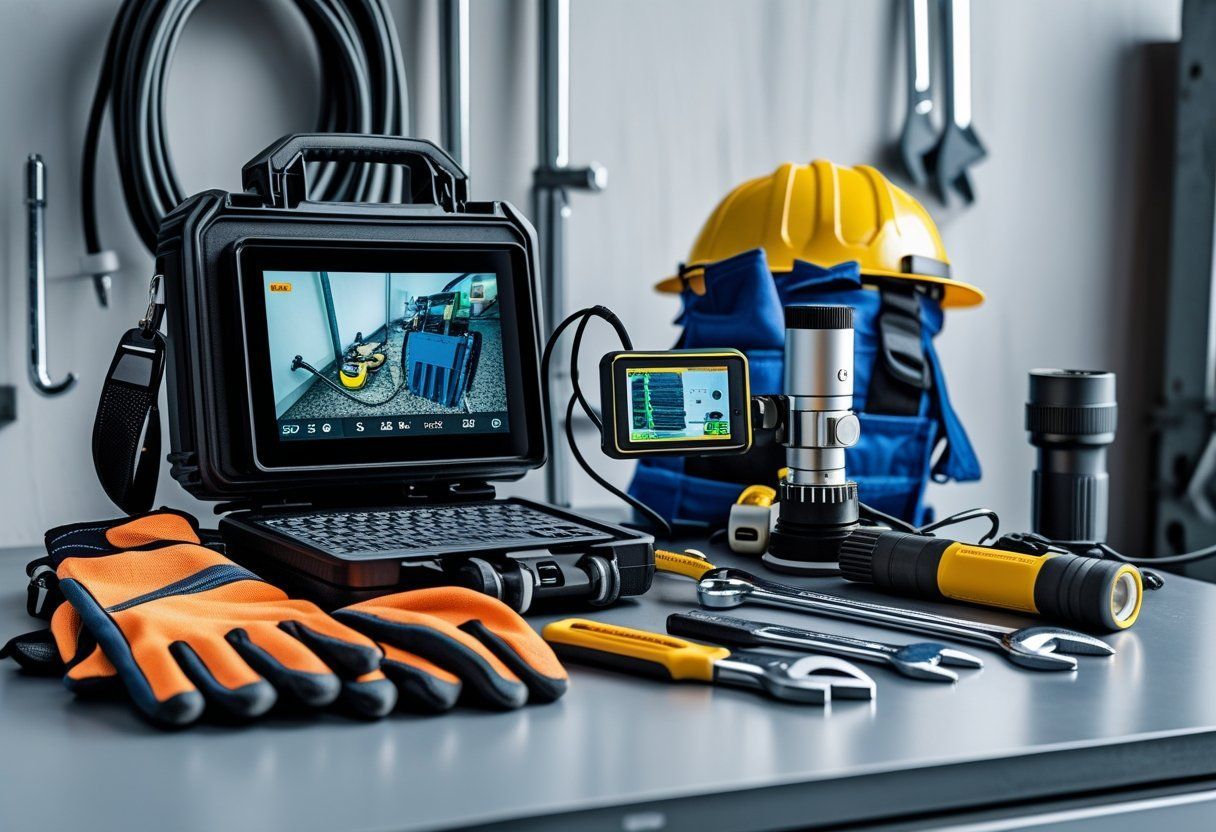
Tool kit with hard hat, gloves, laptop, and handheld device on a workbench in a workshop
By Stefani January 23, 2026
You want tools that give clear answers fast so you can find problems and fix them right. We rely on high-quality sewer cameras, locating gear, and cleaning tools to spot cracks, blockages, and defects in sewer lines accurately. Knowing which tools to use helps a plumber save time and avoid costly mistakes. We will walk […]
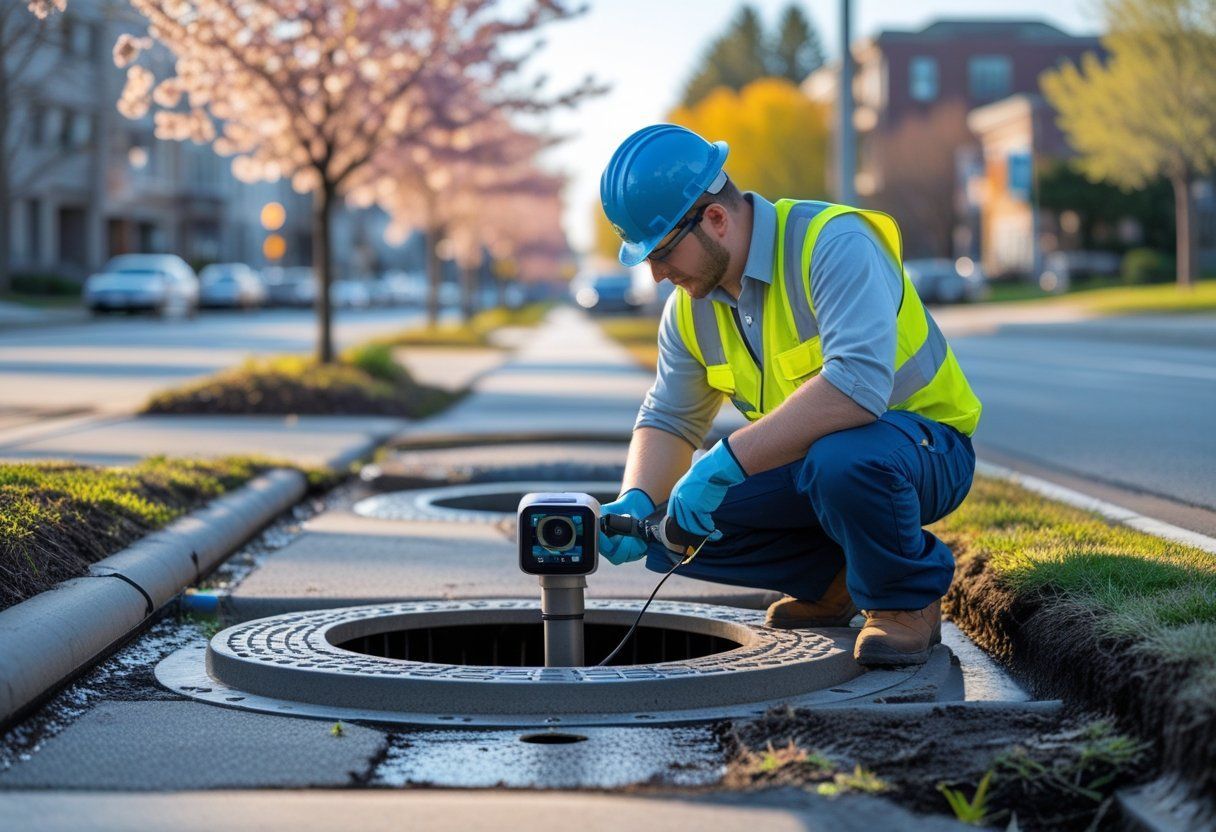
Worker in blue hard hat inspecting a manhole on a street with a camera device
By Stefani January 22, 2026
You want sewer line inspections timed so they catch problems before they get costly or urgent. We recommend scheduling inspections based on seasonal risks winter freeze, spring thaw, and heavy fall rains because timing cuts repair costs and prevents service interruptions. We will explain how weather, soil movement, and tree roots change the risk level […]
Common Mistakes to Avoid During Sewer Line Inspections
By Stefani January 18, 2026
We know sewer line inspections feel technical and tense, but avoiding a few common mistakes protects your home and wallet. Start by planning the inspection, knowing what to look for, and involving a qualified professional when signs point to trouble. That simple approach cuts down on missed problems and costly surprises. We will walk through […]
Show More