
How to Identify a Burst Pipe in Your Home: Essential Signs to Watch For

Stefani • March 3, 2025

Share this article

Early Warning Signs of a Burst Pipe

Recognizing signs that a pipe might have burst can save us from costly repairs. By paying attention to unexpected changes in our water system, we can act quickly to fix problems.

Increased Water Bills and Water Meter Readings

A sudden spike in our water bills can be a clear sign of a burst pipe. We should compare our current bill to previous ones. If there’s a big difference, it might be due to leaking water. We can also check the water meter.

To do this, we turn off all taps and make sure no water is being used in our home. If the water meter continues to move, it’s likely we have a hidden leak. Regular checks can help us detect leaks early.

Unusual Noises in the Plumbing System

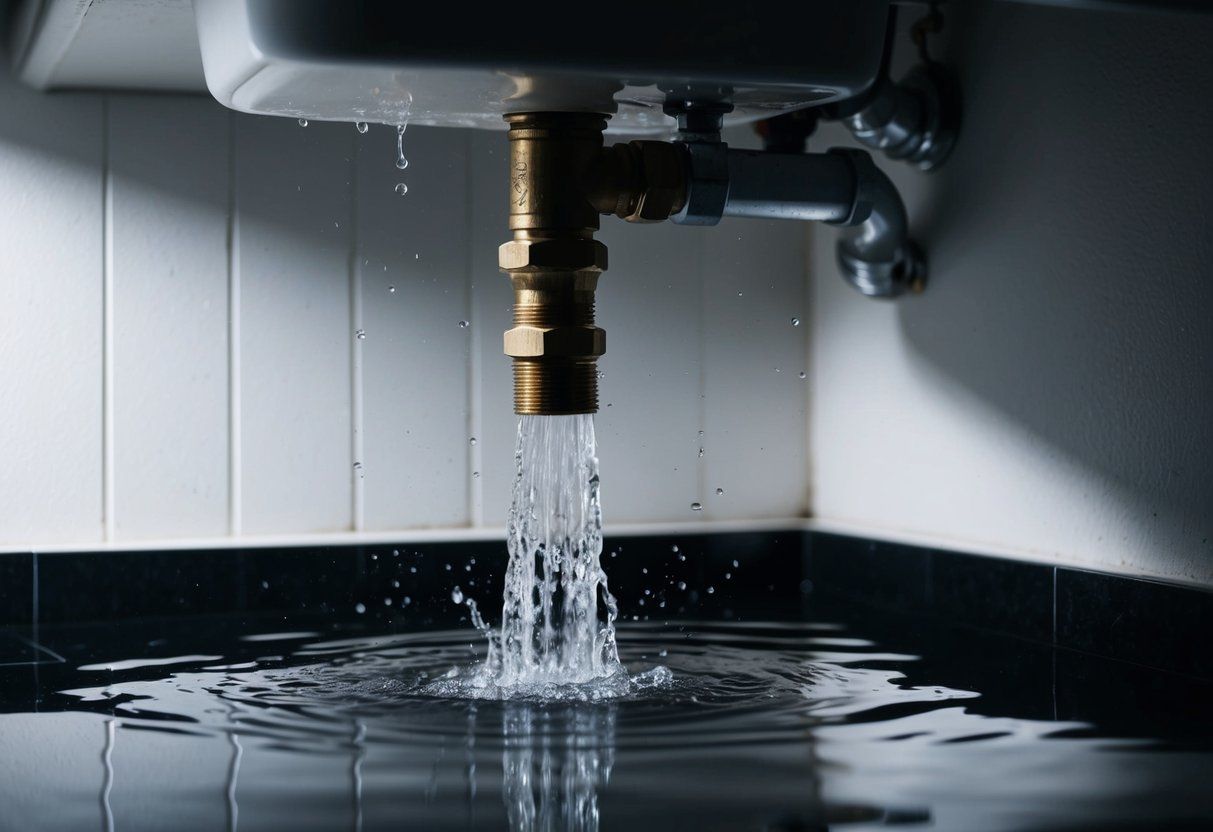
Sometimes, the sound of water running or dripping when everything is off can indicate a burst pipe. We may hear banging, gurgling, or whistling noises. These sounds often mean there’s air in the pipes caused by a leak.

Listening to our plumbing system and noting any new or unusual sounds is important. If we notice any strange noises, it might be time to investigate further.

Visible Signs of Water Damage

Water damage is often a visible clue that something is wrong. We should look for stains, mold, or damp spots on walls, ceilings, and floors. This damage might show where the burst pipe is located.

Additionally, a drop in water pressure can sometimes cause visible cracks or bubbling paint. By being vigilant about these signs, we can prevent further damage to our home. Always check areas where plumbing is present, like under sinks or in basements.

Primary Causes of Pipe Failure

Our plumbing system can experience different types of failures. Pipe failure often happens due to aging, water pressure problems, or environmental changes. Let’s explore these common causes in detail.

Pipe Corrosion and Material Degradation

Corrosion is a frequent problem in many plumbing systems. We see this often in older homes with metal pipes like copper. Pipe corrosion can occur when minerals or chemicals in water react with the metal, wearing it down over time.

Material degradation may also result from improper pipe installation or the use of low-quality materials. If the inner surface of the pipe becomes too thin, leaks are likely to occur. Regular inspection and maintenance can help pinpoint corrosion early.

Physical Stress from Water Pressure

Water pressure that’s too high can strain pipes. We should keep water pressure within recommended limits because excessive force can weaken the pipe joints and connections, leading to eventual failures.

Water hammers, or a sudden increase in water pressure, also contribute to this stress. This repeated jolt can wear down pipes fast. Installing pressure regulators can help manage water pressure, reducing the chances of breaks.

Effects of Frozen and Thawing Pipes

In climates with cold winters, frozen pipes can be a severe issue. When temperatures drop, water inside pipes can freeze, expand, and cause cracks. As it thaws, these cracks may lead to leaks.

Particularly vulnerable are copper pipes, which are prone to splitting when frozen. We can prevent this by insulating pipes and/or allowing a trickle of water to flow during freezing temperatures. Taking such precautions helps avoid costly repairs.

Locating a Burst Pipe Within Your Home

Finding a burst pipe in your home can be tricky, but there are several methods to help us locate it effectively. We can use specialized technology, follow a plumbing leak checklist, or hire a professional service to identify the problem.

Using Specialized Technology for Detection

Advancements in technology have made water leak detection more efficient and less invasive. Infrared cameras can highlight temperature differences in walls and floors, pin-pointing areas where water leaks occur. This method allows us to see behind surfaces without damaging them.

Acoustic sensors are also a useful tool. These devices can detect the sound of water escaping from pipes, allowing us to locate leaks even when they are hidden from view.

For complex situations, we might use smart water monitors that connect to our home’s water system. These devices provide real-time data and alerts on water usage patterns, helping us spot irregularities that indicate a leak.

Conducting a Plumbing Leak Check List

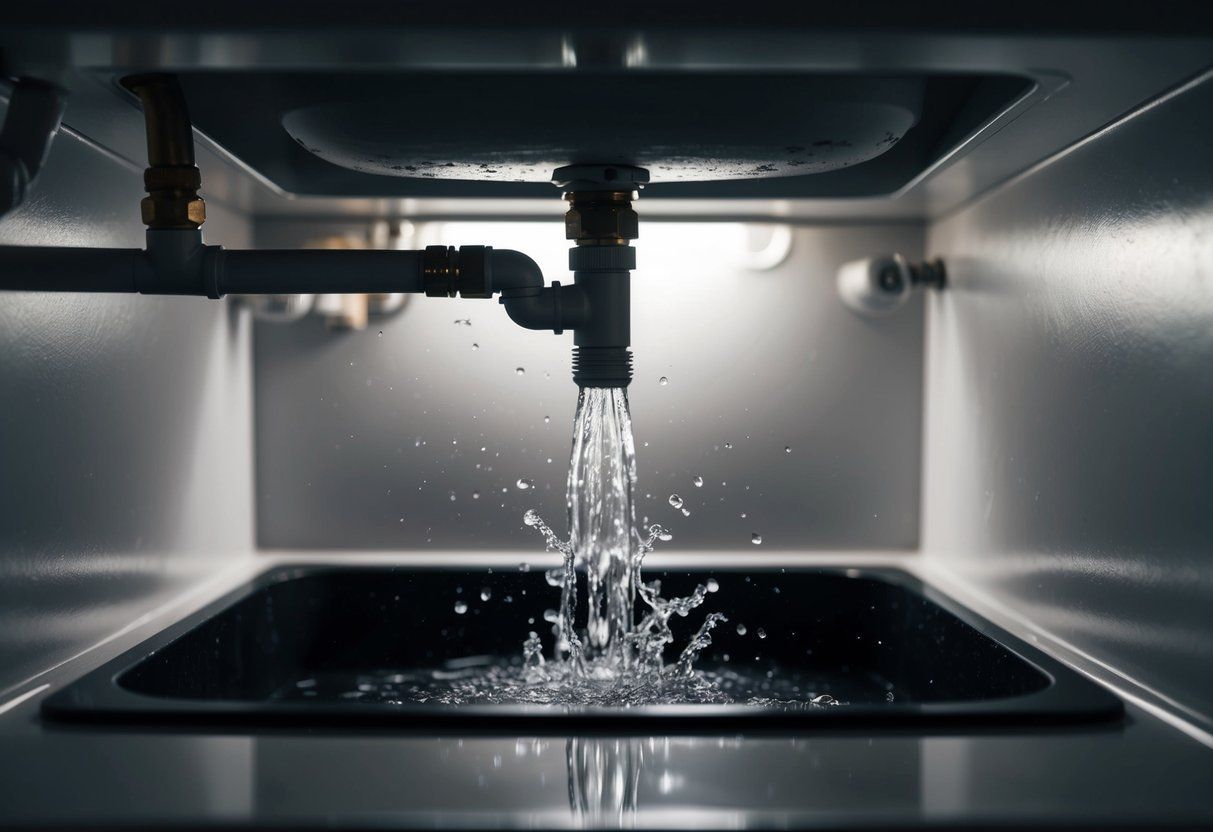
A plumbing leak checklist can be an essential tool in identifying a burst pipe. First, we check visible areas such as under sinks and around toilets for any signs of moisture or water pooling.

Next, monitoring the water meter for unusual activity can indicate a hidden leak. If the meter continues to move despite all water fixtures being off, this suggests a possible leak.

Inspecting less obvious places, like behind appliances or in the basement, is also important. We should remember that damp spots, unusual odors, or mold growth can be signs of a leak.

Professional Leak Detection Services

Sometimes, it’s best to call in experts when we suspect a burst pipe. Professional leak detection services use advanced tools and expertise to find problems quickly.

These specialists often offer non-invasive water leak detection, meaning they can identify issues without damaging walls or floors. Techniques such as a hydrostatic test can be used to determine the presence of leaks in a building’s system with precision.

Hiring a leak doctor can save us time and prevent unnecessary damage. Their expert knowledge and state-of-the-art equipment help ensure the problem is fixed efficiently and correctly.

Dealing With Water Leaks and Bursts in Orlando

In Orlando, handling water leaks and pipe bursts requires quick action and smart planning. Our community’s unique climate and infrastructure demand attention to emergencies and cost-saving strategies.

Seeking 24/7 Emergency Services for Immediate Response

In Central Florida, we have access to 24/7 emergency services for plumbing issues. Quick response is essential to minimize damage from water leaks. It’s vital to contact a reliable Orlando plumbing emergency service as soon as possible. Many local companies offer around-the-clock assistance, ensuring we can address any crisis immediately.

Timely intervention prevents further damage to our homes, saving us money and stress. Having a trusted plumbing contractor on speed dial can be invaluable. With professionals available at any hour, we can rest assured that help is always within reach.

Cost-Effective Solutions for Orlando Residents

Finding cost-effective solutions is important for Orlando residents dealing with pipe bursts. Regular maintenance can prevent larger issues, saving money in the long run. Investing in quality plumbing services reduces the risk of repeated leaks.

Local plumbers often offer competitive rates and flexible payment plans to help us stay within budget. Seeking out these financial options allows us to manage repairs without financial strain. By balancing immediate needs with budget-friendly options, we can effectively handle plumbing challenges.

Preventative Measures and Maintenance

To avoid burst pipes, we need to focus on regular maintenance and protecting pipes in cold weather. These steps can help prevent costly plumbing repairs.

Regular Plumbing Maintenance to Prevent Leaks

Regular plumbing checks are important to spot hidden plumbing leaks. We should inspect pipes for any signs of wear or corrosion. If we detect leaky pipes early, smaller plumbing repairs can prevent big problems later on.

We need to make sure that connections are tight. It’s also a good idea to check under sinks and around appliances. Water stains or damp spots can be signs of issues.

Another key step is to keep drains clear. Using a natural enzyme cleaner monthly can help prevent clogs. We should also avoid flushing non-biodegradable items. Let’s not forget to periodically check water meters to detect any unusual usage.

Protecting Pipes from Freezing in Cold Weather

Pipe insulation is crucial when the temperature drops. We should wrap pipes in foam insulation to keep them warm. Pipes in unheated spaces like garages or basements are especially at risk.

Dripping faucets can also prevent freezing. By letting faucets drip during cold spells, we maintain a small water flow, which reduces pressure buildup.

Using heat tape or heat cables can be an effective solution in extremely cold areas. Sealing any leaks around doors or windows helps prevent cold drafts. We should keep cabinet doors open on cold nights to let warm air circulate.

Taking these steps can help prevent pipes from freezing and bursting, saving us from expensive repairs.

Recent Posts

Fast Response Plumbing technician servicing a water shut off valve in San Francisco
By Joe Tinsley July 17, 2026
Learn how gate valves, ball valves, and angle stops work, where to find them in your San Francisco home, and when to replace them. FAQs inside.
Budgeting for Unforeseen Sewer Line Maintenance Expenses
By Stefani January 31, 2026
Sewer line problems can hit your wallet fast, and we know the stress of a surprise repair. We show you how to plan a practical budget that covers emergency fixes, regular upkeep, and the big costs that sneak up on you. This saves you money and keeps small issues from turning into major failures. We […]
Seasonal Effects on Sewer Line Maintenance Costs
By Stefani January 30, 2026
You’ll want to know how seasons change what you pay for sewer line maintenance so you can plan ahead and avoid surprise bills. Seasonal weather, ground movement, and plant growth directly affect repair needs and costs, so budgeting by season cuts unexpected expenses. We outline what shifts costs, when repairs most often happen, and which […]
The Role of Location in Sewer Line Maintenance Pricing
By Stefani January 29, 2026
You’ll pay different amounts for sewer line maintenance depending on where your property sits and what’s under it. Location drives cost through factors like soil type, access difficulty, local labor rates, and permit rules, so knowing these lets you predict and plan for expenses. We’ll show how those local details shape quotes and outcomes. We’ll […]
Analyzing Material Expenses for Effective Sewer Line Care
By Stefani January 28, 2026
We’ll break down the real costs that matter for keeping a sewer line working well so you can plan and avoid surprises. You’ll learn which materials and fees drive most of the expense and how small choices can lower long-term costs. We’ll look at costs for parts, tools, permits, and regular cleaning, plus where labor […]
Understanding the Impact of Labor Costs on Sewer Line Maintenance
By Stefani January 25, 2026
You want to know how labor costs shape sewer line care and what that means for your wallet. We will show how wages, crew size, and the repair method you choose change the final bill so you can plan smarter and avoid surprises. Knowing which labor factors most drive costs lets you pick repair options […]
How to Interpret Sewer Line Inspection Reports
By Stefani January 24, 2026
You’ll get clear steps to decode the most important parts of a sewer line inspection report so you can act with confidence. We show you how to spot real problems, what each defect means, and which issues need immediate repair versus routine maintenance. We break the report into simple pieces what the camera images show, […]
By Stefani January 23, 2026
You want tools that give clear answers fast so you can find problems and fix them right. We rely on high-quality sewer cameras, locating gear, and cleaning tools to spot cracks, blockages, and defects in sewer lines accurately. Knowing which tools to use helps a plumber save time and avoid costly mistakes. We will walk […]
By Stefani January 22, 2026
You want sewer line inspections timed so they catch problems before they get costly or urgent. We recommend scheduling inspections based on seasonal risks winter freeze, spring thaw, and heavy fall rains because timing cuts repair costs and prevents service interruptions. We will explain how weather, soil movement, and tree roots change the risk level […]
Common Mistakes to Avoid During Sewer Line Inspections
By Stefani January 18, 2026
We know sewer line inspections feel technical and tense, but avoiding a few common mistakes protects your home and wallet. Start by planning the inspection, knowing what to look for, and involving a qualified professional when signs point to trouble. That simple approach cuts down on missed problems and costly surprises. We will walk through […]
Show More