
How to Choose the Right Plumber for Water Heater Emergencies: Expert Tips for Quick Resolution

Stefani • May 15, 2025

Share this article

Understanding Emergency Plumbing Needs

In plumbing emergencies, it is vital to quickly identify the type of problem and assess its seriousness. This helps us decide whether immediate professional help is required.

Identifying Common Plumbing Emergencies

Plumbing emergencies can happen unexpectedly. Burst pipes are a frequent issue, often due to freezing temperatures or high water pressure. When pipes burst, water can flood rooms quickly, causing extensive water damage.

Water leaks are another common problem. They can occur in walls or ceilings, leading to mold growth and structural damage if not addressed immediately.

In some cases, we may experience a sewer backup. This is concerning because it introduces wastewater into the home, posing health risks.

By knowing these common issues, it becomes easier to spot an emergency.

Evaluating the Severity of Your Situation

Once we’ve identified a problem, it’s essential to evaluate its severity. Burst pipes need immediate attention because they can cause significant damage quickly. Shutting off the water supply right away can help minimize harm.

For water leaks, small drips might wait until regular hours if they pose no immediate threat. However, if water is gushing, we should call a plumber immediately.

A sewer backup requires urgent professional cleanup due to health hazards. The presence of foul odors and slow-draining water are indicators of blockage severity.

By evaluating these factors, we can decide the urgency of contacting a professional plumber.

Criteria for Choosing an Emergency Plumber

When selecting the best plumber for urgent issues, we consider credentials , availability , and customer satisfaction. These factors ensure we find someone who can address our needs efficiently.

Credentials and Experience

Checking a plumber’s credentials is crucial. We should verify that they are licensed and insured. A license ensures they have met necessary training standards. Insurance protects us from potential liabilities.

Experience is equally important. An experienced plumber handles emergencies with skill and insight. We can ask how long they’ve been in business or if they have specific experience with water heaters. Experienced plumbers may offer better solutions and are more reliable during emergencies. In our search, we’ll also consider professional memberships and certifications as they reflect commitment to their craft.

Availability and Response Time

A reliable emergency plumber must offer 24/7 services. This availability is essential since water heater issues can occur without warning. Quick response time is also vital. We need a plumber who can arrive promptly to prevent further damage.

When contacting plumbers, we should ask about their typical response times. Fast and efficient service can make all the difference during emergencies. It’s also wise to choose local plumbers as they can reach us faster than those based farther away. For peace of mind, knowing they are on-call and ready is invaluable.

Customer Satisfaction and Service Quality

Customer satisfaction reflects a plumber’s service quality. We should look for reviews and testimonials from previous clients. High ratings and positive feedback indicate reliable service. They also suggest that the plumber values customer service.

It’s helpful to ask for references directly from the plumber. Additionally, we can inquire if they guarantee their work, as this shows confidence in their services. A 24/7 emergency plumber who consistently delivers high-quality work ensures our problems are resolved to our satisfaction. This combination of service quality and customer satisfaction forms a trustworthy reputation.

Specifics for Water Heater Repairs

Understanding water heater issues and proper installation is vital. We explore common types and problems along with reasons to hire professionals.

Types of Water Heaters and Common Issues

Water heaters include tankless, storage tank, and solar. Tankless heaters provide hot water on demand. They may face issues with flow rate and require regular descaling. Storage tank heaters store hot water and can suffer from leaks or sediment build-up. Solar water heaters save energy but need sunlight and proper placement to work effectively.

Common problems include inadequate hot water, strange noises, and leaks. If your water heater malfunctions, a faulty thermostat or heating element might be to blame. Regular maintenance, such as flushing the tank, helps reduce these issues.

The Importance of Professional Installation

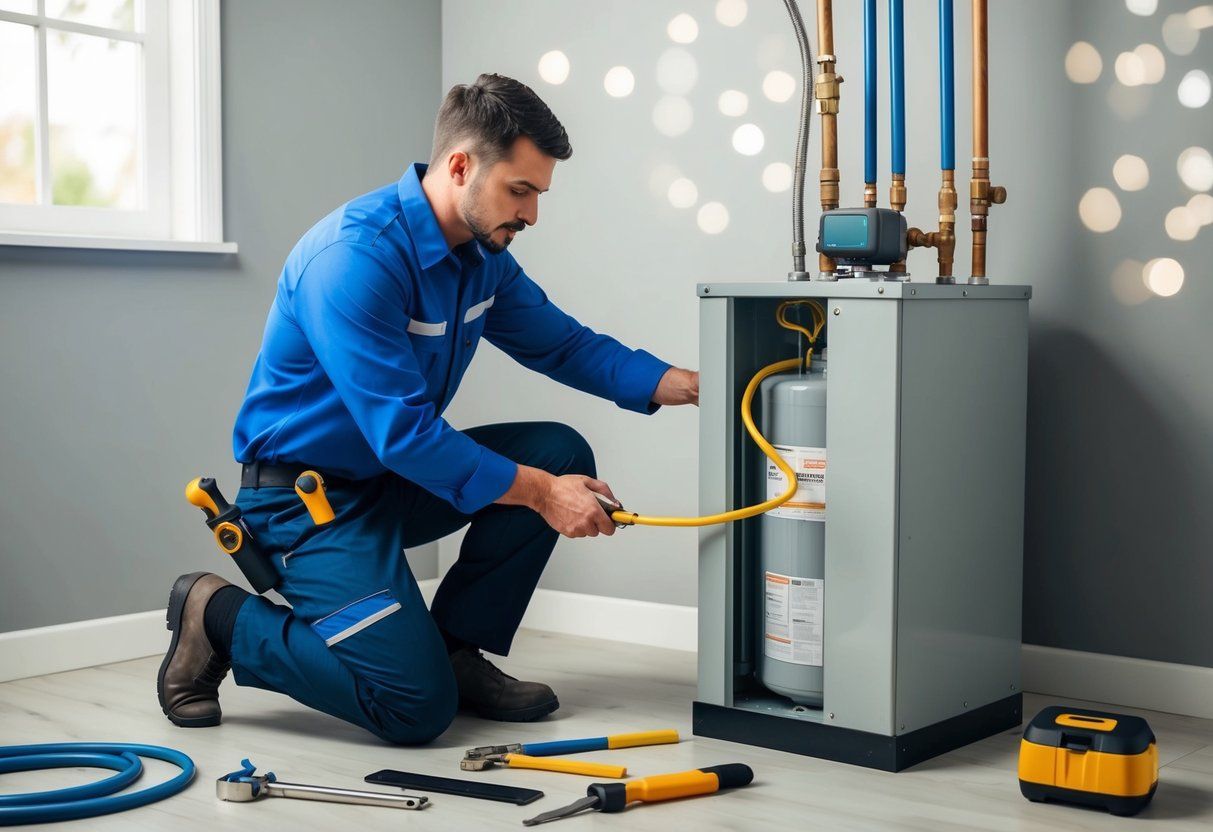
Professional installation ensures the water heater operates safely and efficiently. Certified plumbers understand model-specific requirements, whether it’s a Rheem or another brand. They check wiring, ventilation, and water connections to prevent hazards. Correct installation helps avoid common issues like leaks and overheating.

Improper installation may void warranties. If repairs are needed later, a professional can ensure compliance with all codes and standards. This protects us and our homes from potential damage and extra costs. Proper installation can significantly extend the life of our water heaters.

Dealing with Water Heater Emergencies

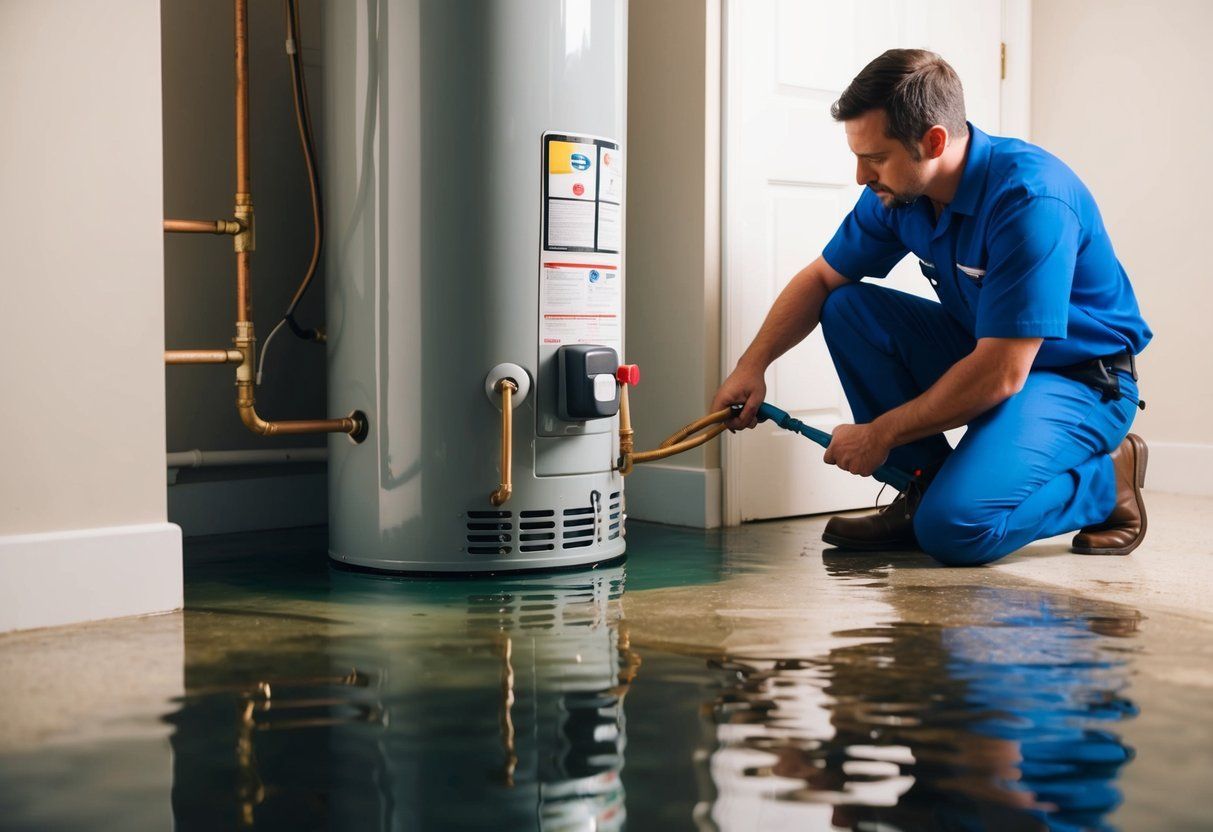
When dealing with water heater emergencies, we need to act quickly to prevent extensive damage. It’s important to know the immediate steps to take and when it’s crucial to shut off the main water supply.

Immediate Steps to Mitigate Damage

First, if we notice a leak or unexpected water flow around the water heater, we should start by turning off the power to the heater. This can be done at the circuit breaker for electric heaters or the gas supply valve for gas heaters.

Next, minimize water damage by using towels or buckets to control water spread. It’s helpful to keep a mop or wet vacuum handy if the leak is significant. In addition, we should ensure the area is safe and clear away any electronics or documents from the floor.

We can then assess whether an emergency plumber needs to be called. If the leak seems minor, arranging a regular service visit could be enough. However, for burst pipes or major leaks, contacting an emergency plumber is essential to prevent more extensive home repair needs.

When to Shut Off the Main Water Supply

Shutting off the main water supply is a crucial step if turning off the heater doesn’t stop the leak. The main shutoff valve is usually located near the water meter or basement. We should familiarize ourselves with its location before an emergency arises.

We should turn off the main water supply if there’s a risk of a burst pipe, or if the leaking persists after turning off the heater. Doing so can prevent costly water damage. Once secured, we can then safely reach out to a plumber to handle repairs efficiently and effectively.

Preventive Measures and Regular Maintenance

Keeping our plumbing system in top shape can save us from sudden water heater problems. One key step is regular inspections. We should check for any leaks, rust, or strange noises. This helps in early detection of issues.

Regular Flushing

We should flush our water heater at least once a year. This removes sediment buildup, which can cause inefficiencies and shorten the heater’s lifespan. Flushing is a simple task, but if we’re not comfortable doing it ourselves, plumbing services can help.

Check Pressure Valves

Testing the pressure relief valve is crucial. This valve helps prevent the tank from exploding under pressure. We can lift the valve’s handle to make sure water flows freely, then let it snap back into place.

Set the Right Temperature

Keeping the water heater temperature at 120°F can prevent scalding and reduce energy use. This is an easy home improvement that boosts safety and efficiency.

Pipe Insulation

Insulating pipes can prevent heat loss and save energy. Simple foam pipe covers from a home improvement store can do the trick. This measure is especially important in colder months.

For a clogged toilet related to water heater use, such as hot water flooding, regular checks ensure that pipes and vents are clear. By staying proactive, we can avoid unnecessary HVAC or plumbing emergencies. Regular maintenance is our best defense against unexpected problems.

Recent Posts

Fast Response Plumbing technician servicing a water shut off valve in San Francisco
By Joe Tinsley July 17, 2026
Learn how gate valves, ball valves, and angle stops work, where to find them in your San Francisco home, and when to replace them. FAQs inside.
Budgeting for Unforeseen Sewer Line Maintenance Expenses
By Stefani January 31, 2026
Sewer line problems can hit your wallet fast, and we know the stress of a surprise repair. We show you how to plan a practical budget that covers emergency fixes, regular upkeep, and the big costs that sneak up on you. This saves you money and keeps small issues from turning into major failures. We […]
Seasonal Effects on Sewer Line Maintenance Costs
By Stefani January 30, 2026
You’ll want to know how seasons change what you pay for sewer line maintenance so you can plan ahead and avoid surprise bills. Seasonal weather, ground movement, and plant growth directly affect repair needs and costs, so budgeting by season cuts unexpected expenses. We outline what shifts costs, when repairs most often happen, and which […]
The Role of Location in Sewer Line Maintenance Pricing
By Stefani January 29, 2026
You’ll pay different amounts for sewer line maintenance depending on where your property sits and what’s under it. Location drives cost through factors like soil type, access difficulty, local labor rates, and permit rules, so knowing these lets you predict and plan for expenses. We’ll show how those local details shape quotes and outcomes. We’ll […]
Analyzing Material Expenses for Effective Sewer Line Care
By Stefani January 28, 2026
We’ll break down the real costs that matter for keeping a sewer line working well so you can plan and avoid surprises. You’ll learn which materials and fees drive most of the expense and how small choices can lower long-term costs. We’ll look at costs for parts, tools, permits, and regular cleaning, plus where labor […]
Understanding the Impact of Labor Costs on Sewer Line Maintenance
By Stefani January 25, 2026
You want to know how labor costs shape sewer line care and what that means for your wallet. We will show how wages, crew size, and the repair method you choose change the final bill so you can plan smarter and avoid surprises. Knowing which labor factors most drive costs lets you pick repair options […]
How to Interpret Sewer Line Inspection Reports
By Stefani January 24, 2026
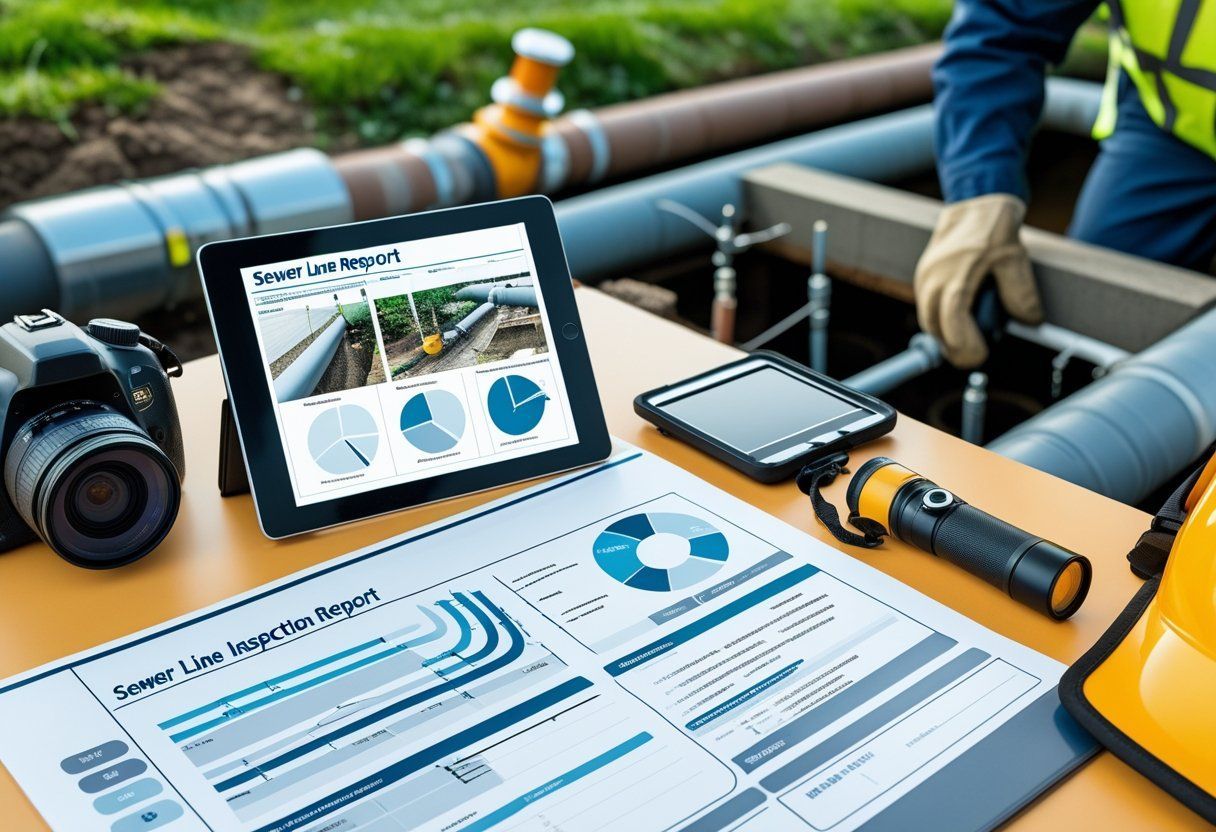
You’ll get clear steps to decode the most important parts of a sewer line inspection report so you can act with confidence. We show you how to spot real problems, what each defect means, and which issues need immediate repair versus routine maintenance. We break the report into simple pieces what the camera images show, […]
Tool kit with hard hat, gloves, laptop, and handheld device on a workbench in a workshop
By Stefani January 23, 2026
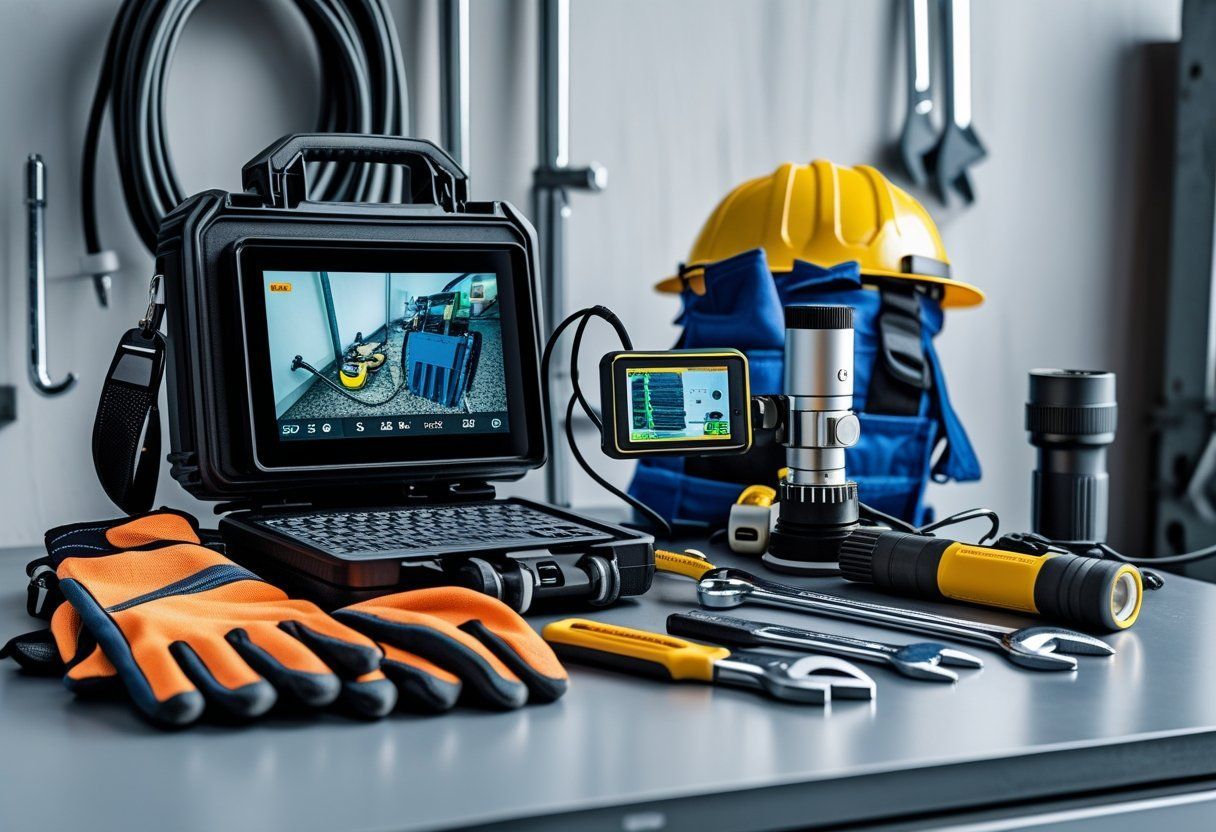
You want tools that give clear answers fast so you can find problems and fix them right. We rely on high-quality sewer cameras, locating gear, and cleaning tools to spot cracks, blockages, and defects in sewer lines accurately. Knowing which tools to use helps a plumber save time and avoid costly mistakes. We will walk […]
Worker in blue hard hat inspecting a manhole on a street with a camera device
By Stefani January 22, 2026
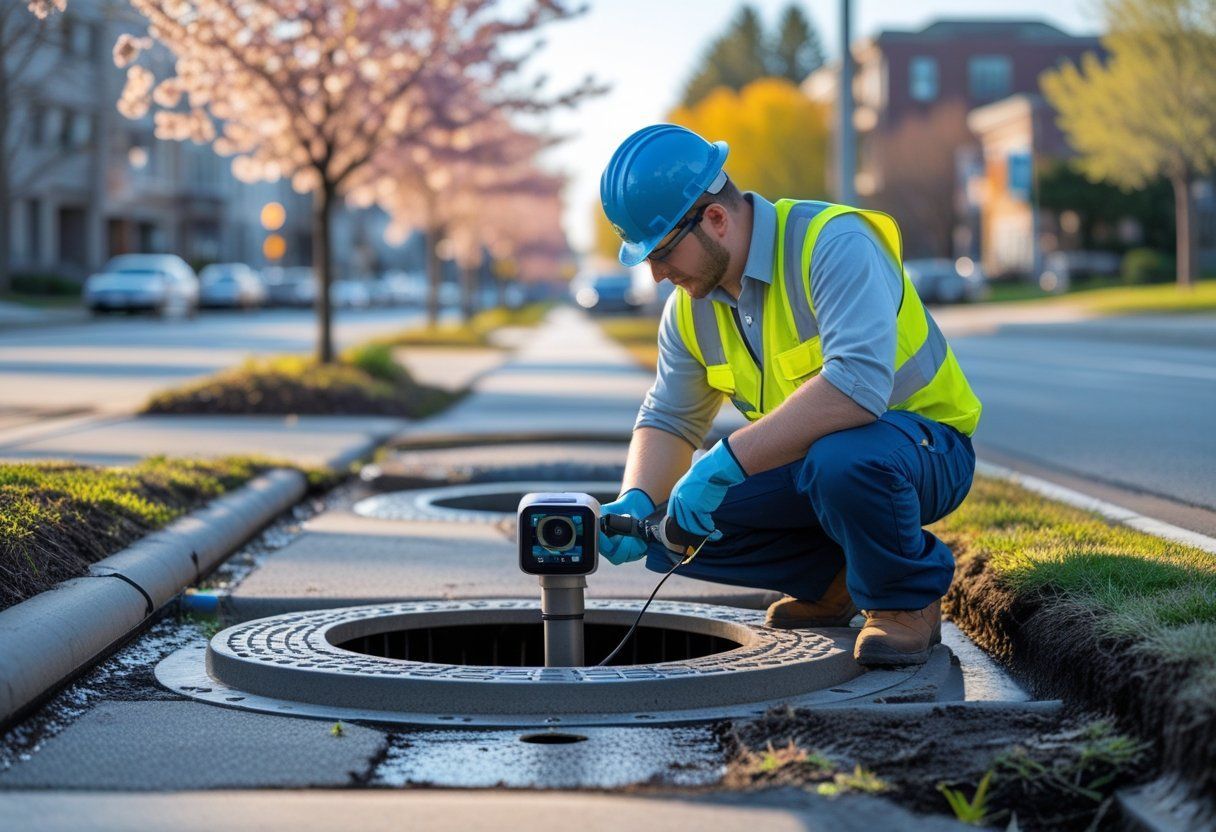
You want sewer line inspections timed so they catch problems before they get costly or urgent. We recommend scheduling inspections based on seasonal risks winter freeze, spring thaw, and heavy fall rains because timing cuts repair costs and prevents service interruptions. We will explain how weather, soil movement, and tree roots change the risk level […]
Common Mistakes to Avoid During Sewer Line Inspections
By Stefani January 18, 2026
We know sewer line inspections feel technical and tense, but avoiding a few common mistakes protects your home and wallet. Start by planning the inspection, knowing what to look for, and involving a qualified professional when signs point to trouble. That simple approach cuts down on missed problems and costly surprises. We will walk through […]
Show More