
Understanding Faucet Repair: DIY Tips vs. Plumber Expertise

daniel • August 25, 2024

Share this article

Essentials of Faucet Repair

When tackling faucet repairs, we need to identify common problems like leaks and learn about the essential tools required for fixing them. Having a basic understanding helps us determine whether to tackle it ourselves or call a professional.

Identifying Common Faucet Issues

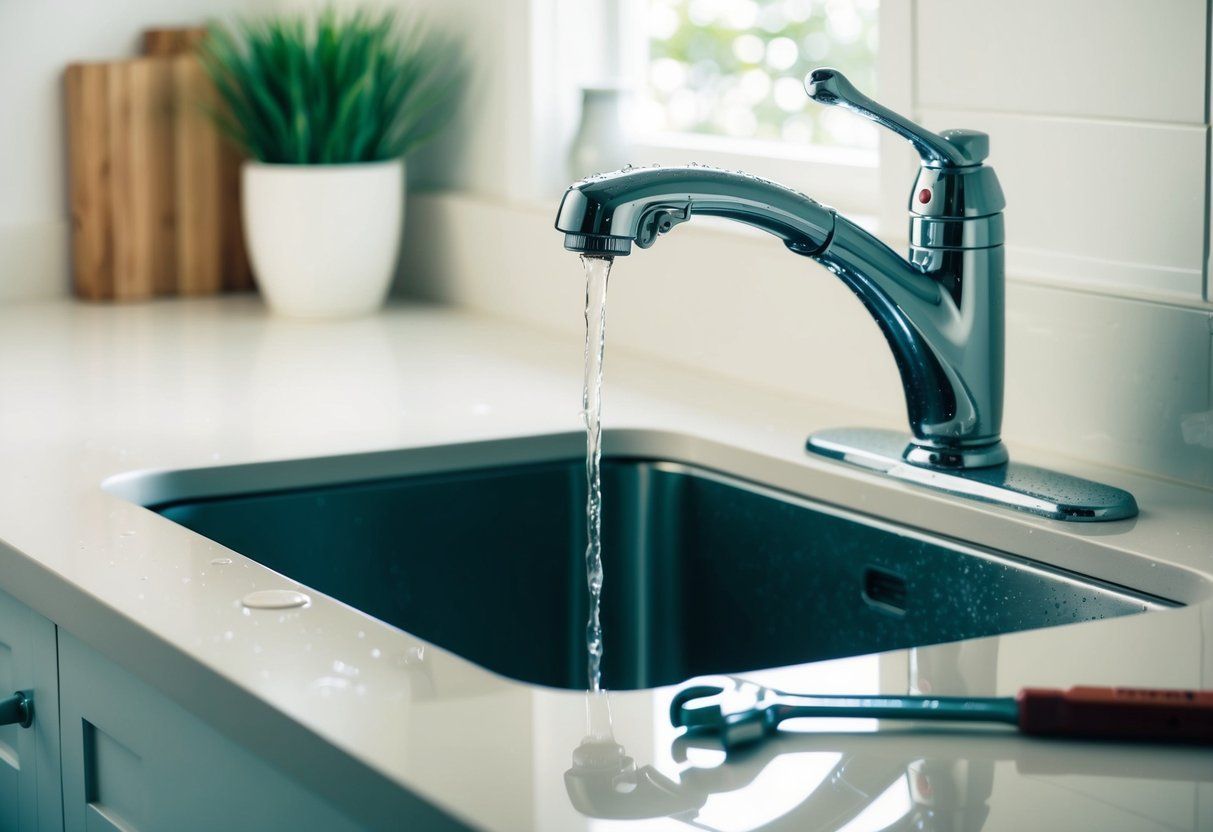
Leaky faucets are a frequent issue in many homes. Dripping water often points to worn-out washers or damaged O-rings. When a faucet continues leaking, we should check for loose parts or a corroded valve seat. Mineral buildup can also affect water flow, leading to persistent leaks.

Let’s not forget dripping faucets. These may seem minor, but wasting water is costly over time. By spotting signs like a loose handle or inconsistent water pressure, we can address problems early. Recognizing these signs saves us from bigger plumbing troubles down the line.

Tools and Materials Needed for DIY Repair

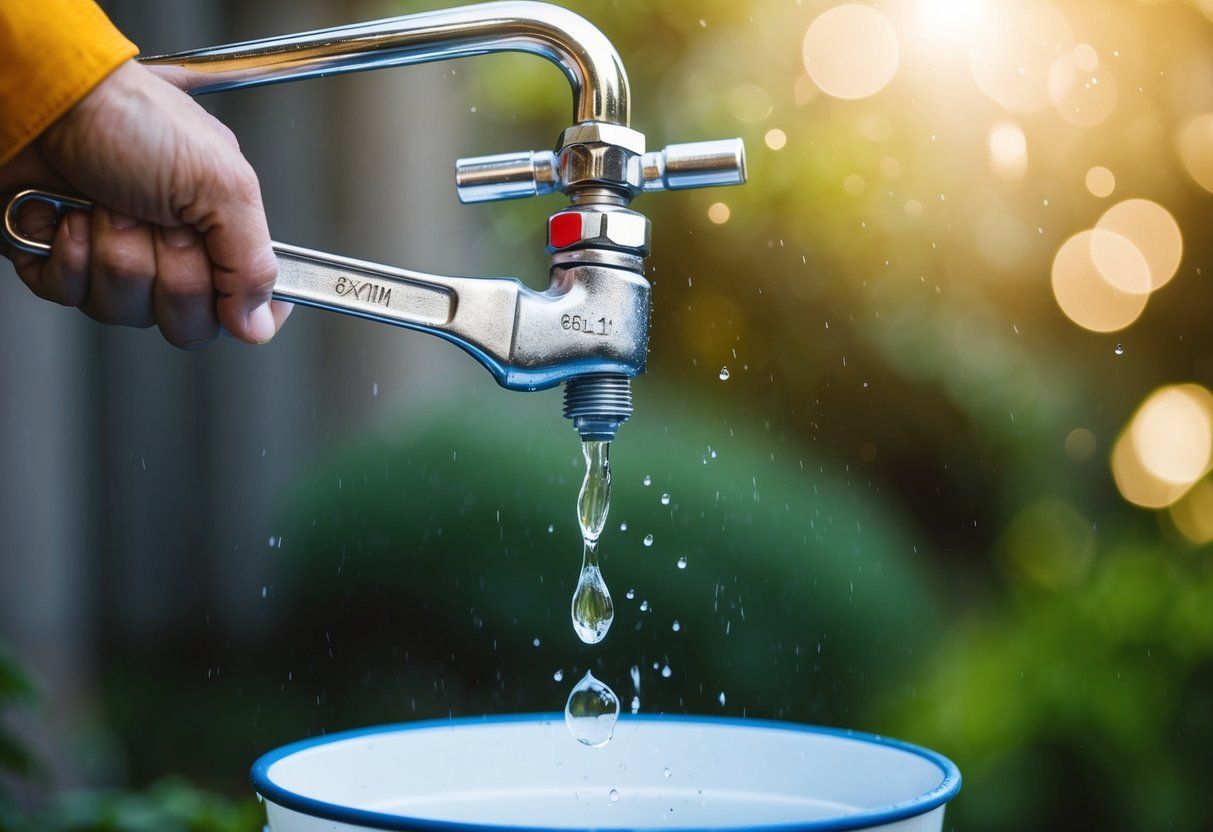
Successful DIY plumbing repairs require the right tools. We recommend having basic items such as a wrench, screwdriver, and pliers. These tools help us tighten loose parts and replace damaged ones. It’s also useful to have plumbing tape to seal connections and stop leaks.

Materials like washers, O-rings, and valve seats are necessary. Replacing these worn-out components often fixes a leaky faucet. We should also keep a bottle of vinegar handy. It’s great for cleaning mineral buildup affecting plumbing fixtures. With these tools and materials ready, we can handle most common issues confidently.

When to Attempt DIY Plumbing Repairs

There are several plumbing repair tasks that we can handle ourselves without calling a professional. Some repairs are straightforward and require basic tools and a little know-how.

Simple Fixes You Can Do Yourself

Minor leaks under the sink or from simple faucet types are common issues. We can usually address these by tightening a loose connection or replacing a worn-out washer. Another easy fix is unclogging a drain. A plunger or a drain snake can often clear the blockage quickly.

Replacing a showerhead is another task we can manage. The process usually involves unscrewing the old one and attaching the new head with a wrench. We also find running toilets can often be fixed by adjusting or replacing the flapper.

Understanding Your Plumbing System

Before tackling any repair, it’s vital to know our plumbing system. Recognizing different pipe types and connections helps us avoid costly mistakes. We should pinpoint the source of low water pressure first. Often, it’s due to a clogged aerator or a minor leak in the line.

Having a basic toolkit—including wrenches, pliers, and plumber’s tape—empowers us to take on many tasks. Simple guides and videos can deepen our plumbing knowledge, making us aware of when an issue is beyond our skills. When we know our limits, we make better decisions about what to fix ourselves.

Knowing When to Call a Professional

Deciding when to fix it ourselves or when to call a plumber can be tricky. Some plumbing issues, like major leaks or water pressure problems, are best left to experts. Our safety, money, and the efficiency of our plumbing system depend on knowing these boundaries.

The Risks of DIY Overreach

Taking on too much can lead to serious problems . We might think it’s just a small leak, but improper installation can cause higher water bills and water damage . Complex faucet types can be confusing and difficult to fix without proper tools. If we tackle something beyond our skill, we risk making plumbing issues worse.

Let’s imagine we have a burst pipe . Attempting a fix without the right knowledge can lead to expensive repairs later. This risk isn’t limited to burst pipes; similar perils exist with water heater repairs or unclogging drains beyond a clogged sink.

Complex Scenarios Requiring Expertise

Some situations just need a professional touch. Sewer line issues require special tools and knowledge to address. Improper handling can lead to big problems, both indoors and outside our home. It’s a scenario where we absolutely should call a plumber.

Professional plumbers have the training and experience to handle these tasks. Things like dealing with major leaks and water pressure problems are part of their expertise. Our aim should be to protect our home from potentially costly damages . Seeking professional help ensures safe, effective, and long-lasting solutions.

Recent Posts

Fast Response Plumbing technician servicing a water shut off valve in San Francisco
By Joe Tinsley July 17, 2026
Learn how gate valves, ball valves, and angle stops work, where to find them in your San Francisco home, and when to replace them. FAQs inside.
Budgeting for Unforeseen Sewer Line Maintenance Expenses
By Stefani January 31, 2026
Sewer line problems can hit your wallet fast, and we know the stress of a surprise repair. We show you how to plan a practical budget that covers emergency fixes, regular upkeep, and the big costs that sneak up on you. This saves you money and keeps small issues from turning into major failures. We […]
Seasonal Effects on Sewer Line Maintenance Costs
By Stefani January 30, 2026
You’ll want to know how seasons change what you pay for sewer line maintenance so you can plan ahead and avoid surprise bills. Seasonal weather, ground movement, and plant growth directly affect repair needs and costs, so budgeting by season cuts unexpected expenses. We outline what shifts costs, when repairs most often happen, and which […]
The Role of Location in Sewer Line Maintenance Pricing
By Stefani January 29, 2026
You’ll pay different amounts for sewer line maintenance depending on where your property sits and what’s under it. Location drives cost through factors like soil type, access difficulty, local labor rates, and permit rules, so knowing these lets you predict and plan for expenses. We’ll show how those local details shape quotes and outcomes. We’ll […]
Analyzing Material Expenses for Effective Sewer Line Care
By Stefani January 28, 2026
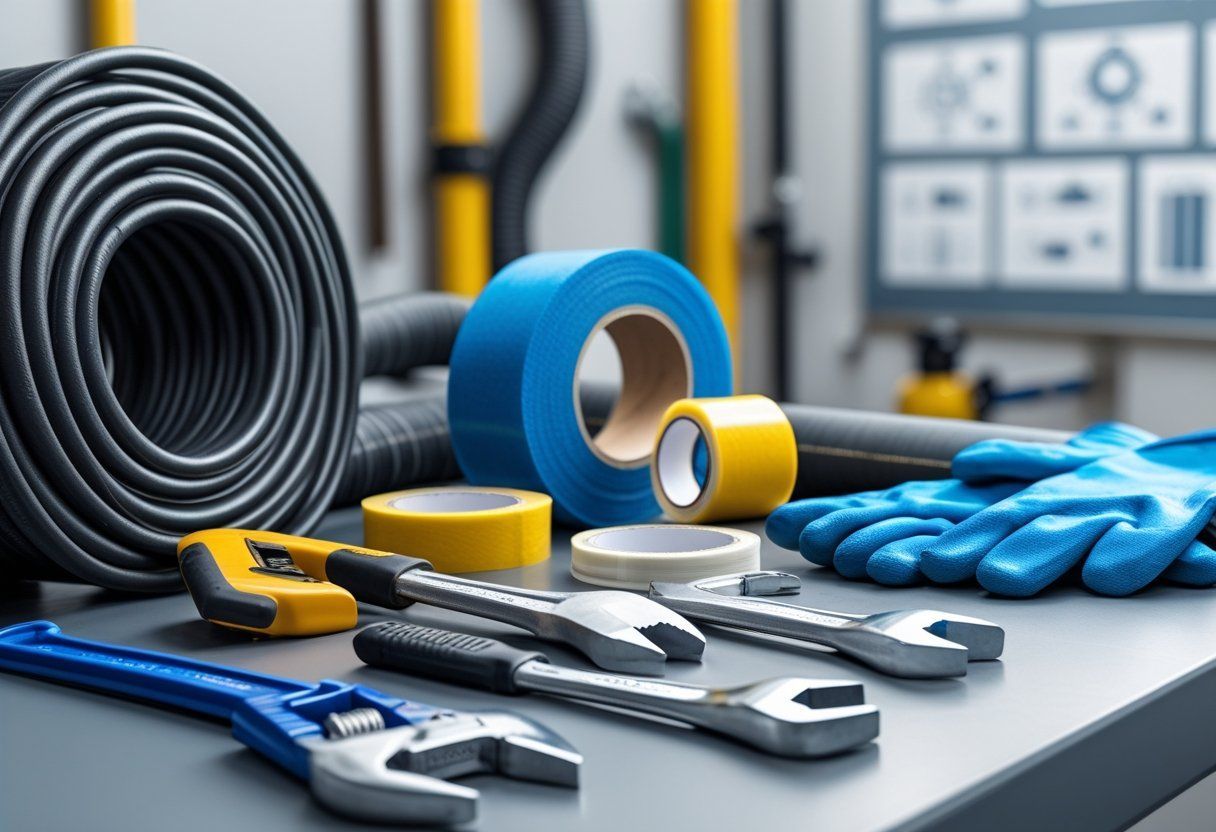
We’ll break down the real costs that matter for keeping a sewer line working well so you can plan and avoid surprises. You’ll learn which materials and fees drive most of the expense and how small choices can lower long-term costs. We’ll look at costs for parts, tools, permits, and regular cleaning, plus where labor […]
Understanding the Impact of Labor Costs on Sewer Line Maintenance
By Stefani January 25, 2026
You want to know how labor costs shape sewer line care and what that means for your wallet. We will show how wages, crew size, and the repair method you choose change the final bill so you can plan smarter and avoid surprises. Knowing which labor factors most drive costs lets you pick repair options […]
How to Interpret Sewer Line Inspection Reports
By Stefani January 24, 2026
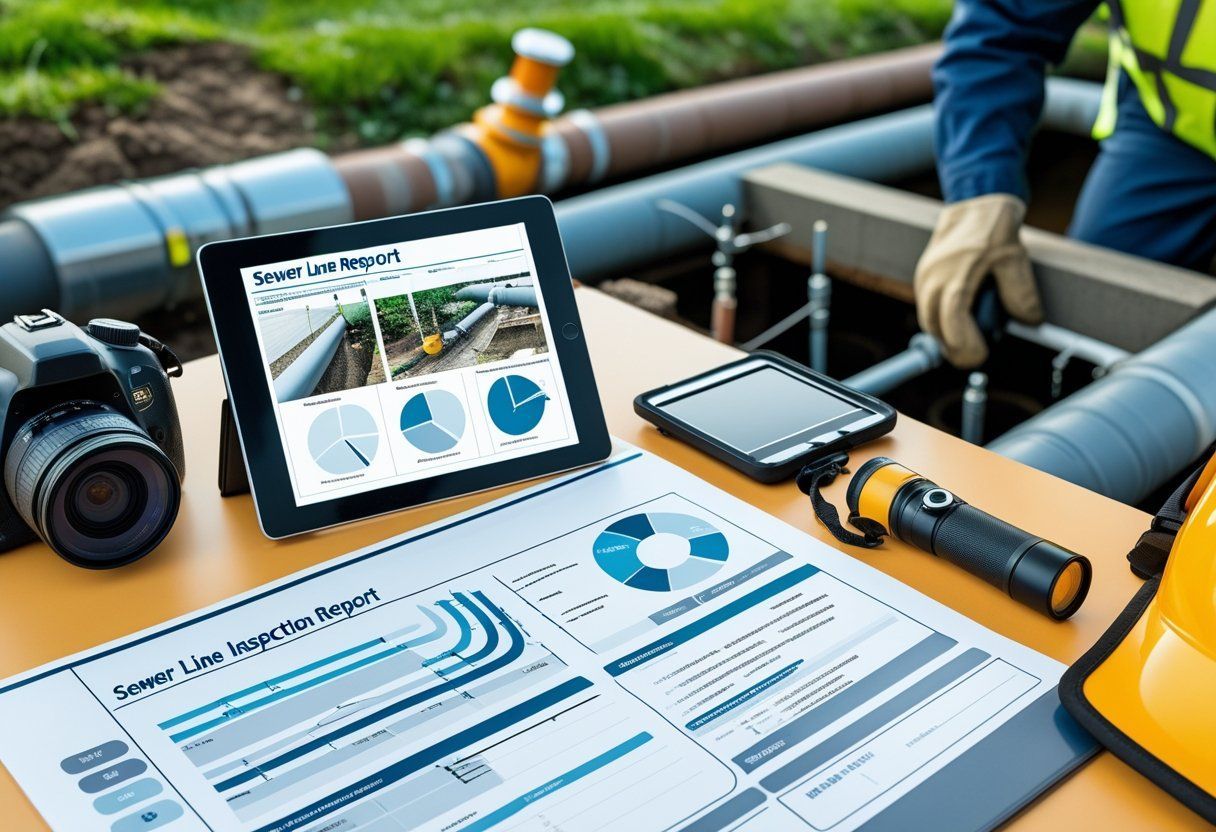
You’ll get clear steps to decode the most important parts of a sewer line inspection report so you can act with confidence. We show you how to spot real problems, what each defect means, and which issues need immediate repair versus routine maintenance. We break the report into simple pieces what the camera images show, […]
Tool kit with hard hat, gloves, laptop, and handheld device on a workbench in a workshop
By Stefani January 23, 2026
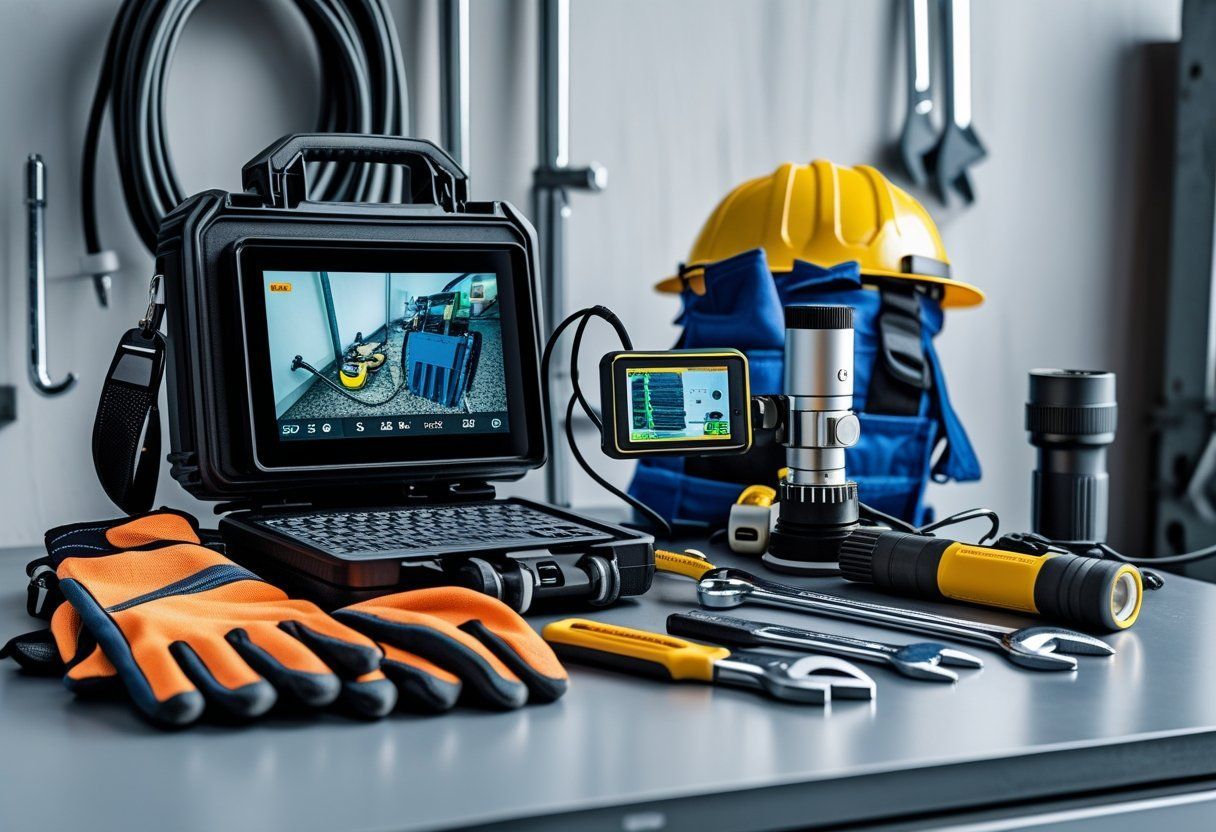
You want tools that give clear answers fast so you can find problems and fix them right. We rely on high-quality sewer cameras, locating gear, and cleaning tools to spot cracks, blockages, and defects in sewer lines accurately. Knowing which tools to use helps a plumber save time and avoid costly mistakes. We will walk […]
Worker in blue hard hat inspecting a manhole on a street with a camera device
By Stefani January 22, 2026
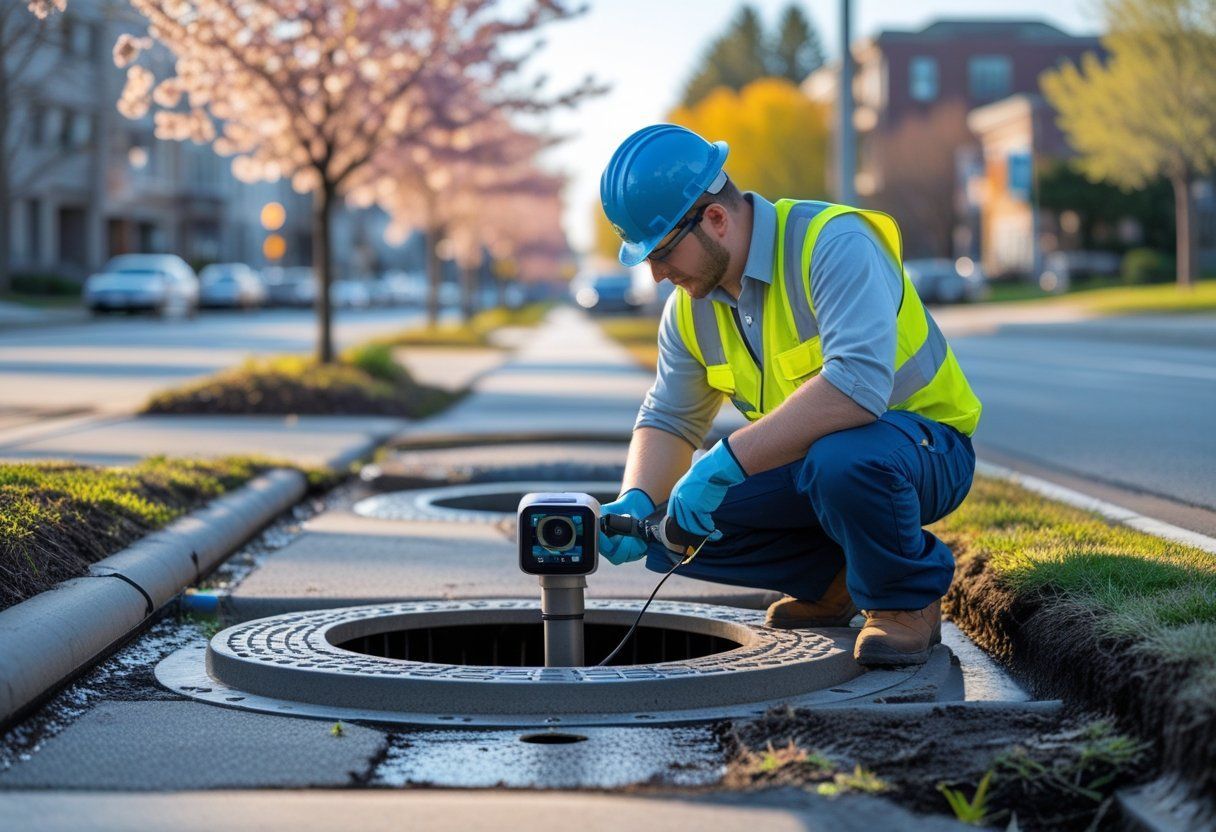
You want sewer line inspections timed so they catch problems before they get costly or urgent. We recommend scheduling inspections based on seasonal risks winter freeze, spring thaw, and heavy fall rains because timing cuts repair costs and prevents service interruptions. We will explain how weather, soil movement, and tree roots change the risk level […]
Common Mistakes to Avoid During Sewer Line Inspections
By Stefani January 18, 2026
We know sewer line inspections feel technical and tense, but avoiding a few common mistakes protects your home and wallet. Start by planning the inspection, knowing what to look for, and involving a qualified professional when signs point to trouble. That simple approach cuts down on missed problems and costly surprises. We will walk through […]
Show More