
Estimating the Cost of Emergency Sewer Line Repairs for Homeowners and Property Managers

Stefani • October 30, 2025

Share this article

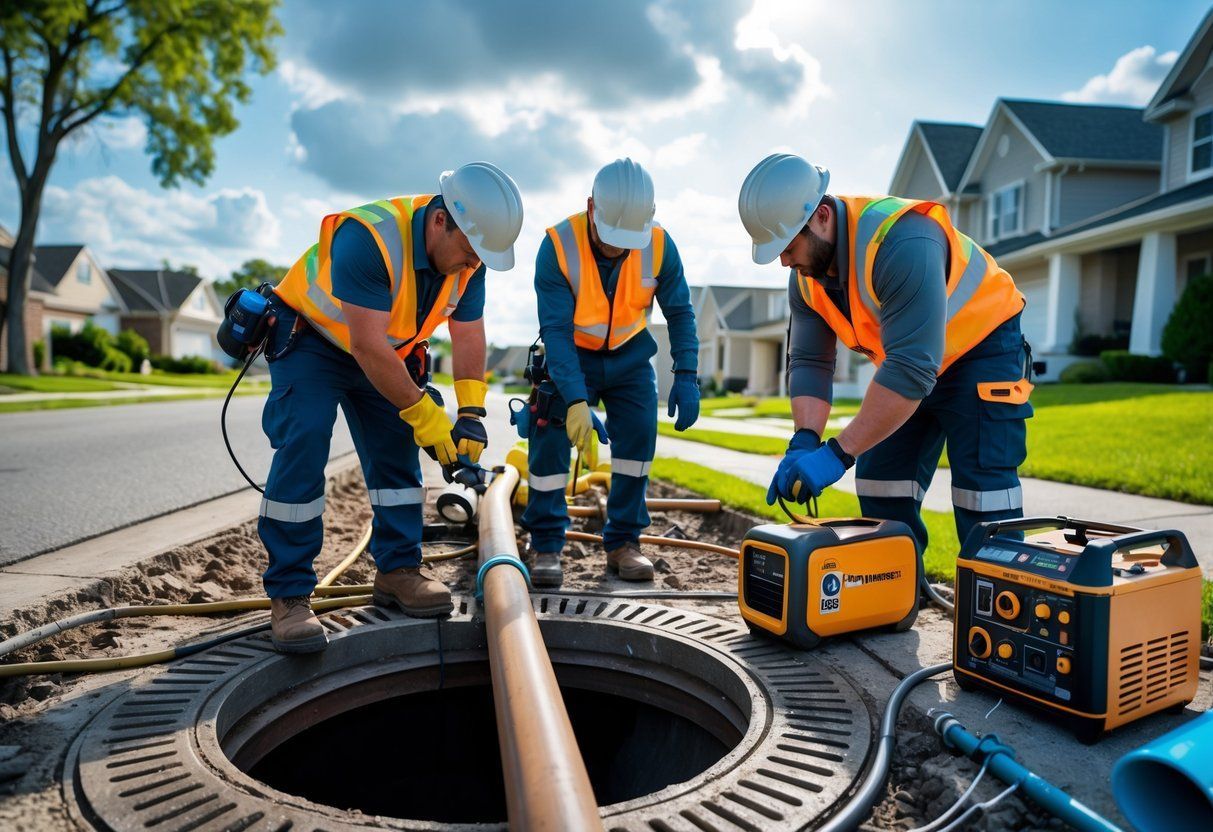
Dealing with a sudden sewer line problem can feel overwhelming, especially when you don’t know what the repair might cost. On average, emergency sewer line repairs can range from $1,000 to over $7,000 depending on the damage, location, and repair method. Knowing what drives these costs helps us prepare and make better decisions under pressure.

We’ll walk through the key factors that affect pricing, from the type of damage to the repair techniques used. We’ll also look at practical ways to estimate expenses and manage them more effectively when emergencies happen.

By understanding both the costs and the options available, we can reduce stress and avoid unnecessary surprises. This also gives us the tools to plan ahead with preventative steps that protect our homes and budgets in the long run.

Key Factors Affecting Emergency Sewer Line Repair Costs

Emergency sewer line repairs can vary widely in price. The final cost depends on the type of damage, where the line is located, how quickly the work must be done, and the fees tied to permits and inspections.

Severity and Type of Sewer Line Damage

The extent of the damage plays the biggest role in sewer line repair cost. Small cracks or clogs may only need spot repairs or hydro-jetting, which are less expensive. Major breaks, collapsed pipes, or tree root intrusion often require full replacement, which can raise costs significantly.

Different materials also affect pricing. Clay or cast iron pipes are harder to repair than PVC, which is easier to cut and replace. If the line is old and brittle, partial fixes may not hold, forcing us to replace longer sections.

We also need to consider whether the damage is isolated or spread across multiple sections. A single break is cheaper to fix than a series of weak points. In many cases, video camera inspections help us identify the exact problem before work begins.

Location and Accessibility of the Sewer Line

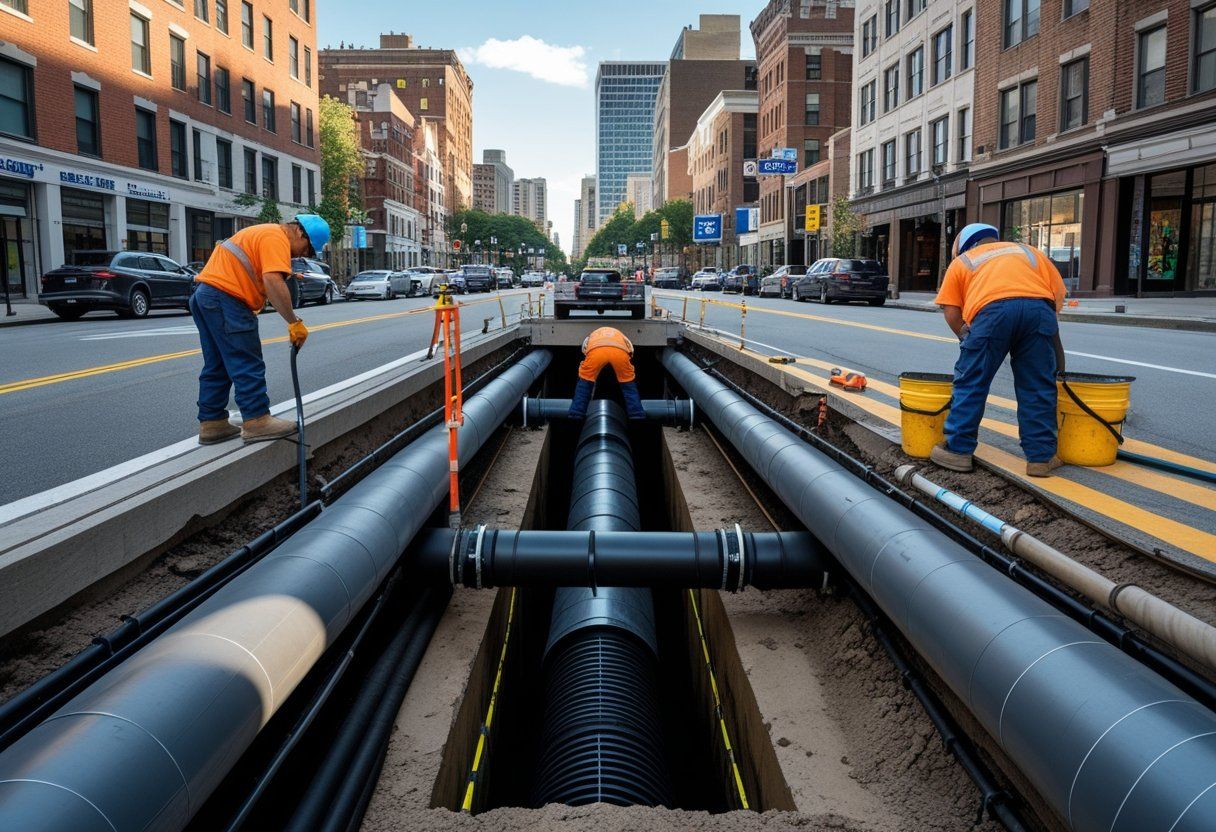
Where the sewer line sits on the property impacts labor and equipment costs. Lines under a lawn are easier to dig up than those under driveways, patios, or foundations. If the line runs beneath concrete, we must remove and replace the surface, which adds time and expense.

Depth also matters. Shallow sewer lines cost less to reach, while deeper ones require more digging, shoring, and safety measures. In some areas, soil type makes excavation harder. Rocky or compacted soil can increase labor hours and equipment use.

Some repairs may allow trenchless methods like pipe bursting or lining, which reduce surface damage. These methods often cost more upfront but save money on restoring landscaping or hard surfaces. For homeowners, accessibility often determines whether the project stays manageable or becomes a major expense.

Urgency and Time of Repair

Emergency sewer line repairs usually cost more than scheduled work. If a backup or break happens at night, on weekends, or during holidays, we may face higher service rates. Contractors often charge premium fees for after-hours response.

The severity of the emergency also affects cost. A complete blockage that stops all plumbing use requires immediate action, while a slow leak may allow for a short delay. Faster response times often mean higher labor costs but prevent further property damage.

We also need to factor in the availability of crews and equipment. In busy seasons or during widespread issues, such as heavy rain causing multiple sewer line problems, urgent work can be more expensive due to demand.

Permit and Inspection Fees

Most cities and counties require permits for sewer line repairs. Permit costs vary by location but usually range from $50 to several hundred dollars. These fees cover the approval process and ensure the work meets safety and building codes.

Inspections are often required before and after the repair. Inspectors check that the line is installed correctly and that materials meet local standards. Failing an inspection can lead to rework, which adds more cost and delays.

Homeowners should also be aware that some municipalities require multiple permits if the repair involves street excavation or connections to public sewer mains. These extra permits can raise overall sewer line repair costs beyond the labor and materials alone.

Common Emergency Sewer Line Repair Methods

Emergency sewer line repairs can involve digging up large sections of pipe, using trenchless methods to minimize surface damage, or applying targeted fixes to smaller problem areas. The right choice depends on pipe condition, location, and budget.

Traditional Excavation Techniques

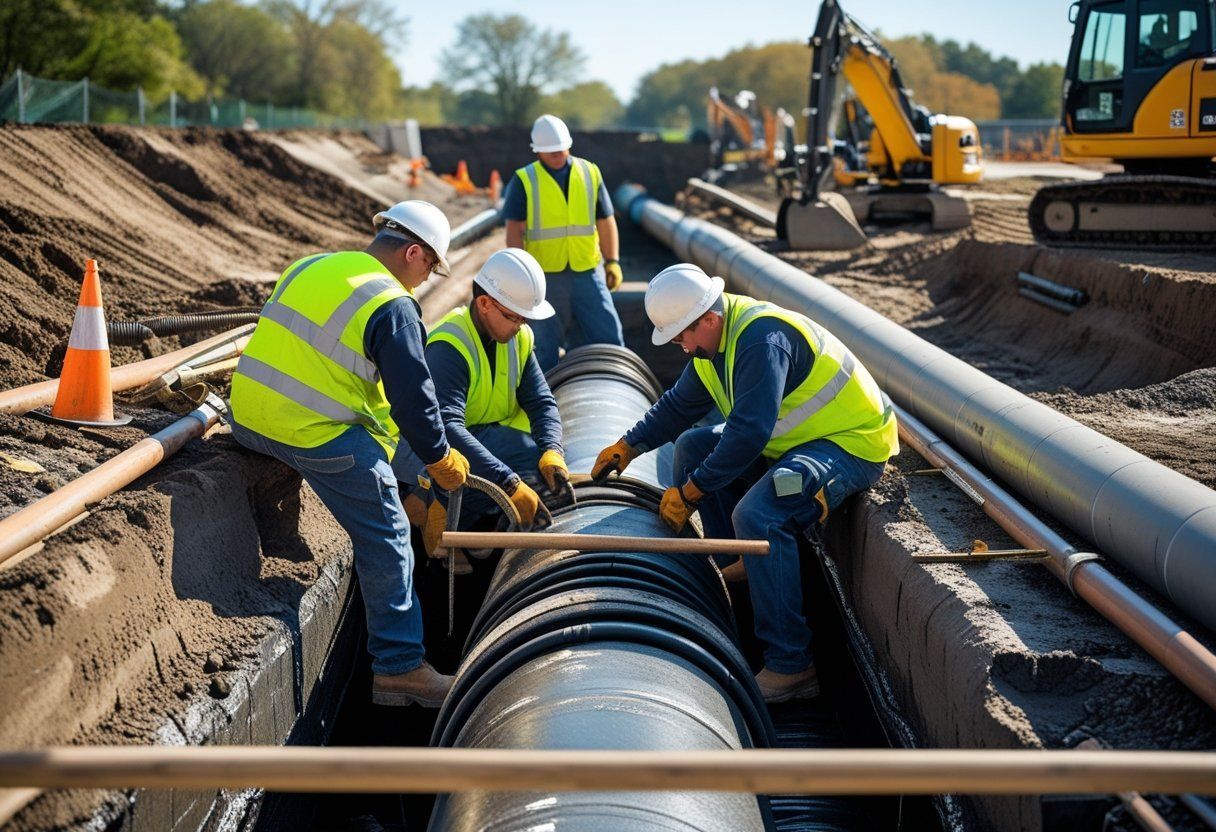
With traditional excavation, we dig directly into the ground to expose the damaged sewer line. This method gives us full access to the pipe, which makes it easier to replace sections that are broken or collapsed.

The main drawback is the disruption it causes. Excavation often damages landscaping, driveways, or sidewalks. It also requires heavy equipment and more labor, which increases the total cost.

Despite these downsides, excavation may be the only option if the pipe is severely deteriorated or if trenchless methods are not possible. In older neighborhoods with fragile or outdated lines, full excavation is sometimes the most reliable choice.

Costs vary based on depth, soil type, and length of pipe replaced. Homeowners should expect higher expenses when sewer lines run under paved areas or large trees.

Trenchless Sewer Line Repair Options

Trenchless sewer line repair allows us to fix or replace pipes without digging long trenches. This reduces surface damage and shortens repair time. Two common methods are pipe bursting and pipe lining (CIPP).

  • Pipe bursting involves breaking apart the old pipe while pulling a new pipe into place.
  • Pipe lining places a resin-coated liner inside the old pipe, which hardens to form a new interior surface.

These techniques often cost less in property restoration since we avoid tearing up yards or driveways. They also work well for pipes that are difficult to reach.

However, trenchless repairs may not be possible if the pipe has collapsed completely or if the line has sharp bends. In those cases, excavation may still be required.

Spot Repairs and Pipe Relining

Sometimes the problem is limited to a small section of the sewer line. In these cases, we can perform spot repairs instead of replacing the entire pipe. This involves cutting into the pipe at the damaged area and replacing only that piece.

Another option is pipe relining, which creates a new inner surface inside the existing pipe. Relining seals cracks, prevents leaks, and improves flow without removing the old pipe.

Spot repairs are usually less expensive than full replacements, but they may only provide a temporary fix if other sections of the pipe are also weak. Relining offers a longer-term solution but may not work if the original pipe is too damaged.

Both methods are less invasive than excavation and can extend the life of the sewer line while keeping costs lower than full replacement.

Estimating and Managing the Cost of Emergency Repairs

We need to understand the steps that directly affect the final sewer line repair cost. Careful inspection, fair price comparison, and planning for extra expenses help us avoid unnecessary financial stress.

Professional Inspection and Diagnosis

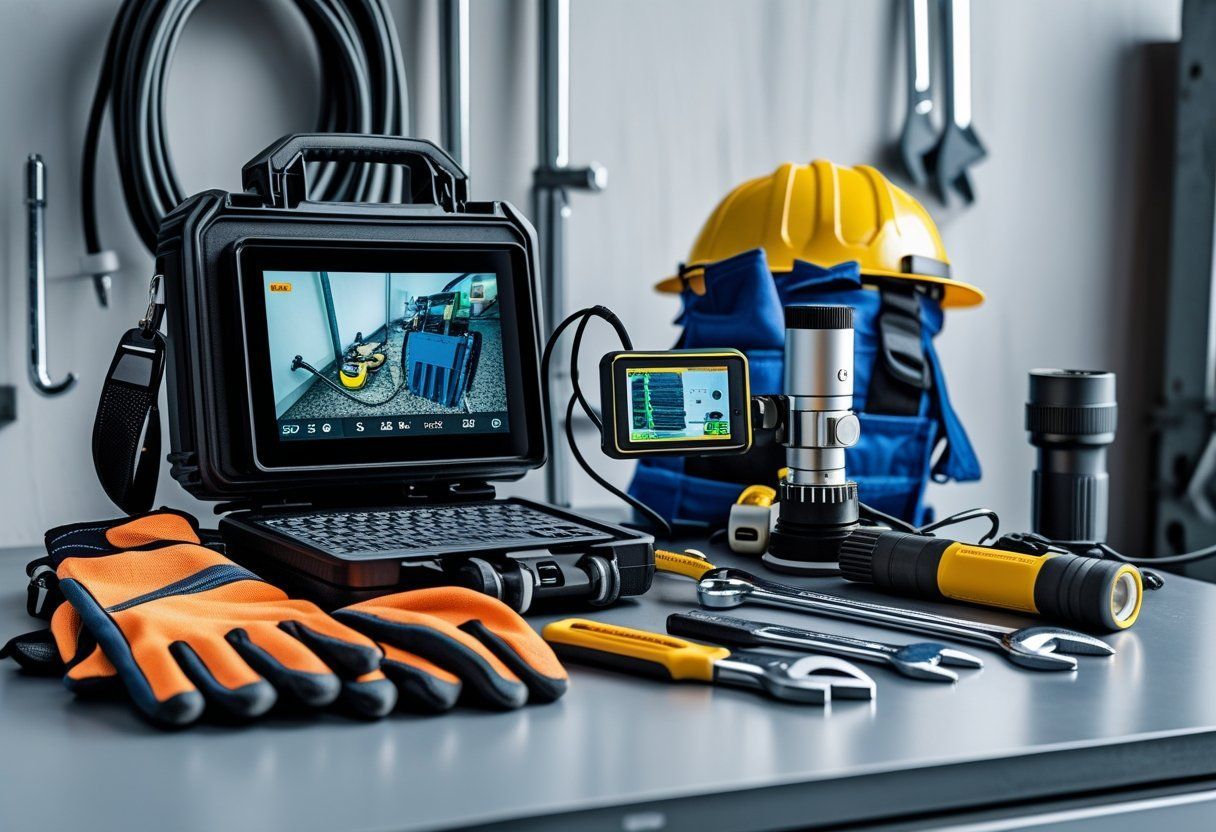
The first step in controlling costs is a professional inspection. A plumber uses tools like video cameras to locate blockages, cracks, or collapsed sections. This prevents us from paying for unnecessary digging or guesswork.

An inspection usually costs between $100 and $500, depending on the complexity of the problem. While this adds to the bill, it gives us accurate information that helps reduce the risk of hidden issues later.

Without a proper diagnosis, we may approve repairs that don’t fix the real problem. For example, replacing a section of pipe when the actual issue lies further down the line could double the final sewer line repair cost.

By starting with a clear diagnosis, we make sure the work addresses the root cause and helps avoid repeat emergencies.

Obtaining and Comparing Repair Quotes

Once we know the exact problem, we should request written quotes from at least two to three licensed contractors. Each quote should list labor, materials, equipment fees, and any additional charges like permits.

A simple table can help us compare:

Contractor Labor Estimate Materials Extra Fees Total Estimate
A $2,500 $800 $300 $3,600
B $2,200 $950 $250 $3,400
C $2,700 $700 $400 $3,800

We should confirm whether the contractor charges by the hour or by project. Hourly rates can rise if unexpected delays occur.

Comparing quotes side by side helps us spot major price differences and avoid paying more than necessary.

Budgeting for Unexpected Expenses

Even with quotes, sewer line repair costs can rise due to hidden damage, soil conditions, or city code requirements. We should expect the final bill to be 10-25% higher than the initial estimate.

Setting aside a reserve fund protects us from surprise costs. For example, if the estimate is $4,000, we should plan for at least $4,400 to $5,000.

Some homeowners use financing options like payment plans offered by contractors, while others rely on emergency savings. Home insurance rarely covers sewer line repairs unless damage is caused by a specific event, so we cannot depend on it for routine failures.

By preparing for these added expenses, we reduce the risk of financial strain during urgent repairs.

Preventative Strategies to Reduce Future Expenses

We can lower the chances of costly sewer line issues by taking steady steps to maintain the system, address problems early, and make careful choices about what goes near or into the pipes. These actions reduce the risk of sudden blockages and expensive emergency repairs.

Routine Maintenance and Early Detection

Regular inspections help us identify small sewer line issues before they grow into major repairs. A professional inspection every 1-2 years with a camera scope can spot cracks, buildup, or early signs of corrosion. This allows us to plan repairs instead of facing sudden emergencies.

We should also schedule drain cleaning to remove grease, scale, and minor blockages. Hydro jetting is effective for clearing buildup that slows drainage. By keeping pipes clear, we reduce pressure on the line and extend its lifespan.

Key steps to consider:

  • Schedule inspections every 12-24 months
  • Use professional drain cleaning when slow drains appear
  • Track inspection reports to monitor changes over time

Catching issues early protects us from sudden failures that cost far more to fix.

Addressing Blockages and Root Intrusion

Tree roots are one of the most common causes of sewer line blockages. Roots seek moisture and can enter even small cracks in pipes. Once inside, they expand and trap waste, leading to backups and possible pipe collapse.

We can manage this risk by planting trees with less aggressive root systems and keeping them at least 10-15 feet away from sewer lines. If roots are already present, mechanical cutting or hydro jetting can clear them, but chemical root treatments may be needed to slow regrowth.

Options to address root problems:

  • Root cutting with specialized tools
  • Hydro jetting for severe blockages
  • Safe chemical treatments to prevent regrowth

By addressing root intrusion early, we avoid repeated clogs and structural damage that often require full pipe replacement.

Smart Landscaping and Disposal Practices

What we plant and what we flush both affect the health of our sewer lines. Deep-rooted trees and shrubs should not be placed near sewer pipes, since their roots can cause costly damage. Grass or shallow-rooted plants are safer choices.

Inside the home, we should avoid flushing items like wipes, paper towels, or grease. These materials build up quickly and create blockages. A simple rule is to flush only human waste and toilet paper.

Safe disposal checklist:

  • Do not pour grease or oil down drains
  • Avoid flushing wipes, even if labeled “flushable”
  • Use strainers in sinks to catch food scraps

By combining smart landscaping with careful disposal habits, we reduce stress on the system and lower the chance of expensive sewer line repairs.

Recent Posts

Fast Response Plumbing technician servicing a water shut off valve in San Francisco
By Joe Tinsley July 17, 2026
Learn how gate valves, ball valves, and angle stops work, where to find them in your San Francisco home, and when to replace them. FAQs inside.
Budgeting for Unforeseen Sewer Line Maintenance Expenses
By Stefani January 31, 2026
Sewer line problems can hit your wallet fast, and we know the stress of a surprise repair. We show you how to plan a practical budget that covers emergency fixes, regular upkeep, and the big costs that sneak up on you. This saves you money and keeps small issues from turning into major failures. We […]
Seasonal Effects on Sewer Line Maintenance Costs
By Stefani January 30, 2026
You’ll want to know how seasons change what you pay for sewer line maintenance so you can plan ahead and avoid surprise bills. Seasonal weather, ground movement, and plant growth directly affect repair needs and costs, so budgeting by season cuts unexpected expenses. We outline what shifts costs, when repairs most often happen, and which […]
The Role of Location in Sewer Line Maintenance Pricing
By Stefani January 29, 2026
You’ll pay different amounts for sewer line maintenance depending on where your property sits and what’s under it. Location drives cost through factors like soil type, access difficulty, local labor rates, and permit rules, so knowing these lets you predict and plan for expenses. We’ll show how those local details shape quotes and outcomes. We’ll […]
Analyzing Material Expenses for Effective Sewer Line Care
By Stefani January 28, 2026
We’ll break down the real costs that matter for keeping a sewer line working well so you can plan and avoid surprises. You’ll learn which materials and fees drive most of the expense and how small choices can lower long-term costs. We’ll look at costs for parts, tools, permits, and regular cleaning, plus where labor […]
Understanding the Impact of Labor Costs on Sewer Line Maintenance
By Stefani January 25, 2026
You want to know how labor costs shape sewer line care and what that means for your wallet. We will show how wages, crew size, and the repair method you choose change the final bill so you can plan smarter and avoid surprises. Knowing which labor factors most drive costs lets you pick repair options […]

How to Interpret Sewer Line Inspection Reports
By Stefani January 24, 2026
You’ll get clear steps to decode the most important parts of a sewer line inspection report so you can act with confidence. We show you how to spot real problems, what each defect means, and which issues need immediate repair versus routine maintenance. We break the report into simple pieces what the camera images show, […]
Tool kit with hard hat, gloves, laptop, and handheld device on a workbench in a workshop
By Stefani January 23, 2026
You want tools that give clear answers fast so you can find problems and fix them right. We rely on high-quality sewer cameras, locating gear, and cleaning tools to spot cracks, blockages, and defects in sewer lines accurately. Knowing which tools to use helps a plumber save time and avoid costly mistakes. We will walk […]
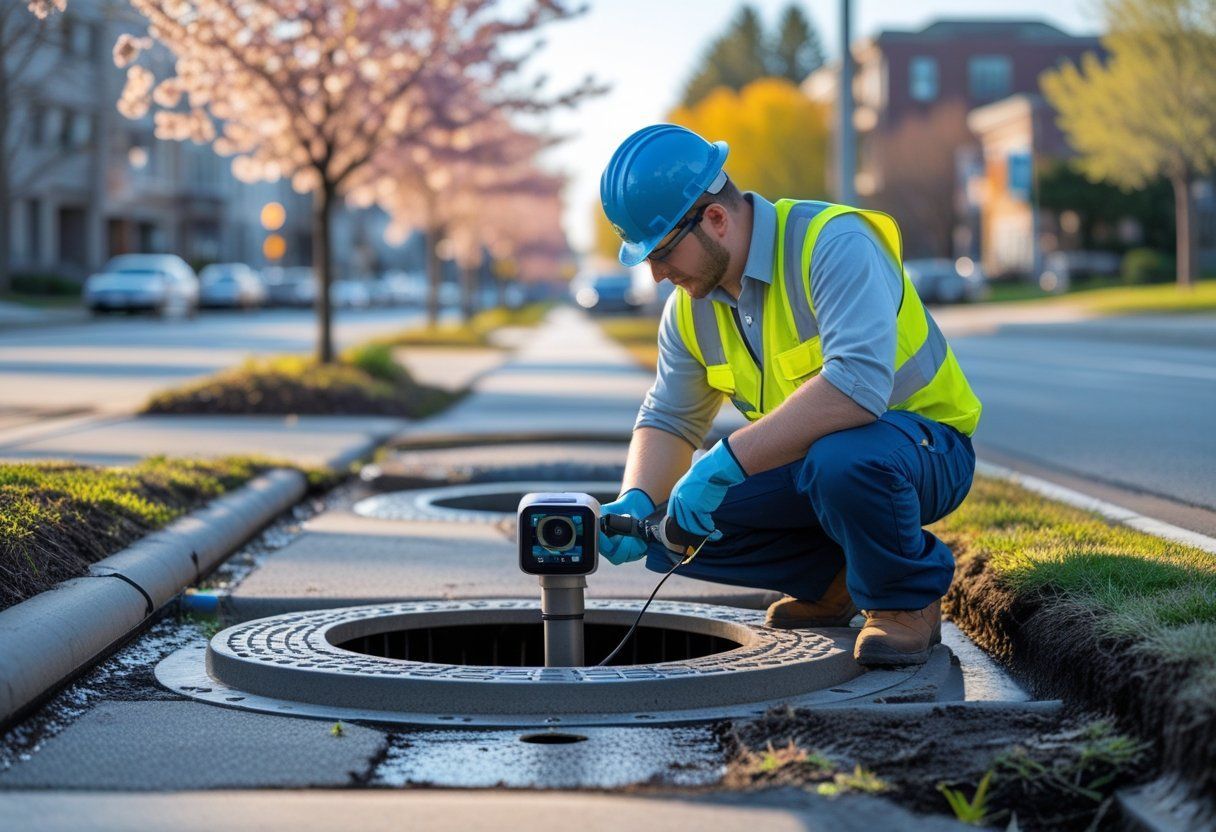
Worker in blue hard hat inspecting a manhole on a street with a camera device
By Stefani January 22, 2026
You want sewer line inspections timed so they catch problems before they get costly or urgent. We recommend scheduling inspections based on seasonal risks winter freeze, spring thaw, and heavy fall rains because timing cuts repair costs and prevents service interruptions. We will explain how weather, soil movement, and tree roots change the risk level […]
Common Mistakes to Avoid During Sewer Line Inspections
By Stefani January 18, 2026
We know sewer line inspections feel technical and tense, but avoiding a few common mistakes protects your home and wallet. Start by planning the inspection, knowing what to look for, and involving a qualified professional when signs point to trouble. That simple approach cuts down on missed problems and costly surprises. We will walk through […]
Show More