
Essential Tools for Effective Drain Cleaning: Master Your Plumbing Tasks

daniel • November 1, 2024

Share this article

Understanding Drain Cleaning Fundamentals

To tackle drain cleaning effectively, we must grasp the types of blockages, the function of the plumbing system, and strategies for ongoing care. Recognizing these essentials helps prevent and resolve plumbing problems, like clogs and slow drainage, ensuring a healthier home environment.

Identifying Common Types of Drain Blockages

Our first step in maintaining clear drains is identifying typical blockages. These can vary from minor clogs to tough obstructions. Common culprits include grease, soap scum, and organic matter.

Grease and food particles are usual suspects in kitchen sinks, while bathroom drains often battle soap and hair buildup. When standing water or slow drains occur, it indicates a partial blockage needing attention.

Foul odors are another clue. They often point to decaying material stuck in the pipes. Regularly inspecting our drains allows us to address these issues before they turn into major plumbing problems, keeping our home’s drainage system in top shape.

The Role of the Plumbing System in Drainage

Our plumbing system plays a vital role in how well drains function. It consists of a network of pipes designed to remove wastewater efficiently. Any disturbance, like blocks in these pipes, causes drainage issues. For instance, tight bends can accumulate buildup, leading to clogs.

We must ensure that our plumbing is in good condition. This means checking for leaks, ensuring that joints are secure, and verifying proper pipe slopes. Such steps help prevent clogs and slow drainage.

Proper drainage also reduces risks like mold growth from standing water and enhances overall home maintenance, saving us from potential costly repairs.

Preventative Maintenance for Long-Term Care

To keep our drains clear long-term, we must commit to preventative maintenance. This includes regular cleaning and using maintenance products. A mix of natural solutions like baking soda and vinegar can clear minor clogs and dissolve organic buildup.

We should avoid pouring grease down the drain to prevent tough clogs. Instead, disposing of it properly helps avoid future plumbing troubles.

Regularly flushing drains with hot water can melt away soap scum and grease, minimizing clog risks. By embracing these habits, we’re proactive in maintaining a clear, efficient drainage system, ensuring a more reliable plumbing setup for our homes.

Manual Drain Cleaning Techniques

Drain clogs can be a nuisance, but using proper tools like plungers and drain snakes can help tackle the problem. It is important to use the right techniques for each tool to ensure efficiency and prevent further blockage.

Proper Use of Plungers and Techniques

Plungers are a common tool for unclogging drains. We should choose the right type of plunger for the task; a cup plunger works best for sinks and tubs, while a flange plunger is ideal for toilets. Ensure a tight seal around the drain to create the needed suction.

Plunging requires consistent up-and-down movements to build pressure that dislodges the blockage. Water should cover the plunger head for optimal suction. Plunging may take several attempts before seeing results, but it’s crucial to remain persistent. Being gentle at first can prevent splattering, which none of us want to deal with.

How to Effectively Use Drain Snakes

Drain snakes, also known as drain augers, are essential for reaching deeper clogs that plungers can’t. We should guide the snake slowly into the drain until resistance is felt. Rotating the handle helps the coil move smoothly around bends in the pipe.

As the clog begins to clear, pulling the snake out slowly can help in removing debris stuck to the coil. Rinse the snake after each use to keep it clean and functional for future jobs. It’s a straightforward process, but careful handling is crucial to avoid damaging pipes or worsening the clog.

Step-by-Step Guide to Snaking

Here’s a simple guide to using a drain snake effectively:

  1. Insert the Snake: Feed the end of the snake into the drain, turning the handle slightly to guide it.
  2. Reach the Clog: Once resistance is felt, rotate the handle to catch onto the clog.
  3. Break the Blockage: Move the snake back and forth to break up the clog.
  4. Withdraw the Snake: Slowly reel the snake back, extracting debris.
  5. Flush the Drain: Run water to ensure the clog is completely cleared and check for any remaining blockage.

Each step is crucial for clearing clogs efficiently. Practicing patience and precision can make a significant difference in the results we achieve with these tools.

Chemical and Natural Solutions

Clearing drains effectively requires choosing the right tools for the job. We’ll explore when to opt for chemical drain cleaners, natural options for smaller clogs, and important safety and environmental considerations.

When to Use Chemical Drain Cleaners

Chemical drain cleaners are a common choice for tough, stubborn clogs. Caustic cleaners, like Drano Max Gel, work by breaking down organic matter through chemical reactions.

These solutions are best used for serious clogs where a plunger or snake hasn’t worked. Oxidizing cleaners, such as bleach, release heat and gas to clear clogged drains.

Though effective, they can cause damage to pipes if used too frequently. Always follow the manufacturer’s instructions closely to avoid harming your plumbing.

Natural Alternatives for Minor Clog Removal

For smaller or less stubborn clogs, natural solutions can be just as effective. Baking soda and vinegar is a popular combination used to create a fizzy reaction that helps break down minor blockages.

A hot water flush can also be used to rinse away soft debris. Enzyme-based cleaners are another safe option.

These products contain bacteria or enzymes that digest organic waste, making them a gentle choice for ongoing maintenance.

Safety Precautions and Environmental Considerations

Using chemical cleaners requires careful handling. Always wear gloves and eye protection to avoid chemical burns. It’s crucial to follow all safety instructions on the product label.

Chemical cleaners can be harmful to the environment, so we should use them sparingly. Natural solutions like vinegar and baking soda and enzyme-based products are safer for both our homes and the earth.

By choosing the appropriate method for each situation, we can keep our drains clean and our impact minimal.

Advanced Drain Cleaning Equipment

In the world of drain cleaning, powerful technology and skilled services help maintain clear pipes and prevent plumbing emergencies. Hydro-jetting, camera inspections, and professional services are key tools used to tackle tough clogs and diagnose issues effectively.

The Power of Hydro-Jetting Technology

Hydro-jetting is a technique that uses high-pressure water streams to clear blockages. This method is very effective at removing stubborn clogs in pipes. With pressures reaching up to 4,000 PSI, hydro-jets can cut through grease, scale, and even tree roots.

Using hydro-jetting not only clears drains but also cleans pipe walls. This helps prevent future clogs, making it a great preventive maintenance tool. It’s important to note that this method is best handled by professionals who know how to manage the equipment safely.

Utilizing Camera Inspections for Diagnosis

Camera inspections allow us to see inside the pipes without having to dig or dismantle. These cameras provide real-time video feeds of the drain interiors. This helps us understand the nature and location of the problem faster.

By using camera inspections, we can identify blockages, cracks, or corrosion accurately. This technology helps prepare for necessary repairs or recommend cleaning methods like hydro-jetting if blockages are found. It is invaluable in ensuring effective and efficient drain cleaning.

When to Call Professional Drain Cleaning Services

Sometimes, home remedies aren’t enough to tackle tough clogs. This is when professional drain cleaning services become essential. If you experience slow drains, frequent backups, or unusual odors, it’s time to consult the experts.

Professionals have the tools and knowledge to handle stubborn clogs and difficult situations safely. They can also offer advice on maintaining a healthy drainage system in your home environment. Relying on their expertise ensures your plumbing is treated with care and precision, helping prevent future plumbing emergencies.

DIY Drain Cleaning and Maintenance

Taking care of our home drains saves money and prevents problems. We’ll look at tools for cleaning, steps to maintain them, and how to fix common problems. This helps us keep our systems running smoothly. We will address how to apply these methods in our own homes effectively.

Common Tools for Home Drain Cleaning

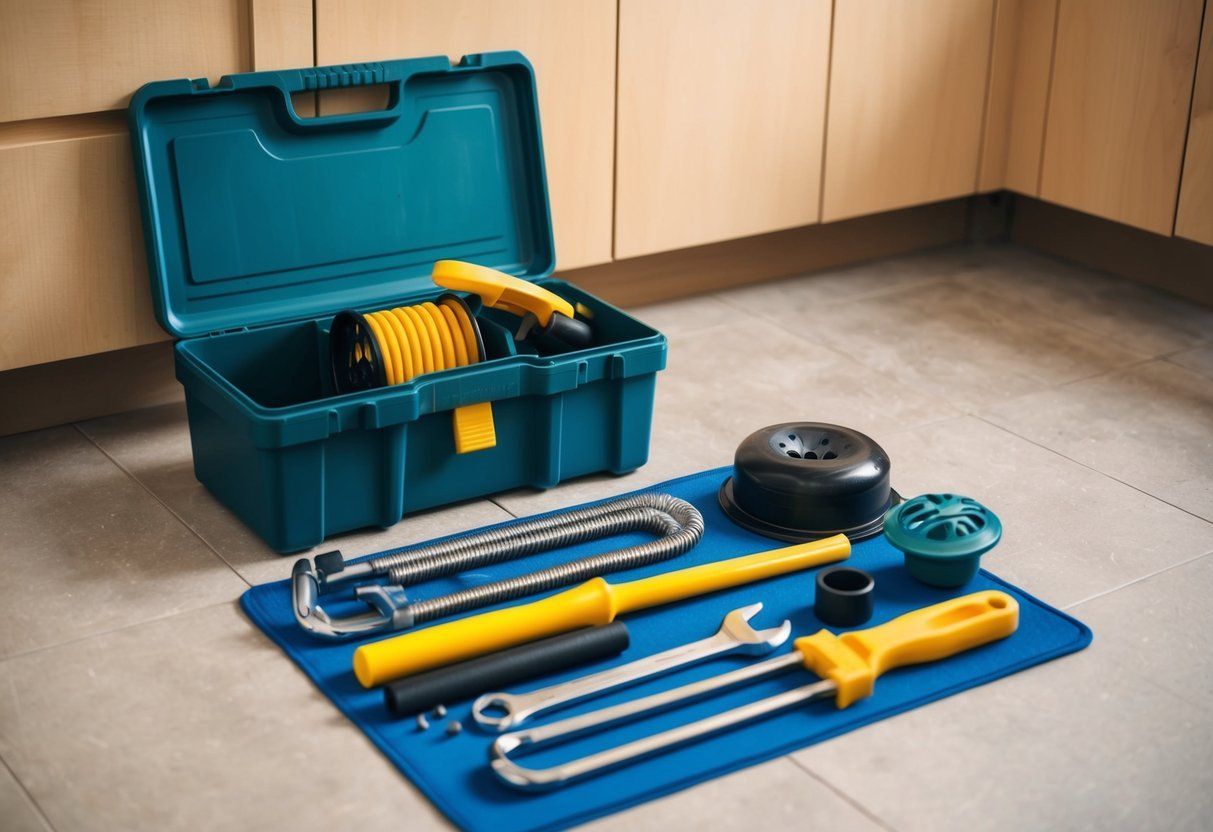
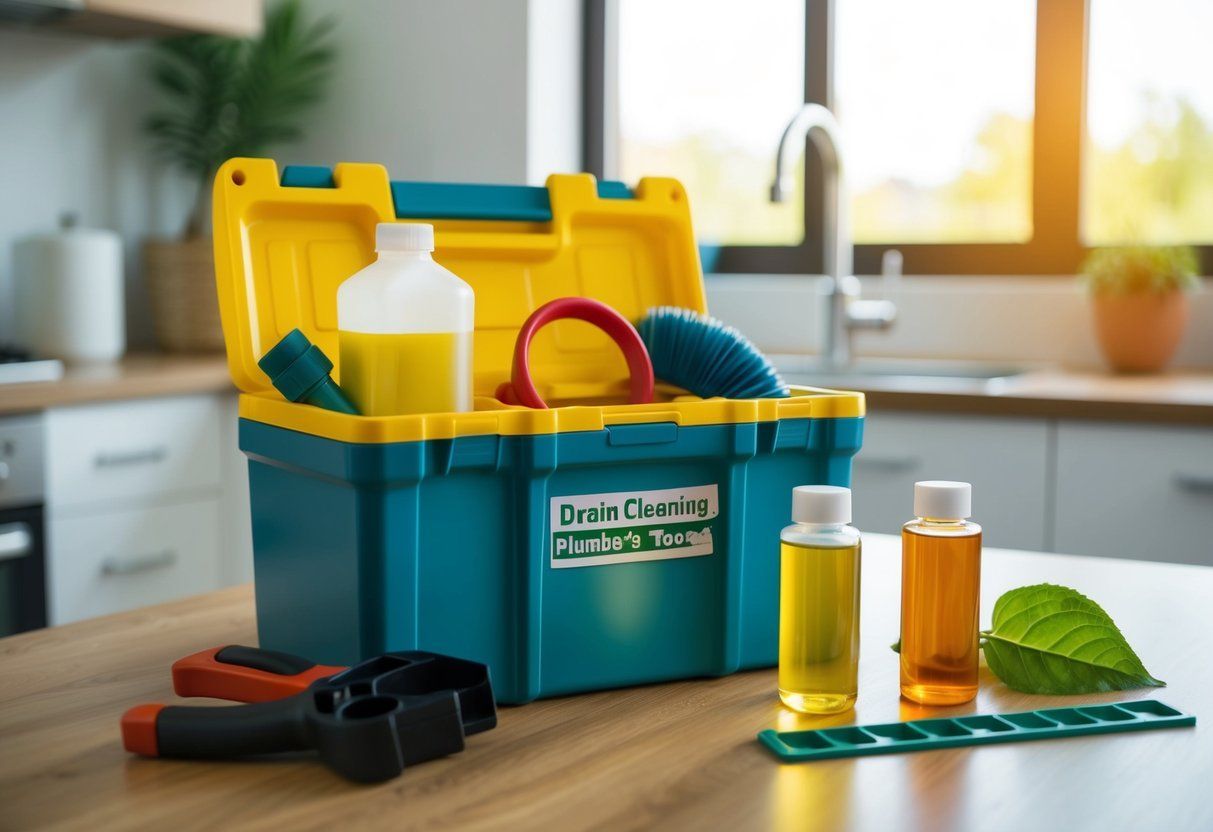
Having the right tools is key for any DIY project. For drains, a plunger is vital. Its suction helps clear blockages in a kitchen sink or bathroom. A drain snake comes in handy when plungers can’t remove deeper clogs. Wrenches are also important for tightening or loosening pipe fittings.

For less messy jobs, we can use a hair clog removal tool. It’s an affordable solution for bathroom drains. These tools are widely available at home improvement stores. Keeping them ready makes us prepared for unexpected clogs.

Step-by-Step DIY Drain Maintenance

Regular maintenance prevents severe blockages. First, we remove debris from drain covers. Wearing gloves makes this job easier since it can get messy. Next, flush the drains with hot water to clear small blockages in the drain pipes. For tougher spots, a mixture of baking soda and vinegar works well.

Unclogging the kitchen sink might require a bit more work. Insert the plunger over the drain and create a seal. Pump it several times to generate enough suction. If this doesn’t work, the drain snake can usually reach deeper clogs. Maintaining a schedule for these steps helps with long-lasting, efficient drainage systems.

Troubleshooting Common Issues During DIY

Sometimes, despite our efforts, things might still go wrong. If water drains too slowly, check the pipes for buildup. Use a flashlight to spot any visible issues. For minor leaks, tightening connections with wrenches can often solve the problem.

If all else fails and the drain remains clogged, it could be time to inspect the drain trap or call a professional. We should also consider that harsh chemicals might damage pipes over time. They’re best avoided. By patiently working through problems, we learn more about maintaining our home.

Recent Posts

Fast Response Plumbing technician servicing a water shut off valve in San Francisco
By Joe Tinsley July 17, 2026
Learn how gate valves, ball valves, and angle stops work, where to find them in your San Francisco home, and when to replace them. FAQs inside.
Budgeting for Unforeseen Sewer Line Maintenance Expenses
By Stefani January 31, 2026
Sewer line problems can hit your wallet fast, and we know the stress of a surprise repair. We show you how to plan a practical budget that covers emergency fixes, regular upkeep, and the big costs that sneak up on you. This saves you money and keeps small issues from turning into major failures. We […]
Seasonal Effects on Sewer Line Maintenance Costs
By Stefani January 30, 2026
You’ll want to know how seasons change what you pay for sewer line maintenance so you can plan ahead and avoid surprise bills. Seasonal weather, ground movement, and plant growth directly affect repair needs and costs, so budgeting by season cuts unexpected expenses. We outline what shifts costs, when repairs most often happen, and which […]
The Role of Location in Sewer Line Maintenance Pricing
By Stefani January 29, 2026
You’ll pay different amounts for sewer line maintenance depending on where your property sits and what’s under it. Location drives cost through factors like soil type, access difficulty, local labor rates, and permit rules, so knowing these lets you predict and plan for expenses. We’ll show how those local details shape quotes and outcomes. We’ll […]
Analyzing Material Expenses for Effective Sewer Line Care
By Stefani January 28, 2026
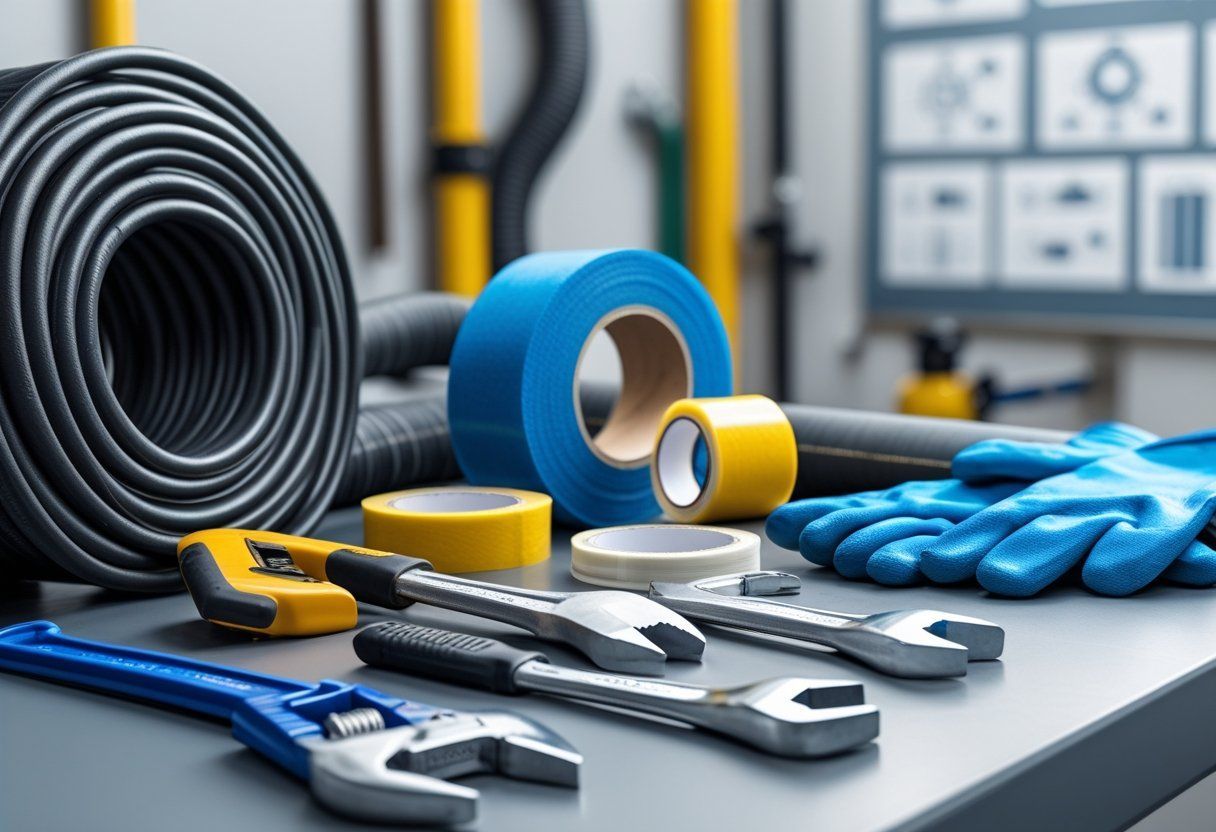
We’ll break down the real costs that matter for keeping a sewer line working well so you can plan and avoid surprises. You’ll learn which materials and fees drive most of the expense and how small choices can lower long-term costs. We’ll look at costs for parts, tools, permits, and regular cleaning, plus where labor […]
Understanding the Impact of Labor Costs on Sewer Line Maintenance
By Stefani January 25, 2026
You want to know how labor costs shape sewer line care and what that means for your wallet. We will show how wages, crew size, and the repair method you choose change the final bill so you can plan smarter and avoid surprises. Knowing which labor factors most drive costs lets you pick repair options […]
How to Interpret Sewer Line Inspection Reports
By Stefani January 24, 2026
You’ll get clear steps to decode the most important parts of a sewer line inspection report so you can act with confidence. We show you how to spot real problems, what each defect means, and which issues need immediate repair versus routine maintenance. We break the report into simple pieces what the camera images show, […]
By Stefani January 23, 2026
You want tools that give clear answers fast so you can find problems and fix them right. We rely on high-quality sewer cameras, locating gear, and cleaning tools to spot cracks, blockages, and defects in sewer lines accurately. Knowing which tools to use helps a plumber save time and avoid costly mistakes. We will walk […]
By Stefani January 22, 2026
You want sewer line inspections timed so they catch problems before they get costly or urgent. We recommend scheduling inspections based on seasonal risks winter freeze, spring thaw, and heavy fall rains because timing cuts repair costs and prevents service interruptions. We will explain how weather, soil movement, and tree roots change the risk level […]
Common Mistakes to Avoid During Sewer Line Inspections
By Stefani January 18, 2026
We know sewer line inspections feel technical and tense, but avoiding a few common mistakes protects your home and wallet. Start by planning the inspection, knowing what to look for, and involving a qualified professional when signs point to trouble. That simple approach cuts down on missed problems and costly surprises. We will walk through […]
Show More