Essential Credentials For A Reliable Sewer Line Repair Service: Key Qualifications To Ensure Quality Work

Stefani • November 16, 2025

Share this article

When a sewer line breaks or clogs, we need a service we can trust to fix it quickly and correctly. Not every company has the skills or credentials to handle such an important job. Choosing a sewer line repair service with the right credentials ensures the work meets professional standards and lasts for years.

We’ll look at what makes a company reliable, from proper licensing and insurance to proven technical expertise. We’ll also cover how to judge service quality, compare costs, and make a confident choice. By knowing what to look for, we can avoid costly mistakes and find a team that gets the job done right.

Core Credentials for a Reliable Sewer Line Repair Service

We rely on clear standards to judge whether a sewer repair service can handle complex work safely and correctly. The most dependable companies hold proper licenses, maintain insurance, train their technicians, and bring proven experience to each project.

Licensing and Insurance

A licensed sewer repair service shows that it meets all local and state regulations. Licensing ensures that the company follows building codes and safety rules when working on a sewer system or plumbing system. It also confirms that technicians have passed required exams and background checks.

Proper insurance coverage protects both the homeowner and the contractor. We look for general liability insurance to cover property damage and workers’ compensation insurance to protect employees. Without these, any accident or damage could become the homeowner’s financial burden.

Before hiring, we always ask for proof of both licensing and insurance. A reliable company provides documentation easily and keeps it updated. This step helps us avoid unqualified or uninsured contractors who might cut corners or create future repair issues.

Checklist for verification:

  • Confirm the license number with local authorities
  • Request a current insurance certificate
  • Review expiration dates for both documents

Certifications and Training

Certified technicians show that a company invests in professional sewer repair skills. We prefer teams that hold plumbing or sewer line repair certifications from recognized trade organizations. These credentials prove that workers understand repair methods, safety procedures, and the latest equipment.

Ongoing training keeps technicians current with new tools and materials. For example, training in trenchless sewer repair or video inspection technology helps reduce property disruption and improves accuracy. We check that the company supports continuing education and regular skill reviews.

Some certifications also require testing and renewal. This ensures that technicians stay qualified and follow updated industry standards. A company that values training usually delivers better results and fewer repeat problems.

Training focus areas:

  • Pipe inspection and leak detection
  • Safe excavation and soil handling
  • Code compliance and environmental safety

Industry Experience

Experience often determines how well a company diagnoses and fixes sewer line problems. We trust contractors who have handled a wide range of sewer line repair projects, from small leaks to full system replacements.

Years in business reflect more than longevity; they show consistent quality and customer trust. Experienced teams can identify hidden issues, such as root intrusion or pipe corrosion, before they cause larger damage.

We also value companies that provide references or case examples. This helps us confirm their ability to manage complex repairs and coordinate with city inspectors when needed.

Key experience indicators:

Area Why It Matters
Years in operation Shows stability and reliability
Range of services Demonstrates technical depth
Past project examples Confirms real-world performance

A sewer repair service with proven experience, verified credentials, and skilled staff gives us confidence that the work will meet safety and quality standards.

Evaluating Service Quality and Reputation

We assess a sewer line repair company’s reliability by studying how it treats customers, how consistently it delivers results, and how it resolves problems. These factors show whether the service values quality, honesty, and accountability.

Customer Reviews and References

Customer reviews help us understand how a company performs in real situations. We look for patterns in feedback rather than single comments. Consistent mentions of punctuality, clear communication, and lasting repairs often signal dependable service.

We also check third-party review platforms such as Google, Yelp, or the Better Business Bureau. These sites provide transparency and limit the chance of filtered feedback.

When possible, we request references from recent customers. Speaking directly with past clients helps confirm if the company followed through on promises. We ask specific questions about response time, cleanup, and how issues were handled after the job was done.

A short checklist helps guide our review process:

  • Verify the number of positive vs. negative reviews
  • Read detailed comments, not just star ratings
  • Contact at least two references for confirmation

Track Record and Case Studies

A company’s track record shows its ability to handle complex sewer line repairs. We review how long the business has operated and whether it has completed projects similar to ours.

Case studies provide concrete examples of problem-solving methods and results. We look for information about the repair scope, materials used, and timelines. Reliable companies often include before-and-after photos or project summaries that show measurable outcomes.

We also check if the company has worked with local municipalities or commercial clients, as these projects often require strict compliance with safety and building codes. A clear record of successful inspections and permits adds credibility.

When reviewing case studies, we note:

Key Detail Why It Matters
Project Type Confirms relevant experience
Completion Time Shows efficiency and planning
Repair Method Indicates technical knowledge

Customer Satisfaction Policies

Strong customer satisfaction policies show a company’s commitment to service quality. We review written guarantees, such as repair warranties or service follow-up visits. These policies protect us if problems reappear after the repair.

We also look for clear communication standards. Companies that provide written estimates, explain repair options, and give regular updates usually maintain better relationships with customers.

Good sewer line repair services often have a resolution process for complaints. This may include a direct contact for issues, defined response times, and documentation of all service calls.

A company that tracks and measures satisfaction; through surveys or post-service calls; demonstrates accountability. These steps help ensure that customer needs remain a top priority from start to finish.

Technical Expertise and Repair Methods

We rely on proven methods and specialized tools to handle sewer line issues efficiently. Our approach focuses on accuracy, minimal disruption, and long-term reliability.

Trenchless Sewer Repair Technologies

Trenchless sewer repair allows us to fix damaged pipes without digging large trenches. This method reduces property damage and shortens repair time. We use small access points to reach the problem area, which keeps landscaping and driveways intact.

Benefits of trenchless repair:

  • Less surface disruption
  • Faster project completion
  • Lower restoration costs

We apply this technology to address leaks, corrosion, and root intrusion. Using cameras, we inspect the pipe’s interior before selecting the right trenchless method. This process helps us maintain pipe integrity and prevent future sewer line issues.

Pipe Lining and Pipe Bursting

Pipe lining and pipe bursting are two key trenchless methods we use for full or partial pipe restoration.

Pipe lining involves inserting a flexible epoxy liner into the existing pipe. Once cured, it forms a smooth, durable inner layer that seals cracks and prevents leaks. This method works well for pipes affected by corrosion or small fractures.

Pipe bursting replaces the old pipe entirely. We pull a new pipe through the existing one while breaking the old pipe outward. This approach is ideal when pipes are collapsed or severely damaged.

Method Best For Key Advantage
Pipe Lining Minor cracks, corrosion Creates a seamless interior
Pipe Bursting Collapsed or broken pipes Installs a new, stronger pipe

Both methods extend the life of sewer systems without major excavation.

Diagnosis of Common Sewer Line Problems

Accurate diagnosis is critical before any repair. We use video camera inspections to locate clogs, cracks, and root intrusion. This helps us identify the exact cause of slow drains, foul odors, or gurgling sounds.

Common sewer line problems include:

  • Clogs from grease or debris buildup
  • Tree root intrusion breaking into joints
  • Pipe corrosion causing leaks

We interpret inspection footage in real time to choose the most effective solution. This diagnostic process ensures we address the root cause, not just the symptoms.

Comparing Costs and Making an Informed Choice

We can make better financial decisions when we compare real numbers, check what services include, and understand warranty coverage. Looking at cost alone does not guarantee value; we need to review what each company offers for the price and how they stand behind their work.

Obtaining Multiple Quotes

Getting multiple quotes helps us understand the normal price range for sewer line repair services. Prices can vary based on the length of the sewer line, the type of material used, and how much digging or equipment is needed.

We should ask each company for a written estimate that lists labor, materials, permits, and cleanup. This makes it easier to compare offers side by side.

Item Company A Company B Company C
Labor $1,200 $1,350 $1,100
Materials $400 $450 $380
Total Estimate $1,600 $1,800 $1,480

We can use a simple table like this to see where costs differ. If one quote is much lower, we should ask why. It might leave out important steps, such as pipe inspection or backfill work.

We should also check that each company has proper licenses and insurance before comparing prices. A low price means little if the service fails to meet safety or code standards.

Understanding Pricing and Warranties

When we review pricing, we must look beyond the total number. Some contractors charge a flat rate, while others bill by the hour. Flat rates help us predict costs, but hourly rates may be fair if the sewer line problem is small and easy to fix.

We should ask what each price includes. Some companies include camera inspections, permits, or site restoration, while others charge extra. Knowing these details prevents surprises later.

Warranties also matter. A good warranty shows confidence in the work. We should confirm how long the warranty lasts and what it covers; materials, labor, or both.

If a company offers only a short or limited warranty, we should ask why. A clear, written warranty gives us protection if sewer line problems return soon after repair.

Recent Posts

Fast Response Plumbing technician servicing a water shut off valve in San Francisco
By Joe Tinsley July 17, 2026
Learn how gate valves, ball valves, and angle stops work, where to find them in your San Francisco home, and when to replace them. FAQs inside.
Budgeting for Unforeseen Sewer Line Maintenance Expenses
By Stefani January 31, 2026
Sewer line problems can hit your wallet fast, and we know the stress of a surprise repair. We show you how to plan a practical budget that covers emergency fixes, regular upkeep, and the big costs that sneak up on you. This saves you money and keeps small issues from turning into major failures. We […]
Seasonal Effects on Sewer Line Maintenance Costs
By Stefani January 30, 2026
You’ll want to know how seasons change what you pay for sewer line maintenance so you can plan ahead and avoid surprise bills. Seasonal weather, ground movement, and plant growth directly affect repair needs and costs, so budgeting by season cuts unexpected expenses. We outline what shifts costs, when repairs most often happen, and which […]
The Role of Location in Sewer Line Maintenance Pricing
By Stefani January 29, 2026
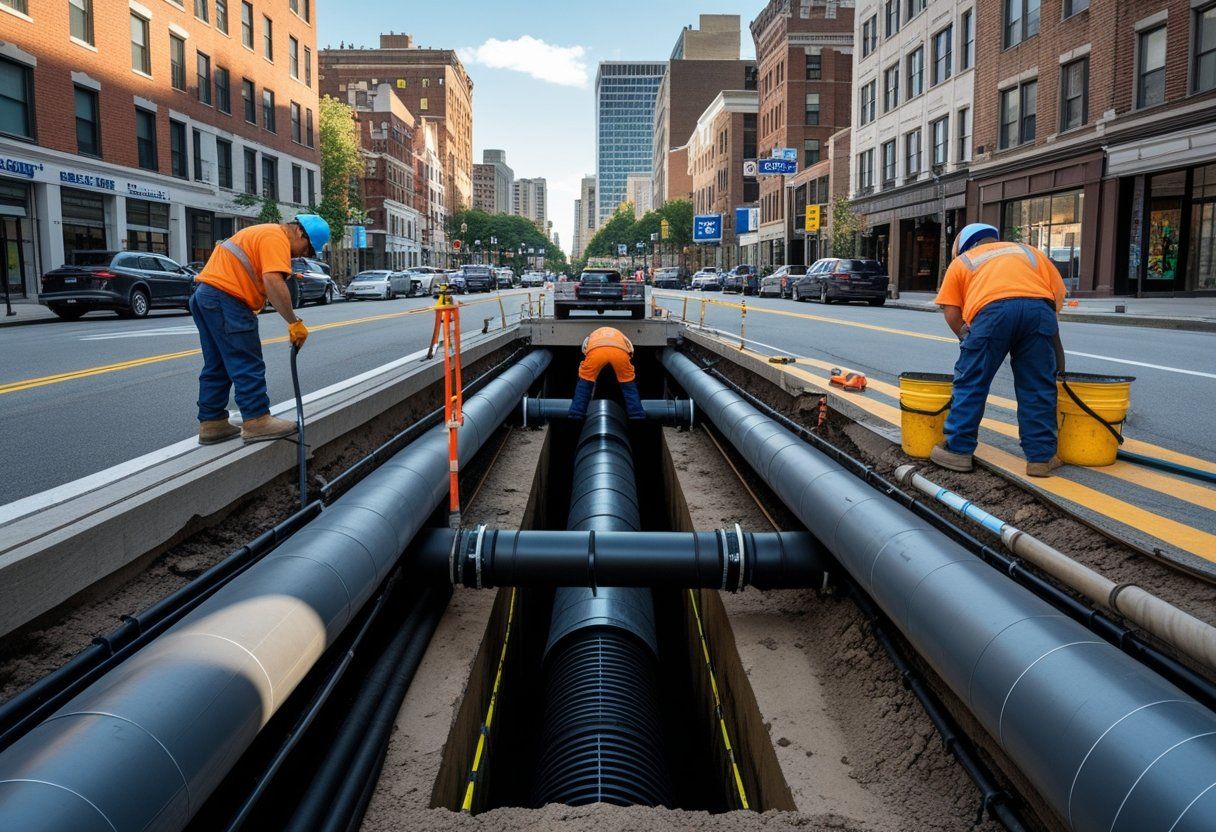
You’ll pay different amounts for sewer line maintenance depending on where your property sits and what’s under it. Location drives cost through factors like soil type, access difficulty, local labor rates, and permit rules, so knowing these lets you predict and plan for expenses. We’ll show how those local details shape quotes and outcomes. We’ll […]
Analyzing Material Expenses for Effective Sewer Line Care
By Stefani January 28, 2026
We’ll break down the real costs that matter for keeping a sewer line working well so you can plan and avoid surprises. You’ll learn which materials and fees drive most of the expense and how small choices can lower long-term costs. We’ll look at costs for parts, tools, permits, and regular cleaning, plus where labor […]
Understanding the Impact of Labor Costs on Sewer Line Maintenance
By Stefani January 25, 2026
You want to know how labor costs shape sewer line care and what that means for your wallet. We will show how wages, crew size, and the repair method you choose change the final bill so you can plan smarter and avoid surprises. Knowing which labor factors most drive costs lets you pick repair options […]
How to Interpret Sewer Line Inspection Reports
By Stefani January 24, 2026
You’ll get clear steps to decode the most important parts of a sewer line inspection report so you can act with confidence. We show you how to spot real problems, what each defect means, and which issues need immediate repair versus routine maintenance. We break the report into simple pieces what the camera images show, […]
By Stefani January 23, 2026
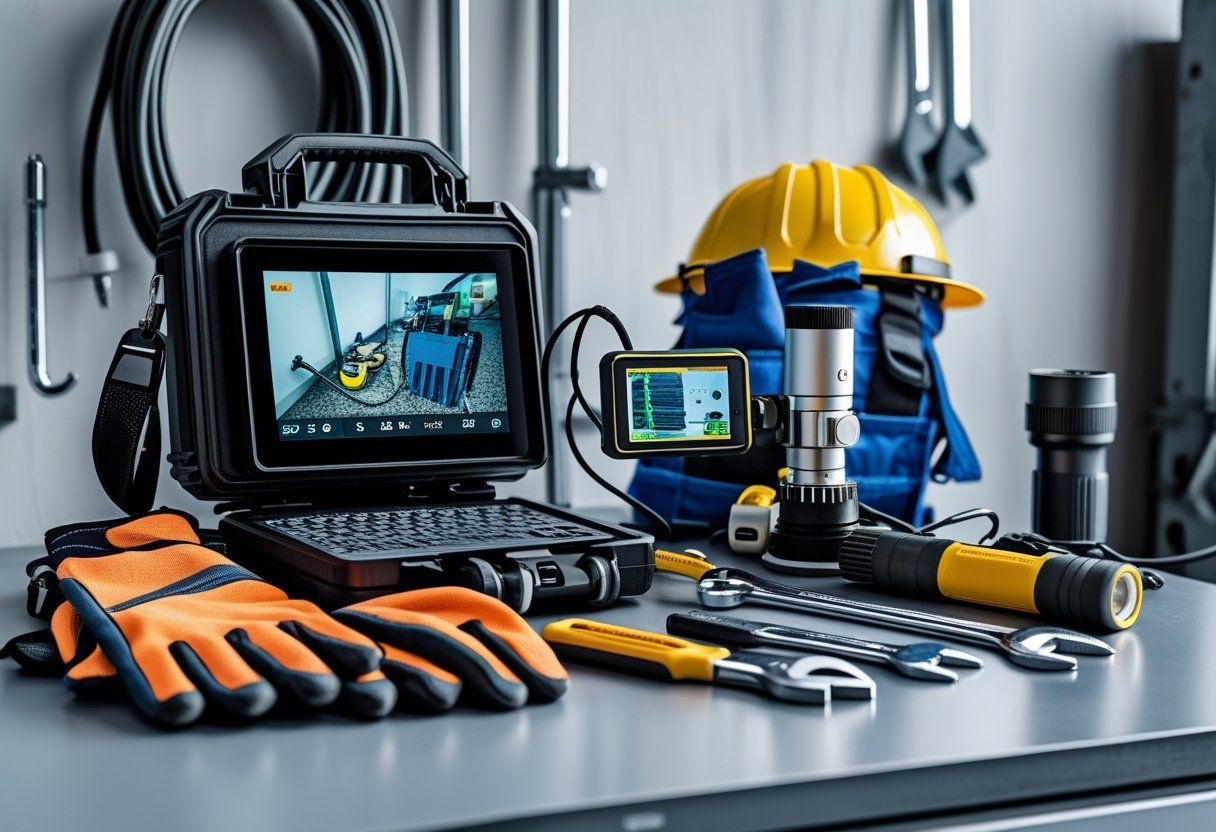
You want tools that give clear answers fast so you can find problems and fix them right. We rely on high-quality sewer cameras, locating gear, and cleaning tools to spot cracks, blockages, and defects in sewer lines accurately. Knowing which tools to use helps a plumber save time and avoid costly mistakes. We will walk […]
By Stefani January 22, 2026
You want sewer line inspections timed so they catch problems before they get costly or urgent. We recommend scheduling inspections based on seasonal risks winter freeze, spring thaw, and heavy fall rains because timing cuts repair costs and prevents service interruptions. We will explain how weather, soil movement, and tree roots change the risk level […]
Common Mistakes to Avoid During Sewer Line Inspections
By Stefani January 18, 2026
We know sewer line inspections feel technical and tense, but avoiding a few common mistakes protects your home and wallet. Start by planning the inspection, knowing what to look for, and involving a qualified professional when signs point to trouble. That simple approach cuts down on missed problems and costly surprises. We will walk through […]
Show More