

Eco-Friendly Drain Cleaning Solutions for Your Home: Effective and Sustainable Methods

daniel • November 9, 2024

Share this article

Understanding Eco-Friendly Drain Cleaning

Our drains can get clogged due to various reasons like hair, grease, or food particles. Traditional chemical drain cleaners might clear out these blocks fast, but they can harm the environment. Eco-friendly drain cleaning offers safer alternatives that are kinder to the planet and our plumbing.

With sustainable practices in mind, we can use natural ingredients like baking soda, vinegar, and hot water. These items are often already in our homes and can help tackle minor clogs without the harsh chemicals. We recommend trying a simple mixture of baking soda and vinegar for a gentle cleaning method that effectively breaks down buildup.

Products with biodegradable materials are a great choice for those committed to reducing the environmental impact of drain cleaning. There are many commercial options available that use enzymes or bacteria to break down clogs safely. These products focus on using natural processes that don’t release harmful substances into our waterways.

Let’s prioritize eco-friendly habits in our daily routines. By choosing safer options, we can protect both our household plumbing and the environment. This way, we contribute to a healthier planet while keeping our pipes clear and functioning well.

Preventative Measures to Keep Drains Clear

Keeping our drains clear can save time and prevent costly repairs. We will explore daily habits and tools that can help us avoid clogs.

Daily Practices to Prevent Clogs

We should be mindful of what goes down our drains each day. Using a natural drain cleaner regularly can help break down soap scum and other buildup. Hot water and baking soda can dissolve minor clogs and keep drains fresh.

Avoid letting grease, coffee grounds, and fibrous foods go down the kitchen sink. These materials can accumulate and block pipes. In the bathroom, ensuring that only water and safe liquids go down the sink helps protect the drains.

Regular cleaning is crucial. We can manually clean drains by removing any gathered debris from the surface or grates.

Installing Physical Barriers

Hair catchers and drain screens are invaluable. Installing these in sinks and showers helps catch hair and larger debris before they enter the pipes. They are cost-effective and easy to clean regularly without requiring tools.

Drain covers in the kitchen can catch larger pieces of food before they become an issue. These small investments can prevent the buildup that leads to more significant problems.

Make sure these barriers are matched to the size of the drain. Properly fitted screens or catchers help ensure they work effectively, keeping drains flowing smoothly and reducing the risk of clogs.

DIY Solutions for Clearing Clogged Drains

We can clear clogged drains with simple, effective methods that utilize everyday household items. By choosing non-toxic solutions, we keep our homes eco-friendly and safe.

Baking Soda and Vinegar Technique

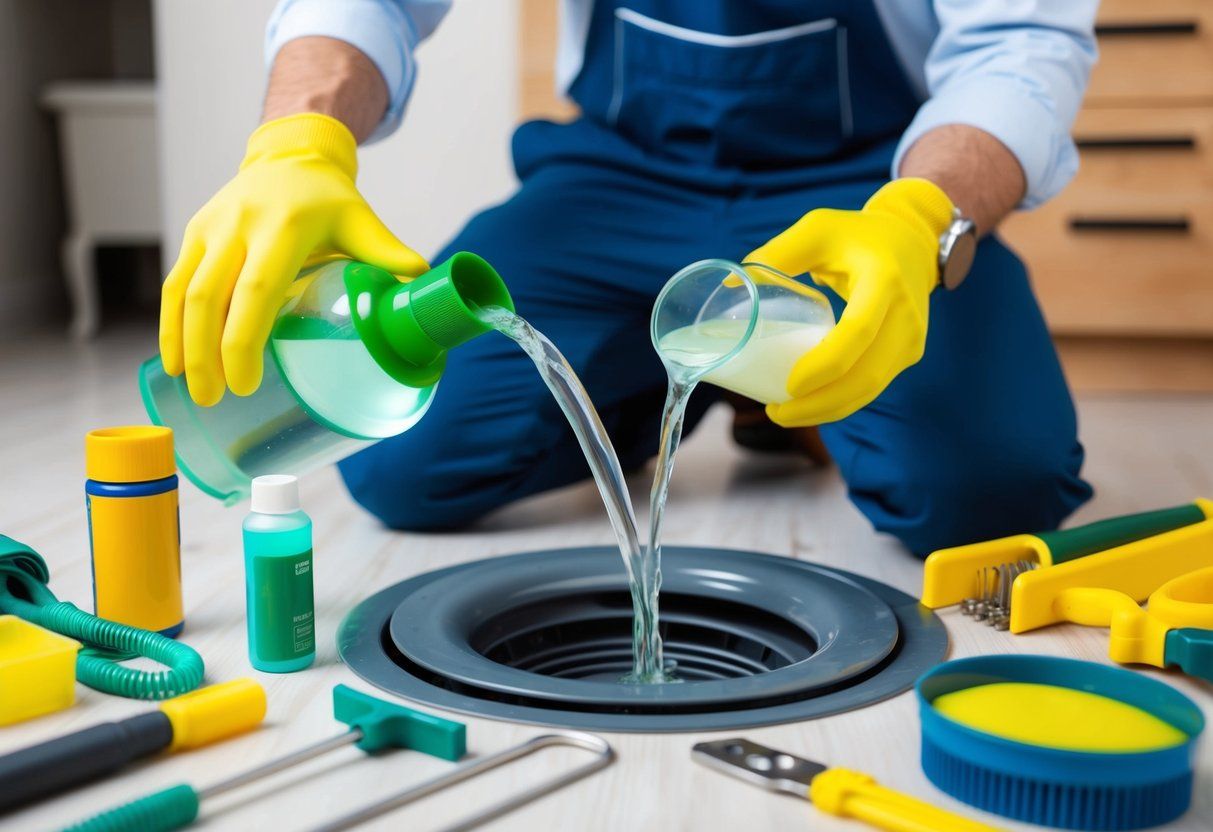
This classic technique involves baking soda and vinegar. First, pour half a cup of baking soda down the clogged drain. After that, add one cup of vinegar. The chemical reaction between these two creates a fizzing action that helps break down the clog. To enhance the process, we may use a drain cover to seal the opening and force the reaction into the clog.

Let the mixture sit for at least 15 minutes, then flush the drain with hot water. This technique is great for addressing slow drains without using harsh chemicals. It’s important to note that while effective for minor clogs, this method may not be sufficient for severe blockages.

Boiling Water Method

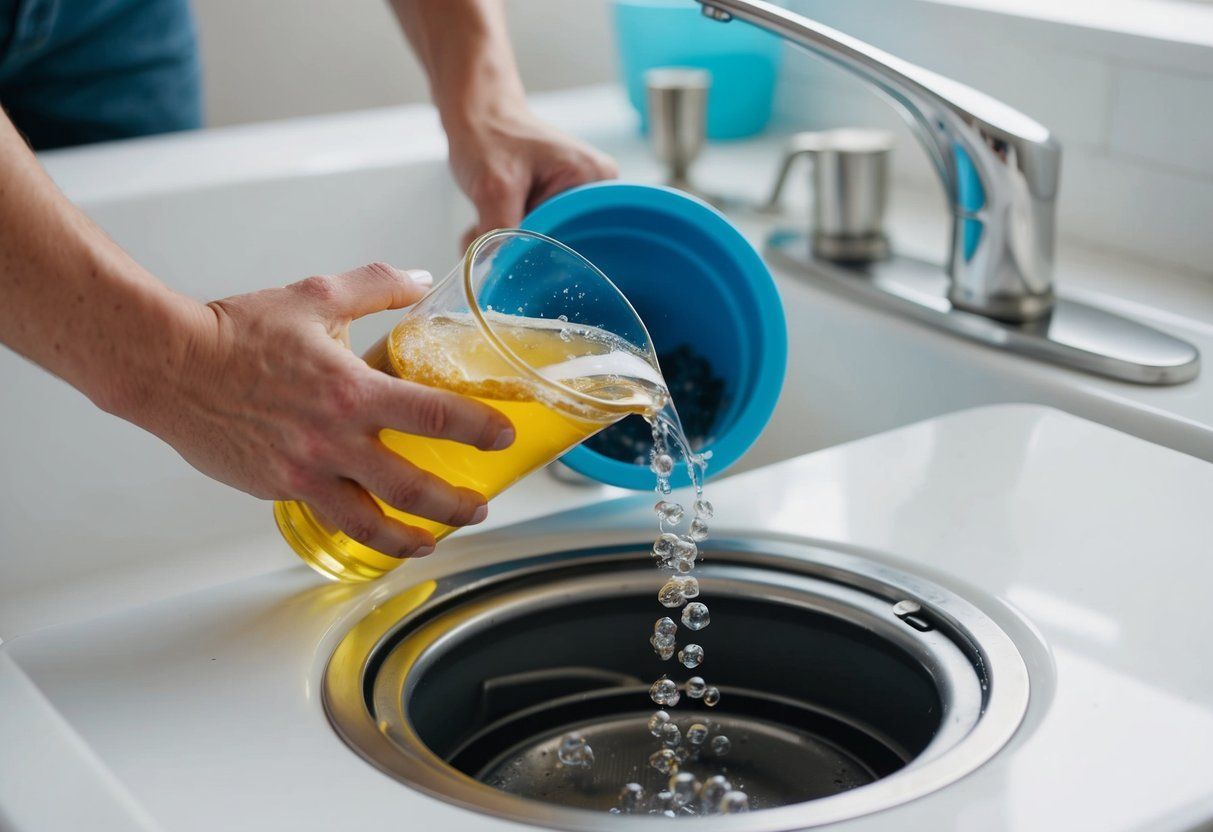
Using boiling water is another straightforward option. We need to boil a pot of water and carefully pour it directly into the drain in two to three stages. Pouring it slowly lets the hot water dissolve grease, soap scum, and other small debris lining the pipes.

It’s crucial to take care with PVC pipes, as boiling water can potentially damage them. For metal pipes, this method is safe and highly effective. The boiling water works best on minor clogs that are mainly caused by oily or soapy buildup. A key point is to repeat the process if needed until the drain clears.

Salt and Baking Soda Mixture

Combining salt and baking soda creates an abrasive action. Mix a half-cup of table salt with a half-cup of baking soda, then pour the mixture into the drain. Leave it to sit overnight, allowing the DIY drain cleaner to work on stubborn spots.

In the morning, flush with boiling water. This method might take a bit longer, but it’s ideal for stubborn clogs where other methods have not worked. The salt’s rough texture helps scrape away debris while the soda reacts with lingering acids in the clog. This natural and non-toxic technique is gentle yet effective for clearing buildup.

Mechanical Tools for Drain Cleaning

There are several mechanical tools we can use to clean drains without the need for harsh chemicals. These tools are efficient, easy to use, and environmentally friendly. Each method has its unique benefits and will tackle clogged drains in different ways.

Manual Drain Snakes

Manual drain snakes are handy tools for clearing simple clogs. They consist of a long, flexible coil of metal that we insert into the drain. By turning the handle, the snake twists through the clog, breaking it up.

These tools are perfect for sinks and bathtubs. They require minimal effort and are highly effective for small obstructions. The manual nature allows us to control the movement and pressure, reducing the risk of damage to pipes. With manual drain snakes, there’s no need to use chemicals, making it an eco-safe option.

Eco-Friendly Drain Augers

Drain augers function similarly to snakes but come with more power and reach. These have a mechanical crank or motor. They are ideal for larger pipes and more stubborn clogs.

Using a drain auger involves feeding the cable into the drain while rotating it to prod deeper blockages. They offer more leverage and force, which is advantageous for tough clogs. We choose eco-friendly options by selecting electric models that reduce emissions compared to gasoline-powered tools. This choice aligns with our eco-conscious approach.

Shop Vacuums for Liquid Removal

Shop vacuums offer a versatile solution when dealing with excess liquids and minor clogs. They have strong suction power, which is effective for sucking out water and debris from drains.

By switching to the blower setting, we can also push air through the drain, helping loosen clogs. Shop vacuums are particularly useful for handling flooded areas, as they quickly clear water. Choose models with multiple settings to adapt to different scenarios. They are a reliable, chemical-free method to tackle liquid build-ups efficiently.

Alternatives to Chemical Drain Cleaners

Chemical drain cleaners like sodium hydroxide, also known as lye or caustic soda, can harm plumbing and the environment. There are safer alternatives that use natural ingredients to clear clogs and reduce unpleasant odors without harsh chemicals.

Enzymatic Drain Cleaners

Enzymatic drain cleaners use natural enzymes and bacteria instead of harsh chemicals. They are great for breaking down grease buildup and food debris in drains.

These cleaners are typically safe for pipes and septic systems, unlike traditional drain cleaners. They work best when used regularly as a preventative measure since enzymes need time to break down organic matter.

Using enzyme cleaners is easy. We simply pour the recommended amount into the drain and let it sit overnight. This allows the enzymes to work efficiently without disturbing the process.

Natural Homemade Recipes

For those who prefer natural drain cleaners, there are simple homemade recipes. A mix of baking soda and white vinegar can help tackle clogs and freshen the drain.

To use this method, pour a 1/2 cup of baking soda down the drain, followed by 1 cup of vinegar. Cover and let it sit for about 30 minutes, then flush with hot water.

Another option is using borax. Mix 1/2 cup of borax with 1 cup of salt and 1 cup of vinegar, and pour it down the drain. After 30 minutes, rinse with boiling water. These natural recipes help manage clogs without the risks associated with chemical cleaners.

Recent Posts

Fast Response Plumbing technician servicing a water shut off valve in San Francisco
By Joe Tinsley July 17, 2026
Learn how gate valves, ball valves, and angle stops work, where to find them in your San Francisco home, and when to replace them. FAQs inside.
Budgeting for Unforeseen Sewer Line Maintenance Expenses
By Stefani January 31, 2026
Sewer line problems can hit your wallet fast, and we know the stress of a surprise repair. We show you how to plan a practical budget that covers emergency fixes, regular upkeep, and the big costs that sneak up on you. This saves you money and keeps small issues from turning into major failures. We […]

Seasonal Effects on Sewer Line Maintenance Costs
By Stefani January 30, 2026
You’ll want to know how seasons change what you pay for sewer line maintenance so you can plan ahead and avoid surprise bills. Seasonal weather, ground movement, and plant growth directly affect repair needs and costs, so budgeting by season cuts unexpected expenses. We outline what shifts costs, when repairs most often happen, and which […]

The Role of Location in Sewer Line Maintenance Pricing
By Stefani January 29, 2026
You’ll pay different amounts for sewer line maintenance depending on where your property sits and what’s under it. Location drives cost through factors like soil type, access difficulty, local labor rates, and permit rules, so knowing these lets you predict and plan for expenses. We’ll show how those local details shape quotes and outcomes. We’ll […]

Analyzing Material Expenses for Effective Sewer Line Care
By Stefani January 28, 2026
We’ll break down the real costs that matter for keeping a sewer line working well so you can plan and avoid surprises. You’ll learn which materials and fees drive most of the expense and how small choices can lower long-term costs. We’ll look at costs for parts, tools, permits, and regular cleaning, plus where labor […]

Understanding the Impact of Labor Costs on Sewer Line Maintenance
By Stefani January 25, 2026
You want to know how labor costs shape sewer line care and what that means for your wallet. We will show how wages, crew size, and the repair method you choose change the final bill so you can plan smarter and avoid surprises. Knowing which labor factors most drive costs lets you pick repair options […]

How to Interpret Sewer Line Inspection Reports
By Stefani January 24, 2026
You’ll get clear steps to decode the most important parts of a sewer line inspection report so you can act with confidence. We show you how to spot real problems, what each defect means, and which issues need immediate repair versus routine maintenance. We break the report into simple pieces what the camera images show, […]

Tool kit with hard hat, gloves, laptop, and handheld device on a workbench in a workshop
By Stefani January 23, 2026
You want tools that give clear answers fast so you can find problems and fix them right. We rely on high-quality sewer cameras, locating gear, and cleaning tools to spot cracks, blockages, and defects in sewer lines accurately. Knowing which tools to use helps a plumber save time and avoid costly mistakes. We will walk […]

Worker in blue hard hat inspecting a manhole on a street with a camera device
By Stefani January 22, 2026
You want sewer line inspections timed so they catch problems before they get costly or urgent. We recommend scheduling inspections based on seasonal risks winter freeze, spring thaw, and heavy fall rains because timing cuts repair costs and prevents service interruptions. We will explain how weather, soil movement, and tree roots change the risk level […]
Common Mistakes to Avoid During Sewer Line Inspections
By Stefani January 18, 2026
We know sewer line inspections feel technical and tense, but avoiding a few common mistakes protects your home and wallet. Start by planning the inspection, knowing what to look for, and involving a qualified professional when signs point to trouble. That simple approach cuts down on missed problems and costly surprises. We will walk through […]
Show More