
Cost Factors to Consider in Commercial Plumbing System Installation: Key Insights for Business Owners

daniel • December 16, 2024

Share this article

Understanding Commercial Plumbing Systems

When we talk about commercial plumbing, it involves more complex systems compared to residential plumbing. These systems need to support larger infrastructures such as office buildings, malls, or factories.

Components and Functionality

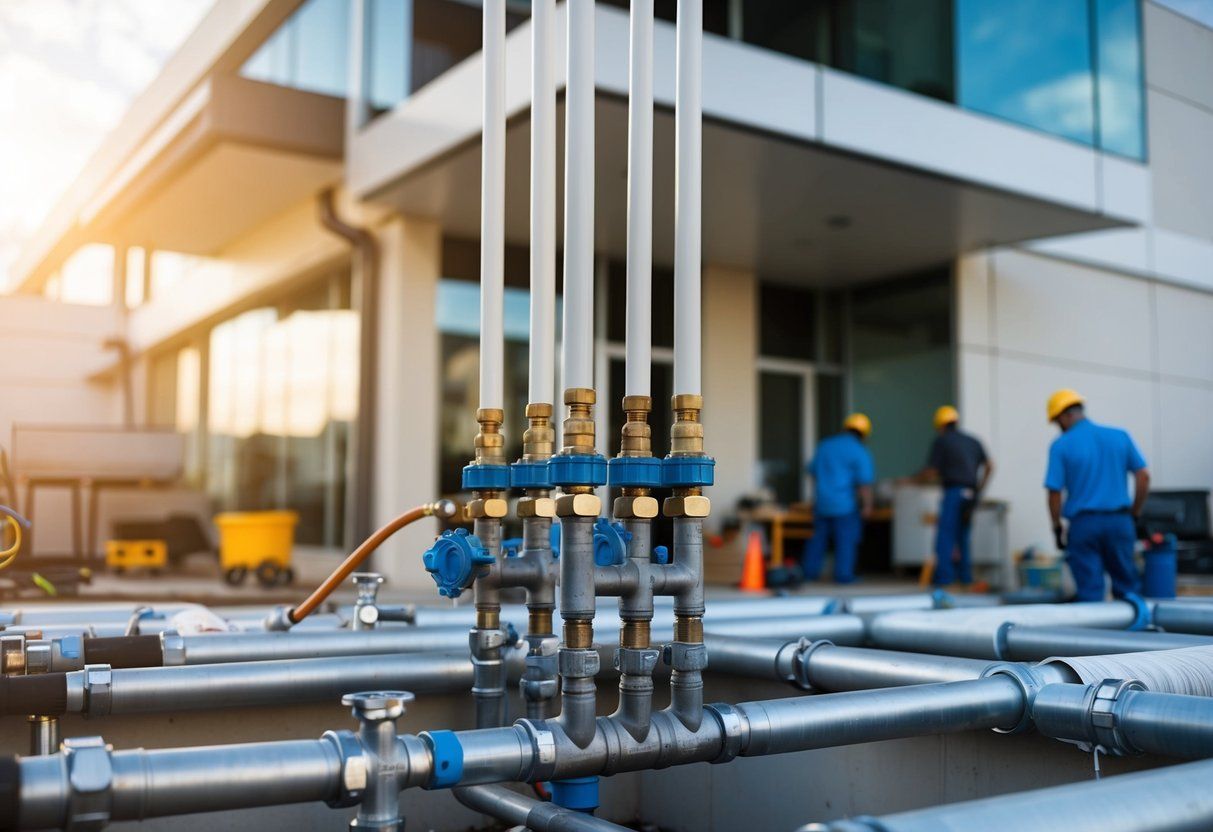
Commercial plumbing systems have several key components. Pipes, fittings, valves, and fixtures are fundamental parts. They work together to ensure water flows correctly throughout the building.

We also consider drainage and sewage systems. These are important because they remove waste and prevent blockages. Water heaters may also be larger or multiple units to meet the greater demand.

Maintenance and regular inspection are necessary. These systems are often used by many people, increasing wear and tear. Understanding these components helps us plan for reliable and efficient plumbing in commercial settings.

Comparing Commercial and Residential Plumbing

While both commercial and residential plumbing systems aim to deliver water and remove waste, they differ in scale and complexity. Commercial systems are designed to handle more frequent use and larger water volumes.

Materials used in commercial plumbing are often more durable. This is because they need to withstand heavy use and ensure longevity. We also see more technical installations, like complex water recycling systems or advanced pressure controls, which are less common in homes.

Our experience shows that regulations and compliance are stricter for commercial projects. This means we must carefully adhere to building standards and codes , ensuring safety and functionality for all users.

Pre-Installation Considerations

Before installing a commercial plumbing system, there are several important factors we need to consider. These include evaluating the site’s location and how easy it is to access, ensuring that all local plumbing codes and regulations are met, and choosing materials that offer both durability and efficiency.

Assessing Site Location and Accessibility

The site’s location is critical. We must evaluate its proximity to essential utilities like water sources and sewage lines. In urban areas, being close can reduce installation costs. However, in remote locations, more infrastructure may be needed, which could increase costs.

Accessibility is another key factor. We need to ensure that equipment and materials can be easily transported to the site. Limited access can lead to increased labor costs and delays. It’s crucial to assess road conditions and any restrictions in place, like weight limits or road closures.

Compliance with Local Codes and Regulations

Every commercial property must comply with local plumbing codes and regulations. These codes ensure safety and efficiency. We need to obtain all necessary building permits before beginning the installation process.

Local codes may vary, so it’s important to work with local authorities to understand specific requirements. Non-compliance can lead to costly fines or mandatory changes. Our focus should be on meeting water and energy efficiency standards, which not only comply with laws but also benefit our long-term operational costs.

Material Selection for Durability and Efficiency

Material selection plays a crucial role in the longevity and performance of the plumbing system. We need to choose materials that resist corrosion and support both energy and water efficiency.

Commonly used materials like copper, PVC, and PEX each have their benefits. Copper is highly durable but can be more expensive. PVC is cost-effective and resistant to corrosion, while PEX is flexible and easy to install. Our choice should consider not just cost, but also the specific needs of the project.

Cost Breakdown of Commercial Plumbing Installation

When it comes to installing commercial plumbing systems, several key costs must be considered. These include labor costs related to project complexity, material and equipment expenses, as well as permit and inspection charges.

Labor Costs and Project Complexity

Labor costs make up a significant part of commercial plumbing costs. The complexity of the project directly affects these costs. More complex installations require more skilled workers and longer hours.

Project Complexity Factors

  • Building type and size
  • System design complexity
  • Existing infrastructure

These factors can influence the plumbing cost per square foot. Hiring professionals ensures quality but increases expenses. We must consider the balance between hiring skilled workers and managing costs. Understanding this balance helps us budget effectively and avoid unforeseen expenses in the long run.

Estimating Material and Equipment Expenses

Material costs can vary greatly based on choices like PEX or copper piping. Both have distinct advantages and price differences. PEX piping is generally cheaper and flexible, while copper piping offers durability and higher longevity but costs more.

Equipment costs depend on the type needed for the project. This includes pumps, valves, and other essential tools.

To get a clearer picture, let’s list some common materials and their average costs:

Material Average Cost
Copper Piping $2 – $4 per foot
PEX Piping $0.50 – $2 per foot

Price can fluctuate based on market conditions. Evaluating quality and cost is critical in decision-making.

Permit Fees and Inspection Charges

Permits and inspections are crucial for commercial plumbing installations. Without them, we risk penalties or project shutdowns. Permit fees can vary depending on the location and scope of work.

Important Costs

  • Permit application fees
  • Inspection fees

We need to factor these into the overall project budget. Navigating the permit process can be time-consuming but is necessary for meeting local building codes. Proper planning here can prevent costly delays and ensure compliance with regulations.

Installation Process and Techniques

In commercial plumbing, the installation process involves different stages, each focused on specific tasks. We tackle the setup with precision to ensure effectiveness and reliability.

Rough-In Stage and Piping Systems

The rough-in stage is crucial. We lay the groundwork for the entire system. Our focus is on installing pipes behind walls and under floors without connecting to the fixtures. This involves choosing the right pipe materials such as copper, PVC, or PEX, each having unique benefits and suitable applications.

Copper pipes are durable and often used for hot water lines. PVC, on the other hand, is cost-effective and great for drain lines. PEX is flexible and ideal for retrofits, making it popular in modern systems.

We also consider the building’s blueprint to map out the excavation points and trench paths accurately. Rough-in plumbing requires coordination with other contractors to avoid conflicts, like electrical or HVAC installations. Identifying the right locations for pipes is key to ensuring optimal water flow and pressure.

Finish Plumbing and Fixture Installation

Once the piping systems are in place, we shift to finish plumbing. This stage involves connecting sinks, toilets, and other plumbing fixtures. It’s crucial to ensure that fixtures align with the rough-in setup. Selecting quality fixtures that offer durability and match the design is essential. Options range from basic models to high-end designs depending on budget and client preferences.

During fixture installation, our attention to detail ensures everything is correctly sealed to prevent leaks. We test each connection to ensure there is no water leakage, which is crucial for maintaining a reliable system. Proper fixture installation impacts the overall performance and life expectancy of the plumbing system, making it a critical step for successful completion.

Post-Installation and Maintenance Strategies

After installing a commercial plumbing system, focusing on maintenance is vital. Regular inspections and strategic preventative measures help control costs and extend the system’s life.

Conducting Regular Inspections and Repairs

We must prioritize frequent inspections to keep plumbing systems running smoothly. Regular inspections can catch small issues before they become larger, expensive problems. It’s helpful to schedule inspections with professional services that can provide a detailed assessment.

By reviewing areas such as pipes, valves, and connections, we can identify wear and leaks early. Inspection fees are an investment in maintaining system integrity. Timely repairs are crucial, as procrastination can lead to increased maintenance costs and possible disruptions. Sticking to a consistent schedule helps us ensure longevity and efficiency.

Cost-Efficient Preventative Maintenance

Implementing preventative maintenance plans is another important strategy. By addressing minor repairs or adjustments in advance, we avoid costly emergencies. Preventative measures, such as cleaning drains and checking for leaks, reduce long-term expenses.

We should work with commercial plumbing services that offer maintenance packages tailored to our needs, focusing on cost savings. This way, we control costs while maintaining high standards. Together, these strategies keep our plumbing system reliable. A proactive approach minimizes potential disruptions and ensures consistent service quality.

Recent Posts

Fast Response Plumbing technician servicing a water shut off valve in San Francisco
By Joe Tinsley July 17, 2026
Learn how gate valves, ball valves, and angle stops work, where to find them in your San Francisco home, and when to replace them. FAQs inside.
Budgeting for Unforeseen Sewer Line Maintenance Expenses
By Stefani January 31, 2026
Sewer line problems can hit your wallet fast, and we know the stress of a surprise repair. We show you how to plan a practical budget that covers emergency fixes, regular upkeep, and the big costs that sneak up on you. This saves you money and keeps small issues from turning into major failures. We […]
Seasonal Effects on Sewer Line Maintenance Costs
By Stefani January 30, 2026
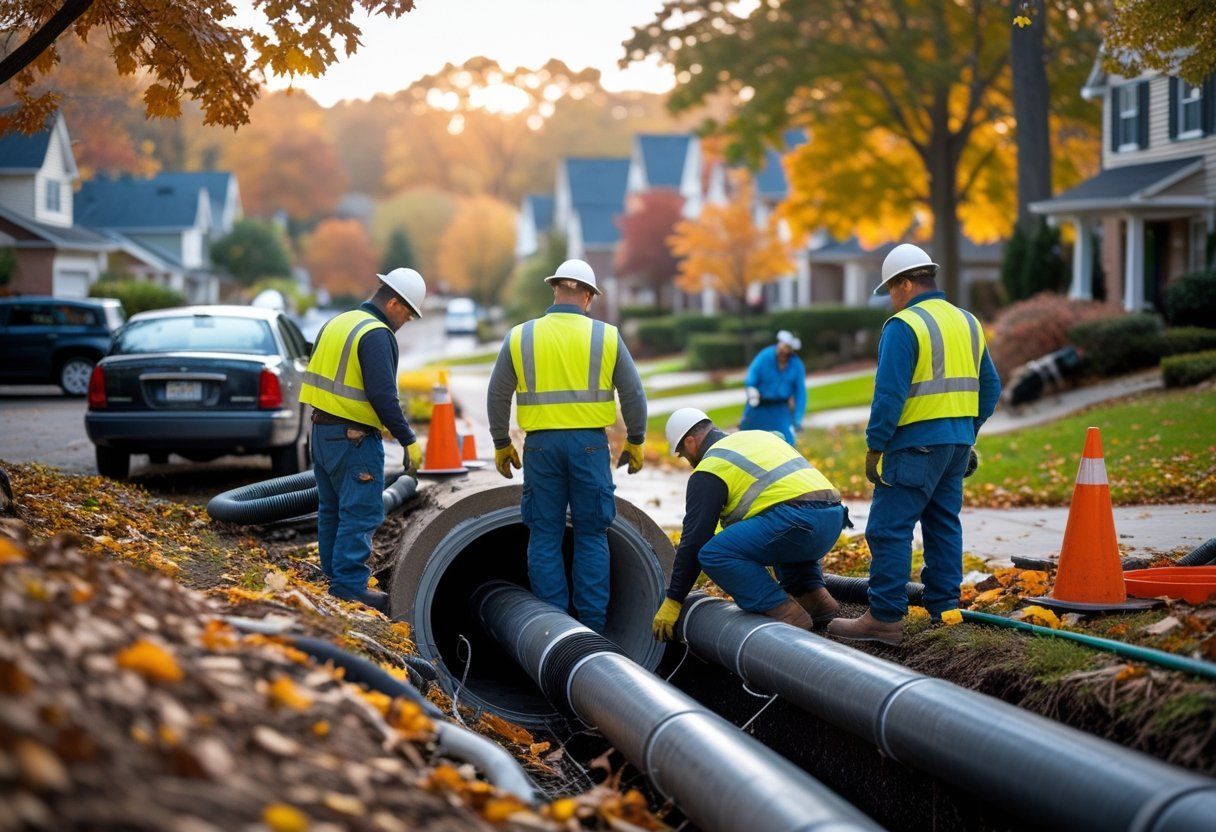
You’ll want to know how seasons change what you pay for sewer line maintenance so you can plan ahead and avoid surprise bills. Seasonal weather, ground movement, and plant growth directly affect repair needs and costs, so budgeting by season cuts unexpected expenses. We outline what shifts costs, when repairs most often happen, and which […]
The Role of Location in Sewer Line Maintenance Pricing
By Stefani January 29, 2026
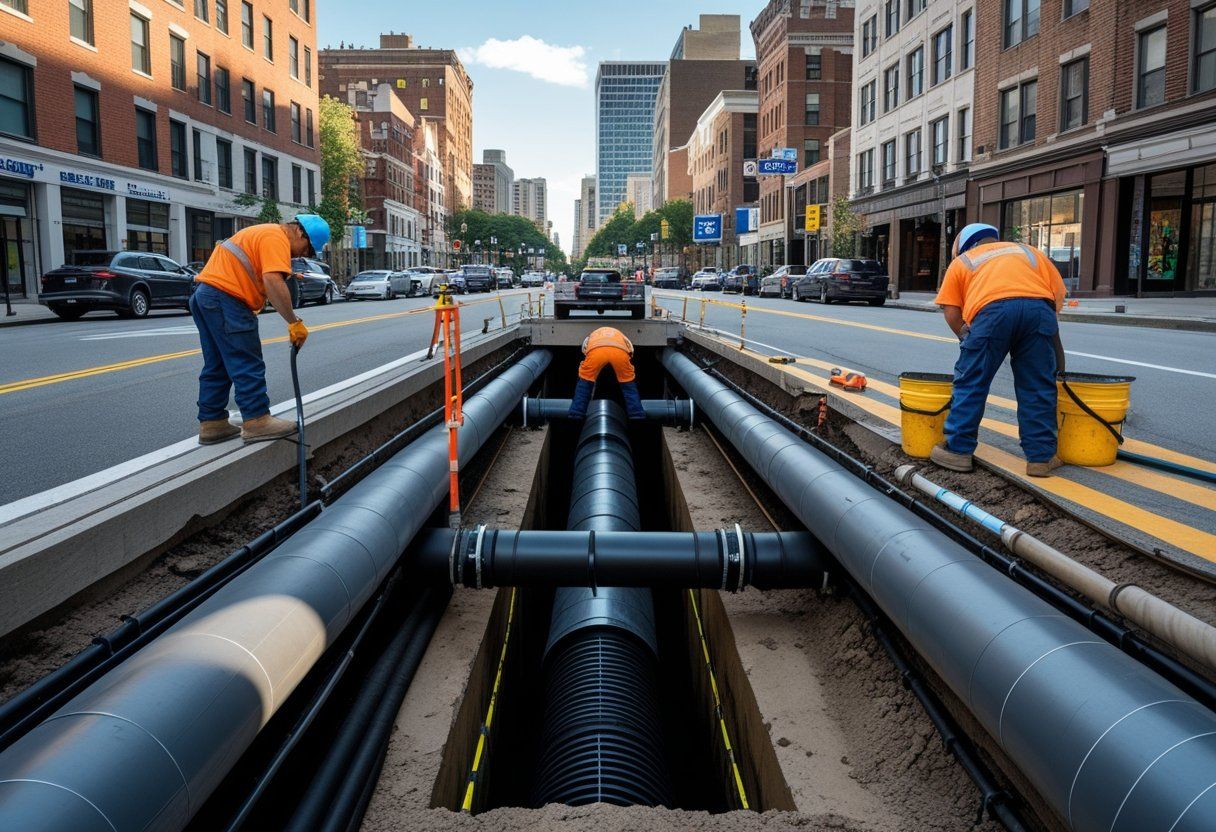
You’ll pay different amounts for sewer line maintenance depending on where your property sits and what’s under it. Location drives cost through factors like soil type, access difficulty, local labor rates, and permit rules, so knowing these lets you predict and plan for expenses. We’ll show how those local details shape quotes and outcomes. We’ll […]
Analyzing Material Expenses for Effective Sewer Line Care
By Stefani January 28, 2026
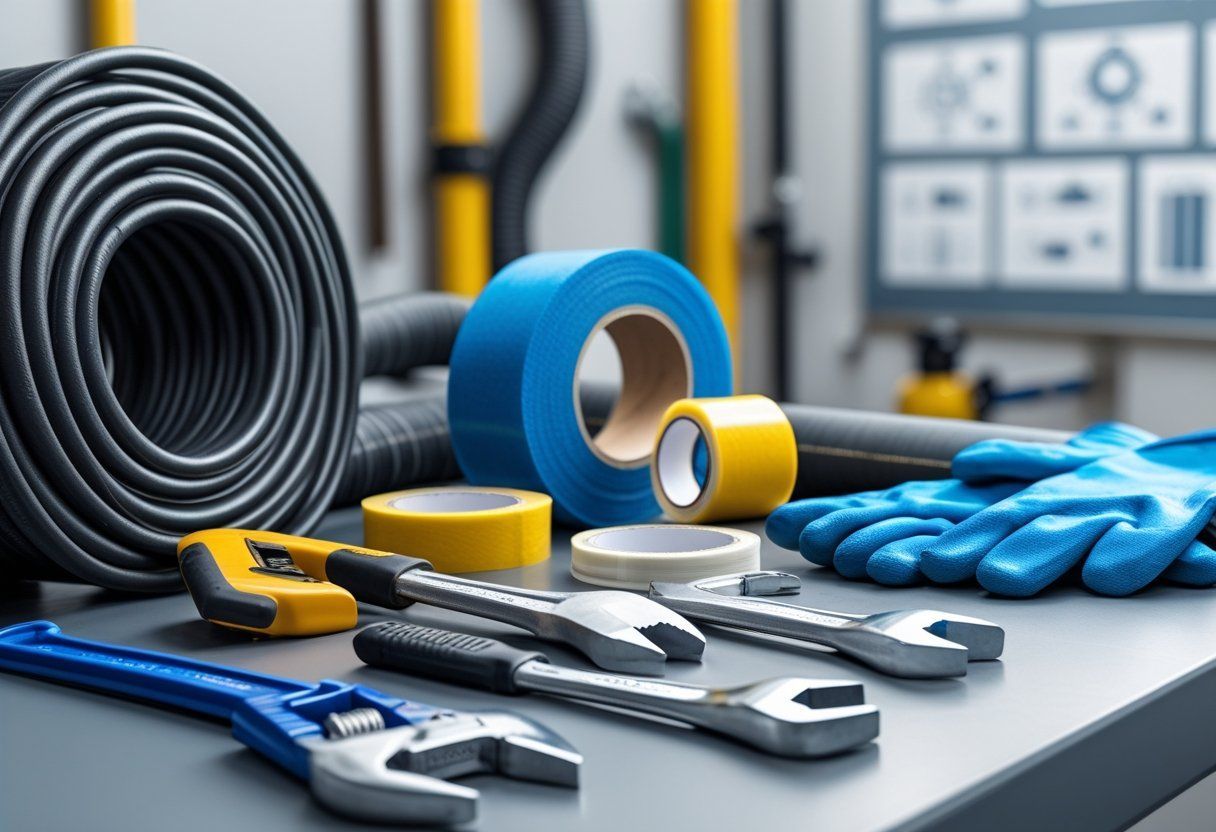
We’ll break down the real costs that matter for keeping a sewer line working well so you can plan and avoid surprises. You’ll learn which materials and fees drive most of the expense and how small choices can lower long-term costs. We’ll look at costs for parts, tools, permits, and regular cleaning, plus where labor […]
Understanding the Impact of Labor Costs on Sewer Line Maintenance
By Stefani January 25, 2026
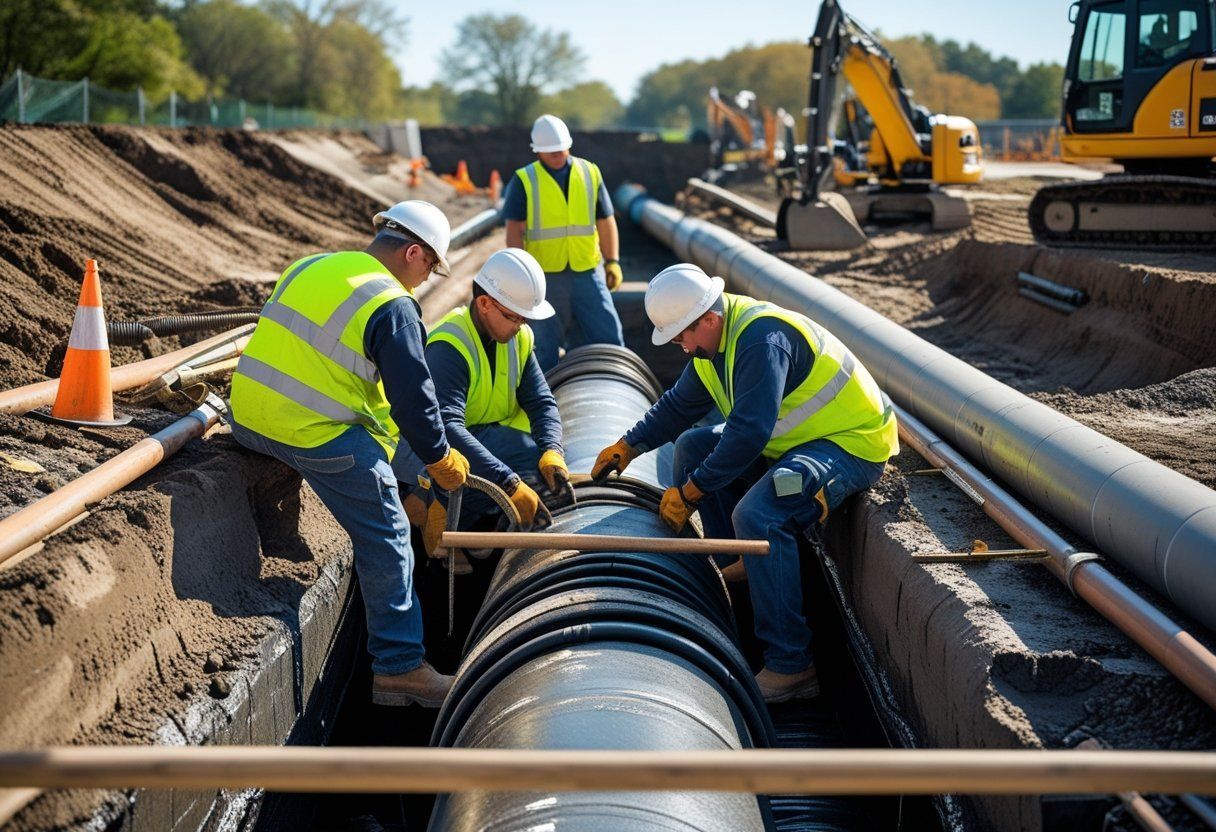
You want to know how labor costs shape sewer line care and what that means for your wallet. We will show how wages, crew size, and the repair method you choose change the final bill so you can plan smarter and avoid surprises. Knowing which labor factors most drive costs lets you pick repair options […]
How to Interpret Sewer Line Inspection Reports
By Stefani January 24, 2026
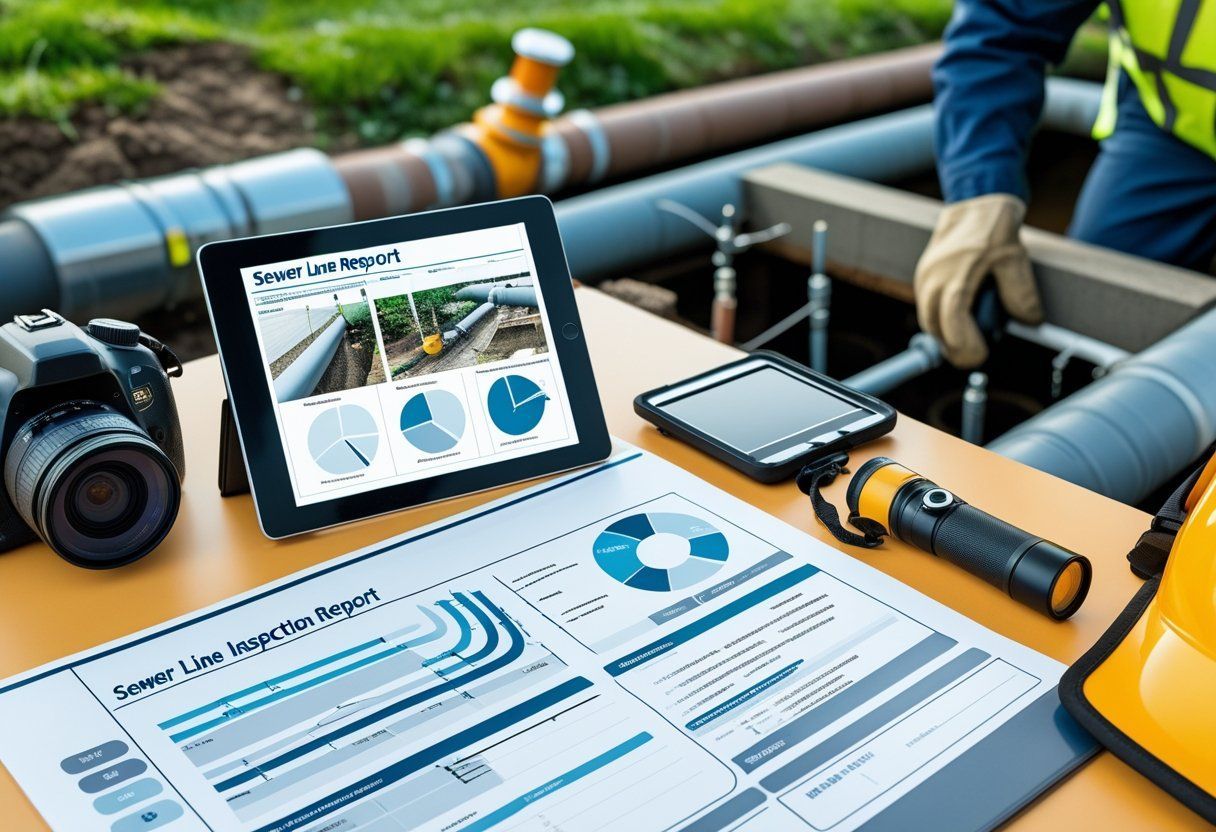
You’ll get clear steps to decode the most important parts of a sewer line inspection report so you can act with confidence. We show you how to spot real problems, what each defect means, and which issues need immediate repair versus routine maintenance. We break the report into simple pieces what the camera images show, […]
By Stefani January 23, 2026
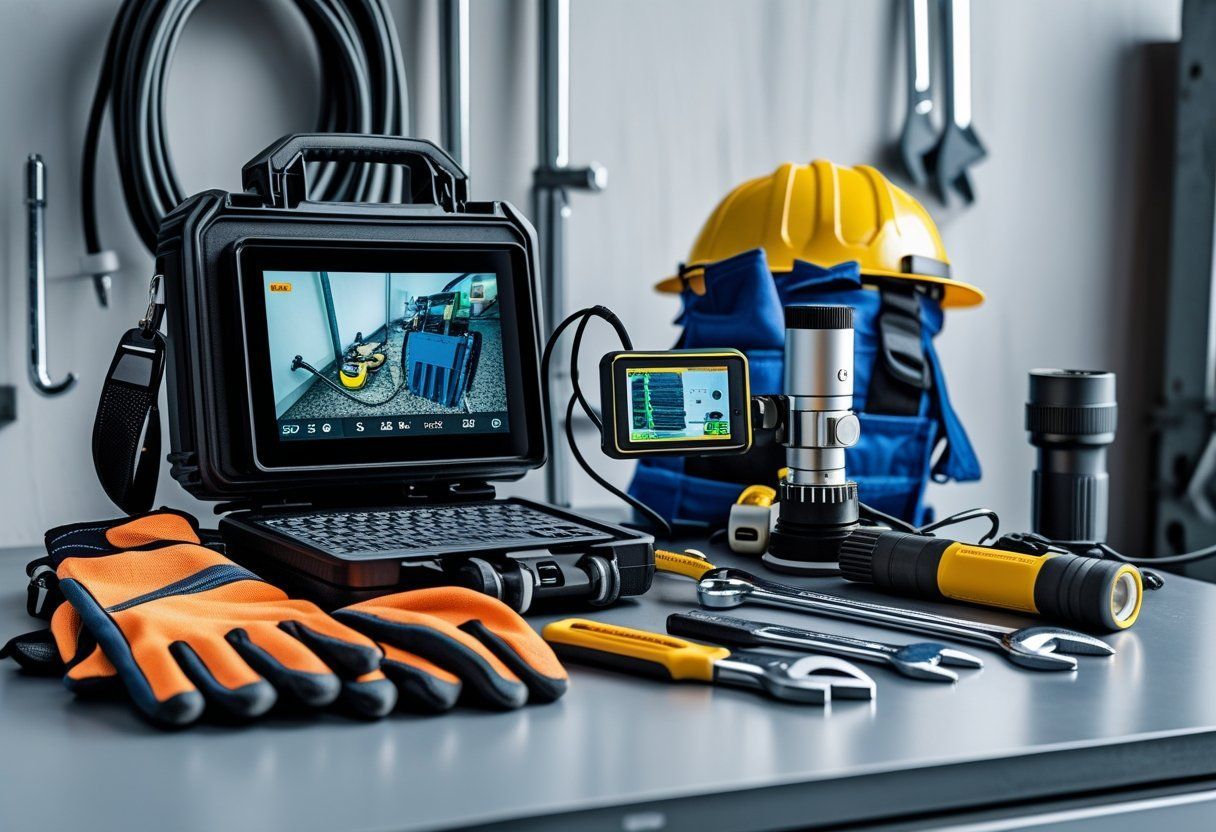
You want tools that give clear answers fast so you can find problems and fix them right. We rely on high-quality sewer cameras, locating gear, and cleaning tools to spot cracks, blockages, and defects in sewer lines accurately. Knowing which tools to use helps a plumber save time and avoid costly mistakes. We will walk […]
By Stefani January 22, 2026
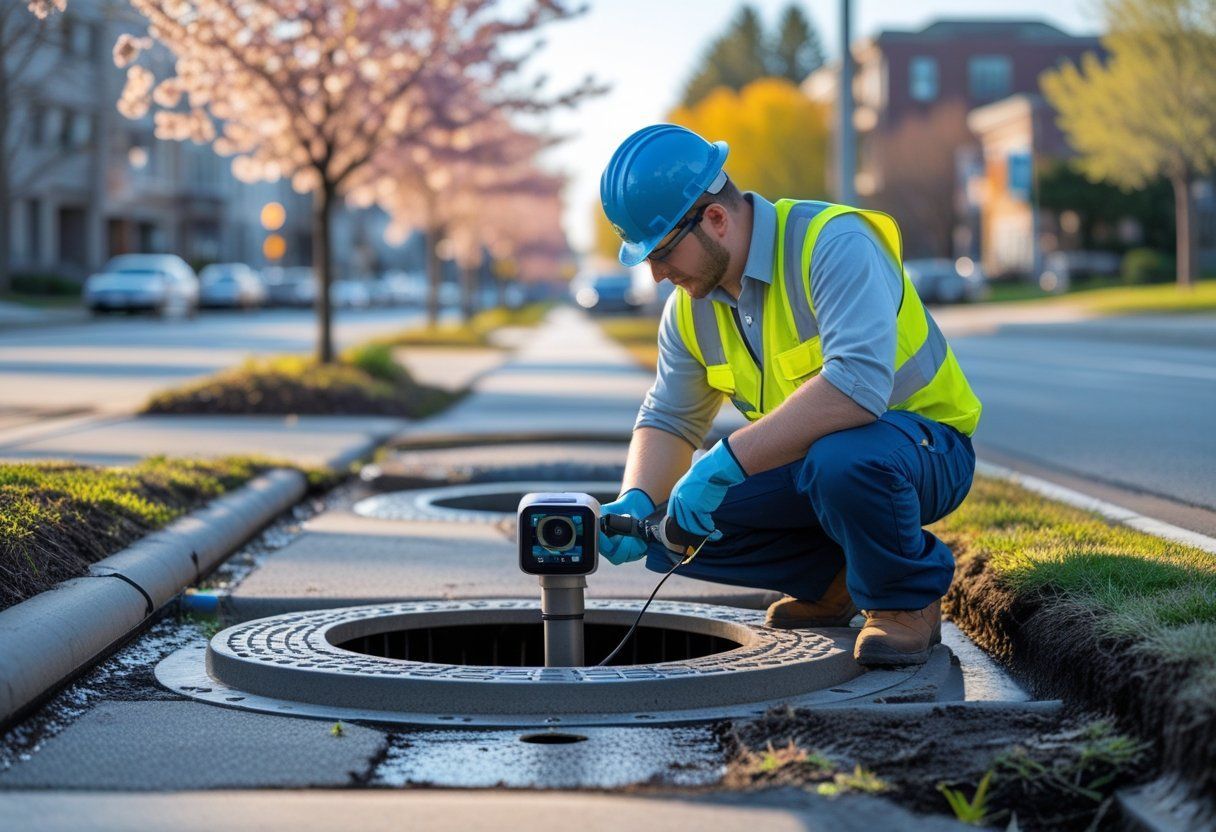
You want sewer line inspections timed so they catch problems before they get costly or urgent. We recommend scheduling inspections based on seasonal risks winter freeze, spring thaw, and heavy fall rains because timing cuts repair costs and prevents service interruptions. We will explain how weather, soil movement, and tree roots change the risk level […]
Common Mistakes to Avoid During Sewer Line Inspections
By Stefani January 18, 2026
We know sewer line inspections feel technical and tense, but avoiding a few common mistakes protects your home and wallet. Start by planning the inspection, knowing what to look for, and involving a qualified professional when signs point to trouble. That simple approach cuts down on missed problems and costly surprises. We will walk through […]
Show More