
Cost Factors to Consider for Pipe Replacement Projects: Key Budgeting Aspects

Stefani • February 7, 2025

Share this article

Understanding Plumbing Systems and Materials

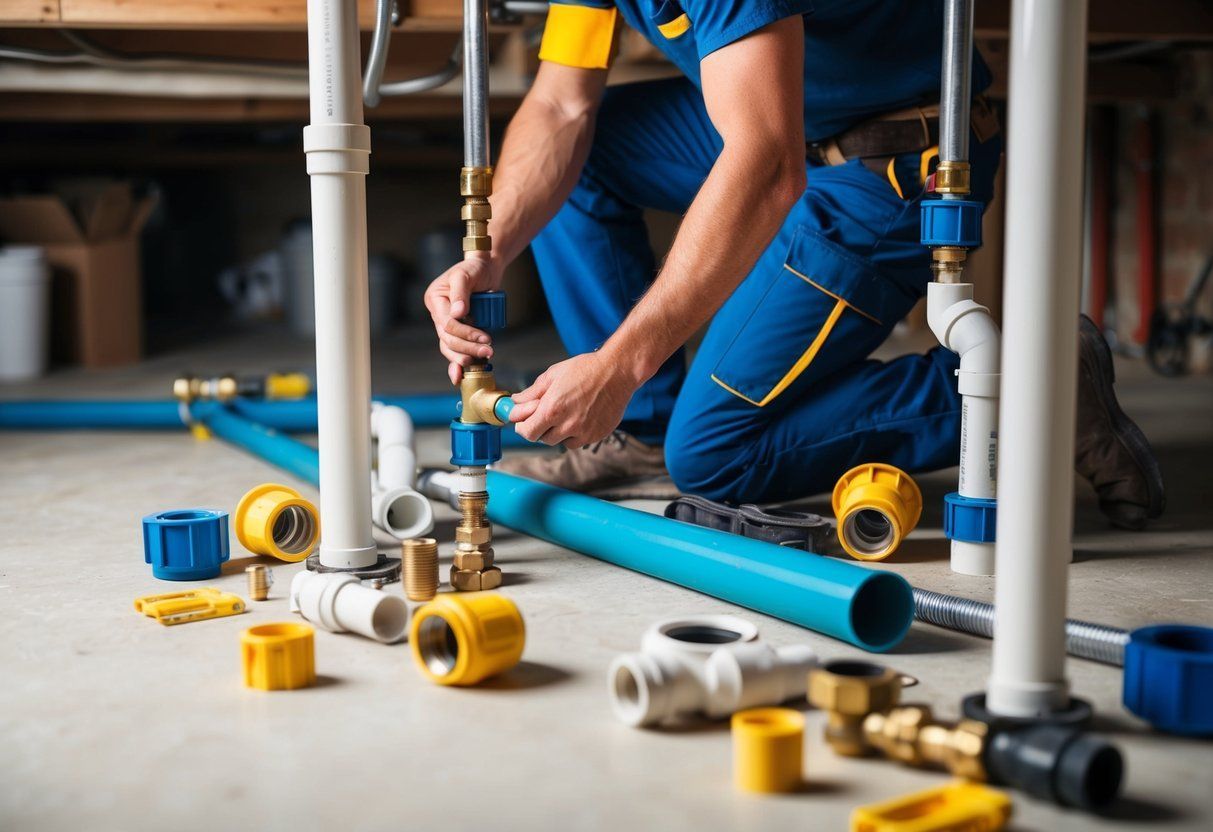
When considering pipe replacement, it’s essential to focus on the materials and durability of the pipes. Different materials offer benefits like resistance to corrosion or enhanced flexibility.

Comparing Pipe Materials

Choosing the right pipe material affects how the plumbing system functions. Copper pipes are classic and widely used due to their long lifespan and reliability. They are corrosion-resistant and can withstand high temperatures, making them ideal for hot water lines.

PVC pipes are popular for their affordability and ease of installation. They work well in cold water lines and don’t rust or corrode. CPVC pipes are similar but handle higher temperatures, offering a middle ground between PVC and copper piping, especially in residential projects where heat tolerance is necessary.

Copper, PVC, and CPVC each have unique attributes that suit different plumbing needs. Our task is to weigh these against the specific requirements of our project, ensuring performance and longevity.

Assessing Pipe Durability and Flexibility

When evaluating pipe options, durability and flexibility become critical factors. Copper piping is known for its strong, tough nature but lacks flexibility, making installation more complex in tight spaces. The trade-off is well worth it if we prioritize long-term service and robust performance.

On the other hand, PVC and CPVC pipes offer more flexibility. This trait simplifies installation, especially in difficult-to-reach areas. While they may not match copper in terms of durability in extreme conditions, they provide exceptional ease of use and are less prone to cracking under pressure changes.

Our choice needs to balance these aspects, prioritizing where flexibility and ease of installation are more critical or where durability under pressure is non-negotiable.

Cost Breakdown of Pipe Installation

Pipe installation involves several key cost factors. The main components are labor expenses, materials, and any special needs like insulation. It’s essential to know each factor’s impact on the overall project cost.

Labor Costs for Pipe Laying

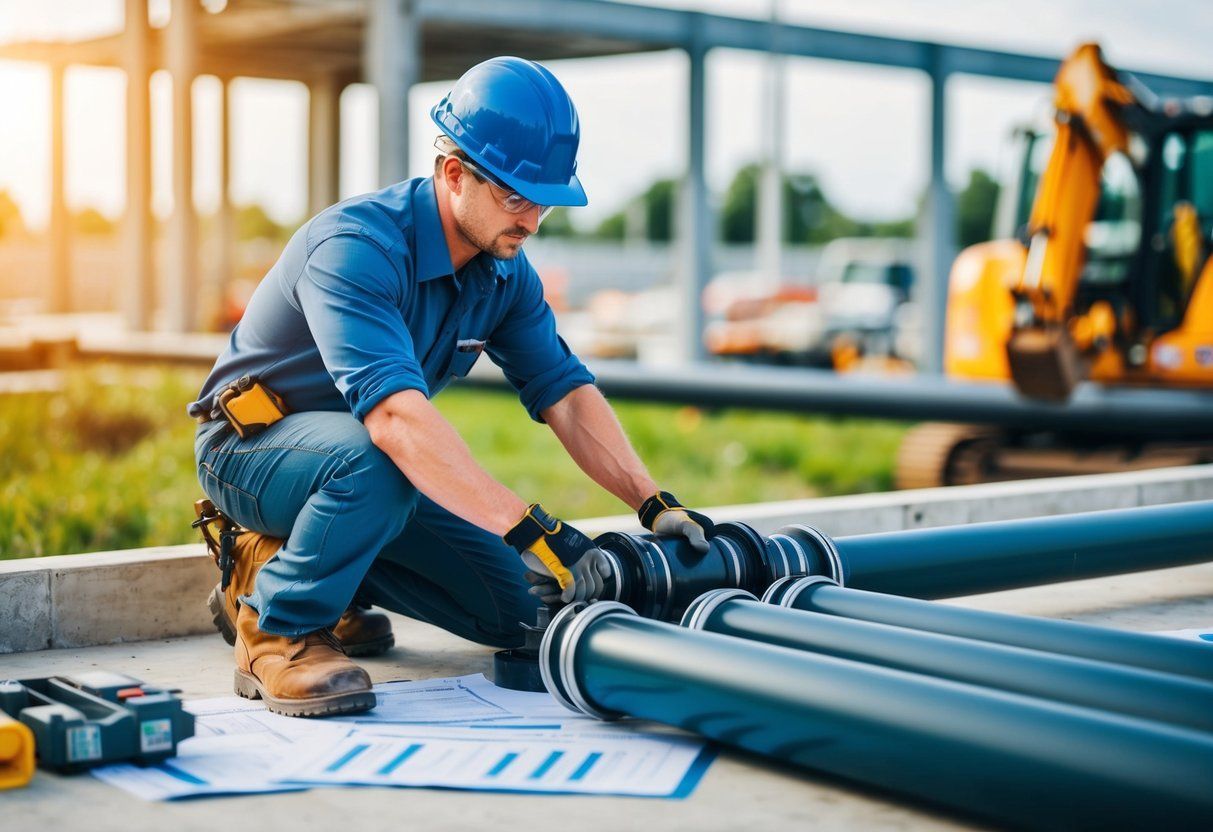
Labor costs can be a significant part of the total expenses. Skilled workers like plumbers are needed for proper pipe laying, and their fees can vary. The size and length of the pipe can affect how long the project takes, which impacts labor costs. Larger diameters usually mean more work, requiring more time and higher expenses. We often find that labor costs account for a large percentage of total expenses on a plumbing project, so it’s crucial to consider this when budgeting.

Materials and Overheads

Materials include the pipes themselves, which can vary in cost based on the type and quality. For example, CPVC pipes might be more affordable but may not always suit every project. Alongside pipes, we consider valves, fittings, and adhesive. On top of this, overheads like transport and permits can also affect the budget. Choosing the right materials and accounting for these overheads helps keep costs manageable.

Insulation and Special Requirements

Certain projects need extra attention, like insulation, to maintain pipe quality and efficiency. Insulation is crucial in areas with temperature extremes to prevent leaks or bursts. This adds to expenses but can save repair costs later. Special requirements might include specific pipe coatings or supports. We ensure these elements are factored into the cost from the start for a smooth installation process.

Site-Specific Factors Influencing Costs

When planning a pipe replacement project, there are several key location-based factors to consider. These factors include trenching and excavation needs, issues with underground pipes, and the water pressure and flow requirements of the plumbing system.

Trenching and Excavation

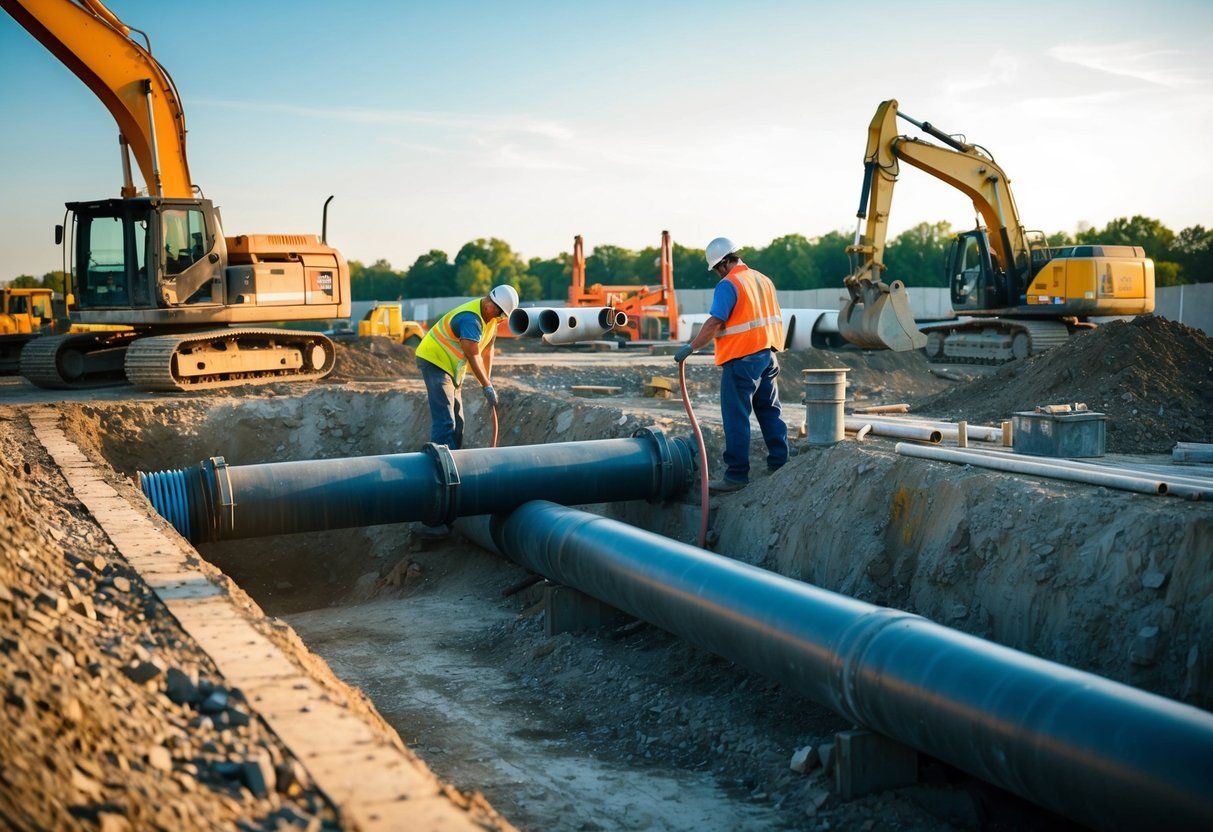
Trenching is a major part of the cost in any pipe replacement project. The depth and width required for trenches can affect expenses significantly. We must assess soil type, as rocky or clay soils can increase trenching difficulty. Equipment and labor costs may rise if the area is congested or hard to access.

In urban zones, risks such as utility lines and existing infrastructure may require careful excavation. This can slow down progress and increase the project’s budget. Adhering to local regulations on excavation is another important consideration, potentially impacting both timeline and cost.

Underground Pipe Challenges

Installing underground pipes presents its own set of challenges. We face increased costs if pipes must navigate around obstructions or existing structures. Older pipes may need to be removed before new ones can be installed, adding complexity and expense.

We must also consider potential environmental impacts. Ground stability and soil composition play a crucial role in the project’s feasibility. When working in areas with high groundwater levels, additional measures might be needed to ensure pipes remain secure and functional.

Water Pressure and Flow Requirements

Understanding the water pressure and flow needs of a plumbing system is crucial. Inadequate water pressure could affect daily operations, leading to increased utility costs. We must examine the system’s demands to ensure pipes are properly sized and positioned to meet those needs efficiently.

High flow requirements might necessitate larger or specialized piping, which can increase costs. Additionally, local water quality standards may influence the type of materials suitable for installation. Ensuring that our system meets or exceeds these standards is vital for long-term operational success.

Project Planning and Execution

When planning a pipe replacement project, we should consider the project scale and timeframe. This includes thinking about old pipe disposal, water and sewer pipe installation, and impacts on plumbing fixtures.

Calculating Project Scale and Scope

First, we examine the number and size of pipes that need replacing. Small projects might involve just a few pipes, while larger ones could affect the entire plumbing system. Identifying whether these are water or sewer pipes is key, as different methods are used for installation.

We must consider the proper disposal of old pipes. Regulations may require special handling, especially if they contain hazardous materials. It’s crucial to budget for this part. We also need to check how it affects existing plumbing fixtures, ensuring they remain functional throughout the project.

Scheduling and Timeframes

Setting a realistic schedule is important. We estimate the time needed for each stage — from removing old pipes to installing new ones. When planning the schedule, we must account for possible delays, like shipping issues or bad weather.

It’s essential to coordinate with contractors and suppliers to meet all timeframes. This ensures that sewer and water pipe installations are completed on time. We also factor in the time needed for final inspections and make adjustments to minimize any disruption to regular activities. By considering all these factors, we can ensure a smooth execution of the project plan.

Recent Posts

Fast Response Plumbing technician servicing a water shut off valve in San Francisco
By Joe Tinsley July 17, 2026
Learn how gate valves, ball valves, and angle stops work, where to find them in your San Francisco home, and when to replace them. FAQs inside.
Budgeting for Unforeseen Sewer Line Maintenance Expenses
By Stefani January 31, 2026
Sewer line problems can hit your wallet fast, and we know the stress of a surprise repair. We show you how to plan a practical budget that covers emergency fixes, regular upkeep, and the big costs that sneak up on you. This saves you money and keeps small issues from turning into major failures. We […]
Seasonal Effects on Sewer Line Maintenance Costs
By Stefani January 30, 2026
You’ll want to know how seasons change what you pay for sewer line maintenance so you can plan ahead and avoid surprise bills. Seasonal weather, ground movement, and plant growth directly affect repair needs and costs, so budgeting by season cuts unexpected expenses. We outline what shifts costs, when repairs most often happen, and which […]
The Role of Location in Sewer Line Maintenance Pricing
By Stefani January 29, 2026
You’ll pay different amounts for sewer line maintenance depending on where your property sits and what’s under it. Location drives cost through factors like soil type, access difficulty, local labor rates, and permit rules, so knowing these lets you predict and plan for expenses. We’ll show how those local details shape quotes and outcomes. We’ll […]
Analyzing Material Expenses for Effective Sewer Line Care
By Stefani January 28, 2026
We’ll break down the real costs that matter for keeping a sewer line working well so you can plan and avoid surprises. You’ll learn which materials and fees drive most of the expense and how small choices can lower long-term costs. We’ll look at costs for parts, tools, permits, and regular cleaning, plus where labor […]
Understanding the Impact of Labor Costs on Sewer Line Maintenance
By Stefani January 25, 2026
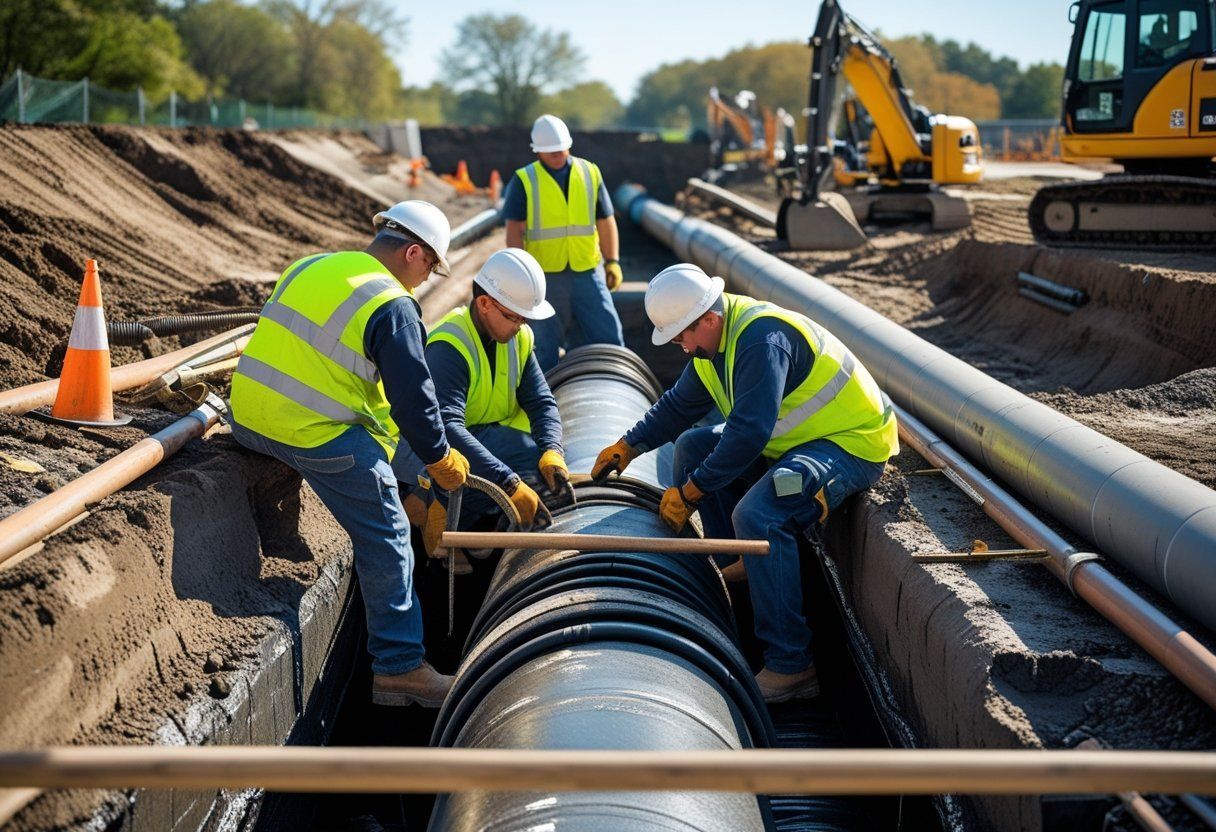
You want to know how labor costs shape sewer line care and what that means for your wallet. We will show how wages, crew size, and the repair method you choose change the final bill so you can plan smarter and avoid surprises. Knowing which labor factors most drive costs lets you pick repair options […]
How to Interpret Sewer Line Inspection Reports
By Stefani January 24, 2026
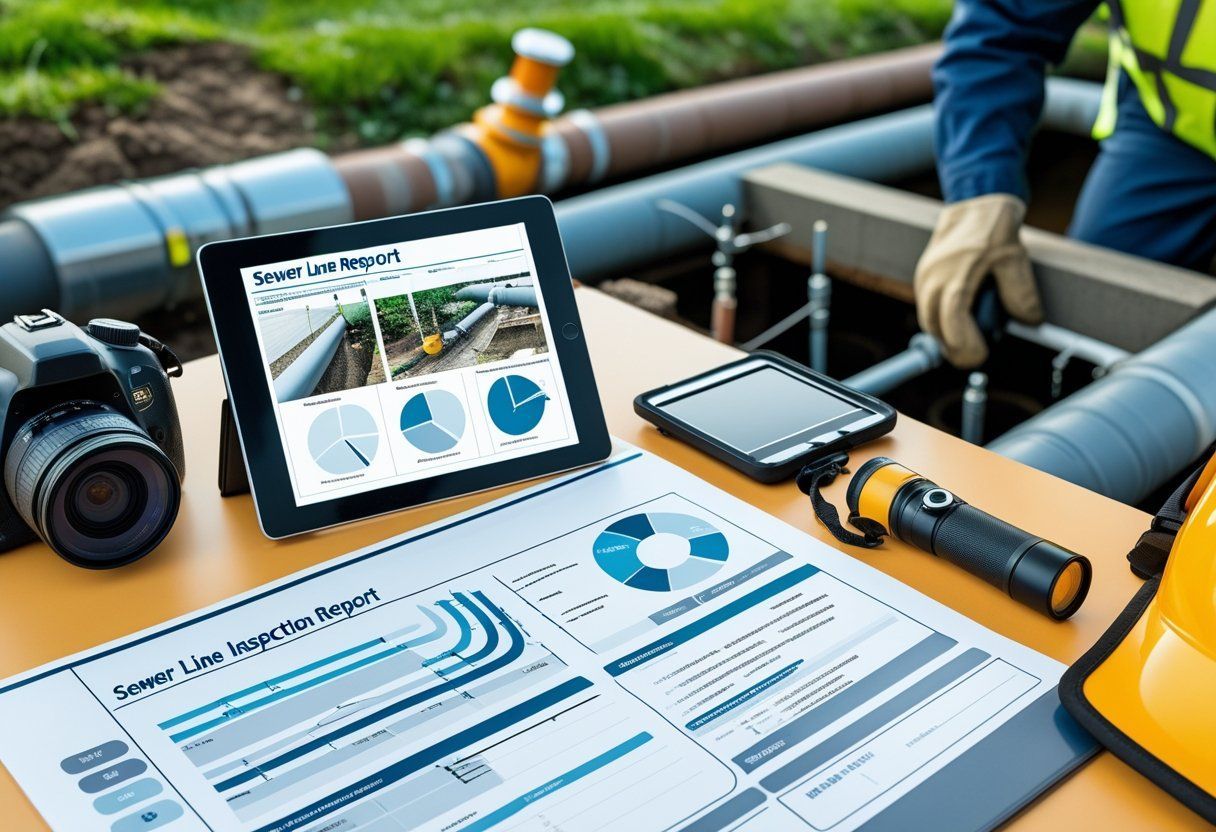
You’ll get clear steps to decode the most important parts of a sewer line inspection report so you can act with confidence. We show you how to spot real problems, what each defect means, and which issues need immediate repair versus routine maintenance. We break the report into simple pieces what the camera images show, […]
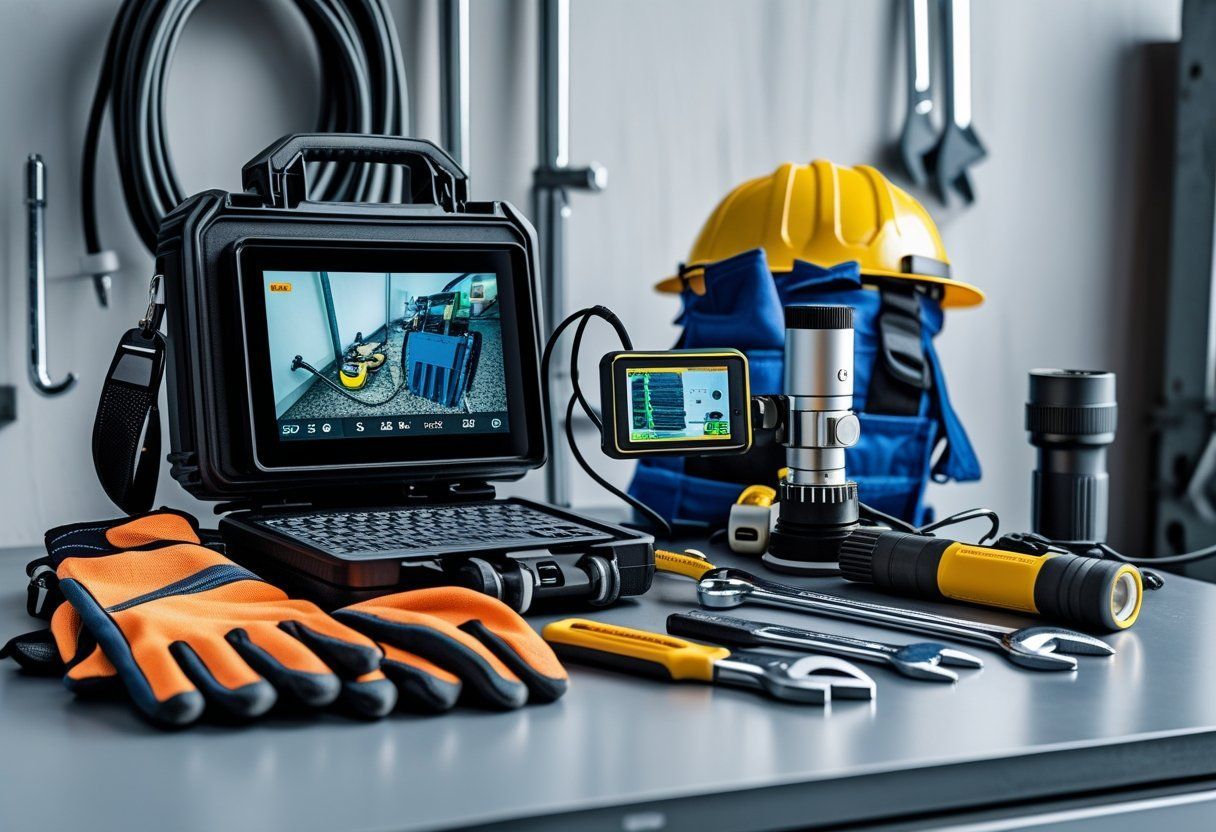
Tool kit with hard hat, gloves, laptop, and handheld device on a workbench in a workshop
By Stefani January 23, 2026
You want tools that give clear answers fast so you can find problems and fix them right. We rely on high-quality sewer cameras, locating gear, and cleaning tools to spot cracks, blockages, and defects in sewer lines accurately. Knowing which tools to use helps a plumber save time and avoid costly mistakes. We will walk […]
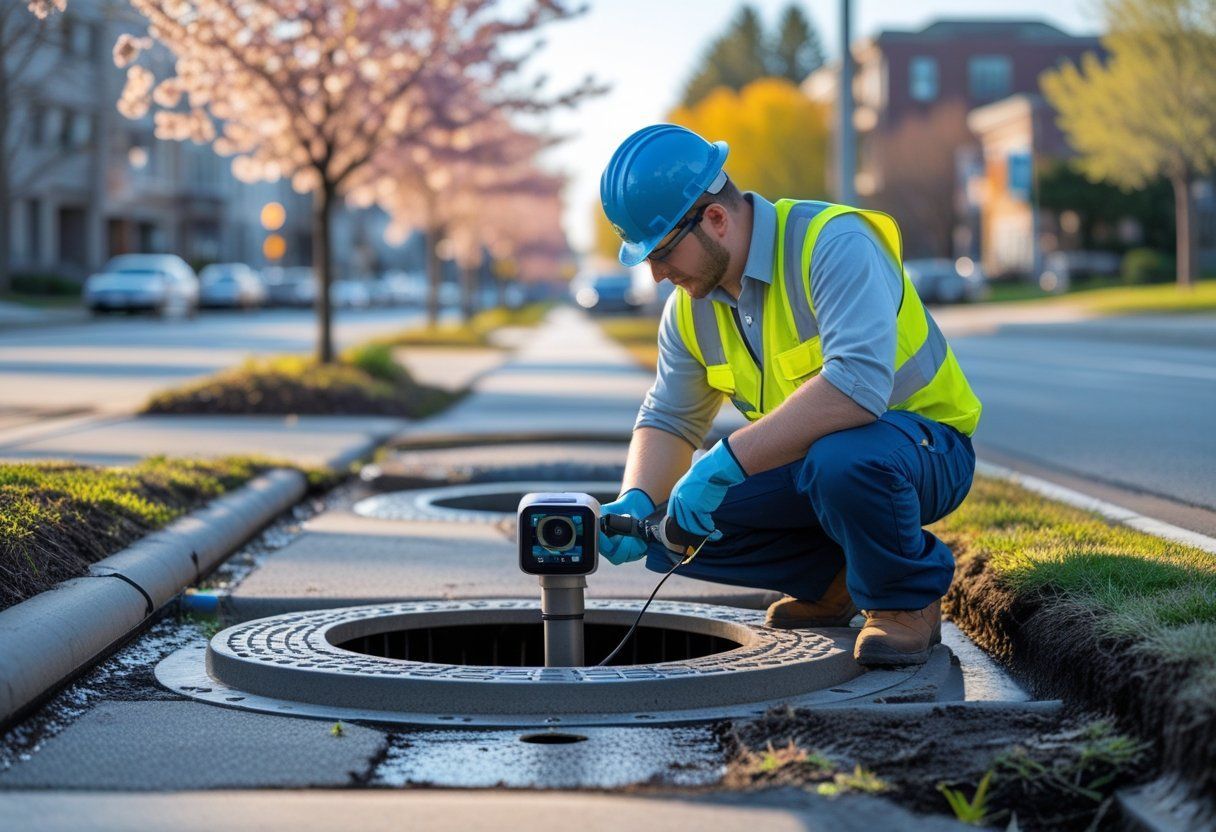
Worker in blue hard hat inspecting a manhole on a street with a camera device
By Stefani January 22, 2026
You want sewer line inspections timed so they catch problems before they get costly or urgent. We recommend scheduling inspections based on seasonal risks winter freeze, spring thaw, and heavy fall rains because timing cuts repair costs and prevents service interruptions. We will explain how weather, soil movement, and tree roots change the risk level […]
Common Mistakes to Avoid During Sewer Line Inspections
By Stefani January 18, 2026
We know sewer line inspections feel technical and tense, but avoiding a few common mistakes protects your home and wallet. Start by planning the inspection, knowing what to look for, and involving a qualified professional when signs point to trouble. That simple approach cuts down on missed problems and costly surprises. We will walk through […]
Show More