
Common Causes of Clogged Drains in San Francisco: Expert Analysis

Stefani • March 18, 2025

Share this article

Understanding Drainage Issues in San Francisco

Living in San Francisco, we often deal with challenges related to drainage issues, particularly those caused by urban runoff and the functioning of storm drains. Both of these factors play significant roles in contributing to water pollution and affecting our environment.

Impact of Urban Runoff on Clogged Drains

Urban runoff is a common issue in the Bay Area. When it rains, water flows over streets and sidewalks, picking up debris, chemicals, and other pollutants. This mixture can end up in our drainage systems, leading to blockages.

The debris, such as leaves and plastic, gets washed into the storm drains, which can clog pipes. These blockages prevent proper drainage, increasing the risk of flooding. Moreover, harmful substances may enter surface waters, affecting stormwater quality and local ecosystems.

The Role of Storm Drains and Maintenance in Water Pollution

Storm drains are essential for directing rainwater away from crowded city areas. Proper maintenance of these systems is vital to prevent clogging and water pollution. Without regular cleaning, debris can cause backups, affecting both streets and underground piping.

Routine checks help reduce total suspended solids in the water, an essential part of pollution prevention. By managing stormwater effectively, we can safeguard our groundwater and surface waters, reducing the environmental impact. Regular maintenance and smart stormwater management are key to keeping our city’s waterways clean.

Common Household Contributors to Clogged Drains

In San Francisco, common household items often lead to clogged drains. Many of these issues arise from how we dispose of grease, hazardous waste, and non-flushable items. These actions frequently result in pollutants within the sewage system and other related problems.

Grease and Hazardous Waste: Persistent Challenges for Sewage Systems

Grease and oil might seem harmless when they slide down the drain. Yet, as they cool, they solidify and stick to pipe walls. Over time, this buildup can lead to serious drain clogging and sewage back-ups. In San Francisco, illegal dumping of hazardous waste, such as motor oil or paint down the drain, compounds this issue by introducing contaminants.

To combat this, we should let grease cool and then throw it away in the trash. Using a container, like a jar with a lid, for disposing of small amounts of oil can also prevent clogs. It’s crucial to bring harmful chemicals to designated disposal sites. These simple actions can help maintain a clean and efficient sewer line.

Toilet Misuse: Non-Flushable Items and Blockages

Toilets are often misused to dispose of non-flushable items, leading to significant issues with plumbing and sewage systems. Items like wipes, cotton swabs, and sanitary products should never be flushed. These materials do not break down easily and frequently result in clogged drains and back-ups.

Educating all family members about correct toilet use is key. Here’s a quick checklist of non-flushable items:

  • Baby wipes and cleaning wipes
  • Cotton swabs
  • Sanitary pads and tampons

Proper disposal of these items in the trash is essential. Our vigilance helps keep drains flowing freely and prevents unnecessary plumbing troubles.

Commercial and Industrial Factors in Drainage Management

In San Francisco, proper drainage management is crucial for businesses. Heavy metals and pollutants can affect sewer lines, while stormwater practices help with drainage.

Heavy Metals and Industrial Pollutants Affecting Sewer Lines

Businesses often handle materials that contain heavy metals. These pollutants, if not managed well, can find their way into the sewer lines, causing blockages and serious plumbing issues. A commercial plumber might have to be called to resolve these problems.

Many industries use grease interceptors to prevent fats, oils, and grease from entering the system. Regular maintenance of these interceptors is key to avoiding blockages. It’s vital that we also monitor for any illegal discharge into drains, as this can lead to significant sewer line damage.

Stormwater Best Management Practices (BMPs) for Businesses

Stormwater runoff can introduce various pollutants into our water systems. Best Management Practices (BMPs) help businesses manage this runoff effectively. These include using catch basins, improving vegetation around drainage areas, and meeting water quality objectives set by local authorities.

The San Francisco Public Utilities Commission offers guidelines on BMPs that businesses should follow. These practices help in reducing the impact of stormwater on local sewer systems. Regular inspections and maintenance ensure that stormwater systems work as intended and help in maintaining the quality of our water resources.

Advanced Plumbing Solutions to Prevent and Address Clogs

We often face clogged drains in San Francisco due to the city’s unique plumbing challenges. To effectively tackle these issues, we recommend solutions that blend technology with regular maintenance.

Hydro-Jetting

One advanced option we use is hydro-jetting. This method involves using high-pressure water streams to clear stubborn blockages. It’s ideal for removing grease, roots, and mineral build-up without harming pipes. Hydro-jetting keeps both residential and city sewer lines clear.

Regular Maintenance

Regular maintenance can help prevent clogs before they become severe. Simple practices like routine inspections and timely repairs can make a big difference. These proactive steps can save us from more significant, costly problems down the road.

Professional Help

In more serious cases, a commercial plumber is often necessary. They have the expertise to handle complex issues, especially with the city sewer systems. By trusting professionals, we ensure that the job is done right the first time.

Sewer Line Inspections

Inspecting sewer lines regularly can also prevent major issues. Using cameras, we can identify potential problems within the pipes. This allows us to address issues before they escalate into major clogs. Regular inspection is a proactive approach to keeping our plumbing systems efficient.

By incorporating these advanced solutions, we can effectively prevent and address clogs in San Francisco.

Recent Posts

Fast Response Plumbing technician servicing a water shut off valve in San Francisco
By Joe Tinsley July 17, 2026
Learn how gate valves, ball valves, and angle stops work, where to find them in your San Francisco home, and when to replace them. FAQs inside.
Budgeting for Unforeseen Sewer Line Maintenance Expenses
By Stefani January 31, 2026
Sewer line problems can hit your wallet fast, and we know the stress of a surprise repair. We show you how to plan a practical budget that covers emergency fixes, regular upkeep, and the big costs that sneak up on you. This saves you money and keeps small issues from turning into major failures. We […]
Seasonal Effects on Sewer Line Maintenance Costs
By Stefani January 30, 2026
You’ll want to know how seasons change what you pay for sewer line maintenance so you can plan ahead and avoid surprise bills. Seasonal weather, ground movement, and plant growth directly affect repair needs and costs, so budgeting by season cuts unexpected expenses. We outline what shifts costs, when repairs most often happen, and which […]
The Role of Location in Sewer Line Maintenance Pricing
By Stefani January 29, 2026
You’ll pay different amounts for sewer line maintenance depending on where your property sits and what’s under it. Location drives cost through factors like soil type, access difficulty, local labor rates, and permit rules, so knowing these lets you predict and plan for expenses. We’ll show how those local details shape quotes and outcomes. We’ll […]
Analyzing Material Expenses for Effective Sewer Line Care
By Stefani January 28, 2026
We’ll break down the real costs that matter for keeping a sewer line working well so you can plan and avoid surprises. You’ll learn which materials and fees drive most of the expense and how small choices can lower long-term costs. We’ll look at costs for parts, tools, permits, and regular cleaning, plus where labor […]
Understanding the Impact of Labor Costs on Sewer Line Maintenance
By Stefani January 25, 2026
You want to know how labor costs shape sewer line care and what that means for your wallet. We will show how wages, crew size, and the repair method you choose change the final bill so you can plan smarter and avoid surprises. Knowing which labor factors most drive costs lets you pick repair options […]
How to Interpret Sewer Line Inspection Reports
By Stefani January 24, 2026
You’ll get clear steps to decode the most important parts of a sewer line inspection report so you can act with confidence. We show you how to spot real problems, what each defect means, and which issues need immediate repair versus routine maintenance. We break the report into simple pieces what the camera images show, […]
Tool kit with hard hat, gloves, laptop, and handheld device on a workbench in a workshop
By Stefani January 23, 2026
You want tools that give clear answers fast so you can find problems and fix them right. We rely on high-quality sewer cameras, locating gear, and cleaning tools to spot cracks, blockages, and defects in sewer lines accurately. Knowing which tools to use helps a plumber save time and avoid costly mistakes. We will walk […]
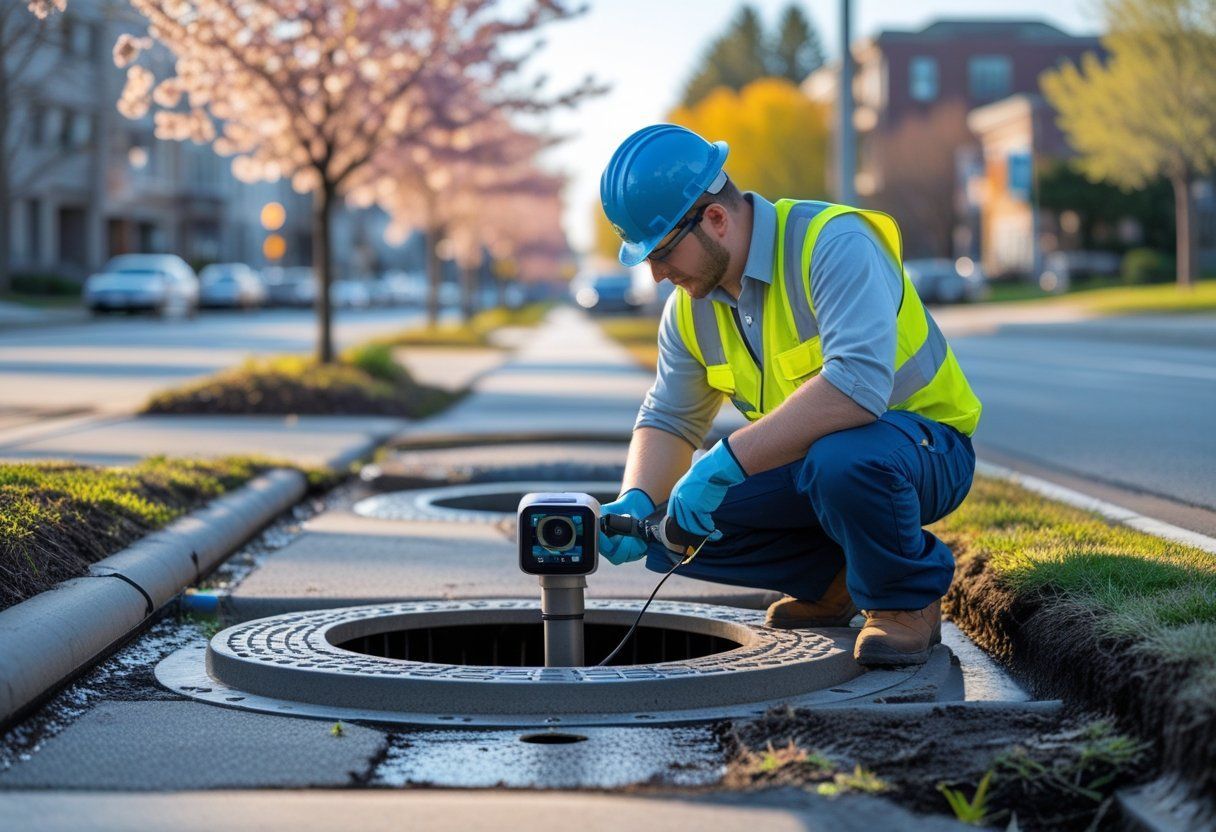
Worker in blue hard hat inspecting a manhole on a street with a camera device
By Stefani January 22, 2026
You want sewer line inspections timed so they catch problems before they get costly or urgent. We recommend scheduling inspections based on seasonal risks winter freeze, spring thaw, and heavy fall rains because timing cuts repair costs and prevents service interruptions. We will explain how weather, soil movement, and tree roots change the risk level […]
Common Mistakes to Avoid During Sewer Line Inspections
By Stefani January 18, 2026
We know sewer line inspections feel technical and tense, but avoiding a few common mistakes protects your home and wallet. Start by planning the inspection, knowing what to look for, and involving a qualified professional when signs point to trouble. That simple approach cuts down on missed problems and costly surprises. We will walk through […]
Show More