A well-functioning sewer line often goes unnoticed until something goes wrong. Clogs, leaks, or backups can quickly turn into expensive and stressful problems. Regular maintenance keeps sewer lines clear, prevents damage, and extends their lifespan.

We can avoid many common issues by understanding what threatens our sewer system and how to care for it properly. Simple steps like routine inspections and cleaning protect our property and help us save money over time.
When maintenance alone can’t solve the problem, knowing when to repair or replace a sewer line helps us make smart decisions and prevent future failures.
The Critical Role of Regular Sewer Line Maintenance
Regular sewer line maintenance helps prevent costly repairs, protects plumbing systems, and reduces the risk of sewage backups. By addressing small issues early, we can extend the lifespan of our sewer lines and maintain a safe and efficient home environment.
How Maintenance Extends Sewer Line Lifespan
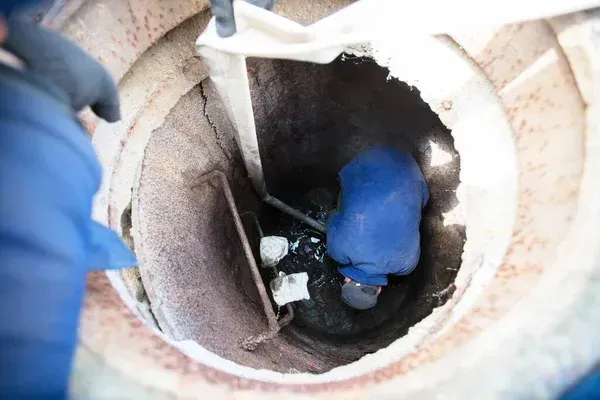
Routine maintenance keeps sewer lines clear of buildup and blockages. When we schedule inspections and cleaning, we remove grease, debris, and tree roots that can cause cracks or clogs. These steps reduce stress on the pipes and help them last longer.
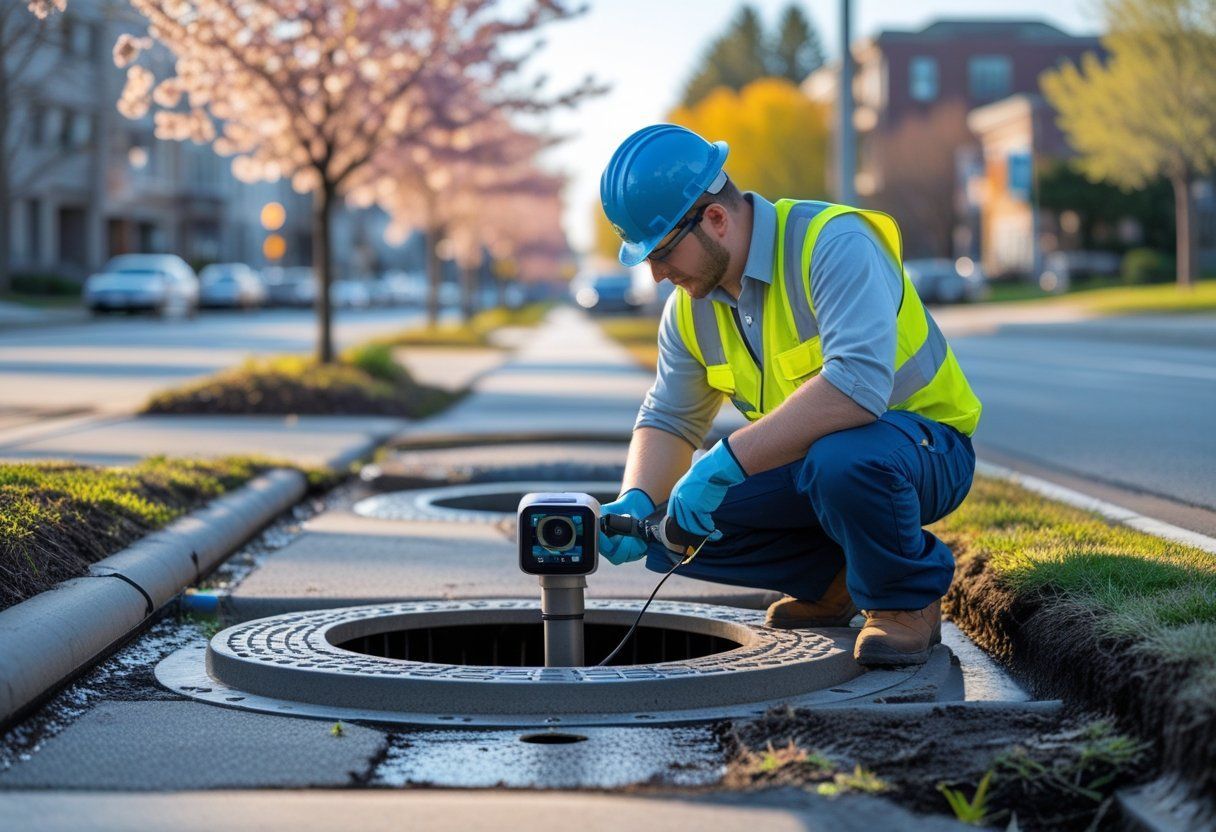
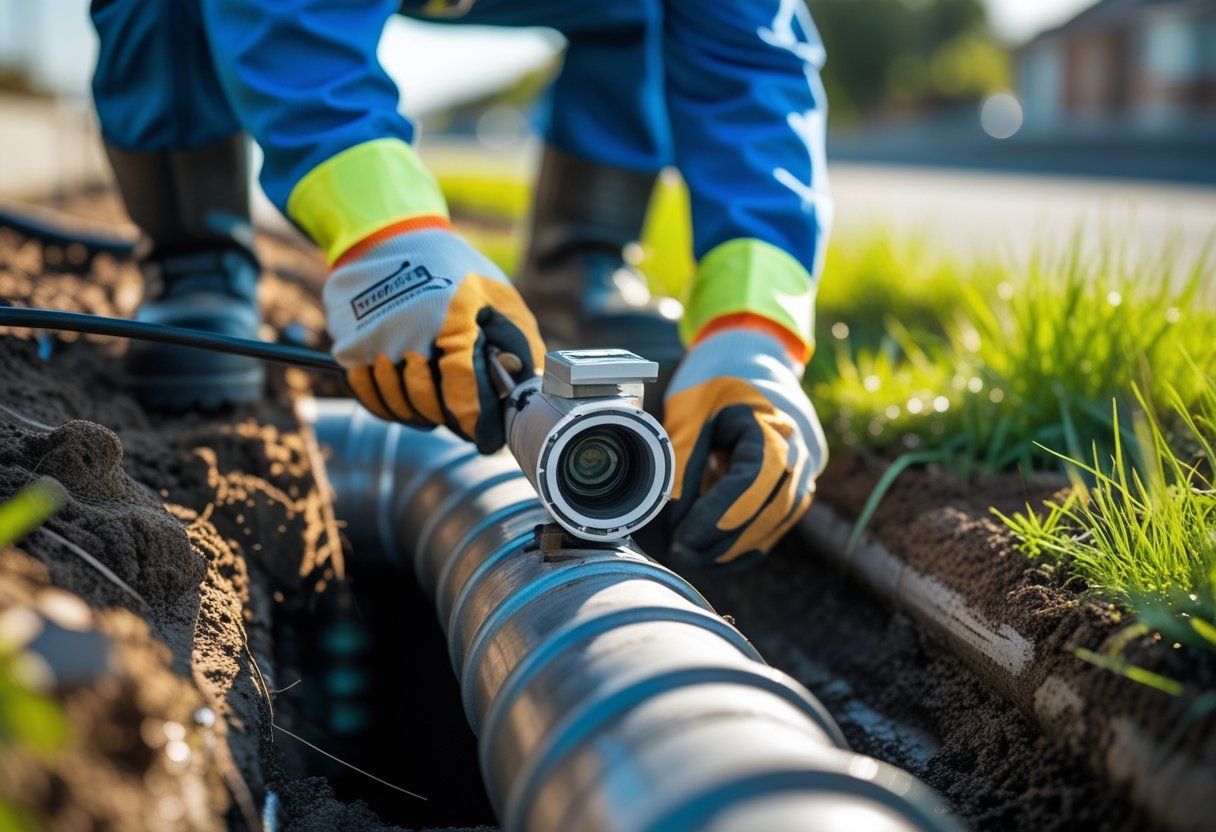
We can use video inspections to detect early signs of corrosion or damage. This allows us to repair minor issues before they develop into major leaks or collapses. Regular flushing also maintains steady water flow, which limits pressure changes that wear down the system.
Common maintenance tasks include:
- Hydro jetting to clear buildup
- Checking for root intrusion
- Inspecting joints and pipe connections
By staying consistent with these actions, we prevent long-term deterioration and avoid emergency repairs that shorten the system’s life.
Risks of Neglecting Sewer Line Upkeep
Ignoring sewer line maintenance can lead to serious and expensive problems. Clogs from grease, wipes, and debris can block water flow, causing slow drains and foul odors. Over time, pressure builds up and may result in a sewer backup inside the home.
A single backup can cause water damage to floors, walls, and belongings. It can also expose us to harmful bacteria and mold growth. These issues often require professional cleanup and replacement of damaged materials.
Neglect also allows small cracks or leaks to spread. Once soil shifts or roots enter the pipes, repairs become more complex and costly. Regular upkeep is far less expensive than replacing a collapsed sewer line.
Impact on Plumbing Systems and Home Safety
Sewer line maintenance protects the entire plumbing system. When our lines stay clear, sinks, toilets, and drains work efficiently. Water pressure remains stable, and we avoid strain on other plumbing components.
A well-maintained system also improves home safety. It prevents sewage from backing into living spaces and reduces exposure to contaminants. Early detection of leaks helps stop foundation damage and soil erosion around the property.
Key benefits include:
| Maintenance Action | Result |
|---|---|
| Regular inspection | Early problem detection |
| Pipe cleaning | Reduced blockages |
| Timely repair | Lower risk of backups |
By keeping our sewer lines in good condition, we protect both our plumbing systems and the health of everyone in the home.
Common Threats to Sewer Line Longevity
Sewer lines face several issues that can shorten their lifespan and cause expensive repairs. The most common problems include physical damage from roots, buildup from misuse, and the natural aging of materials.
Root Intrusion and Tree Roots
Tree roots seek moisture and nutrients, often finding both in small cracks or loose joints in sewer pipes. Once roots enter, they grow quickly, forming dense mats that block water flow and cause slow drains.
We often see this in older neighborhoods with large trees near sewer lines. Clay and cast iron pipes are especially vulnerable because their joints can loosen over time.
To prevent tree root intrusion, we should avoid planting trees with aggressive root systems near sewer lines. Regular camera inspections help detect early signs of intrusion before major blockages form.
When roots have already entered, mechanical cutting or chemical root treatments can remove them. However, if the pipe is cracked or collapsed, replacement may be the only long-term solution.
Blockages from Improper Disposal
Improper disposal of household waste is another major cause of sewer line problems. Items like grease, wipes, paper towels, and hygiene products do not break down easily and can stick to pipe walls.
Over time, these materials harden and restrict flow, leading to slow drains and backups. Even small amounts of grease poured down the drain can cool and solidify, trapping other debris.
We can reduce the risk by following simple habits:
- Dispose of grease in sealed containers, not drains.
- Throw wipes and paper towels in the trash.
- Use strainers to catch hair and food scraps.
Routine cleaning with safe, non-corrosive products helps maintain clear pipes and reduces buildup.
Pipe Corrosion and Material Degradation
All pipe materials degrade over time. Cast iron pipes corrode as water and waste react with the metal, forming rust that weakens the pipe walls. Clay and concrete pipes may crack or shift due to soil movement or pressure.
Corrosion can cause leaks, rough pipe surfaces, and blockages. We often notice early signs through slow drains, foul odors, or damp spots in the yard.
Inspection and maintenance help identify weak sections before they fail. In some cases, pipe relining or trenchless repair methods can extend the life of older systems without full replacement.
Regular monitoring and timely repairs keep the system strong and reduce the risk of sudden breakdowns.
Best Practices for Preventative Sewer Line Care
We extend the life of our sewer lines by inspecting them regularly, cleaning them with the right tools, and fixing small problems before they grow. These steps help us avoid costly sewer repair and keep our plumbing system running smoothly.
Routine Sewer Line Inspection Techniques
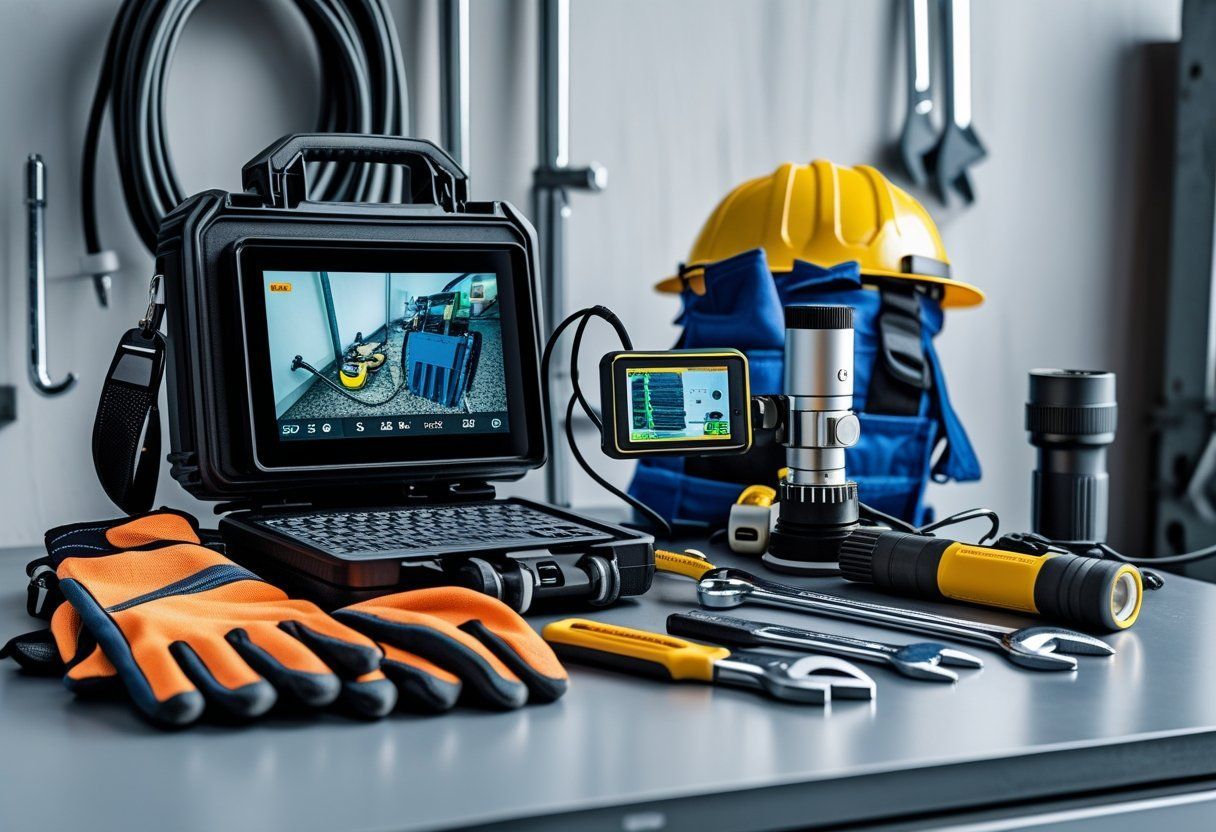
We should inspect our sewer lines at least once a year to find early signs of wear or blockage. Using a video camera inspection gives us a clear view inside the pipe without digging. This helps us spot cracks, corrosion, or buildup that could lead to a sewer repair later.
A simple checklist helps us stay organized:
- Look for slow drains in sinks or tubs.
- Listen for gurgling sounds from toilets.
- Check for wet spots or unusual odors in the yard.
We can also track inspection results in a small table to note changes over time:
| Inspection Date | Findings | Action Taken |
|---|---|---|
| Jan 2025 | Minor buildup | Scheduled cleaning |
| Jul 2025 | No issues | None |
Keeping records helps us recognize patterns and schedule maintenance before problems worsen.
Professional Cleaning and Hydro Jetting
Routine cleaning prevents buildup that can restrict flow. We can use mechanical rodding for small clogs, but hydro jetting is more effective for deep cleaning. Hydro jetting uses high-pressure water to clear grease, roots, and debris from the sewer line walls.
It’s best to hire a licensed plumber for this service. They have the right equipment to clean without damaging the pipe. We should ask them to inspect the line before and after cleaning to confirm results.
For most homes, professional cleaning every 18-24 months keeps the system clear. More frequent service may be needed if we have older pipes or trees near the sewer lines.
Addressing Early Warning Signs
We should never ignore early signs of trouble. A slow drain, backed-up toilet, or bad smell often means a blockage or small crack. Fixing these issues early prevents larger sewer repair work later.
If we notice water pooling in the yard, it may indicate a leak in the main line. We should call a professional right away for a sewer line inspection.
We can also use a simple response plan:
- Identify the symptom.
- Stop water use in affected areas.
- Contact a plumber for inspection and repair.
Taking quick action protects our property and extends the life of our sewer line system.
When Maintenance Isn’t Enough: Repair and Replacement Considerations
Even with regular care, some sewer systems reach a point where cleaning and inspections can’t prevent failure. We must decide when repairs are practical and when full sewer line replacement is the safer and more cost-effective choice.
Recognizing Irreversible Sewer Line Damage
Certain signs show that a sewer line has moved beyond routine maintenance. Frequent backups, slow drains across multiple fixtures, and foul odors often signal major structural problems. When we see sinkholes, foundation cracks, or soggy patches in the yard, the pipe may have collapsed or separated.
Old cast iron pipes are especially prone to corrosion and scaling. Over time, they weaken and develop holes that allow wastewater to leak into the soil. Tree root intrusion can also crush or block the line, making spot repairs ineffective.
We can confirm damage through video inspections that reveal cracks, offset joints, or severe rust. If large sections of the pipe are deteriorated or missing, cleaning or patching will not restore function. In these cases, we must plan for a more extensive solution.
Evaluating Repair Versus Sewer Line Replacement
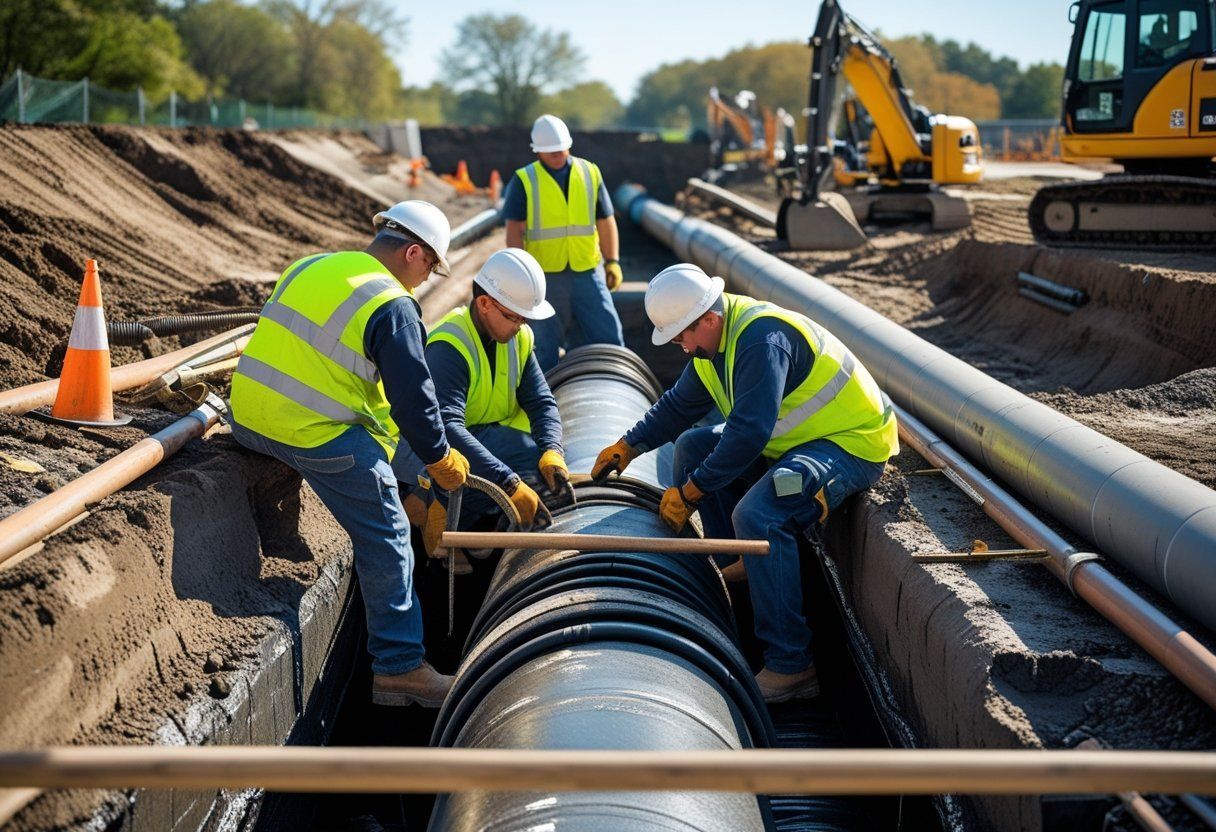
When damage is limited, sewer repair methods such as pipe lining or spot replacement can restore flow. These solutions cost less and require less digging, but they only work if the remaining pipe is stable.
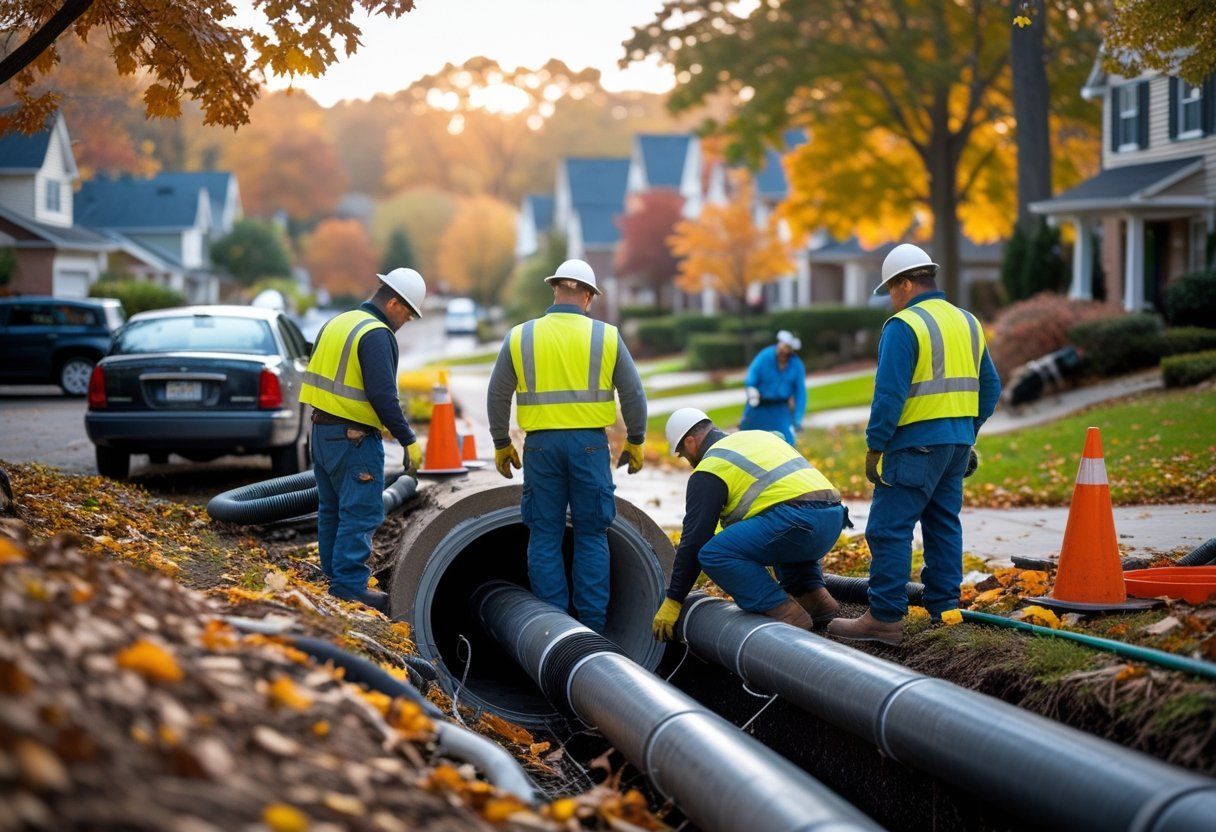
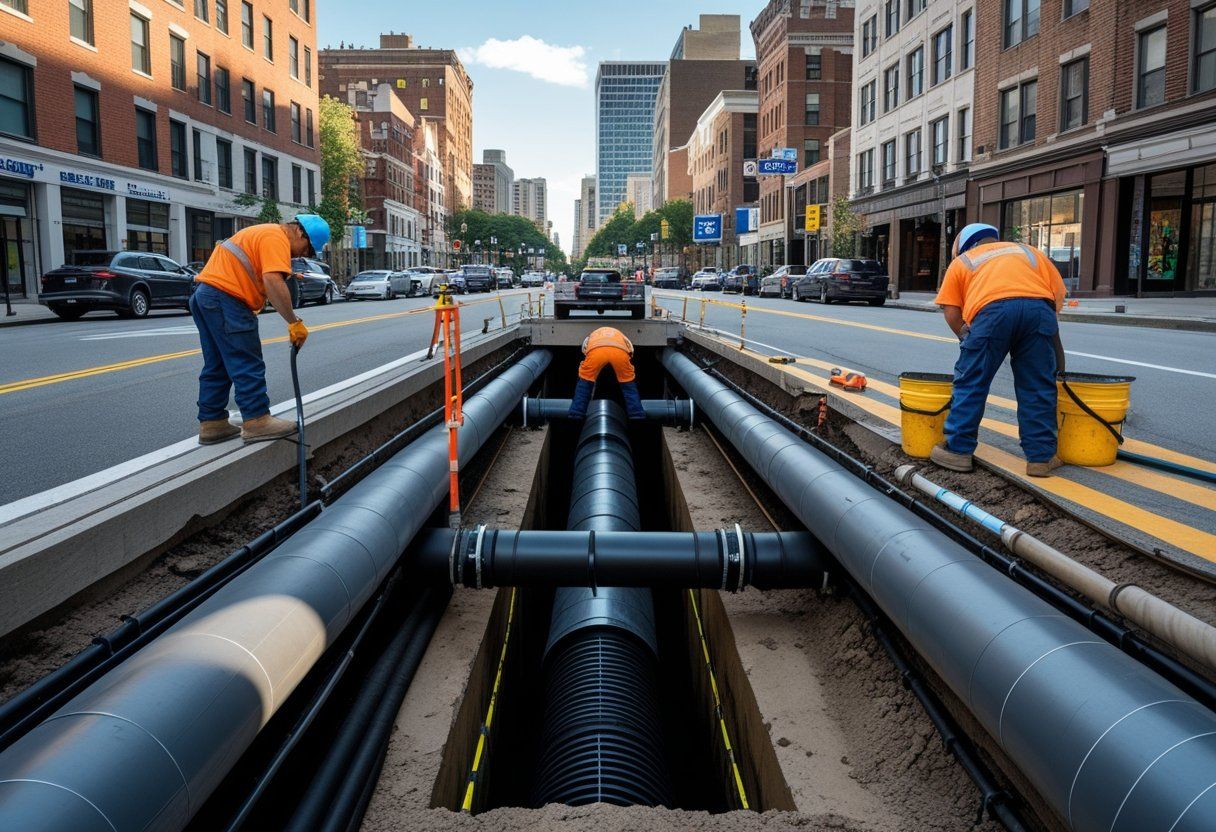
If the pipe is old, undersized, or made of brittle materials like cast iron, full sewer line replacement may be the better investment. Replacement eliminates recurring problems and allows us to install modern, corrosion-resistant materials such as PVC or HDPE.
We should compare the age, material, and damage extent before deciding. A simple table can help organize this evaluation:
| Condition | Recommended Action |
|---|---|
| Minor cracks or root intrusion | Targeted sewer repair |
| Widespread corrosion or collapse | Full sewer line replacement |
| Frequent clogs in old cast iron pipes | Replacement for long-term reliability |
By assessing these factors, we can choose the most practical and lasting fix for the sewer system.