Warning Signs Your Sewer Line Might Be Failing And How To Address Them Early

Sewer line problems can start small but quickly grow into expensive repairs. Slow drains, foul smells, or soggy patches in the yard may seem harmless at first, but they often point to bigger issues underground. Knowing the early warning signs of a failing sewer line helps us stop damage before it becomes a serious problem.

We often ignore small plumbing changes until they disrupt daily life. Paying attention to sounds, smells, and changes in water flow helps us find problems early. By understanding what causes sewer line failure and when to act, we can protect our home, save money, and avoid unnecessary stress.

Key Warning Signs Your Sewer Line Might Be Failing

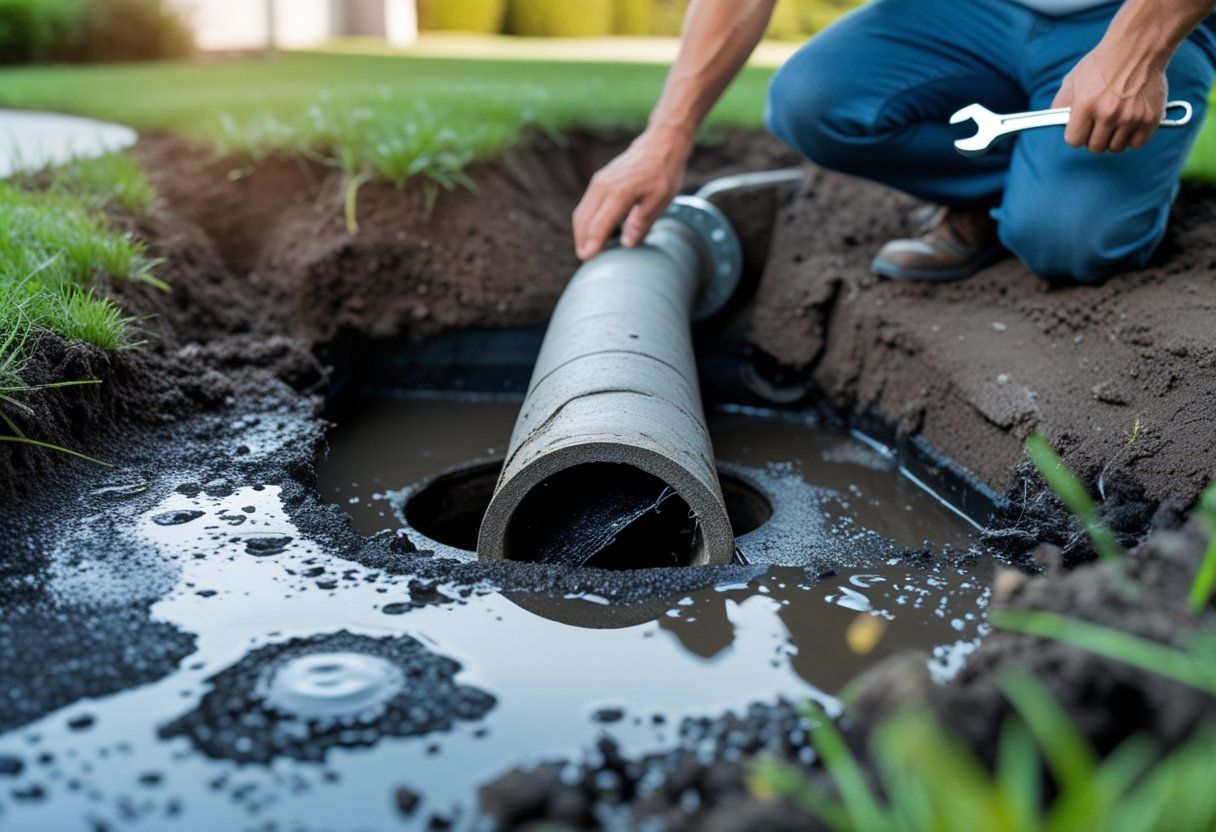
A homeowner inspects a cracked sewer cleanout pipe leaking water near a house foundation.

A failing sewer line often shows early clues such as repeated clogs, lingering odors, and unusual plumbing noises. These signs may seem minor at first but often point to hidden sewer problems that need prompt inspection and repair.

Multiple Slow Drains and Clogged Fixtures

When several drains move slowly at the same time, it usually means trouble in the main sewer line rather than individual pipes. A single clogged sink often results from soap scum or hair, but if tubs, toilets, and sinks all drain poorly, the blockage likely sits deeper in the system.

We may notice water pooling around floor drains or backing up into lower fixtures. This pattern suggests that wastewater cannot travel freely through the sewer line. Tree roots, grease buildup, or pipe damage are common causes.

If plunging or snaking one fixture does not help, we should treat the issue as a possible sewer line clog. Using a video inspection can help confirm whether the line is cracked, blocked, or collapsing. Acting early helps reduce the risk of a total sewer backup.

Common clues of widespread drain issues:

SignLikely CauseRecommended Action
Slow draining in several fixturesMain line obstructionSchedule professional inspection
Water backing up in basement drainsSewer line blockageAvoid using water until assessed

Frequent Toilet or Drain Backups

Toilet or drain backups that happen often go beyond a small clog. If backups return soon after cleaning, the problem usually lies in the main sewer line. Pressure from trapped wastewater forces sewage to flow in reverse, leaking into tubs, toilets, or floor drains.

We might see bubbles in the toilet or dark water seeping into the shower after flushing. These sewer backups are serious and can lead to property damage and unpleasant cleanup. Repeated incidents mean the pipe could be broken, sagging, or blocked by roots.

Prompt action keeps waste from spreading. We can reduce risk by limiting what we flush and avoiding grease disposal in sinks. For long-term relief, a plumber can use hydro jetting or pipe replacement if damage is severe.

Important helper checklist:

  • Stop using water during backups
  • Call for professional cleaning and inspection
  • Have the sewer line checked for blockages or breaks

Sewage Odors Indoors or Outdoors

A sewage odor coming from drains, basements, or outside near cleanouts signals that gas or waste is leaking from the system. A correctly sealed sewer line prevents smells from escaping, so if we notice foul odors, even faint ones, our line might be cracked or venting improperly.

Indoors, the smell often concentrates in bathrooms or basements. Outdoors, the odor may linger around wet patches or the yard where a buried line has ruptured. Unpleasant smells indicate leaking sewage, which can attract pests and pose sanitation concerns.

We can check traps and vents first; a dry drain trap sometimes causes odors. If that fix fails, the problem likely lies deeper. In that case, professional smoke testing or camera inspection can pinpoint the leak.

Key odor-related concerns:

LocationPossible IssueCorrective Step
Bathroom drainDry trap or vent issueAdd water or inspect vent
Yard or lawnBroken main sewer lineRepair or replace damaged pipe

Gurgling or Bubbling Sounds in Plumbing

Hearing gurgling noises or bubbles after flushing or draining water signals possible air trapped in the plumbing. Normally, air moves freely through vent pipes. When a sewer line starts to clog, water pushes trapped air back through drains, creating that bubbling sound.

We might first notice this noise from a toilet after running the shower or sink. The sound can grow louder as blockage worsens. Gurgling sounds act as early warning signs of a failing sewer line, showing that negative air pressure exists in the system.

Ignoring this symptom could lead to backups or slow drainage. We can start by checking vent blockages on the roof, but if the noise continues, it’s often time for a full sewer line inspection.

Common gurgle sources:

  • Partial clogs causing trapped air
  • Improper venting leaving pressure unbalanced
  • Collapsed or root-filled sewer pipe restricting flow

Structural and Environmental Indicators of Sewer Line Issues

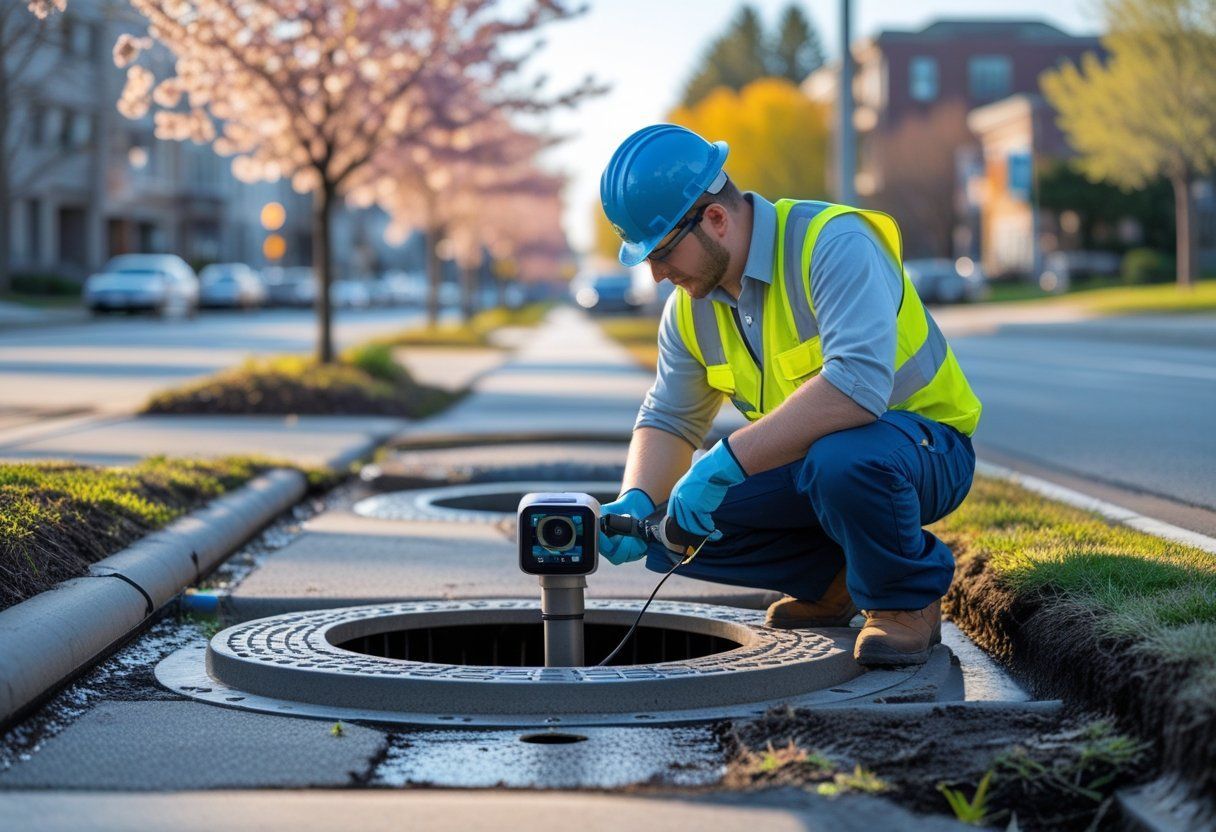
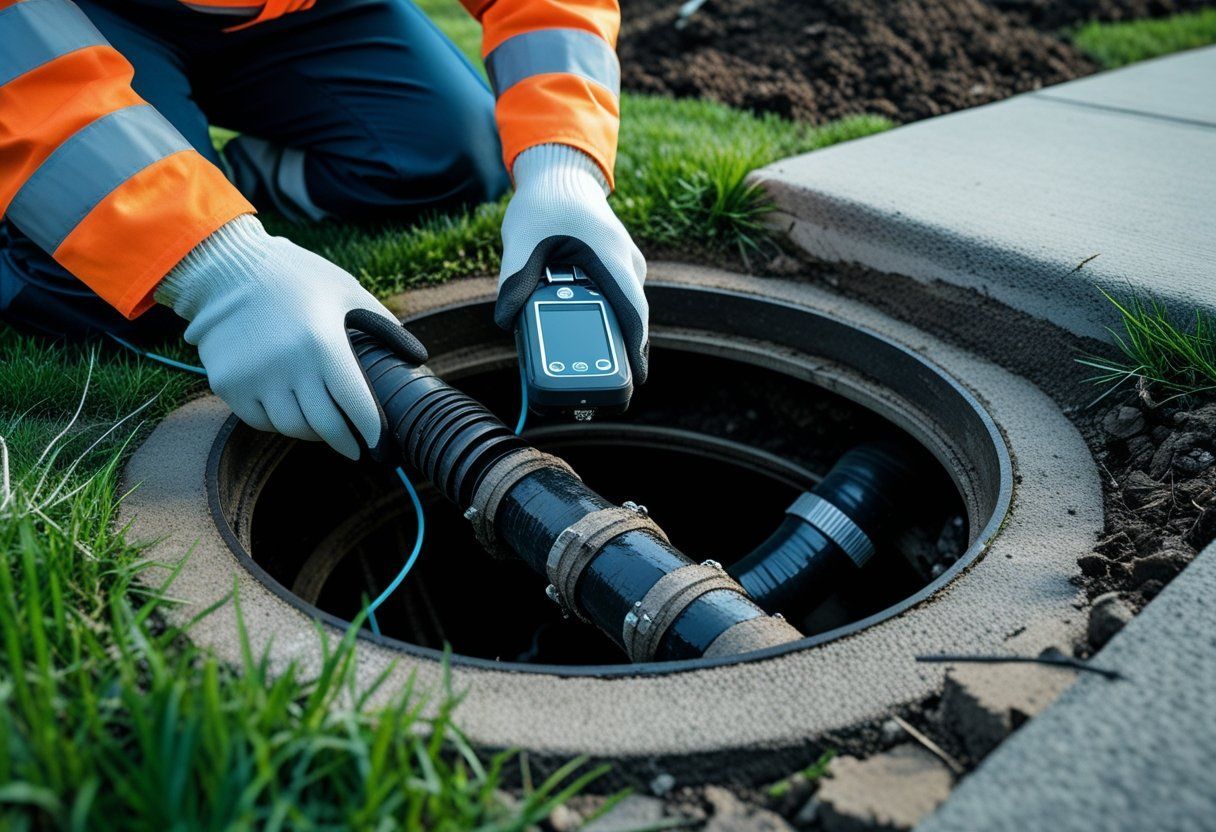
A plumber inspecting a sewer line near an open manhole outdoors with visible pipes and surrounding grass and pavement.

Certain physical and environmental changes around a property can point to hidden sewer line problems. We can often spot trouble early by paying attention to unusual ground conditions, building damage, or indoor moisture. Recognizing these indicators helps us take timely action before small leaks turn into costly repairs.

Lush or Soggy Patches in the Yard

A sewer line leak underground can release water and nutrients into the soil. This often creates lush patches of grass, even in dry conditions. The grass above a damaged section might appear thicker or greener than the rest of the yard.

We may also notice soggy or sunken areas, especially after dry weather. This can signal that wastewater is seeping up from a cracked or collapsed sewer line. Tree roots are drawn to the moisture, and tree root intrusion can worsen the leak by breaking into the pipe.

To confirm a problem, we can check for soft ground that doesn’t dry or a noticeable sewage odor. In some cases, small pools may form near the leak. These areas merit quick inspection since excess water can lead to soil erosion or eventual structural damage if ignored.

SignPossible CauseAction
Green or thick grass stripLeaking or broken pipeSchedule a camera inspection
Soft ground or puddlesSewer seepageCheck for flow blockage
Foul smellWastewater leakCall a plumber immediately

Foundation Cracks, Sinkholes, or Uneven Surfaces

Persistent leaks from sewer line damage can weaken the soil that supports a home’s foundation. As water escapes, the ground may shift or wash away, leading to foundation cracks or uneven flooring. We might notice new gaps around doors or windows as the structure moves slightly.

In severe situations, soil erosion can cause sinkholes near the affected area. These depressions often appear gradually, starting as small dips that grow over time. Even minor subsidence can point to a significant underground leak or a collapsed sewer line.

Regularly inspecting the property’s perimeter for movement or cracks helps catch early signs of trouble. If we see any unexplained settling, calling a structural or plumbing professional can prevent long-term structural damage and costly foundation repair.

Mold or Mildew Growth Inside the Home

Moisture from leaking or backed-up sewer lines can migrate through floors or walls, creating a damp environment inside. Over time, this promotes mold growth and mildew growth, especially in basements, bathrooms, and utility rooms.

We may detect a musty smell before seeing visible spots on drywall or flooring. Water damage from leaks often appears as discoloration, peeling paint, or swollen trim. If these issues reoccur even after cleaning, it may indicate an underground leak rather than surface-level humidity.

Mold and mildew can spread quickly if the moisture source remains active. Using a humidity meter or hiring an inspector can verify hidden leaks. Addressing the sewer line issue at its source protects not only our plumbing system but also indoor air quality and building materials.

Common Causes of Sewer Line Failure

A sewer line can weaken for many reasons, often starting with small issues that grow worse over time. Damage may come from natural elements, poor maintenance habits, or the gradual decay of aging pipes. Early awareness helps us prevent full sewer line failures.

Root Intrusion and Pipe Damage

Tree roots often seek out moisture, and small cracks in sewer lines release vapor that attracts them. Once roots find these openings, they grow inside the pipes and expand, causing blockage and breaks. Root intrusion can restrict water flow, damage joints, and lead to costly repairs if we don’t act quickly.

We often find older clay and concrete pipes more at risk than newer PVC lines. Detecting tree root intrusion early through regular drain inspections can save money and reduce disruption. Using root barriers or choosing less invasive tree species can limit intrusion near sewer lines.

When roots cause major damage, replacement or trenchless repair may be needed. Leaving the issue unchecked often leads to complete pipe failure and sewage backup inside the property.

Pipe Corrosion and Material Deterioration

Corrosion weakens the inner walls of sewer pipes and leads to leaks or blockages. Metal pipes, especially cast iron or galvanized steel, corrode faster due to moisture, soil acidity, and chemical exposure. Over decades, this natural decay results in thin spots and small holes.

Pipe corrosion also encourages buildup along the pipe surface, narrowing the passage for wastewater. This process accelerates when the sewer line carries high levels of grease, detergents, or cleaning chemicals.

We can reduce corrosion risk by checking pH levels, inspecting pipes regularly, and replacing metal lines with durable PVC or HDPE materials. Once corrosion spreads, the only durable fix is replacement rather than temporary patching.

Improper Disposal and Grease Buildup

What we flush or wash down drains often affects how long our sewer system lasts. Cooking oils, fats, and food scraps collect inside sewer lines, forming thick layers of grease buildup that block flow. These obstructions slow drainage and cause pressure to build within the line.

Household waste like wipes, paper towels, and hygiene products do not break down easily. Over time, this debris combines with grease and creates solid clogs. These blockages lead to a failing sewer line if ignored.

To prevent these issues, we should dispose of grease in sealed containers and throw solids in the trash, not the toilet or sink. Regular enzyme treatments can help maintain flow and reduce buildup on pipe walls.

Ground Shifting and Aging Infrastructure

Soil movement plays a major role in sewer line issues, even when pipes are in good shape. Heavy rainfall, drought, or construction nearby can cause the ground to expand or settle unevenly. This movement stresses the pipe joints and can create cracks or misalignment.

Aging infrastructure also contributes to sewer line failures. Many older neighborhoods still rely on pipes installed decades ago that have exceeded their expected lifespan. Materials like clay or cast iron degrade over time, making them more prone to leaks and collapses.

Regular monitoring helps us identify weak spots before collapse occurs. In areas with ongoing ground movement, flexible piping materials and proper installation methods provide stronger protection against shifting and long-term damage.

When and How to Take Action on Sewer Line Problems

We should address sewer line issues as soon as warning signs appear. Taking timely action helps prevent property damage, limits repair costs, and keeps our plumbing system working safely and efficiently. The best approach involves identifying symptoms early, arranging a professional sewer line inspection, and choosing the right method for repair or replacement.

Recognizing the Need for Sewer Line Inspection

Slow drains, bad odors, or gurgling toilets often mean the main sewer line might be blocked or damaged. If multiple drains back up at once, it likely goes beyond a small clog. These symptoms show it’s time for us to call a licensed plumber for a full sewer line inspection.

We can also check the yard for soggy patches or lush grass growth. These can indicate sewer line leaks underground. Ignoring these signs can lead to soil erosion or foundation problems.

A quick response prevents a total blockage. Regular sewer line inspections, done every few years, help us catch small cracks or buildup before they turn into emergency repairs.

Professional Assessment and Sewer Camera Inspection

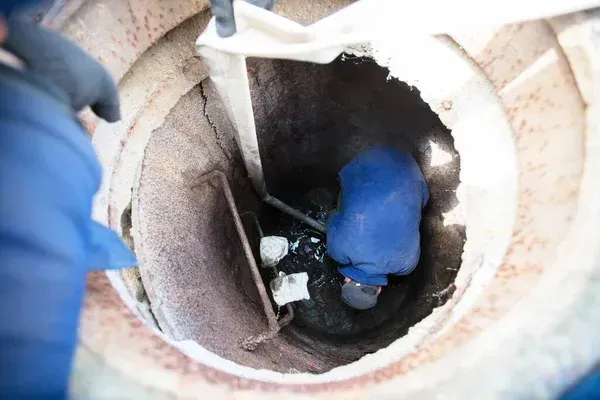
When we contact a professional plumber, they usually start with a visual inspection and a sewer camera inspection. This narrow, flexible camera allows the plumber to see inside the line without digging. It helps identify where buildup, corrosion, or tree roots are causing issues.

After the inspection, the plumber reviews the footage and explains what they found. We can ask for a written report with images and repair recommendations. This process ensures we understand what kind of sewer line repair is necessary and whether simple drain cleaning or hydro jetting could resolve the issue.

Hydro jetting blasts high-pressure water to remove grease, roots, and debris. While effective, it’s not suitable for severely damaged pipes. The plumber’s assessment helps us decide if we need cleaning, spot repairs, or full replacement.

Repair and Replacement Solutions

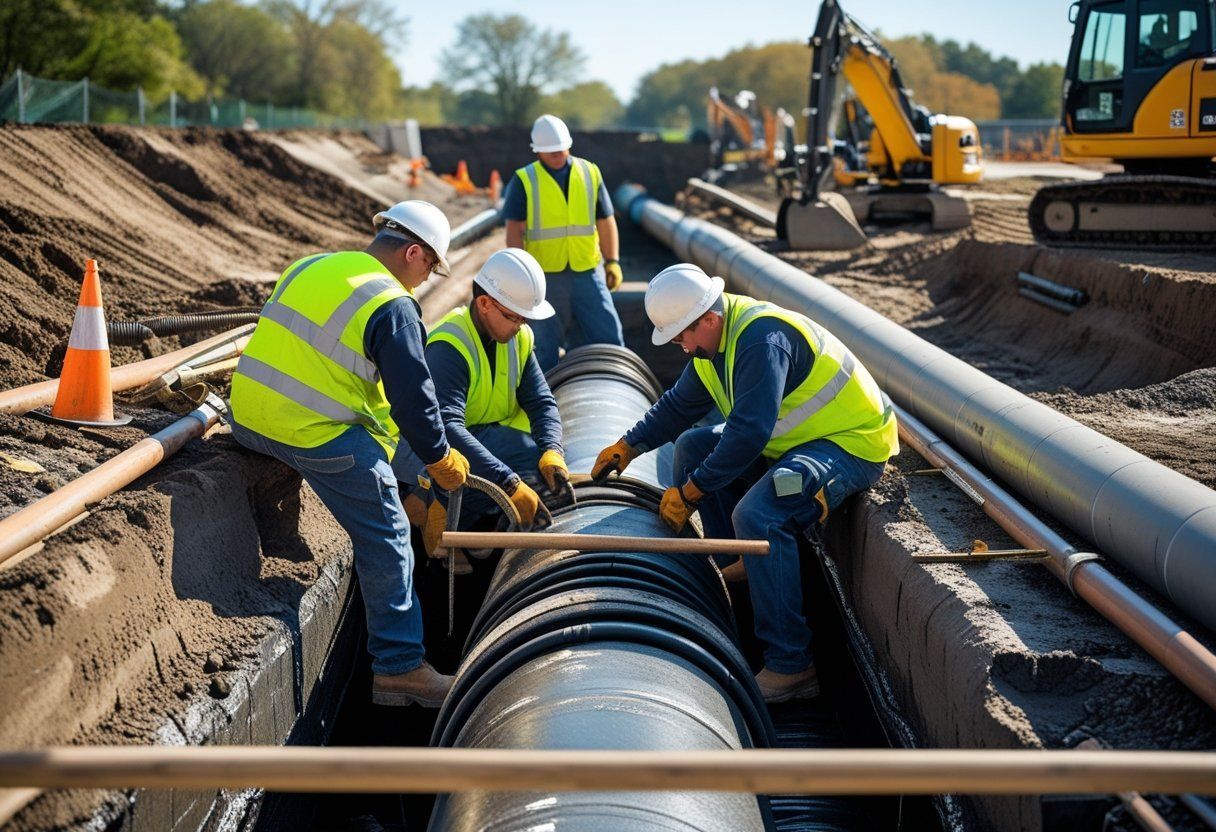
Once we know the problem, we can compare repair options. For minor damage, plumbers may recommend patch repairs or pipe relining. This method inserts a resin-coated liner that seals cracks from the inside without extensive digging.

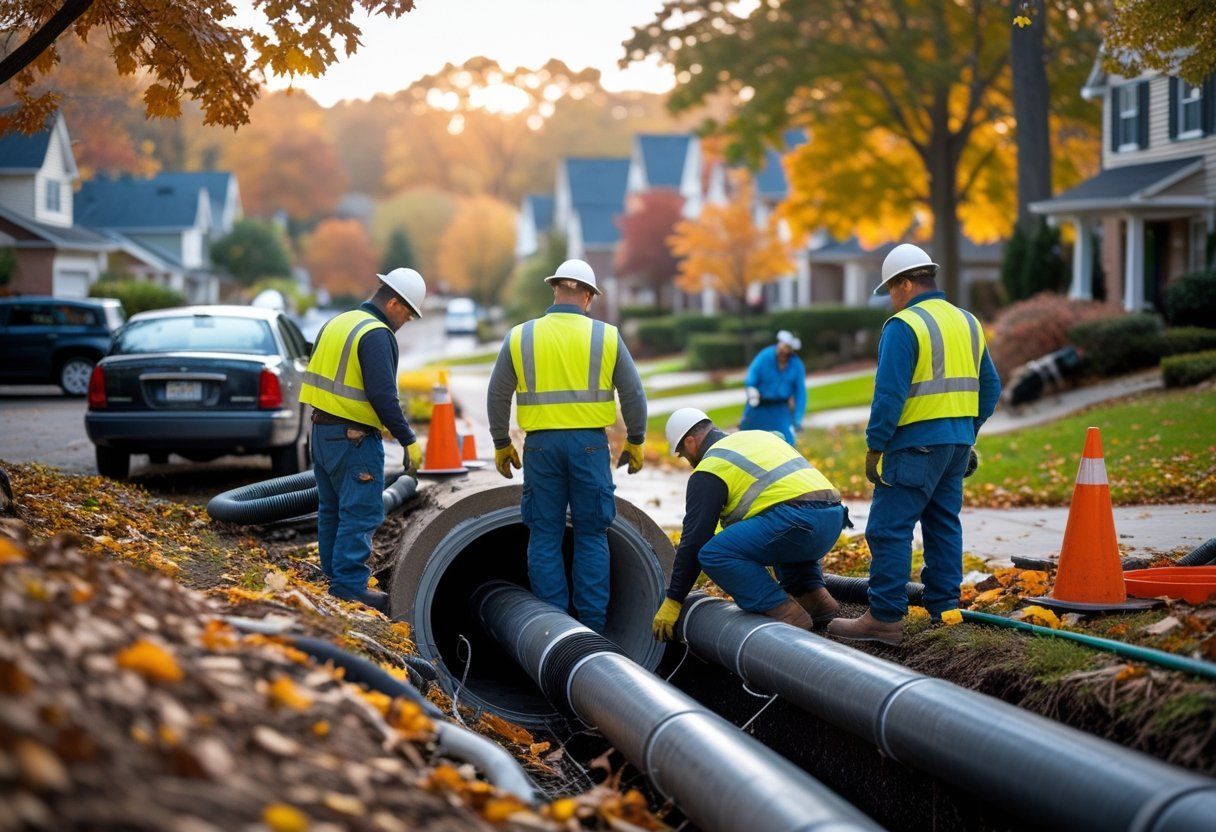
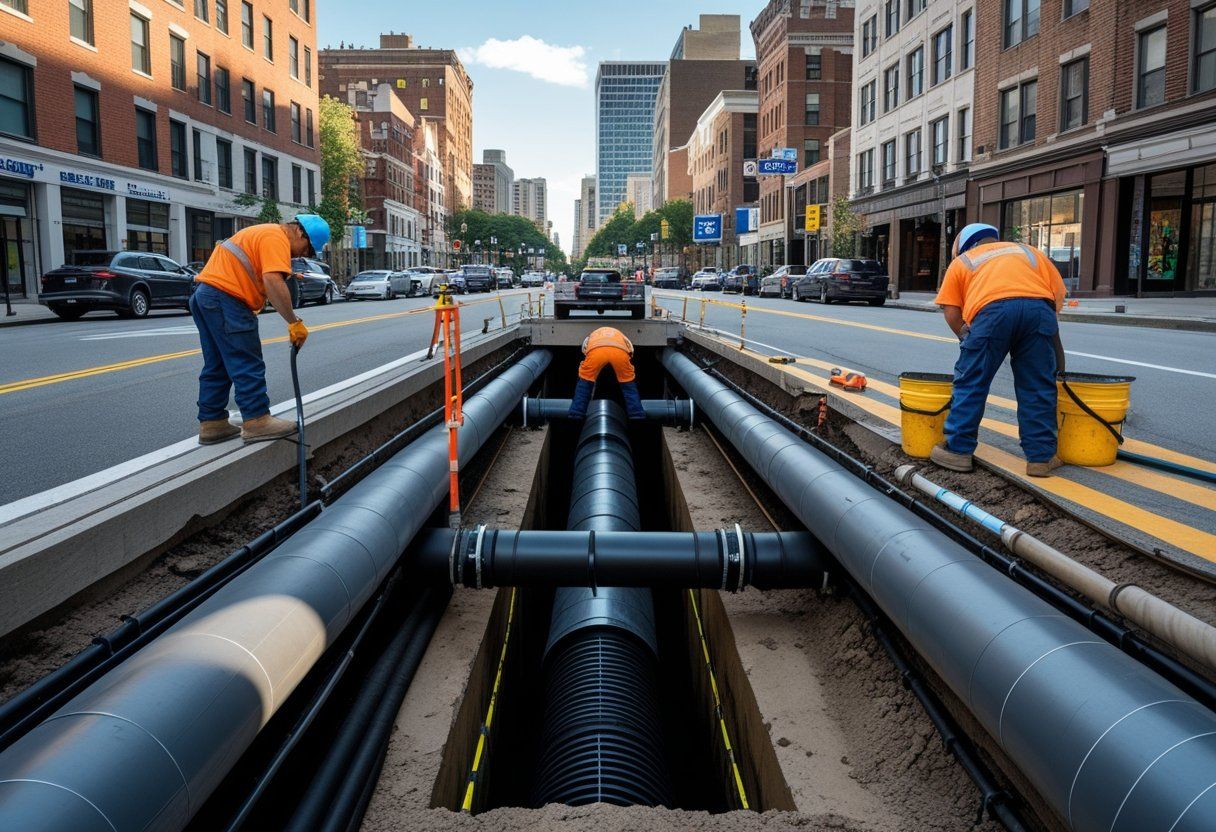
For bigger problems, trenchless sewer repair or pipe bursting might be used. Trenchless repairs cause less disruption and protect landscaping. In pipe bursting, a new pipe replaces the old one as it breaks apart underground.

When damage is severe or the pipe is too old, complete sewer line replacement may be needed. A professional plumber will explain the costs, timeline, and materials used. Choosing the right fix extends the life of our plumbing system and reduces the chance of future sewer repair emergencies.