Understanding The Frequency Of Sewer Line Maintenance: Key Factors And Best Practices

Sewer lines often go unnoticed until something goes wrong. We flush, drain, and move on without thinking about what happens underground. But ignoring this system can lead to messy and costly problems that could have been avoided with routine care. We should maintain our sewer lines every one to two years to prevent blockages and early pipe damage.

Understanding The Frequency Of Sewer Line Maintenance: Key Factors And Best Practices

Understanding how often to schedule maintenance helps protect both our property and budget. Regular inspections and cleanings keep water flowing smoothly, reduce repair risks, and extend the life of the system. By learning the right maintenance frequency and spotting early warning signs, we can stay ahead of serious issues and keep things running efficiently.

The Importance of Regular Sewer Line Maintenance

Regular sewer line maintenance helps us avoid costly plumbing issues, protect our property from water damage, and extend the life of our entire sewer system. By focusing on prevention, we can manage blockages, leaks, and buildup before they turn into major repairs.

Risks and Consequences of Neglect

When we ignore sewer line maintenance, small issues can quickly worsen. Cracks, root intrusions, and buildup reduce flow and strain the plumbing system. Over time, these problems can lead to sewage backup, which brings unpleasant odors, possible health hazards, and structural damage to our home.

Untreated blockages can cause waste to back up into sinks, showers, or toilets. This often results in expensive cleanup and repairs. Water and waste exposure also promotes mold growth and foundation damage.

Common signs of neglect include:

  • Slow drains throughout the house
  • Gurgling sounds from pipes
  • Wet spots or foul smells in the yard

Addressing these early prevents sewer system failures that can cost thousands of dollars to correct.

Common Causes of Sewer Line Problems

Several factors can lead to sewer line damage. Tree roots are a frequent cause, as they seek moisture and enter small cracks in pipes. These roots grow and block the flow of wastewater. Grease buildup also restricts movement inside the line, especially when people pour cooking oils down the drain.

Age and material matter as well. Older clay or cast-iron pipes weaken over time and rust or collapse. Shifts in the ground from temperature changes or soil settling further damage the line.

Example of problem sources:

CauseTypical Effect
Tree rootsCracks, slow drainage
Grease buildupBlockages, reduced flow
Pipe agingLeaks, corrosion
Ground movementPipe misalignment

By knowing what causes damage, we can plan routine inspections and remove buildup before it causes a backup.

How Maintenance Preserves Plumbing System Health

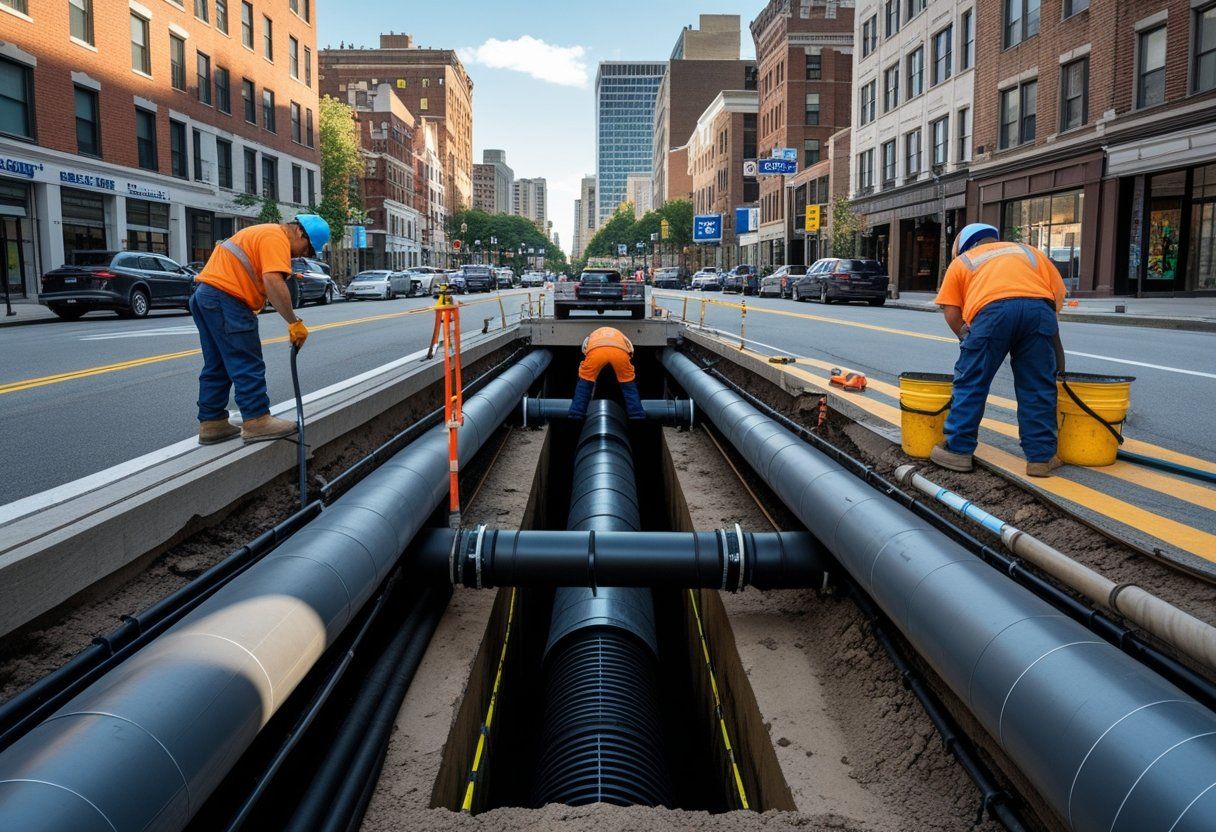
Consistent maintenance keeps the entire plumbing system performing well. Professional cleaning removes debris before it forms blockages. Inspection tools such as camera scopes let us see cracks, corrosion, or sagging areas early. Small repairs, like sealing joints or replacing short pipe sections, stop larger failures later.

A clean sewer line allows wastewater to move freely and prevents pressure from building. This reduces wear on the main sewer system and avoids unnecessary stress on household pipes.

Regular care includes:

  • Scheduling professional cleaning once every 1-2 years
  • Avoiding disposal of grease, wipes, and harsh chemicals
  • Watching water bills for unexpected increases

By staying proactive, we maintain safe, efficient wastewater flow and safeguard our property from damage.

Understanding the Frequency of Sewer Line Maintenance

We maintain our sewer lines regularly to prevent blockages, costly repairs, and sewage backups. The best maintenance plan depends on how often the lines are used, the type of waste they carry, and the system’s overall condition.

Recommended Cleaning Intervals

Most plumbing professionals suggest cleaning the main sewer line every 18 to 24 months. This schedule works well for average households with normal water use and waste levels. For commercial buildings or older systems, cleaning may be needed once a year or even more often.

A routine cleaning schedule removes buildup from grease, soap, hair, and debris before they cause slow drainage or clogs. Regular maintenance also allows us to inspect the pipe’s condition and identify cracks, tree root intrusion, or corrosion.

Having a record of previous maintenance helps us track issues and plan future service. When small problems appear frequently, we adjust the schedule for more frequent cleaning to reduce emergency repairs.

Property TypeTypical Cleaning IntervalNotes
Single-family home18-24 monthsNormal use and waste load
Older home or clay pipes12 monthsHigher risk of intrusion or cracks
Restaurant or commercial building6-12 monthsHeavy grease and waste output

Factors Influencing Cleaning Frequency

Several conditions can increase or decrease how often we clean sewer lines. The pipe material matters; PVC or ABS pipes resist corrosion longer than cast iron or clay. Soil type and moisture levels also affect pipe stability and the chance of infiltration from roots or groundwater.

Usage patterns play a major role. A home with a large family produces more waste than a single-occupant home. High water use can push debris further down the line, but it can also overload the system if not balanced properly.

Environmental factors like tree root growth near the main sewer line often require more frequent maintenance. Heavy rainfall areas may also cause buildup from sediment or storm-related debris. We evaluate all these details to decide a practical and cost-effective cleaning frequency.

Types of Properties and Usage Habits

Different properties need different sewer maintenance plans. Residences usually need a simpler cleaning schedule, while commercial facilities must manage higher waste volumes and varying waste types. Restaurants often generate grease and food residue, which require frequent service to avoid clogging grease traps and sewer lines.

Apartments and condos share main sewer lines across multiple units. Shared use can cause faster buildup and requires cooperation between residents or property managers to set regular maintenance. In these cases, inspections may happen every 6 to 12 months.

For industrial properties, waste composition matters most. Solvents or heavy solids can damage pipes and limit flow. We adjust maintenance plans around these risks, focusing on early detection and consistent cleaning to keep the plumbing system reliable.

Detecting When Sewer Line Maintenance Is Needed

We can often identify problems with sewer lines by noticing changes in water flow, drainage speed, and unusual sounds coming from pipes. These signs point to issues like partial blockages, buildup, or root intrusion that need prompt attention to prevent major damage.

Warning Signs of Blockages and Backups

Sewer line blockages develop as waste, grease, or foreign objects collect inside the pipe. Over time, this buildup restricts water flow and pressure increases. When this happens, sewage may back up into drains or toilets.

We may notice strong odors near sinks or basement drains. Water might appear around floor drains, or toilets may bubble when other fixtures are used. These are early clues that the line is not allowing proper flow.

If left unresolved, a clogged sewer line can cause wastewater to leak or overflow. Regular inspection and quick cleaning help avoid costly cleanup and structural damage. A simple rule is that if water is draining slower than normal across multiple fixtures, it’s time to call a professional for an inspection.

Common Symptoms: Slow Drains and Gurgling Noises

When drains empty slowly, it often means material is partially blocking the pipe. A single slow drain might come from a local clog, but multiple slow drains suggest a deeper sewer line issue. We should also listen for gurgling sounds from sinks, tubs, or toilets.

These noises happen as trapped air pushes through water in the drain, a common sign of restricted flow. The more frequent the gurgling noises, the more likely that waste material or buildup has narrowed the line.

We can use a basic check: run water in different fixtures and listen.

  • If only one drain gurgles, the issue may be local.
  • If several drains gurgle or slow down, the main line could be blocked.

Addressing these symptoms early prevents complete sewer line clog or sewage backups.

Recognizing the Impact of Tree Roots and Debris

Tree roots naturally seek moisture, making sewer pipes a prime target. Over time, tree root intrusion creates cracks, allowing roots to grow inside the pipe and trap debris. This causes recurring blockages and reduced flow.

We can often detect root intrusion through frequent clogs, slow draining fixtures, or raised patches in the yard. In some cases, soft ground or foul smells near outdoor pipes may appear.

Video inspections reveal these problems before they lead to major breaks. If tree roots are confirmed, hydro-jetting or root cutting tools can clear the blockage. Replacing damaged pipe sections and planting trees farther from sewer lines help prevent future root intrusion. Early action keeps our system flowing reliably.

Best Practices and Methods for Sewer Line Maintenance

We maintain sewer lines best when we combine routine cleaning, modern inspection tools, and preventive habits at home. Effective care lowers repair costs, reduces blockages, and keeps wastewater systems working efficiently.

Professional vs. DIY Sewer Line Cleaning

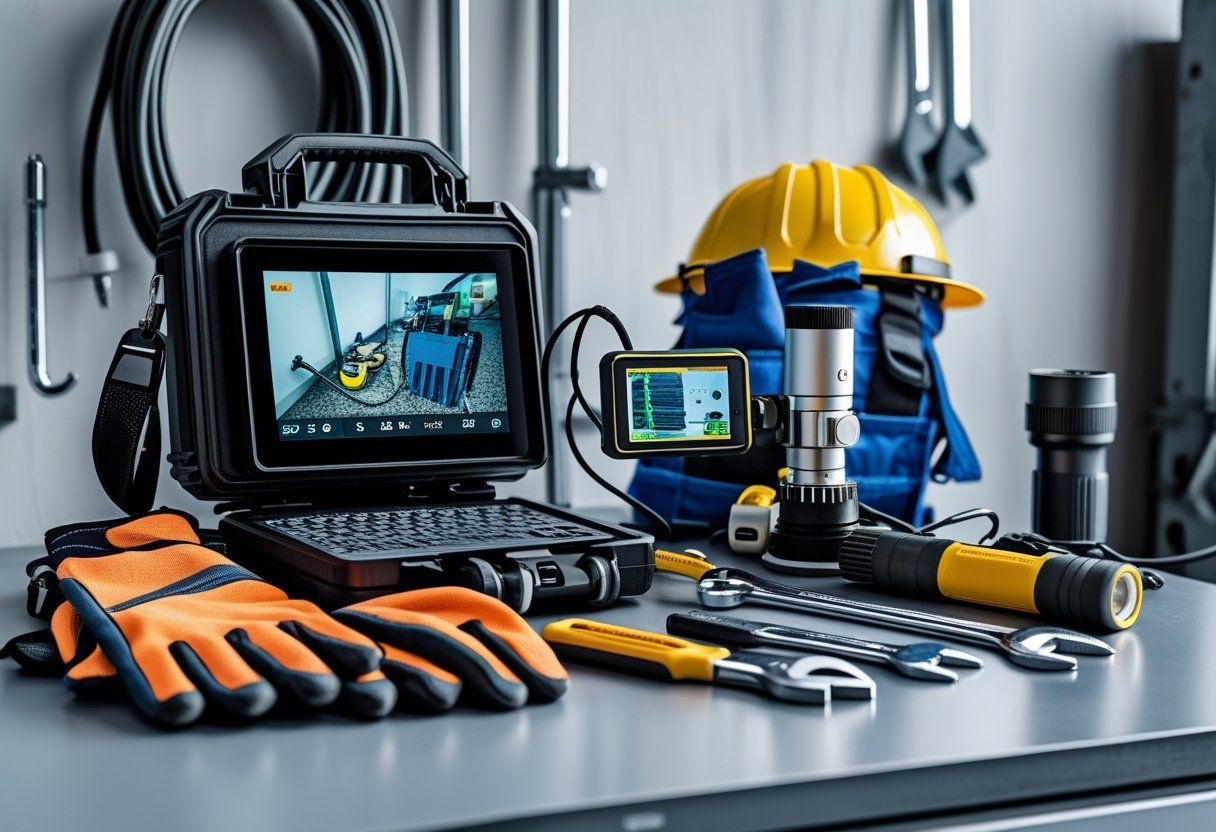
We often face a choice between professional sewer line cleaning and DIY methods. Professionals have specialized tools such as drain snakes, hydro jetting systems, and video inspection technology. These tools reach deep clogs and clear debris buildup that household tools cannot handle.

In contrast, basic DIY cleaning usually involves enzyme-based cleaners or small drain snakes. These work well for minor slow drains but can’t remove tree roots or heavy buildup. Improper cleaning can even damage pipes.

We recommend using professional help every 1-2 years for older homes. Professionals not only clear existing clogs but also check pipe conditions to prevent large problems. We can handle small maintenance tasks ourselves, but major blockage removal is best left to trained plumbers.

Modern Inspection and Cleaning Technologies

Modern tools help us detect sewer issues before they turn serious. Video inspections use a small camera attached to a flexible line. These cameras show cracks, corrosion, and obstructions without digging up the yard. We can review the footage and decide on repair or sewer line replacement if needed.

When cleaning is required, hydro jetting has become the standard. It uses high-pressure water to clear grease, roots, and sludge from pipes. Compared to older methods, it’s precise and environmentally friendly because it avoids chemical use.

Table below shows common professional cleaning tools and their purposes:

MethodPrimary UseTypical Frequency
Hydro JettingHeavy debris buildupEvery 1-2 years
Drain SnakingSmall blockagesAs needed
Video InspectionProblem diagnosisEvery 2 years or before repairs

These technologies help us maintain system efficiency with minimal disruption.

Preventive Maintenance Tips for Homeowners

Simple habits can reduce the need for costly sewer line repair. We should avoid flushing wipes, grease, or large scraps down drains. Installing root barriers near trees keeps roots from invading pipes.

Regular sewer line inspection every few years catches early signs of damage. Homeowners can pour enzyme-based cleaners monthly to break down small organic buildup. Keeping gutters and yard drains clear also prevents excess water from overloading the sewer system.

We should schedule professional drain cleaning at set intervals, especially in older or high-use homes. By managing what enters the line and checking its condition often, we extend its lifespan and avoid emergency repairs.